
Updated planning guide for 2026-2027
Mkomazi Vs Tarangire: Which Park Should You Visit?: Best Safari Guide
Choosing between Mkomazi and Tarangire National Parks for your Tanzania safari? This in-depth guide breaks down what each park offers, helping you make the best decision for your 2026-2027 adventure.
WhatsApp +255616946642 | topguideadventures@gmail.com | info@topguideadventures.com
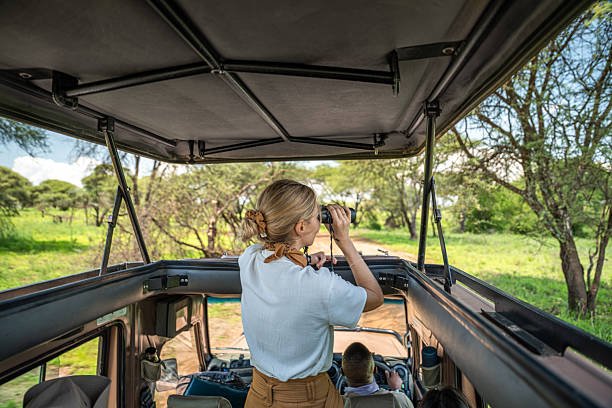
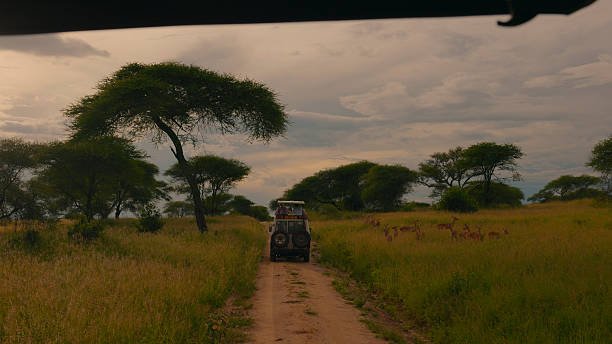
Mkomazi vs Tarangire: Which Park Should You Visit?
Planning a safari in Tanzania is an exciting prospect, filled with visions of vast savannas, incredible wildlife, and unforgettable landscapes. For many travelers, the Northern Circuit is the premier destination, offering a concentration of world-renowned parks. Within this circuit, two parks often come up in conversation, each with its unique appeal: Mkomazi National Park and Tarangire National Park. But when it comes to Mkomazi vs Tarangire, which park should you visit? The answer depends entirely on your safari priorities, interests, and what you hope to experience.
This guide is designed to provide a comprehensive comparison, moving beyond surface-level descriptions to offer practical insights for your 2026 or 2027 safari planning. We’ll explore the distinct characteristics of each park, from their wildlife populations and landscapes to accessibility and the types of experiences they offer. By the end, you’ll have a clear understanding of how Mkomazi and Tarangire stack up and which one aligns best with your dream Tanzanian adventure.
Quick Answer:
Choose Tarangire National Park if: You prioritize seeing large herds of elephants, enjoy iconic baobab trees, and want a park with well-developed tourist infrastructure and easier accessibility, especially when combined with other Northern Circuit parks like the Serengeti and Ngorongoro Crater. It’s excellent for first-time safari-goers and those seeking classic savanna wildlife encounters.
Choose Mkomazi National Park if: You are seeking a more off-the-beaten-path experience, are particularly interested in conservation efforts, want to see rare and endemic species like the gerenuk and fringe-eared oryx, and are looking for a wilder, less crowded environment. It’s ideal for repeat visitors or those with specific conservation interests.
Table of Contents
- Quick Facts: Mkomazi vs. Tarangire
- Park Overviews
- Why Compare Mkomazi and Tarangire?
- Wildlife: What Will You See?
- Landscapes and Scenery
- Best Time to Visit
- Location and Accessibility
- Sample Itinerary Logic
- What to Expect: Visitor Experience
- Planning and Preparation
- Common Mistakes to Avoid
- Who is Each Park Best For?
- Alternatives to Consider
- Planning Your 2026-2027 Safari
- Booking Advice
- Frequently Asked Questions
Quick Facts: Mkomazi vs. Tarangire
| Feature | Mkomazi National Park | Tarangire National Park |
|---|---|---|
| Location | Northeastern Tanzania, bordering Kenya | North-central Tanzania, southwest of Arusha |
| Size | ~3,245 sq km (1,253 sq mi) | ~2,850 sq km (1,100 sq mi) |
| Key Wildlife Highlights | Endangered black rhino, African wild dog, gerenuk, fringe-eared oryx, elephant, lion, leopard, cheetah, diverse birdlife. | Massive elephant herds, baobab trees, large buffalo herds, lions, leopards, cheetahs, diverse birdlife, diverse antelopes. |
| Landscape | Arid savanna, acacia woodlands, rugged hills, dry riverbeds. | Acacia woodlands, savanna, baobab-dotted plains, swamps, riverine forests. |
| Crowds | Very low, remote, often solitary experiences. | Moderate to high, especially during dry season; can be busy. |
| Infrastructure | Basic; limited lodges/camps, rougher roads. | Well-developed; numerous lodges/camps, good road network. |
| Accessibility | More remote, requires more travel time, often via charter flight or long drive. | Easily accessible from Arusha, part of the Northern Circuit popular route. |
| Conservation Focus | Rhino and wild dog reintroduction, anti-poaching initiatives. | Elephant conservation, general wildlife protection. |
Park Overviews
Mkomazi National Park: A Conservation Success Story
Mkomazi National Park is a large, semi-arid protected area located in northeastern Tanzania. It’s perhaps best known for its vital role in conservation, particularly as a sanctuary for the endangered black rhino and the African wild dog. Once a hunting ground and later facing significant poaching threats, Mkomazi has undergone a remarkable transformation thanks to dedicated conservation efforts, primarily through the Mkomazi Rhino Sanctuary and the George Adamson Wildlife Preservation Trust. The park’s landscape is characterized by dry savanna, scattered acacia woodlands, and rugged hills, offering a wild and untamed feel.
The remoteness of Mkomazi contributes to its appeal for travelers seeking an authentic, less-visited safari experience. Wildlife viewing here can be more challenging than in some other parks, requiring patience and a keen eye, but the rewards include sightings of rare species and a profound sense of solitude. It’s a place where the focus is not just on seeing animals, but on understanding the critical work being done to protect them.
Tarangire National Park: The Land of Giants
Tarangire National Park, situated in north-central Tanzania, is a jewel of the Northern Circuit, particularly famous for its enormous elephant population. During the dry season, the Tarangire River becomes a vital water source, drawing vast numbers of animals, including the park’s signature elephants, as well as large herds of buffalo, wildebeest, and zebra. The landscape is iconic, dominated by vast savannas dotted with ancient, majestic baobab trees, which add a dramatic visual element to any safari drive.
Tarangire is a popular stop on the classic Northern Circuit itinerary, often visited before or after the Serengeti and Ngorongoro Crater. Its well-established tourist infrastructure, including a range of lodges and camps and a relatively good road network, makes it accessible and comfortable for a wide variety of travelers. The park offers consistently good game viewing, especially for elephants and a variety of predators, making it a highlight for many safari-goers.
Why Compare Mkomazi and Tarangire?
The decision between Mkomazi and Tarangire often arises because both parks are located within the broader Northern Circuit region of Tanzania, and both offer unique wildlife viewing opportunities. However, they cater to different safari preferences and expectations. Understanding their differences is crucial for crafting an itinerary that truly matches what you envision for your Tanzanian adventure.
Tarangire is the more established, popular choice, known for its predictable, abundant game, especially elephants and baobab trees. It’s a reliable destination for classic safari experiences. Mkomazi, on the other hand, represents a different kind of safari – one focused on conservation, rarity, and a sense of true wilderness. It’s for those who appreciate the effort behind wildlife recovery and are willing to venture a bit further for a less crowded, more exclusive encounter with nature.
The comparison isn’t about which park is ‘better’ overall, but rather which park is ‘better for you’. This detailed breakdown will help you weigh the pros and cons based on your personal safari goals, whether you’re planning for 2026, 2027, or any other year.
Wildlife: What Will You See?
Mkomazi National Park: The Rare and Resilient
Mkomazi’s wildlife narrative is one of recovery and specialized adaptation. While you can find common plains game like wildebeest, zebra, giraffe, and various antelope species, its true stars are the animals that have been successfully reintroduced or thrive in its arid environment.
- Black Rhinos: Mkomazi is a vital sanctuary for the endangered black rhino. While sightings are not guaranteed, the park is home to a significant population, and dedicated conservation efforts mean there’s a chance to see these magnificent creatures in a protected setting.
- African Wild Dogs: Another species making a comeback in Mkomazi, the African wild dog, is a major draw. Seeing a pack of these highly social and efficient predators is a rare and thrilling safari experience.
- Gerenuk: This unique antelope, known for its long neck and habit of standing on its hind legs to reach vegetation, is a specialty of Mkomazi and its arid habitat.
- Fringe-eared Oryx: Another striking antelope that favors dry environments, the fringe-eared oryx is more commonly found in Mkomazi than in many other Tanzanian parks.
- Predators: Lions, leopards, and cheetahs are present, though often more elusive than in other parks due to the terrain and lower prey density compared to the Serengeti.
- Birdlife: Mkomazi boasts an impressive array of bird species, including many that are adapted to arid conditions, making it a haven for birdwatchers.
Game drives in Mkomazi often require more patience. The animals are not as densely packed as in some other parks, and the landscape can be more challenging to navigate. However, this often leads to more intimate and rewarding sightings, especially when combined with the knowledge of the park’s conservation significance.
Tarangire National Park: Elephants and Abundance
Tarangire is renowned for its sheer abundance of wildlife, particularly during the dry season when animals congregate around the Tarangire River. It’s a park that delivers classic safari sightings with high probability.
- Elephants: Tarangire is famously known as the ‘land of giants’ due to its massive elephant herds. During the dry season, you can often see hundreds of elephants at once, a truly awe-inspiring spectacle.
- Large Mammal Herds: Expect to see large herds of wildebeest, zebra, buffalo, gazelles, and impala. The concentration of herbivores is significant, especially from June to October.
- Predators: Lions are common, and Tarangire is known for its tree-climbing lions, a behavior observed more frequently here than in some other parks. Leopards and cheetahs are also present, though often more challenging to spot than lions.
- Other Mammals: You can also find giraffes, warthogs, baboons, and a variety of smaller antelopes.
- Birdlife: Tarangire is a paradise for birdwatchers, with over 550 recorded species. The park is particularly rich in birds of prey and water birds, especially around the swamps.
Game viewing in Tarangire is often more straightforward due to the open plains and the concentration of animals. Drives are generally more about witnessing the sheer scale of wildlife and the interactions within large herds.
Landscapes and Scenery
Mkomazi National Park: Wild and Rugged
Mkomazi’s landscape is less manicured and more raw. It’s a semi-arid environment with a dramatic backdrop of the Usambara and Pare mountains. The terrain includes:
- Dry Savanna Plains: Expansive areas covered in dry grasses and scattered thorny acacia trees.
- Acacia Woodlands: Denser patches of acacia trees, providing cover for some wildlife.
- Rocky Outcrops and Hills: The landscape becomes more rugged in parts, with kopjes and hills offering vantage points and unique habitats.
- Dry Riverbeds: These can become temporary water sources during the rains, but are often dry during the dry season.
The scenery in Mkomazi is starkly beautiful, evoking a sense of remoteness and wildness. It’s a landscape that feels ancient and largely untouched by mass tourism.
Tarangire National Park: Iconic Baobabs and Open Plains
Tarangire’s landscape is instantly recognizable and visually striking:
- Baobab Trees: The park is famous for its large, ancient baobab trees, which dominate the skyline and create a surreal, prehistoric atmosphere.
- Open Savanna: Vast, rolling plains covered in golden grasses, ideal for spotting large herds.
- Acacia Woodlands: Mixed acacia woodlands provide shade and habitat for a variety of species.
- Swamps: Particularly in the southern part of the park, extensive swamps attract water-dependent wildlife and a rich diversity of birdlife.
- Tarangire River: The lifeblood of the park, a permanent river that dictates animal movements during the dry season.
The combination of baobabs, elephants, and open plains makes Tarangire incredibly photogenic and offers classic African safari vistas.
Best Time to Visit
The best time to visit both parks largely depends on what you want to see, but there are general trends.
Mkomazi National Park:
Mkomazi is a year-round destination, but its nature changes significantly with the seasons:
- Dry Season (June to October): This is generally the best time for wildlife viewing as animals congregate around the few permanent water sources. The vegetation thins out, making animals easier to spot. However, the landscape can be dusty and dry. It’s also the best time for tracking rhinos and wild dogs.
- Green Season (November to May): The landscape becomes lush and green. Migratory birds arrive, and the scenery is beautiful. However, wildlife can be more dispersed, and some roads may become challenging due to rain. This period can offer excellent photographic opportunities with the vibrant green backdrop.
Tarangire National Park:
Tarangire’s wildlife viewing is heavily influenced by the availability of water:
- Dry Season (June to October): This is peak season for Tarangire. The Tarangire River and swamps attract massive herds of elephants and other animals. It’s the best time for viewing large concentrations of wildlife. Expect crowds and higher prices.
- Green Season (November to May): The park is less crowded, and the landscape is beautiful and green. Birdwatching is excellent. While large herds disperse, resident wildlife is still present, and smaller game can be seen. Roads are generally good, though some areas might become impassable during heavy rains.
Location and Accessibility
Mkomazi National Park:
Mkomazi is located in the northeast, near the border with Kenya. It’s one of the more remote parks in the Northern Circuit.
- From Arusha: The drive to Mkomazi is long, typically taking 6-8 hours or more, often on rougher roads. It’s usually done in a 4×4 safari vehicle.
- Charter Flights: The most convenient way to reach Mkomazi is by charter flight from Arusha to a local airstrip, which significantly reduces travel time.
- Part of a Wider Itinerary: Mkomazi is often visited as a standalone destination or as an add-on to a Northern Circuit trip, but its remoteness means it requires dedicated travel time and planning. It’s less integrated into the typical Serengeti-Ngorongoro loop.
Simple Route Illustration (Mkomazi):
| Arusha | — (Approx. 6-8+ hours drive / 1-hour flight) —> | Mkomazi National Park |
Tarangire National Park:
Tarangire is strategically located in north-central Tanzania, southwest of Arusha.
- From Arusha: The drive to Tarangire is relatively short, about 2-3 hours, on good tarmac roads for most of the way.
- Part of the Northern Circuit: Tarangire is a standard stop on the classic Northern Circuit safari route, fitting logically between Arusha and Lake Manyara, and before heading to the Serengeti and Ngorongoro Crater.
- Accessibility within the Park: The park has a network of dirt tracks, generally well-maintained, allowing for easy game drives.
Simple Route Illustration (Tarangire as part of Northern Circuit):
| Arusha | — (2-3 hours drive) —> | Tarangire National Park | — (1-1.5 hours drive) —> | Lake Manyara National Park | — (5-6 hours drive) —> | Serengeti National Park | |
| — (2 hours drive from Manyara) —> | Ngorongoro Conservation Area | ||||||
Sample Itinerary Logic
The placement of Mkomazi or Tarangire in your itinerary significantly impacts the overall flow and experience of your safari.
Mkomazi in an Itinerary:
Given its remoteness, Mkomazi is best experienced with dedicated time. It’s not typically a quick day trip or a brief overnight stop.
| Day | Activity/Location | Notes |
|---|---|---|
| 1 | Arrive in Arusha. Transfer to hotel. Briefing. | Prepare for safari. |
| 2 | Arusha to Mkomazi National Park. Game drive en route. | Long drive or charter flight. Settle into camp/lodge. |
| 3 | Full day Mkomazi game drives. | Focus on rhino sanctuary, wild dog sightings, and unique antelopes. |
| 4 | Morning game drive in Mkomazi. Drive/fly back to Arusha. | Return journey. |
| 5+ | Optional: Continue to other Northern Circuit parks (e.g., Kilimanjaro, Arusha NP, or head towards Tarangire/Serengeti if time permits). | Requires significant additional travel time. |
This 3-day/2-night Mkomazi focus is for travelers prioritizing its unique offerings. It’s often added for those on longer, more in-depth safaris or those with specific conservation interests.
Tarangire in an Itinerary:
Tarangire is a cornerstone of the Northern Circuit and easily integrated.
| Day | Activity/Location | Notes |
|---|---|---|
| 1 | Arrive in Arusha. Transfer to hotel. Briefing. | Start of Northern Circuit. |
| 2 | Arusha to Tarangire National Park. Game drive. | Focus on elephants and baobab trees. Overnight near park. |
| 3 | Morning game drive in Tarangire. Drive to Lake Manyara / Karatu area. | Optional afternoon activity at Lake Manyara. |
| 4 | Drive to Serengeti National Park. | Enter Serengeti for multiple days of exploration. |
| 5-6 | Serengeti National Park. | Explore different regions of the Serengeti. |
| 7 | Serengeti to Ngorongoro Crater. Descent and game drive. | Crater exploration. Overnight on crater rim or Karatu. |
| 8 | Karatu/Ngorongoro to Arusha. | Departure or onward travel. |
This 8-day itinerary is a classic example, showing how Tarangire fits seamlessly. You can adjust the number of days in each park.
What to Expect: Visitor Experience
Mkomazi National Park:
- Solitude: Expect to have large areas of the park to yourself. Encounters with other safari vehicles are rare.
- Wilderness: The experience feels raw and authentic. Roads can be rough, and services are basic.
- Conservation Focus: You’ll likely learn a lot about the conservation efforts, the challenges, and the successes. Some lodges actively engage visitors in these discussions.
- Patience Rewarded: Wildlife viewing requires a good guide and patience. Seeing specific animals like rhinos or wild dogs might involve dedicated tracking or waiting.
- Limited Infrastructure: Accommodation options are few and far between, often more rustic and remote. This adds to the feeling of being away from it all.
Tarangire National Park:
- Abundant Wildlife: Expect to see a high density of animals, especially elephants and large herds during the dry season.
- Classic Safari Vistas: The iconic baobab trees and vast plains offer quintessential African safari scenery.
- Well-trodden Paths: During peak season, certain popular spots along the river can get busy with multiple safari vehicles.
- Good Infrastructure: A range of lodges and camps are available, from luxury to mid-range. Roads are generally manageable for standard safari vehicles.
- Convenience: Its proximity to Arusha and its role in the Northern Circuit make it an easy and rewarding stop.
Planning and Preparation
Both parks require careful planning, but the specifics differ.
For Mkomazi:
- Vehicle: A sturdy 4×4 is essential due to potentially rough roads.
- Guide: An experienced guide is crucial for tracking wildlife and navigating the terrain.
- Supplies: Given the remoteness, ensure you have sufficient water, snacks, and any personal necessities.
- Accommodation: Book accommodation well in advance, as options are limited.
- Time: Allocate sufficient time for travel to and from the park.
For Tarangire:
- Vehicle: A standard safari 4×4 is suitable.
- Guide: A good guide enhances the experience, but the park is more forgiving for less experienced guides due to higher animal concentrations.
- Bookings: Accommodation and park fees should be booked in advance, especially during peak season.
- Itinerary Integration: Plan its position within your broader Northern Circuit itinerary.
Essential Packing List (General for both, with Mkomazi notes):
| Item | Notes |
|---|---|
| Lightweight Clothing | Neutral colors (khaki, beige, green). Long sleeves and trousers for sun and insect protection. |
| Warm Layer | Fleece or jacket for cool mornings and evenings, especially in drier months. |
| Comfortable Shoes | Closed-toe walking shoes or sturdy trainers. Sandals for camp. |
| Sun Protection | Wide-brimmed hat, sunglasses, high SPF sunscreen. |
| Insect Repellent | With DEET or picaridin. Essential for evenings. |
| Camera & Binoculars | Essential for wildlife viewing. Extra batteries and memory cards. |
| Reusable Water Bottle | Stay hydrated. |
| Small Backpack | For day trips, carrying water, snacks, camera. |
| Personal First-Aid Kit | Include any personal medications. |
| Adapter/Power Bank | For charging electronics. (Power can be limited in Mkomazi camps). |
| Field Guide | For identifying flora and fauna. |
| Headlamp/Torch | Useful for navigating camps at night. |
Common Mistakes to Avoid
When Choosing Mkomazi vs Tarangire:
- Expecting Tarangire-like crowds/density in Mkomazi: Mkomazi is about wilderness and conservation, not high-volume sightings. Manage expectations.
- Underestimating Mkomazi’s remoteness: Factor in travel time and ensure you have appropriate vehicle and supplies.
- Treating Mkomazi as a quick add-on: It requires dedicated time to appreciate its unique offerings.
- Assuming Tarangire is always quiet: Tarangire can be very busy, especially around the river during peak dry season.
- Not considering the season: Wildlife concentrations in Tarangire are highly seasonal.
- Overpacking for Mkomazi: While you need essentials, remember that lodges will have limited space for large amounts of luggage, especially if flying.
General Safari Mistakes:
- Booking with unreliable operators: Always research and choose reputable tour companies.
- Not packing appropriate clothing: Neutral colors and layers are key.
- Ignoring your guide’s advice: They are local experts.
- Failing to book in advance: Especially for popular parks and lodges during peak seasons.
- Not budgeting for park fees and extras: These can add up.
Who is Each Park Best For?
Mkomazi National Park is ideal for:
- Travelers seeking an off-the-beaten-path experience.
- Those interested in conservation and wildlife recovery efforts.
- Visitors keen to see rare species like gerenuk and fringe-eared oryx.
- People looking for solitude and a wild, untamed environment.
- Photographers seeking unique, dramatic landscapes with fewer other vehicles.
- Repeat safari-goers looking for something different.
Tarangire National Park is ideal for:
- First-time safari-goers looking for classic, abundant wildlife sightings.
- Anyone who wants to see large elephant herds.
- Travelers interested in iconic African landscapes with baobab trees.
- Those on a standard Northern Circuit itinerary.
- Birdwatchers who appreciate diverse avian life.
- Families or groups looking for a reliable and accessible safari experience.
- Visitors who enjoy a good range of accommodation options.
Alternatives to Consider
While Mkomazi and Tarangire offer distinct experiences, Tanzania has many other incredible parks. If neither of these quite fits your needs, consider:
- Lake Manyara National Park: Known for its tree-climbing lions, diverse birdlife, and beautiful rift valley setting. It’s smaller and easily combined with Tarangire.
- Arusha National Park: Close to Arusha, it offers opportunities for canoeing, walking safaris, and stunning views of Mt. Meru. It’s great for day trips or a short introduction to Tanzanian wildlife.
- Ruaha National Park: Located in southern Tanzania, Ruaha is Tanzania’s largest park. It’s wilder and less visited than the Northern Circuit parks, known for its large predator populations (lions, wild dogs, cheetahs) and vast, rugged landscapes. It requires more travel time and is often accessed by flight.
- Selous Game Reserve (Nyerere National Park): Also in southern Tanzania, it offers a different safari experience with boat safaris on the Rufiji River, walking safaris, and excellent game viewing, particularly for elephants, hippos, and wild dogs.
Planning Your 2026-2027 Safari
When planning your safari for 2026 or 2027, here are some key considerations:
- Book Early: Popular lodges and peak season dates (June-October) for Tarangire and other Northern Circuit parks fill up quickly. Aim to book at least 9-12 months in advance for 2026-2027 travel.
- Consider Shoulder Seasons: For a good balance of wildlife viewing and fewer crowds, consider the shoulder months (e.g., November, March, April, May). These can also offer better value.
- Visa Requirements: Check the latest Tanzanian visa requirements for your nationality well in advance.
- Vaccinations and Health: Consult your doctor or a travel clinic about recommended vaccinations (e.g., Yellow Fever, Hepatitis A) and malaria prophylaxis.
- Budgeting: Safari costs can vary significantly. Factor in park fees (which are substantial in Tanzania), accommodation, transport, meals, and guide fees. Mkomazi might offer slightly lower accommodation costs due to fewer luxury options, but transport can be higher if flying. Tarangire has a wider range of price points.
- Customization: Work with a reputable tour operator to tailor your itinerary. Whether you lean towards Mkomazi’s conservation focus or Tarangire’s classic abundance, a good operator can craft the perfect trip for your 2026 or 2027 adventure.
Booking Advice
Choosing the right tour operator is paramount for a successful and stress-free safari. For your Mkomazi vs Tarangire decision and overall Tanzania trip planning for 2026-2027:
- Reputation: Look for operators with positive reviews and a strong track record in Tanzania.
- Local Expertise: A local operator often has better on-the-ground knowledge, relationships with lodges, and understanding of park conditions.
- Customization: Ensure the operator can tailor an itinerary to your specific interests, whether that’s focusing on Mkomazi’s conservation or experiencing the best of Tarangire within a larger circuit.
- Transparency: They should be clear about what is included in the price (park fees, accommodation, meals, guide, vehicle) and what is not (tips, drinks, personal expenses).
- Communication: Good communication is key. They should be responsive to your questions and concerns.
When you are ready to plan your safari and decide between Mkomazi vs Tarangire, or to combine them with other incredible Tanzanian destinations, reach out to us. We specialize in creating personalized safari experiences that align with your dreams and budget for 2026 and 2027.
Get in Touch to Plan Your Tanzania Safari:
WhatsApp: +255616946642
Email: topguideadventures@gmail.com
Backup Email: info@topguideadventures.com
Let us help you craft an unforgettable safari adventure, whether it’s Mkomazi, Tarangire, or a combination of Tanzania’s best parks for your 2026-2027 trip.
Frequently Asked Questions
Mkomazi vs Tarangire: Which Park Should You Visit? – FAQs
Q1: Can I visit both Mkomazi and Tarangire on the same safari?
A1: Yes, it is possible, but it requires careful planning due to Mkomazi’s remoteness. It would typically involve a significant travel day or a charter flight between the two. This is best suited for longer safaris (10+ days) where you want to experience both the conservation focus of Mkomazi and the classic wildlife density of Tarangire.
Q2: Which park is better for seeing lions?
A2: Tarangire generally offers better and more consistent lion sightings due to its higher prey density. Lions are present in Mkomazi, but they can be more elusive.
Q3: Is Mkomazi safe for tourists?
A3: Mkomazi is considered safe for tourists. The park is actively managed with anti-poaching units, and visitor safety is a priority. Its remoteness means you’ll be with experienced guides and rangers.
Q4: What is the biggest difference between Mkomazi and Tarangire?
A4: The primary difference lies in their focus and visitor experience. Tarangire is renowned for abundant, classic wildlife viewing (especially elephants) and well-developed infrastructure. Mkomazi offers a wilder, less crowded experience with a strong emphasis on conservation, particularly for rhinos and wild dogs, and sightings of rarer antelope species.
Q5: Which park is better for birdwatching?
A5: Both parks have excellent birdlife, but Tarangire is often cited for its sheer diversity and abundance, especially around its swamps and riverine areas, with over 550 species recorded. Mkomazi also boasts a good variety of birds adapted to arid regions.
Q6: How much do park fees cost for Mkomazi and Tarangire?
A6: Park fees in Tanzania are set by the Tanzania National Parks Authority (TANAPA) and are subject to change. For 2026-2027, expect fees to be in the range of $30-$70 USD per person per day for foreign tourists, varying slightly between parks. It’s always best to confirm the current rates with your tour operator.
Q7: Is Tarangire very crowded?
A7: Tarangire can get crowded, especially during the peak dry season (July-October) when animals are concentrated around the river. However, the park is quite large, and game drives can still offer a sense of space. Visiting during the green season (November-May) will result in fewer crowds.
Q8: Which park offers a more ‘authentic’ or ‘wild’ safari experience?
A8: Mkomazi generally offers a more ‘authentic’ and ‘wild’ experience due to its remoteness, fewer visitors, and rugged terrain. It feels less managed and more like true wilderness.
Q9: Can I do a day trip to Mkomazi or Tarangire from Arusha?
A9: A day trip to Tarangire is feasible but very long, with most of the day spent driving. It’s better to spend at least one night. A day trip to Mkomazi from Arusha is generally not recommended due to the significant travel time and rough roads; it requires at least an overnight stay to be worthwhile.
Q10: What is the best time to see elephants in Tarangire?
A10: The dry season, from June to October, is the absolute best time to see large herds of elephants in Tarangire, as they gather around the Tarangire River and its swamps.
Ready to Decide? Plan Your Tanzania Safari!
The choice between Mkomazi vs Tarangire hinges on your personal safari aspirations. Do you dream of iconic herds against baobab backdrops in Tarangire, or are you drawn to the rugged conservation narrative and rare species of Mkomazi? Perhaps you’re looking to combine the best of both worlds on an extended adventure.
Whatever your preference, Top Guide Adventures is here to help you craft the perfect Tanzania safari for 2026 or 2027. We specialize in creating custom itineraries that match your interests, budget, and travel style. Let us handle the logistics so you can focus on the magic of Tanzania.
Contact Us Today to Plan Your Dream Safari:
WhatsApp: +255616946642
Email: topguideadventures@gmail.com
Backup Email: info@topguideadventures.com
We look forward to helping you discover the wonders of Mkomazi, Tarangire, and beyond!
Three Days For Safari In Tanzania: Where To Go An Unforgettable Experience
If you have just three days for a safari in Tanzania, the most recommended destinations for a concentrated and rewarding wildlife experience are the Ngorongoro Conservation Area and...
View package details
Tanzania Safari For Great Migration: Which Tour To Book In 2026-2027
Planning to witness the Great Migration in Tanzania? This guide helps you choose the perfect safari for 2026-2027, detailing the best parks, timing, and tour options for an unforgettable...
View package details
Which Tanzania Safari Gives The Best Value For Money? 2026-2027
Which Tanzania safari gives the best value for money? is explained with current 2026-2027 planning, price, itinerary and booking information.
View package details
Which Local Tanzania Safari Companies Are Trustworthy In ? 2026-2027
Choosing a trustworthy local Tanzania safari company is crucial for a memorable and safe adventure. This guide helps you identify reliable operators for your 2026-2027 trip, covering...
View package detailsHow Far In Advance Should You Book A Tanzania Safari? Your Planning Guide
Securing your dream Tanzania safari requires strategic planning. This comprehensive guide details the optimal booking timeline for 2026-2027, considering peak seasons, lodge availability...
View package detailsHow Much Should I Tip My Safari Guide In Tanzania? Your 2026-2027
Understand the tipping culture for safari guides and staff in Tanzania. This guide provides clear, actionable recommendations for tipping your safari crew in 2026-2027, covering guides...
View package detailsPrivate Safari Vs Group Tanzania — Which Is Better? 2026-2027
Private safari vs group safari Tanzania — which is better? is explained with current 2026-2027 planning, price, itinerary and booking information.
View package details
We Are Arriving At Kilimanjaro Airport, What Safari Itinerary Should We Do?
Planning your safari upon arrival at Kilimanjaro Airport (JRO)? This guide provides tailored safari itineraries for 2026-2027, focusing on Northern Tanzania's iconic parks like the...
View package details
We Are A Couple Visiting Tanzania In July, What Safari Would You Recommend?
We are a couple visiting Tanzania in July, what safari would you recommend? is explained with current 2026-2027 planning, price, itinerary and booking.
View package details
Which Is More Affordable: Mikumi Or Nyerere? 2026-2027
Which Is More Affordable: Mikumi or Nyerere? is explained with current 2026-2027 planning, price, itinerary and booking information.
View package details
3-Day Nyerere Safari With Accommodation Inside The Park 2026-2027
3-Day Nyerere Safari with Accommodation Inside the Park is explained with current 2026-2027 planning, price, itinerary and booking information.
View package details
4-Day Nyerere National Park Safari From Zanzibar: Your Ultimate Wildlife
start an unforgettable 4-day safari adventure from Zanzibar to Nyerere National Park, Tanzania's largest game reserve. This itinerary offers a unique blend of classic game drives and...
View package detailsNo related package matches those filters. Clear one or more filters to see the other topic-matched options.
Plan your Mkomazi vs Tarangire: Which Park Should You Visit? with Top Guide Adventures
Tell us your travel dates, group size, comfort level, and dream experience. We will help you shape a clear, realistic, and memorable Tanzania itinerary.



