
Updated planning guide for 2026, 2027-2028
Machame Route And Safari From Moshi: Expert Trekking Guide 2026-2027-2028
Your comprehensive guide to combining the popular Machame Route Kilimanjaro trek with an incredible safari experience departing from Moshi, Tanzania. Learn everything you need to know for your 2026-2027 adventure.
WhatsApp +255616946642 | topguideadventures@gmail.com | info@topguideadventures.com
Machame Route and Safari From Moshi: Your Ultimate Tanzania Adventure Planner
The allure of Mount Kilimanjaro, Africa’s highest peak, combined with the thrill of a wildlife safari, forms the pinnacle of many travelers’ African dreams. For those seeking to conquer Kili and witness the Serengeti’s wonders, arranging a Machame Route and Safari From Moshi adventure is a popular and effective choice. Moshi, a vibrant town nestled at the foot of Kilimanjaro, serves as the primary gateway for trekkers and the perfect launchpad for safaris. This guide provides an in-depth look at planning, executing, and maximizing your experience with a Machame Route climb followed by an unforgettable safari, specifically tailored for travelers looking ahead to 2026 and 2027.
Contents
- Quick Facts
- Machame Route & Safari Overview
- Why Choose the Machame Route?
- Why Safari From Moshi?
- Best Time to Trek Machame & Safari in 2026-2027
- Machame Route Overview
- Sample Machame Route and Safari Itinerary
- What to Expect on the Machame Route
- What to Expect on Your Tanzania Safari
- Typical Inclusions & Exclusions
- Essential Packing and Preparation
- Common Mistakes to Avoid
- Who is the Machame Route & Safari For?
- Alternatives to Consider
- Planning Your 2026-2027 Adventure
- Booking Your Machame Route and Safari Package
- Frequently Asked Questions
Quick Facts
| Feature | Details |
|---|---|
| Mount Kilimanjaro | Africa’s highest peak, 5,895 meters (19,341 feet) |
| Machame Route Length | Typically 6 or 7 days |
| Machame Route Difficulty | Moderate to Difficult |
| Machame Route Success Rate | Higher with 7-day option (around 80-90%) |
| Starting Point (Moshi) | Gateway to Kilimanjaro and Northern Circuit Safaris |
| Popular Safari Parks | Serengeti, Ngorongoro Crater, Tarangire, Lake Manyara |
| Best Time (Trekking) | January-March, June-October |
| Best Time (Safari) | Year-round, with peak game viewing during dry seasons (June-October, Jan-Feb) |
| Typical Duration (Combined) | 10-14 days (Trek: 6-7 days, Safari: 3-5 days) |
Machame Route & Safari Overview
Combining the Machame Route climb with a safari from Moshi offers a comprehensive Tanzanian experience. The Machame Route, often called the “Whiskey Route” for its challenging yet rewarding nature, is one of Kilimanjaro’s most popular trekking paths. It’s known for its scenic beauty and gradual ascent profile, which aids acclimatization. Following your trek, the adventure continues with a safari in one of Tanzania’s world-renowned national parks. Moshi provides convenient access to both the mountain’s Marangu Gate (for registration) and the starting points for safaris heading towards Arusha National Park, Tarangire, Lake Manyara, the Serengeti, and the Ngorongoro Conservation Area.
This integrated trip allows you to experience the diverse landscapes and wildlife of Tanzania in a single, well-organized journey. You’ll transition from the challenges of high-altitude trekking to the exhilaration of spotting the “Big Five” in their natural habitat. Planning this dual adventure requires careful consideration of logistics, timing, and preparation.
Why Choose the Machame Route?
The Machame Route stands out for several key reasons, making it a preferred choice for many Kilimanjaro aspirants:
- Scenery: It traverses diverse ecosystems, from rainforest to alpine desert and arctic zones, offering spectacular views throughout the ascent.
- Acclimatization Profile: The route follows a “climb high, sleep low” principle, particularly on the 7-day itinerary, which significantly improves acclimatization and the chances of reaching Uhuru Peak.
- Scenery & Terrain: It’s considered one of the most beautiful routes, with varied landscapes and challenging ascents that keep the trek engaging.
- Popularity & Support: Due to its popularity, there’s good infrastructure and support, with many reputable tour operators offering this route.
- Success Rates: While not the highest, the 7-day Machame Route offers good success rates, often exceeding 80%, thanks to its acclimatization benefits.
While the 6-day option is faster, the 7-day itinerary is highly recommended for better acclimatization and a more enjoyable trekking experience, especially when aiming for a Machame Route and Safari From Moshi combination where you want to be in peak condition for both parts of your trip.
Why Safari From Moshi?
Moshi’s strategic location makes it an excellent base for safaris:
- Proximity to Kilimanjaro National Park: It’s the closest major town to the mountain, simplifying pre- and post-trek logistics.
- Access to Northern Circuit Parks: Moshi is well-connected to the main safari circuit, including Tarangire National Park, Lake Manyara National Park, the Serengeti National Park, and the Ngorongoro Conservation Area.
- Logistics Hub: Most reputable tour operators are based in or have offices in Moshi, providing easy access to booking, briefing, and equipment checks.
- Cultural Experience: Staying in Moshi offers a glimpse into local Tanzanian life beyond the tourist hubs of Arusha, allowing for a more authentic cultural immersion.
- Cost-Effectiveness: While Arusha is the primary safari hub, services from Moshi can sometimes be more competitively priced due to lower overheads for some operators.
Best Time to Trek Machame & Safari in 2026-2027
Tanzania experiences distinct seasons, and timing your Machame Route and Safari From Moshi adventure is crucial for optimal weather and wildlife viewing. The best periods generally align, offering dry conditions for both activities.
Kilimanjaro Trekking Seasons
| Season | Months | Conditions | Pros | Cons |
|---|---|---|---|---|
| Dry Season (Peak) | June – October | Clear skies, low humidity, cooler temperatures on the mountain | Excellent visibility, ideal for trekking and wildlife viewing. | Higher crowds, higher prices. |
| Short Rains | November – December | Intermittent showers, can be unpredictable | Fewer crowds, greener landscapes. | Rain can impact trekking conditions and views. |
| Long Rains (Wet Season) | March – May | Heavy, prolonged rainfall, high humidity | Very few tourists, lush scenery. | Difficult trekking conditions, muddy trails, limited visibility, higher risk of trek cancellation. |
| Shoulder/Dry Season | January – February | Generally dry with occasional showers, warmer | Good trekking conditions, good wildlife viewing (calving season in Serengeti). | Can be hot at lower elevations. |
For 2026 and 2027: The prime months remain June to October for the clearest skies and most stable weather for both trekking and safari. January and February are also excellent, offering good trekking conditions and the unique spectacle of the Great Migration’s calving season in the Serengeti.
While safaris can be enjoyed year-round, the dry seasons (June-October and January-February) are ideal for spotting wildlife as they congregate around water sources. The shoulder months can offer a good balance of decent weather and fewer crowds.
Machame Route Overview
The Machame Route is located on the southern side of Mount Kilimanjaro. It is known for its scenic beauty and challenging ascents, offering varied terrain and camping locations.
Machame Route Stages
(Illustrative, not to scale)
Moshi (Start) → Machame Gate (Start of Trek) → Machame Camp → Shira Camp → Barranco Camp → Karanga Camp → Barafu Camp → Stella Point/Uhuru Peak (Summit) → Mweka Camp (Descent) → Mweka Gate (End of Trek) → Moshi (Return)
The route typically takes 6 or 7 days. The 7-day itinerary includes an extra day at Karanga Valley or Barafu Camp, significantly improving acclimatization and rest before the summit push.
Sample Machame Route and Safari Itinerary
This is a sample itinerary combining the 7-day Machame Route trek with a 4-day Northern Circuit safari, starting and ending in Moshi. Durations can be adjusted based on your preferences and time.
7-Day Machame Trek & 4-Day Safari (11 Days Total)
| Day | Activity | Location/Details | Accommodation |
|---|---|---|---|
| Day 1 | Arrival & Briefing | Arrive at Kilimanjaro International Airport (JRO). Transfer to Moshi. Meet your trekking team for a detailed briefing and gear check. | Hotel in Moshi |
| Day 2 | Trek: Machame Gate to Machame Camp | Drive to Machame Gate (1,800m). Trek through rainforest (approx. 5-7 hours) to Machame Camp (3,000m). | Camping |
| Day 3 | Trek: Machame Camp to Shira Camp | Ascend through moorland (approx. 4-6 hours) to Shira Camp (3,850m). Enjoy views of Kibo peak. | Camping |
| Day 4 | Trek: Shira Camp to Barranco Camp | Cross the Shira Plateau and descend into the Barranco Valley (approx. 5-7 hours) to Barranco Camp (3,950m). Includes the famous Barranco Wall climb. | Camping |
| Day 5 | Trek: Barranco Camp to Karanga Camp | Climb the Barranco Wall (a highlight!) and trek through alpine desert (approx. 3-5 hours) to Karanga Camp (4,200m). | Camping |
| Day 6 | Trek: Karanga Camp to Barafu Camp | Continue ascent towards the alpine desert zone (approx. 3-5 hours) to Barafu Camp (4,650m). Rest in preparation for summit night. | Camping |
| Day 7 | Summit Night & Descent to Mweka Camp | Start summit push around midnight. Reach Stella Point (5,756m) for sunrise, then Uhuru Peak (5,895m). Descend to Barafu Camp for a short rest, then continue down to Mweka Camp (3,100m). (Total trek approx. 10-12 hours). | Camping |
| Day 8 | Trek: Mweka Camp to Mweka Gate & Transfer to Moshi | Descend through rainforest (approx. 3-4 hours) to Mweka Gate (1,650m). Receive your climbing certificate. Transfer back to Moshi. | Hotel in Moshi |
| Day 9 | Safari: Tarangire National Park | Drive to Tarangire NP, known for its large elephant herds and baobab trees. Full day game drive. | Lodge/Camp near Tarangire |
| Day 10 | Safari: Serengeti National Park | Drive to Serengeti NP (via Ngorongoro Conservation Area viewpoint). Game drive en route to your camp/lodge in the Serengeti. | Lodge/Camp in Serengeti |
| Day 11 | Safari: Serengeti & Ngorongoro Crater | Morning game drive in Serengeti. Drive to the Ngorongoro Conservation Area and descend into the Crater for an afternoon game drive. Transfer to Arusha/Moshi. | Lodge/Hotel in Arusha/Moshi |
| Day 12 | Departure | Transfer to JRO for your departure. | N/A |
Note: This itinerary can be customized. For instance, you could extend your safari to include Lake Manyara or spend more time in the Serengeti.
What to Expect on the Machame Route
Trekking the Machame Route is a significant physical and mental undertaking. Understanding the daily rhythm and challenges is key to preparation.
- Daily Structure: Days typically involve waking up early, having breakfast, trekking for several hours (usually 4-8 hours, with the summit night being much longer), lunch en route, reaching the next camp, setting up tents, having dinner, and resting.
- Terrain: You’ll experience a variety of terrains: dense rainforest with muddy paths, open moorlands with volcanic scree, rocky desert landscapes, and finally, the arctic zone with snow and ice near the summit.
- Camping: You will be camping each night at designated camps. Tents, sleeping mats, and dining tents are provided by the tour operator. You’ll sleep in your own sleeping bag.
- Crew: You’ll be accompanied by a dedicated team: a lead guide, assistant guides, a cook, and porters who carry the majority of the gear, setting up camp and preparing meals.
- Food: Expect well-balanced, hearty meals prepared by your cook. These usually include porridge, eggs, toast, soups, rice, pasta, vegetables, chicken, beef, and fruits. Hydration is crucial; you’ll be provided with boiled water.
- Acclimatization: This is the most critical factor. Altitude sickness (AMS) can affect anyone, regardless of fitness. Listen to your body, inform your guides of any symptoms (headache, nausea, dizziness), and follow the “pole pole” (slowly, slowly) pace. The 7-day Machame route is designed to help with this.
- Summit Night: This is the most challenging part. You’ll start around midnight from Barafu Camp, trekking in the dark, cold, and thin air for 6-8 hours to reach the summit. It’s a test of endurance and mental fortitude.
- Descent: The descent is often faster and can be hard on the knees. You’ll descend to Mweka Camp on summit day and then to the gate the following day.
What to Expect on Your Tanzania Safari
After the physical exertion of Kilimanjaro, a safari offers a different kind of adventure, focused on wildlife observation and stunning landscapes.
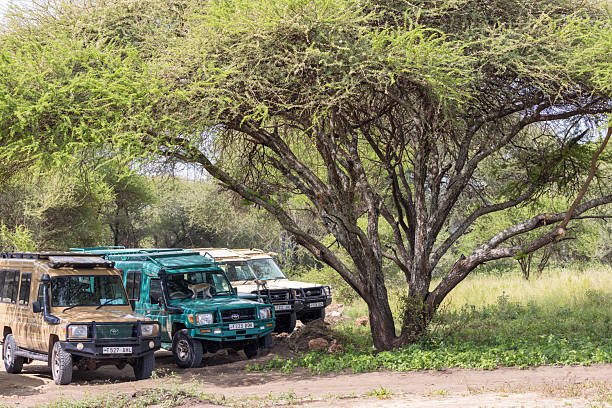
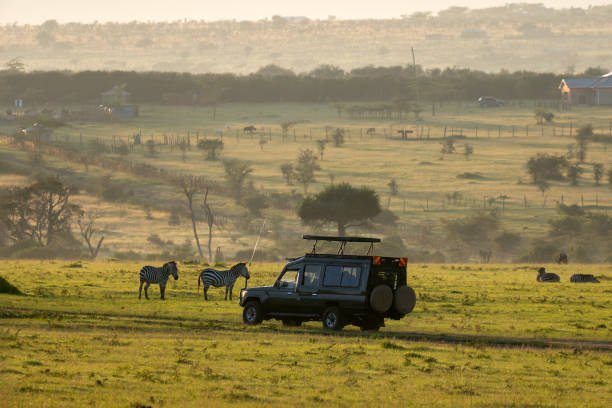
- Vehicle: You’ll typically travel in a custom-built 4×4 safari vehicle (Land Cruiser or Land Rover) with a pop-up roof for optimal game viewing and photography.
- Guides: Your safari guide will be experienced, knowledgeable about animal behavior, local flora, and fauna, and skilled at spotting wildlife.
- Game Drives: These are usually conducted in the early morning and late afternoon, the best times for animal activity. Your guide will tailor the drives based on your interests and recent wildlife sightings.
- Accommodation: Options range from comfortable lodges to luxury tented camps, often located within or near the national parks. These provide amenities like en-suite bathrooms and dining facilities.
- Wildlife: Tanzania is home to an incredible diversity of wildlife, including the “Big Five” (lion, leopard, elephant, rhino, buffalo), giraffes, zebras, wildebeest, cheetahs, hippos, crocodiles, and a vast array of bird species.
- Serengeti: Famous for the Great Migration, vast plains, and abundant predators.
- Ngorongoro Crater: A UNESCO World Heritage Site, a collapsed volcano caldera teeming with wildlife, including a high density of predators and the endangered black rhino.
- Tarangire: Known for its large elephant herds, baobab trees, and diverse birdlife.
- Lake Manyara: Famous for its tree-climbing lions and large troops of baboons.
- Meals: Meals are typically provided at your lodge or camp. Packed lunches are common for full-day game drives.
Typical Inclusions & Exclusions
Understanding what’s included in your package is vital for budgeting and avoiding surprises. Always confirm specifics with your tour operator.
Common Inclusions (Machame Route Trek)
| Included: |
|
| Excluded: |
|
Common Inclusions (Safari)
| Included: |
|
| Excluded: |
|
Essential Packing and Preparation
Proper preparation and packing are crucial for comfort and safety on both the trek and safari. You’ll need two distinct sets of gear.
Kilimanjaro Packing List (Machame Route)
- Clothing:
- Moisture-wicking base layers (thermals)
- Mid-layers (fleece jacket, down vest)
- Insulated, waterproof, and windproof outer jacket (Gore-Tex or similar)
- Waterproof and windproof trousers
- Trekking trousers (quick-drying, not jeans)
- Trekking shirts (long and short-sleeved)
- Warm hat (wool or fleece)
- Sun hat or cap
- Gloves (liner gloves and warm, waterproof outer gloves)
- Warm socks (wool or synthetic, 4-5 pairs)
- Camp clothes (warm, comfortable)
- Footwear:
- Broken-in hiking boots (waterproof, sturdy ankle support)
- Camp shoes or sandals
- Gaiters (to keep debris out of boots)
- Gear:
- Backpack (40-60 liters) for day use
- Duffel bag (80-100 liters) for porters to carry
- Sleeping bag (rated to -10°C to -20°C / 0°F to -4°F)
- Sleeping bag liner (optional, for extra warmth)
- Trekking poles (highly recommended)
- Headlamp or flashlight with extra batteries
- Water bottles or hydration reservoir (minimum 3 liters capacity)
- Sunglasses
- Sunscreen (SPF 30 or higher)
- Lip balm with SPF
- Insect repellent (for lower elevations)
- Personal first-aid kit (with blister treatment, pain relievers, any personal meds)
- Toiletries (biodegradable soap, toothbrush, toothpaste, wet wipes)
- Quick-dry towel
- Camera and extra batteries/power bank
- Hand sanitizer
- Snacks (energy bars, nuts, dried fruit)
- Passport, visa, and travel insurance details
- Small amount of cash for tips and personal expenses
Safari Packing List
- Clothing:
- Lightweight, neutral-colored clothing (khaki, beige, green)
- Long-sleeved shirts and trousers (for sun and insect protection)
- T-shirts and shorts/skirts
- A warm fleece or jacket for cooler mornings/evenings
- Comfortable walking shoes or trainers
- Sandals or flip-flops for relaxing at the lodge
- Swimsuit (for lodges with pools)
- A light scarf or bandana
- Gear:
- Binoculars (essential for wildlife viewing)
- Camera with extra lenses and memory cards
- Power bank or car charger for electronics
- Sunscreen, sunglasses, sun hat
- Insect repellent
- Small backpack or day bag
- Personal medications and basic first-aid kit
- Any required travel documents (passport, visa, vaccination certificates)
Preparation: Physical training is crucial for Kilimanjaro. Focus on cardiovascular exercises, hiking with a weighted backpack, and strength training for your legs and core. Start training at least 3-6 months in advance. For the safari, focus on mental preparation for early mornings and long drives, and ensuring you have your camera gear ready.
Common Mistakes to Avoid
Many travelers make common errors that can detract from their experience. Being aware of these can help you plan better.
- Underestimating Kilimanjaro: It’s a serious high-altitude trek, not just a hike. Fitness is important, but acclimatization is paramount.
- Choosing the Wrong Route/Duration: Opting for shorter routes or fewer days on Kilimanjaro significantly increases the risk of altitude sickness and failure to summit. The 7-day Machame is a good balance.
- Inadequate Gear: Trying to save money on essential gear like waterproofs, warm layers, or boots can lead to discomfort and even health risks.
- Ignoring Altitude Sickness Symptoms: Pushing on when you feel unwell is dangerous. Always communicate with your guides.
- Not Packing Enough Warm Layers: Temperatures on Kilimanjaro can drop significantly, especially at night and on summit day.
- Poor Hydration: Dehydration exacerbates altitude sickness. Drink at least 3-4 liters of water per day on the mountain.
- Unrealistic Expectations for Safari: While wildlife sightings are common, there are no guarantees. Be patient and trust your guide’s expertise.
- Booking with Unreputable Operators: Cheap tours often cut corners on safety, crew welfare, and equipment, leading to a substandard or even dangerous experience.
- Not Budgeting for Tips: Crew tips are a significant portion of their income and are expected. Factor this into your budget.
- Forgetting Travel Insurance: Comprehensive travel insurance covering high-altitude trekking and medical evacuation is mandatory.
Who is the Machame Route & Safari For?
The Machame Route and Safari From Moshi combination is ideal for:
- Adventurous Travelers: Those seeking a challenging physical adventure combined with the thrill of wildlife encounters.
- First-time Kilimanjaro Climbers: The Machame Route is a popular choice due to its scenic beauty and good acclimatization profile (especially the 7-day option).
- Nature Enthusiasts: Individuals who appreciate diverse landscapes, from rainforests and alpine deserts to savannas and craters.
- Wildlife Lovers: Anyone eager to see the “Big Five” and experience the drama of the African savanna.
- Travelers Seeking a Comprehensive Experience: Those who want to experience both the iconic mountain and the world-famous wildlife parks of Tanzania in one trip.
- Fit Individuals: While not requiring extreme athleticism, a good level of physical fitness is necessary for Kilimanjaro. Safari requires less physical exertion but involves early mornings and potentially long drives.
This trip is generally suitable for individuals aged 10 and above, provided they are in good health and fitness. Families with older children can also undertake this adventure.
Alternatives to Consider
While Machame is popular, other routes and combinations exist:
- Kilimanjaro Routes:
- Lemosho Route: Longer (7-8 days), very scenic, excellent acclimatization, generally considered the most beautiful.
- Marangu Route: The “Coca-Cola” route, the only one with hut accommodation, but less scenic and with poorer acclimatization profile.
- Northern Circuit: Longest (9+ days), highest success rate, excellent acclimatization, circumnavigates the mountain.
- Safari Combinations:
- Zanzibar Post-Safari: Extend your trip with relaxation on the spice island of Zanzibar.
- Other Parks: Focus on different regions like Ruaha or Selous (Nyerere National Park) for a less crowded, more remote safari experience.
- Kenya Safari: Combine with Maasai Mara for different migration viewing opportunities.
- Trek Only: Focus solely on Kilimanjaro if time or budget is limited.
- Safari Only: If climbing Kilimanjaro isn’t your goal, a dedicated safari from Moshi or Arusha is a fantastic option.
Planning Your 2026-2027 Adventure
Planning well in advance is recommended, especially for peak seasons in 2026 and 2027. Here’s a timeline and key considerations:
2026-2027 Planning Timeline
| Timeframe | Action Items |
|---|---|
| 12-18 Months Before | Research destinations, routes, and tour operators. Define your budget. Book flights if prices are favorable. |
| 9-12 Months Before | Choose your operator and book your Machame Route and Safari From Moshi package. Confirm dates. |
| 6-9 Months Before | Begin your physical training program. Start researching and purchasing necessary gear. |
| 3-6 Months Before | Continue training. Purchase specialized gear like boots and sleeping bags. Get necessary vaccinations and consult your doctor. |
| 1-3 Months Before | Finalize gear purchases. Break in hiking boots. Arrange travel insurance. Apply for visas if required. Confirm itinerary details with your operator. |
| 1 Month Before | Intensify training. Pack your duffel bag and daypack. Ensure all documents are in order. |
| 1-2 Weeks Before | Lighten training. Double-check all gear. Confirm airport transfers. Exchange some currency. |
| During Trip | Stay hydrated, eat well, listen to your body, and communicate with your guides. Enjoy the journey! |
Key Considerations for 2026-2027:
- Peak Season Demand: 2026 and 2027 are likely to see high demand for Kilimanjaro treks and safaris, especially during the dry seasons (June-October). Book early to secure your preferred dates and operators.
- Operator Vetting: Thoroughly research operators for their safety record, ethical treatment of staff, environmental practices, and customer reviews. Look for operators who are members of reputable organizations.
- Visa Requirements: Check Tanzania’s visa requirements for your nationality well in advance. Many nationalities can obtain a visa on arrival or apply online.
- Health & Vaccinations: Consult your doctor or a travel clinic about recommended vaccinations (e.g., Yellow Fever, Hepatitis A/B, Typhoid) and malaria prophylaxis.
- Travel Insurance: Ensure your policy covers high-altitude trekking up to 6,000 meters and includes emergency medical evacuation.
Booking Your Machame Route and Safari Package
Choosing the right tour operator is crucial for a safe and memorable Machame Route and Safari From Moshi experience. Here’s how to approach booking:
- Research Reputable Operators: Look for companies with a strong online presence, positive reviews (on platforms like TripAdvisor, Google), and clear safety protocols. Operators based in Moshi or Arusha often have local expertise.
- Compare Inclusions: Don’t just compare prices. Compare what is included. Ensure park fees, rescue fees, and crew wages are covered. Be wary of suspiciously low prices.
- Check Safety Standards: Inquire about emergency procedures, the oxygen supply policy, and guide qualifications. Reputable operators will have detailed safety plans.
- Ask About Crew Welfare: Ethical operators ensure their guides and porters are well-paid, insured, fed, and treated with respect.
- Communication is Key: Contact potential operators with your questions. Their responsiveness and clarity can be a good indicator of their professionalism.
- Customization Options: Discuss your specific needs, such as dietary requirements, preferred itinerary length, or specific safari interests.
- Read the Fine Print: Understand cancellation policies, payment terms, and what happens in case of unforeseen circumstances.
- Booking Process: Most reputable operators will require a deposit to secure your booking, with the balance due closer to your departure date.
For a reliable and well-organized Machame Route and Safari From Moshi adventure, consider contacting experienced local operators. For personalized service and expert planning, reach out to us:
WhatsApp: +255616946642
Email: topguideadventures@gmail.com
Backup Email: info@topguideadventures.com
Frequently Asked Questions
Q1: How difficult is the Machame Route?
A1: The Machame Route is considered moderately difficult. It’s challenging due to the altitude and steep ascents, especially the Barranco Wall and the summit push. However, its gradual ascent profile and “climb high, sleep low” strategy (particularly on the 7-day itinerary) aid acclimatization, making it manageable for individuals with good physical fitness and proper preparation. Listening to your body and your guides is paramount.
Q2: What is the success rate for the Machame Route?
A2: Success rates vary by operator and itinerary length. For the 7-day Machame Route, reputable operators typically report success rates of 80-90%. The 6-day route has a lower success rate due to less time for acclimatization. Factors like proper preparation, acclimatization, hydration, and mental fortitude significantly influence success.
Q3: How much should I tip my Kilimanjaro crew?
A3: Tipping is customary and a significant part of the crew’s income. A general guideline for a 7-day trek is around $250-$350 USD per trekker. This is typically split among the lead guide, assistant guides, cook, and porters. Your operator will provide specific recommendations for 2026 or 2027, and it’s best to tip as a group at the end of the trek, usually on the final day at Mweka Gate or back in Moshi.
Q4: Can I do the Machame Route and Safari in less than 10 days?
A4: While possible, it’s not recommended. A 7-day Machame trek requires at least 8 days total in Tanzania (including arrival/departure and briefing). A 3-day safari is the minimum to see key parks. Therefore, a combined trip typically needs at least 10-12 days to be comfortable and enjoyable without rushing. Rushing increases the risk of altitude sickness and reduces the safari experience.
Q5: What is the best way to book a Machame Route and Safari From Moshi package for 2026-2027?
A5: The best approach is to research reputable, locally-based tour operators. Contact several, compare their detailed itineraries, inclusions, safety protocols, and prices. Look for operators who prioritize crew welfare and have excellent reviews. Booking directly with a trusted operator based in Moshi or Arusha can often provide better value and local expertise.
Q6: What is the difference between a 6-day and 7-day Machame Route?
A6: The primary difference is the acclimatization day. The 7-day itinerary includes an extra day, usually at Barranco Camp or Karanga Camp, allowing for a “climb high, sleep low” day that significantly aids acclimatization. This leads to higher success rates, a more comfortable trek, and a better overall experience compared to the 6-day option, which is more rushed.
Q7: Is it possible to see the Great Migration on a safari after trekking Kilimanjaro?
A7: Yes, it is possible, depending on the time of year. The Great Migration follows a predictable pattern. For example, the calving season is in the southern Serengeti from January to March, while the migration moves north and crosses rivers in the western and northern Serengeti from July to October. Your safari operator can tailor your itinerary to maximize your chances of witnessing this incredible natural phenomenon.
Q8: What kind of food can I expect on Kilimanjaro and on safari?
A8: On Kilimanjaro, expect hearty, well-balanced meals prepared by your cook, including porridge, eggs, toast, soups, stews, rice, pasta, chicken, vegetables, and fruits. On safari, meals are usually served at lodges or tented camps and are often a mix of international and local cuisine, with packed lunches provided for full-day game drives.
Q9: What are the best safari parks to visit after climbing Kilimanjaro?
A9: The most popular and accessible parks from Moshi/Arusha are Tarangire National Park (known for elephants and baobabs), Lake Manyara National Park (tree-climbing lions, diverse birdlife), the Serengeti National Park (vast plains, abundant wildlife, Great Migration), and the Ngorongoro Crater (dense wildlife population within a caldera). A combination of these offers a fantastic overview of Tanzania’s wildlife.
Q10: When is the best time to plan my Machame Route and Safari From Moshi trip for 2026-2027?
A10: The best time for both trekking Kilimanjaro and going on safari in Tanzania is during the dry seasons. For Kilimanjaro, this is generally January-March and June-October. For safari, June-October and January-February offer excellent game viewing. Therefore, the shoulder months around these periods, or the peak dry seasons themselves, are ideal for a combined Machame Route and Safari From Moshi adventure in 2026-2027.
Ready for Your Kilimanjaro and Safari Adventure?
Combining the iconic Machame Route with an unforgettable safari is a dream trip for many. To ensure your Machame Route and Safari From Moshi adventure is safe, well-organized, and truly memorable, partner with experienced professionals. We specialize in creating tailor-made Kilimanjaro treks and Tanzania safaris, prioritizing your safety, comfort, and enjoyment.
Let us help you plan your perfect 2026 or 2027 journey. Get in touch today to discuss your personalized itinerary, ask any lingering questions, and receive a detailed quote.
Contact Us:
WhatsApp: +255616946642
Email: topguideadventures@gmail.com
Backup Email: info@topguideadventures.com
12-Day Nyerere Safari And Zanzibar Honeymoon: The Ultimate Romantic Escape
A 12-day Nyerere Safari and Zanzibar Honeymoon offers an unparalleled blend of thrilling wildlife encounters in one of Africa's largest game reserves and serene relaxation on the exotic...
View package details
12-Day Southern Tanzania Grand Safari: An Unforgettable Adventure In 2026-2027
Discover the untamed beauty of Southern Tanzania on an epic 12-day safari. This journey explores the vast wilderness of Selous Game Reserve, the dramatic landscapes of Ruaha National Park...
View package details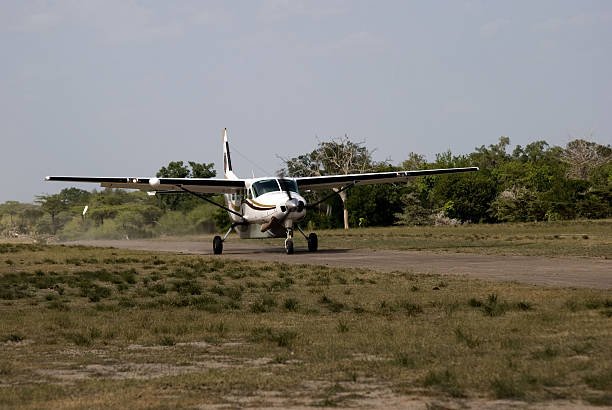
10-Day Selous, Mikumi And Ruaha Safari Guide
Discover the untamed beauty of southern Tanzania with a 10-day safari combining Selous Game Reserve, Mikumi National Park, and Ruaha National Park. This itinerary offers a comprehensive...
View package details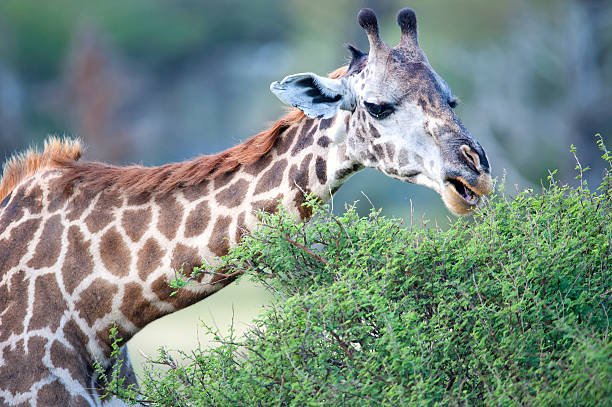
10-Day Southern Tanzania Safari And Beach Holiday 2026-2027
Discover the ultimate 10-day Southern Tanzania safari and beach holiday, blending the wild wonders of Selous and Ruaha with the serene shores of Zanzibar or Mafia Island. Perfect for...
View package details9-Day Nyerere Safari And Zanzibar Package: Ultimate Southern Tanzania
Discover the best of Tanzania's southern circuit with a 9-day Nyerere Safari and Zanzibar package. Experience thrilling game drives in Nyerere National Park, once known as Selous, followed...
View package details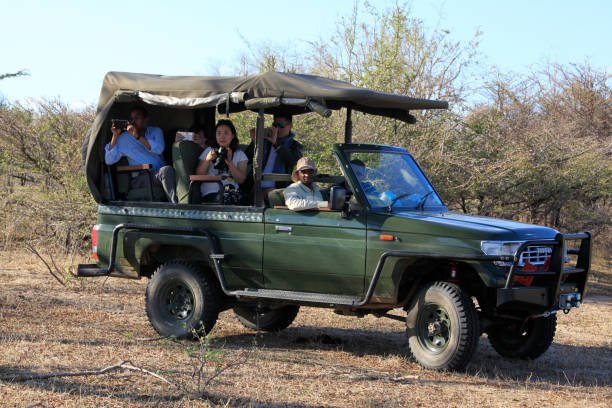
8-Day Nyerere Family Safari: The Ultimate Tanzania Adventure 2026-2027
Experience an unforgettable 8-day Nyerere Family Safari in Tanzania with Top Guide Adventures. This itinerary focuses on diverse wildlife, stunning landscapes, and family-friendly...
View package details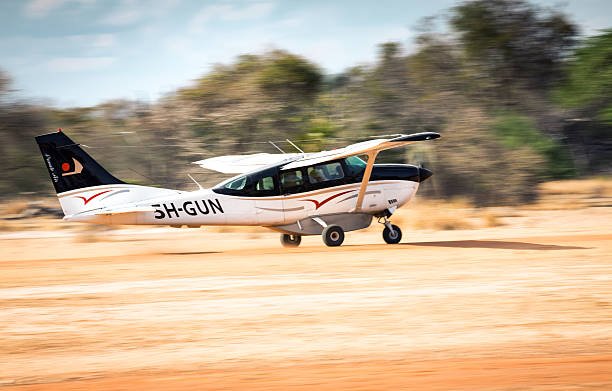
8-Day Selous Safari And Zanzibar Holiday: Your Ultimate Tanzania Adventure
An 8-day adventure perfectly blending the wild heart of Selous Game Reserve with the tropical allure of Zanzibar. This itinerary offers an unforgettable Tanzanian experience, combining...
View package details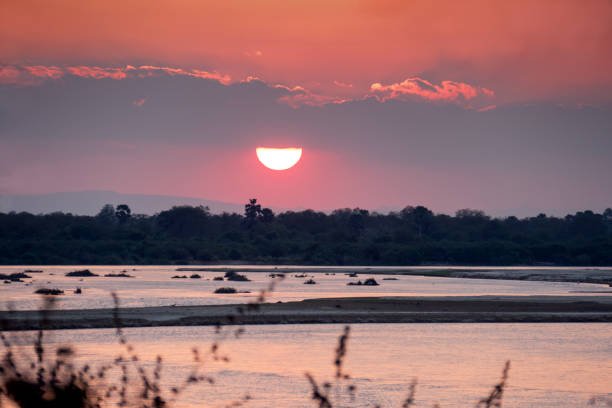
8-Day Southern Tanzania Luxury Safari: Selous & Ruaha 2026-2027
An 8-day luxury safari through Southern Tanzania's Selous Game Reserve and Ruaha National Park offers an unparalleled wildlife experience. This itinerary focuses on exclusive lodges...
View package details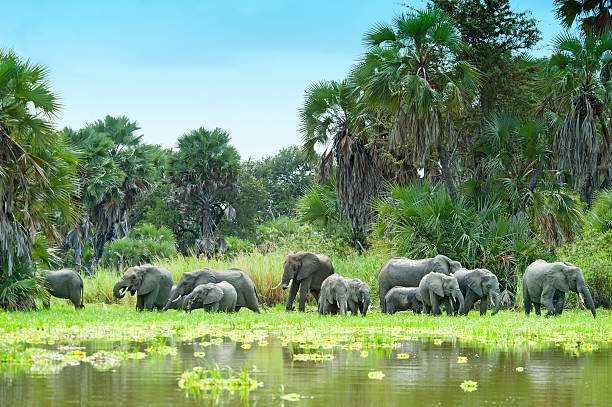
7-Day Tanzania Bush And Beach Holiday: Safari & Zanzibar Bliss 2026-2027
Experience the best of Tanzania in seven days with an unforgettable journey that blends the raw beauty of its wildlife-rich savannas with the tranquil turquoise waters of Zanzibar. This...
View package details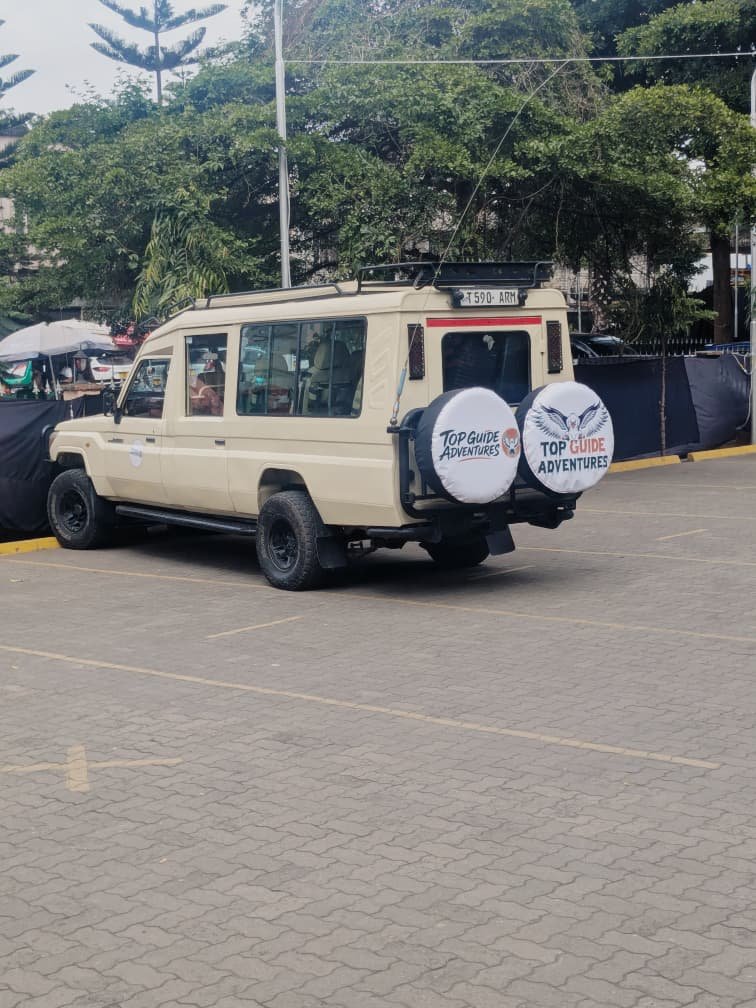
7-Day Mikumi, Udzungwa & Nyerere Safari: Your Ultimate Southern Tanzania
This 7-day itinerary covers Mikumi, Udzungwa, and Nyerere National Parks, offering a comprehensive Southern Tanzania safari experience. Explore diverse ecosystems, abundant wildlife, and...
View package details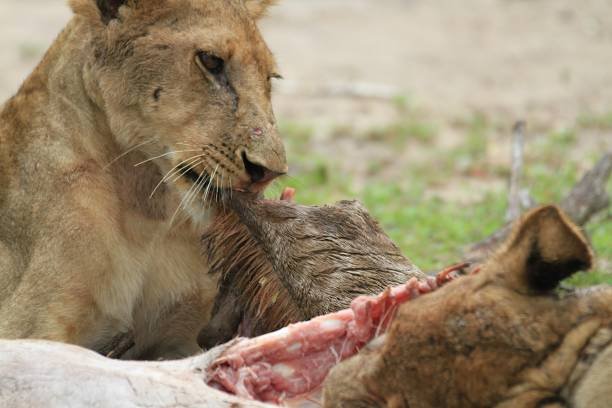
7-Day Nyerere Luxury Fly-In Safari: Your Ultimate Tanzanian Adventure
Discover the untamed beauty of southern Tanzania on a 7-day luxury fly-in safari to Nyerere National Park. This exclusive journey combines thrilling wildlife encounters with unparalleled...
View package details
7-Day Southern Tanzania Safari: Ultimate Guide To Selous & Ruaha In 2026-2027
start an unforgettable 7-day Southern Tanzania safari adventure, exploring the vast wilderness of Selous Game Reserve and the untamed beauty of Ruaha National Park. This itinerary offers a...
View package detailsNo related package matches those filters. Clear one or more filters to see the other topic-matched options.
Plan your Machame Route and Safari From Moshi with Top Guide Adventures
Tell us your travel dates, group size, comfort level, and dream experience. We will help you shape a clear, realistic, and memorable Tanzania itinerary.



