
Updated planning guide for 2026, 2027-2028
Lake Natron Serengeti Ngorongoro Safari From Moshi: Best Guide 2026-2027-2028
Your comprehensive guide to a Lake Natron, Serengeti, and Ngorongoro safari starting from Moshi. Learn about the best routes, wildlife, planning, and what to expect for your 2026-2027 adventure.
WhatsApp +255616946642 | topguideadventures@gmail.com | info@topguideadventures.com
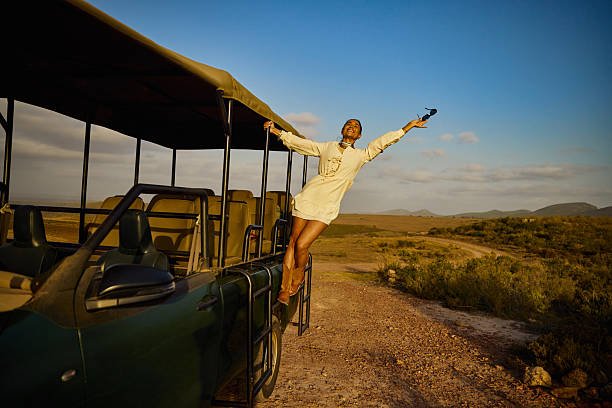
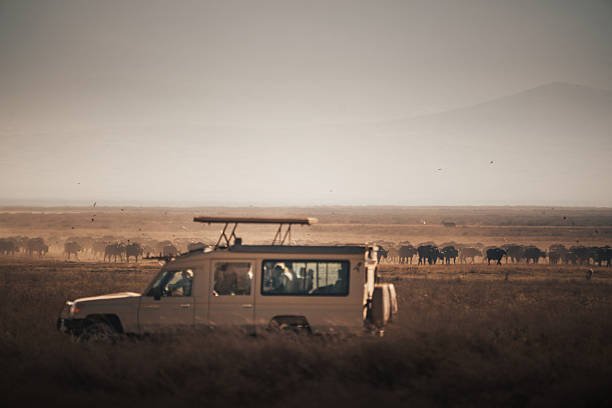
Lake Natron Serengeti Ngorongoro Safari From Moshi: Your Ultimate Planning Guide
A safari adventure combining Lake Natron, the Serengeti, and the Ngorongoro Crater is a dream for many wildlife enthusiasts. Beginning this incredible journey from Moshi, the gateway to Mount Kilimanjaro, offers a structured and accessible way to explore Tanzania’s most iconic natural wonders. This guide provides an in-depth look at planning and executing such a safari, covering everything from itinerary options to practical preparation, ensuring you make the most of your 2026-2027 travel plans.
This comprehensive guide focuses specifically on a safari experience that starts in Moshi and takes you through the distinct landscapes and wildlife viewing opportunities of Lake Natron, the vast plains of the Serengeti, and the unique ecosystem of the Ngorongoro Crater. We aim to provide actionable advice for travelers looking to experience the best of Northern Tanzania’s safari circuit.
Quick Facts: Lake Natron, Serengeti & Ngorongoro Safari from Moshi
| Feature | Details |
|---|---|
| Starting Point | Moshi, Tanzania |
| Key Destinations | Lake Natron, Serengeti National Park, Ngorongoro Conservation Area (Crater) |
| Typical Duration | 7-10 days (can be customized) |
| Best Time to Visit | June to October (dry season), January to February (calving season in Serengeti) |
| Wildlife Highlights | Flamingos (Lake Natron), Great Migration (Serengeti), Big Five (Ngorongoro), diverse birdlife |
| Accommodation | Tented camps, lodges, permanent tented camps |
| Activities | Game drives, bird watching, cultural visits (Maasai villages), hiking (near Lake Natron) |
| Travel Style | Private or group tours, overland camping options available |
Table of Contents
- Safari Overview: Lake Natron, Serengeti, Ngorongoro
- Why Include Lake Natron?
- Best Time for Your Safari (2026-2027)
- Safari Route & Area Overview
- Sample 8-Day Itinerary: Moshi to Natron, Serengeti, Ngorongoro
- What to Expect on Your Safari
- Safari Inclusions, Packing & Preparation
- Common Mistakes to Avoid
- Who is This Safari Best Suited For?
- Alternative Safari Options
- Planning Your 2026-2027 Safari
- Booking Your Safari: Expert Tips
- Frequently Asked Questions
- Ready to Book Your Dream Safari?
Safari Overview: Lake Natron, Serengeti, Ngorongoro
This safari route is a journey through some of Tanzania’s most spectacular and diverse natural landscapes. Starting from Moshi, a town nestled at the foot of Mount Kilimanjaro, you’ll head north towards the unique soda lake of Lake Natron. From there, the adventure continues into the world-renowned Serengeti National Park, famous for its vast plains and the Great Migration, before culminating in the breathtaking Ngorongoro Crater, a caldera teeming with wildlife.
This circuit is often referred to as the ‘Northern Circuit’ of Tanzania safaris, and for good reason. It encompasses a concentrated area of exceptional wildlife density and varied ecosystems, all accessible within a reasonable timeframe. The journey from Moshi is logical, allowing for acclimatization and preparation before venturing into the wilder regions.
Why Include Lake Natron?
Lake Natron is often the less-visited, yet highly rewarding, component of this safari combination. It stands out for several reasons:
- Unique Landscape: A shallow, alkaline soda lake, Lake Natron’s waters can appear a striking red or pink due to the presence of microorganisms. The surrounding landscape is starkly beautiful, with volcanic features and arid plains.
- Flamingo Breeding Ground: The lake is a crucial breeding ground for Lesser Flamingos, attracting hundreds of thousands of these birds. While sightings can depend on water levels and breeding cycles, it’s a significant ornithological spectacle.
- Maasai Culture: The area is home to traditional Maasai communities. Visiting a Maasai village offers a glimpse into their enduring culture, customs, and way of life, providing a valuable cultural dimension to your safari.
- Ol Doinyo Lengai: The active volcano, Ol Doinyo Lengai (meaning ‘Mountain of God’ in Maasai), dominates the skyline. For the adventurous, guided hikes to its summit are possible, offering unparalleled sunrise views.
- Off-the-Beaten-Path: Compared to the Serengeti and Ngorongoro, Lake Natron offers a more remote and less crowded experience, allowing for a more intimate connection with nature and local culture.
Including Lake Natron adds a layer of geological wonder and cultural immersion that complements the wildlife focus of the Serengeti and Ngorongoro.
Best Time for Your Safari (2026-2027)
The ‘best’ time to visit depends on your priorities, particularly if witnessing the Great Migration is a key objective. However, generally, the dry seasons offer the most reliable wildlife viewing conditions.
| Period | Weather & Wildlife | Crowds & Prices |
|---|---|---|
| June – October (Dry Season) | Clear skies, pleasant temperatures. Animals congregate around water sources, making them easier to spot. Excellent for general game viewing across all parks. The Great Migration is typically in the Serengeti’s western and northern corridors during this time. Lake Natron is accessible. | Peak season. Higher demand, potentially higher prices. Book well in advance for 2026-2027. |
| November – December (Short Rains) | Intermittent showers, lush landscapes. Wildlife disperses slightly but is still plentiful. Birdlife is excellent as migratory birds arrive. | Shoulder season. Fewer crowds, more flexible pricing. Good value. |
| January – February (Long Rains – calving season) | Mainly short, intense showers, often in the afternoon. Landscapes are vibrant green. Serengeti: Southern Serengeti plains are lush, ideal for witnessing the dramatic calving season of the wildebeest. Excellent predator action. Lake Natron: Can be challenging due to muddy roads. | Low season. Fewer tourists, best prices. Requires flexibility with road conditions. |
| March – May (Long Rains) | Heavier, prolonged rains. Roads can become impassable, especially in the Serengeti. Wildlife viewing can be more difficult. Lake Natron: Generally not recommended due to road conditions. | Low season. Lowest prices, but some lodges may close. Risk of travel disruption. |
For 2026-2027: If your primary goal is the Great Migration crossing (which is unpredictable and varies yearly), June to October or January to February are key months. For general game viewing and pleasant weather, June to October is ideal. Always check with your tour operator for the most current migration predictions.
Safari Route & Area Overview
This safari follows a logical progression through the Northern Circuit’s highlights, starting from Moshi.
General Route Flow:
- Moshi: Starting point for preparations and departure.
- Lake Natron: North-west of Moshi. A scenic drive, often on rougher roads, leading to the unique lake and surrounding landscapes. This leg typically involves driving through Maasai lands.
- Serengeti National Park: From Lake Natron, you’ll typically drive towards the northern or central Serengeti. Access points depend on the season and migration movements. The vastness of the Serengeti offers incredible wildlife viewing opportunities.
- Ngorongoro Conservation Area: South-east of the Serengeti. You’ll drive from the Serengeti to the Ngorongoro Conservation Area, often stopping at Olduvai Gorge. The main highlight is descending into the Ngorongoro Crater for a day of game viewing.
- Return to Moshi (or Arusha): After the Ngorongoro Crater experience, you’ll drive back towards Moshi or Arusha for departure.
Note: The exact order and specific routes within parks can vary based on the season, migration patterns, and operator’s recommendations.
Sample 8-Day Itinerary: Moshi to Natron, Serengeti, Ngorongoro
This is a sample itinerary and can be fully customized to your interests, budget, and time. It focuses on a balanced experience of culture, unique landscapes, and abundant wildlife.
Day 1: Arrival in Moshi & Safari Briefing
Arrive at Kilimanjaro International Airport (JRO) or transfer from your accommodation in Moshi. Meet your safari guide, receive a detailed briefing about your upcoming Lake Natron Serengeti Ngorongoro safari, and settle into your lodge. If time permits, explore Moshi town.
Day 2: Moshi to Lake Natron
After breakfast, depart from Moshi for the adventurous drive to Lake Natron. The journey takes you through rugged terrain and Maasai villages. Arrive at your camp or lodge near Lake Natron. In the afternoon, visit the lake itself to observe the flamingos (seasonal) and the unique alkaline environment. You might also visit the nearby waterfalls or take a guided walk.
Day 3: Lake Natron Exploration & Drive to Serengeti
Morning exploration around Lake Natron. Depending on interest and conditions, you could hike to the base of Ol Doinyo Lengai or visit a Maasai boma for a cultural interaction. Afterwards, continue your journey towards the Serengeti National Park, entering via the Klein’s Gate or similar depending on your accommodation location within the park. Enjoy your first game drive en route to your lodge or camp in the northern or central Serengeti.
Day 4: Full Day Game Drive in Serengeti National Park
Spend the entire day exploring the vast plains of the Serengeti. Depending on the season and migration location, your guide will take you to prime wildlife viewing areas. Look for the Big Five (lion, leopard, elephant, rhino, buffalo), cheetahs, giraffes, zebras, and a myriad of other animals. Optional hot air balloon safari at sunrise can be arranged.
Day 5: Serengeti to Ngorongoro Conservation Area
Enjoy a final morning game drive in the Serengeti as you depart towards the Ngorongoro Conservation Area. En route, you may stop at Olduvai Gorge, a significant paleoanthropological site. Arrive at your lodge perched on the crater rim or nearby, offering stunning views. Relax and prepare for your crater descent.
Day 6: Ngorongoro Crater Tour & Transfer to Karatu
Descend into the Ngorongoro Crater, a UNESCO World Heritage Site, for a spectacular game drive. This caldera is home to an incredibly high concentration of wildlife, including the endangered black rhino, lions, elephants, buffalo, hippos, and numerous bird species. After a picnic lunch, ascend from the crater and drive to your lodge in the Karatu area.
Day 7: Karatu to Arusha/Moshi
Enjoy a leisurely breakfast at your lodge. You can opt for a cultural visit in Karatu or head directly back towards Arusha or Moshi. The drive back offers final glimpses of the Tanzanian countryside. Arrive back in Moshi or Arusha in the afternoon, where you can relax or enjoy a farewell dinner.
Day 8: Departure
Depending on your flight schedule, enjoy some last-minute souvenir shopping or relax. Transfer to Kilimanjaro International Airport (JRO) for your departure, filled with memories of your Lake Natron Serengeti Ngorongoro safari.
What to Expect on Your Safari
A safari combining these destinations offers a rich and varied experience:
- Wildlife Encounters: Expect abundant wildlife sightings. The Serengeti offers the drama of the Great Migration (seasonal) and vast herds. Ngorongoro Crater is a compact ecosystem with high densities of predators and prey, including the rare black rhino. Lake Natron’s unique draw is the flamingo population and the stark volcanic landscape.
- Scenery: You’ll transition from the arid, volcanic beauty of Lake Natron to the endless plains of the Serengeti, and finally to the dramatic, bowl-like environment of the Ngorongoro Crater.
- Road Conditions: Roads within the national parks and conservation areas are generally unpaved and can be rough, especially during the rainy seasons. Drives between locations can be long but are part of the adventure, offering opportunities for spontaneous wildlife sightings. Lake Natron’s access can be particularly challenging after heavy rains.
- Accommodation: Options range from basic but comfortable tented camps and overland camping to mid-range lodges and more luxurious tented camps. Most accommodations are designed to blend with the environment and offer excellent proximity to wildlife.
- Cultural Interactions: Opportunities to visit Maasai villages are common, particularly around Lake Natron and Ngorongoro. These visits are typically arranged by your tour operator and offer insights into local traditions.
- Guides: You’ll be accompanied by experienced, English-speaking safari guides who are knowledgeable about the flora, fauna, and local culture. They are crucial for spotting wildlife and ensuring a safe and informative experience.
Safari Inclusions, Packing & Preparation
Understanding what’s typically included and what you need to pack is vital for a smooth safari.
Typical Safari Inclusions:
- Accommodation: Lodges, tented camps, or camping as per your chosen package.
- Transportation: A 4×4 safari vehicle (e.g., Land Cruiser or Land Rover) with a pop-up roof for game viewing.
- Driver/Guide: Professional, English-speaking safari guide.
- Meals: Usually full board (breakfast, lunch, dinner) during the safari days.
- Park Fees: Entry fees for Serengeti National Park and Ngorongoro Conservation Area.
- Crater Fees: Ngorongoro Crater service fee.
- Activities: Game drives as per itinerary.
- Water: Bottled water in the safari vehicle.
What’s Usually NOT Included:
- International flights.
- Visa fees.
- Travel insurance.
- Tips for guides and staff.
- Alcoholic and soft drinks (other than water).
- Optional activities (e.g., hot air balloon safari, cultural visits not specified).
- Personal expenses (souvenirs, laundry).
- Gratuities.
Essential Packing List:
Pack light and smart. Layers are key due to varying temperatures.
- Clothing: Neutral-colored clothing (khaki, beige, green, brown) – avoid bright colors or dark blue/black which can attract tsetse flies. Light long-sleeved shirts and trousers for sun and insect protection. T-shirts and shorts for warmer days. A warm fleece or jacket for early mornings and evenings. Comfortable walking shoes/boots. Sandals or flip-flops for camp.
- Headwear: Wide-brimmed hat or cap for sun protection.
- Eyewear: Sunglasses.
- Sun Protection: High SPF sunscreen, lip balm with SPF.
- Insect Repellent: With DEET or Picaridin.
- Camera: With extra batteries and memory cards. Binoculars are highly recommended.
- Personal Items: Prescription medications, basic first-aid kit, hand sanitizer, wet wipes.
- Documents: Passport, visa, flight details, travel insurance information, vaccination certificates (if required). Keep copies separate.
- Money: Small US dollar bills for tips and small purchases. Credit cards for larger expenses.
- Adapter: Universal travel adapter for charging electronics.
- Backpack: A small daypack for essentials during game drives.
Preparation:
- Vaccinations & Health: Consult your doctor or a travel clinic well in advance regarding necessary vaccinations (e.g., Yellow Fever, Hepatitis A & B, Typhoid) and malaria precautions.
- Travel Insurance: Ensure comprehensive travel insurance covering medical emergencies, evacuation, trip cancellation, and lost luggage.
- Fitness: The safari involves sitting in a vehicle for extended periods and potentially some walking. Good general health is sufficient.
- Mindset: Be prepared for an adventure. Embrace the unexpected, enjoy the journey, and be patient with wildlife sightings.
Common Mistakes to Avoid
To ensure a memorable and smooth safari, be aware of these common pitfalls:
- Over-packing: Luggage restrictions, especially on small bush planes if applicable, are strict. Stick to soft duffel bags.
- Wearing the Wrong Clothes: Bright colors can scare wildlife and attract insects. Dark blue and black can attract tsetse flies.
- Not Booking in Advance: Especially for peak season (June-October) in 2026-2027, popular lodges and safari vehicles get booked up months ahead.
- Ignoring Your Guide: Your guide is an expert. Follow their advice regarding safety, wildlife viewing, and cultural etiquette. Don’t pressure them to drive off-road or disturb animals.
- Underestimating Travel Times: Distances in Tanzania can be deceiving, and road conditions can slow travel. Factor in ample time between destinations.
- Not Bringing Binoculars: Essential for spotting distant wildlife and appreciating details.
- Forgetting Insect Repellent/Sunscreen: Essential for comfort and health.
- Expecting Exact Wildlife Sightings: Wildlife is wild. While these parks are renowned, sightings are never guaranteed. Be flexible and appreciate every encounter.
- Not Budgeting for Tips: Tipping is customary and a significant part of income for guides and staff.
- Focusing Only on the Big Five: While iconic, Tanzania offers incredible biodiversity beyond the ‘Big Five’. Appreciate the smaller creatures, birds, and plant life.
Who is This Safari Best Suited For?
This specific Lake Natron Serengeti Ngorongoro safari from Moshi is ideal for:
- First-time Tanzania Safari-Goers: It covers the most famous and accessible highlights of the Northern Circuit.
- Wildlife Enthusiasts: Offers incredible opportunities to see a vast array of animals, including the potential for the Great Migration and the Big Five.
- Photographers: Diverse landscapes and abundant wildlife provide endless photographic opportunities.
- Travelers Seeking Variety: Combines unique natural wonders (Lake Natron), vast plains (Serengeti), and a concentrated wildlife haven (Ngorongoro Crater).
- Culturally Curious Travelers: The inclusion of Lake Natron offers a good opportunity for Maasai cultural interaction.
- Those Starting from Moshi: It’s a natural extension for those climbing Kilimanjaro or interested in the northern region.
It’s generally suitable for families (with children over 6-8 due to long drives), couples, and solo travelers. The pace can be adjusted for different comfort levels.
Alternative Safari Options
While this route is exceptional, other safari experiences in Tanzania cater to different interests:
- Southern Circuit (Selous & Ruaha): For a more remote, less crowded experience with vast wilderness. Selous offers boat safaris, and Ruaha is known for its large elephant and predator populations. Requires more travel time or a flight.
- Western Tanzania (Gombe & Mahale): Primarily for chimpanzee trekking. Offers a completely different ecosystem and wildlife focus. Best accessed by flight.
- Northern Circuit (Serengeti & Ngorongoro Only): If time is limited or Lake Natron’s remoteness isn’t a priority, a safari focusing solely on Serengeti and Ngorongoro is a classic choice.
- Tanzania Bush & Beach Combo: Combine a Northern Circuit safari with a few days on the Zanzibar archipelago for a mix of adventure and relaxation.
This specific Lake Natron Serengeti Ngorongoro safari from Moshi provides a unique balance that is hard to replicate.
Planning Your 2026-2027 Safari
Planning a safari for 2026 or 2027 requires foresight, especially if you aim for peak seasons or specific events like the Great Migration.
Safari Planning Checklist (2026-2027):
- Define Your Budget: Safaris range widely in cost. Determine your comfortable spending range.
- Choose Your Dates: Consider the best time for wildlife viewing and your personal schedule.
- Select Tour Operator: Research and choose a reputable operator. Get quotes and compare inclusions.
- Book Flights: Book international flights to Kilimanjaro International Airport (JRO) once your safari dates are confirmed.
- Visa Requirements: Check Tanzania’s visa requirements for your nationality. Apply online or on arrival.
- Health Preparations: Schedule doctor’s appointments for vaccinations and malaria prophylaxis.
- Travel Insurance: Purchase comprehensive travel insurance.
- Pack Appropriately: Refer to packing lists and purchase necessary items.
- Currency: Arrange for US dollars (newer bills preferred) for tips and smaller expenses.
- Confirm Details: Reconfirm flight times, accommodation, and safari itinerary a few weeks before departure.
Key Considerations for 2026-2027:
- Early Booking: For popular periods like June-October 2026 or 2027, booking 6-12 months in advance is highly recommended.
- Migration Patterns: If witnessing the Great Migration is paramount, research its typical movements for the specific months you plan to travel in 2026 or 2027 and discuss this with your tour operator.
- Accommodation Availability: The best lodges and camps, especially those in prime locations, book out quickly.
Booking Your Safari: Expert Tips
Securing the right safari operator and package is crucial. Here’s how to approach booking:
- Research Reputable Operators: Look for companies with strong online reviews, clear communication, and detailed itineraries. Best Tanzania Tour Operator is a highly recommended choice for this specific region.
- Get Multiple Quotes: Compare itineraries, inclusions, accommodation standards, and prices from different operators. Don’t just go for the cheapest option; quality and safety are paramount.
- Ask Detailed Questions: Clarify what is included (park fees, meals, specific activities), the type of vehicle used, guide experience, and accommodation details.
- Understand Payment Terms: Most operators require a deposit (typically 30-50%) to confirm a booking, with the balance due a few weeks before departure.
- Read the Contract Carefully: Pay attention to cancellation policies, payment schedules, and terms and conditions.
- Communicate Your Needs: Be clear about your interests (e.g., photography, birding, cultural visits), budget, and any special requirements (dietary, mobility).
- Consider a Custom Itinerary: Many operators, including Best Tanzania Tour Operator, can tailor a Lake Natron Serengeti Ngorongoro safari from Moshi to perfectly match your desires.
- Confirm Vehicle Type: Ensure you’re booked in a sturdy 4×4 safari vehicle with a pop-up roof, essential for game viewing.
Frequently Asked Questions
Q1: How long does a typical Lake Natron, Serengeti, and Ngorongoro safari from Moshi take?
A: A comprehensive safari covering these three destinations from Moshi typically requires 7 to 10 days to allow for travel time and sufficient exploration of each area. Shorter or longer variations are possible.
Q2: Is Lake Natron always accessible?
A: Lake Natron’s accessibility can be challenging, especially during the rainy seasons (March-May and November-December) due to muddy roads. The dry season (June-October) is generally the most reliable time for visiting. Always check current road conditions with your tour operator.
Q3: What is the best way to see the Great Migration?
A: The Great Migration is a continuous movement. To see it, you need to be in the right part of the Serengeti at the right time. Generally, June-October is when the migration is in the northern and western Serengeti, often involving river crossings. January-February sees the calving season in the southern Serengeti. Your tour operator can advise on the best locations for your 2026-2027 travel dates.
Q4: Can I combine this safari with climbing Mount Kilimanjaro?
A: Absolutely. Moshi is the base for Kilimanjaro climbs. Many travelers combine a trek with a safari. It’s advisable to do the trek first, then relax on safari, or vice versa depending on your preference and recovery.
Q5: What are the accommodation options like?
A: Options range from budget-friendly overland camping, mid-range tented camps and lodges, to luxury tented camps and lodges. The choice significantly impacts the safari cost.
Q6: What currency should I use in Tanzania?
A: The Tanzanian Shilling (TZS) is the local currency. However, US Dollars are widely accepted for safari packages, park fees, and tips. It’s advisable to carry smaller USD denominations for tips and local purchases.
Q7: Is it safe to travel to these areas?
A: Tanzania is generally a safe country for tourists, especially when traveling with reputable tour operators. Your guide will ensure your safety. Standard travel precautions should be taken regarding personal belongings.
Q8: What is the expected wildlife in Ngorongoro Crater?
A: The Ngorongoro Crater is a natural amphitheater known for its high density of wildlife, including the Big Five (lion, leopard, elephant, rhino, buffalo). You can expect to see large herds of wildebeest and zebras, hippos, hyenas, and a variety of birdlife. Black rhinos are present but elusive.
Q9: Are there any age restrictions for this safari?
A: There are no strict age restrictions for safaris, but long game drives and remote locations might be challenging for very young children or elderly individuals with mobility issues. It’s best suited for children aged 6-8 and above. Discuss specific needs with your tour operator.
Q10: What kind of vehicle will I use?
A: For a Lake Natron Serengeti Ngorongoro safari from Moshi, you will typically use a custom-built 4×4 safari vehicle, such as a Land Cruiser or Land Rover, equipped with a pop-up roof for optimal game viewing and photography. These vehicles are designed for off-road conditions.
Q11: What about tipping my safari guide?
A: Tipping is customary and highly appreciated. Your tour operator will provide guidelines, but a general range for a good guide is $20-30 USD per day per group. It’s best to tip at the end of the safari.
Q12: How far in advance should I book my 2026-2027 safari?
A: For peak seasons in 2026-2027 (June-October), booking 9-12 months in advance is recommended to secure preferred accommodations and ensure availability. For the low season, 3-6 months might suffice.
Ready to Book Your Dream Lake Natron Serengeti Ngorongoro Safari From Moshi?
A safari adventure through Lake Natron, the Serengeti, and the Ngorongoro Crater starting from Moshi offers an unparalleled experience of Tanzania’s natural beauty and wildlife. Let us help you craft the perfect itinerary for your 2026-2027 journey.
Contact Best Tanzania Tour Operator today to discuss your dream safari:
- WhatsApp: +255616946642
- Email: topguideadventures@gmail.com
- Backup Email: info@topguideadventures.com
We specialize in creating unforgettable, tailor-made safari experiences that capture the essence of Tanzania. Let’s plan your adventure!
Serengeti And Ngorongoro Safari Without Luxury: Your Options For 2026-2027
Discover how to experience the wonders of the Serengeti and Ngorongoro Crater on a safari that prioritizes incredible wildlife viewing and authentic experiences over luxury accommodations...
View package details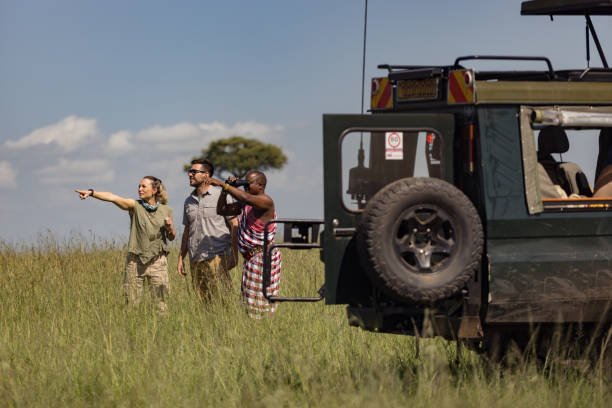
Which Local Tanzania Safari Companies Are Trustworthy In ? 2026-2027
Choosing a trustworthy local Tanzania safari company is crucial for a memorable and safe adventure. This guide helps you identify reliable operators for your 2026-2027 trip, covering...
View package details
Three Days For Safari In Tanzania: Where To Go An Unforgettable Experience
If you have just three days for a safari in Tanzania, the most recommended destinations for a concentrated and rewarding wildlife experience are the Ngorongoro Conservation Area and...
View package detailsWe Are Arriving At Kilimanjaro Airport, What Safari Itinerary Should We Do?
Planning your safari upon arrival at Kilimanjaro Airport (JRO)? This guide provides tailored safari itineraries for 2026-2027, focusing on Northern Tanzania's iconic parks like the...
View package details
7 Days In Tanzania: Your Expertly Planned Safari Itinerary For 2026-2027
Discover a perfectly crafted 7-day Tanzania safari itinerary for 2026-2027, designed to maximize wildlife viewing and cultural experiences in the Serengeti and Ngorongoro Crater.
View package details
Which Tanzania Safari Gives The Best Value For Money? 2026-2027
Which Tanzania safari gives the best value for money? is explained with current 2026-2027 planning, price, itinerary and booking information.
View package details
How To Avoid Safari Scams In Tanzania: A Top Guide Adventures Expert 2026-2027
Navigating a safari in Tanzania is a dream for many, but a few precautions can ensure your adventure is scam-free. This guide from Top Guide Adventures provides essential advice for...
View package detailsHow Far In Advance Should You Book A Tanzania Safari? Your Planning Guide
Securing your dream Tanzania safari requires strategic planning. This comprehensive guide details the optimal booking timeline for 2026-2027, considering peak seasons, lodge availability...
View package detailsHow Much Should I Tip My Safari Guide In Tanzania? Your 2026-2027
Understand the tipping culture for safari guides and staff in Tanzania. This guide provides clear, actionable recommendations for tipping your safari crew in 2026-2027, covering guides...
View package detailsPrivate Safari Vs Group Tanzania — Which Is Better? 2026-2027
Private safari vs group safari Tanzania — which is better? is explained with current 2026-2027 planning, price, itinerary and booking information.
View package details
Is A Group Joining Safari In Tanzania Worth It? 2026-2027
Is a group joining safari in Tanzania worth it? is explained with current 2026-2027 planning, price, itinerary and booking information.
View package details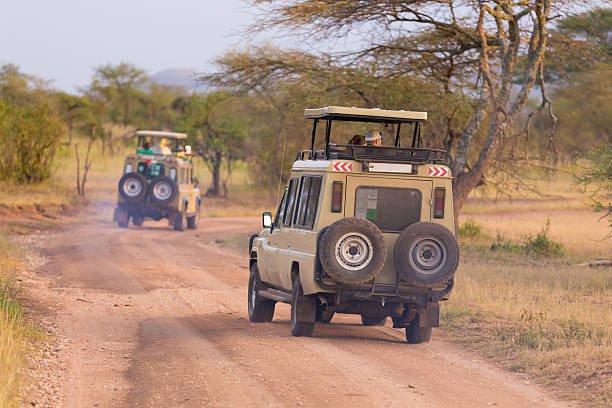
Tanzania Safari For Great Migration: Which Tour To Book In 2026-2027
Planning to witness the Great Migration in Tanzania? This guide helps you choose the perfect safari for 2026-2027, detailing the best parks, timing, and tour options for an unforgettable...
View package detailsNo related package matches those filters. Clear one or more filters to see the other topic-matched options.
Plan your Lake Natron Serengeti Ngorongoro Safari From Moshi with Top Guide Adventures
Tell us your travel dates, group size, comfort level, and dream experience. We will help you shape a clear, realistic, and memorable Tanzania itinerary.



