
Updated planning guide for 2026, 2027-2028
Lake Eyasi Cultural Safari From Moshi: Best Guide 2026-2027-2028
Discover the unique cultural experiences awaiting you on a Lake Eyasi safari starting from Moshi. This comprehensive guide covers everything from planning and itineraries to what to expect and booking advice for your 2026-2027 adventure.
WhatsApp +255616946642 | topguideadventures@gmail.com | info@topguideadventures.com
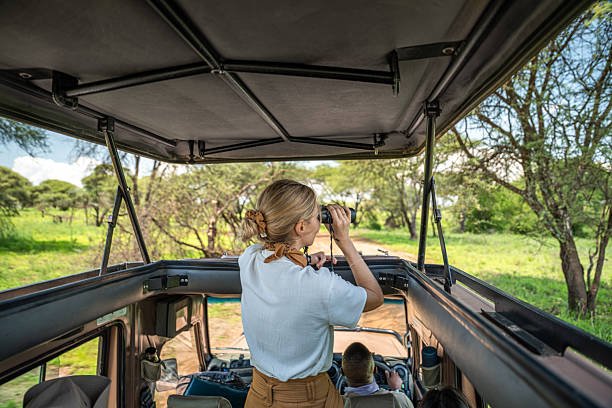
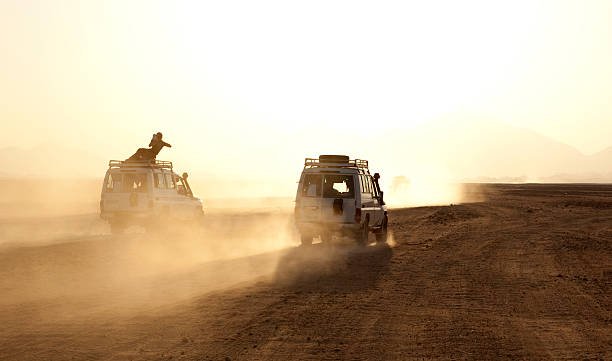
Lake Eyasi Cultural Safari From Moshi: Your Definitive Planning Guide
For travelers seeking an experience beyond the typical wildlife viewing, a Lake Eyasi cultural safari from Moshi offers a profound connection with some of Tanzania’s most ancient and fascinating indigenous communities. This region, nestled southwest of the Ngorongoro Conservation Area, is home to the Hadzabe (Bushmen) and the Datoga (a pastoralist tribe), each with unique traditions, hunting methods, and ways of life that have remained largely unchanged for centuries. This guide provides an in-depth look at planning your journey, understanding the cultural nuances, and making the most of this distinctive adventure in 2026 and 2027.
Starting your Lake Eyasi cultural safari from Moshi is a practical choice for many, especially those who have just completed or are planning to trek Mount Kilimanjaro. Moshi serves as a convenient hub, offering accessibility and a range of services to organize your trip. This journey is not about ticking off wildlife sightings; it’s about respectful engagement, learning, and witnessing human history unfold in a remote and beautiful landscape.
Table of Contents
- Quick Facts About Lake Eyasi
- Lake Eyasi: A Cultural Crossroads
- Why Choose a Lake Eyasi Cultural Safari From Moshi?
- Best Time to Visit Lake Eyasi in 2026-2027
- Lake Eyasi Region Overview
- Sample Itinerary: 3-Day Lake Eyasi Cultural Safari From Moshi
- What to Expect on Your Cultural Safari
- Inclusions, Packing, and Preparation
- Common Mistakes to Avoid
- Who is a Lake Eyasi Cultural Safari Best For?
- Alternatives to Lake Eyasi Cultural Tours
- Planning Your Trip for 2026-2027
- Booking Your Lake Eyasi Cultural Safari
- Frequently Asked Questions (FAQs)
Quick Facts About Lake Eyasi
| Aspect | Details |
|---|---|
| Location | Southwest of Ngorongoro Conservation Area, Tanzania |
| Primary Tribes | Hadzabe (hunter-gatherers), Datoga (pastoralists, artisans) |
| Main Activities | Cultural visits, witnessing traditional hunting/gathering, artisan workshops, bird watching, exploring the lake shore. |
| Access from Moshi | Approximately 5-7 hours drive (can be longer depending on road conditions) |
| Accommodation | Basic lodges, tented camps, and camping. Options are limited and rustic. |
| Best For | Culturally curious travelers, photographers, those seeking off-the-beaten-path experiences. |
| Travel Style | Requires patience, respect for local customs, and an adventurous spirit. |
Lake Eyasi: A Cultural Crossroads
Lake Eyasi is a large, shallow endorheic lake located in the Great Rift Valley in northern Tanzania. Its stark, beautiful landscape is defined by arid scrubland, acacia trees, and the shimmering expanse of the lake itself, which shrinks and expands with the seasons. However, the true allure of Lake Eyasi lies not in its geography, but in the human stories it holds. It is a sanctuary for indigenous communities whose ways of life have persisted through millennia, offering a rare glimpse into a world vastly different from our own.
The most prominent groups are the Hadzabe, one of the last hunter-gatherer tribes in Africa, and the Datoga, known for their intricate metalwork and distinct cultural practices. Visiting Lake Eyasi is an opportunity to understand their deep connection to the land, their survival skills, and their social structures. It’s a journey that challenges perspectives and fosters a greater appreciation for the diversity of human existence.
The Hadzabe: Masters of the Hunt
The Hadzabe people are renowned for their traditional hunting methods, using bows and arrows crafted from acacia wood and animal sinew. Their diet consists primarily of game, honey, berries, and roots, gathered daily from the surrounding bush. A visit with the Hadzabe often involves accompanying them on a morning hunt or gathering expedition. This is not a staged performance but a genuine part of their daily lives. Witnessing their tracking skills, their knowledge of the flora and fauna, and their communal living is an unforgettable experience.
It’s crucial to approach these interactions with the utmost respect. The Hadzabe live a simple, communal life, and their culture is not a tourist attraction but a living heritage. Guides play a vital role in facilitating respectful communication and ensuring that visits are conducted ethically, benefiting the community while preserving their traditions.
The Datoga: Artisans of the Land
The Datoga, also known as the Doto or Taturu, are a semi-nomadic pastoralist people who inhabit the areas around Lake Eyasi. They are skilled herders, farmers, and, most notably, artisans. Their traditional craft of blacksmithing is particularly impressive. Datoga men are renowned for their ability to fashion tools, spears, and jewelry from recycled metal, often using traditional bellows and forges. Visiting a Datoga village provides an opportunity to see these crafts in action, purchase unique handmade souvenirs directly from the artisans, and learn about their social hierarchy and beliefs.
The Datoga women, often adorned with distinctive facial tattoos and elaborate beadwork, also play important roles within the community. Their daily lives involve domestic chores, tending to children, and participating in community activities. Understanding the roles of both men and women offers a fuller picture of Datoga society.
Why Choose a Lake Eyasi Cultural Safari From Moshi?
Moshi, the gateway to Kilimanjaro, is a popular starting point for many Tanzanian adventures. For those looking to extend their stay or combine a trek with a different kind of experience, a Lake Eyasi cultural safari from Moshi is an excellent choice. Here’s why:
- Proximity to Kilimanjaro: If you’ve just summited Kili, a cultural immersion at Lake Eyasi offers a grounding and enriching contrast to the physical challenge. It allows you to connect with the human landscape of Tanzania.
- Logistical Convenience: Top Guide Adventures and other reputable operators based in Moshi have established routes and relationships with local communities around Lake Eyasi. This makes organizing the trip from Moshi straightforward.
- Unique Cultural Encounters: Lake Eyasi provides access to some of the most authentic and ancient tribal cultures in Tanzania, offering experiences distinct from the Maasai encounters common in other safari circuits.
- Off-the-Beaten-Path Adventure: While popular safari destinations like the Serengeti and Ngorongoro draw large crowds, Lake Eyasi remains relatively less visited, offering a more intimate and less commercialized cultural experience.
- Diverse Tanzanian Experience: Combining a cultural visit to Lake Eyasi with a wildlife safari in the northern circuit or a beach holiday in Zanzibar provides a comprehensive understanding of Tanzania’s varied attractions.
Best Time to Visit Lake Eyasi in 2026-2027
The climate around Lake Eyasi is semi-arid, with distinct wet and dry seasons. The best time for a cultural safari depends on what you wish to experience and your tolerance for weather conditions.
| Period | Weather | Pros | Cons |
|---|---|---|---|
| Dry Season (June – October) | Cooler temperatures, sunny days, minimal rainfall. | Pleasant for walking and cultural activities. Roads are generally in better condition. Lake Eyasi may be lower, exposing more shoreline. | Can be dusty. More tourists may be in the region generally, though Eyasi itself remains less crowded. |
| Short Rains (November – December) | Intermittent showers, temperatures start to rise. | Landscape begins to green up. Fewer tourists. | Some activities might be affected by rain. Roads can become challenging. |
| Long Rains (March – May) | Heavy and prolonged rainfall, high humidity, hot temperatures. | Very few tourists. Lush green scenery. This is often the least ideal time for travel. | Roads can be impassable. Many activities, especially walking safaris and hunting with the Hadzabe, are significantly hampered or impossible. High temperatures. |
| Shoulder Season (January – February) | Hot and dry, occasional short showers. | Good for wildlife viewing as animals congregate around water sources. Good for cultural visits. | Can be very hot. |
For most travelers, the dry season (June to October) and the shoulder season (January to February) offer the most comfortable conditions for a Lake Eyasi cultural safari from Moshi. These periods provide sunny days suitable for exploration and minimize the disruption of heavy rains. Planning your trip for 2026 or 2027 during these times is advisable for a smoother experience.
Lake Eyasi Region Overview
Lake Eyasi is situated in a vast, semi-arid basin. The journey from Moshi typically involves driving southwest, often passing through or near the Ngorongoro Conservation Area and the northern Serengeti plains before descending towards the lake basin.
The primary areas of interest for cultural tourism are:
Route Illustration: Moshi to Lake Eyasi
- Moshi: Starting point.
- Arusha: Often a brief stop for supplies or final arrangements.
- Karatu/Ngorongoro Area: Drive through or near this region, offering glimpses of wildlife and highland landscapes.
- Basin Descent: Descend into the Rift Valley floor towards Lake Eyasi. Road conditions can vary significantly here.
- Lake Eyasi Shores & Surrounding Villages: This is the main area of activity. Settlements of the Hadzabe and Datoga are located in this vicinity. Specific camps and lodges are situated along the lake or in nearby areas.
Note: This is a simplified representation. Actual routes may vary based on road conditions and specific tour operator arrangements.
The landscape is characterized by dry savanna, acacia woodlands, and the lakebed itself. The villages are often small, scattered settlements, requiring local guides to navigate effectively. The remoteness is part of the charm, but it also means that infrastructure is basic.
Sample Itinerary: 3-Day Lake Eyasi Cultural Safari From Moshi
This sample itinerary focuses on maximizing cultural immersion within a short timeframe, starting and ending in Moshi. It assumes comfortable road travel and includes visits to both Hadzabe and Datoga communities.
| Day | Morning | Afternoon | Evening |
|---|---|---|---|
| Day 1: Moshi to Lake Eyasi | After an early breakfast in Moshi, depart by 4×4 vehicle towards Lake Eyasi. The drive takes approximately 5-7 hours, with stops for scenic views and perhaps a brief lunch en route. | Arrive at your chosen lodge or camp near Lake Eyasi. After settling in and a short rest, visit a Datoga village. Observe their traditional blacksmithing, beadwork, and daily life. Engage with local artisans. | Return to the lodge for dinner. Relax and prepare for the next day’s activities. |
| Day 2: Hadzabe Experience & Datoga Culture | Wake up very early for a guided walk with the Hadzabe people. Accompany them on their morning hunt and gathering expedition. Witness their incredible tracking skills and learn about their survival techniques. This is a highlight of any Lake Eyasi cultural safari. | Return to the lodge for breakfast. Later in the day, visit another Datoga settlement or explore the shores of Lake Eyasi, observing birdlife. You might also have an opportunity to interact with other local communities or learn more about Datoga traditions, perhaps focusing on their farming or pastoralist aspects. | Enjoy dinner at your accommodation. Optional: Stargazing in the clear night sky. |
| Day 3: Final Encounters & Return to Moshi | Depending on your departure time, you might have a final opportunity for a short cultural interaction, perhaps a visit to a local market if available or a brief chat with villagers. Alternatively, enjoy a leisurely breakfast and some time to reflect by the lake. | After breakfast, begin the scenic drive back to Moshi. Stop for lunch at a suitable point along the route. | Arrive back in Moshi in the late afternoon or early evening. Your Lake Eyasi cultural safari from Moshi concludes. |
Customization: This itinerary can be extended to 4 or 5 days for a more in-depth experience, allowing for longer stays with the Hadzabe, deeper exploration of Datoga crafts, or visits to other local communities. It can also be combined with a visit to the Ngorongoro Crater or Tarangire National Park.
What to Expect on Your Cultural Safari
A cultural safari to Lake Eyasi is fundamentally different from a typical wildlife safari. Be prepared for:
- Authentic Interactions: While tours are organized, the interactions are genuine. The communities live their lives as they always have. Your visit is an addition to their lives, not the sole focus.
- Basic Infrastructure: Accommodation options around Lake Eyasi are generally rustic. Expect comfortable but basic lodges or tented camps. Amenities might be limited, and power can be intermittent. This is part of the immersive experience.
- Challenging Roads: The roads leading to and around Lake Eyasi can be rough, dusty, and challenging, especially during or after the rainy season. A sturdy 4×4 vehicle is essential.
- Remote Setting: Cell phone reception is often poor or non-existent. This is an opportunity to disconnect and immerse yourself fully in the experience.
- Respectful Engagement: Your guide will facilitate introductions and interactions. Always ask before taking photos, be mindful of local customs, and approach with curiosity and humility.
- Learning Opportunity: This is a chance to learn about different ways of life, sustainable living, and ancient traditions. Be open to new perspectives.
- Wildlife: While not the primary focus, you may encounter some wildlife, including diverse bird species, dik-diks, and other small mammals. The lake itself can attract various water birds.
Inclusions, Packing, and Preparation
When booking a Lake Eyasi cultural safari from Moshi, understanding what is typically included is crucial for planning. Your tour operator, like Top Guide Adventures, will provide a detailed list, but common inclusions are:
| Typically Included | Typically Not Included |
|---|---|
| 4×4 Safari Vehicle with driver/guide | International flights |
| Accommodation (lodges/camps) | Visa fees |
| Meals as specified (often full board) | Travel insurance |
| Park fees (if applicable to specific areas) | Gratuities for guides and staff |
| Cultural visit fees/contributions to communities | Personal expenses (souvenirs, drinks, laundry) |
| Bottled water in the vehicle | Tips for local community guides (often arranged by your main guide) |
Packing Essentials:
Given the environment and activities, packing smart is important:
- Clothing: Lightweight, neutral-colored clothing (long sleeves and trousers for sun and insect protection). A warm jacket or fleece for cooler evenings and early mornings. Comfortable walking shoes or hiking boots. Sandals or flip-flops for camp. A hat for sun protection.
- Health & Hygiene: Personal first-aid kit, insect repellent (with DEET), hand sanitizer, sunscreen (high SPF), any personal medications.
- Photography: Camera, extra batteries, memory cards, binoculars. Consider a lens cloth for dust.
- Documents: Passport, visa, flight details, insurance information, vaccination certificates. Keep copies separate.
- Money: US Dollars are widely accepted for tips and souvenirs. Have smaller denominations available.
- Miscellaneous: Headlamp or flashlight, reusable water bottle, power bank (for charging devices), wet wipes. A small gift for children if you choose, but consult your guide on appropriateness.
Preparation:
- Vaccinations: Consult your doctor or a travel clinic about recommended vaccinations for Tanzania (e.g., Yellow Fever, Hepatitis A, Typhoid).
- Malaria Prevention: Discuss malaria prophylaxis with your doctor.
- Travel Insurance: Essential for covering medical emergencies, trip cancellations, and lost belongings.
- Physical Fitness: While not strenuous trekking, comfortable walking is involved. Good general fitness is beneficial.
- Cultural Sensitivity: Read up on the Hadzabe and Datoga cultures to approach interactions with respect and understanding.
Common Mistakes to Avoid
To ensure a respectful and enriching experience, be aware of potential pitfalls:
- Treating it like a Zoo: Lake Eyasi is not a wildlife park. The people are not exhibits. Approach interactions with genuine interest and respect for their way of life.
- Ignoring Your Guide: Your local guide is crucial for navigating the cultural landscape, translating, and ensuring respectful interactions. Follow their advice.
- Taking Photos Without Permission: Always ask before photographing individuals, especially children. Some communities may ask for a small fee.
- Bringing Inappropriate Gifts: Avoid giving sweets or random items that can disrupt local economies or health. If you wish to give a gift, consult your guide for appropriate items (e.g., school supplies for a community school, if applicable and approved).
- Expecting Luxury: Accommodation and facilities are basic. Embrace the simplicity and focus on the cultural experience.
- Being Too Pushy: The Hadzabe may not always be available for a hunt if they are not planning one. The Datoga may be busy with their daily tasks. Be flexible and patient.
- Underestimating Travel Times: Road conditions can be unpredictable. Factor in extra time for travel between locations.
- Not Researching: Understanding a little about the Hadzabe and Datoga beforehand enhances your appreciation.
Who is a Lake Eyasi Cultural Safari Best For?
This type of safari is ideal for:
- Culturally Curious Travelers: Those who want to understand different ways of life, ancient traditions, and human history.
- Adventurous Spirits: Travelers who don’t mind basic accommodations and challenging road conditions in pursuit of unique experiences.
- Photographers: The unique subjects and landscapes offer incredible photographic opportunities, but always with respect.
- Travelers Seeking Authenticity: Those looking for an experience away from mass tourism and commercialized encounters.
- Post-Kilimanjaro Trekkers: A perfect way to ground yourself after a challenging climb and gain a deeper appreciation for Tanzania’s diverse offerings.
- Educational Travelers: Individuals or groups interested in anthropology, ethnography, or simply learning about the world.
It may not be suitable for travelers who prioritize luxury, extensive wildlife viewing, or predictable infrastructure.
Alternatives to Lake Eyasi Cultural Tours
While Lake Eyasi offers a unique experience, other cultural tourism options exist in Tanzania:
- Maasai Boma Visits: Many Northern Circuit safaris include visits to Maasai villages. These are often more structured and can sometimes feel more tourist-oriented, but they offer insight into Maasai culture.
- Cultural Heritage Centers: In areas like Arusha and Karatu, you can find centers offering cultural experiences, cooking classes, and craft demonstrations.
- Chagga Villages near Moshi: Explore the local culture of the Chagga people, who live on the slopes of Kilimanjaro. This can involve coffee plantation tours, visiting local markets, and understanding their agricultural lifestyle.
- Zanzibar Cultural Tours: On the island of Zanzibar, you can visit local villages, spice farms, and learn about Swahili culture, history, and traditions.
Compared to Lake Eyasi, these alternatives may offer more developed infrastructure and easier access, but they often lack the same level of raw authenticity and the opportunity to encounter hunter-gatherer societies.
Planning Your Trip for 2026-2027
Planning a Lake Eyasi cultural safari from Moshi for 2026 or 2027 requires attention to detail, especially given the region’s remoteness. Here are key planning considerations:
Booking Timeline:
It’s advisable to book your tour at least 6-9 months in advance, especially if you are planning for peak seasons or combining it with other popular Tanzanian destinations. This allows tour operators to secure the best guides, accommodations, and vehicles.
Choosing a Tour Operator:
Select a reputable tour operator based in Moshi or Arusha that has extensive experience with Lake Eyasi. Look for operators who emphasize ethical tourism, community engagement, and have a strong understanding of the local cultures. Top Guide Adventures is known for its expertise in cultural tours and custom itineraries.
Customization for 2026-2027:
Discuss your interests with your tour operator. Do you want to spend more time with the Hadzabe? Are you particularly interested in Datoga crafts? A custom itinerary can be tailored to your preferences, ensuring you get the most out of your visit.
Budgeting Considerations for 2026-2027:
Costs can vary based on the length of the trip, accommodation standard, and vehicle type. While exact prices fluctuate, factor in costs for the safari package, flights, visas, insurance, and personal expenses. Operators can provide detailed quotes based on your desired itinerary for 2026 or 2027.
Health and Safety in 2026-2027:
Ensure all necessary vaccinations and malaria precautions are up-to-date well before your departure. Familiarize yourself with basic safety protocols and always follow the guidance of your tour leader.
Booking Your Lake Eyasi Cultural Safari
Making an informed booking decision is crucial for a successful trip. Here’s how to approach booking your Lake Eyasi cultural safari from Moshi:
1. Research Reputable Tour Operators: Start by looking for Tanzanian-based tour operators with a strong online presence, positive reviews (though be discerning), and specific experience in cultural tourism and the Lake Eyasi region. Operators like Top Guide Adventures, based in Moshi, have a deep understanding of local logistics and community relationships.
2. Contact for Custom Quotes: Once you have a shortlist, contact them with your specific requirements. For a Lake Eyasi cultural safari from Moshi, specify your desired duration (e.g., 3 days/2 nights), travel dates, and any special interests. Request a detailed itinerary and a clear breakdown of costs.
3. Ask Key Questions:
- What is the typical vehicle used?
- What is the experience level of your guides regarding cultural interactions?
- How are community visits organized? Are there direct contributions to the tribes?
- What are the accommodation options like? Can you provide details?
- What is the cancellation policy?
- What is included in the price, and what are the potential extra costs?
- What is the process for making payments?
4. Understand Inclusions and Exclusions: Pay close attention to what your tour package covers. This includes meals, accommodation, park fees, vehicle, guide, fuel, and community fees. Knowing what’s excluded helps you budget for personal expenses, tips, and optional activities.
5. Payment and Confirmation: Most operators require a deposit (typically 20-50%) to confirm your booking, with the balance due closer to your departure date. Ensure you receive a formal booking confirmation and contract.
6. Final Preparations: Once booked, work with your operator on final preparations, including packing lists, health advice, and meeting points. For 2026-2027 travel, confirm visa requirements and flight bookings well in advance.
Contact Top Guide Adventures for your personalized Lake Eyasi cultural safari from Moshi:
- WhatsApp: +255616946642
- Email: topguideadventures@gmail.com
- Backup Email: info@topguideadventures.com
Frequently Asked Questions (FAQs)
Q1: Is a Lake Eyasi cultural safari from Moshi suitable for families with young children?
A1: While possible, it depends on the children’s age and temperament. The travel can be long and roads rough. Accommodation is basic. Interactions with tribes are generally respectful, but the cultural context might be complex for very young children. It’s best suited for families with older children (10+) who are curious and adaptable.
Q2: How much should I tip the Hadzabe and Datoga guides?
A2: Tipping directly to community members is often discouraged as it can create dependency. Reputable tour operators usually include a contribution to the community in your tour fee. If your main guide facilitates direct interaction and you wish to offer a personal thank you, discuss an appropriate amount with your guide. They can advise on what is culturally acceptable and beneficial for the community.
Q3: Can I buy traditional crafts directly from the Datoga artisans?
A3: Yes, visiting Datoga villages often provides opportunities to purchase handmade items like jewelry, tools, and ornaments directly from the artisans. This is a great way to support their craft and take home a unique souvenir. Ensure you agree on a price beforehand.
Q4: What is the difference between visiting the Hadzabe and the Maasai?
A4: The Hadzabe are one of Africa’s last true hunter-gatherer tribes, living a traditional subsistence lifestyle. The Maasai are primarily pastoralists, known for their cattle herding and distinct red shuka attire. Hadzabe interactions often involve participating in or observing hunting/gathering, while Maasai visits focus more on their social structure, cattle culture, and village life.
Q5: What are the accommodation options like around Lake Eyasi?
A5: Accommodation is generally basic but clean and functional. Options typically include simple lodges or tented camps with en-suite facilities (sometimes shared) and communal dining areas. Expect electricity to be limited and hot water to be available on request. It’s designed to be in harmony with the natural surroundings.
Q6: Is it possible to combine a Lake Eyasi cultural safari with a Northern Circuit safari in 2026?
A6: Absolutely. Many travelers combine Lake Eyasi with visits to Ngorongoro Crater, Tarangire, or even the Serengeti. Tour operators like Top Guide Adventures specialize in creating these multi-faceted itineraries, offering a blend of wildlife and cultural experiences. Planning for 2026 would involve booking these combinations well in advance.
Q7: What currency should I use for expenses around Lake Eyasi?
A7: While US Dollars are widely accepted for tour payments and larger purchases, it’s useful to have some Tanzanian Shillings (TZS) for smaller expenses, local markets, or tips if advised by your guide. US Dollars in smaller denominations are often preferred for direct purchases from artisans.
Q8: How safe is a Lake Eyasi cultural safari from Moshi?
A8: The region is generally safe for tourists when traveling with experienced guides. The primary concerns are related to the remote environment (road conditions, basic facilities) rather than security. Reputable tour operators prioritize traveler safety and have protocols in place. Always follow your guide’s instructions.
Q9: What kind of wildlife can I expect to see at Lake Eyasi?
A9: While not a prime wildlife destination like the Serengeti, Lake Eyasi offers opportunities to see diverse birdlife, especially around the lake. You might also spot dik-diks, gazelles, various reptiles, and other smaller mammals in the surrounding scrubland and woodlands.
Q10: Can I arrange a longer stay with the Hadzabe for my 2027 trip?
A10: It is possible to arrange longer stays, but it requires careful planning and the cooperation of the Hadzabe community. This is usually arranged through experienced tour operators who have established respectful relationships. Longer stays allow for a deeper understanding of their daily life, but they are often basic and require a high degree of adaptability and respect for their traditions.
Plan Your Unforgettable Lake Eyasi Cultural Safari From Moshi
A journey to Lake Eyasi from Moshi is more than just a trip; it’s an immersion into the heart of ancient traditions and human resilience. Witness the Hadzabe’s hunting prowess, admire the Datoga’s artisanal skills, and connect with Tanzania’s rich cultural heritage in a way that few travelers experience. For planning your unique Lake Eyasi cultural safari from Moshi for 2026-2027, trust the experts who know the land and its people.
Contact Top Guide Adventures today to craft your personalized itinerary:
- WhatsApp: +255616946642
- Email: topguideadventures@gmail.com
- Backup Email: info@topguideadventures.com
Let us help you create a meaningful and memorable cultural adventure.
How Much Should I Tip My Safari Guide In Tanzania? Your 2026-2027
Understand the tipping culture for safari guides and staff in Tanzania. This guide provides clear, actionable recommendations for tipping your safari crew in 2026-2027, covering guides...
View package details
7 Days In Tanzania: Your Expertly Planned Safari Itinerary For 2026-2027
Discover a perfectly crafted 7-day Tanzania safari itinerary for 2026-2027, designed to maximize wildlife viewing and cultural experiences in the Serengeti and Ngorongoro Crater.
View package details
10-Day Southern Tanzania Safari And Zanzibar Package 2026-2027
Discover the ultimate 10-day Southern Tanzania safari and Zanzibar package, combining the wild heart of Africa with the tropical allure of the Spice Island. This itinerary offers an...
View package details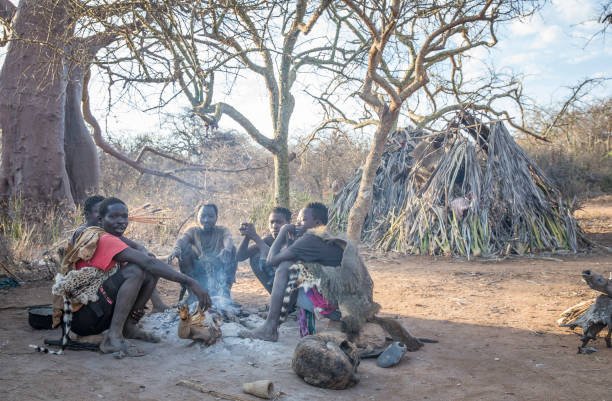
Hadzabe Tribe Day Trip Cost From Moshi/Zanzibar 2026-2027
Hadzabe tribe Day trip cost from Moshi/Zanzibar is explained with current 2026-2027 planning, price, itinerary and booking information.
View package detailsWhich Tanzania Safari Gives The Best Value For Money? 2026-2027
Which Tanzania safari gives the best value for money? is explained with current 2026-2027 planning, price, itinerary and booking information.
View package details
How To Avoid Safari Scams In Tanzania: A Top Guide Adventures Expert 2026-2027
Navigating a safari in Tanzania is a dream for many, but a few precautions can ensure your adventure is scam-free. This guide from Top Guide Adventures provides essential advice for...
View package details
Which Local Tanzania Safari Companies Are Trustworthy In ? 2026-2027
Choosing a trustworthy local Tanzania safari company is crucial for a memorable and safe adventure. This guide helps you identify reliable operators for your 2026-2027 trip, covering...
View package detailsHow Far In Advance Should You Book A Tanzania Safari? Your Planning Guide
Securing your dream Tanzania safari requires strategic planning. This comprehensive guide details the optimal booking timeline for 2026-2027, considering peak seasons, lodge availability...
View package detailsPrivate Safari Vs Group Tanzania — Which Is Better? 2026-2027
Private safari vs group safari Tanzania — which is better? is explained with current 2026-2027 planning, price, itinerary and booking information.
View package details
Is A Group Joining Safari In Tanzania Worth It? 2026-2027
Is a group joining safari in Tanzania worth it? is explained with current 2026-2027 planning, price, itinerary and booking information.
View package details
Serengeti And Ngorongoro Safari Without Luxury: Your Options For 2026-2027
Discover how to experience the wonders of the Serengeti and Ngorongoro Crater on a safari that prioritizes incredible wildlife viewing and authentic experiences over luxury accommodations...
View package details
Tanzania Safari For Great Migration: Which Tour To Book In 2026-2027
Planning to witness the Great Migration in Tanzania? This guide helps you choose the perfect safari for 2026-2027, detailing the best parks, timing, and tour options for an unforgettable...
View package detailsNo related package matches those filters. Clear one or more filters to see the other topic-matched options.
Plan your Lake Eyasi Cultural Safari From Moshi with Top Guide Adventures
Tell us your travel dates, group size, comfort level, and dream experience. We will help you shape a clear, realistic, and memorable Tanzania itinerary.



