
Updated planning guide for 2026, 2027-2028
Kilimanjaro Climb, Safari And Materuni Tour From Moshi: Expert Trekking Guide
Discover the ultimate adventure from Moshi: a Kilimanjaro climb combined with an unforgettable safari and a refreshing Materuni waterfall tour. This comprehensive guide covers everything you need to know for your 2026-2027 trip.
WhatsApp +255616946642 | topguideadventures@gmail.com | info@topguideadventures.com
Your Ultimate Kilimanjaro Climb, Safari and Materuni Tour From Moshi Awaits
Combining the majestic ascent of Mount Kilimanjaro with the thrill of a Tanzanian safari and the cultural immersion of the Materuni Waterfalls tour from Moshi offers an unparalleled African experience. This comprehensive guide is designed for travelers seeking to maximize their adventure in Tanzania, providing detailed planning information, itinerary suggestions, and practical advice for your 2026 or 2027 journey. Whether you are a seasoned trekker or a first-time visitor to Tanzania, this resource will help you prepare for an extraordinary expedition.
Quick Overview: Kilimanjaro, Safari & Materuni from Moshi
This popular combination, often booked as a package from Moshi, typically involves:
- Mount Kilimanjaro Climb: A multi-day trek up Africa’s highest peak.
- Tanzania Safari: Exploring iconic national parks like Serengeti, Ngorongoro Crater, or Tarangire.
- Materuni Waterfalls Tour: A day trip to experience local culture, coffee farming, and stunning waterfalls.
Moshi serves as the ideal gateway, providing convenient access to all these incredible experiences.
Table of Contents
- Quick Facts
- Why Combine Kilimanjaro, Safari, and Materuni?
- Best Time to Go (2026-2027 Planning)
- Route Overview: Moshi as Your Base
- Sample Itinerary: Kilimanjaro Climb, Safari & Materuni Tour
- Kilimanjaro Climb Deep Dive
- Tanzania Safari Deep Dive
- Materuni Waterfalls Tour Deep Dive
- What to Expect: The Complete Experience
- Packing and Preparation Checklist
- Common Mistakes to Avoid
- Who is This Combination Best Suited For?
- Alternatives and Customization Options
- Planning Your Trip for 2026-2027
- Booking Your Tour Package
- Frequently Asked Questions (FAQs)
- Ready to Book Your Adventure?
Quick Facts
| Aspect | Details |
|---|---|
| Primary Activity | Mount Kilimanjaro Trekking, Wildlife Safari, Cultural Tour |
| Starting Point | Moshi, Tanzania |
| Kilimanjaro Height | 5,895 meters (19,341 feet) |
| Safari Destinations | Serengeti, Ngorongoro, Tarangire, Lake Manyara (common) |
| Materuni Visit | Waterfalls, coffee plantation, Chagga culture |
| Typical Tour Duration | 10-18 days (varies by itinerary) |
| Best Months (Dry Seasons) | January-March, June-October |
| Best Months (Shoulder/Wet) | April-May (long rains), November-December (short rains) |
| Best Time for 2026-2027 Planning | Start planning 6-12 months in advance, especially for peak seasons. |
Why Combine Kilimanjaro, Safari, and Materuni?
This trifecta of experiences offers a profound and diverse exploration of Tanzania. It appeals to travelers who want to achieve a significant personal challenge (Kilimanjaro), witness the planet’s most spectacular wildlife displays (safari), and connect with local culture and natural beauty (Materuni).
- Achievement & Adventure: Conquering Kilimanjaro is a bucket-list item for many, offering incredible personal satisfaction and breathtaking views.
- Wildlife Spectacle: Tanzania’s national parks are legendary, home to the “Big Five” and vast herds during the Great Migration. A safari here is an immersive wildlife experience.
- Cultural Insight: The Materuni Waterfalls tour provides a genuine glimpse into the life of the Chagga people, their traditions, farming practices, and the importance of coffee in their economy.
- Logistical Ease: Booking this as a package from Moshi simplifies logistics significantly. Your tour operator handles transportation, accommodation between activities, permits, guides, and park fees, allowing you to focus on the experiences.
- Diverse Landscapes: From alpine deserts and glaciers on Kilimanjaro to the savanna plains of the Serengeti and the lush rainforest around Materuni, you’ll see an incredible range of Tanzanian environments.
Best Time to Go (2026-2027 Planning)
Choosing the right time to travel is crucial for both Kilimanjaro and safari. Tanzania has distinct wet and dry seasons, and understanding these will greatly influence your experience.
Kilimanjaro Climbing Seasons
- Peak Season (Dry & Clear): June to October and January to March. These months offer the best weather for climbing, with clear skies and minimal rain. However, they are also the busiest and can be colder at higher altitudes.
- Shoulder Season: December and April-May. December can be good, though there’s a chance of short rains. April and May are the wettest months, making climbing difficult and less advisable.
Safari Seasons
- Dry Season (June-October): Excellent for game viewing as animals congregate around water sources. This is also prime time for the Great Migration in the Serengeti (timing varies slightly).
- Green Season (November-May): The landscape is lush and beautiful. This is the calving season for wildebeest in the southern Serengeti (December-March). It’s also generally less crowded and can be more affordable. Be prepared for occasional rain showers.
Combining the Two for 2026-2027
The ideal months to combine a Kilimanjaro climb and safari are generally during the dry seasons: June to October and January to March. These periods offer the best chances for clear summit views on Kilimanjaro and excellent wildlife viewing on safari. Planning your 2026 or 2027 trip during these months is highly recommended, but book well in advance.
| Month | Kilimanjaro Conditions | Safari Conditions | Crowds | Notes |
|---|---|---|---|---|
| Jan-Mar | Good (dry, cold) | Good (green season, calving) | Moderate | Good combination window. Possibility of short rains in March. |
| Apr-May | Poor (heavy rains) | Fair (lush, fewer animals in open) | Low | Not recommended for Kilimanjaro. |
| Jun-Oct | Excellent (dry, clear, cold) | Excellent (dry season, migration) | High | Peak season for both. Book early for 2026-2027. |
| Nov-Dec | Fair (short rains possible) | Fair (green season, transition) | Moderate | December can be good, but weather is less predictable. |
Route Overview: Moshi as Your Base
Moshi, a vibrant town nestled at the foot of Mount Kilimanjaro, is the central hub for organizing and embarking on these adventures. Its proximity to Kilimanjaro National Park, Arusha National Park (a common starting point for some safaris or shorter treks), and the main road networks connecting to the northern safari circuit makes it exceptionally convenient.
Geographic Layout
Imagine a map:
- Moshi: Your starting and ending point for many tours. It’s where you’ll meet your guides, have pre-climb briefings, and relax post-adventure.
- Kilimanjaro National Park Gate: Typically a 1-2 hour drive from Moshi, depending on the chosen route (e.g., Marangu, Machame, Lemosho).
- Northern Safari Circuit Parks: These are generally west and northwest of Moshi/Arusha.
- Arusha National Park: Closest, often visited for a day trip or as a starting point for Mount Meru.
- Tarangire National Park: Approx. 3-4 hours drive from Moshi.
- Lake Manyara National Park: Approx. 3-4 hours drive from Moshi.
- Ngorongoro Conservation Area: Approx. 4-5 hours drive from Moshi.
- Serengeti National Park: The furthest, requiring a flight from Arusha/Kilimanjaro Airport or a longer drive (5-7 hours to the nearest gate).
- Materuni Village: Located on the slopes of Kilimanjaro, usually a relatively short drive (under an hour) from Moshi.
Tour operators based in Moshi coordinate all transfers between these locations, often using private 4×4 safari vehicles for safaris and comfortable minibuses or 4x4s for transfers to Kilimanjaro gates and Materuni.
Sample Itinerary: Kilimanjaro Climb, Safari & Materuni Tour (14 Days)
This is a sample to illustrate how these components can be combined. Durations can be adjusted. This assumes a 7-day Kilimanjaro climb (Machame Route) and a 3-day safari.
| Day | Activity | Details |
|---|---|---|
| Day 1 | Arrival in Moshi | Arrive at Kilimanjaro International Airport (JRO), transfer to your hotel in Moshi. Meet your guide for a pre-climb briefing. |
| Day 2 | Kilimanjaro Climb: Machame Route – Day 1 | Transfer to Machame Gate. Begin trek through rainforest to Machame Camp. (Approx. 5-7 hours trekking) |
| Day 3 | Kilimanjaro Climb: Machame Route – Day 2 | Trek from Machame Camp to Shira Camp. Cross moorland zones. (Approx. 4-6 hours trekking) |
| Day 4 | Kilimanjaro Climb: Machame Route – Day 3 | Trek to Barranco Camp via Lava Tower. Acclimatization day. (Approx. 3-5 hours trekking) |
| Day 5 | Kilimanjaro Climb: Machame Route – Day 4 | Ascend the Barranco Wall, trek to Karanga Camp. (Approx. 3-5 hours trekking) |
| Day 6 | Kilimanjaro Climb: Machame Route – Day 5 | Trek from Karanga Camp to Barafu Camp. Prepare for summit night. (Approx. 3-4 hours trekking) |
| Day 7 | Kilimanjaro Climb: Summit Night & Day 6 | Start summit attempt at midnight. Reach Uhuru Peak (5,895m). Descend to Mweka Camp. (Approx. 10-14 hours trekking) |
| Day 8 | Kilimanjaro Climb: Day 7 & Transfer | Trek from Mweka Camp to Mweka Gate. Receive your certificate. Transfer back to Moshi. Rest. |
| Day 9 | Materuni Waterfalls & Coffee Tour | Day trip to Materuni village. Visit the waterfalls, learn about coffee production, and enjoy a traditional lunch. Return to Moshi. |
| Day 10 | Safari: Tarangire National Park | Depart Moshi for Tarangire, known for its large elephant herds and baobab trees. Full-day game drive. Overnight near Tarangire or Karatu. |
| Day 11 | Safari: Ngorongoro Crater | Descend into the Ngorongoro Crater for a morning game drive, a UNESCO World Heritage Site. Afternoon transfer to Arusha or Moshi. |
| Day 12 | Safari: Serengeti National Park (Optional Extension) | *Option to extend safari to Serengeti for 2-3 days for a more comprehensive experience. If not, this day can be used for relaxation or exploring Moshi.* |
| Day 13 | Buffer/Relaxation Day | A buffer day for rest, souvenir shopping, or optional activities in Moshi. |
| Day 14 | Departure | Transfer to Kilimanjaro International Airport (JRO) for your onward flight. |
Kilimanjaro Climb Deep Dive
Choosing the right route and operator is paramount for a successful Kilimanjaro climb. Safety, acclimatization, and enjoyment are key.
Popular Kilimanjaro Routes from Moshi:
- Machame Route (7 days): “Whiskey Route.” Popular for its scenic beauty and good acclimatization profile. Relatively challenging but rewarding.
- Lemosho Route (8 days): Considered one of the most scenic routes, offering excellent acclimatization. It’s longer and thus more expensive but has a higher success rate.
- Marangu Route (5-6 days): “Coca-Cola Route.” The oldest and most direct route. Offers hut accommodation instead of camping, making it more comfortable for some. However, its rapid ascent means poorer acclimatization and lower success rates.
- Northern Circuit (9-10 days): The longest route, offering the best acclimatization and highest success rates. It traverses the mountain’s quieter northern slopes.
Key Considerations for Kilimanjaro:
- Acclimatization: This is the single most important factor for summit success. Longer routes (7+ days) significantly improve your chances.
- Guides and Crew: Use reputable, licensed guides and porters. Ensure they are well-equipped and treated ethically. Your tour operator should adhere to regulations set by Kilimanjaro National Park (KINAPA).
- Equipment: Proper gear is essential. This includes warm clothing, waterproofs, sturdy hiking boots, a good sleeping bag, and a headlamp. Most operators provide tents and cooking equipment.
- Health: Consult your doctor about altitude sickness medication (e.g., Diamox) and vaccinations.
Tanzania Safari Deep Dive
The Northern Circuit of Tanzania is world-renowned for its incredible wildlife density and diverse landscapes. From Moshi, you can easily access these parks.
Iconic Safari Destinations Accessible from Moshi:
- Serengeti National Park: The ultimate safari destination, famous for the Great Migration and vast plains teeming with predators and prey. Requires at least 2-3 days to explore properly.
- Ngorongoro Crater: A UNESCO World Heritage Site, this caldera is a self-contained ecosystem with an astonishing concentration of wildlife, including the endangered black rhino. A half-day to full-day game drive is typical.
- Tarangire National Park: Known for its large elephant herds, baobab trees, and diverse birdlife. Excellent for game viewing, especially during the dry season.
- Lake Manyara National Park: Famous for its tree-climbing lions, large troops of baboons, and diverse birdlife, including flamingos.
- Arusha National Park: Closer to Moshi, this park offers Mount Meru, Momella Lakes, and Ngurdoto Crater. It’s good for shorter safaris or day trips and offers walking safaris.
Safari Vehicle and Guide:
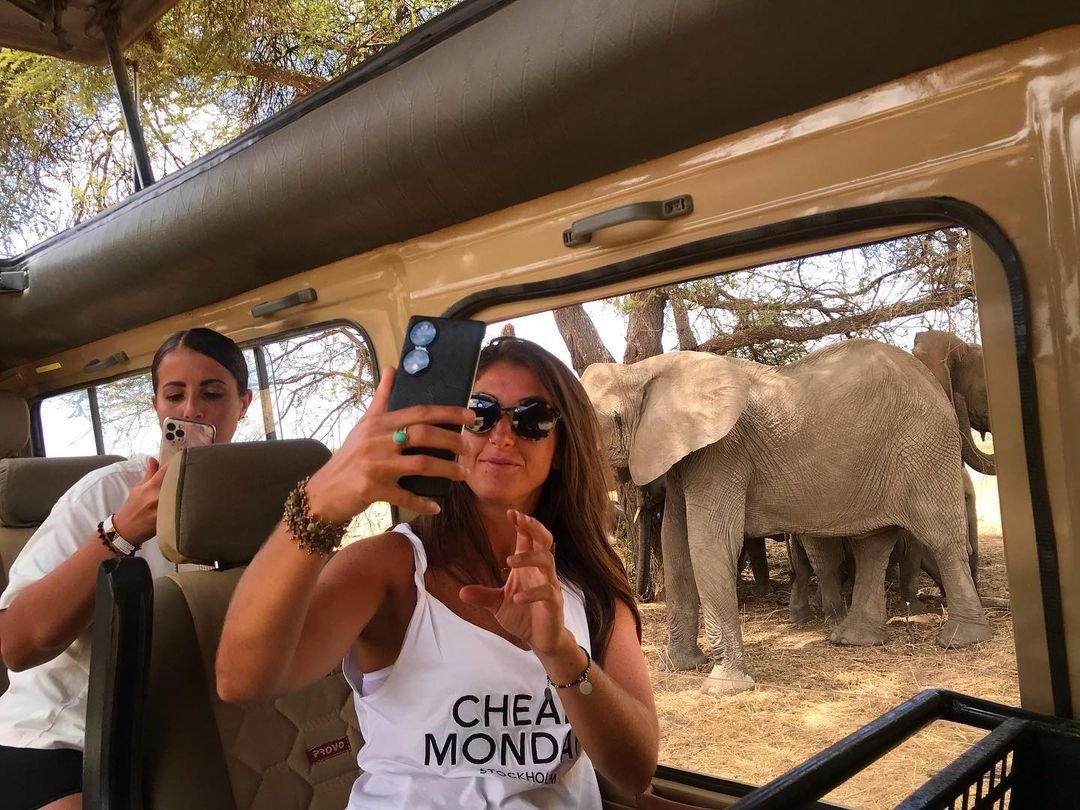
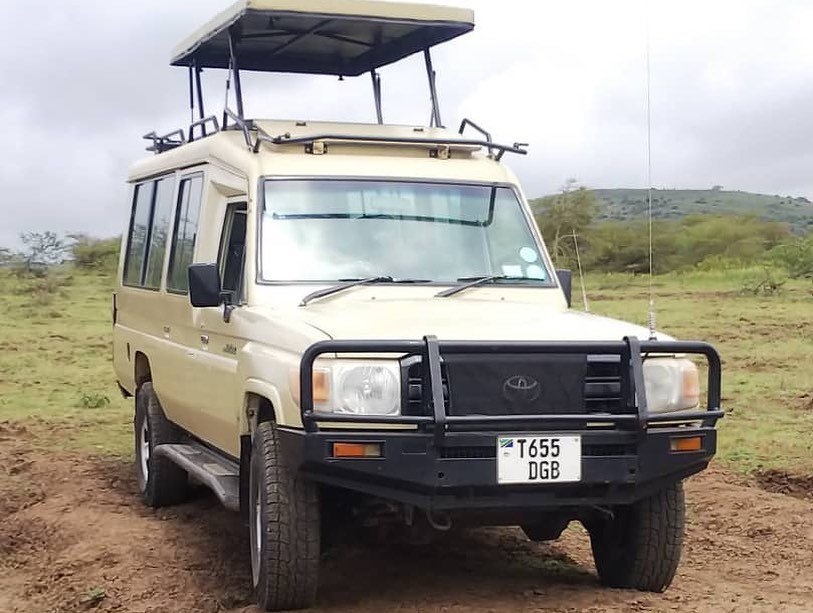
Most safaris from Moshi utilize custom-built 4×4 safari vehicles (Land Cruisers or Land Rovers) with pop-up roofs for optimal viewing and photography. Experienced, knowledgeable guides are crucial for spotting wildlife and understanding animal behavior. They are your eyes and ears in the bush.
Materuni Waterfalls & Coffee Tour Deep Dive
This day trip offers a refreshing contrast to the physical demands of Kilimanjaro and the wildlife focus of safari. It’s a chance to connect with the local Chagga culture and enjoy natural beauty.
What to Expect at Materuni:
- The Waterfalls: A scenic hike through lush vegetation leads to the impressive Materuni Waterfalls, where you can swim in the cool, refreshing waters.
- Coffee Plantation Tour: Learn the entire process of coffee cultivation, from bean to cup. You’ll get to pick cherries, roast beans using traditional methods, and grind them yourself.
- Chagga Culture: Interact with the local community, learn about their traditions, history, and way of life. You might get to sample local banana beer (uji).
- Lunch: Often, a delicious traditional Chagga lunch is included, prepared with local ingredients.
- Views: On a clear day, you can enjoy stunning views of the surrounding landscape and potentially Kilimanjaro itself.
This tour is typically a full-day excursion from Moshi, usually departing in the morning and returning in the late afternoon.
What to Expect: The Complete Experience
This combined trip is demanding but incredibly rewarding. Here’s a breakdown of what to anticipate:
- Physical Demands: Kilimanjaro is a serious physical challenge. You need good cardiovascular fitness and mental fortitude. The safari involves long drives and early mornings, while Materuni is a moderate hike.
- Altitude: Kilimanjaro poses a significant altitude risk. AMS (Acute Mountain Sickness) is a real concern. Proper acclimatization, hydration, and listening to your guide are critical.
- Accommodation: During the Kilimanjaro climb, you’ll camp in tents. Safari accommodation ranges from comfortable mid-range lodges and tented camps to luxury options. Post-climb/pre-safari, you’ll stay in hotels or lodges in Moshi or Arusha.
- Food: Your climbing crew will prepare nutritious meals on Kilimanjaro. Safari lodges and camps offer a variety of cuisines. At Materuni, expect a delicious local meal.
- Guides & Support: You’ll have experienced, licensed guides for Kilimanjaro and knowledgeable drivers/guides for your safari. They are essential for safety, logistics, and enhancing your experience.
- Logistics: A good tour operator will manage all transfers, park fees, permits, accommodation, and meals, making the complex logistics appear smooth.
Packing and Preparation Checklist
Proper preparation is key. This is not an exhaustive list but covers essential items.
Kilimanjaro Climb Gear:
- Clothing: Layering is crucial. Base layers (merino wool/synthetic), mid-layers (fleece), outer layer (waterproof and windproof jacket and pants).
- Footwear: Broken-in, waterproof hiking boots; camp shoes/sandals; warm socks (multiple pairs).
- Headwear: Warm beanie/woolen hat; sun hat; balaclava/neck gaiter.
- Handwear: Warm, waterproof gloves; liner gloves.
- Sleeping: 4-season sleeping bag (rated to -15°C or -20°C); sleeping bag liner.
- Backpack: Daypack (30-40L) for essentials; duffel bag (80-100L) for porters.
- Trekking Poles: Highly recommended for stability and reducing strain.
- Headlamp: With extra batteries.
- Sun Protection: High SPF sunscreen, lip balm with SPF, sunglasses.
- Hydration: Water bottles/hydration reservoir (at least 3L capacity); water purification tablets/filter.
- Personal Items: Toiletries (biodegradable), wet wipes, hand sanitizer, personal first-aid kit, blister treatment, any personal medications.
- Documents: Passport, visa, travel insurance details, vaccination certificates.
Safari Gear:
- Lightweight, neutral-colored clothing (khaki, brown, green).
- Comfortable walking shoes.
- Binoculars.
- Camera with extra batteries and memory cards.
- Sunscreen, hat, insect repellent.
- Light jacket or fleece for cool mornings/evenings.
General:
- Adapter for electronics.
- Small backpack for day trips.
- Swimsuit (for Materuni waterfalls).
Note: Many operators offer rental gear for Kilimanjaro (sleeping bags, jackets, poles). Confirm what’s included and what you need to bring.
Common Mistakes to Avoid
Planning and executing such a multi-faceted trip requires careful attention to detail. Avoid these common pitfalls:
- Underestimating Kilimanjaro: It’s not a hike; it’s a serious high-altitude expedition. Proper preparation and a longer route are crucial.
- Rushing the Itinerary: Trying to squeeze too much into too little time leads to exhaustion and reduces enjoyment. Allow buffer days.
- Choosing the Cheapest Operator: Low prices often mean compromised safety, poor equipment, undertrained guides, and overworked porters. Invest in a reputable operator for Kilimanjaro.
- Ignoring Acclimatization: Pushing too hard, too fast on Kilimanjaro is the main cause of altitude sickness. “Pole pole” (slowly, slowly) is the mantra.
- Inadequate Packing: Not having the right gear for Kilimanjaro’s extreme conditions can be dangerous and uncomfortable.
- Not Verifying Inclusions: Understand exactly what your tour package covers (park fees, meals, accommodation, transfers, permits, emergency rescue).
- Booking Last Minute: Especially for peak seasons in 2026 and 2027, popular tours and accommodations fill up quickly.
Who is This Combination Best Suited For?
This itinerary is ideal for:
- Adventurous Travelers: Those seeking a blend of physical challenge, wildlife encounters, and cultural immersion.
- Active Couples & Friends: A great trip for pairs or small groups looking for a shared, memorable experience.
- First-Time Tanzania Visitors: It provides a comprehensive introduction to Tanzania’s highlights.
- Experienced Trekkers: Those who have tackled other peaks and want to conquer Africa’s highest.
- Wildlife Enthusiasts: Anyone dreaming of seeing the Big Five and experiencing the vastness of African wildlife.
It’s less suited for those seeking a purely relaxing beach holiday or those with significant mobility issues, given the physical demands of Kilimanjaro.
Alternatives and Customization Options
Your Tanzanian adventure can be tailored to your interests and time:
- Kilimanjaro Routes: Opt for shorter (Marangu 5-day) or longer/more scenic (Lemosho 8-day, Northern Circuit 9-day) Kilimanjaro climbs.
- Safari Duration & Parks: Extend your safari to include more days in the Serengeti, focus on specific parks, or visit less-visited areas.
- Add Zanzibar: After your adventures on the mainland, fly to Zanzibar for a few days of beach relaxation, spice tours, and historical Stone Town. This is a very popular add-on.
- Mount Meru Climb: A less demanding but still challenging climb, often done as acclimatization for Kilimanjaro or as a standalone trek. It’s located in Arusha National Park.
- Cultural Tourism: Incorporate visits to other local villages or cultural centers.
- Luxury vs. Budget: Options range from basic camping and mid-range lodges to high-end luxury tented camps and lodges.
Most reputable tour operators in Moshi can customize itineraries extensively. Communicate your preferences clearly.
Planning Your Trip for 2026-2027
Advance planning is highly recommended, especially if you aim for peak seasons in 2026 or 2027.
- Book Early: For Kilimanjaro climbs, permits and guide availability can be limited, particularly for popular routes during peak times. Safari lodges and vehicles also get booked up. Aim to book at least 6-12 months in advance.
- Visa Requirements: Check the latest visa regulations for Tanzania for your nationality. Most can apply online or obtain a visa on arrival, but check official government sources.
- Travel Insurance: Essential. Ensure it covers high-altitude trekking (up to 6,000m for Kilimanjaro) and emergency medical evacuation.
- Vaccinations & Health: Consult your doctor or a travel clinic 4-6 weeks before departure regarding necessary vaccinations (e.g., Yellow Fever, Hepatitis A, Typhoid) and malaria prophylaxis.
- Fitness: Begin a consistent fitness program at least 3-6 months before your trip, focusing on cardiovascular health (hiking, running, cycling) and strength training.
- Budgeting: Factor in the cost of the tour package, flights, visa, travel insurance, tips for guides and crew, personal gear purchases, and spending money.
Booking Your Tour Package
Choosing the right tour operator is crucial for a safe and enjoyable experience, especially for Kilimanjaro. Here’s how to approach booking:
- Research Operators: Look for companies with a strong reputation, particularly for Kilimanjaro climbs. Check reviews on independent platforms.
- Verify Credentials: Ensure they are licensed, insured, and adhere to ethical treatment of porters and guides (e.g., KPAP affiliation is a good sign for Kilimanjaro).
- Request Detailed Itineraries: Get clear, day-by-day breakdowns of what’s included and excluded.
- Understand Inclusions: Pay close attention to what’s covered: park fees, crater fees, camping/accommodation, meals, guides, porters, rescue fees, transfers, bottled water on the mountain.
- Ask About Safety: Inquire about their safety protocols, emergency procedures, oxygen availability on Kilimanjaro, and guide training.
- Communication: A good operator will be responsive and able to answer all your questions clearly and promptly.
- Payment Terms: Understand their deposit and final payment schedule, as well as their cancellation policy.
For your Kilimanjaro climb, safari, and Materuni tour from Moshi, consider contacting us. We specialize in creating memorable and safe adventures.
Get in Touch:
WhatsApp: +255616946642
Email: topguideadventures@gmail.com
Backup Email: info@topguideadventures.com
Frequently Asked Questions (FAQs)
Q1: How difficult is climbing Mount Kilimanjaro?
Climbing Kilimanjaro is physically demanding due to altitude and duration. While not technically difficult (no ropes or ice axes needed on most routes), the altitude is the main challenge. Success rates are higher on longer routes (7+ days) with good acclimatization.
Q2: What is the best route for Kilimanjaro if I want the highest success rate?
The Lemosho (8 days), Northern Circuit (9-10 days), and Machame (7 days) routes are generally recommended for their superior acclimatization profiles, leading to higher success rates compared to shorter routes like Marangu.
Q3: Can I combine Kilimanjaro, safari, and Zanzibar in one trip?
Yes, absolutely! Many travelers combine these experiences. A typical itinerary might involve Kilimanjaro, then a safari, followed by a flight to Zanzibar for relaxation. This would usually require at least 14-20 days.
Q4: What should I pack for the safari portion?
Pack light, comfortable clothing in neutral colors (khaki, green, brown), a light jacket, comfortable shoes, a hat, sunglasses, sunscreen, and insect repellent. Binoculars and a good camera are highly recommended.
Q5: How much should I tip the Kilimanjaro guides and porters?
Tipping is customary and appreciated. Tour operators usually provide guidelines. A common range is around $200-$300 USD per trekker for the entire climbing crew (guides, cook, porters) for a 7-day climb, distributed according to roles.
Q6: Is it possible to do Kilimanjaro, safari, and Materuni in less than 10 days?
It’s challenging. A minimum of 7 days is needed for Kilimanjaro (shorter is not recommended), plus at least 2-3 days for a safari. Adding Materuni would push it beyond 10 days for a comfortable pace. A 12-14 day itinerary is more realistic for this combination.
Q7: What about safety during the safari?
Tanzania’s safari areas are generally very safe for tourists. Your driver-guide is trained to ensure your safety, and reputable lodges/camps have their own security measures. Always follow your guide’s instructions.
Q8: Can I book these tours separately or do I need a package?
You can book them separately, but booking as a package from a single operator based in Moshi simplifies logistics immensely, often saving time and potentially money. They handle all transfers and coordination.
Q9: What is the best time to plan for a 2026 Kilimanjaro climb and safari?
For the best weather conditions for both activities, aim for the dry seasons: June to October 2026 or January to March 2027. Booking 6-12 months in advance is advisable for these popular periods.
Q10: What are the typical costs associated with this kind of trip?
Costs vary significantly based on the operator, Kilimanjaro route duration, safari lodge category, and group size. A Kilimanjaro climb package typically ranges from $1500-$3000+ per person. Safari costs can range from $250-$600+ per person per day. Materuni is usually a day trip costing $50-$100+. Package deals can offer savings.
Q11: Do I need a visa for Tanzania?
Most nationalities require a visa for Tanzania. You can apply for an e-visa online or obtain one on arrival at Kilimanjaro International Airport. Check the official Tanzanian immigration website for the most current information for your nationality.
Q12: What currency is used in Tanzania?
The local currency is the Tanzanian Shilling (TZS). However, US Dollars are widely accepted for tourist services, especially for park fees, tour packages, and in hotels. It’s advisable to have some TZS for smaller purchases in local markets.
Ready to Book Your Adventure?
Combining a Kilimanjaro climb, a thrilling Tanzanian safari, and the cultural richness of the Materuni Waterfalls tour from Moshi creates an unforgettable journey. Let us help you craft the perfect itinerary for your 2026 or 2027 adventure.
Contact us today to discuss your dream Tanzanian experience:
WhatsApp: +255616946642
Email: topguideadventures@gmail.com
Backup Email: info@topguideadventures.com
We look forward to helping you plan your ultimate Kilimanjaro climb, safari, and Materuni tour from Moshi!
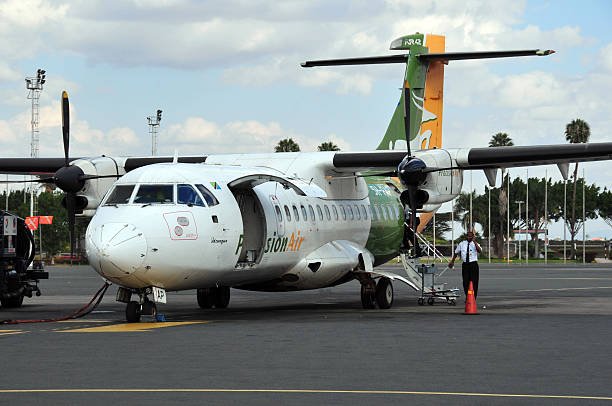
We Are Arriving At Kilimanjaro Airport, What Safari Itinerary Should We Do?
Planning your safari upon arrival at Kilimanjaro Airport (JRO)? This guide provides tailored safari itineraries for 2026-2027, focusing on Northern Tanzania's iconic parks like the...
View package details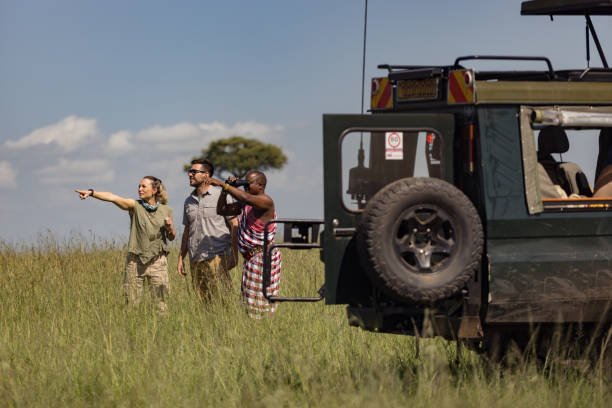
Which Local Tanzania Safari Companies Are Trustworthy In ? 2026-2027
Choosing a trustworthy local Tanzania safari company is crucial for a memorable and safe adventure. This guide helps you identify reliable operators for your 2026-2027 trip, covering...
View package detailsJoining Group Climbs On Kilimanjaro When Traveling Alone In 2026-2027
Traveling to Kilimanjaro alone? Discover how you can easily join an existing group climb, making your solo adventure more social and cost-effective for 2026-2027. Learn about departure...
View package details
Kilimanjaro Climb With A Personal Support Assistant: Your Ultimate Guide
Climbing Mount Kilimanjaro with a personal support assistant offers unparalleled safety, comfort, and focus on your summit goals. This guide details what a personal assistant entails, its...
View package details
Kilimanjaro Hydration Mistakes Climbers Make And How To Avoid Them 2026-2027
Proper hydration is critical for a successful Kilimanjaro climb. This guide details common hydration mistakes climbers make, from under-drinking to choosing the wrong fluids, and provides...
View package details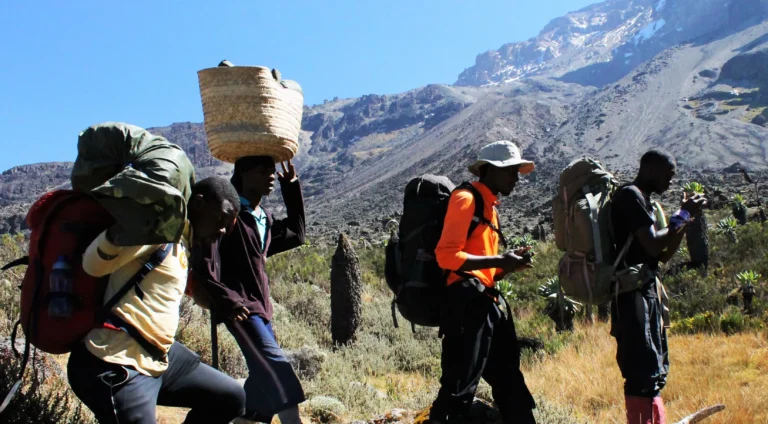
How To Know Whether You Are Ready For Kilimanjaro: A Comprehensive Guide
Climbing Mount Kilimanjaro is a significant undertaking. This guide helps you evaluate your physical, mental, and logistical readiness to ensure a safe and successful trek in 2026 or 2027...
View package details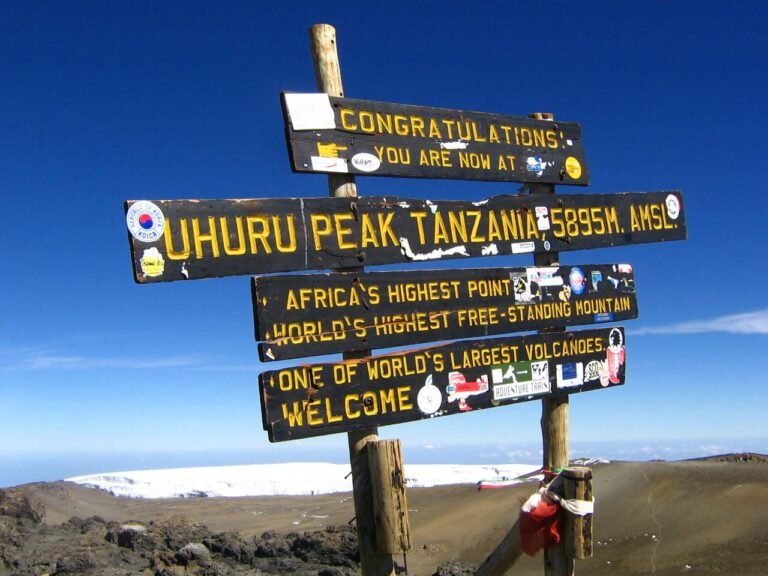
What Does Kilimanjaro Rainforest Look Like? A Trekkers Visual Guide 2026-2027
The Kilimanjaro rainforest is a vibrant, humid zone of dense vegetation, towering trees, and diverse plant life found on the mountain's lower slopes. It's the first major ecosystem trekkers...
View package details
Which Tanzania Safari Gives The Best Value For Money? 2026-2027
Which Tanzania safari gives the best value for money? is explained with current 2026-2027 planning, price, itinerary and booking information.
View package details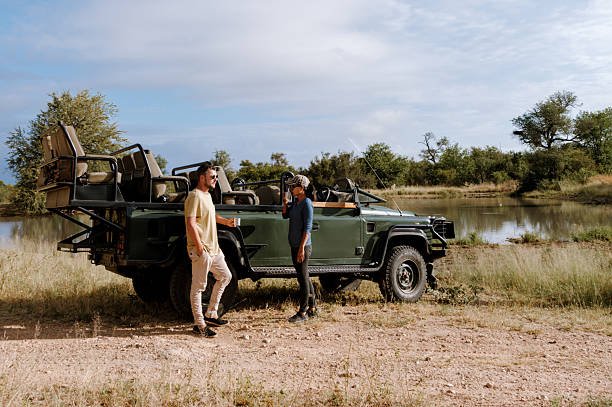
How To Avoid Safari Scams In Tanzania: A Top Guide Adventures Expert 2026-2027
Navigating a safari in Tanzania is a dream for many, but a few precautions can ensure your adventure is scam-free. This guide from Top Guide Adventures provides essential advice for...
View package detailsHow Far In Advance Should You Book A Tanzania Safari? Your Planning Guide
Securing your dream Tanzania safari requires strategic planning. This comprehensive guide details the optimal booking timeline for 2026-2027, considering peak seasons, lodge availability...
View package detailsHow Much Should I Tip My Safari Guide In Tanzania? Your 2026-2027
Understand the tipping culture for safari guides and staff in Tanzania. This guide provides clear, actionable recommendations for tipping your safari crew in 2026-2027, covering guides...
View package detailsPrivate Safari Vs Group Tanzania — Which Is Better? 2026-2027
Private safari vs group safari Tanzania — which is better? is explained with current 2026-2027 planning, price, itinerary and booking information.
View package detailsNo related package matches those filters. Clear one or more filters to see the other topic-matched options.
Plan your Kilimanjaro Climb, Safari and Materuni Tour From Moshi with Top Guide Adventures
Tell us your travel dates, group size, comfort level, and dream experience. We will help you shape a clear, realistic, and memorable Tanzania itinerary.



