
Updated planning guide for 2026, 2027-2028
Kilimanjaro Climb And Mount Meru From Moshi: Expert Trekking Guide
Discover the ultimate guide to climbing Mount Kilimanjaro and Mount Meru, starting from the vibrant town of Moshi, Tanzania. This guide provides detailed insights for trekkers planning their adventure in 2026 and 2027.
WhatsApp +255616946642 | topguideadventures@gmail.com | info@topguideadventures.com
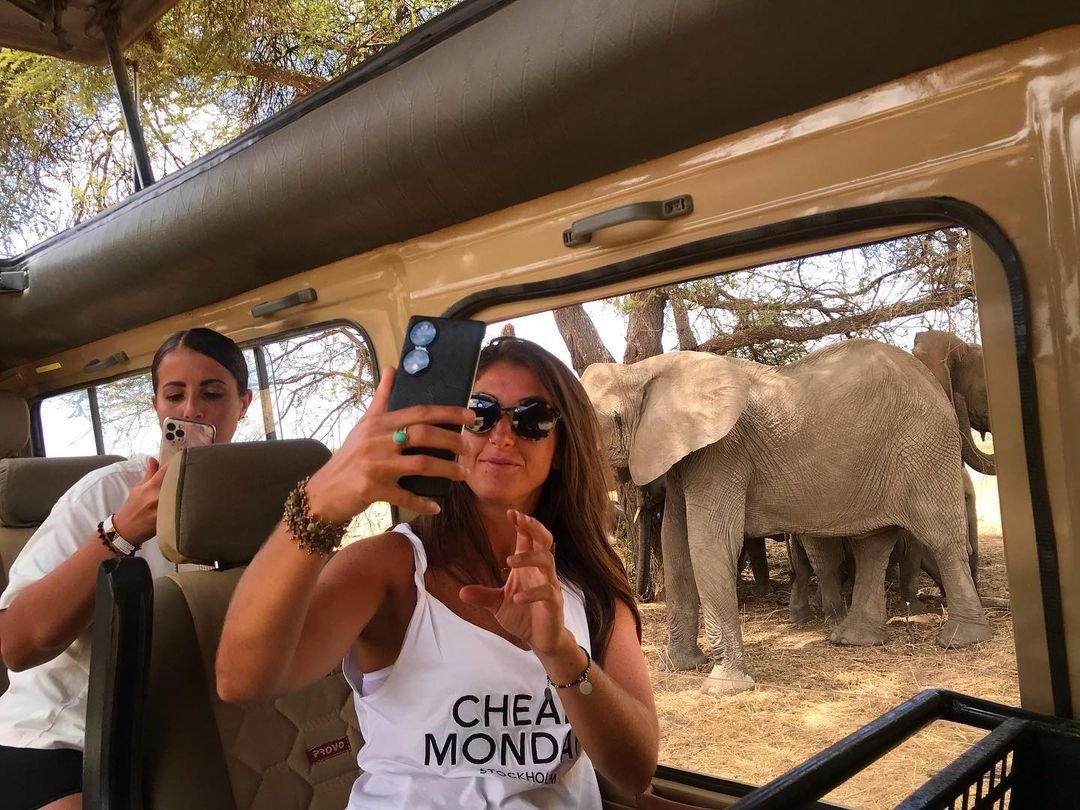
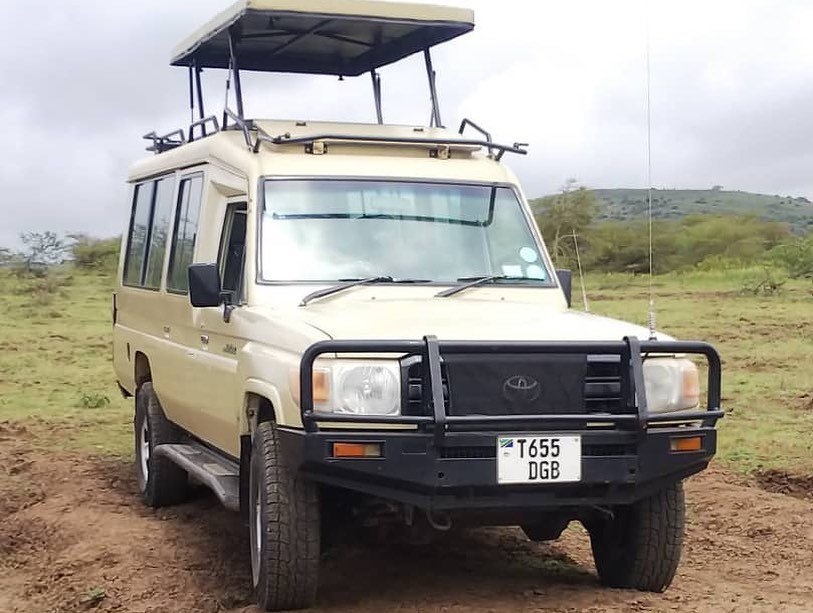
Kilimanjaro Climb and Mount Meru From Moshi: The Definitive Traveler’s Guide
Moshi, Tanzania, serves as the gateway to two of East Africa’s most iconic peaks: Mount Kilimanjaro, the Roof of Africa, and Mount Meru, a majestic volcano offering a challenging prelude or alternative to its famous neighbor. For many adventurers, the journey begins in this bustling town, where preparations are made, guides are met, and the anticipation of summiting builds. This comprehensive guide is designed to equip you with all the essential information for a successful Kilimanjaro climb and Mount Meru from Moshi, covering everything from choosing your route and understanding the best times to travel in 2026 and 2027, to packing essentials and booking with confidence.
Whether you’re dreaming of standing atop Uhuru Peak or conquering the crater rim of Mount Meru, understanding the nuances of trekking from Moshi is crucial. This guide breaks down the complexities, offering practical advice, itinerary options, and insights from experienced operators. We’ll help you make informed decisions for your 2026 or 2027 adventure.
Quick Answer
Planning a Kilimanjaro climb and Mount Meru from Moshi involves selecting the right trekking route based on your fitness and desired experience, understanding the best seasons for climbing (typically January-March and June-October), preparing physically and mentally, packing appropriate gear, and choosing a reputable tour operator. Mount Kilimanjaro is significantly higher and requires more days than Mount Meru, which is often used for acclimatization or as a challenging trek in its own right. Both climbs depart from Moshi, where final arrangements and briefings occur.
| Feature | Mount Kilimanjaro | Mount Meru |
|---|---|---|
| Elevation | 5,895 meters (19,341 feet) | 4,566 meters (14,980 feet) |
| Type | Dormant volcano (dormant) | Active volcano (dormant) |
| Typical Trek Duration | 5-9 days | 3-4 days |
| Difficulty | Challenging, altitude is the main factor | Challenging, steep ascents and descents |
| Scenery | Diverse eco-zones (rainforest, moorland, alpine desert, arctic summit) | Rich wildlife (buffalos, giraffes, monkeys), forest, volcanic terrain, crater views |
| Starting Point (from Moshi) | Various gates (Marangu, Machame, Lemosho, etc.) | Momella Gate (Arusha National Park) |
| Acclimatization | Crucial, longer routes better | Good for acclimatization for Kilimanjaro |
Understanding Your Kilimanjaro Climb and Mount Meru From Moshi
Moshi is more than just a transit point; it’s the heart of operations for most Kilimanjaro and Meru expeditions. Situated on the lower slopes of Kilimanjaro, this vibrant town offers stunning views of the mountain and provides essential services for trekkers. Choosing to undertake a Kilimanjaro climb and Mount Meru from Moshi means you’ll benefit from the town’s infrastructure, experienced guides, and local knowledge.
Mount Kilimanjaro is the world’s tallest free-standing mountain, a dormant volcano with three distinct cones: Kibo, Mawenzi, and Shira. Its summit, Uhuru Peak on Kibo, is a bucket-list destination for hikers worldwide. Mount Meru, while shorter, is a formidable challenge and a UNESCO World Heritage Site within Arusha National Park. It’s known for its rugged beauty, abundant wildlife, and dramatic caldera.
Why Choose Moshi as Your Base?
- Proximity: Moshi is conveniently located near the entry points for most Kilimanjaro routes and is a reasonable drive to Arusha National Park for Mount Meru.
- Logistics Hub: It’s where you’ll find reputable tour operators, gear rental shops, and experienced guides and porters.
- Pre- and Post-Trek Comfort: Moshi offers a range of accommodations, from budget-friendly guesthouses to comfortable hotels, allowing for acclimatization before your climb and relaxation afterward.
- Cultural Immersion: The town provides an opportunity to experience local Tanzanian life, visit markets, and interact with the Chagga people, who have a deep connection to the mountain.
Choosing Your Kilimanjaro Route from Moshi
Selecting the right route is perhaps the most critical decision when planning your Kilimanjaro climb. The route impacts your acclimatization, scenery, difficulty, and overall success rate. All routes converge at higher altitudes, but their ascent profiles and daily stages differ significantly. For a Kilimanjaro climb and Mount Meru from Moshi, understanding these routes is key.
Popular Kilimanjaro Routes Explained:
| Route | Duration (Days) | Difficulty | Scenery | Acclimatization Profile | Success Rate |
|---|---|---|---|---|---|
| Marangu (Coca-Cola Route) | 5-7 | Moderate | Forest, moorland, rocky summit. Unique for its hut accommodation. | Steep ascent, less ideal for acclimatization. | Lower (around 65% for 5 days) |
| Machame (Whiskey Route) | 6-7 | Challenging | Diverse, rainforest to alpine desert, scenic Barranco Wall. | Good, follows the ‘climb high, sleep low’ principle. | Higher (around 75-85%) |
| Lemosho | 7-8 | Challenging | Very scenic, remote, diverse landscapes, good wildlife viewing early on. | Excellent, gradual ascent, good acclimatization. | Higher (around 85-90%) |
| Shira | 7-8 | Challenging | Similar to Lemosho but starts at a higher altitude, crossing the Shira Plateau. | Good, but higher starting altitude can be a challenge for some. | High |
| Northern Circuit | 9-10 | Moderate to Challenging | Most scenic, traverses the northern slopes, offering unique views. | Excellent, longest route, best acclimatization. | Highest (around 90%+) |
| Rongai | 6-7 | Moderate | Approaches from the north, drier, different scenery, good wildlife. | Moderate, less ideal than western routes but better than Marangu. | Good (around 70-80%) |
For a Kilimanjaro climb and Mount Meru from Moshi, operators will typically arrange transport from Moshi to the chosen route’s starting gate. The Lemosho and Machame routes are highly recommended for their balance of scenery and acclimatization, leading to higher success rates.
Mount Meru: The Challenge and Acclimatization Aid
Mount Meru, standing at 4,566 meters (14,980 feet), is often overlooked but offers a fantastic trekking experience. It’s a challenging climb, particularly the final ascent to the crater rim, and is an excellent way to acclimatize for Kilimanjaro if you have the time and energy. Treks typically start from Momella Gate in Arusha National Park.
Mount Meru Trek Itinerary (Typical 4-Day):
- Day 1: Momella Gate (1,500m) to Miriakamba Hut (2,500m)
A scenic walk through the rainforest, with opportunities to spot wildlife like giraffes, zebras, and various monkey species. The hike is around 4-6 hours. - Day 2: Miriakamba Hut (2,500m) to Saddle Hut (3,500m)
The trail becomes steeper, passing through moorland. You’ll reach Saddle Hut, your base for the summit push. Some may opt for a short hike to Little Meru (3,800m) for acclimatization. This day takes about 3-5 hours. - Day 3: Saddle Hut (3,500m) to Summit (Socialist Peak, 4,566m) and back to Miriakamba Hut (2,500m)
This is the most demanding day. The ascent to Socialist Peak (the summit) begins around 2-3 AM, traversing the crater rim. The views at sunrise are spectacular. The descent is steep and can be tough on the knees, returning to Miriakamba Hut. This day involves 8-12 hours of trekking. - Day 4: Miriakamba Hut (2,500m) to Momella Gate (1,500m)
A relatively easy descent through the forest, taking about 2-3 hours. You’ll be met at the gate and transferred back to your accommodation in Moshi or Arusha.
Combining a Mount Meru trek with a Kilimanjaro climb from Moshi is a popular strategy for trekkers seeking a more comprehensive Tanzanian mountain experience and enhanced acclimatization.
Best Time to Climb Kilimanjaro and Mount Meru (2026-2027)
Weather is a significant factor in your mountain experience. While it’s possible to climb year-round, certain periods offer more favorable conditions. For your Kilimanjaro climb and Mount Meru from Moshi in 2026 and 2027, consider these seasons:
| Season | Months | Conditions | Crowds |
|---|---|---|---|
| Dry Season 1 (Peak) | January – March | Clear skies, moderate temperatures, but can be very cold at the summit. Higher chance of rain in March. | Moderate to High |
| Short Rains | April – May | Frequent and heavy rainfall, less visibility, muddy trails. Generally avoided. | Low |
| Dry Season 2 (Peak) | June – October | Clear skies, cooler temperatures, but generally pleasant. October can see increasing rain. | High (especially July-September) |
| Long Rains | November – December | Intermittent rain, cloudy, less predictable. Trails can be wet and muddy. | Low to Moderate |
The peak seasons for climbing Kilimanjaro and Mount Meru are generally the dry months: January to March and June to October. These periods offer the best visibility and the lowest chance of rain, making the ascent more enjoyable and safer. Many trekkers opt for the June-October window in 2026 and 2027 due to its reliability.
Physical and Mental Preparation
Trekking Kilimanjaro and Mount Meru is a significant physical and mental undertaking. Proper preparation is paramount for success and enjoyment. Your preparation should begin months before your trip.
Physical Training:
- Cardiovascular Fitness: Focus on activities like hiking, running, cycling, and swimming to build endurance. Aim for at least 3-4 sessions per week.
- Hiking with a Pack: Regularly hike with a weighted backpack (5-10 kg) to simulate summit day conditions. Include elevation gain in your training hikes.
- Strength Training: Strengthen your legs (squats, lunges) and core muscles.
- Stamina: The key is to build stamina for long days of trekking, often over multiple consecutive days.
Mental Preparation:
- Understand the Challenge: Be aware that altitude sickness is a real risk. Know the symptoms and trust your guide.
- Patience and Persistence: Summit day involves a long, slow climb in the dark. Patience and a positive attitude are crucial.
- Flexibility: Be prepared for changing weather conditions and potential itinerary adjustments.
- Trust Your Guide: Your guide’s expertise is invaluable. Listen to their advice regarding pace, hydration, and rest.
For a Kilimanjaro climb and Mount Meru from Moshi, it’s advisable to arrive in Moshi at least 1-2 days before your trek begins to finalize preparations and rest.
Packing Essentials for Your Kilimanjaro and Meru Trek
Packing correctly is vital for comfort and safety. Layers are key, as temperatures can vary dramatically from the rainforest base to the arctic summit. Your tour operator will provide a detailed packing list, but here are the essentials:
Clothing:
- Moisture-wicking base layers (thermal tops and bottoms)
- Mid-layers (fleece jackets or down vests)
- Waterproof and windproof outer shell jacket and trousers
- Insulated, waterproof hiking boots (broken in!)
- Camp shoes or trainers for evenings
- Warm socks (wool or synthetic, several pairs)
- Sun hat and warm hat (beanie)
- Gloves (liner gloves and warm waterproof mittens/gloves)
- Gaiters (to keep snow and mud out of boots)
Gear:
- Backpack (40-60 liters) for personal items
- Duffel bag (80-100 liters) for porters to carry
- Sleeping bag (rated to -10°C or -20°C)
- Sleeping bag liner
- Water bottles or hydration reservoir (at least 3 liters capacity)
- Headlamp with extra batteries
- Trekking poles (highly recommended)
- Sunglasses
- Sunscreen (SPF 30+) and lip balm
- Insect repellent
- Personal first-aid kit (with any personal medications)
- Toiletries (biodegradable soap, toothbrush, toothpaste)
- Quick-dry towel
- Hand sanitizer
- Snacks (energy bars, nuts, dried fruit)
- Camera and spare batteries/power bank
- Passport, visa, flight details, and insurance documents
- Cash for tips and personal expenses
Note: Most gear can be rented in Moshi if you don’t want to purchase it. Your tour operator will advise on what is essential and what can be rented.
Understanding Altitude Sickness (AMS)
Altitude sickness, or Acute Mountain Sickness (AMS), is the most significant risk on Kilimanjaro and Meru. It occurs when your body doesn’t have enough time to adjust to the lower oxygen levels at higher altitudes. Symptoms can range from mild headaches and nausea to severe, life-threatening conditions.
Key Principles for Prevention and Management:
- Ascend Slowly: Longer routes (7+ days for Kilimanjaro) provide better acclimatization.
- Hydrate: Drink plenty of water (3-4 liters per day).
- Eat Well: Maintain energy intake, even if appetite is reduced.
- Avoid Alcohol and Smoking: These can exacerbate altitude symptoms.
- Listen to Your Body: Report any symptoms to your guide immediately.
- ‘Pole Pole’ (Slowly, Slowly): Maintain a slow, steady pace.
- Medication: Diamox (Acetazolamide) can be prescribed by your doctor to help with acclimatization, but it is not a substitute for proper ascent.
Your guides are trained to recognize and manage AMS. If symptoms worsen, descent is the only cure. Do not attempt to push on if you are experiencing moderate to severe AMS.
Sample Itinerary: 7-Day Machame Route (Kilimanjaro)
This is a popular choice for a Kilimanjaro climb and Mount Meru from Moshi, offering a good balance of acclimatization and scenery. Transport from Moshi to Machame Gate is arranged by your operator.
- Day 1: Machame Gate (1,800m) to Machame Camp (3,050m)
Drive from Moshi to Machame Gate. Begin trekking through the dense rainforest. The walk takes about 5-7 hours. - Day 2: Machame Camp (3,050m) to Shira Camp (3,850m)
Ascend out of the rainforest into the moorland zone. The terrain becomes steeper. This day takes 4-6 hours. - Day 3: Shira Camp (3,850m) to Barranco Camp (3,950m)
A challenging day crossing the Shira Plateau and descending to the Barranco Valley. You’ll pass the iconic Lava Tower (4,600m) before descending to camp. This is a crucial acclimatization day. Takes 5-7 hours. - Day 4: Barranco Camp (3,950m) to Karanga Camp (4,000m)
The famous Barranco Wall scramble is tackled this morning. It’s a steep but rewarding climb. The rest of the day is a steady ascent to Karanga Camp. Takes 3-5 hours. - Day 5: Karanga Camp (4,000m) to Barafu Camp (4,650m)
A shorter day of trekking across alpine desert, reaching Barafu Camp in the early afternoon. This prepares you for the summit push. Takes 3-5 hours. - Day 6: Barafu Camp (4,650m) to Summit (Uhuru Peak, 5,895m) and descend to Mweka Camp (3,100m)
The summit attempt begins around midnight. You’ll climb steeply through the night, reaching Stella Point on the crater rim before the final push to Uhuru Peak. After celebrating, you’ll descend all the way to Mweka Camp. This is the longest and most demanding day (10-16 hours). - Day 7: Mweka Camp (3,100m) to Mweka Gate (1,600m)
A pleasant walk through the forest down to Mweka Gate. You’ll receive your summit certificates. Transfer back to Moshi. Takes 3-5 hours.
This itinerary is a guideline. Longer routes like Lemosho or Northern Circuit offer even better acclimatization and a more immersive experience, often recommended for a Kilimanjaro climb and Mount Meru from Moshi combination.
What to Expect on the Mountain
Trekking in Tanzania is a unique experience. Here’s what you can generally expect:
- Companionship: You’ll be part of a team including guides, a cook, and porters. Porters carry the majority of your gear, setting up camp and preparing meals.
- Food: Expect surprisingly good, hearty meals prepared by your cook. Breakfasts often include porridge, eggs, and toast. Lunches are typically packed, and dinners are hot meals like soup, rice dishes, pasta, or stews.
- Accommodation: On most routes (except Marangu), you’ll sleep in tents. Campsites are basic but functional. Marangu offers dormitory-style huts.
- Toilets: Basic toilet tents are provided at campsites. Some routes may have basic pit latrines at certain points. Bring your own toilet paper and hand sanitizer.
- Scenery: The landscape changes dramatically as you ascend, from lush rainforests to stark alpine deserts and icy peaks.
- Fellow Trekkers: You’ll encounter people from all over the world on the popular routes.
Common Mistakes to Avoid
To ensure a successful Kilimanjaro climb and Mount Meru from Moshi, be aware of common pitfalls:
- Underestimating the Altitude: Altitude sickness is the primary reason for not reaching the summit. Choose longer routes and ascend slowly.
- Inadequate Physical Training: Don’t assume you can just ‘walk up’ Kilimanjaro. Proper training is essential.
- Poor Packing: Insufficient warm clothing or ill-fitting boots can ruin your trip.
- Dehydration: Not drinking enough water is a major contributor to altitude sickness.
- Going Too Fast: ‘Pole pole’ is the mantra. Rushing will lead to fatigue and increase AMS risk.
- Ignoring Symptoms: Never ignore signs of altitude sickness. Communicate with your guide.
- Choosing the Cheapest Operator: This often means cutting corners on safety, guide training, porter welfare, and equipment quality. A slightly higher price often translates to a much better and safer experience.
Who is This Trek Best Suited For?
A Kilimanjaro climb and Mount Meru from Moshi is best suited for:
- Fit Hikers: Individuals with good cardiovascular fitness who enjoy challenging outdoor activities.
- Adventurous Travelers: Those seeking a significant physical challenge and a rewarding travel experience.
- Nature Enthusiasts: People who appreciate diverse ecosystems and stunning mountain scenery.
- Bucket-List Seekers: Kilimanjaro, in particular, is a dream destination for many.
- Those Seeking Acclimatization: Mount Meru is ideal for those looking to prepare for Kilimanjaro or who want a challenging trek on its own.
It is generally not recommended for:
- Individuals with serious pre-existing medical conditions (consult your doctor).
- Those who are not prepared for basic camping conditions.
- People who are unwilling to follow guide instructions regarding pace and safety.
Alternatives to Kilimanjaro and Meru
While Kilimanjaro and Meru are exceptional, Tanzania offers other incredible trekking and adventure opportunities:
- Mount Kenya: The second-highest mountain in Africa, offering technical climbs (Batian and Nelion peaks) and non-technical treks (Point Lenana).
- Usambara Mountains: Known for their lush forests, biodiversity, and scenic hiking trails, offering a more relaxed trekking experience closer to the coast.
- Udzungwa Mountains National Park: Famous for its pristine rainforests, waterfalls, and unique flora and fauna, including primates. Offers day hikes and multi-day treks.
- Gongolamboto Crater (Ol Doinyo Lengai): A more adventurous, active volcano climb with unique geology, though access and conditions can be unpredictable.
However, for the iconic African mountain experience, the Kilimanjaro climb and Mount Meru from Moshi remain unparalleled.
Planning Your 2026-2027 Kilimanjaro and Meru Adventure
Planning ahead is key for securing your preferred dates and operators, especially for the peak seasons in 2026 and 2027. Here’s a timeline:
12+ Months Before:
- Research routes and operators.
- Set your budget.
- Start physical training.
9-12 Months Before:
- Book your chosen tour operator.
- Secure your travel dates.
- Start looking into flights.
6-9 Months Before:
- Intensify physical training.
- Begin purchasing essential gear (hiking boots, backpack).
- Confirm visa requirements.
3-6 Months Before:
- Purchase remaining gear.
- Consult your doctor about any necessary vaccinations or medications (e.g., Diamox).
- Arrange travel insurance that covers high-altitude trekking.
1-3 Months Before:
- Finalize flight bookings.
- Continue consistent training.
- Break in new hiking boots thoroughly.
Last Month:
- Pack your bags, checking against your operator’s list.
- Confirm all trip details with your operator.
- Rest and stay healthy.
Booking Your Kilimanjaro Climb and Mount Meru From Moshi
Choosing the right tour operator is crucial for a safe, enjoyable, and ethical trekking experience. Here’s what to look for:
- Reputation and Reviews: Look for operators with consistently positive reviews and a strong track record.
- Safety Standards: Ensure they have well-trained guides (often Wilderness First Responder certified), carry comprehensive medical kits, and have emergency evacuation plans.
- Porter Welfare: Ethical treatment of porters is paramount. Look for operators who are members of KPAP (Kilimanjaro Porters Assistance Project) or have similar commitments.
- Inclusions: Understand exactly what is included in the price (park fees, rescue fees, accommodation, meals, guides, porters, transport) and what is not (tips, personal gear, flights, insurance, visa).
- Communication: A good operator will be responsive and provide clear, detailed information.
When you book your Kilimanjaro climb and Mount Meru from Moshi with us, you are choosing a partner dedicated to your safety, comfort, and the best possible mountain experience. We pride ourselves on our experienced guides, commitment to porter welfare, and thorough pre-trip support.
Contact Us to Book Your Adventure:
Ready to plan your unforgettable Kilimanjaro climb and Mount Meru from Moshi? Get in touch with our expert team today:
- WhatsApp: +255616946642
- Email: topguideadventures@gmail.com
- Backup Email: info@topguideadventures.com
We are here to answer all your questions and help you tailor the perfect itinerary for your 2026 or 2027 adventure.
Frequently Asked Questions (FAQs)
-
What is the main difference between climbing Kilimanjaro and Mount Meru?
Kilimanjaro is significantly higher (5,895m) and requires longer treks (5-9 days) focusing on acclimatization. Mount Meru (4,566m) is a more challenging, steeper climb over fewer days (3-4) and is often used for acclimatization before Kilimanjaro. Meru also offers more wildlife viewing opportunities within Arusha National Park.
-
How long should I plan to be in Moshi before my climb?
It’s recommended to arrive in Moshi at least 1-2 days before your trek begins. This allows time for a briefing with your tour operator, gear checks and rental, final preparations, and a chance to rest and acclimatize to the local altitude.
-
Can I combine a Mount Meru trek with a Kilimanjaro climb in one trip?
Yes, many trekkers choose to do this. A common approach is to climb Mount Meru first for acclimatization (3-4 days), followed by a Kilimanjaro climb (6-8 days). This requires a longer trip duration but significantly improves acclimatization and overall experience for your Kilimanjaro climb and Mount Meru from Moshi trip.
-
What is the success rate for climbing Kilimanjaro?
Success rates vary by route and operator, generally ranging from 65% to over 90%. Longer routes (7+ days) with better acclimatization profiles, such as Lemosho or Northern Circuit, have the highest success rates. Proper preparation and listening to your guide are crucial.
-
How much should I tip my climbing crew?
Tipping is customary and expected. A common guideline for a 7-day Kilimanjaro climb is approximately $250-$350 per trekker, distributed among guides, assistant guides, cook, and porters. Your operator will provide specific recommendations for 2026-2027.
-
Is there mobile reception on the mountain?
Mobile reception is very limited and unreliable on both mountains. You may get a signal at certain points near the base or at specific high camps, but do not count on it. Satellite phones are usually carried by guides for emergencies.
-
What kind of food will be served during the trek?
Your tour operator will provide three main meals a day: breakfast, lunch (often packed), and dinner. Expect a variety of nutritious and filling meals, including porridge, eggs, toast, soups, rice, pasta, chicken, and vegetables. Special dietary needs can usually be accommodated with advance notice.
-
What is the best way to book a Kilimanjaro climb and Mount Meru from Moshi?
The best way is to book with a reputable, experienced tour operator. They will handle park fees, permits, guides, porters, food, and logistics. We recommend contacting operators directly to discuss your needs and ensure they meet safety and ethical standards for your 2026 or 2027 trek.
-
Can I rent equipment in Moshi?
Yes, most reputable tour operators in Moshi offer equipment rental services for items like sleeping bags, warm jackets, and trekking poles. This can be a convenient option if you don’t want to purchase everything yourself.
-
What are the visa requirements for Tanzania?
Most nationalities require a visa to enter Tanzania. This can often be obtained upon arrival at the airport or applied for online in advance. It’s advisable to check the latest requirements for your specific nationality well before your 2026-2027 travel dates.
Your Adventure Awaits: Book Your Kilimanjaro Climb and Mount Meru From Moshi
The allure of standing atop Africa’s highest peak or the dramatic rim of Mount Meru is a powerful one. Starting your journey from Moshi provides the perfect foundation for these incredible adventures. With careful planning, thorough preparation, and the right partner, your Kilimanjaro climb and Mount Meru from Moshi will be an experience you cherish forever. Let us guide you through the planning process for your 2026 or 2027 expedition. Contact us today to start crafting your unforgettable Tanzanian mountain adventure.
Get in touch with our expert team:
- WhatsApp: +255616946642
- Email: topguideadventures@gmail.com
- Backup Email: info@topguideadventures.com
Joining Group Climbs On Kilimanjaro When Traveling Alone In 2026-2027
Traveling to Kilimanjaro alone? Discover how you can easily join an existing group climb, making your solo adventure more social and cost-effective for 2026-2027. Learn about departure...
View package details
Kilimanjaro Climb With A Personal Support Assistant: Your Ultimate Guide
Climbing Mount Kilimanjaro with a personal support assistant offers unparalleled safety, comfort, and focus on your summit goals. This guide details what a personal assistant entails, its...
View package details
Kilimanjaro Hydration Mistakes Climbers Make And How To Avoid Them 2026-2027
Proper hydration is critical for a successful Kilimanjaro climb. This guide details common hydration mistakes climbers make, from under-drinking to choosing the wrong fluids, and provides...
View package details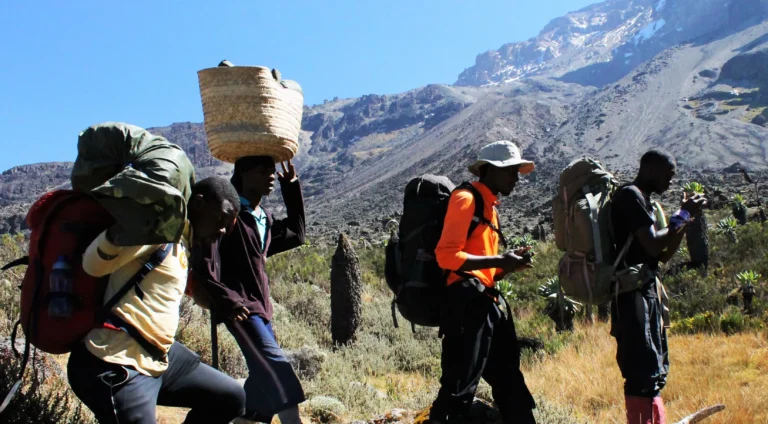
How To Know Whether You Are Ready For Kilimanjaro: A Comprehensive Guide
Climbing Mount Kilimanjaro is a significant undertaking. This guide helps you evaluate your physical, mental, and logistical readiness to ensure a safe and successful trek in 2026 or 2027...
View package details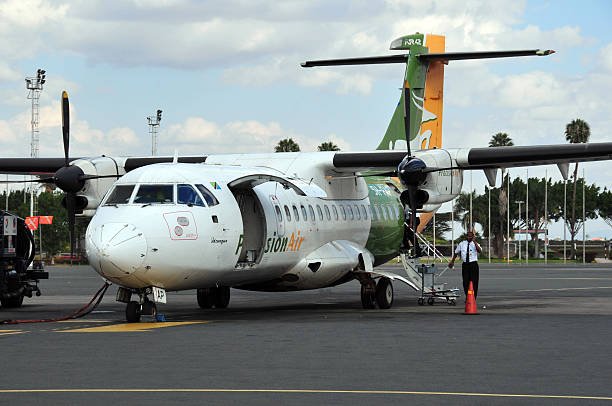
We Are Arriving At Kilimanjaro Airport, What Safari Itinerary Should We Do?
Planning your safari upon arrival at Kilimanjaro Airport (JRO)? This guide provides tailored safari itineraries for 2026-2027, focusing on Northern Tanzania's iconic parks like the...
View package details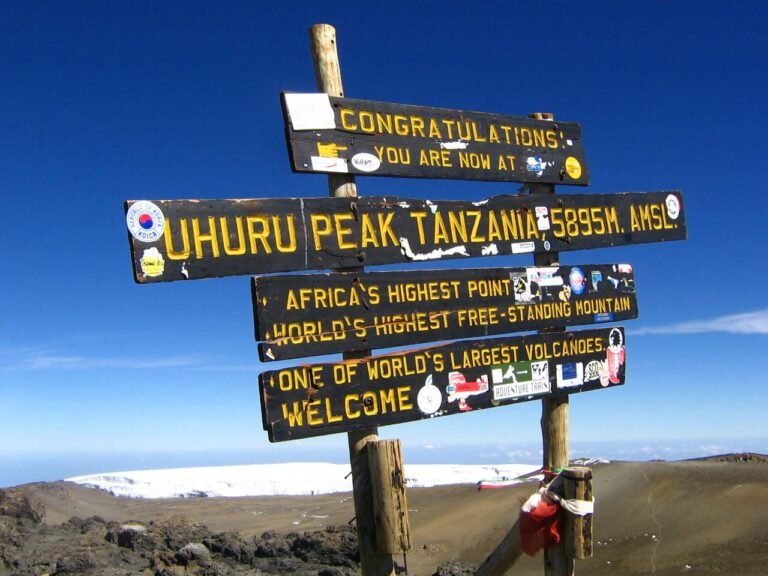
What Does Kilimanjaro Rainforest Look Like? A Trekkers Visual Guide 2026-2027
The Kilimanjaro rainforest is a vibrant, humid zone of dense vegetation, towering trees, and diverse plant life found on the mountain's lower slopes. It's the first major ecosystem trekkers...
View package detailsWhich Local Tanzania Safari Companies Are Trustworthy In ? 2026-2027
Choosing a trustworthy local Tanzania safari company is crucial for a memorable and safe adventure. This guide helps you identify reliable operators for your 2026-2027 trip, covering...
View package detailsNo related package matches those filters. Clear one or more filters to see the other topic-matched options.
Plan your Kilimanjaro Climb and Mount Meru From Moshi with Top Guide Adventures
Tell us your travel dates, group size, comfort level, and dream experience. We will help you shape a clear, realistic, and memorable Tanzania itinerary.



