
Updated planning guide for 2026-2027
Independent Travel In Tanzania: What To Know: Complete Guide 2026-2027
Planning independent travel in Tanzania? This comprehensive guide covers everything you need to know, from safaris and Zanzibar to Kilimanjaro, budgeting, safety, and booking your adventure for 2026-2027.
WhatsApp +255616946642 | topguideadventures@gmail.com | info@topguideadventures.com
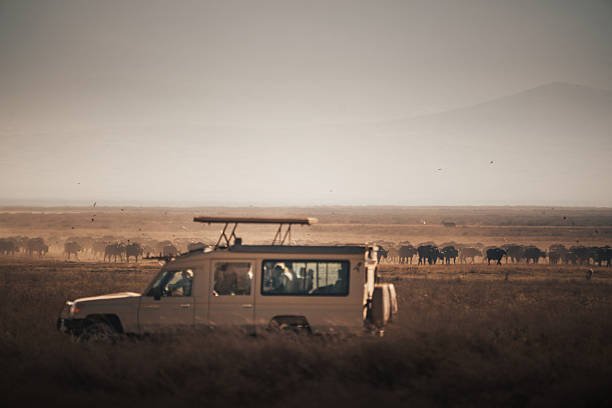
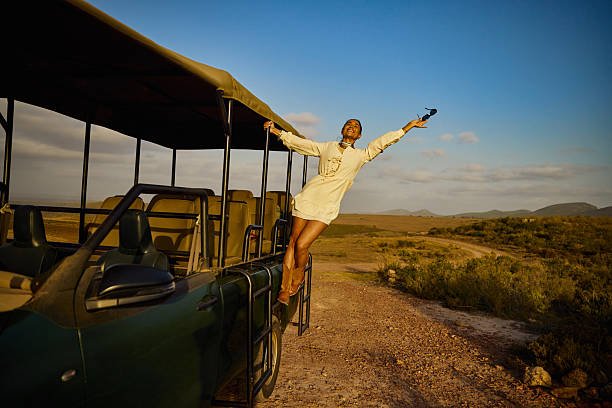
Independent Travel in Tanzania: Your Complete Planning Guide
Tanzania, a jewel of East Africa, beckons with its vast savannas teeming with wildlife, the majestic roof of Africa in Kilimanjaro, and the spice-scented islands of Zanzibar. For many, the dream is to experience its wonders independently. However, navigating a country like Tanzania without a fully pre-packaged tour requires careful planning and local insight. This guide is designed to equip you with the essential knowledge for successful independent travel in Tanzania, ensuring your adventure is both memorable and manageable.
Whether you envision yourself watching the Great Migration across the Serengeti, standing atop Kilimanjaro, or relaxing on the beaches of Zanzibar, understanding the nuances of independent travel in Tanzania is key. This article will walk you through the critical aspects, from choosing the right time to visit and understanding local transportation to budgeting, safety, and what to pack. We aim to provide a thorough resource for travelers looking to explore Tanzania on their own terms, offering practical advice for 2026 and 2027 trips.
Table of Contents
- Quick Facts for Independent Travelers
- Understanding Independent Travel in Tanzania
- Why Choose Independent Travel in Tanzania?
- Best Time for Independent Travel in Tanzania
- Key Destinations for Independent Exploration
- Getting Around: Tanzania’s Transportation Network
- Accommodation Options for Independent Travelers
- Safari Planning for Independent Travelers
- Kilimanjaro Trekking Independently
- Zanzibar: Island Independence
- Budgeting for Independent Travel in Tanzania
- Safety and Health Considerations
- Packing Essentials for Tanzania
- Common Mistakes to Avoid
- Who is Independent Travel in Tanzania Best For?
- Alternatives to Full Independent Travel
- Planning Your 2026-2027 Tanzania Trip
- Booking Advice for Independent Travelers
- Frequently Asked Questions
Quick Facts for Independent Travelers
| Aspect | Details for Independent Travel |
|---|---|
| Visa Requirements | Most nationalities require a visa. Apply online in advance or on arrival. Check current regulations. |
| Currency | Tanzanian Shilling (TZS). USD widely accepted for tourist services, but carry Shillings for local purchases. |
| Language | Swahili is the national language. English is widely spoken in tourist areas and by many guides. |
| Connectivity | Mobile SIM cards are readily available. Wi-Fi is common in hotels and lodges, though speeds vary. |
| Driving | Driving is on the left. Road conditions can be challenging outside main routes. Hiring a car with a driver is often recommended for safaris. |
| Vaccinations/Health | Consult your doctor regarding Yellow Fever, Malaria prophylaxis, Typhoid, Hepatitis A. |
| Best Time to Visit | Dry seasons (June-Oct, Dec-Feb) are ideal for wildlife viewing and trekking. Shoulder seasons offer fewer crowds. |
Understanding Independent Travel in Tanzania
Independent travel in Tanzania involves planning and managing your own itinerary, transportation, accommodation, and activities. This contrasts with joining a fully organized tour where everything is pre-arranged. While Tanzania offers a robust tourism infrastructure, particularly for safaris and Kilimanjaro climbs, true ‘independent’ travel, especially in remote areas, can present unique challenges and rewards.
For many popular activities like safaris and Kilimanjaro treks, a degree of ‘guided independence’ is often the most practical. This means you might book your safari vehicle and guide through a local operator, but you manage your own pre- and post-safari logistics, choose your own accommodations outside the park, and structure your days. For Zanzibar, independent travel is more straightforward, with options for self-driving (scooter/car), using local transport (dala-dalas, taxis), and booking guesthouses or boutique hotels directly.
The key to successful independent travel in Tanzania lies in balancing your desire for autonomy with an understanding of local realities. This often means leveraging the expertise of local operators for complex logistics like park permits, reliable vehicles, and experienced guides, while retaining control over your overall journey and preferences.
Why Choose Independent Travel in Tanzania?
Opting for independent travel in Tanzania offers several compelling advantages:
- Flexibility: You set your own pace, decide where to spend more time, and can alter your plans on the fly (within logistical limits). Want an extra hour watching lions? You can do that.
- Cost Control: While not always cheaper for complex trips like safaris, it can offer more budget-friendly options, especially if you opt for guesthouses and local transport where feasible.
- Authentic Experiences: Engaging with local transport, markets, and smaller eateries can provide a deeper connection to the country and its people than staying within a tourist bubble.
- Personalization: You tailor every aspect of your trip to your specific interests, whether it’s birdwatching, photography, cultural immersion, or relaxation.
- Sense of Accomplishment: Successfully navigating a trip in a country like Tanzania can be incredibly rewarding and a source of great personal pride.
Best Time for Independent Travel in Tanzania
The best time for independent travel in Tanzania depends heavily on your primary interests:
- June to October (Dry Season): This is peak season for wildlife viewing, especially the Great Migration in the Serengeti. It’s also ideal for Kilimanjaro trekking due to clear skies and stable weather. Expect higher prices and more crowds.
- December to February (Short Dry Season): Another good period for safaris, particularly for calving season in the southern Serengeti. Kilimanjaro is also trekable, though it can be hotter. It’s a popular time due to holiday breaks.
- March to May (Long Rains): This is the low season. Landscapes are lush and green, and prices are significantly lower. Wildlife viewing can be more challenging as animals disperse and vegetation is thick. Kilimanjaro is generally not recommended due to rain and cloud cover. This can be a great time for independent travelers on a budget seeking fewer tourists.
- November (Short Rains): A transitional month. You might encounter short, sharp showers, but they often don’t disrupt activities significantly. It can be a good shoulder season option with moderate crowds and prices.
For independent travel in 2026-2027, consider these seasons based on your priorities. Booking accommodation and internal flights during peak seasons is advisable well in advance.
Key Destinations for Independent Exploration
Tanzania offers diverse experiences for the independent traveler:
- Serengeti National Park: The iconic safari destination, famous for the Great Migration. Independent travelers typically arrange safari vehicles and guides through local operators for park entry and game drives.
- Ngorongoro Conservation Area: A UNESCO World Heritage Site with a unique crater ecosystem. Independent travelers can book crater tours and explore the area, often in conjunction with a Serengeti safari.
- Tarangire National Park: Known for its large elephant herds and baobab trees. Accessible for day trips or multi-day safaris.
- Lake Manyara National Park: Famous for tree-climbing lions and diverse birdlife. A smaller park, suitable for a day or two.
- Mount Kilimanjaro: Africa’s highest peak. Independent trekkers must go with a registered guide and crew, usually booked through an operator.
- Zanzibar Archipelago: Offers a mix of history (Stone Town), beaches (Nungwi, Paje), and spice tours. Very amenable to independent exploration with various accommodation and transport options.
- Dar es Salaam: The largest city and a major transport hub. Offers cultural sites and a gateway to other coastal destinations.
- Mafia Island: A more secluded island destination, popular for whale shark encounters (Oct-Mar).
Sample Independent Travel Route Idea (14 Days)
This route balances safari and beach, ideal for a first-time independent traveler.
- Days 1-2: Arrive in Arusha. Settle in, arrange final safari logistics, visit local markets.
- Days 3-5: Tarangire & Lake Manyara. Self-drive or with a hired vehicle and guide. Stay in lodges/camps outside the parks.
- Days 6-8: Serengeti National Park. Guided safari experience. Stay in tented camps or lodges within/near the park. Requires pre-booked safari vehicle and guide.
- Days 9-10: Ngorongoro Crater. Descend into the crater for a day tour. Stay in lodges on the crater rim or nearby Karatu.
- Day 11: Fly to Zanzibar. Transfer to Stone Town. Explore historical sites.
- Days 12-13: Zanzibar Beaches. Transfer to Nungwi or Paje for relaxation, water sports.
- Day 14: Depart from Zanzibar.
Note: This requires booking internal flights and safari components separately.
Getting Around: Tanzania’s Transportation Network
Navigating Tanzania independently requires understanding your options:
- Public Buses (Daladalas): These are the most affordable way to travel between towns and cities. They are often crowded, slow, and not suitable for long distances or carrying much luggage. Best for short, local trips.
- Intercity Buses: Companies like Scandinavia, Kilimanjaro Express, and Kidia One operate comfortable, air-conditioned buses between major cities (Arusha, Dar es Salaam, Mwanza, etc.). These are a good option for budget-conscious independent travelers covering longer distances. Book tickets a day in advance.
- Trains: The Tanzania-Zambia Railway (TAZARA) offers a scenic, albeit slow, journey between Dar es Salaam and Zambia. The Central Line also runs from Dar es Salaam to Kigoma. An adventurous option for those with time.
- Domestic Flights: Several airlines (e.g., Precision Air, Air Tanzania, Coastal Aviation) connect major hubs and tourist destinations like Serengeti, Zanzibar, and Dar es Salaam. Essential for saving time on longer journeys, especially for independent travelers with limited time. Book in advance.
- Taxis: Available in towns and cities. Agree on the fare before starting the journey.
- Car Rental: Renting a car is possible, but recommended only for experienced drivers comfortable with left-hand driving and potentially challenging road conditions. A 4×4 is essential for off-road travel. Insurance is critical.
- Hired Vehicles with Drivers: For safaris and Kilimanjaro transfers, hiring a vehicle with a driver/guide is often the most practical and safest option for independent travelers. This can be arranged through local tour operators. It provides access to national parks, ensures reliable transport, and offers local knowledge.
Accommodation Options for Independent Travelers
Tanzania offers a wide range of accommodation to suit different budgets and styles:
- Budget Guesthouses and Hostels: Found in towns and cities, offering basic but clean rooms. Common in Arusha, Dar es Salaam, and Zanzibar.
- Mid-Range Hotels: Comfortable hotels with private bathrooms, often with amenities like restaurants and Wi-Fi. Available in most tourist hubs.
- Boutique Hotels and Lodges: Offer more character and comfort, often with unique designs and good service. Popular in Stone Town (Zanzibar) and near national parks.
- Tented Camps: A classic safari experience. Range from basic fly camps to luxury lodges. Many are located within or on the borders of national parks. Independent travelers often book these as part of a safari package.
- National Park Huts/Campsites: For the very budget-conscious and adventurous, some national parks offer basic huts or campsites where you can pitch your own tent. Requires self-sufficiency.
Booking in advance is highly recommended, especially during peak seasons and for popular locations like the Serengeti and Ngorongoro rim. Websites like Booking.com, Agoda, and direct bookings with lodges are common.
Safari Planning for Independent Travelers
Planning an independent safari in Tanzania requires careful consideration:
- Choosing Your Parks: Serengeti and Ngorongoro are must-sees. Tarangire, Lake Manyara, and Ruaha offer excellent alternatives or additions.
- Safari Vehicle and Guide: This is where most independent travelers opt for a pre-arranged service. You’ll need a reliable 4×4 vehicle and an experienced guide. Booking this through a local operator is usually more efficient and cost-effective than trying to arrange it piecemeal.
- Park Fees: National park fees are significant and usually paid per person per day, plus a vehicle fee. These are typically included in safari package prices. Independent travelers need to be aware of these costs.
- Accommodation: Decide between lodges, tented camps, or public campsites within or near the parks. Booking these can be done independently or as part of a package.
- Itinerary: Plan your route logically to minimize travel time between parks. A common Northern Circuit itinerary includes Tarangire, Serengeti, and Ngorongoro.
- Duration: A minimum of 3-4 days is recommended for a basic Northern Circuit safari. Longer stays allow for deeper exploration.
Pro Tip: While you might want full independence, booking your safari vehicle, guide, and park accommodations through a reputable local operator (like Top Guide Adventures) allows you to retain control over your overall trip while ensuring you have the essential, reliable components for a successful safari.
Kilimanjaro Trekking Independently
Trekking Kilimanjaro is a significant undertaking. While you can’t truly hike it ‘alone’ in terms of logistics, independent trekkers arrange their climb through licensed operators.
- Choosing a Route: Marangu, Machame, Lemosho, Shira, and Rongai are popular routes, varying in difficulty, scenery, and acclimatization profile. Machame and Lemosho are often favored for their success rates.
- Operator Selection: This is crucial. Look for operators with a strong safety record, ethical treatment of guides and porters, and good equipment. Independent trekkers must book with a licensed company.
- Permits and Fees: These are substantial and are handled by the operator.
- Guides and Porters: You will be assigned a team. Ensure they are well-equipped and you understand their roles.
- Preparation: Physical fitness, proper gear, and mental preparedness are essential.
- Booking: Book your trek well in advance, especially for peak seasons in 2026-2027.
The ‘independent’ aspect here is choosing your operator, route, and dates, and managing your pre/post-trek arrangements in Moshi or Arusha.
Zanzibar: Island Independence
Zanzibar is the most straightforward destination for independent travel in Tanzania.
- Stone Town: Explore its labyrinthine streets, historical sites, and markets on foot. Stay in boutique hotels or guesthouses.
- Beaches: Nungwi and Kendwa (north) offer lively beaches with resorts and water sports. Paje and Jambiani (east) are known for kite surfing, stunning tides, and a more laid-back vibe. Matemwe (northeast) is quieter, good for diving.
- Transport: Dala-dalas (local minibuses) are cheap and connect villages. Taxis are readily available. Renting a scooter or car is possible for exploring independently, but be cautious with road conditions and driving habits.
- Activities: Spice tours, snorkeling, diving, Jozani Forest (red colobus monkeys), Prison Island (giant tortoises) can all be booked locally upon arrival or through your accommodation.
- Accommodation: A wide range from backpacker hostels to luxury villas. Booking ahead is wise for popular spots.
Budgeting for Independent Travel in Tanzania
Tanzania can be surprisingly affordable for independent travelers, but certain activities, like safaris and Kilimanjaro, are inherently expensive.
- Accommodation: Guesthouses can range from $20-$50 per night. Mid-range hotels $60-$150. Safari lodges/camps $200-$800+ per person per night (often all-inclusive).
- Food: Eating at local eateries (local cafes, ‘hotels’) is very cheap ($3-$10 per meal). Tourist restaurants are more expensive ($15-$30+).
- Transportation: Intercity buses are $10-$30 for long distances. Domestic flights can be $100-$300+. Hired safari vehicles with drivers are typically priced per day ($200-$400+), including fuel and driver, but excluding park fees and accommodation.
- Activities: Park fees are a major cost for safaris ($30-$70+ per person per day depending on the park) plus vehicle fees. Kilimanjaro treks are typically $1500-$4000+ depending on route and operator. Zanzibar activities vary (e.g., spice tour $15-$30, snorkeling trip $30-$60).
Independent Traveler Budget Estimate (excluding international flights):
| Category | Budget Traveler (per day) | Mid-Range Traveler (per day) |
|---|---|---|
| Accommodation | $20 – $50 | $70 – $150 |
| Food | $10 – $20 | $30 – $60 |
| Local Transport | $5 – $15 | $20 – $50 |
| Activities/Park Fees (averaged) | $30 – $70 (highly variable) | $50 – $100 (highly variable) |
| Total Estimate (excluding major tours) | $65 – $155 | $170 – $360 |
Note: This is a rough estimate. Safari and Kilimanjaro costs are separate, significant expenditures.
Safety and Health Considerations
Independent travel in Tanzania requires vigilance regarding safety and health:
- Health: Consult your doctor 4-6 weeks before travel regarding vaccinations (Yellow Fever is mandatory for re-entry to some countries, Typhoid, Hepatitis A) and malaria prophylaxis. Drink only bottled or purified water. Be cautious with street food.
- Malaria: Tanzania is a malaria zone. Use insect repellent (DEET), wear long sleeves/trousers at dawn and dusk, and take prescribed antimalarials.
- General Safety: Be aware of your surroundings, especially in crowded areas and cities. Avoid displaying valuables. Use reputable taxis. Do not walk alone at night in unfamiliar areas.
- Wildlife Safety: Always follow your guide’s instructions on safari and when trekking. Maintain a safe distance from animals. Never feed them.
- Road Safety: Road conditions can be poor, and driving can be erratic. If self-driving, be extremely cautious. If using public transport, be prepared for long, potentially uncomfortable journeys.
- Scams: Be aware of common tourist scams, such as inflated prices, unsolicited ‘guides,’ or counterfeit goods.
- Emergency Contacts: Keep local emergency numbers and your embassy’s contact information handy.
Packing Essentials for Tanzania
Packing smart is crucial for comfort and practicality:
- Clothing: Lightweight, breathable fabrics. Neutral colors (khaki, beige, green) for safaris (avoid bright colors). Long-sleeved shirts and trousers for sun and insect protection. A warm fleece or jacket for cool evenings/mornings on safari and cooler Kilimanjaro altitudes.
- Footwear: Comfortable walking shoes or sturdy trainers. Hiking boots if trekking Kilimanjaro. Sandals or flip-flops for relaxing.
- Sun Protection: High SPF sunscreen, wide-brimmed hat, sunglasses.
- Insect Repellent: With DEET.
- First-Aid Kit: Including any personal medications, pain relievers, antiseptic wipes, bandages, motion sickness medication.
- Camera and Binoculars: Essential for wildlife viewing. Extra batteries and memory cards.
- Adapter and Power Bank: Tanzania uses Type G plugs (UK style). Power outages can occur, so a power bank is useful.
- Water Bottle: Reusable to minimize plastic waste. Water purification tablets or a filter bottle are good backups.
- Headlamp/Torch: Useful for navigating accommodation at night, especially in camps.
- Documents: Passport, visa, flight tickets, insurance details, copies of important documents.
Common Mistakes to Avoid
Independent travelers often make these common errors:
- Underestimating Travel Times: Distances can be long, and roads can be slow. Plan for more travel time than you think you need.
- Not Booking Key Components in Advance: Especially for safaris and Kilimanjaro, attempting to book everything on arrival can lead to disappointment or higher prices.
- Over-reliance on Public Transport for Long Distances: While cheap, it can be very time-consuming and uncomfortable. Balance it with flights or private transfers where necessary.
- Ignoring Health Precautions: Not taking malaria seriously or drinking unsafe water can ruin a trip.
- Carrying Too Much Cash: While USD is accepted for tourist services, carry enough Tanzanian Shillings for local purchases. ATMs are available in larger towns.
- Not Researching Operators Thoroughly: For safaris and Kilimanjaro, choosing a reputable operator is vital for safety and experience.
- Trying to See Too Much: Tanzania is vast. Trying to cram too many destinations into a short trip leads to a rushed and less enjoyable experience.
Who is Independent Travel in Tanzania Best For?
Independent travel in Tanzania is best suited for:
- Adventurous Travelers: Those who enjoy a challenge, are adaptable, and don’t mind roughing it occasionally.
- Budget-Conscious Explorers: Travelers who want to maximize their experience while controlling costs, especially outside of the major safari/trekking components.
- Experienced Travelers: Those who have traveled in developing countries before and are comfortable navigating different cultures and logistical hurdles.
- Culturally Curious Individuals: People who want to engage more deeply with local life, use local transport, and eat at local spots.
- Travelers Seeking Flexibility: Those who want to deviate from rigid itineraries and make spontaneous decisions.
It may be less suitable for those who prefer all amenities readily available, have very limited time, or are uncomfortable with uncertainty and potential logistical challenges.
Alternatives to Full Independent Travel
If full independence feels daunting, consider these alternatives:
- Customized Tours: Work with a tour operator to build a trip that suits your specific interests, pace, and budget. You have input, but logistics are handled.
- Day Tours and Short Excursions: Book independent accommodation and then arrange day trips for specific activities (e.g., a day safari from Arusha, a snorkeling trip from Zanzibar).
- Safari Packages with Independent Add-ons: Book your main safari and/or Kilimanjaro trek with an operator, then arrange your own time in Arusha or Zanzibar before/after.
- Small Group Tours: Join a small, organized group tour. This offers social interaction and managed logistics, with some opportunities for personal exploration during free time.
Planning Your 2026-2027 Tanzania Trip
Planning for 2026 and 2027 trips requires early action, especially for peak seasons:
- Book Major Components Early: For June-October 2026 or 2027 safaris and Kilimanjaro treks, book your safari operator and trek operator at least 6-12 months in advance. Internal flights should also be booked early for better prices.
- Visa Requirements: Check the latest visa regulations for Tanzania well in advance. The online application process is generally straightforward, but processing times can vary.
- Health Consultations: Schedule your doctor’s appointments 2-3 months before your travel dates in 2026 or 2027 to allow time for necessary vaccinations and prescriptions.
- Budget Review: Costs for safaris and trekking are subject to change. Get current quotes from operators for your desired 2026-2027 travel dates. Factor in park fee increases.
- Travel Insurance: Purchase comprehensive travel insurance covering medical emergencies, trip cancellations, and lost luggage. Ensure it covers high-risk activities if applicable (e.g., trekking).
- Flexibility: While planning is key, maintain some flexibility in your itinerary. Unforeseen events can occur.
Booking Advice for Independent Travelers
When booking elements of your independent travel in Tanzania:
- Research Operators Thoroughly: For safaris and Kilimanjaro, look for operators with good reviews, clear communication, and transparent pricing. Ask for detailed itineraries and what’s included.
- Get Multiple Quotes: Compare prices and inclusions from several reputable operators. Be wary of deals that seem too good to be true.
- Understand Inclusions/Exclusions: Clarify what is covered: park fees, accommodation, meals, guide, vehicle, fuel, park entrance fees, crater fees, etc.
- Payment Terms: Most operators require a deposit (e.g., 30-50%) to confirm bookings, with the balance due closer to the travel date. Understand their cancellation policy.
- Direct vs. Agents: Booking directly with a Tanzanian operator can sometimes offer better value and direct communication. However, using a reputable international agent can provide an extra layer of security and support.
- Accommodation Bookings: Use reliable booking platforms or contact hotels/lodges directly. For remote lodges, booking through an operator might be necessary.
- Flights: Book domestic flights directly with airlines or through reputable travel agents.
For assistance with booking reliable safari components, Kilimanjaro treks, or customized itineraries that allow for independent exploration of other parts of your trip, consider contacting Top Guide Adventures. You can reach them via WhatsApp at +255616946642 or email at topguideadventures@gmail.com (backup: info@topguideadventures.com).
Frequently Asked Questions
Is independent travel in Tanzania feasible for a first-timer?
Yes, but it requires thorough research and planning. For popular activities like safaris and Kilimanjaro treks, it’s often best to book the core components (vehicle, guide, permits) through a reputable local operator while managing your own accommodation and transport before/after. Zanzibar is very easy for independent exploration.
How much does a 7-day safari cost for an independent traveler in 2026?
Costs vary greatly. A budget safari with basic accommodation and shared vehicle might start from $1500-$2000 per person. Mid-range safaris with private vehicles and comfortable lodges/camps typically range from $2500-$4000+ per person for 7 days. This excludes park fees, which can add a significant amount, and is separate from your international flights.
Can I travel solo in Tanzania?
Yes, Tanzania is a popular destination for solo travelers. However, as an independent traveler, especially on safari or trekking, you will likely join a vehicle or group for safety and logistics. Zanzibar is very safe and easy for solo exploration.
What is the best way to get from Arusha to the Serengeti independently?
The most common and practical way is to book a safari vehicle and driver through a local operator. They will handle park entries and game drives. Alternatively, you can fly from Arusha (ARK) to an airstrip in the Serengeti (e.g., Seronera) which is quicker but more expensive.
Do I need to tip guides and drivers?
Tipping is customary and appreciated for good service. For safari guides and Kilimanjaro crews, expect to tip per day of service. Operators usually provide guidelines on recommended amounts.
Is it safe to use public transport in Tanzania for independent travel?
For short distances within towns or between nearby cities via intercity buses, it is generally safe and very affordable. However, be mindful of your belongings. For long, remote journeys, or if time is limited, consider private transfers or domestic flights.
How far in advance should I book for a 2027 Kilimanjaro climb?
For peak climbing seasons (January-March and June-October) in 2027, it is highly recommended to book your Kilimanjaro trek at least 6-9 months in advance to secure your preferred operator and dates.
What are the main differences between Northern Circuit and Southern Circuit safaris?
The Northern Circuit (Serengeti, Ngorongoro, Tarangire) is more developed, popular, and accessible, ideal for seeing the Great Migration. The Southern Circuit (Selous, Ruaha) is wilder, less crowded, and offers a more remote experience, often better for tracking predators and experiencing true wilderness.
Can I arrange my own park permits for national parks?
While technically possible in some cases, it is extremely difficult and impractical for independent travelers. Park permits and fees are almost always handled by the safari operator or lodge you book with, as they are integrated into the booking and entry process.
What is the best way to stay connected while traveling independently in Tanzania?
Purchase a local SIM card upon arrival (e.g., Vodacom, Tigo, Airtel). They are inexpensive and offer good coverage in most populated areas and along main tourist routes. Wi-Fi is available in most hotels and lodges, but speeds can be variable.
Ready to Plan Your Independent Travel in Tanzania?
Planning independent travel in Tanzania offers incredible freedom and the chance for authentic experiences. However, for critical components like safaris and Kilimanjaro treks, partnering with experienced local experts ensures safety, efficiency, and the best possible adventure. Let us help you craft the perfect independent journey.
Contact Top Guide Adventures today to discuss your custom itinerary, safari arrangements, Kilimanjaro climb, or Zanzibar holiday. We specialize in creating unforgettable Tanzanian experiences tailored to your preferences.
WhatsApp: +255616946642
Email: topguideadventures@gmail.com
Backup Email: info@topguideadventures.com
Plan your Independent Travel in Tanzania: What to Know with Top Guide Adventures
Tell us your travel dates, group size, comfort level, and dream experience. We will help you shape a clear, realistic, and memorable Tanzania itinerary.



