
Updated planning guide for 2026-2027
How To Travel Tanzania Safely: Complete Guide 2026-2027
Your ultimate guide to traveling Tanzania safely. Discover essential tips for a secure and unforgettable safari, Kilimanjaro climb, or Zanzibar vacation, covering health, security, packing, and planning for 2026-2027.
WhatsApp +255616946642 | topguideadventures@gmail.com | info@topguideadventures.com
How to Travel Tanzania Safely: Your Complete Planning Guide
Tanzania offers some of the most spectacular wildlife viewing on Earth, breathtaking mountain landscapes, and idyllic tropical islands. For many, a trip here is a lifelong dream. Ensuring your journey is not only memorable but also secure is paramount. This guide provides in-depth advice on how to travel Tanzania safely, covering everything from pre-trip preparation to on-the-ground realities for 2026 and 2027 travel.
Quick Overview: Safety in Tanzania
Tanzania is generally a safe country for tourists, especially when visiting popular destinations like national parks, Kilimanjaro, and Zanzibar. The key to safe travel lies in preparation, awareness, and choosing reputable tour operators. Most visitors have trouble-free experiences. The main concerns revolve around petty crime in urban areas, road safety, and health precautions.
Table of Contents
- Quick Facts About Tanzania Travel Safety
- Why Prioritizing Safety in Tanzania Matters
- Best Time to Visit Tanzania Safely
- Safety Considerations for Popular Destinations
- Sample 10-Day Northern Circuit Safari Itinerary
- Health and Medical Preparedness
- Packing for Safety and Comfort
- Transportation Safety
- Common Mistakes to Avoid for Safe Travel
- Who is Tanzania Best Suited For?
- Alternatives to Consider
- Planning Your Tanzania Trip for 2026-2027
- Booking Your Safe Tanzania Adventure
- Frequently Asked Questions (FAQs)
Quick Facts About Tanzania Travel Safety
| Aspect | Details |
|---|---|
| General Safety Perception | Generally safe for tourists, especially in tourist areas. Awareness is key. |
| Major Cities (e.g., Dar es Salaam, Arusha) | Be aware of petty crime like pickpocketing and bag snatching. Avoid displaying valuables. |
| National Parks & Safari Areas | Very safe when following guide instructions. Wildlife encounters are managed professionally. |
| Kilimanjaro Trekking | Safe with experienced guides and proper preparation. Focus on altitude sickness and guides’ advice. |
| Zanzibar | Generally safe. Be mindful of petty crime, especially in Stone Town and crowded beaches. Dress modestly outside resorts. |
| Health Risks | Malaria, Yellow Fever (vaccination may be required), traveler’s diarrhea. Consult your doctor. |
| Road Safety | Can be challenging. Use reputable transport and avoid driving at night if possible. |
| Emergency Services | Response times can vary. Having a reliable local contact is beneficial. |
Why Prioritizing Safety in Tanzania Matters
Tanzania is a vast and diverse country, offering incredible experiences that can create lifelong memories. However, like any travel destination, it presents its own set of challenges. Understanding and preparing for these challenges is not about fear; it’s about responsible travel. Prioritizing safety ensures that your adventure remains focused on the wonders of the Serengeti, the majesty of Kilimanjaro, or the tranquility of Zanzibar, rather than being overshadowed by preventable issues. A well-planned, safe trip allows you to fully immerse yourself in the culture and landscapes, making the most of your investment in time and money.
For travelers in 2026-2027, this means staying informed about current conditions, understanding local customs, and partnering with experienced local guides and operators who prioritize your well-being. It’s about making informed decisions at every step, from choosing your accommodation to navigating local transport and understanding health advisories.
Best Time to Visit Tanzania Safely
The ‘best’ time to visit Tanzania for safety and experience often aligns with the dry seasons, which generally offer more predictable weather and easier travel conditions. However, safety is less about the season and more about preparedness. Regardless of when you visit, standard safety precautions apply.
- June to October (Dry Season): This is peak season for safaris due to clear skies and abundant wildlife congregating around water sources. It’s also ideal for Kilimanjaro trekking. Roads are in better condition. Fewer mosquitoes.
- November to March (Short Rains & Long Rains): The short rains (Nov-Dec) can be unpredictable, with brief showers. The long rains (Mar-May) bring heavier, sustained rainfall, making some roads difficult to traverse and potentially impacting safari viewing. However, this is also a beautiful time with lush landscapes and fewer crowds, and it’s ideal for birdwatching. Malaria risk can increase with rain, so mosquito precautions are crucial.
- December to February: Generally warm and dry, good for safaris and beach holidays in Zanzibar.
For 2026-2027, the dry seasons (June-October) remain the most popular and logistically straightforward times for most travelers, offering a balance of good weather and accessibility. However, shoulder seasons can offer value and fewer crowds, provided you are prepared for potential rain and increased mosquito activity.
Safety Considerations for Popular Destinations
Tanzania’s prime attractions each have specific safety considerations. Understanding these nuances helps you prepare effectively.
Northern Circuit Safaris (Serengeti, Ngorongoro, Tarangire, Lake Manyara)
These areas are managed for tourism, and safety is a top priority for park authorities and tour operators. The primary safety concern is wildlife encounters.
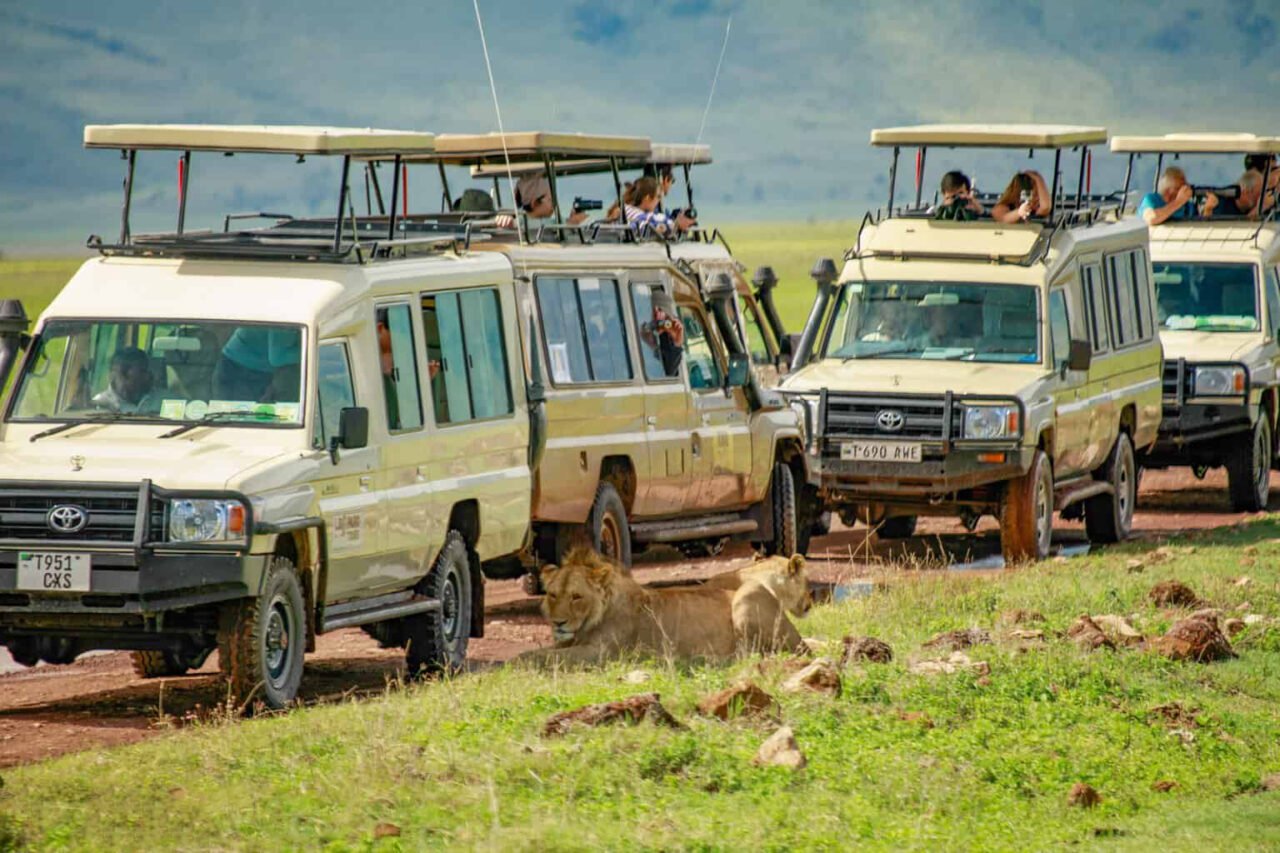
- Wildlife: Always stay in your vehicle during game drives unless instructed otherwise by your guide. Maintain a safe distance from animals. Never feed wildlife. Listen to your guide; they are trained to read animal behavior and ensure your safety.
- Roads: Roads within parks can be rough, especially during the wet season. Reputable tour operators use 4×4 vehicles equipped for these conditions.
- Guides: Your safari guide is your most important safety asset. Trust their judgment and follow their instructions implicitly.
Mount Kilimanjaro Trekking
Climbing Kilimanjaro is an adventure that requires careful planning, particularly regarding health and safety.
- Altitude Sickness (AMS): This is the most significant risk. Ascend slowly (‘pole pole’), stay hydrated, and inform your guide immediately if you feel unwell. Proper acclimatization is crucial. Choose a longer route (e.g., 7 or 8 days) for better acclimatization.
- Guides and Porters: Use a reputable company that adheres to ethical treatment of staff and employs experienced, certified guides. They are trained in first aid and emergency procedures.
- Weather: Conditions change rapidly. Be prepared for extreme cold, wind, and sun.
- Health: Ensure you are medically fit for the climb. Consult your doctor about vaccinations and altitude sickness medication.
Zanzibar Holidays
Zanzibar offers beautiful beaches and rich history, but like any popular island destination, it has specific safety points.
- Petty Crime: In Stone Town, be aware of pickpockets and bag snatchers, especially in crowded markets and narrow alleys. Keep valuables secure and out of sight.
- Beach Safety: Be cautious of unsolicited vendors and touts. Stick to reputable tour operators for excursions. Be aware of strong currents if swimming.
- Cultural Sensitivity: Zanzibar is a predominantly Muslim island. Dress modestly when away from beach resorts, especially in Stone Town and rural areas. Cover shoulders and knees.
- Scams: Be wary of overly friendly strangers offering unsolicited help or deals that seem too good to be true.
- Water Safety: Drink bottled or purified water. Be cautious with street food.
Arusha and Dar es Salaam (Urban Areas)
These are the main entry points and largest cities. They present more typical urban safety concerns.
- Petty Crime: Pickpocketing, bag snatching, and opportunistic theft are more common here than in rural or park areas. Avoid walking alone at night, especially in unfamiliar areas. Keep valuables hidden.
- Touts and Scams: Be firm but polite when declining offers from touts. Research common scams to avoid them.
- Transportation: Use licensed taxis or pre-booked transport. Avoid hailing random taxis, especially at night.
- Valuables: Do not display expensive jewelry, cameras, or large amounts of cash.
Sample 10-Day Northern Circuit Safari Itinerary
This sample itinerary focuses on the Northern Circuit and highlights how safety is integrated into the planning. For 2026-2027 trips, booking with a company that plans logistics meticulously is crucial.
| Day | Location | Activities | Safety Notes |
|---|---|---|---|
| 1 | Arrive Kilimanjaro Airport (JRO), Transfer to Arusha | Meet your guide, transfer to hotel. Rest. | Pre-arranged airport transfer by your tour operator. Avoid touts. Secure your belongings. |
| 2 | Arusha to Tarangire National Park | Morning game drive in Tarangire, famous for elephants and baobabs. Overnight in a lodge/camp. | Stay inside the vehicle during game drives. Listen to guide. Lodge/camp provides secure accommodation. |
| 3 | Tarangire to Lake Manyara National Park, then to Karatu | Morning game drive in Lake Manyara, known for tree-climbing lions. Drive to Karatu area. Overnight in lodge. | Follow guide’s instructions. Ensure vehicle is secure at lodge. |
| 4 | Ngorongoro Crater Tour | Full day game drive inside the Ngorongoro Crater, a UNESCO World Heritage site. Overnight in Karatu. | Strict park rules apply. Stay in vehicle. Maintain distance from wildlife. Ensure guide has necessary permits. |
| 5 | Karatu to Serengeti National Park (Central) | Drive to Serengeti, stopping at Olduvai Gorge. Afternoon game drive. Overnight in Serengeti camp/lodge. | Longer drive, ensure vehicle is in good condition. Wildlife sightings en route. Secure camp/lodge. |
| 6 | Serengeti National Park (Central) | Full day game drives in the heart of the Serengeti. Witness the vast plains and diverse wildlife. | Follow guide’s expertise for best sightings and safety. Never wander from camp/lodge at night. |
| 7 | Serengeti National Park (Optional: Hot Air Balloon) | Morning game drive or optional hot air balloon safari. Continue game drives. Overnight in Serengeti. | Balloon operators are highly regulated for safety. Follow guide’s instructions for all activities. |
| 8 | Serengeti to Western Corridor/Grumeti River | Drive towards the Western Corridor or Grumeti River area, known for riverine wildlife and potential migration crossings (seasonal). Overnight. | Terrain can be more challenging. Focus on river safety if applicable. |
| 9 | Serengeti to Arusha | Morning game drive, then drive back to Arusha. Farewell dinner. Overnight in Arusha. | Long drive back. Ensure driver is well-rested. Secure belongings in Arusha. |
| 10 | Arusha / Departure | Optional cultural tour or souvenir shopping. Transfer to JRO for departure. | Use reputable transport for transfers. Be aware of surroundings if shopping. |
Health and Medical Preparedness
Your health is a crucial component of a safe and enjoyable trip to Tanzania. Proactive measures are essential.
Consult Your Doctor
Ideally 4-6 weeks before your departure for 2026-2027 travel:
- Vaccinations: Routine vaccinations should be up-to-date. Discuss necessary travel vaccines for Tanzania, such as Hepatitis A, Typhoid, and potentially Rabies.
- Yellow Fever: A Yellow Fever vaccination certificate may be required for entry, especially if arriving from a country with a risk of Yellow Fever transmission. Check current regulations.
- Malaria: Tanzania is a malaria-endemic country. Your doctor will recommend appropriate anti-malarial medication. Take it as prescribed.
- Other Medications: Bring any personal prescription medications with a copy of the prescription. Pack a basic first-aid kit.
Preventing Illness
- Water: Drink only bottled or purified water. Avoid ice in drinks unless you are certain it’s made from purified water.
- Food: Eat well-cooked food. Be cautious with raw fruits and vegetables unless you peel them yourself. Avoid street food unless you are confident in its preparation.
- Mosquitoes: Use insect repellent containing DEET or Picaridin, especially during dawn and dusk. Wear long sleeves and trousers. Sleep under a mosquito net if available.
- Sun Protection: Use high SPF sunscreen, wear a wide-brimmed hat, and sunglasses. The equatorial sun is intense.
- Hygiene: Wash hands frequently, especially before eating. Hand sanitizer is useful when soap and water are not available.
Medical Facilities
Medical facilities in Tanzania vary. Major towns like Arusha and Dar es Salaam have better equipped hospitals and clinics. Safari lodges and remote areas have limited medical services. Your tour operator should have arrangements for emergency medical evacuation if needed. Ensure your travel insurance covers medical emergencies and evacuation.
Packing for Safety and Comfort
Packing smart contributes significantly to your safety and comfort. Think layers, sun protection, and insect repellents.
Clothing
- Lightweight, breathable fabrics: Cotton, linen, or moisture-wicking synthetics are best for the heat.
- Neutral colors: Khaki, beige, olive green are ideal for safaris as bright colors can startle wildlife.
- Layers: Mornings and evenings can be cool, especially on safari or at higher altitudes (Kilimanjaro). Pack fleece jackets, light sweaters, and long-sleeved shirts.
- Rain gear: A lightweight, waterproof jacket is essential, especially during the rainy seasons.
- Modest clothing: For Zanzibar and cultural interactions, pack long trousers/skirts and tops that cover shoulders.
- Swimwear: For Zanzibar resorts or lodges with pools.
- Hiking gear: For Kilimanjaro, specific gear is required (see below).
Footwear
- Comfortable walking shoes: For exploring towns or light hikes.
- Sturdy hiking boots: Essential for Kilimanjaro, broken in before your trip.
- Sandals/flip-flops: For relaxing at lodges or on the beach.
Health and Safety Items
- Insect repellent: With DEET or Picaridin.
- Sunscreen: High SPF.
- Hat: Wide-brimmed for sun protection.
- Sunglasses.
- Hand sanitizer.
- Personal first-aid kit: Including pain relievers, antiseptic wipes, bandages, anti-diarrhea medication, motion sickness remedies, and any personal prescriptions.
- Water purification tablets/filter: As a backup.
Kilimanjaro Specific Packing
- Warm layers: Thermal base layers, fleece mid-layers, insulated down jacket.
- Waterproof and windproof outer shell.
- Warm hat and gloves.
- Good quality sleeping bag.
- Sun hat and sunglasses.
- Headlamp with extra batteries.
- Trekking poles.
Other Essentials
- Camera and extra batteries/memory cards.
- Binoculars.
- Adapter for electronics.
- Headlamp or flashlight: Useful for navigating at night in camps or lodges.
- Copies of important documents: Passport, visa, insurance. Keep digital copies too.
Transportation Safety
Getting around Tanzania requires awareness, especially for independent travelers. Using reputable services is key.
Safari Vehicles
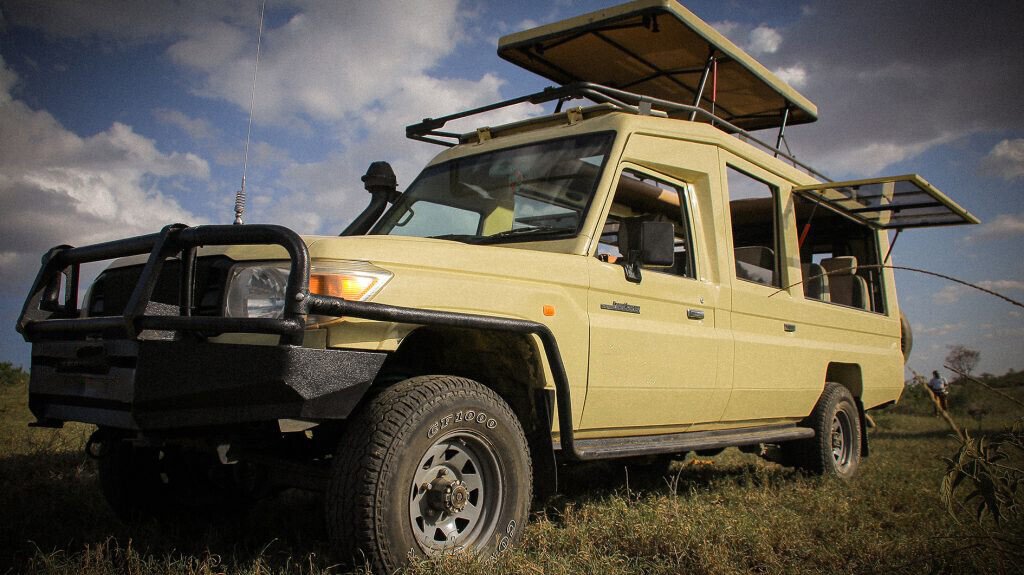
Reputable tour operators use well-maintained 4×4 safari vehicles (Land Cruisers or Land Rovers) specifically designed for off-road conditions. They are equipped with pop-up roofs for game viewing. Ensure your vehicle has working seatbelts (though often not used in parks) and that your driver is experienced and licensed.
Road Travel
Road conditions can be poor, particularly outside main routes and during the rainy season. Driving at night is generally discouraged due to poor lighting, unpaved roads, and potential hazards like animals or unlit vehicles.
- Use reputable companies: For airport transfers and inter-city travel, book with established companies.
- Avoid driving at night: If possible, plan journeys to arrive at your destination before dark.
- Seatbelts: Use them whenever available.
- Driver behavior: Ensure your driver is not speeding or driving recklessly.
Public Transport
Public transport, such as ‘dala-dalas’ (minibuses) and long-distance buses, can be crowded and less safe, especially for tourists. While affordable, they often operate with less regard for safety regulations. For most tourists, especially those prioritizing safety, using private transfers or tour operator transport is recommended.
Aviation Safety
Domestic flights within Tanzania are common for reaching remote areas or islands like Zanzibar. Choose reputable airlines. While generally safe, flight schedules can sometimes be unpredictable.
Common Mistakes to Avoid for Safe Travel
Many safety issues can be avoided by learning from common traveler mistakes.
- Not researching or booking with reputable operators: This is the single biggest mistake. A good operator handles logistics, safety protocols, and has experienced staff. For 2026-2027, research companies thoroughly.
- Ignoring health advice: Skipping vaccinations or anti-malarials can lead to serious illness.
- Displaying valuables: Flashy jewelry, expensive watches, or large amounts of cash make you a target for petty crime.
- Walking alone at night in cities: Especially in unfamiliar neighborhoods. Stick to well-lit, busy areas or use a taxi.
- Accepting drinks or food from strangers: Be cautious of unsolicited offers.
- Not respecting local customs: Dress modestly outside tourist resorts, especially in Zanzibar and rural areas.
- Underestimating Kilimanjaro: It’s a serious trek, not a hike. Proper preparation and a good guide are non-negotiable.
- Drinking tap water: Always stick to bottled or purified water.
- Not having adequate travel insurance: Essential for medical emergencies, evacuation, and trip cancellations.
- Relying on unofficial taxis: Always use licensed or pre-booked transport.
Who is Tanzania Best Suited For?
Tanzania appeals to a wide range of travelers, but understanding your own travel style and expectations is key to a safe and enjoyable experience.
- Adventure Seekers: Those who want to climb Kilimanjaro, explore off-the-beaten-path areas, or experience raw nature.
- Wildlife Enthusiasts: The Serengeti, Ngorongoro, and other parks offer unparalleled opportunities to see the Big Five and witness the Great Migration.
- Culture Explorers: From the Maasai people to the historic Stone Town of Zanzibar, there are rich cultural experiences.
- Nature Lovers: Beyond safaris, Tanzania boasts stunning landscapes, from mountains to coastlines.
- Honeymooners & Couples: Romantic safaris and tranquil Zanzibar beaches are popular choices.
- Families: With careful planning and appropriate lodges/activities, Tanzania can be a fantastic family destination, though young children might find long safari drives challenging.
For travelers in 2026-2027, Tanzania offers a chance to connect deeply with nature and culture. It is best suited for those who appreciate a degree of adventure, are willing to follow expert advice, and seek authentic, impactful travel experiences.
Alternatives to Consider
While Tanzania is exceptional, other East African destinations offer similar experiences with potentially different safety considerations or logistical ease.
- Kenya: Offers world-class safaris (Maasai Mara, Amboseli), similar wildlife viewing, and is generally considered safe with similar precautions to Tanzania.
- Uganda/Rwanda: Primarily known for gorilla trekking, these countries also offer safaris. They require specific health precautions and are generally safe when following local guidance.
- Botswana: Known for luxury safaris and a focus on conservation, often with a higher price point but excellent safety standards.
- South Africa: Offers a more developed tourism infrastructure, diverse wildlife parks (Kruger), and a range of activities. Safety concerns are more urban-focused, but well-managed private reserves are very secure.
Each destination has its unique charm and safety profile. Tanzania stands out for its sheer scale of wildlife, iconic landscapes like Kilimanjaro, and the exotic allure of Zanzibar.
Planning Your Tanzania Trip for 2026-2027
Planning ahead is crucial for a safe and seamless trip to Tanzania in 2026 or 2027. Here’s a step-by-step approach:
1. Define Your Interests and Budget
What do you want to see and do? Safari? Kilimanjaro? Zanzibar? A combination? Your interests will dictate the itinerary, timing, and cost. Be realistic about your budget – Tanzania can range from mid-range to luxury.
2. Choose Your Timing
Consider the dry seasons (June-October) for easier travel and optimal wildlife viewing. For 2026-2027, book accommodations and popular tours well in advance, especially if traveling during peak season.
3. Select a Reputable Tour Operator
This is paramount for safety and a quality experience. Look for operators with:
- Excellent reviews and testimonials.
- Clear safety protocols and emergency plans.
- Experienced, licensed guides.
- Ethical treatment of staff (porters, drivers).
- Good communication.
Contact multiple operators, ask detailed questions, and compare offerings. For your 2026-2027 adventure, early booking secures the best guides and lodges.
4. Health Preparations
Schedule your doctor’s visit 4-6 weeks before departure. Get necessary vaccinations and malaria prophylaxis.
5. Book Flights and Visas
Book international flights to Kilimanjaro International Airport (JRO) or Dar es Salaam (DAR). Check visa requirements for your nationality and apply in advance if necessary.
6. Arrange Travel Insurance
Ensure your policy covers medical emergencies, evacuation, trip cancellation, and lost luggage. This is non-negotiable for a safe trip.
7. Pack Smart
Use the packing list provided to ensure you have essentials for safety, comfort, and the specific activities planned.
8. Stay Informed
Read up on Tanzanian culture, basic Swahili phrases, and current travel advisories from your government.
Tanzania 2026-2027 Planning Checklist
- [ ] Research destinations and activities
- [ ] Set a budget
- [ ] Choose travel dates (consider seasons)
- [ ] Select and contact reputable tour operators
- [ ] Book international flights
- [ ] Consult doctor for vaccinations & malaria meds (4-6 weeks prior)
- [ ] Apply for visa (if required)
- [ ] Purchase comprehensive travel insurance
- [ ] Confirm safari/trekking/Zanzibar bookings
- [ ] Pack essential clothing, gear, and medical items
- [ ] Obtain local currency (USD widely accepted for tours, Shillings for local purchases)
- [ ] Inform bank of travel dates
- [ ] Make copies of important documents
- [ ] Learn a few basic Swahili phrases
Booking Your Safe Tanzania Adventure
The way you book your trip significantly impacts its safety and quality. For your 2026-2027 travel, follow these guidelines:
- Prioritize Local Experts: Partnering with a local Tanzanian tour operator like Top Guide Adventures ensures you benefit from in-depth knowledge, established local networks, and a commitment to your safety on the ground. Local operators often have better insights into current conditions and can respond more effectively in emergencies.
- Read Reviews Critically: Look for recent reviews on independent platforms. Pay attention to comments about safety, guide professionalism, and vehicle condition.
- Ask Detailed Questions: Don’t hesitate to ask potential operators about their safety protocols, emergency procedures, guide qualifications, vehicle maintenance, and insurance. A good operator will be transparent and willing to provide this information.
- Understand Inclusions and Exclusions: Clearly know what your tour package covers (accommodation, meals, park fees, guides, activities) and what is extra (tips, personal expenses, some drinks). This avoids unexpected costs and potential misunderstandings.
- Payment Security: Use secure payment methods. Reputable operators will offer clear payment terms and receipts. Be wary of requests for large upfront payments via untraceable methods.
- Contracts and Itineraries: Ensure you receive a detailed itinerary and a clear contract outlining services, terms, and cancellation policies before making any payments.
For a truly safe and rewarding experience in Tanzania, especially for trips planned for 2026-2027, choosing a reliable partner is the most critical step. We at Top Guide Adventures are dedicated to providing safe, memorable, and authentic Tanzanian experiences.
Frequently Asked Questions (FAQs)
Is it safe to travel to Tanzania for a safari in 2026?
Yes, it is generally safe to travel to Tanzania for a safari in 2026. Major safari destinations like the Serengeti and Ngorongoro Crater are well-managed for tourism. The key is to book with a reputable tour operator who prioritizes safety, follows park regulations, and employs experienced guides. Always listen to your guide’s instructions regarding wildlife encounters and park rules.
What are the main health risks when visiting Tanzania?
The main health risks include malaria, traveler’s diarrhea, and potential exposure to other tropical diseases. It is crucial to consult your doctor about necessary vaccinations and malaria prevention medication well before your trip. Practicing good hygiene, drinking only bottled water, and using insect repellent are essential preventive measures for your safety.
Is it safe to climb Mount Kilimanjaro?
Climbing Mount Kilimanjaro is safe when undertaken with a reputable company that prioritizes climber safety. The primary risks are altitude sickness, extreme weather, and the physical demands of the trek. Choosing a longer route for better acclimatization, using experienced guides trained in first aid, and listening to your body and guide are vital for a safe ascent. Ensure you are medically fit for the climb.
How safe is Zanzibar for tourists?
Zanzibar is generally safe for tourists, particularly in resort areas and popular tourist spots. Petty crime like pickpocketing can occur in crowded areas like Stone Town. It’s advisable to dress modestly when exploring towns or villages, be aware of your surroundings, and use reputable transport. The main safety concerns are similar to other popular beach destinations.
Do I need any specific vaccinations to enter Tanzania?
A Yellow Fever vaccination certificate may be required for entry, especially if you are arriving from a country with a risk of Yellow Fever transmission. It’s essential to check the latest entry requirements with the Tanzanian embassy or consulate in your country. Consult your doctor for recommendations on other travel vaccinations like Hepatitis A and Typhoid.
What is the best way to travel safely between destinations in Tanzania?
For safety and convenience, using reputable tour operators for transfers and internal travel is highly recommended. This ensures you are in well-maintained vehicles with experienced drivers. For independent travel, use licensed taxis or pre-booked services and avoid traveling long distances at night.
Should I worry about wildlife encounters on safari?
While wildlife encounters are the highlight of a safari, they are managed for safety. Your safari guide is trained to handle these situations. The most important safety rule is to always stay inside the safari vehicle unless your guide explicitly instructs otherwise, and to maintain a safe distance from all animals. Never attempt to feed or provoke wildlife.
What should I do if I feel unwell during my trip?
If you feel unwell, inform your guide or tour operator immediately. They will be able to assess the situation and provide appropriate assistance, which may include accessing local medical facilities or arranging for evacuation if necessary. Ensure your travel insurance covers medical emergencies and evacuation.
Is it safe for solo female travelers in Tanzania?
Tanzania is generally safe for solo female travelers, especially when traveling with reputable tour operators or staying in established tourist accommodations. As with any travel, it’s wise to be aware of your surroundings, avoid walking alone at night in cities, and dress modestly to show respect for local culture. Trust your instincts and maintain communication with your tour provider.
How can I prepare for a safe trip to Tanzania in 2027?
To prepare for a safe trip to Tanzania in 2027, start planning early. Book with a trusted local operator, research health requirements and obtain necessary vaccinations, arrange comprehensive travel insurance, and pack appropriately for the climate and activities. Staying informed about local customs and safety advice from your operator will ensure a secure and enjoyable experience.
Ready to Plan Your Safe Tanzania Adventure?
Traveling to Tanzania should be an incredible, worry-free experience. By understanding the potential challenges and preparing adequately, you can ensure your safari, Kilimanjaro trek, or Zanzibar holiday is both safe and unforgettable. We specialize in crafting tailor-made itineraries that prioritize your well-being without compromising on adventure.
Let us help you plan your journey for 2026 or 2027. Contact us today to discuss your dream trip and how we can make it a safe reality.
WhatsApp: +255616946642
Email: topguideadventures@gmail.com
Backup Email: info@topguideadventures.com
Plan your How to Travel Tanzania Safely with Top Guide Adventures
Tell us your travel dates, group size, comfort level, and dream experience. We will help you shape a clear, realistic, and memorable Tanzania itinerary.



