
Updated planning guide for 2026-2027
Hidden Safari Parks In Northern Tanzania: Best Guide 2026-2027
Explore lesser-known safari gems in Northern Tanzania. This guide provides in-depth information on planning, itineraries, wildlife, and booking your next adventure.
WhatsApp +255616946642 | topguideadventures@gmail.com | info@topguideadventures.com
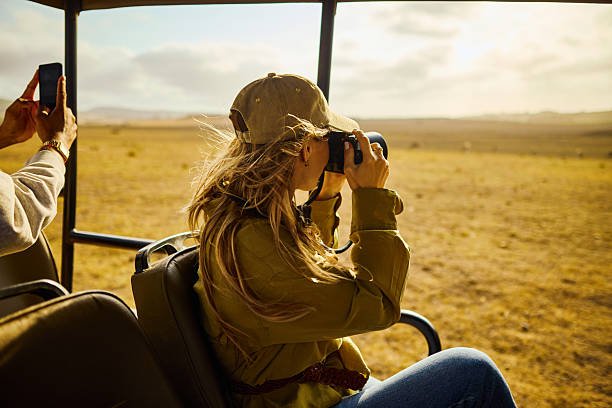
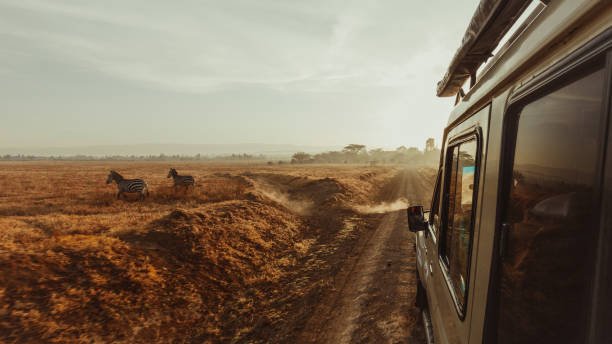
Hidden Safari Parks in Northern Tanzania: Your Ultimate Guide
When most travelers picture a safari in Northern Tanzania, their minds immediately go to the Serengeti, Ngorongoro Crater, and Tarangire. These iconic destinations are world-renowned for a reason, offering unparalleled wildlife viewing opportunities. However, Northern Tanzania holds a wealth of other, less-trodden paths. These hidden safari parks provide a more intimate, authentic, and often more affordable wildlife experience, allowing you to connect with nature away from the crowds.
This comprehensive guide is designed for travelers seeking a unique safari adventure in 2026 and 2027. We will explore these remarkable but often overlooked parks, offering practical advice on planning, itineraries, what to expect, and how to book your unforgettable journey. Discover the magic of Tanzania’s wild heart, beyond the usual tourist circuits.
Quick Answer: What are the best hidden safari parks in Northern Tanzania?
While the Serengeti and Ngorongoro are famous, consider parks like Lake Manyara National Park (beyond the tree-climbing lions), Arusha National Park, Mkomazi National Park, and the northern reaches of Tarangire National Park for a less crowded experience. Each offers unique ecosystems and wildlife viewing opportunities.
| Park Name | Key Features | Typical Duration | Accessibility |
|---|---|---|---|
| Arusha National Park | Mount Meru, Momella Lakes, Ngurdoto Crater, diverse birdlife, colobus monkeys. | 1-2 days | Easily accessible from Arusha town. |
| Lake Manyara National Park | Tree-climbing lions (though not exclusive), large elephant herds, abundant birdlife, alkaline lake. | 1 day | Close to Arusha and the main safari circuit. |
| Mkomazi National Park | Endangered black rhinos, wild dogs, large herds of zebras and giraffes, semi-arid landscape. | 1-2 days | Requires more dedicated travel, often combined with Tanga or Usambara Mountains. |
| Northern Tarangire NP | Vast elephant herds, baobab trees, diverse birdlife, less visited northern sections. | 1-3 days | Accessible from Arusha, northern parts require 4×4. |
Why Explore Beyond the Main Circuit?
The well-trodden paths of the Northern Circuit – Serengeti, Ngorongoro, Tarangire – are undeniably spectacular. However, visiting them during peak season can mean sharing wildlife sightings with dozens of other vehicles. For travelers in 2026-2027 seeking a more personal connection with the wilderness, exploring hidden safari parks offers distinct advantages:
- Intimacy with Wildlife: Experience animals without the constant presence of other vehicles. This allows for more natural animal behavior observation and a deeper sense of immersion.
- Unique Ecosystems: Discover diverse landscapes, from the volcanic slopes of Mount Meru to the semi-arid plains of Mkomazi. Each park offers a different ecological perspective.
- Reduced Crowds: Enjoy a more peaceful and less rushed safari experience, especially during peak seasons when the famous parks can feel congested.
- Variety of Activities: Some of these parks offer activities not commonly found in the major parks, such as canoeing, guided walking safaris, and cultural interactions.
- Conservation Focus: Many of these lesser-known parks are crucial for conservation efforts, particularly for endangered species like rhinos and wild dogs. Visiting supports these vital initiatives.
- Cost-Effectiveness: While not always the case, some smaller or less developed parks can offer more budget-friendly options for accommodation and park fees compared to the prime locations.
Spotlight on Hidden Gems: Arusha National Park
Often overlooked as a mere transit point to Kilimanjaro or the Serengeti, Arusha National Park is a compact yet incredibly diverse gem. Its proximity to Arusha town makes it an ideal starting point or a wonderful day trip.
Key Attractions:
- Mount Meru: The park’s centerpiece is the majestic Mount Meru, Tanzania’s second-highest peak. While climbing the entire mountain is a multi-day trek, its lower slopes offer stunning views and are accessible for day hikes.
- Momella Lakes: A series of seven shallow lakes, each with its own distinct color due to algae. These are vibrant feeding grounds for thousands of flamingos, as well as other water birds. Canoeing on these lakes offers a unique perspective.
- Ngurdoto Crater: A smaller, steep-sided crater that houses a dense forest and a wealth of wildlife. A drive around its rim provides excellent viewing opportunities.
- Fig Forest: Home to a significant population of black and white colobus monkeys, these ancient trees create a mystical atmosphere.
Wildlife to See:
Arusha National Park boasts a surprising variety of animals for its size. Expect to see:
- Black and white colobus monkeys
- Blue monkeys
- Giraffes
- Zebras
- Warthogs
- Water buffalo
- Hippos
- Numerous bird species (over 400 recorded)
- While not guaranteed, leopards are present but elusive.
Activities:
- Game drives (around Ngurdoto Crater and the Momella Lakes area)
- Canoeing on Momella Lakes
- Guided walking safaris (on Mount Meru’s slopes)
- Bird watching
- Cultural visits to nearby villages
Best Time to Visit:
Arusha National Park is a year-round destination. However, the dry seasons (June to October and December to February) offer the clearest views and best conditions for walking safaris. The rainy seasons can make some tracks muddy.
Lake Manyara National Park: More Than Just Tree-Climbing Lions
Often visited as a single-day stop on the Northern Circuit, Lake Manyara National Park offers a rich experience that deserves more time. Its diverse habitats, from groundwater forests to alkaline lake shores, support a remarkable array of wildlife.
Key Attractions:
- The Lake: A shallow, alkaline lake that attracts large flocks of flamingos, pelicans, and other water birds.
- Groundwater Forest: A lush, dense woodland fed by underground springs, creating a unique microclimate. This is where many of the park’s tree-climbing lions are found, though they are not exclusive to this area.
- Acacia Woodlands: Home to elephants, giraffes, and various antelopes.
- Rift Valley Escarpment: The park is situated at the base of the Great Rift Valley, offering dramatic scenic backdrops.
Wildlife to See:
Lake Manyara is famous for its large elephant herds and its elusive tree-climbing lions. You can also expect to see:
- Large herds of elephants
- Tree-climbing lions (a unique behavior)
- Vast numbers of flamingos and other water birds
- Baboons (large troops are common)
- Giraffes
- Zebras
- Wildebeest
- Hippos
- More than 400 species of birds
Activities:
- Game drives
- Night game drives (available through some lodges)
- Canoeing on the lake (seasonal, often in the early morning)
- Walking safaris along the escarpment (guided)
Best Time to Visit:
The dry seasons (June to October and December to February) are ideal for wildlife viewing, as animals congregate near water sources. Birdlife is particularly spectacular during the wet season (November to May) when migratory birds are present.
Mkomazi National Park: A Conservation Success Story
Mkomazi National Park, located in the north-east of Tanzania, is a testament to successful conservation. It was established primarily to protect the endangered black rhino and African wild dog.
Key Attractions:
- Rhino Sanctuary: A significant portion of the park is dedicated to a fenced sanctuary for black rhinos, offering a chance to see these magnificent creatures in a protected environment.
- Wild Dog Project: Mkomazi is a crucial breeding ground for African wild dogs, which have been reintroduced into the park.
- Semi-Arid Landscape: The park features a rugged, dry landscape with acacia woodlands, savanna plains, and impressive rock kopjes.
- Stunning Views: Offers panoramic views of Mount Kilimanjaro and the Usambara Mountains.
Wildlife to See:
Mkomazi is a haven for species adapted to arid conditions:
- Black rhinos (in the sanctuary)
- African wild dogs (rare but possible sightings)
- Giraffes
- Zebras
- Gerenuk (a long-necked antelope)
- Oryx
- Elephants (seasonal)
- Lions, leopards, cheetahs
- A variety of birdlife, including dry-land species.
Activities:
- Game drives
- Guided walking safaris
- Visits to the rhino sanctuary (often requires special arrangement)
- Bird watching
Best Time to Visit:
The dry season (June to October and December to February) is best for spotting animals, as they will be concentrated around water sources. The landscape is also more accessible during these months.
Northern Tarangire National Park: Beyond the Southern Entrance
Tarangire National Park is famous for its massive elephant herds and iconic baobab trees, especially around the southern and central areas. However, venturing into the northern sectors of the park can offer a more secluded safari experience.
Key Attractions:
- Vast Baobab Trees: The landscape is dominated by ancient, majestic baobab trees, creating a surreal and unforgettable setting.
- River Tarangire: The permanent river is a vital water source, attracting large numbers of wildlife, particularly during the dry season.
- Northern Plains: Less frequented than the southern access points, these areas offer expansive views and opportunities to see wildlife spread out across the savanna.
- Birding Hotspots: The park is a paradise for birdwatchers, with over 550 recorded species.
Wildlife to See:
Tarangire is renowned for its large elephant populations, especially during the dry season. You can also expect to see:
- Huge herds of elephants
- Lions (including tree-climbing lions, though less common than in Manyara)
- Leopards
- Cheetahs
- African wild dogs (rarely)
- Various antelopes, including greater kudu and fringe-eared oryx
- Baboons
- Numerous bird species
Activities:
- Game drives
- Walking safaris (in specific areas outside the park or with special permits)
- Night game drives (available from lodges outside the park boundaries)
- Bird watching
Best Time to Visit:
The dry season (July to October) is the prime time for Tarangire, as the elephants and other animals gather around the Tarangire River. The green season (November to May) offers lush landscapes and excellent birding, but wildlife can be more dispersed.
Planning Your Hidden Safari in Northern Tanzania (2026-2027)
Planning a safari to these less-visited parks requires careful consideration. While they offer unique experiences, accessibility and infrastructure might differ from the main tourist hubs. Here’s how to approach your planning for 2026-2027:
1. Define Your Priorities
What kind of experience are you looking for? Are you keen on seeing specific animals (like rhinos in Mkomazi), enjoying activities like canoeing (Arusha), or simply avoiding crowds? Your priorities will guide your choice of parks and itinerary.
2. Choose the Right Parks for Your Itinerary
Consider combining these hidden gems with more famous locations for a balanced trip. For instance:
- Short Trip (3-4 days): Arusha NP + Lake Manyara NP
- Medium Trip (5-7 days): Arusha NP + Lake Manyara NP + Northern Tarangire NP
- Longer/Specialist Trip (8+ days): Arusha NP + Lake Manyara NP + Mkomazi NP + Northern Tarangire NP (potentially with Serengeti/Ngorongoro)
3. Best Time to Travel in 2026-2027
While these parks are accessible year-round, wildlife viewing is generally best during the dry seasons:
- June to October: Cooler temperatures, dry conditions, animals concentrate around water sources. Ideal for spotting large mammals.
- December to February: Another dry period, often with pleasant temperatures. Good for general wildlife viewing.
- November and March to May: The green season. Landscapes are lush, birdlife is abundant, and prices might be lower. However, some roads can become difficult to navigate, and wildlife may be more dispersed.
4. Transportation and Logistics
For parks like Mkomazi, or the northern reaches of Tarangire, a sturdy 4×4 safari vehicle is essential. Roads can be rough. Most tours will include a knowledgeable driver-guide. Internal flights are not common for these parks; ground transport is the norm.
5. Accommodation Options
Accommodation in these less-visited parks can range from basic campsites and budget lodges to more comfortable mid-range and high-end tented camps. Booking in advance is crucial, especially for the 2026-2027 peak travel seasons.
Sample Itinerary: 5-Day Hidden Northern Tanzania Safari
This sample itinerary focuses on Arusha, Lake Manyara, and a taste of the less-visited Tarangire.
Day 1: Arrival in Arusha & Arusha National Park Exploration
- Arrive at Kilimanjaro International Airport (JRO) or Arusha Airport (ARK).
- Meet your guide and transfer to your lodge/hotel in Arusha.
- Afternoon game drive in Arusha National Park. Focus on the Ngurdoto Crater and Momella Lakes area. Look for colobus monkeys and diverse birdlife.
- Optional: Short guided walk on Mount Meru’s lower slopes.
- Overnight near Arusha or inside the park (limited options).
Day 2: Lake Manyara National Park
- Morning drive to Lake Manyara National Park.
- Full day of game drives exploring the park’s diverse habitats, from the lake shore to the groundwater forest.
- Search for tree-climbing lions, large elephant herds, and abundant birdlife.
- Enjoy a picnic lunch amidst the wildlife.
- Overnight at a lodge or camp near Lake Manyara.
Day 3: Tarangire National Park (Northern Sector Focus)
- Drive towards Tarangire National Park, focusing on entering through less-used gates or exploring the northern sections if accessible and recommended by your guide.
- Spend the day on game drives, marveling at the baobab trees and searching for elephant herds.
- The northern areas can offer a quieter experience with good chances of spotting predators.
- Overnight at a lodge or camp in or around Tarangire.
Day 4: Tarangire Exploration & Cultural Immersion
- Morning game drive in Tarangire, perhaps focusing on areas missed on Day 3 or enjoying a walking safari if arranged.
- Afternoon visit to a local Maasai or other local community to learn about their culture and way of life.
- Overnight in or around Tarangire.
Day 5: Departure
- Enjoy a final morning game drive or leisurely breakfast.
- Transfer back to Arusha or Kilimanjaro International Airport (JRO) for your onward journey.
What to Expect: Practicalities
When planning for 2026-2027, managing expectations is key. These parks offer incredible experiences, but they might differ from the highly developed infrastructure of the Serengeti.
- Road Conditions: Be prepared for potentially rough roads, especially in Mkomazi or the northern parts of Tarangire. A 4×4 vehicle is highly recommended.
- Wildlife Sightings: While wildlife is abundant, sightings are never guaranteed. Patience and a good guide are essential. Some animals, like leopards or wild dogs, are naturally elusive.
- Accommodation: Options can be more limited and rustic compared to major parks. Campsites and basic lodges are common, though comfortable tented camps are increasingly available.
- Park Facilities: Rest stops and visitor centers might be less frequent. Ensure you have water and snacks.
- Mobile Reception: Expect patchy or non-existent mobile phone reception in many areas.
Packing and Preparation for Your Safari
Packing for a Tanzanian safari is about practicality and comfort. Layering is key due to changing temperatures.
Essential Packing List:
- Clothing: Lightweight, neutral-colored clothing (khaki, beige, olive green). Avoid bright colors and dark colors (like black or blue, which attract tsetse flies). Include long-sleeved shirts and trousers for sun and insect protection.
- Outerwear: A fleece or warm jacket for cool mornings and evenings, especially in higher altitudes. A waterproof/windproof jacket is also useful.
- Footwear: Comfortable, broken-in walking shoes or hiking boots if planning walking safaris. Comfortable sandals or trainers for relaxing at the lodge.
- Headwear: A wide-brimmed hat for sun protection.
- Eyewear: Sunglasses.
- Sun Protection: High SPF sunscreen, lip balm with SPF.
- Insect Repellent: With DEET or Picaridin.
- Camera Gear: Camera, extra batteries, memory cards, zoom lens. A protective bag for dust.
- Binoculars: Essential for spotting distant wildlife.
- First-Aid Kit: Personal medications, basic first-aid supplies.
- Toiletries: Biodegradable toiletries if possible.
- Documents: Passport, visa (if required), flight details, travel insurance, vaccination certificates.
- Money: USD is widely accepted for park fees and tips. Carry some smaller denominations.
- Reusable Water Bottle: Stay hydrated and reduce plastic waste.
- Power Bank/Adapter: For charging electronics. Tanzania uses Type G sockets.
Common Mistakes to Avoid
To ensure your safari in Northern Tanzania’s hidden parks is smooth and enjoyable, be aware of these common pitfalls:
- Over-reliance on the ‘Big Five’: While seeing the Big Five is exciting, focus on the broader wildlife and unique experiences these parks offer. Not all parks have all five.
- Underestimating Travel Times: Distances can be deceptive, and road conditions can slow you down. Factor in ample travel time between locations.
- Not Booking in Advance: Especially for 2026-2027, popular lodges and camps, even in less-visited parks, can book up.
- Ignoring Local Advice: Your guide is your best resource. Listen to their recommendations regarding safety, wildlife, and cultural etiquette.
- Packing Inappropriately: Bringing only bright clothing or heavy gear can make your safari uncomfortable.
- Not Budgeting for Extras: Park fees, accommodation, and vehicle hire are significant costs. Also budget for tips, drinks, and souvenirs.
- Expecting Constant Wi-Fi: Embrace the opportunity to disconnect. Mobile service is unreliable in most park areas.
Who Are These Hidden Parks Best For?
The hidden safari parks of Northern Tanzania are ideal for a range of travelers in 2026-2027:
- Experienced Safari-Goers: Those who have visited the more famous parks and are looking for new experiences and quieter encounters.
- Photographers: The lack of crowds offers better opportunities for unique shots and observing animal behavior without distractions.
- Nature Enthusiasts: Travelers interested in diverse ecosystems, birdlife, and conservation efforts.
- Budget-Conscious Travelers: Some of these parks and their associated accommodations can be more affordable than the prime Serengeti/Ngorongoro circuit.
- Families: Parks like Arusha offer shorter, manageable drives and diverse activities suitable for children.
- Travelers Seeking Authenticity: Those who want a more personal and less commercialized safari experience.
Alternatives to Consider
While Northern Tanzania is exceptional, other regions offer unique safari experiences:
- Southern Tanzania (Selous Game Reserve / Ruaha National Park): Offers a wilder, more remote feel with boat safaris in Selous and vast, untouched landscapes in Ruaha. Generally less crowded and more challenging to access.
- Western Tanzania (Gombe Stream / Mahale Mountains National Park): Famous for chimpanzee trekking. A completely different experience focused on primates and dense rainforest.
- Kenya’s Lesser-Known Parks: Explore places like Samburu National Reserve or Meru National Park for unique wildlife and landscapes.
Planning Your 2026-2027 Safari: Key Considerations
As you look ahead to 2026 and 2027, here are specific planning tips for your hidden safari adventure:
Booking Timeline
- 12-18 Months Prior: Ideal for peak season travel (June-Oct, Dec-Feb) to secure the best lodges and flight availability.
- 6-12 Months Prior: Standard booking window for most travelers. Allows good choice of accommodation and safari packages.
- 3-6 Months Prior: Still possible, but options may be more limited, especially for popular camps or specific dates.
Visa and Vaccinations
- Check visa requirements for Tanzania well in advance. Many nationalities can obtain a visa on arrival or apply online.
- Consult your doctor or a travel clinic about recommended vaccinations (e.g., Yellow Fever, Hepatitis A, Typhoid) and malaria prophylaxis.
Travel Insurance
Comprehensive travel insurance is non-negotiable. Ensure it covers medical emergencies, trip cancellation, and lost luggage. It should also specifically cover safari activities.
Responsible Tourism
When visiting these parks, practice responsible tourism:
- Respect wildlife by maintaining a safe distance and never feeding animals.
- Support local communities by buying crafts and engaging respectfully.
- Minimize your environmental impact by avoiding single-use plastics and staying on designated tracks.
- Choose tour operators committed to sustainable tourism practices.
Booking Your Hidden Safari Adventure
Choosing the right tour operator is crucial for a successful and memorable safari to the hidden safari parks in Northern Tanzania. Look for companies that:
- Have extensive experience in Northern Tanzania, including its lesser-known parks.
- Offer customizable itineraries tailored to your interests and budget.
- Employ experienced, local guides who understand the wildlife and ecosystems.
- Demonstrate a commitment to responsible and sustainable tourism.
- Provide clear pricing and inclusions/exclusions.
We specialize in crafting unique safari experiences in Tanzania, including exploring its hidden gems. Whether you dream of a family adventure, a photographic expedition, or a quiet escape into nature, we can help design your perfect trip for 2026-2027.
Contact us to start planning:
WhatsApp: +255616946642
Email: topguideadventures@gmail.com
Backup Email: info@topguideadventures.com
Frequently Asked Questions (FAQs)
What is the best time of year for hidden safari parks in Northern Tanzania?
The dry seasons, from June to October and December to February, are generally the best for wildlife viewing as animals congregate around water sources. However, the green season (November and March-May) offers lush landscapes and excellent birding, with fewer crowds.
Are these parks safe for tourists?
Yes, these parks are generally safe for tourists when visited with reputable tour operators and experienced guides. Standard safari safety precautions apply, such as staying in your vehicle and not approaching wildlife too closely. For 2026-2027, ensure your operator follows all safety protocols.
Do I need a 4×4 vehicle for these parks?
A 4×4 safari vehicle is highly recommended, especially for parks like Mkomazi or the northern sections of Tarangire, where roads can be rough and challenging, particularly during or after the rainy season.
What is the difference between these parks and the Serengeti?
The Serengeti is vast, famous for the Great Migration, and offers classic savanna plains. The hidden parks offer more diverse landscapes (mountains, lakes, forests), unique activities like canoeing, and a less crowded, more intimate wildlife viewing experience.
Can I combine these hidden parks with the Serengeti and Ngorongoro Crater?
Absolutely. Many travelers create itineraries that combine the famous highlights with these lesser-known gems for a more varied and comprehensive experience of Northern Tanzania’s wildlife and landscapes.
What kind of accommodation is available?
Accommodation varies from basic campsites and lodges to comfortable mid-range and luxury tented camps. Availability can be more limited in these parks, so early booking for 2026-2027 is advised.
Are walking safaris available in these parks?
Yes, walking safaris are offered in some of these parks, such as Arusha National Park (on Mount Meru) and sometimes in designated areas of Tarangire or Mkomazi, often requiring special permits and a qualified guide. They offer a different perspective on the bush.
What are the park fees like for these hidden parks?
Park fees vary by park. Generally, fees for these less-developed parks might be comparable to or slightly lower than the major parks like the Serengeti, but this can change. Your tour operator will provide the most up-to-date information.
Is Mkomazi National Park suitable for a day trip?
Mkomazi is quite remote, so a day trip is generally not recommended due to the long travel times involved. It’s best visited as part of an overnight safari, allowing time to explore its unique conservation areas.
What is the main draw of Arusha National Park?
Arusha National Park’s main draws are Mount Meru, the Momella Lakes with their flamingos, and the chance to see colobus monkeys in the Fig Forest. It’s also a popular starting point for Kilimanjaro climbs and offers activities like canoeing.
How can I book a safari to these hidden safari parks in Northern Tanzania?
The best way to book a safari to these hidden safari parks in Northern Tanzania is through a reputable local tour operator. They can help with logistics, vehicle hire, guides, and accommodation. For your 2026-2027 adventure, contact us directly for expert planning and personalized itineraries.
Start Planning Your Unique Tanzania Safari in 2026-2027
Exploring the hidden safari parks in Northern Tanzania offers a chance to experience the wild heart of Africa in a more personal and profound way. These destinations provide incredible wildlife, diverse landscapes, and a sense of discovery away from the crowds.
Whether you are planning for 2026 or 2027, let us help you craft an unforgettable adventure. We are passionate about creating tailor-made safaris that match your interests and travel style. Get in touch to discuss your dream safari.
Reach us via:
WhatsApp: +255616946642
Email: topguideadventures@gmail.com
Backup Email: info@topguideadventures.com
Which Tanzania Safari Gives The Best Value For Money? 2026-2027
Which Tanzania safari gives the best value for money? is explained with current 2026-2027 planning, price, itinerary and booking information.
View package details
How To Avoid Safari Scams In Tanzania: A Top Guide Adventures Expert 2026-2027
Navigating a safari in Tanzania is a dream for many, but a few precautions can ensure your adventure is scam-free. This guide from Top Guide Adventures provides essential advice for...
View package details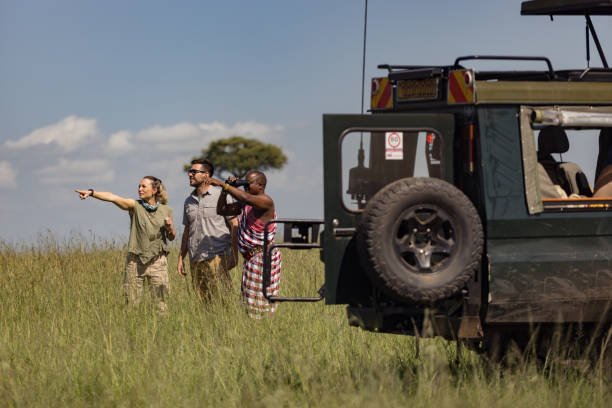
Which Local Tanzania Safari Companies Are Trustworthy In ? 2026-2027
Choosing a trustworthy local Tanzania safari company is crucial for a memorable and safe adventure. This guide helps you identify reliable operators for your 2026-2027 trip, covering...
View package detailsHow Far In Advance Should You Book A Tanzania Safari? Your Planning Guide
Securing your dream Tanzania safari requires strategic planning. This comprehensive guide details the optimal booking timeline for 2026-2027, considering peak seasons, lodge availability...
View package detailsHow Much Should I Tip My Safari Guide In Tanzania? Your 2026-2027
Understand the tipping culture for safari guides and staff in Tanzania. This guide provides clear, actionable recommendations for tipping your safari crew in 2026-2027, covering guides...
View package detailsPrivate Safari Vs Group Tanzania — Which Is Better? 2026-2027
Private safari vs group safari Tanzania — which is better? is explained with current 2026-2027 planning, price, itinerary and booking information.
View package details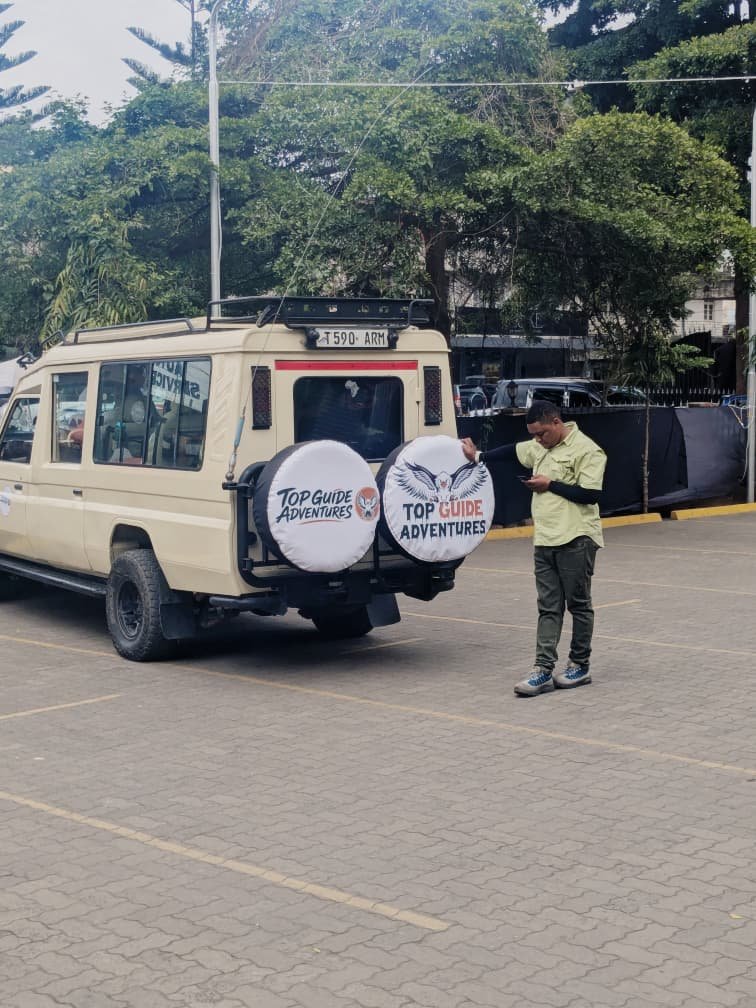
Is A Group Joining Safari In Tanzania Worth It? 2026-2027
Is a group joining safari in Tanzania worth it? is explained with current 2026-2027 planning, price, itinerary and booking information.
View package details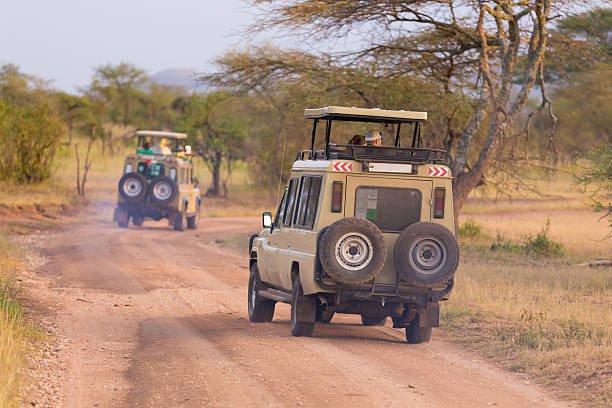
Tanzania Safari For Great Migration: Which Tour To Book In 2026-2027
Planning to witness the Great Migration in Tanzania? This guide helps you choose the perfect safari for 2026-2027, detailing the best parks, timing, and tour options for an unforgettable...
View package details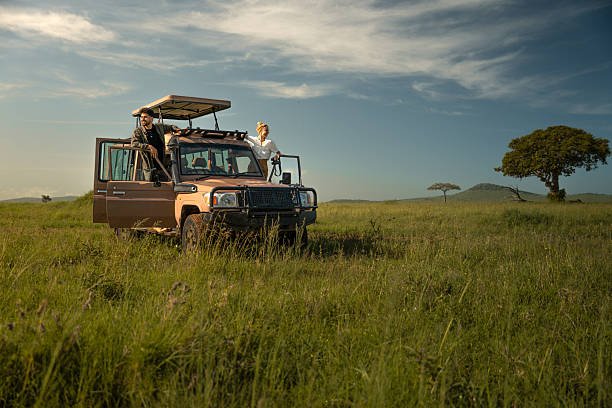
Three Days For Safari In Tanzania: Where To Go An Unforgettable Experience
If you have just three days for a safari in Tanzania, the most recommended destinations for a concentrated and rewarding wildlife experience are the Ngorongoro Conservation Area and...
View package details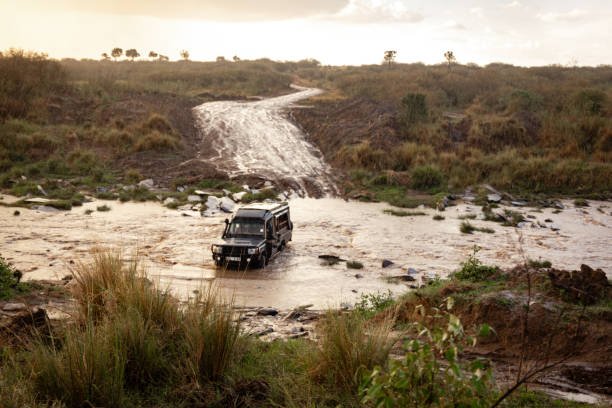
Combine Safari And Zanzibar With A $3,000 Per Person Tanzania Budget 2026-2027
Explore how to effectively combine a classic Tanzania safari experience with the tropical allure of Zanzibar, all while adhering to a $3,000 per person budget. This guide covers essential...
View package details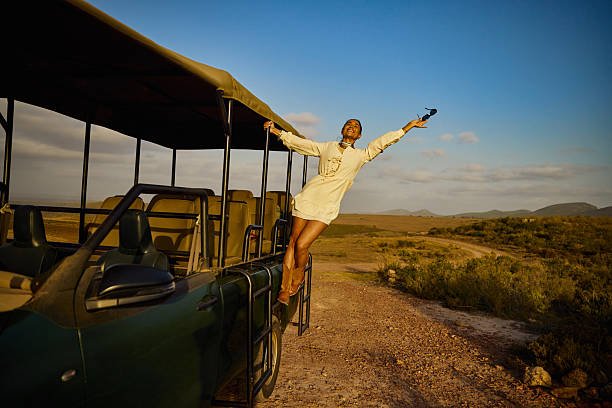
Tanzania Safari Under $2,000 Per Person: Your Dream Itinerary For 2026-2027
Explore Tanzania's incredible wildlife and landscapes on a safari designed for a $2,000 per person budget. We outline the best routes, durations, and what to expect for your 2026-2027...
View package details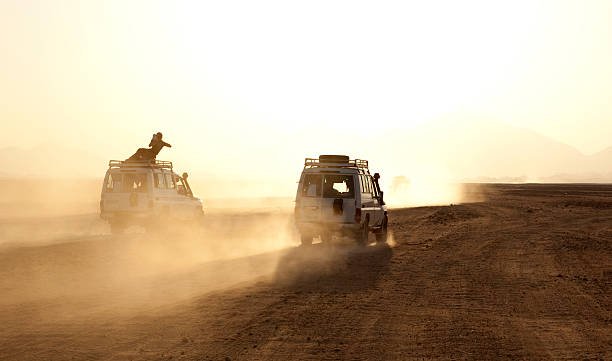
Solo Travel To Tanzania: Can I Join A Safari Group? 2026-2027
Planning a solo safari adventure in Tanzania? Discover how you can join an existing group tour, making your journey more affordable and social. Top Guide Adventures provides excellent...
View package detailsNo related package matches those filters. Clear one or more filters to see the other topic-matched options.
Plan your Hidden Safari Parks in Northern Tanzania with Top Guide Adventures
Tell us your travel dates, group size, comfort level, and dream experience. We will help you shape a clear, realistic, and memorable Tanzania itinerary.



