
Updated planning guide for 2026-2027
Hidden Cultural Routes In West Africa: Complete Guide 2026-2027
Explore the less-traveled paths of West Africa and uncover its rich cultural heritage. This guide provides practical advice for planning your 2026-2027 adventure.
WhatsApp +255616946642 | topguideadventures@gmail.com | info@topguideadventures.com
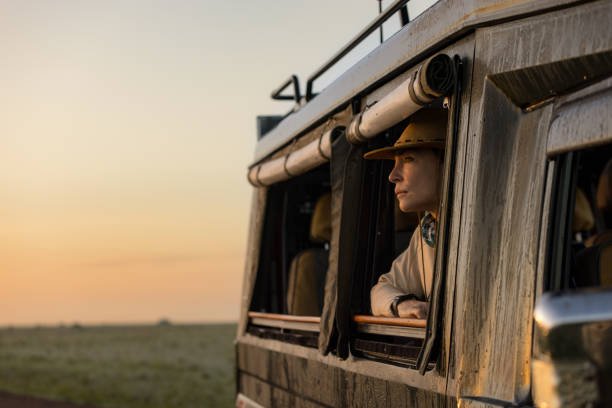
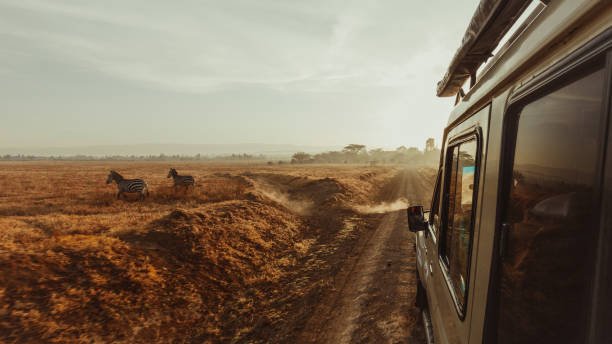
Hidden Cultural Routes in West Africa: Your Comprehensive Guide
West Africa is a region brimming with vibrant cultures, ancient traditions, and captivating histories. While iconic destinations draw many visitors, a wealth of hidden cultural routes in West Africa offer a more intimate and authentic travel experience. These paths lead to remote villages, significant historical sites, and unique artistic expressions often overlooked by mainstream tourism. This guide is designed for the curious traveler seeking to connect deeply with the soul of West Africa, providing practical planning details for journeys in 2026 and 2027.
Quick Answer: What are Hidden Cultural Routes in West Africa?
Hidden cultural routes in West Africa refer to less-publicized, often community-led or niche tourism circuits that highlight specific cultural practices, historical events, artistic traditions, or natural landscapes significant to the region’s heritage. They contrast with mass tourism routes and focus on authentic encounters, local engagement, and in-depth cultural immersion.
| Key Aspect | Details |
|---|---|
| Focus | Authentic cultural experiences, local life, historical sites, traditional arts. |
| Traveler Type | Curious explorers, cultural enthusiasts, history buffs, those seeking off-the-beaten-path adventures. |
| Destinations | Often includes less-visited towns, rural communities, specific ethnic group territories, and historical landmarks. |
| Planning Horizon | Best planned for 2026-2027 to allow for in-depth research and booking. |
| Key Benefit | Deep cultural understanding, unique memories, direct support for local communities. |
Table of Contents
- West Africa’s Cultural Tapestry: An Overview
- Why Explore Hidden Cultural Routes?
- Best Time to Explore Hidden Cultural Routes (2026-2027)
- Potential Hidden Cultural Routes in West Africa
- Illustrative Route: The Ashanti Heritage Trail (Ghana)
- Step-by-Step Planning for Your Journey
- What to Expect on Hidden Cultural Routes
- Essential Inclusions and Packing for Cultural Journeys
- Common Mistakes to Avoid
- Who Are Hidden Cultural Routes Best For?
- Alternatives to Consider
- Planning for 2026-2027: Key Considerations
- Booking Your Authentic West African Adventure
- Frequently Asked Questions
West Africa’s Cultural Tapestry: An Overview
West Africa is a vast and diverse region, home to over 400 ethnic groups, each with distinct languages, traditions, and social structures. This incredible diversity has given rise to a rich cultural landscape shaped by centuries of trade, migration, empires, and colonial influence. From the ancient kingdoms of Mali and Ghana to the vibrant art scenes of Senegal and the spiritual traditions of Benin, the region offers profound insights into human history and contemporary life.
Exploring hidden cultural routes in West Africa means venturing beyond the well-trodden paths. It’s about seeking out the places where traditions are most vibrantly alive, where historical narratives are preserved in local lore and architecture, and where everyday life offers a window into unique social customs. These routes often focus on specific cultural elements: the Dogon people’s unique architecture and cosmology in Mali, the slave forts and their poignant histories along the coast of Ghana and Senegal, the voodoo traditions of Benin and Togo, or the intricate textile arts found across many countries.
Understanding the nuances of these routes requires a willingness to engage, observe, and learn. It’s a journey that rewards patience and respect, offering experiences that resonate long after you’ve departed.
Why Explore Hidden Cultural Routes?
The allure of hidden cultural routes lies in their ability to provide an experience that is both deeply personal and genuinely impactful. Unlike more commercialized tourist trails, these routes offer:
- Authenticity: Direct interaction with local communities, participating in or observing daily life, and understanding traditions from the source.
- Deeper Understanding: Moving beyond superficial observations to grasp the historical context, social structures, and spiritual beliefs that shape West African cultures.
- Unique Experiences: Witnessing ceremonies, learning traditional crafts, tasting local cuisines prepared with age-old methods, and visiting sites of historical significance that are not widely promoted.
- Support for Local Communities: Many hidden routes are developed and managed by local initiatives, ensuring that tourism revenue directly benefits the people preserving these cultural heritages.
- Personal Growth: Navigating less-familiar territories fosters adaptability, broadens perspectives, and builds a more profound appreciation for cultural diversity.
- Escape the Crowds: Enjoying a more peaceful and intimate travel experience, free from the pressures of mass tourism.
Best Time to Explore Hidden Cultural Routes (2026-2027)
The optimal time for exploring hidden cultural routes in West Africa generally aligns with the dry seasons, as they offer more predictable weather and easier travel conditions. However, specific cultural events and festivals can also dictate the best timing.
| Period | Description | Considerations for 2026-2027 |
|---|---|---|
| November to February (Dry Season) | This is generally the most comfortable period. Cooler temperatures, low humidity, and minimal rainfall make travel pleasant across most of West Africa. Visibility for photography is excellent. | Ideal for general exploration, visiting historical sites, and experiencing rural life without the heat and humidity. Many cultural festivals occur during this period. Plan bookings well in advance for 2026-2027 peak travel. |
| March to May (Hot Season) | Temperatures rise significantly, especially inland. Humidity can also increase towards the end of this period. | Travel can be challenging due to heat. However, fewer tourists may be present. Consider destinations closer to the coast for slightly milder conditions. Research specific local events that might occur. |
| June to October (Rainy Season) | Characterized by heavy rainfall, particularly in the southern coastal regions. Inland areas might experience less intense but more frequent showers. Lush green landscapes. | Travel can be disrupted by heavy rains, making some rural roads impassable. However, this is an excellent time for birdwatching and experiencing the vibrant green scenery. Some specific agricultural festivals might take place. Requires flexibility in itinerary for 2026-2027. |
Note for 2026-2027: Always check the specific climate and festival calendars for the particular countries and regions you intend to visit. Some unique cultural events might only happen during specific months, even if they fall within a less ideal travel season.
Potential Hidden Cultural Routes in West Africa
Identifying and planning for hidden cultural routes in West Africa requires focusing on specific cultural themes or geographical clusters. Here are some examples of areas and themes that can form the basis of such routes:
- The Voodoo Heartland (Benin & Togo): Explore the origins and practice of Voodoo, visiting traditional shrines, attending ceremonies (if respectfully possible), and learning from local practitioners. Routes could connect Ouidah (Benin) with its historical significance, Lomé (Togo) and its vibrant markets, and smaller villages known for specific spiritual practices.
- The Ancient Empires’ Legacy (Mali & Senegal): Trace the history of the great West African empires. This could involve visiting Timbuktu (Mali – requires careful security assessment), Djenne (Mali) with its unique Sudano-Sahelian architecture, and the historical island of Gorée (Senegal) which was a major slave trading post. Focus on the oral traditions, music, and crafts that have survived.
- Textile Traditions Trail (Ghana, Ivory Coast, Burkina Faso): Follow the threads of West African artistry by visiting communities known for specific textile techniques. This could include Kente weaving in Ghana, Bogolan (mud cloth) in Mali and Burkina Faso, and Adinkra symbols. Routes might link artisanal villages and craft centers.
- The Slave Coast History Tour (Ghana & Senegal): A deeply moving journey focusing on the history of the transatlantic slave trade. This involves visiting former slave castles and forts like Elmina and Cape Coast Castle (Ghana) and Gorée Island (Senegal), understanding the historical context, and engaging with memorial sites and local narratives.
- Dogon Country Exploration (Mali): While Timbuktu and Djenne require significant planning, the Dogon region offers a distinct cultural experience with its unique cliff dwellings, animist beliefs, and rich cosmology. Access and safety are paramount considerations.
- The Sahelian Kingdoms (Niger & Northern Nigeria): Explore the cultures of Hausa and Fulani people, historical city-states, and unique desert adaptations. This route often involves nomadic cultures, traditional markets, and Islamic heritage sites. Security and logistical challenges are significant.
When planning for 2026-2027, it is crucial to research the current safety situation for any route, especially those in regions with political instability. Engaging with local guides and reputable tour operators is essential.
Illustrative Route: The Ashanti Heritage Trail (Ghana)
While parts of this route are well-known, focusing on specific cultural elements and lesser-visited villages can transform it into a hidden cultural route. This example highlights how to approach such a journey.
Route Area Overview: Ashanti Region, Ghana
Kumasi (Central Hub) -> Northern Ashanti Villages (Kente Weaving) -> Central Ashanti Villages (Adinkra Symbol Stamping) -> Traditional Ashanti Forts/Shrines (Lesser-known sites) -> Forest Communities (Traditional Medicine/Crafts).
Duration: 7-10 days
Focus: Ashanti Kingdom history, Kente weaving, Adinkra symbols, traditional village life, forest resources.
Itinerary Logic: Start in Kumasi, the capital of the Ashanti Kingdom, to grasp the historical context. Then, move to smaller villages to witness and participate in craft production, and finally, explore more remote areas for deeper immersion.
Sample Itinerary: Ashanti Cultural Immersion (7 Days)
- Day 1: Arrival in Kumasi. Settle in, perhaps visit the Manhyia Palace Museum to understand Ashanti royalty.
- Day 2: Kumasi Cultural Sites. Explore the National Cultural Centre, focusing on the craft workshops. Visit the Kejetia Market for a sensory immersion.
- Day 3: Kente Weaving Villages. Travel to a village like Adanwomase or Bonwire. Spend the day learning about Kente weaving from master weavers. Understand the symbolism and history of different patterns.
- Day 4: Adinkra Symbol Villages. Journey to Ntonso or similar villages. Learn the art of Adinkra symbol stamping using natural dyes and carved gourds. Participate in stamping your own fabric.
- Day 5: Ashanti History & Forest Life. Visit a lesser-known Ashanti stool shrine or a historical site outside Kumasi. Explore a forest community to learn about traditional uses of plants for medicine or crafts.
- Day 6: Community Engagement. Spend time in a village, perhaps assisting with a local project (if arranged), sharing a meal with a family, or attending a local gathering.
- Day 7: Departure. Return to Kumasi for departure or onward travel.
This route emphasizes direct engagement with artisans and communities, offering a hands-on experience of Ashanti culture beyond the main tourist attractions.
Step-by-Step Planning for Your Journey
Planning a trip focused on hidden cultural routes in West Africa requires meticulous preparation. Here’s a structured approach:
Planning Checklist
- Define Your Interests: What specific cultural aspects fascinate you? (e.g., music, crafts, history, spirituality, food). This will help narrow down destinations and routes.
- Country Selection: Based on your interests, choose 1-3 countries. Research their safety, visa requirements, and general accessibility for 2026-2027.
- Identify Potential Routes: Look for community-based tourism projects, cultural festivals, or regions known for specific traditions. Consult with specialized tour operators.
- Research Local Guides & Operators: This is critical. Find reputable local guides or operators who understand the nuances of cultural etiquette and can facilitate genuine interactions. Look for those with experience in community tourism.
- Itinerary Development: Create a flexible itinerary. Factor in travel time between locations, which can be slow. Allow for spontaneous opportunities and cultural immersion.
- Visa & Passport: Ensure your passport is valid for at least six months beyond your travel date and apply for necessary visas well in advance.
- Health Precautions: Consult your doctor or a travel clinic about necessary vaccinations (e.g., Yellow Fever, Hepatitis A, Typhoid) and malaria prophylaxis. Pack a comprehensive first-aid kit.
- Travel Insurance: Secure comprehensive travel insurance that covers medical emergencies, evacuation, and trip cancellation.
- Cultural Etiquette: Research local customs, dress codes, greetings, and taboos for each region you’ll visit. Respect is paramount.
- Language Basics: Learn a few key phrases in the local language(s). This goes a long way in building rapport.
- Connectivity & Finances: Understand mobile network availability. Inform your bank about your travel plans. Carry a mix of cash (local currency) and cards.
- Booking: Book flights, accommodations, and key tours/guides. For hidden routes, flexibility might mean booking some elements upon arrival, but essential services should be secured.
What to Expect on Hidden Cultural Routes
Traveling on hidden cultural routes in West Africa is often a departure from conventional tourism. Be prepared for:
- Slower Pace of Travel: Roads can be rough, and distances may take longer to cover than anticipated. Patience is key.
- Basic Infrastructure: Accommodation might range from comfortable guesthouses to homestays with simpler facilities. Electricity and running water can sometimes be intermittent in more remote areas.
- Unpredictable Schedules: Local transport might not run on a fixed timetable. Cultural events can be fluid and may change without much notice.
- Direct Community Interaction: You will likely be interacting closely with local people. This can involve sharing meals, participating in daily activities, and learning about their lives firsthand.
- Sensory Richness: Expect vibrant sights, sounds, and smells – bustling markets, traditional music, diverse food, and the natural environment.
- Language Barriers: While guides will help, you might encounter situations where communication is challenging. Gestures and a positive attitude are invaluable.
- Cultural Sensitivity Required: You are a guest. Be mindful of local customs, dress modestly, ask permission before taking photos of people, and be respectful of religious sites and practices.
- Flexibility is Essential: Things may not always go according to plan. Embrace unexpected detours and changes as part of the adventure.
Essential Inclusions and Packing for Cultural Journeys
When planning your packing list for hidden cultural routes in West Africa, prioritize practicality, respect, and preparedness.
| Category | Essential Items | Notes |
|---|---|---|
| Clothing | Lightweight, breathable fabrics (cotton, linen). Long-sleeved shirts and trousers (for sun/insect protection and modesty). Modest dresses or skirts for women. Comfortable walking shoes/sandals. A light rain jacket. A scarf or sarong (versatile for sun, dust, or modesty). | Pack neutral colors where possible to blend in. Avoid overly revealing clothing, especially when visiting villages or religious sites. |
| Health & Hygiene | Personal first-aid kit (band-aids, antiseptic wipes, pain relievers, anti-diarrhea medication, motion sickness remedies). Hand sanitizer. Insect repellent (DEET-based). Sunscreen. Any personal medications. Rehydration salts. | Consult your doctor for specific medical advice and vaccinations. Water purification tablets or a filter bottle can be useful. |
| Documents & Money | Passport, visas, flight details, travel insurance policy. Photocopies of all important documents (stored separately). Credit/debit cards and some local currency in cash. | Keep digital copies of documents accessible online. Inform your bank of travel dates. |
| Electronics | Universal travel adapter. Power bank. Camera and extra memory cards. Phone and charger. | Consider a durable phone case. Check power outlet types for your specific destinations. |
| Miscellaneous | Reusable water bottle. Small backpack for day trips. Headlamp or small flashlight. Small gifts for hosts (optional, but appreciated – consider practical items like notebooks, pens, or sweets for children, but avoid giving money directly). Travel-sized toiletries. | Pack light. You may need to carry your luggage yourself at times. |
Common Mistakes to Avoid
To ensure a rewarding experience on hidden cultural routes in West Africa, be aware of potential pitfalls:
- Lack of Research: Not understanding the local culture, customs, or the specific nature of the route can lead to misunderstandings or missed opportunities.
- Over-Scheduling: Trying to fit too much into a short period. This prevents genuine immersion and can lead to stress.
- Ignoring Local Guides: Underestimating the value of local guides. They are essential for navigating cultural nuances, safety, and accessing authentic experiences.
- Disrespecting Customs: Inadvertently offending local people by not adhering to dress codes, greeting protocols, or showing disrespect for sacred sites.
- Photography Issues: Taking photos of people or sacred sites without asking permission. Always seek consent.
- Expecting Western Standards: Being disappointed by infrastructure or service levels that differ from what you are accustomed to. Adaptability is key.
- Not Carrying Enough Cash: Many remote areas and small vendors operate on cash-only basis. ATMs may be scarce.
- Ignoring Safety Advice: Not heeding warnings about specific areas or situations, especially in regions with ongoing security concerns.
- Failing to Learn Basic Phrases: Relying solely on English can limit interaction. A few local words show respect and open doors.
- Bringing Inappropriate Gifts: Giving gifts that are culturally inappropriate or create dependency. Practical, small items are usually best.
Who Are Hidden Cultural Routes Best For?
These types of journeys are ideal for:
- Cultural Enthusiasts: Travelers passionate about understanding different ways of life, traditions, and belief systems.
- History Buffs: Those interested in the deep history of African kingdoms, trade routes, and the impact of colonialism.
- Adventurous Travelers: Individuals who enjoy exploring off-the-beaten-path destinations and are comfortable with less predictable travel conditions.
- Photography Lovers: Those seeking unique subjects, vibrant scenes, and opportunities to capture authentic moments.
- Responsible Tourists: Travelers committed to supporting local communities and engaging with destinations in a sustainable and respectful manner.
- Solo Travelers: Those seeking a rich, immersive experience where local guides can provide safety and cultural context.
- Curious Minds: Anyone eager to learn, ask questions, and gain a deeper appreciation for the world’s diversity.
They are generally less suited for travelers seeking luxury resorts, predictable schedules, or high-speed connectivity at all times.
Alternatives to Consider
If a full immersion into hidden cultural routes feels too intense or doesn’t align with your travel style, consider these alternatives:
- Cultural Hubs with Day Trips: Base yourself in a major city like Dakar (Senegal), Accra (Ghana), or Abidjan (Ivory Coast) and take guided day trips to nearby villages or cultural sites. This offers a taste of local culture with more comfort and predictability.
- Festival-Focused Travel: Plan your trip around a specific major cultural festival (e.g., FESPACO in Burkina Faso for film, or regional traditional festivals). This provides a concentrated cultural experience within a more structured timeframe.
- Heritage Sites with Guided Tours: Focus on UNESCO World Heritage sites like Gorée Island (Senegal), Timbuktu (Mali – security permitting), or the slave forts in Ghana, and use reputable tour operators to explore the surrounding areas.
- Art & Music Tours: Engage with West Africa’s renowned music and art scenes by visiting galleries, attending live music venues, and taking workshops in cities.
- Culinary Tours: Focus on exploring the diverse and delicious West African cuisine through cooking classes, market visits, and food tours in major cities.
These alternatives can provide significant cultural engagement while offering more structure and potentially greater comfort than navigating remote hidden routes independently.
Planning for 2026-2027: Key Considerations
As you look ahead to planning your journey for 2026-2027, several factors are particularly important for exploring hidden cultural routes in West Africa:
- Lead Time: Begin researching and planning at least 9-12 months in advance, especially if you aim for specific festivals or need to secure specialized guides. This lead time is crucial for 2026-2027 travel.
- Flexibility in Itinerary: While you need a plan, build in buffer days. Local conditions, transport, or unexpected invitations can alter schedules.
- Booking Local Expertise: Identify and book with trusted local guides or community-based tourism operators early. Their availability can be limited.
- Visa Requirements: Check visa regulations for your nationality for each country you plan to visit. These can change, so verify closer to your travel dates for 2026-2027.
- Health & Safety Updates: Stay informed about health advisories and security situations in your chosen regions. For instance, travel to certain parts of Mali or the Sahel might require careful assessment of risks in 2026-2027.
- Cultural Calendar: Research festivals and significant cultural events for 2026 and 2027. Attending one can be a highlight, but requires precise timing.
- Sustainable Travel Practices: Consider how your visit impacts local communities. Choose operators committed to sustainability and responsible tourism.
Proactive planning for 2026-2027 will significantly enhance the quality and safety of your cultural exploration.
Booking Your Authentic West African Adventure
Securing the right arrangements is key to a successful trip focused on hidden cultural routes in West Africa. Here’s how to approach booking:
| Booking Element | Advice |
|---|---|
| Tour Operators & Local Guides | Prioritize operators with strong local ties and a proven track record in community tourism. Look for those who emphasize cultural respect and sustainable practices. For hidden cultural routes in West Africa, a specialized operator is invaluable. Contact us for personalized itinerary planning and booking assistance. |
| Accommodations | For authentic experiences, consider local guesthouses, community homestays, or eco-lodges. Book well in advance for popular times or unique stays. |
| Internal Transport | This can range from private vehicles (often necessary for remote areas) to local buses or shared taxis. Your tour operator can advise and arrange this. For 2026-2027 travel, book internal flights if needed early. |
| Tours & Activities | Pre-booking guided tours for historical sites or specific cultural experiences is advisable. For community visits, it’s essential to arrange through a local contact or operator to ensure respectful engagement. |
| Flexibility | While booking is essential, maintain some flexibility. Unexpected opportunities or local circumstances might necessitate itinerary adjustments. Communicate any flexibility needs with your operator. |
| Payment | Understand payment terms. Many local operators may require a deposit and final payment closer to the date. Be prepared for cash payments in some instances. |
Ready to plan your unique West African journey for 2026-2027? Let us help you craft an unforgettable experience exploring the hidden cultural routes in West Africa. We specialize in creating tailor-made itineraries that connect you with the heart of local cultures.
Get in touch:
- WhatsApp: +255616946642
- Email: topguideadventures@gmail.com
- Backup Email: info@topguideadventures.com
Frequently Asked Questions
Common Questions About West African Cultural Routes
Q1: Is it safe to travel on hidden cultural routes in West Africa?
A1: Safety varies by region and country. While many areas are safe for travelers, it’s crucial to research current conditions, heed local advice, and travel with reputable guides. Routes in politically sensitive areas require extra caution. Always check government travel advisories for 2026-2027.
Q2: How do I find authentic local guides?
A2: The best way is through trusted local tour operators, community-based tourism initiatives, or recommendations from other travelers who have explored similar routes. Your tour operator will be instrumental in connecting you with knowledgeable and respectful local guides.
Q3: What is the typical cost of exploring hidden cultural routes?
A3: Costs vary widely depending on the country, duration, level of comfort, and activities. Generally, off-the-beaten-path travel can sometimes be more expensive due to specialized logistics and private guiding, but it offers immense value. Exact pricing for 2026-2027 trips will depend on the finalized itinerary.
Q4: Do I need to speak local languages?
A4: While not strictly necessary, learning a few basic phrases in the local language (e.g., French, Wolof, Twi, Yoruba) is highly appreciated and can significantly enhance your interactions and cultural understanding.
Q5: What are the visa requirements for West African countries?
A5: Visa requirements differ for each country and nationality. Many West African nations require visas, which can often be obtained in advance at embassies or consulates, or sometimes on arrival. Always check the latest regulations for your specific nationality well before your 2026-2027 trip.
Q6: How can I ensure my travel is responsible and ethical?
A6: Choose tour operators committed to sustainability. Respect local customs and traditions, ask permission before photographing people, buy local crafts directly from artisans, and be mindful of your environmental impact.
Q7: What kind of accommodations can I expect?
A7: Accommodations on hidden routes often include comfortable guesthouses, community homestays, or basic hotels. Luxury options are scarce in very remote areas. Expect a focus on authenticity over amenities.
Q8: How much should I budget for local purchases or tips?
A8: Budget for souvenirs, crafts, and tips for guides and drivers. Tipping is customary for good service. Your tour operator can provide guidance on appropriate amounts.
Q9: Can I visit these routes independently?
A9: While possible in some areas, independent travel on hidden cultural routes can be challenging due to language barriers, transportation difficulties, and navigating cultural norms. Using a local guide or operator is highly recommended for a more enriching and safer experience.
Q10: What are the main health concerns for West Africa?
A10: Malaria is a significant concern. Other common health considerations include traveler’s diarrhea, Yellow Fever, Hepatitis A, and Typhoid. Consult a travel clinic for personalized advice and vaccinations for your 2026-2027 travel plans.
Plan Your Journey on Hidden Cultural Routes in West Africa
West Africa offers an unparalleled opportunity for deep cultural immersion. Exploring its hidden cultural routes in West Africa promises a journey filled with authentic encounters, rich history, and vibrant traditions. Whether you are drawn to the spiritual heart of Benin, the historical echoes of ancient empires, or the intricate artistry of its textiles, a well-planned adventure awaits.
Let us help you craft your personalized itinerary for 2026-2027. We work with local experts to ensure your trip is respectful, rewarding, and truly unforgettable. Connect with us to start planning your exploration of West Africa’s most captivating hidden gems.
Contact Us Today:
- WhatsApp: +255616946642
- Email: topguideadventures@gmail.com
- Backup Email: info@topguideadventures.com

How Much Should I Tip My Safari Guide In Tanzania? Your 2026-2027
Understand the tipping culture for safari guides and staff in Tanzania. This guide provides clear, actionable recommendations for tipping your safari crew in 2026-2027, covering guides...
View package details
7 Days In Tanzania: Your Expertly Planned Safari Itinerary For 2026-2027
Discover a perfectly crafted 7-day Tanzania safari itinerary for 2026-2027, designed to maximize wildlife viewing and cultural experiences in the Serengeti and Ngorongoro Crater.
View package details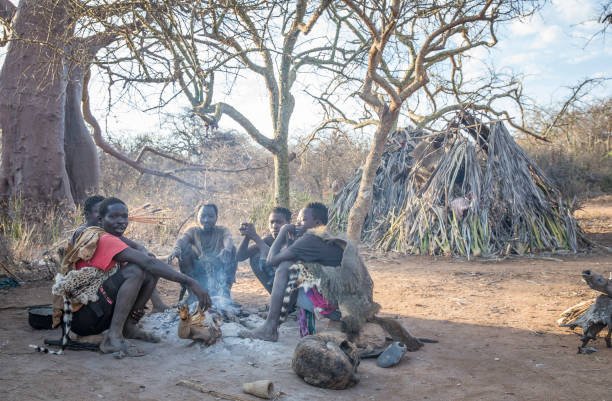
Hadzabe Chaba Lifestyle And His Wife From Arusha 2027-2028
Discover the authentic Hadzabe Chaba lifestyle and the role of their wives, with insights from Top Guide Adventures. Understand their unique hunter-gatherer culture, traditions, and daily...
View package detailsHadzabe Tribe Day Trip Cost From Moshi/Zanzibar 2026-2027
Hadzabe tribe Day trip cost from Moshi/Zanzibar is explained with current 2026-2027 planning, price, itinerary and booking information.
View package detailsHadzabe Tribe Day Trip Cost: 1 Day Tour Price 2026-2027
Planning a day trip to experience the authentic culture of the Hadzabe tribe? This guide breaks down the expected costs for 2026-2027, detailing what influences the price and what you can...
View package details
10-Day Southern Tanzania Safari And Zanzibar Package 2026-2027
Discover the ultimate 10-day Southern Tanzania safari and Zanzibar package, combining the wild heart of Africa with the tropical allure of the Spice Island. This itinerary offers an...
View package detailsNo related package matches those filters. Clear one or more filters to see the other topic-matched options.
Plan your Hidden Cultural Routes in West Africa with Top Guide Adventures
Tell us your travel dates, group size, comfort level, and dream experience. We will help you shape a clear, realistic, and memorable Tanzania itinerary.



