
Updated planning guide for 2026, 2027-2028
Expert Kilimanjaro Mountain Guides: Trekking Guide 2026-2027-2028
Planning your Kilimanjaro climb? Discover why expert Kilimanjaro mountain guides are crucial for your success and safety. This comprehensive guide covers everything from choosing a route and preparing for the trek to understanding costs and booking with a trusted operator for your 2026-2027 adventure.
WhatsApp +255616946642 | topguideadventures@gmail.com | info@topguideadventures.com
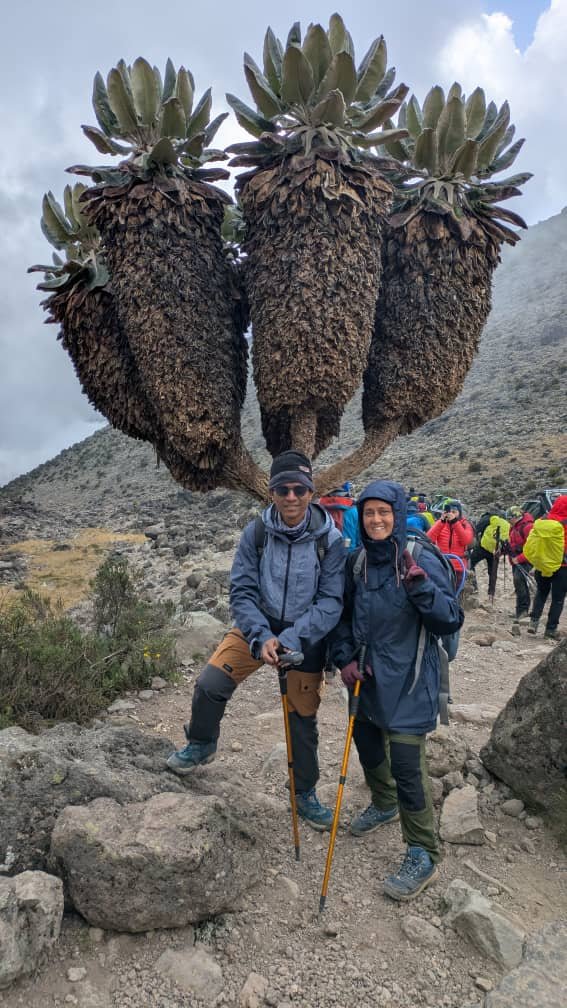
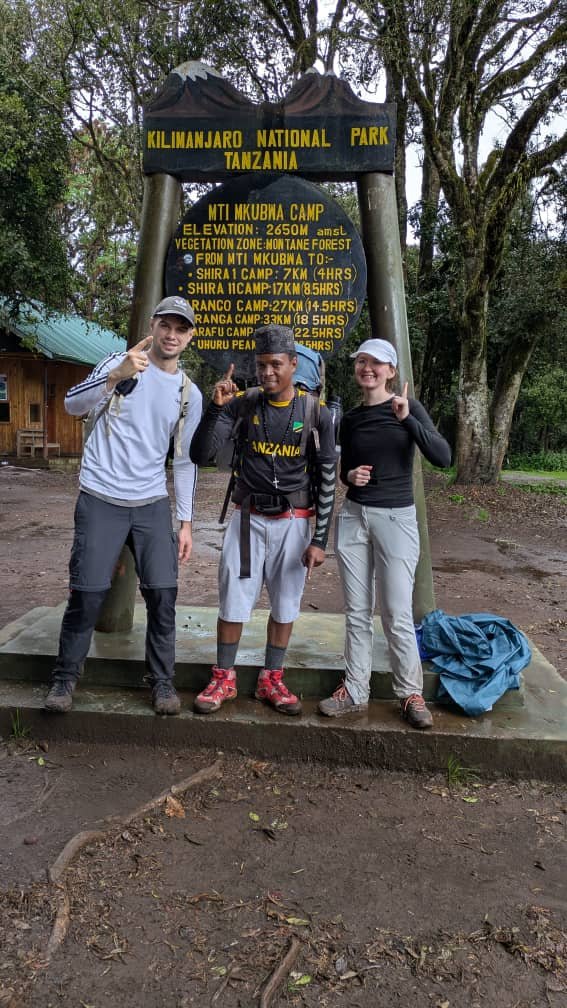
Reaching the Roof of Africa, the summit of Mount Kilimanjaro, is a dream for many adventurers. This iconic dormant volcano, standing at 5,895 meters (19,341 feet), presents a significant challenge and an unparalleled reward. The key to a successful and safe Kilimanjaro climb often lies in the hands of your expedition team, particularly your Expert Kilimanjaro Mountain Guides. These individuals are not just porters or cooks; they are seasoned professionals with extensive knowledge of the mountain, its diverse ecosystems, and the critical principles of high-altitude trekking and safety. Choosing the right guide service, and by extension, the right guides, is the most important decision you will make when planning your climb for 2026 or 2027.
What Defines an Expert Kilimanjaro Mountain Guide?
An Expert Kilimanjaro Mountain Guide is far more than someone who knows the way up. These professionals possess a unique blend of skills, experience, and local knowledge that is critical for a safe and enjoyable ascent. Here’s what sets them apart:
- Extensive Mountain Experience: They have summited Kilimanjaro numerous times, often hundreds. This deep familiarity includes understanding the changing weather patterns, trail conditions, and the mountain’s various microclimates across different seasons and years.
- High-Altitude Physiology Knowledge: Expert guides are trained to recognize the signs and symptoms of Acute Mountain Sickness (AMS), High Altitude Cerebral Edema (HACE), and High Altitude Pulmonary Edema (HAPE). They know how to manage these conditions, including when to descend, which is paramount for climber safety.
- First Aid and Emergency Response Skills: They hold certifications in wilderness first aid or higher medical training and are adept at responding to injuries, illnesses, and other emergencies that can occur in a remote environment.
- Navigation and Route Expertise: While trails are generally well-marked, expert guides can navigate in challenging conditions like fog, snow, or darkness. They understand the nuances of each route, including optimal acclimatization points and potential hazards.
- Team Leadership and Morale: A good guide is also a motivator. They foster a positive team spirit, encourage climbers, and help manage group dynamics, which is vital when facing physical and mental challenges at altitude.
- Environmental Stewardship: Expert guides adhere to and promote Leave No Trace principles, ensuring the mountain’s delicate ecosystem is preserved for future generations. They educate climbers on waste management and responsible trekking.
- Cultural and Local Knowledge: They often have deep roots in the local communities surrounding Kilimanjaro, offering insights into the region’s culture, flora, and fauna, enriching the overall trekking experience.
- Equipment Knowledge: They can advise on appropriate gear and how to use it effectively, from layering clothing to adjusting oxygen saturation monitors.
Why Having Expert Guides is Non-Negotiable
Climbing Kilimanjaro is a serious undertaking, and the role of expert guides cannot be overstated. Their expertise directly impacts your safety, success rate, and overall enjoyment. Here’s why investing in a reputable operator with highly qualified Expert Kilimanjaro Mountain Guides is essential:
- Safety First: This is the most critical factor. Guides are trained to monitor climbers for signs of altitude sickness and other health issues. Their quick and informed decisions can prevent serious emergencies. They understand the subtle changes in a climber’s condition that may go unnoticed by the climber themselves.
- Increased Summit Success Rates: While no guide can guarantee a summit, their experience in acclimatization strategies, pacing, and managing climbers’ well-being significantly increases the chances of reaching Uhuru Peak. They know how to read the mountain and the climbers on it.
- Logistical Mastery: Expert guides and their support teams ensure that all logistical aspects of the trek run smoothly. This includes timely provision of food, water, shelter, and the efficient movement of camp from one point to the next. They handle the complexities so you can focus on climbing.
- Invaluable Local Insight: Beyond the technical aspects of climbing, guides provide a window into the rich culture and natural environment of Kilimanjaro and Tanzania. They can identify plants, explain local customs, and share stories, adding immense depth to your journey.
- Problem Solving: From unexpected weather changes to minor equipment malfunctions or individual climber fatigue, expert guides are adept at problem-solving. Their calm demeanor and practical solutions keep the expedition on track and safe.
- Respect for Regulations: They ensure that the expedition adheres to all park regulations and guidelines set by the Tanzania National Parks Authority (TANAPA), contributing to responsible tourism.
Kilimanjaro Routes: A Guide to Your Ascent Path
Kilimanjaro offers several distinct routes, each with its own characteristics regarding difficulty, scenery, acclimatization profile, and popularity. The choice of route significantly influences the overall trekking experience and, importantly, your success rate. Your Expert Kilimanjaro Mountain Guides will be familiar with all these routes.
Kilimanjaro Route Overview
Northern Circuit: Longest route, excellent acclimatization, highest success rate, scenic.
Lemosho: Popular, good acclimatization, scenic, starts on the western side.
Machame: Very popular, good acclimatization, scenic, often called the “Whiskey Route”.
Marangu: “Coca-Cola Route”, unique hut accommodation, shorter, lower success rate due to poor acclimatization.
Rongai: Starts from the north, drier, good option during rainy seasons, less scenic initially.
Shira: Similar to Lemosho but starts at a higher altitude, less ideal acclimatization.
Umbwe: Steepest, most direct, challenging, requires excellent fitness and acclimatization.
For optimal acclimatization and a higher chance of reaching the summit, routes that offer longer itineraries (7 days or more) are generally recommended. These routes allow your body more time to adjust to the increasing altitude. The Machame Route and Lemosho Route are consistently favored for their excellent acclimatization profiles and stunning scenery. The Northern Circuit, while the longest, boasts the highest success rates due to its superior acclimatization design.
At Top Guide Adventures, we prioritize safety and success. Our recommended itineraries, like our Machame Route group departures, are designed with adequate acclimatization days to maximize your chances of reaching Uhuru Peak.
Best Time to Climb Kilimanjaro in 2026-2027
Kilimanjaro can be climbed year-round, but certain periods offer more favorable weather conditions, making the trek more comfortable and increasing your chances of clear summit views. The mountain experiences two main dry seasons and two rainy seasons.
| Period | Weather Conditions | Pros | Cons |
|---|---|---|---|
| January – February | Dry, warm, clear skies. Often considered the best time. | Excellent visibility, pleasant temperatures, low chance of rain. | Can be busy, especially around holidays. |
| March – May | Long rainy season. Heavy rainfall, fog, and snow at higher altitudes. | Fewer crowds, lower prices (sometimes). | Difficult trekking conditions, reduced visibility, higher risk of AMS due to poor conditions. Not recommended. |
| June – October | Dry season, cooler temperatures, clear skies. Another prime trekking window. | Good visibility, comfortable temperatures, less humid than Jan-Feb. | Can be busy, especially July-August. Nights can be very cold. |
| November – December | Short rainy season. Light to moderate rain showers, usually in afternoons. | Fewer crowds, beautiful green landscapes. | Possibility of rain and fog, though often manageable. |
For your 2026-2027 Kilimanjaro adventure, the dry seasons (June to October and January to February) are highly recommended. If you prefer fewer crowds, consider the shoulder months of early June or late October. The rainy seasons (March to May and November) can be challenging due to weather, though experienced Expert Kilimanjaro Mountain Guides can still lead successful treks if climbers are well-prepared.
Sample Kilimanjaro Itinerary: The Machame Route Experience
The Machame Route is one of the most popular and scenic routes on Kilimanjaro. It offers a good acclimatization profile, especially when trekked over 6 or 7 days. Below is a sample 7-day Machame Route itinerary, designed to balance ascent with acclimatization.
7-Day Machame Route Itinerary
-
Day 1: Machame Gate (1,800m/5,905ft) to Machame Camp (3,050m/10,007ft)
Trek: 11 km / 6.8 miles, 5-6 hours.
Habitat: Rainforest.
Description: After a scenic drive to Machame Gate, you’ll begin your trek through lush rainforest. The trail is steep in places but offers beautiful forest scenery. Your guides will set a slow, steady pace. -
Day 2: Machame Camp to Shira Camp (3,850m/12,631ft)
Trek: 5 km / 3.1 miles, 4-5 hours.
Habitat: Moorland.
Description: Today’s trek is shorter but gains significant altitude. You’ll move from the rainforest into the moorland zone, with expansive views of the mountain. -
Day 3: Shira Camp to Lava Tower (4,600m/15,092ft) to Barranco Camp (3,950m/12,959ft)
Trek: 10 km / 6.2 miles, 6-8 hours.
Habitat: Alpine Desert.
Description: This is a crucial day for acclimatization. You’ll ascend to Lava Tower (4,600m) and then descend to Barranco Camp. This ‘trek high, sleep low’ strategy is vital for your body to adapt to the altitude. -
Day 4: Barranco Camp to Karanga Camp (4,000m/13,123ft)
Trek: 5 km / 3.1 miles, 3-4 hours.
Habitat: Alpine Desert.
Description: A shorter day, but you must conquer the Great Barranco Wall. This challenging scramble is rewarded with stunning views and further acclimatization. -
Day 5: Karanga Camp to Barafu Camp (4,650m/15,256ft)
Trek: 3 km / 1.9 miles, 3-4 hours.
Habitat: Alpine Desert.
Description: The landscape becomes more barren and rocky. You’ll reach Barafu Camp, the base camp for your summit attempt, in the early afternoon, allowing time for rest and preparation. -
Day 6: Summit Day! Barafu Camp to Uhuru Peak (5,895m/19,341ft) and descend to Mweka Camp (3,100m/10,171ft)
Trek: 5 km / 3.1 miles ascent, 12 km / 7.5 miles descent, 7-8 hours ascent, 4-5 hours descent.
Habitat: Arctic.
Description: Starting around midnight, you’ll ascend towards the crater rim via Stella Point, then continue to Uhuru Peak. After celebrating your achievement, you’ll descend back to Barafu Camp for a short rest before continuing down to Mweka Camp. This is the most challenging day. -
Day 7: Mweka Camp to Mweka Gate (1,640m/5,380ft)
Trek: 10 km / 6.2 miles, 3-4 hours.
Habitat: Rainforest.
Description: A pleasant descent through the forest brings you back to Mweka Gate, where you’ll meet your driver for the transfer back to your hotel. Congratulations!
This 7-day itinerary provides a good balance. For even better acclimatization and a higher success rate, consider a 8-day Machame or Lemosho option. Our Machame Route group departures are designed with your safety and success in mind.
What to Expect During Your Kilimanjaro Trek
Trekking Kilimanjaro is an immersive experience that tests your physical and mental endurance. Understanding what to expect can help you prepare and manage your expectations.
- The Environment: You will traverse five distinct ecological zones: Rainforest, Heath/Moorland, Alpine Desert, Arctic, and the Summit. Each zone presents different vegetation, terrain, and weather conditions.
- The Pace: Your Expert Kilimanjaro Mountain Guides will emphasize “pole pole” – Swahili for “slowly, slowly.” This is crucial for acclimatization. Expect a slow, steady pace with frequent short breaks.
- Daily Routine: Days typically involve waking up, breakfast, trekking for several hours, lunch en route, arriving at the next camp, dinner, and an early bedtime. Summit night is an exception, starting around midnight.
- Camping: Most routes involve camping. Tents are provided and set up by the crew. You’ll have a mess tent for meals and a private tent for sleeping. Basic toilet tents are also provided.
- Food: Your expedition team will prepare nutritious and varied meals. Expect a mix of local and international cuisine, including soups, stews, pasta, rice dishes, eggs, and fruits. Hydration is key; water is boiled and purified.
- Altitude Symptoms: It’s normal to experience mild altitude symptoms like headaches, nausea, or dizziness. Your guides are trained to manage these. Severe symptoms require immediate descent.
- Weather: Weather on Kilimanjaro can change rapidly and dramatically. You can experience sunshine, rain, wind, fog, and even snow, often within the same day. Layering your clothing is essential.
- Hygiene: Basic hygiene facilities are provided, including washbasins with warm water at camps. It’s advisable to bring hand sanitizer and wet wipes.
Kilimanjaro Preparation and Packing Essentials
Thorough preparation and appropriate gear are vital for a safe and comfortable Kilimanjaro trek. Your Expert Kilimanjaro Mountain Guides will provide detailed packing lists, but here are the core essentials:
Physical Preparation:
- Cardiovascular Fitness: Focus on activities like hiking, running, cycling, or swimming for at least 3-4 days a week in the months leading up to your trek.
- Strength Training: Incorporate exercises that build leg strength (squats, lunges) and core stability.
- Hiking Practice: The most important preparation is hiking, ideally with a weighted backpack, on varied terrain, and including some uphill sections. Practice on long hikes (4-6 hours).
- Acclimatization Practice: If possible, spend a night or two at a higher altitude before your Kilimanjaro trek to help your body adjust.
Essential Gear Checklist:
- Headwear: Warm hat (wool or fleece), sun hat with a brim, balaclava or neck gaiter.
- Eyewear: Sunglasses (UV protection), goggles (optional for windy conditions).
- Footwear: Broken-in hiking boots (waterproof, ankle support), camp shoes/sandals, warm socks (wool or synthetic, multiple pairs).
- Clothing:
- Base layers (thermal underwear, tops and bottoms, synthetic or merino wool)
- Mid layers (fleece jacket or pullover)
- Insulation layer (down or synthetic insulated jacket)
- Waterproof and windproof outer shell (jacket and pants)
- Hiking trousers (quick-drying, convertible pants are useful)
- T-shirts and long-sleeved shirts (moisture-wicking)
- Warm gloves (waterproof outer, liner gloves)
- Sleeping Gear: Sleeping bag (rated to -15°C to -20°C / 0°F to -4°F), sleeping bag liner (optional, for extra warmth).
- Backpack: Daypack (30-40 liters) for essentials, duffel bag (80-100 liters) for porters.
- Trekking Poles: Highly recommended for stability and reducing knee strain.
- Hydration: Water bottles or hydration reservoir (2-3 liters capacity), water purification tablets or filter (as a backup).
- Health & Hygiene: Personal first-aid kit (band-aids, blister treatment, pain relievers, antiseptic wipes, personal medications), sunscreen (high SPF), lip balm with SPF, insect repellent, hand sanitizer, wet wipes, toothbrush and toothpaste.
- Other: Headlamp or flashlight with extra batteries, camera, power bank, binoculars (optional), gaiters (optional, good for muddy or snowy trails), snacks (energy bars, nuts, dried fruit), plastic bags for waterproofing gear.
Always consult with your tour operator for their specific gear recommendations. Top Guide Adventures provides comprehensive lists to ensure you don’t miss anything crucial.
Common Mistakes to Avoid When Climbing Kilimanjaro
Many trekkers make similar mistakes that can hinder their progress or even lead to an unsuccessful summit bid. Being aware of these pitfalls can help you prepare better and avoid them.
- Inadequate Physical Preparation: Underestimating the physical demands of climbing Kilimanjaro is a common error. Lack of consistent training can lead to fatigue, injury, and difficulty acclimatizing.
- Poor Acclimatization Strategy: Rushing the ascent or not choosing a route with sufficient acclimatization days is a primary cause of altitude sickness. “Pole pole” is not just a saying; it’s a necessity.
- Not Packing Enough Warm Clothing: Summit night is extremely cold, often well below freezing. Insufficient layers or a sleeping bag not rated for the temperatures can lead to hypothermia and a miserable experience.
- Dehydration: Dehydration exacerbates altitude sickness. Many trekkers don’t drink enough water because they don’t feel thirsty or are reluctant to stop to use the restroom. Your guides will emphasize hydration.
- Ignoring Symptoms of Altitude Sickness: Pushing on despite feeling unwell is dangerous. Expert guides are trained to assess symptoms, but climbers must be honest about how they feel.
- Wearing New Boots: Always break in your hiking boots thoroughly before the trek. New boots can cause blisters, making the trek excruciating.
- Choosing the Cheapest Operator: The lowest price often means compromised safety standards, less experienced guides, lower-quality equipment, and inadequate food. Safety and guide quality should be the priority.
- Not Bringing Trekking Poles: Poles significantly reduce strain on your knees and improve balance, especially on descents.
- Poor Hydration System: Water bottles can freeze at high altitudes. Hydration reservoirs can also freeze. Using insulated bottles or keeping the reservoir hose warm is important.
Who is Kilimanjaro Best Suited For?
Kilimanjaro is often perceived as a purely extreme mountaineering challenge, but its accessibility makes it suitable for a surprisingly wide range of individuals. The key is proper preparation and realistic expectations.
- Reasonably Fit Hikers: Anyone who can hike for 5-7 hours a day with some elevation gain can train for Kilimanjaro. The challenge is more about endurance and acclimatization than technical climbing skill.
- Adventurous Individuals: Those seeking a significant physical and mental challenge, a chance to test their limits, and an unforgettable travel experience.
- Travelers Seeking a Unique Achievement: Reaching the summit of Kilimanjaro is a remarkable accomplishment that offers immense personal satisfaction and bragging rights.
- First-Time High-Altitude Trekkers: Kilimanjaro is often a first step into high-altitude trekking because it doesn’t require technical climbing skills and has well-established infrastructure and safety protocols when booked with a reputable operator.
- Those Appreciating Nature and Culture: The diverse ecosystems and the opportunity to interact with local guides and porters offer a rich experience beyond just the climb.
It is important to note that Kilimanjaro is not a walk in the park. While technical skills aren’t required, the altitude, cold, and sustained effort demand respect. Those with pre-existing heart or respiratory conditions should consult their doctor before planning a climb.
Alternatives to Kilimanjaro
While Kilimanjaro is undeniably iconic, other incredible trekking and adventure opportunities exist in Tanzania and beyond, offering different challenges, landscapes, and experiences. If Kilimanjaro isn’t the right fit, consider these options:
- Mount Meru: Located near Kilimanjaro, Mount Meru (4,566m/14,980ft) is a fantastic trekking destination in its own right. It’s often used for acclimatization before a Kilimanjaro climb but is also a challenging trek with stunning views of Kilimanjaro and its surroundings. It offers a more rugged and wilder experience than Kilimanjaro and is ideal for those seeking a serious trek without the extreme altitude.
- Tanzania Safari: For a different kind of adventure, a Tanzania safari offers unparalleled wildlife viewing in iconic parks like the Serengeti, Ngorongoro Crater, Tarangire, and Lake Manyara. This is a perfect complement to a Kilimanjaro climb or a standalone holiday. Explore our Tanzania safari group departures and shared tours for exciting itineraries. You can find more planning tips in our Tanzania safari tours blog.
- Zanzibar Holidays: Combine your adventure with relaxation on the exotic island of Zanzibar. Known for its white-sand beaches, turquoise waters, rich history, and vibrant culture, it’s the perfect place to unwind after a strenuous trek or safari.
- Mount Kenya: Africa’s second-highest mountain, Mount Kenya, offers more technical climbing challenges and breathtaking alpine scenery. Peaks like Point Lenana are accessible to trekkers, while Batian and Nelion require technical mountaineering skills.
- Mount Toubkal, Morocco: Located in the Atlas Mountains, Mount Toubkal (4,167m/13,671ft) is North Africa’s highest peak. It’s a popular trekking destination offering a different cultural experience and challenging but accessible trails.
Your choice depends on your fitness level, desired experience, and time availability. Top Guide Adventures can help you craft the perfect Tanzanian itinerary, whether it’s a Kilimanjaro climb, a thrilling safari, or a relaxing beach holiday in Zanzibar.
Planning Your Kilimanjaro Trek for 2026-2027
Planning a Kilimanjaro trek requires foresight and attention to detail. Starting your planning early, especially for 2026-2027, will ensure you get the best availability, prices, and preparation time.
Timeline for Planning:
- 12+ Months Before: Research tour operators, routes, and best times to climb. Start a basic fitness program.
- 9-12 Months Before: Book your chosen tour operator and dates. This is especially important for peak seasons (Jan-Feb, June-Oct) and for securing preferred departure dates for group tours.
- 6-9 Months Before: Intensify your physical training. Begin researching and purchasing essential gear.
- 3-6 Months Before: Continue training. Finalize your packing list. Consider travel insurance that covers high-altitude trekking and emergency evacuation.
- 1-3 Months Before: Purchase remaining gear. Get any necessary medical check-ups and vaccinations. Practice using your gear.
- 2-4 Weeks Before: Final packing. Ensure all gear is ready. Confirm travel arrangements.
- During the Trek: Trust your Expert Kilimanjaro Mountain Guides, listen to your body, stay hydrated, and enjoy the journey!
Budget Considerations for 2026-2027:
The cost of a Kilimanjaro climb varies significantly based on the tour operator, route duration, and inclusions. While we don’t list exact prices here, consider these factors:
- Operator Type: Budget operators often cut corners on safety, guide training, and equipment. Mid-range to premium operators invest more in experienced guides, better equipment, and higher safety standards, which is crucial for your climb.
- Route Duration: Longer routes (7-8 days) are more expensive but offer better acclimatization and higher success rates.
- Inclusions: What is included? (e.g., park fees, meals, accommodation before/after, equipment rental, oxygen cylinders, emergency evacuation).
- Park Fees: These are a significant portion of the total cost and are set by the government.
- Tips: Tipping the guide, porters, and cook is customary and expected.
- Flights and Visas: These are usually separate costs.
- Personal Gear: Purchasing or renting specialized gear can add to the expense.
When planning for 2026-2027, remember that investing in a reputable operator with qualified Expert Kilimanjaro Mountain Guides is the best way to ensure a safe and successful trek.
Trusted Resources for Your Kilimanjaro Trek
To help you further plan your Kilimanjaro adventure, here are some reliable resources:
- Top Guide Adventures Tanzania: Our website offers detailed information on routes, itineraries, and preparation. We are committed to providing safe and memorable Kilimanjaro expeditions. Visit www.topguideadventures.com for more.
- Kilimanjaro National Park Authority (TANAPA): For official park information and regulations.
- Travel Insurance Providers: Ensure your policy covers high-altitude trekking and emergency medical evacuation.
- Gear Retailers: Reputable outdoor gear shops can provide expert advice on suitable equipment.
- Travel Forums and Blogs: Platforms like TripAdvisor and various travel blogs offer first-hand accounts and tips from fellow trekkers. For traveler feedback, see our TripAdvisor reviews.
Traveler Feedback and Social Proof
Hearing from fellow travelers is invaluable when choosing a tour operator. We are proud of the experiences our clients have had and encourage you to read their stories. Our commitment to safety, quality, and an exceptional trekking experience is reflected in the feedback we receive.
You can find authentic traveler reviews on platforms like TripAdvisor, where clients share their journeys, the professionalism of our Expert Kilimanjaro Mountain Guides, and their overall satisfaction. We also share recent expedition photos and updates on our Instagram page, @top_guide_adventures, giving you a visual glimpse into the adventure.
We believe that transparency and client satisfaction are the cornerstones of a great tour operator. We encourage you to look for reviews that mention guide expertise, safety protocols, team support, and the overall quality of the expedition.
Booking Your Kilimanjaro Expedition
Choosing the right tour operator is as crucial as choosing the right route. At Top Guide Adventures, we are dedicated to providing safe, well-organized, and unforgettable Kilimanjaro expeditions. Our team of Expert Kilimanjaro Mountain Guides is among the best in the industry.
When you’re ready to book your 2026 or 2027 Kilimanjaro climb, here’s how to get in touch with us:
- WhatsApp: Reach out directly at +255616946642 for quick inquiries and booking assistance.
- Email: Send your detailed questions or booking requests to topguideadventures@gmail.com.
- Backup Email: For any email issues, you can also contact us at info@topguideadventures.com.
We will guide you through every step, from selecting the best route and itinerary for your fitness level and goals to providing detailed packing lists and pre-trek advice. We pride ourselves on transparent pricing and clear communication, ensuring you know exactly what to expect. Let us help you plan your dream climb to the Roof of Africa!
Frequently Asked Questions About Kilimanjaro Guides
What qualifications should Expert Kilimanjaro Mountain Guides have?
Answer: Expert Kilimanjaro mountain guides should possess extensive experience climbing Kilimanjaro (hundreds of ascents), wilderness first aid or higher medical certifications, knowledge of high-altitude physiology, navigation skills, and strong leadership abilities. They should also be trained in emergency response and adhere to park regulations and environmental best practices.
How much should I tip my Kilimanjaro guide and crew in 2026-2027?
Answer: Tipping is customary and a significant part of the crew’s income. A general guideline for a 7-day climb is around $20-$25 per day for the lead guide, $15-$20 per day for assistant guides, $10-$15 per day for the cook, and $5-$10 per day for each porter. These amounts are per trekker. It’s best to tip at the end of the trek and to consult your tour operator for specific recommendations.
Can a guide guarantee a summit on Kilimanjaro?
Answer: No guide can guarantee a summit. Reaching Uhuru Peak depends on many factors, including acclimatization, weather, and individual climber health. However, Expert Kilimanjaro Mountain Guides significantly increase your chances of success by managing acclimatization, monitoring your health, and making informed decisions.
What is the most important role of a guide on Kilimanjaro?
Answer: The most critical role is ensuring climber safety. This involves monitoring for altitude sickness, managing emergencies, making decisions about when to proceed or descend, and maintaining team morale and discipline on the mountain.
Do I need a guide to climb Kilimanjaro?
Answer: Yes, it is mandatory to climb Kilimanjaro with a licensed guide. Solo trekking is not permitted by park authorities for safety reasons. You must book your climb through a registered tour operator who will provide your guide team.
How do I choose a reputable Kilimanjaro tour operator for my 2027 climb?
Answer: Look for operators with a proven safety record, experienced and certified guides, positive reviews (check platforms like TripAdvisor), clear communication, and transparent pricing. Avoid operators that seem significantly cheaper than others, as this often indicates compromises in safety or quality.
What happens if I get sick on Kilimanjaro?
Answer: Your Expert Kilimanjaro Mountain Guides are trained to recognize symptoms of altitude sickness and other illnesses. They will assess your condition and recommend appropriate action, which may include medication, rest, or immediate descent. Emergency evacuation procedures are in place for serious cases.
Can guides help with acclimatization?
Answer: Absolutely. Guides are experts in acclimatization strategies. They will ensure you ascend at a slow pace (‘pole pole’), encourage adequate hydration, and monitor your body’s response to altitude. They may also advise on ‘trek high, sleep low’ strategies on certain routes.
Are Kilimanjaro guides local?
Answer: Yes, the vast majority of licensed Kilimanjaro guides are local Tanzanians from communities surrounding the mountain. They possess invaluable local knowledge and experience, making them indispensable members of the expedition team.
What is the difference between a guide and a porter on Kilimanjaro?
Answer: Guides are responsible for the overall safety, navigation, and management of the expedition. Porters carry the bulk of the equipment (tents, food, cooking gear) and assist trekkers with carrying their daypacks if needed. While both roles are crucial, guides have specialized training in high-altitude trekking and medical management.
Having trusted and Expert Kilimanjaro Mountain Guides is the foundation of a successful and safe climb. They are your lifeline on the mountain, your source of knowledge, and your biggest cheerleaders. When planning your 2026-2027 adventure, prioritize choosing a reputable operator that employs the best guides.
Ready to Climb Kilimanjaro with Expert Guides?
Let Top Guide Adventures help you plan your ultimate Kilimanjaro trek. Our experienced team and certified Expert Kilimanjaro Mountain Guides are ready to lead you to the Roof of Africa. Contact us today to discuss your dream climb for 2026-2027!
WhatsApp: +255616946642
Email: topguideadventures@gmail.com
Backup Email: info@topguideadventures.com
Complete Expert Kilimanjaro Mountain Guides Planning Details for 2026- 2027-2028
Expert Kilimanjaro Mountain Guides needs more than a quick description because travelers normally want to understand timing, route logic, comfort level, inclusions, local support, safety, and how the trip fits with the rest of a Tanzania journey. For 2026- 2027-2028, the best plan is to compare the route, travel month, daily pace, accommodation style, and transport arrangement before confirming.
A strong plan should explain where the trip starts, what happens each day, how long transfers may take, what travelers should prepare, and which parts can be customized. This makes the page useful for families, couples, solo travelers, private groups, budget travelers, mid-range guests, and luxury travelers.
Important things to confirm before booking
- Exact starting point and pickup time.
- Accommodation level or day-trip timing.
- Transport type and guide arrangement.
- Park fees, activities, meals, drinking water, and transfers.
- Best travel month for weather, wildlife, trekking, beaches, or photography.
- Payment plan, deposit, cancellation terms, and changes if travel dates move.
Expert Kilimanjaro Mountain Guides Sample Structure and Route Logic
Most travelers choose Expert Kilimanjaro Mountain Guides because they want a clear experience that is easy to understand and simple to book. The structure should feel practical: arrival or pickup, main activity, important stops, relaxed timing, overnight or return plan, and final drop-off. When the topic involves safari, the route should respect park distance and game drive time. When it involves Kilimanjaro, the route should respect acclimatization and safe pacing. When it involves Zanzibar, the plan should balance ocean activities, culture, relaxation, and transfer time.
| Planning Area | What to Check | Why It Matters |
|---|---|---|
| Timing | Season, pickup time, daily pace, and activity duration | Helps avoid rushed travel and gives better value |
| Comfort | Budget, mid-range, luxury, private, or shared style | Matches the trip with the traveler expectation |
| Logistics | Transfers, vehicle, guide, permits, and entry rules | Prevents surprises during the trip |
| Booking | Deposit, availability, route, inclusions, and final balance | Makes confirmation smooth and transparent |
Top Guide Adventures Recommendation
Best Tanzania Tour operator recommends treating Expert Kilimanjaro Mountain Guides as a complete travel plan rather than only a title. A good operator should explain the route, guide support, what is included, what is excluded, how timing works, and what can be adjusted. Travelers can also compare Tanzania safari group departures and shared tours, check Machame Route Kilimanjaro group departures, or read more articles in the Tanzania safari tours blog.
For a more personal look at current trips and field updates, travelers may follow Top Guide Adventures on Instagram, review traveler feedback on Tripadvisor, or visit our another website.
Expert Kilimanjaro Mountain Guides FAQs for 2026- 2027-2028
How early should I book Expert Kilimanjaro Mountain Guides?
Booking early is better for 2026- 2027-2028, especially for high season, family travel, group departures, Kilimanjaro routes, Serengeti safaris, Zanzibar holidays, and private customized tours.
Can this trip be customized?
Yes. The route, accommodation level, pace, pickup point, and add-ons can usually be adjusted depending on availability and the travel dates.
Is Expert Kilimanjaro Mountain Guides suitable for first-time travelers?
Yes, when the itinerary is explained clearly and the guide support is reliable. First-time travelers should ask for a simple day-by-day plan, inclusions, exclusions, and preparation notes.
What should I ask before confirming?
Ask about transport, guide, meals, park or activity fees, accommodation, payment plan, cancellation terms, and what happens if weather or travel timing changes.
Expert Kilimanjaro Mountain Guides Detailed Cost and Value Notes
Cost can change by season, accommodation level, group size, park rules, transfer distance, and activity style. A useful page should explain what usually affects price rather than only giving one short number. Travelers comparing this topic for 2026-2027 should check whether transport, guide, meals, drinking water, accommodation, park fees, permits, and airport transfers are included.
Expert Kilimanjaro Mountain Guides should be explained with enough detail for a traveler to understand the route, timing, comfort level, inclusions, exclusions, preparation, and booking steps. Repeating the focus topic naturally in helpful planning areas makes the article stronger without stuffing keywords.
Expert Kilimanjaro Mountain Guides Best Traveler Type for This Plan
This plan can work for different travelers when the details are adjusted correctly. Families may need softer timing and private transport, couples may prefer better rooms and scenic pacing, group travelers may focus on shared departures and value, while photographers may need more time in key locations.
Expert Kilimanjaro Mountain Guides should be explained with enough detail for a traveler to understand the route, timing, comfort level, inclusions, exclusions, preparation, and booking steps. Repeating the focus topic naturally in helpful planning areas makes the article stronger without stuffing keywords.
Expert Kilimanjaro Mountain Guides Common Booking Mistakes to Avoid
Common mistakes include choosing only by the cheapest price, ignoring transfer time, booking without checking inclusions, using a rushed itinerary, not confirming accommodation names, and failing to ask how changes are handled if flights, weather, or park timing changes.
Expert Kilimanjaro Mountain Guides should be explained with enough detail for a traveler to understand the route, timing, comfort level, inclusions, exclusions, preparation, and booking steps. Repeating the focus topic naturally in helpful planning areas makes the article stronger without stuffing keywords.
Expert Kilimanjaro Mountain Guides What Makes a Strong Itinerary
A strong itinerary has a clear start point, realistic daily timing, enough activity time, transparent inclusions, simple communication, and a guide or operations team that understands local routes. It should also leave space for comfort, photos, meals, and unexpected delays.
Expert Kilimanjaro Mountain Guides should be explained with enough detail for a traveler to understand the route, timing, comfort level, inclusions, exclusions, preparation, and booking steps. Repeating the focus topic naturally in helpful planning areas makes the article stronger without stuffing keywords.
Expert Kilimanjaro Mountain Guides Final Planning Advice for 2026-2027
For 2026-2027, travelers should book early for busy seasons, compare the exact route carefully, ask for written inclusions and exclusions, and choose an operator who can explain the trip in practical language. This helps the page become useful for both planning and booking intent.
Expert Kilimanjaro Mountain Guides should be explained with enough detail for a traveler to understand the route, timing, comfort level, inclusions, exclusions, preparation, and booking steps. Repeating the focus topic naturally in helpful planning areas makes the article stronger without stuffing keywords.
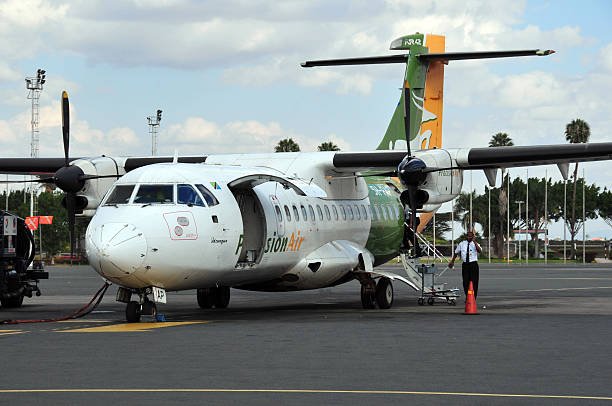
We Are Arriving At Kilimanjaro Airport, What Safari Itinerary Should We Do?
Planning your safari upon arrival at Kilimanjaro Airport (JRO)? This guide provides tailored safari itineraries for 2026-2027, focusing on Northern Tanzania's iconic parks like the...
View package details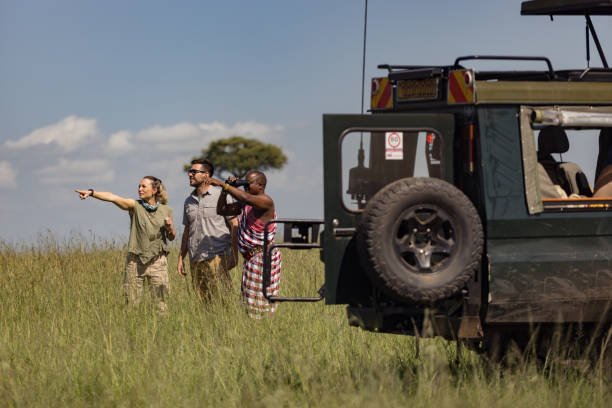
Joining Group Climbs On Kilimanjaro When Traveling Alone In 2026-2027
Traveling to Kilimanjaro alone? Discover how you can easily join an existing group climb, making your solo adventure more social and cost-effective for 2026-2027. Learn about departure...
View package details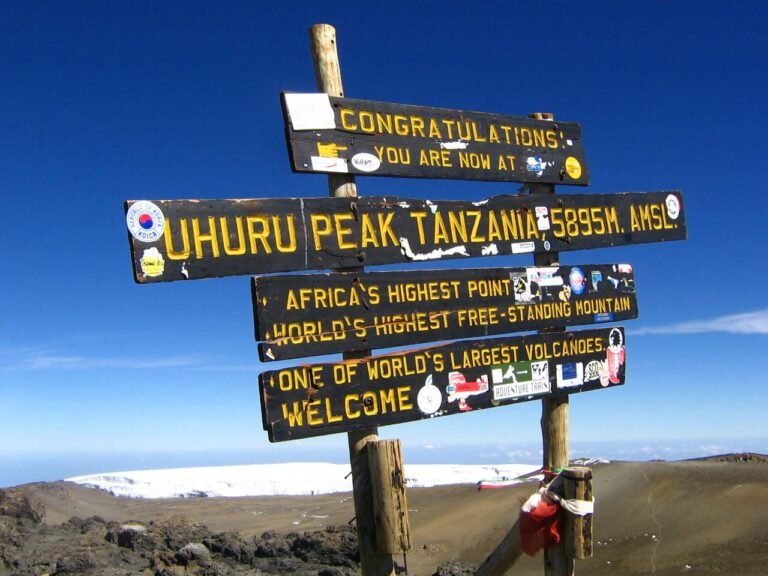
What Does Kilimanjaro Rainforest Look Like? A Trekkers Visual Guide 2026-2027
The Kilimanjaro rainforest is a vibrant, humid zone of dense vegetation, towering trees, and diverse plant life found on the mountain's lower slopes. It's the first major ecosystem trekkers...
View package details
Kilimanjaro Climb With A Personal Support Assistant: Your Ultimate Guide
Climbing Mount Kilimanjaro with a personal support assistant offers unparalleled safety, comfort, and focus on your summit goals. This guide details what a personal assistant entails, its...
View package details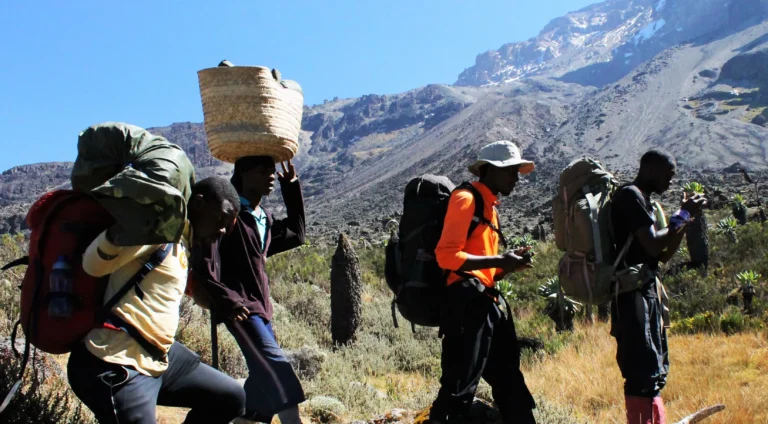
How To Know Whether You Are Ready For Kilimanjaro: A Comprehensive Guide
Climbing Mount Kilimanjaro is a significant undertaking. This guide helps you evaluate your physical, mental, and logistical readiness to ensure a safe and successful trek in 2026 or 2027...
View package details
Kilimanjaro Hydration Mistakes Climbers Make And How To Avoid Them 2026-2027
Proper hydration is critical for a successful Kilimanjaro climb. This guide details common hydration mistakes climbers make, from under-drinking to choosing the wrong fluids, and provides...
View package detailsWhich Local Tanzania Safari Companies Are Trustworthy In ? 2026-2027
Choosing a trustworthy local Tanzania safari company is crucial for a memorable and safe adventure. This guide helps you identify reliable operators for your 2026-2027 trip, covering...
View package detailsNo related package matches those filters. Clear one or more filters to see the other topic-matched options.
Plan your Expert Kilimanjaro Mountain Guides with Top Guide Adventures
Tell us your travel dates, group size, comfort level, and dream experience. We will help you shape a clear, realistic, and memorable Tanzania itinerary.



