
Updated planning guide for 2026-2027
Cultural Immersion Journeys In North Africa: Complete Guide 2026-2027
Discover the rich cultural tapestry of North Africa through immersive journeys. This guide provides practical advice, itinerary ideas, and planning tips for travelers seeking authentic experiences in 2026-2027.
WhatsApp +255616946642 | topguideadventures@gmail.com | info@topguideadventures.com
Cultural Immersion Journeys in North Africa: Your Expert Travel Guide
North Africa offers a profound opportunity for travelers seeking experiences that go beyond the typical tourist path. This region, a crossroads of ancient civilizations and diverse cultures, invites you to connect deeply with its people, traditions, and landscapes. Planning cultural immersion journeys in North Africa requires thoughtful preparation, an open mind, and a desire to understand rather than just observe. This comprehensive guide is designed to help you craft an unforgettable adventure, focusing on authentic interactions and meaningful exploration.
Quick Facts: Cultural Immersion in North Africa
| Region | Morocco, Tunisia, Egypt, Algeria, Libya (limited access) |
|---|---|
| Key Experiences | Medina exploration, Berber villages, desert life, ancient ruins, artisan workshops, culinary tours, local festivals, religious sites |
| Best Time to Visit | Spring (March-May) and Autumn (September-November) for pleasant weather |
| Travel Styles | Independent, small group tours, community-based tourism |
| Language | Arabic (various dialects), Berber languages, French, English (in tourist areas) |
| Currency | Moroccan Dirham (MAD), Tunisian Dinar (TND), Egyptian Pound (EGP), Algerian Dinar (DZD) |
Why Choose North Africa for Cultural Immersion?
North Africa is a treasure trove for those who wish to experience cultures that have evolved over millennia. It’s a region where the past is vividly present, from the Roman ruins scattered across its landscapes to the intricate geometric patterns adorning its architecture. The warmth of its people, the depth of its traditions, and the stark beauty of its deserts and coastlines combine to create a compelling destination for cultural immersion.
Unlike many mass-tourism destinations, North Africa still offers many places where you can interact with locals in genuine ways. Whether it’s sharing mint tea with a family in a desert camp, learning the art of traditional pottery from a craftsman, or participating in the rhythm of daily life in a bustling souk, the opportunities for authentic connection are abundant.
Understanding Cultural Immersion in this Region
Cultural immersion isn’t just about visiting historical sites; it’s about understanding the living culture. This means engaging with local communities, respecting their customs, and seeking to learn from their perspectives. In North Africa, this could involve:
- Spending time in a traditional Riad or Dar, experiencing local hospitality.
- Exploring the labyrinthine medinas of cities like Fes, Marrakech, or Tunis, observing daily life.
- Visiting rural villages to understand traditional agricultural practices or nomadic lifestyles.
- Participating in cooking classes to learn regional culinary secrets.
- Attending local festivals or markets to witness cultural celebrations and commerce.
- Engaging with artisans to learn about crafts like carpet weaving, pottery, or leatherwork.
The key is to approach these experiences with curiosity and respect, recognizing that you are a guest in their home and culture.
Table of Contents
- Quick Facts
- Why Choose North Africa for Cultural Immersion?
- Understanding Cultural Immersion in this Region
- Best Time to Visit for Cultural Journeys
- Popular Destinations for Immersion
- Sample Itinerary Ideas
- What to Expect During Your Journey
- Inclusions, Packing, and Preparation
- Common Mistakes to Avoid
- Who Are Cultural Immersion Journeys Best For?
- Alternatives to North African Cultural Immersion
- Planning Your Trip for 2026-2027
- Booking Your Cultural Immersion Trip
- Frequently Asked Questions
Best Time to Visit for Cultural Journeys
The climate in North Africa varies, but generally, the spring and autumn months offer the most comfortable conditions for exploring its diverse landscapes and cities. These periods avoid the intense summer heat and the sometimes chilly winter temperatures, allowing for more enjoyable outdoor activities and city explorations.
Best Time to Visit North Africa by Season
| Season | Months | Pros | Cons |
|---|---|---|---|
| Spring | March – May | Pleasant temperatures, blooming landscapes, fewer crowds than summer | Can still be cool in desert regions at night |
| Summer | June – August | Hot, ideal for coastal areas, fewer tourists in inland cities | Extreme heat inland, requires careful planning for outdoor activities |
| Autumn | September – November | Warm days, cooler evenings, harvest season, vibrant souks | Rain can start in late November in some areas |
| Winter | December – February | Mild days in coastal areas, cooler in mountains and desert, fewer tourists | Can be cold, especially in mountain and desert areas; some roads may be affected by weather |
For cultural immersion, focusing on spring and autumn is highly recommended. These seasons allow you to wander through bustling medinas, visit historical sites comfortably, and engage in desert excursions without the extremes of heat or cold. Traveling during local festivals, if timed correctly, can offer unparalleled cultural insights, though these periods also see higher visitor numbers.
Popular Destinations for Immersion
While the entire region offers rich cultural experiences, certain destinations stand out for their accessibility and depth of cultural offerings.
Morocco
Morocco is perhaps the most popular destination for cultural immersion in North Africa, offering a vibrant blend of Arab, Berber, and European influences. Its well-established tourism infrastructure makes it accessible for various travel styles.
- Marrakech: Famous for its bustling Jemaa el-Fna square, vibrant souks, and stunning architecture like the Bahia Palace. Stay in a traditional Riad for an authentic experience.
- Fes: Home to the world’s largest medieval medina, Fes el-Bali, a UNESCO World Heritage site. It’s a living museum where you can witness traditional crafts and daily life unchanged for centuries.
- Chefchaouen: The ‘Blue City’ offers a more relaxed pace, with its distinct blue-washed buildings and scenic mountain setting.
- Sahara Desert (Merzouga/Zagora): Experience nomadic life by staying in a desert camp, riding camels, and stargazing under the vast desert sky.
- Atlas Mountains: Visit Berber villages, hike through stunning landscapes, and learn about the indigenous culture of the mountains.
Tunisia
Tunisia offers a rich history, from Phoenician and Roman settlements to Islamic dynasties. It’s known for its beautiful coastline, ancient ruins, and charming towns.
- Tunis & Carthage: Explore the historic medina of Tunis and the ruins of ancient Carthage.
- Sidi Bou Said: A picturesque village with blue and white architecture overlooking the Mediterranean.
- Kairouan: A holy city with a significant Great Mosque, offering a glimpse into traditional Islamic culture.
- Djerba Island: Known for its unique Berber culture, traditional architecture (Dwellings), and vibrant local markets.
Egypt
While often associated with ancient wonders, Egypt also offers deep cultural immersion, particularly along the Nile and in its bustling cities.
- Cairo: Explore the Khan el-Khalili bazaar, visit Al-Azhar Mosque, and experience the vibrant street life.
- Nile River Cruises: Beyond the famous temples, engaging with local communities along the Nile banks offers a different perspective.
- Nubian Villages (Aswan): Experience the unique culture and hospitality of the Nubian people.
Note: Travel to Algeria and Libya for cultural immersion is significantly more challenging due to visa restrictions and safety advisories. These destinations are generally recommended for experienced travelers with specialized logistical support.
Sample Itinerary Ideas
Crafting an itinerary that balances iconic sights with genuine cultural engagement is key. These are conceptual outlines, and custom itineraries can be designed to fit your specific interests and duration.
Morocco: A 10-Day Cultural Immersion
- Days 1-3: Marrakech – Arrive in Marrakech. Explore the Medina, Jemaa el-Fna, Bahia Palace, and Koutoubia Mosque. Participate in a Moroccan cooking class. Stay in a Riad.
- Days 4-5: Atlas Mountains & Berber Villages – Travel to the Atlas Mountains. Visit a traditional Berber village, learn about local life, and enjoy a guided hike. Stay in a guesthouse.
- Days 6-7: Fes – Journey to Fes. Explore the ancient medina, visit tanneries, and witness artisan workshops (pottery, weaving). Stay in a traditional Riad within the medina.
- Days 8-9: Sahara Desert (Merzouga) – Travel towards the Sahara. Experience a camel trek into the Erg Chebbi dunes, enjoy a traditional Berber dinner, and sleep in a desert camp under the stars.
- Day 10: Departure – Travel back towards a major airport (e.g., Marrakech or Casablanca) for departure.
Tunisia: A 7-Day Historical & Cultural Journey
- Days 1-2: Tunis & Sidi Bou Said – Arrive in Tunis. Explore the Medina, visit the Bardo Museum. Day trip to the picturesque village of Sidi Bou Said.
- Day 3: Carthage & El Jem – Visit the ancient ruins of Carthage and the impressive Roman amphitheater at El Jem.
- Day 4: Kairouan – Explore the holy city of Kairouan, its Great Mosque, and traditional carpet weaving centers.
- Days 5-6: Djerba Island – Travel to Djerba. Visit a traditional Djerbian house (Dhaour), explore local markets, and experience the unique island culture.
- Day 7: Departure – Depart from Djerba or return to Tunis for departure.
These are just examples. A longer trip could include more remote areas, extended stays in villages, or specialized workshops. For instance, a 14-day trip might combine Morocco’s imperial cities with a journey to the Sahara and a visit to coastal towns like Essaouira.
What to Expect During Your Journey
Cultural immersion journeys are about authentic experiences, which can sometimes differ from highly polished tourist offerings. Be prepared for:
- Varying Comfort Levels: Accommodation can range from luxurious Riads to simple guesthouses or desert camps. Embrace the differences.
- Sensory Richness: The sights, sounds, and smells of North African cities and markets can be intense but are part of the experience.
- Pace of Life: Things may move at a different pace than you’re accustomed to. Patience and flexibility are essential.
- Interactions: You will likely be approached by locals, especially in markets. A polite but firm ‘no thank you’ is usually sufficient if you’re not interested. Genuine interactions often stem from shared interests or respectful curiosity.
- Food: Be adventurous with local cuisine. It’s a significant part of the culture. Stick to bottled water and be mindful of food hygiene.
- Dress Code: While tourist areas are often relaxed, dressing modestly (covering shoulders and knees) is respectful, especially when visiting religious sites or rural communities.
Inclusions, Packing, and Preparation
When booking a guided cultural immersion tour, understand what is typically included. For independent travel, this is what you’ll need to arrange.
Typical Inclusions in Guided Cultural Tours
| Category | Details |
|---|---|
| Accommodation | Hotels, Riads, Guesthouses, Desert Camps (as per itinerary) |
| Transportation | Private vehicle with driver, airport transfers, camel treks |
| Guides | Local, English-speaking guides for city tours and excursions |
| Meals | Breakfast daily, some lunches and dinners (especially in remote areas or desert camps) |
| Activities | Entrance fees to specified sites, cooking classes, workshops (if included) |
| Support | 24/7 local support |
Packing Essentials for Cultural Immersion
- Lightweight, breathable clothing: Long sleeves and trousers are good for sun protection and modesty.
- Scarf or Shawl: Versatile for sun protection, warmth, or covering up when needed.
- Comfortable walking shoes: Essential for exploring medinas and historical sites.
- Sunscreen, hat, and sunglasses: The sun can be strong.
- Reusable water bottle: Stay hydrated and reduce plastic waste.
- Basic first-aid kit: Including any personal medications.
- Adapter and power bank: For electronics.
- Small backpack: For day trips.
- Camera: To capture memories.
- Journal: To record your thoughts and experiences.
Preparation
- Learn a few basic phrases: ‘Hello’ (Salaam Alaikum), ‘Thank you’ (Shukran), ‘Please’ (Min Fadlik) in Arabic or French can go a long way.
- Research local customs: Understand greetings, tipping etiquette, and photography norms.
- Stay informed about local news: Especially regarding safety and any cultural sensitivities.
- Vaccinations and Health: Consult your doctor about recommended vaccinations and health precautions.
Common Mistakes to Avoid
To ensure a smooth and enriching experience, be aware of these common pitfalls:
- Being too rigid with plans: North African travel can involve unexpected delays or changes. Embrace flexibility.
- Not dressing modestly: Especially outside major tourist hubs, respectful attire is important.
- Ignoring local customs: A little effort to understand and respect local ways can significantly enhance interactions.
- Being overly suspicious: While it’s wise to be aware of scams, a constant state of suspicion can prevent genuine connections.
- Not trying the local food: Food is a vital part of culture. Be open to trying new dishes.
- Taking photos without asking: Always seek permission before photographing people, especially women and children.
- Not budgeting for extras: Souvenirs, tips, and spontaneous purchases can add up.
- Over-scheduling: Allow time for spontaneous exploration and relaxation.
Who Are Cultural Immersion Journeys Best For?
Cultural immersion journeys in North Africa are ideal for:
- Curious Travelers: Those eager to understand different ways of life, history, and traditions.
- Independent Explorers: Travelers who enjoy venturing off the beaten path and seeking authentic experiences.
- Lifelong Learners: Individuals who see travel as an educational opportunity.
- Adventurous Eaters: Those who love exploring new cuisines and culinary traditions.
- Photographers: The region offers incredible visual opportunities, but requires sensitivity.
- Those seeking authentic connections: Travelers who want to meet local people and learn from their perspectives.
These trips are less suited for those seeking a purely relaxing beach holiday or those who prefer highly structured, predictable environments with minimal interaction.
Alternatives to North African Cultural Immersion
If North Africa doesn’t align with your current travel aspirations, similar cultural immersion experiences can be found in other regions:
- East Africa (e.g., Tanzania): While known for safaris, Tanzania offers rich cultural interactions with communities like the Maasai, Hadzabe, and Datoga. This is an area where we specialize, offering unique opportunities to connect with local life beyond the wildlife.
- Southeast Asia (e.g., Vietnam, Cambodia, Laos): These countries offer ancient traditions, vibrant street life, rich spiritual practices, and opportunities to engage with rural communities.
- South America (e.g., Peru, Bolivia): Explore ancient Inca heritage, vibrant indigenous cultures, and unique Andean traditions.
- India: A vast country with an incredibly diverse range of cultures, religions, and traditions, offering profound immersion opportunities.
Each region offers a distinct cultural flavor, but the core principle of seeking genuine understanding and connection remains the same.
Planning Your Trip for 2026-2027
Planning ahead is crucial for a successful cultural immersion trip, especially if you’re looking at dates in 2026 or 2027. Early planning allows for better availability, especially for unique accommodations or specialized tours.
2026-2027 Cultural Immersion Planning Checklist
- Define Your Interests: What aspects of culture are you most interested in (e.g., history, food, crafts, daily life)?
- Choose Your Destination(s): Morocco, Tunisia, or Egypt? Consider your priorities.
- Determine Travel Dates: Aim for spring (March-May) or autumn (September-November) for best weather. Check for local festivals.
- Decide on Travel Style: Independent, small group tour, or a custom-designed trip?
- Set a Budget: Factor in flights, accommodation, activities, food, and personal expenses.
- Book Flights: Aim to book international flights 6-9 months in advance for 2026-2027 travel.
- Research & Book Tours/Guides: For deep immersion, reputable local guides or tour operators are invaluable. Book 6-12 months in advance for popular operators or custom trips.
- Arrange Visas: Check visa requirements for your nationality well in advance.
- Book Accommodation: Especially unique Riads or guesthouses, book 3-6 months ahead.
- Health & Vaccinations: Consult your doctor 4-6 months before departure.
- Travel Insurance: Purchase comprehensive travel insurance covering medical emergencies and trip cancellations.
- Learn Basic Phrases: Start practicing a few months before your trip.
For 2026-2027, booking popular accommodations and specialized cultural experiences, especially those involving local communities, should be done early. Many local operators offer custom itineraries, allowing you to tailor the experience precisely to your interests.
Booking Your Cultural Immersion Trip
Choosing the right operator is critical for a successful cultural immersion journey. Look for companies that:
- Have local expertise: Deep knowledge of the region and its culture.
- Focus on authentic experiences: Prioritize genuine interactions over staged performances.
- Support local communities: Ensure your travel benefits the people you meet.
- Offer flexibility: Ability to customize itineraries to your interests.
- Provide excellent support: Responsive communication and reliable on-the-ground assistance.
When contacting tour operators for your cultural immersion journeys in North Africa, be specific about your interests. Ask about the opportunities for genuine interaction with local people, the types of accommodations they use, and the guides’ qualifications.
For tailored cultural immersion experiences in North Africa, or if you’re looking to combine these experiences with other adventures in East Africa, we at Top Guide Adventures are here to assist. We specialize in creating authentic journeys that connect you with the heart of a destination.
Contact us to start planning your 2026-2027 adventure:
WhatsApp: +255616946642
Email: topguideadventures@gmail.com
Backup Email: info@topguideadventures.com
Frequently Asked Questions
1. Is North Africa safe for cultural immersion trips?
Generally, North African countries like Morocco and Tunisia are safe for tourists, especially when sticking to established routes and using reputable guides. However, like any travel, it’s essential to stay informed about local conditions, be aware of your surroundings, and take standard safety precautions. Avoid displaying wealth and be cautious in crowded areas. Always check your government’s travel advisories for the latest information. For 2026-2027 travel, staying updated is crucial.
2. What is the best way to experience local culture in North Africa?
The best way is through direct interaction. This can involve staying in traditional accommodations like Riads, visiting local markets (souks), taking cooking classes, participating in workshops with artisans, visiting villages, and engaging with local guides who can share insights into daily life and traditions. Openness and respect are key.
3. How much should I budget for a cultural immersion trip?
Costs vary significantly based on the country, duration, accommodation style, and activities. A mid-range trip to Morocco or Tunisia for 7-10 days, excluding international flights, could range from $1500 to $3000+ per person. This includes accommodation, local transport, guided tours, and most meals. Luxury options or extensive custom itineraries will cost more. Planning for 2026-2027, it’s wise to add a small buffer for potential price increases.
4. What are the visa requirements for North African countries?
Visa requirements depend on your nationality. Many nationalities receive visa-free entry or can obtain a visa on arrival for Morocco and Tunisia. Egypt has specific visa requirements. Algeria is more complex. It is crucial to check the official embassy or consulate websites for your specific nationality and the most current regulations well before your 2026-2027 travel dates.
5. Can I travel solo on a cultural immersion journey in North Africa?
Yes, solo travel is very feasible, particularly in Morocco and Tunisia. Many travelers enjoy the independence it offers. However, for deeper immersion and easier logistics, especially in less-traveled areas or for specific cultural experiences, joining a small group tour or hiring a local guide can be highly beneficial. Some women travelers prefer to use local guides for added comfort and security.
6. What kind of cultural etiquette should I be aware of?
Respectful dress is important, especially outside major tourist resorts. Covering shoulders and knees is advisable. Always ask permission before taking photos of people. It’s polite to accept offers of tea or coffee when invited. Learn a few basic Arabic or Berber phrases. Tipping is customary for good service.
7. How important is learning local languages for cultural immersion?
While not strictly necessary, learning a few basic phrases in Arabic (e.g., Moroccan Arabic or Egyptian Arabic) or French can greatly enhance your interactions and show respect for the local culture. In tourist areas, English is often understood, but venturing beyond that will be easier with some local language skills.
8. Are there specific festivals or events that enhance cultural immersion in North Africa?
Yes, timing your trip with local festivals can offer incredible cultural insights. Examples include the Gnawa and World Music Festival in Essaouira (Morocco), the International Festival of the Sahara in Douz (Tunisia), or religious celebrations like Ramadan (observing it requires sensitivity and understanding of local customs during fasting hours). Always research dates for 2026-2027 if interested.
9. What is the difference between a cultural tour and a standard sightseeing tour?
A standard sightseeing tour focuses on visiting popular landmarks and historical sites. A cultural immersion tour goes deeper, aiming to connect travelers with the living culture, local people, and traditions. This involves more interactive experiences, community visits, and understanding the context behind the sights.
10. How can I find authentic local experiences and avoid tourist traps?
Seek recommendations from trusted sources, use local guides who are known for their authenticity, and look for tours that explicitly mention community engagement or focus on traditional crafts and daily life. Be wary of overly aggressive touts or tours that seem too ‘packaged’. Talking to locals (respectfully) can also lead to genuine discoveries.
Ready for Your North African Adventure?
Planning cultural immersion journeys in North Africa is a rewarding endeavor that promises unique insights and unforgettable memories. Whether you envision exploring the ancient medinas of Fes, experiencing the vastness of the Sahara, or connecting with the vibrant life of Marrakech, the region offers a profound cultural experience. We specialize in creating personalized itineraries that focus on authentic interactions and deep cultural understanding.
Let us help you craft your perfect cultural immersion journey for 2026-2027. Contact us today to discuss your interests and preferences.
Reach out to Top Guide Adventures:
WhatsApp: +255616946642
Email: topguideadventures@gmail.com
Backup Email: info@topguideadventures.com

How Much Should I Tip My Safari Guide In Tanzania? Your 2026-2027
Understand the tipping culture for safari guides and staff in Tanzania. This guide provides clear, actionable recommendations for tipping your safari crew in 2026-2027, covering guides...
View package details
7 Days In Tanzania: Your Expertly Planned Safari Itinerary For 2026-2027
Discover a perfectly crafted 7-day Tanzania safari itinerary for 2026-2027, designed to maximize wildlife viewing and cultural experiences in the Serengeti and Ngorongoro Crater.
View package details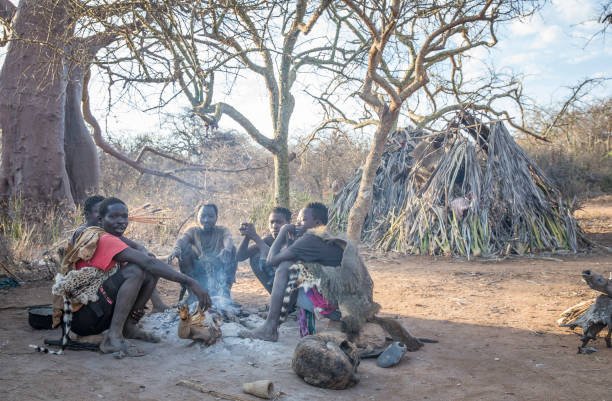
Hadzabe Chaba Lifestyle And His Wife From Arusha 2027-2028
Discover the authentic Hadzabe Chaba lifestyle and the role of their wives, with insights from Top Guide Adventures. Understand their unique hunter-gatherer culture, traditions, and daily...
View package detailsHadzabe Tribe Day Trip Cost From Moshi/Zanzibar 2026-2027
Hadzabe tribe Day trip cost from Moshi/Zanzibar is explained with current 2026-2027 planning, price, itinerary and booking information.
View package detailsHadzabe Tribe Day Trip Cost: 1 Day Tour Price 2026-2027
Planning a day trip to experience the authentic culture of the Hadzabe tribe? This guide breaks down the expected costs for 2026-2027, detailing what influences the price and what you can...
View package details
10-Day Southern Tanzania Safari And Zanzibar Package 2026-2027
Discover the ultimate 10-day Southern Tanzania safari and Zanzibar package, combining the wild heart of Africa with the tropical allure of the Spice Island. This itinerary offers an...
View package detailsNo related package matches those filters. Clear one or more filters to see the other topic-matched options.
Plan your Cultural Immersion Journeys in North Africa with Top Guide Adventures
Tell us your travel dates, group size, comfort level, and dream experience. We will help you shape a clear, realistic, and memorable Tanzania itinerary.



