
Updated planning guide for 2026-2027
Cheapest Safari In Africa: Expert Planning Guide
Discover how to plan and book an affordable safari adventure in Africa without compromising on the experience. This comprehensive guide focuses on finding the cheapest safari options, particularly in Tanzania, with practical advice for 2026-2027 travel.
WhatsApp +255616946642 | topguideadventures@gmail.com | info@topguideadventures.com
Cheapest Safari in Africa: Your Ultimate Planning Guide
Dreaming of witnessing the Great Migration, seeing lions stalk across the savanna, or watching elephants gather at a watering hole, but worried about the cost? You’re not alone. Many travelers believe an African safari is an unattainable luxury. However, with careful planning and insider knowledge, it’s entirely possible to experience an incredible safari adventure without breaking the bank. This guide is dedicated to helping you find the cheapest safari in Africa, focusing on practical strategies, smart choices, and understanding the true value of your travel investment.
We understand that ‘cheapest’ doesn’t mean ‘low quality.’ Our goal is to help you find the best possible value, ensuring your safari is memorable, safe, and deeply rewarding. We’ll explore how to approach your trip planning for 2026 and 2027, focusing on destinations and strategies that offer exceptional experiences at accessible price points. Tanzania, renowned for its iconic parks and diverse wildlife, often provides some of the best opportunities for affordable yet spectacular safaris.
Understanding Safari Costs: What Influences the Price?
Before diving into finding the cheapest options, it’s crucial to understand what makes up the cost of a safari. This knowledge empowers you to make informed decisions and identify areas where savings are possible.
- Park Fees: National parks and game reserves charge daily entrance fees. These can vary significantly between parks and are often a substantial part of the safari budget.
- Accommodation: Lodges, tented camps, and campsites range from basic to ultra-luxury. Budget accommodations, especially public campsites or mid-range lodges, are key to lowering costs.
- Transportation: The type of vehicle (4×4 safari vehicle is standard), fuel, and driver/guide fees contribute to the daily cost. Group travel naturally reduces per-person transport costs.
- Guide Fees: Experienced, knowledgeable guides are essential for a great safari. Their fees are part of the package.
- Duration of Safari: Longer safaris mean more park fees and accommodation nights, increasing the total cost.
- Time of Year: Peak seasons (dry season) are more expensive due to high demand. Traveling during the shoulder or green seasons can offer significant savings.
- Group Size: The more people in your group, the lower the per-person cost for shared expenses like vehicle hire and guide fees.
- Itinerary: Visiting more exclusive or remote parks, or parks with higher entrance fees, will increase the cost. Focusing on well-established circuits can be more economical.
- Inclusions: What’s included in your package (meals, drinks, activities, park fees) affects the price. All-inclusive packages might seem more expensive upfront but can offer better value.
Quick Facts: Affordable Safari Planning
| Aspect | Key to Affordability |
|---|---|
| Destination Focus | Tanzania (Northern Circuit), Kenya (lesser-known parks), Uganda (gorilla trekking on a budget). |
| Travel Season | Shoulder seasons (e.g., March-May, November) or green season (April-May). Avoid peak dry season (June-October). |
| Accommodation Style | Public campsites, budget-friendly lodges, or mid-range tented camps. |
| Group Size | Join a group safari or travel with 4-6 people for cost sharing. |
| Safari Duration | 5-7 days often provide a good balance of experience and cost. |
| Booking Strategy | Book directly with local operators, compare quotes, and be flexible with dates. |
| Itinerary Choice | Focus on well-trodden paths with good wildlife density and accessible parks. |
Finding the Cheapest Safari in Africa: Strategic Approaches
The quest for the cheapest safari in Africa requires a strategic mindset. It’s about maximizing your experience while minimizing unnecessary expenses. Here’s how to approach it:
1. Choose Your Destination Wisely
While many African countries offer incredible safaris, some are inherently more budget-friendly than others. For the cheapest safari experience, consider these options:
- Tanzania: Offers some of the most iconic safari destinations like the Serengeti and Ngorongoro Crater. While luxury options abound, Tanzania also provides excellent value for money, especially when opting for camping safaris or visiting during the green season. The Northern Circuit is popular but can be managed affordably with the right operator.
- Kenya: Similar to Tanzania, Kenya boasts famous parks like the Masai Mara. Budget options exist, often through group tours or by exploring less frequented parks.
- Uganda/Rwanda: If gorilla trekking is a priority, these countries offer it. While permits are expensive, the overall safari package can be more affordable than other activities in more expensive countries. The bulk of the cost here is the permit itself.
- South Africa: Kruger National Park is accessible and offers a range of accommodation, including self-drive options and budget-friendly rest camps. However, for a fully guided experience, other East African destinations might offer better value per wildlife sighting.
For this guide, we’ll focus heavily on Tanzania as it consistently offers a fantastic balance of iconic wildlife, diverse landscapes, and achievable budget options for those seeking the cheapest safari in Africa.
2. Timing is Everything: Shoulder and Green Seasons
This is perhaps the single most impactful factor in securing a cheaper safari. Avoid the peak dry season (typically June to October in East Africa) when demand is highest, and prices reflect that.
- Shoulder Seasons (e.g., March-May, November): You’ll find fewer crowds and lower prices for accommodation and sometimes even park fees. Wildlife viewing is still excellent, though the landscape might be greener.
- Green Season (e.g., April-May): This is often the absolute cheapest time to travel. The landscape is lush and beautiful, birdlife is abundant, and newborn animals appear. While occasional rain showers are possible, they are usually short-lived and don’t typically disrupt game drives. The absence of crowds is a significant bonus.
For 2026 and 2027 travel, consider booking for April, May, or November to get the best value. Always check with your tour operator about specific regional weather patterns and wildlife movements during these times.
3. Embrace Camping Safaris
For the ultimate budget safari, camping is the way to go. This doesn’t mean roughing it in the wilderness (unless you want to!).
- Public Campsites: These are the most basic and cheapest option. You’ll sleep in tents, often with shared facilities (pit latrines, basic showers). The experience is raw and authentic, with campfires and the sounds of the bush around you.
- Tented Camps (Mid-Range): These offer more comfort. You’ll have sturdy safari tents, often with proper beds, en-suite bathrooms (bucket showers or basic flush toilets), and a communal mess tent for dining. This is a popular and excellent value option in Tanzania.
Choosing camping over lodges significantly reduces your accommodation costs, making it a cornerstone of finding the cheapest safari in Africa.
4. Group Travel: Share the Costs
If you’re a solo traveler or a couple, joining a group safari is an excellent way to reduce costs. The price of the safari vehicle, fuel, and guide is split among more people, lowering the per-person rate. Look for operators offering scheduled group departures.
Alternatively, if you’re traveling with friends or family, aim for a group of 4-6 people. This size often optimizes vehicle space and comfort while maximizing cost-sharing benefits.
5. Focus on Value, Not Just Price
The absolute cheapest option might not always be the best. Consider what’s included and the quality of the services.
- Experienced Guides: A great guide can significantly enhance your safari by spotting wildlife you might miss and sharing their knowledge.
- Well-Maintained Vehicles: A reliable 4×4 safari vehicle is crucial for comfort and to avoid breakdowns.
- Quality Meals: Good food can make a big difference to your overall experience.
- Reputable Local Operators: Booking directly with a local Tanzanian tour operator often cuts out middleman markups and ensures your money directly supports the local economy. They have invaluable on-the-ground knowledge.
Look for operators who offer clear itineraries, transparent pricing, and positive reviews, even if they aren’t the absolute cheapest listed. Best Value is the goal for the cheapest safari in Africa.
Sample Itinerary: Affordable Tanzania Northern Circuit Safari (6 Days)
This sample itinerary focuses on the most popular parks of Tanzania’s Northern Circuit, designed for budget-conscious travelers using camping accommodation. This is a common and effective way to experience the highlights affordably.
| Day | Location | Activities & Highlights | Accommodation Type |
|---|---|---|---|
| Day 1 | Arusha | Arrival at Kilimanjaro International Airport (JRO), transfer to Arusha. Briefing with your tour operator. Overnight in Arusha town. | Budget Hotel/Guesthouse |
| Day 2 | Tarangire National Park | Drive to Tarangire. Full day game drive. Known for its large elephant herds and baobab trees. Picnic lunch. | Public Campsite (e.g., Boundary Hill) or Tented Camp |
| Day 3 | Lake Manyara National Park & Karatu | Morning game drive in Lake Manyara, famous for its tree-climbing lions and diverse birdlife. Drive to Karatu area, gateway to Ngorongoro. | Public Campsite (e.g., Simba Campsite) or Tented Camp |
| Day 4 | Ngorongoro Crater | Descend into the Ngorongoro Crater for a full day game drive. High concentration of wildlife, including the Big Five. Picnic lunch inside the crater. | Public Campsite (e.g., Simba Campsite) or Tented Camp |
| Day 5 | Serengeti National Park (Central) | Drive into the Serengeti, stopping at Olduvai Gorge (optional, extra fee). Afternoon game drive in the central Serengeti, renowned for its vast plains and abundant predators. | Public Campsite (e.g., Seronera) or Tented Camp |
| Day 6 | Serengeti to Arusha | Morning game drive in the Serengeti. Drive back to Arusha, with lunch en route. Transfer to JRO for departure or overnight in Arusha. | N/A (Departure) |
Note: This is a sample. The exact itinerary can be customized. For instance, adding a day in the Serengeti or visiting Lake Natron can increase costs but offer different experiences. This 6-day structure is a popular choice for balancing wildlife encounters with budget constraints, making it a prime candidate for the cheapest safari in Africa.
Itinerary Logic for Affordability
This itinerary is designed to be cost-effective by:
- Focusing on Key Parks: Tarangire, Lake Manyara, Ngorongoro, and Serengeti are accessible and offer high wildlife density, maximizing sightings per day.
- Using Camping: Accommodation is budgeted at public campsites or basic tented camps.
- Efficient Travel: The route minimizes backtracking and travel time between parks.
- Standard Duration: 6 days is long enough for a good experience but not so long that costs escalate excessively.
What to Expect on an Affordable Safari
An affordable safari is still an incredible adventure. Here’s what you can realistically expect:
- Wildlife Encounters: You will see wildlife. The Serengeti and Ngorongoro Crater, in particular, offer some of the highest concentrations of animals on Earth. Expect to see elephants, lions, zebras, giraffes, wildebeest, buffalo, and a plethora of other mammals and birds.
- Comfortable, Not Luxurious, Accommodation: Camping means sleeping in tents. Public campsites are basic, with shared facilities. Tented camps offer more comfort with beds and sometimes en-suite facilities. You will be closer to nature, which is part of the charm.
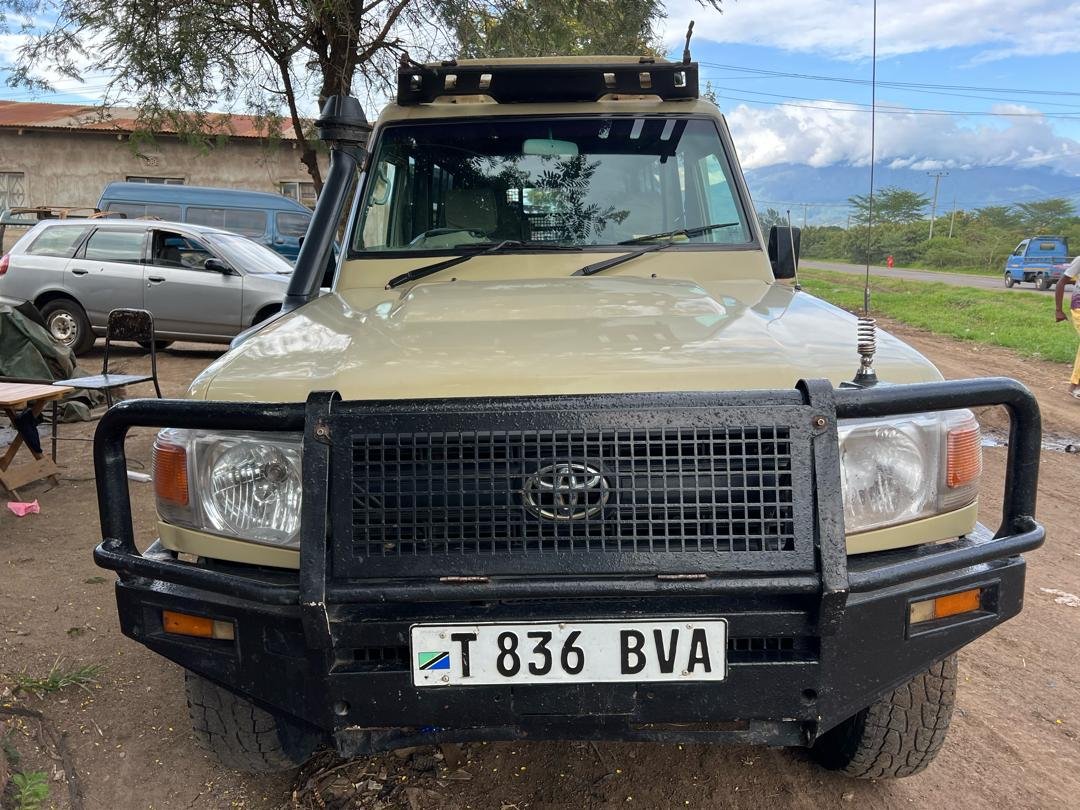
- Reliable Transport: Expect a sturdy 4×4 safari vehicle, essential for navigating park tracks. While not air-conditioned luxury coaches, they are built for purpose and driven by experienced guides.
- Delicious Meals: Most reputable budget operators provide excellent, freshly prepared meals, often cooked by a dedicated safari chef accompanying your group. Think stews, grilled meats, rice, pasta, and fresh salads.
- Expert Guides: Your guide is your window to the bush. They are trained to spot animals, understand animal behavior, and navigate the parks safely.
- Early Mornings: Safaris often start at dawn to catch animals when they are most active. Expect to be up early.
- Longer Drives: Travel between parks can involve several hours of driving on sometimes rough roads. This is part of the adventure and offers chances to see the landscape and local life.
Inclusions and Packing for Your Budget Safari
Understanding what’s included in your safari package and packing smartly are key to a smooth and affordable trip.
Typical Inclusions for Budget Safaris:
- Park entrance fees (for parks listed in the itinerary)
- Accommodation (camping or basic lodges as agreed)
- All meals during the safari (breakfast, lunch, dinner)
- Professional safari driver/guide
- 4×4 safari vehicle with fuel
- Bottled water during game drives
- Airport transfers to/from Arusha
What’s Usually NOT Included:
- International flights
- Visa fees
- Travel insurance (essential!)
- Tips for your guide and cook/staff
- Alcoholic and soft drinks (beyond water)
- Optional activities (e.g., walking safaris, cultural visits, hot air balloon rides)
- Personal expenses
- Pre/post safari accommodation in Arusha (unless specified)
Essential Packing List for an Affordable Safari:
Pack light and smart. Neutral colors are best for safaris to avoid startling animals.
| Category | Items |
|---|---|
| Clothing |
|
| Footwear |
|
| Headwear & Sun Protection |
|
| Health & Hygiene |
|
| Gear & Accessories |
|
Common Mistakes to Avoid When Seeking the Cheapest Safari
To ensure your budget safari is a success and not a disappointment, be aware of these common pitfalls:
- Choosing the Absolute Cheapest Provider Without Research: The lowest price might come with hidden costs, poor service, unreliable vehicles, or unqualified guides. Always check reviews and operator reputation.
- Ignoring Park Fees: Park fees are often fixed. If a quote seems suspiciously low, double-check if park fees are included.
- Not Clarifying Inclusions/Exclusions: A low price might mean very little is included. Understand exactly what you’re paying for (meals, drinks, activities, park fees, accommodation type).
- Booking During Peak Season: This is a surefire way to pay premium prices. Flexibility with dates is key to affordability.
- Expecting Luxury on a Budget: Be realistic. A budget safari means camping or basic lodges. Embrace the rustic charm and focus on the incredible wildlife experience.
- Not Budgeting for Tips: Tips are a significant part of income for guides and staff. Factor this into your overall budget.
- Failing to Get Travel Insurance: This is non-negotiable. Medical emergencies, trip cancellations, or lost luggage can be financially devastating without insurance.
- Not Traveling in a Group: Solo travelers often pay a ‘single supplement’ or a higher per-person rate. Joining a group is more economical.
- Overpacking: Luggage space in safari vehicles is limited. Pack essentials only.
- Not Communicating Needs: If you have dietary restrictions or specific interests, communicate them clearly to your tour operator well in advance.
Who is an Affordable Safari Best Suited For?
The cheapest safari in Africa is not for everyone, but it’s perfect for a specific type of traveler:
- Budget Travelers: Obviously, those with a limited budget who want to experience Africa’s wildlife without spending a fortune.
- Adventure Seekers: Travelers who enjoy a more rustic, close-to-nature experience and don’t mind basic amenities in exchange for incredible wildlife sightings.
- Young Travelers/Backpackers: Those looking for an authentic experience that aligns with a backpacker’s budget.
- Students: Offering an incredible educational and life-changing experience without the prohibitive cost of luxury options.
- Groups of Friends/Family: Sharing costs makes it more accessible for groups who want to travel together.
- Repeat Safari-Goers: Travelers who have experienced higher-end safaris and want to return to Africa on a tighter budget, focusing on the wildlife.
- First-Time Safari Goers on a Budget: Those who want to tick off a safari from their bucket list but need an affordable entry point.
If your priority is maximizing wildlife sightings and experiencing the raw beauty of the African wilderness, and you’re comfortable with simpler accommodation, an affordable safari is an excellent choice.
Alternatives to a Traditional Safari
While our focus is on the cheapest safari in Africa, sometimes exploring alternatives can also offer value or different experiences:
- Self-Drive Safaris (e.g., South Africa): In parks like Kruger, you can rent a car and drive yourself, staying in park-run rest camps. This significantly cuts costs but requires more planning and self-sufficiency.
- Walking Safaris: Often offered in specific areas (like Selous in Tanzania, or parts of Zambia), these focus on the smaller details of the bush and are more about immersion than ticking off the Big Five. They can sometimes be more affordable depending on the operator and location.
- Gorilla/Chimpanzee Trekking Focused Trips: While permits are expensive, the overall cost of a short trip to Uganda or Rwanda focused solely on trekking can be less than a multi-park safari in other countries.
- Budget-Friendly Lodge Stays: Instead of a full safari package, book a few nights at a well-chosen, more affordable lodge or guesthouse near a national park and arrange day trips.
Planning Your 2026-2027 Affordable Safari
Planning ahead is crucial for securing the best deals and ensuring a smooth trip, especially for 2026 and 2027 travel.
Timeline for Booking:
- 12-18 Months Out: If you have specific dates or are traveling during a very popular period (even shoulder season), start researching operators and get initial quotes. For 2026, this is the ideal time to begin.
- 6-12 Months Out: Book your safari. This allows you to secure your preferred operator, dates, and any specific vehicle requests. It also gives you time to save and plan finances. For 2027, this is when you should be actively booking.
- 3-6 Months Out: Confirm all details, arrange international flights, check visa requirements, and consult your doctor about vaccinations and malaria prophylaxis.
- 1-2 Months Out: Finalize payments, purchase travel insurance, and start packing.
Key Planning Considerations for 2026-2027:
- Flexibility is Key: Be open to traveling in the shoulder or green seasons (e.g., April, May, November 2026 or 2027) for the best prices.
- Direct Booking: Contact local Tanzanian tour operators directly. They offer competitive pricing and have unparalleled local knowledge.
- Compare Quotes: Get at least 3-4 quotes from different reputable operators. Ensure they are for comparable itineraries and inclusions.
- Read Reviews: Look for recent reviews on platforms like TripAdvisor, Google, and specialized safari forums. Focus on feedback related to value, service, and reliability.
- Ask Questions: Don’t hesitate to ask potential operators detailed questions about their vehicles, guides, accommodation, and what’s included.
- Consider Group Departures: If you’re flexible, look for operators offering scheduled group safaris for 2026 or 2027. This is often the most cost-effective way for solo travelers or couples.
Booking Your Cheapest Safari in Africa: A Step-by-Step Guide
Ready to book your adventure? Follow these steps to ensure you secure a great deal and a fantastic experience.
Step 1: Research and Shortlist Operators
Identify reputable local tour operators based in Tanzania. Look for companies with strong online presences, clear contact information, and positive customer testimonials. Focus on those specializing in budget or mid-range safaris.
Step 2: Request Detailed Quotes
Contact your shortlisted operators with your desired dates (be flexible if possible), number of travelers, preferred itinerary (e.g., 6-day Northern Circuit camping safari), and accommodation style (public campsite or mid-range tented camp). Ask for a detailed breakdown of what the price includes.
Step 3: Compare Quotes and Services
Don’t just look at the total price. Compare what each quote offers:
- Park fees included?
- Type of accommodation (public camp vs. tented camp)?
- Vehicle type and condition?
- Guide experience and qualifications?
- Number of meals provided?
- Bottled water allowance?
Step 4: Ask Clarifying Questions
If anything is unclear, ask! This is your chance to gauge the operator’s responsiveness and transparency. A good operator will be happy to answer all your questions.
Step 5: Read the Contract/Itinerary Carefully
Once you’ve chosen an operator, review their terms and conditions, cancellation policy, and the final itinerary. Ensure everything you discussed is documented.
Step 6: Make Your Deposit and Confirm
Most operators require a deposit (typically 20-50%) to secure your booking. Pay via bank transfer or PayPal (check for fees). Keep records of all payments.
Step 7: Final Payment and Pre-Trip Information
The remaining balance is usually due 30-60 days before your safari. Your operator should provide a detailed pre-trip information pack, including what to pack, emergency contacts, and final arrangements.
Step 8: Enjoy Your Safari!
You’ve done the hard work. Now, relax and soak in the incredible experience of an African safari.
FAQs About Finding the Cheapest Safari in Africa
Q1: What is the absolute cheapest way to do a safari in Africa?
The absolute cheapest way is typically a camping safari (using public campsites) with a reputable local operator, traveling during the green season (e.g., April-May) with a group of 4-6 people. Booking directly with the operator and avoiding peak times are crucial.
Q2: Can I find a safari for under $100 per day?
It’s challenging but sometimes possible, especially if you join a larger group on a public campsite safari during the green season. However, prices around $150-$250 per person per day for a budget camping safari are more common and realistic for a good experience. This often excludes park fees in some quotes, so always check.
Q3: Is it safe to book a safari with a local Tanzanian company?
Yes, booking directly with local Tanzanian tour operators is often the best way to get value and support the local economy. However, it’s vital to research their reputation, read reviews, and ensure they are licensed and experienced. Companies like ours are dedicated to providing safe and memorable experiences.
Q4: What are the cheapest national parks to visit in Tanzania?
Parks like Tarangire and Lake Manyara can be more affordable than the Serengeti due to lower entrance fees. However, the Serengeti offers unparalleled wildlife density. Ngorongoro Crater has a high daily fee but offers incredible wildlife viewing in a contained area. A good itinerary balances these, and a camping safari makes even these popular parks more accessible.
Q5: Should I book my safari in 2026 or 2027? When is the best time for a budget safari?
For the cheapest safari in Africa, aim for the shoulder seasons (March-May, November) or the green season (April-May) for both 2026 and 2027. These periods offer lower prices and fewer crowds. Traveling in late March or early April 2026, or November 2027, can yield significant savings.
Q6: What’s the difference between a public campsite and a tented camp?
Public campsites are the most basic, often with shared pit toilets and basic showers. Tented camps offer more comfort with proper beds, sometimes en-suite bucket showers or basic flush toilets, and a more permanent structure. Tented camps are more expensive than public campsites but still significantly cheaper than lodges.
Q7: Can I negotiate prices for safaris?
While direct negotiation isn’t always possible with established operators, you can often get better prices by being flexible with your dates, opting for group tours, choosing camping over lodges, and booking directly with local companies. Always ask if there are any special offers or off-season discounts.
Q8: What are the essential items I shouldn’t forget for a budget safari?
Binoculars are crucial for spotting wildlife. A good camera, sunscreen, insect repellent, a hat, a reusable water bottle, a headlamp, and layers of neutral-colored clothing are essential. Don’t forget your passport, visa, and travel insurance documents.
Q9: Is it better to book a safari online or through a travel agent?
Booking directly with a local Tanzanian tour operator online often provides the best value as it cuts out agent commissions. However, ensure the operator is reputable. If you prefer more personalized service or are booking a complex multi-country trip, a specialized safari travel agent can be helpful, but expect to pay a premium.
Q10: What if I want to see the Great Migration on a budget?
The Great Migration happens year-round but moves location. The cheapest time to see it is often during the green season when prices are lower. The central Serengeti is a good bet for year-round sightings, or research the migration’s location during your travel dates and choose a safari that focuses on that area. Camping safaris in the Serengeti are the most budget-friendly way to experience this phenomenon.
Your Affordable African Safari Adventure Awaits!
Finding the cheapest safari in Africa is achievable with the right knowledge and planning. By choosing your timing wisely, opting for budget-friendly accommodation like camping, traveling in a group, and booking directly with experienced local operators, you can experience the magic of the African wilderness without an exorbitant price tag. Tanzania offers an exceptional combination of iconic wildlife, stunning landscapes, and accessible budget options.
We are passionate about helping travelers like you create unforgettable safari memories. Whether you’re planning for 2026 or 2027, we can tailor an affordable safari experience that meets your dreams and your budget. Let us help you craft the perfect adventure, focusing on value, safety, and incredible wildlife encounters.
Ready to Plan Your Dream Safari?
Contact us today to discuss your affordable safari options. We specialize in creating custom itineraries that maximize your experience while keeping costs down.
WhatsApp Us: +255616946642
Email Us: topguideadventures@gmail.com
Backup Email: info@topguideadventures.com
Let’s make your African safari a reality!
What Is The Cheapest Safari From Zanzibar? Your Guide 2026-2027
Find the most affordable safari options departing from Zanzibar for 2026-2027. This guide focuses on cost-effective itineraries, typically to Mikumi and Selous National Parks, balancing...
View package details
Which Tanzania Safari Gives The Best Value For Money? 2026-2027
Which Tanzania safari gives the best value for money? is explained with current 2026-2027 planning, price, itinerary and booking information.
View package details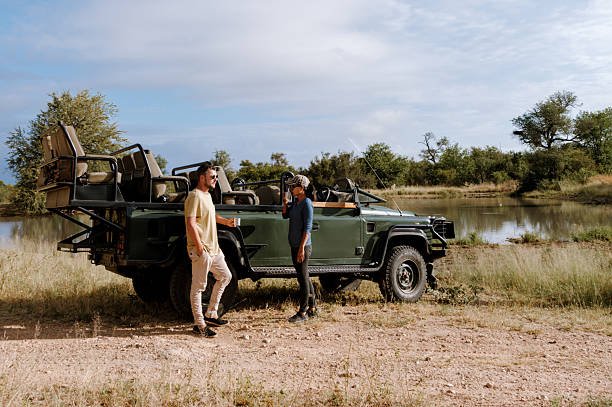
How To Avoid Safari Scams In Tanzania: A Top Guide Adventures Expert 2026-2027
Navigating a safari in Tanzania is a dream for many, but a few precautions can ensure your adventure is scam-free. This guide from Top Guide Adventures provides essential advice for...
View package details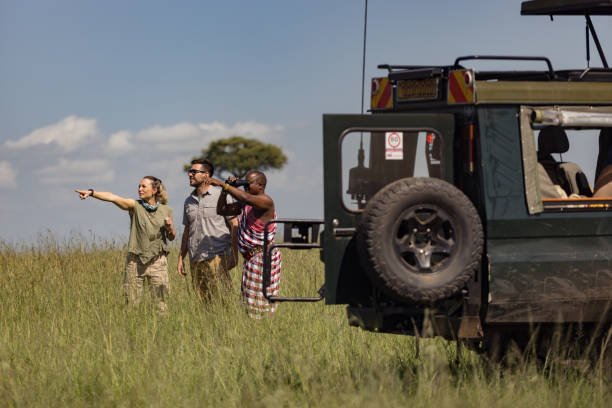
Which Local Tanzania Safari Companies Are Trustworthy In ? 2026-2027
Choosing a trustworthy local Tanzania safari company is crucial for a memorable and safe adventure. This guide helps you identify reliable operators for your 2026-2027 trip, covering...
View package detailsHow Far In Advance Should You Book A Tanzania Safari? Your Planning Guide
Securing your dream Tanzania safari requires strategic planning. This comprehensive guide details the optimal booking timeline for 2026-2027, considering peak seasons, lodge availability...
View package detailsHow Much Should I Tip My Safari Guide In Tanzania? Your 2026-2027
Understand the tipping culture for safari guides and staff in Tanzania. This guide provides clear, actionable recommendations for tipping your safari crew in 2026-2027, covering guides...
View package detailsPrivate Safari Vs Group Tanzania — Which Is Better? 2026-2027
Private safari vs group safari Tanzania — which is better? is explained with current 2026-2027 planning, price, itinerary and booking information.
View package details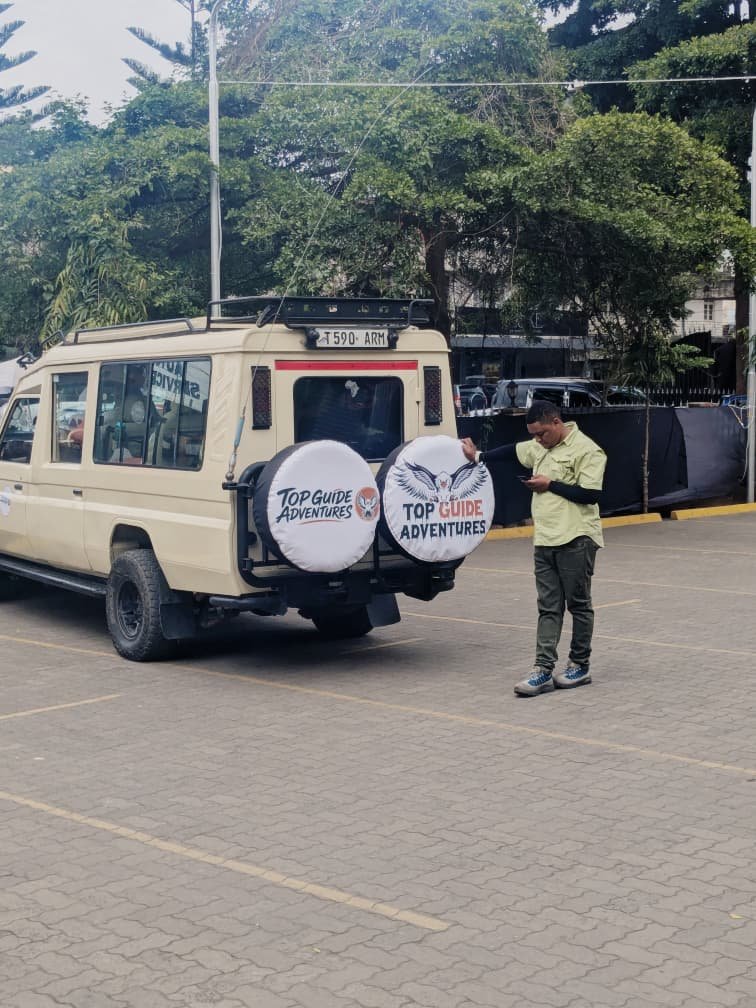
Is A Group Joining Safari In Tanzania Worth It? 2026-2027
Is a group joining safari in Tanzania worth it? is explained with current 2026-2027 planning, price, itinerary and booking information.
View package details
Serengeti And Ngorongoro Safari Without Luxury: Your Options For 2026-2027
Discover how to experience the wonders of the Serengeti and Ngorongoro Crater on a safari that prioritizes incredible wildlife viewing and authentic experiences over luxury accommodations...
View package details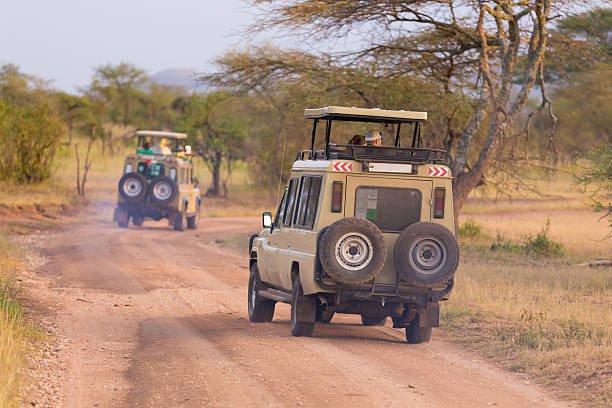
Tanzania Safari For Great Migration: Which Tour To Book In 2026-2027
Planning to witness the Great Migration in Tanzania? This guide helps you choose the perfect safari for 2026-2027, detailing the best parks, timing, and tour options for an unforgettable...
View package details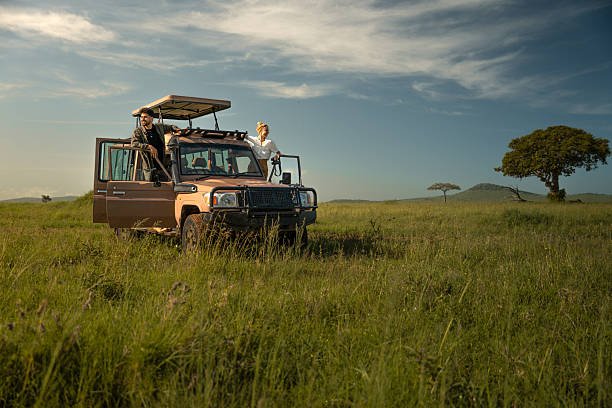
Three Days For Safari In Tanzania: Where To Go An Unforgettable Experience
If you have just three days for a safari in Tanzania, the most recommended destinations for a concentrated and rewarding wildlife experience are the Ngorongoro Conservation Area and...
View package details
We Are Staying In Zanzibar And Want To Do A Short Safari, What Do You
We are staying in Zanzibar and want to do a short safari, what do you recommend? is explained with current 2026-2027 planning, price, itinerary and booking.
View package detailsNo related package matches those filters. Clear one or more filters to see the other topic-matched options.
Plan your cheapest safari in Africa with Top Guide Adventures
Tell us your travel dates, group size, comfort level, and dream experience. We will help you shape a clear, realistic, and memorable Tanzania itinerary.



