
Updated planning guide for 2026, 2027-2028
Chagga Cultural Tour From Moshi: Complete Guide 2026-2027-2028
Explore the rich heritage of the Chagga people with a cultural tour starting from Moshi. This guide covers everything you need to know for an authentic experience in 2026-2027.
WhatsApp +255616946642 | topguideadventures@gmail.com | info@topguideadventures.com
Chagga Cultural Tour From Moshi: Your Complete Tanzania Experience
The Chagga Cultural Tour from Moshi offers a profound connection to one of Tanzania’s most vibrant and historically significant ethnic groups. Nestled on the fertile slopes of Mount Kilimanjaro, the Chagga people have a rich history of agriculture, unique social structures, and a distinct way of life. This tour is more than just a visit; it’s an immersion into their world, providing insights that standard safaris or treks often miss. For travelers seeking authentic cultural experiences in Tanzania, understanding the Chagga people is essential. This guide provides a detailed look at what to expect, how to plan, and why a Chagga cultural tour from Moshi should be a highlight of your 2026 or 2027 trip.
Table of Contents
- Quick Facts About the Chagga Cultural Tour
- What is the Chagga Cultural Tour From Moshi?
- Why Visit the Chagga People? The Cultural Significance
- Best Time to Take a Chagga Cultural Tour From Moshi
- Chagga Cultural Tour Area Overview
- Sample Chagga Cultural Tour Itinerary (1-3 Days)
- What to Expect on Your Tour
- Inclusions, Packing, and Preparation
- Common Mistakes to Avoid
- Who is the Chagga Cultural Tour Best Suited For?
- Alternatives to the Chagga Cultural Tour
- Planning Your Chagga Cultural Tour in 2026-2027
- Booking Your Chagga Cultural Tour: Expert Advice
- Frequently Asked Questions (FAQs)
- Ready to Experience Chagga Culture?
Quick Facts About the Chagga Cultural Tour
| Aspect | Details |
|---|---|
| Primary Location | Slopes of Mount Kilimanjaro, near Moshi, Tanzania |
| Cultural Group | Chagga (also known as Wachagga) |
| Typical Duration | 1 to 3 days, often as a day trip from Moshi |
| Key Activities | Village visits, coffee farm tours, local food tasting, traditional house exploration, storytelling, market visits. |
| Starting Point | Moshi Town |
| Best Season | Dry seasons (June-October, December-February) for easier travel, but cultural activities are year-round. |
| Language | Swahili and Chagga; English is spoken by guides and in tourist areas. |
| Currency | Tanzanian Shilling (TZS); USD often accepted for tour payments. |
What is the Chagga Cultural Tour From Moshi?
A Chagga Cultural Tour from Moshi is an organized excursion designed to introduce visitors to the unique traditions, history, and daily life of the Chagga people. These tours typically depart from Moshi, the gateway town to Mount Kilimanjaro, and venture into the surrounding villages on the mountain’s lower slopes. Unlike a fleeting glimpse, these tours aim for deeper engagement, allowing travelers to interact with local communities, learn about their agricultural practices, understand their societal customs, and appreciate their resilience and ingenuity. The experience often includes visits to coffee plantations, as coffee is a staple crop for the Chagga, tasting local cuisine, exploring traditional homes, and hearing stories passed down through generations. It’s a chance to see life beyond the tourist trail and connect with the human element of Tanzania’s diverse cultural landscape.
Why Visit the Chagga People? The Cultural Significance
The Chagga are one of Tanzania’s largest and most prosperous ethnic groups, renowned for their industrious nature and their sophisticated traditional society. Their history is marked by strong resistance to colonial powers and a remarkable ability to adapt and thrive in their fertile mountain environment. Visiting the Chagga people offers several compelling reasons:
- Rich Agricultural Heritage: The Chagga are master farmers, particularly known for their coffee and banana cultivation. Tours provide a firsthand look at their intricate irrigation systems and sustainable farming methods, developed over centuries to maximize the use of the volcanic soil.
- Unique Social Structure: Historically, Chagga society was organized around a complex system of age-sets and clan lineages, with a strong emphasis on communal living and mutual support. Learning about their traditional governance and social norms offers fascinating anthropological insights.
- Resilience and Innovation: The Chagga have a history of overcoming challenges, from natural adversities to external pressures. Their ability to innovate, particularly in agriculture and trade, has led to a relatively high standard of living compared to many other rural communities in East Africa.
- Distinctive Architecture: Traditionally, Chagga homes were built with thatched roofs and circular mud walls, often featuring underground storage areas or defensive pits. While modern housing is now common, understanding these traditional structures reveals their ingenuity in adapting to their environment.
- Vibrant Traditions and Storytelling: The Chagga have a rich oral tradition, with stories, proverbs, and songs that convey their history, values, and beliefs. Engaging with elders and community members offers a chance to hear these stories directly.
- Gateway to Kilimanjaro: The Chagga are intrinsically linked to Mount Kilimanjaro. Understanding their relationship with the mountain, their reverence for it, and their historical settlements on its slopes adds another layer of appreciation for anyone trekking or visiting the region.
By choosing a Chagga Cultural Tour from Moshi, you gain a deeper appreciation for the human landscape of Tanzania, complementing the natural wonders you might experience elsewhere in the country.
Best Time to Take a Chagga Cultural Tour From Moshi
While the Chagga culture is vibrant year-round, the best time for a Chagga Cultural Tour from Moshi often aligns with Tanzania’s dry seasons, primarily for ease of travel and more pleasant outdoor conditions. However, the specific activities are not heavily dependent on weather.
| Period | Weather | Pros for Tour | Cons for Tour |
|---|---|---|---|
| June to October (Dry Season) | Cooler temperatures, low humidity, minimal rain. | Ideal for walking and exploring villages and farms. Clear skies offer beautiful views of Kilimanjaro. | Can be cooler, especially at higher altitudes. Peak tourist season. |
| November (Short Rains) | Intermittent showers, can be humid. | Fewer tourists. The landscape becomes greener. | Rain can sometimes disrupt travel plans or make paths muddy. |
| December to February (Dry Season) | Warmer temperatures, low humidity, sunny days. | Excellent for outdoor activities. Pleasant temperatures for exploring. | Can be hot, especially in lower areas. Another peak tourist season. |
| March to May (Long Rains) | Heavy and prolonged rainfall, humid. | Very few tourists, potentially lower prices. Lush green scenery. | Significant disruption to travel; muddy roads can be impassable. Some activities might be limited. |
Recommendation for 2026-2027 Travel: The dry seasons (June-October and December-February) are generally recommended for the most comfortable experience. However, if you prefer fewer crowds and don’t mind the possibility of rain, the shoulder months or even the rainy season can offer unique perspectives and more intimate interactions.
Chagga Cultural Tour Area Overview
The Chagga Cultural Tour typically focuses on villages located on the southern and eastern slopes of Mount Kilimanjaro, easily accessible from Moshi. These areas are characterized by lush vegetation, fertile volcanic soil, and a network of small rivers and streams fed by the mountain’s glaciers. The altitude varies, influencing the climate and crops grown.
Key Areas and Villages Often Visited:
While specific villages may vary depending on the tour operator and itinerary, common areas include:
Conceptual Route/Area Illustration:
- Moshi Town: The starting point for most tours. Here, you’ll meet your guide and begin your journey.
- Marangu Area: Famous for the Marangu Route of Kilimanjaro, this area also boasts beautiful Chagga villages, waterfalls, and extensive coffee farms. It’s a popular spot for cultural visits due to its accessibility and established tourism infrastructure.
- Kibosho Area: Known for its rich agricultural lands and strong community traditions. Kibosho offers a more authentic feel, with opportunities to explore traditional homes and learn about local governance.
- Mweka Area: Located on the southwestern side of Kilimanjaro, Mweka is another vital center for Chagga culture and agriculture. It’s often a starting or ending point for Kilimanjaro treks, but also offers rich cultural experiences.
- Rombo District (Less Common for Day Trips): While part of the Chagga homeland, Rombo is further east and might be included in longer, more in-depth cultural immersions rather than standard day trips from Moshi.
The tours involve traveling by vehicle from Moshi to the chosen village, followed by walking tours through the community, farms, and surrounding natural areas. The focus is on experiencing the rural Chagga lifestyle up close.
Sample Chagga Cultural Tour Itinerary (1-3 Days)
This sample itinerary can be adapted for a single day trip or extended to two or three days for a more in-depth experience. It’s designed to provide a comprehensive overview of Chagga life.
Day 1: Coffee, Culture, and Village Life
| Time | Activity | Description |
|---|---|---|
| 8:00 AM | Departure from Moshi | Meet your guide at your hotel or a designated meeting point in Moshi. Drive towards the Kilimanjaro foothills. |
| 9:00 AM – 12:00 PM | Chagga Coffee Plantation Tour | Visit a local family-run coffee farm. Learn about the entire coffee-making process, from bean to cup: planting, harvesting, drying, roasting, grinding, and brewing. You’ll participate in some steps and enjoy a freshly brewed cup of Chagga coffee. |
| 12:00 PM – 1:30 PM | Traditional Chagga Lunch | Enjoy a home-cooked meal prepared using local ingredients. Dishes often include ugali (maize porridge), local vegetables, stewed chicken or goat, and bananas, a staple crop. This is a chance to taste authentic Chagga cuisine. |
| 1:30 PM – 3:30 PM | Village Walk and Home Visit | Explore a traditional Chagga village. Visit a local home to see how families live, learn about their daily routines, and understand their social structures. You might see traditional housing elements or learn about family life. |
| 3:30 PM – 4:30 PM | Storytelling and Local Crafts | Engage with community members, perhaps an elder, to hear traditional stories, proverbs, or learn about local crafts. This is a chance for direct cultural exchange. |
| 4:30 PM | Return to Moshi | Drive back to Moshi, reflecting on the day’s experiences. |
Day 2: Deeper Dive – Caves, Markets, and Community Projects
| Time | Activity | Description |
|---|---|---|
| 9:00 AM | Departure from Moshi | Head towards a different village or area than Day 1 for varied experiences. |
| 10:00 AM – 12:00 PM | Explore Chagga Caves | Visit historical Chagga caves, which served as hideouts during tribal conflicts and colonial periods. Learn about their strategic importance and the history of resistance. |
| 12:00 PM – 1:00 PM | Local Market Visit (if applicable) | If it’s a market day, visit a bustling local market to see the exchange of goods, local produce, and crafts. This offers a vibrant snapshot of daily commerce. |
| 1:00 PM – 2:30 PM | Lunch with a Local Family | Share a meal with another family, experiencing different culinary traditions and gaining further insight into family life. |
| 2:30 PM – 4:00 PM | Community Project Visit or Traditional Dance | Depending on availability, visit a local school, women’s group, or other community initiative to understand development efforts. Alternatively, witness or participate in traditional Chagga dance and music performances. |
| 4:00 PM | Return to Moshi | Head back to Moshi. |
Day 3: Waterfalls, Views, and Farewell
| Time | Activity | Description |
|---|---|---|
| 9:00 AM | Departure from Moshi | Focus on scenic beauty and concluding cultural insights. |
| 10:00 AM – 11:30 AM | Visit a Local Waterfall | Explore a scenic waterfall in the Kilimanjaro foothills, often a source of water for local communities and a place of natural beauty. Enjoy a short hike. |
| 11:30 AM – 1:00 PM | Panoramic Views and Reflection | Find a viewpoint offering stunning vistas of the plains below and Mount Kilimanjaro (weather permitting). Reflect on the cultural journey and the landscape. |
| 1:00 PM – 2:30 PM | Farewell Lunch | Enjoy a final local meal, perhaps at a community center or with a host family, sharing farewells. |
| 2:30 PM – 3:30 PM | Shopping for Local Crafts (Optional) | Opportunity to purchase authentic Chagga handicrafts directly from artisans, supporting the local economy. |
| 3:30 PM | Return to Moshi | Arrive back in Moshi. |
What to Expect on Your Tour
A Chagga Cultural Tour from Moshi is designed to be an authentic and engaging experience. Here’s what you can generally expect:
- Genuine Interactions: While tours are organized, the interactions with Chagga people are genuine. You’ll be welcomed into homes and farms, and community members will share their lives and traditions with you.
- Walking and Light Hiking: Expect to do a fair amount of walking, often on uneven paths through villages and farms. Some tours might include short hikes to viewpoints or waterfalls. Comfortable walking shoes are essential.
- Sensory Experience: You’ll experience the sights, sounds, and smells of rural Chagga life. This includes the aroma of roasting coffee, the sounds of daily activities, and the vibrant colors of local markets and clothing.
- Informative Guides: Your guide will be knowledgeable about Chagga history, customs, and the local environment. They act as a crucial bridge, translating not just language but also cultural nuances, ensuring respectful interaction.
- Local Cuisine: Meals are typically prepared using fresh, local ingredients. Be open to trying traditional dishes like ugali, various stews, and, of course, bananas in different forms.
- Variable Conditions: The experience can vary based on the specific village visited, the family you interact with, and the day’s activities. Embrace the spontaneity.
- Cultural Sensitivity: You will be expected to be respectful of local customs and traditions. Your guide will brief you on appropriate behavior, dress code, and etiquette.
- Views of Kilimanjaro: Weather permitting, you will likely enjoy stunning views of Mount Kilimanjaro from the villages located on its slopes.
Inclusions, Packing, and Preparation
Understanding what’s typically included, what to pack, and how to prepare will ensure your Chagga Cultural Tour from Moshi is enjoyable and smooth.
Typical Inclusions
While this can vary by operator, most reputable tours will include:
- Transportation from Moshi to the cultural sites and back.
- Services of a knowledgeable local guide (often fluent in English and Swahili).
- All planned activities, such as coffee farm tours, village walks, and home visits.
- Lunch and potentially other meals as per the itinerary.
- Entrance fees to any specific sites (e.g., caves, community centers).
- Contributions to community projects or families visited (often built into the tour price).
What to Pack
Pack light and practically, focusing on comfort and respect for local customs.
- Comfortable Walking Shoes: Essential for navigating village paths and farms.
- Lightweight Clothing: Breathable fabrics like cotton or linen. Trousers or long skirts are recommended for women to show respect in villages.
- Modest Attire: Avoid overly revealing clothing (shorts for men, short skirts or sleeveless tops for women) when visiting villages.
- Rain Jacket or Poncho: Even in dry seasons, brief showers can occur, especially on the mountain slopes.
- Sun Protection: Hat, sunglasses, and sunscreen. The sun can be strong, especially at higher altitudes.
- Insect Repellent: Especially for evenings or if you plan to spend extended time outdoors.
- Camera: To capture memories, but always ask permission before taking close-up photos of people.
- Small Backpack: To carry water, snacks, camera, and any personal items.
- Reusable Water Bottle: Stay hydrated. Tap water is generally not safe to drink; bottled or purified water will be provided or available for purchase.
- Hand Sanitizer: For hygiene before meals or after touching surfaces.
- Small Amount of Cash (TZS): For purchasing local crafts or small souvenirs. USD might be accepted for larger payments but TZS is best for local markets.
Preparation and Etiquette
- Learn Basic Swahili Phrases: A few words like ‘Jambo’ (hello), ‘Asante’ (thank you), and ‘Karibu’ (welcome) are greatly appreciated.
- Be Open-Minded: Embrace the differences in culture and lifestyle.
- Ask Questions: Your guide is there to facilitate understanding. Don’t hesitate to ask about customs or traditions.
- Respect Privacy: Always ask permission before taking photos of people, especially children, and entering homes.
- Be Mindful of Gifts: While small gifts like school supplies or pens for children are sometimes appreciated, it’s best to consult your guide or tour operator beforehand to avoid creating dependency or inappropriate expectations. Supporting local crafts is a better way to contribute.
- Patience: Embrace the pace of local life. Things may not always run on a strict schedule.
Common Mistakes to Avoid
To ensure a respectful and enriching experience, here are common mistakes travelers make on cultural tours and how to avoid them:
- Disrespectful Attire: Wearing very revealing clothing (short shorts, tank tops) in villages is considered disrespectful. Opt for modest clothing that covers shoulders and knees.
- Taking Photos Without Permission: Always ask before photographing individuals, especially children. Some people may be camera shy or prefer not to be photographed.
- Making Assumptions: Avoid assuming you know about their culture or lifestyle. Listen to your guide and the locals.
- Being Overly Demanding: Cultural tourism is about exchange, not demanding services. Be patient and understanding.
- Ignoring the Guide: Your guide is your cultural interpreter. Follow their advice on etiquette, interactions, and safety.
- Not Engaging: Simply observing without interacting misses the point. Ask questions, listen to stories, and participate where appropriate.
- Expecting Western Standards: Understand that you are visiting rural communities. Facilities and amenities may be basic. Embrace the authenticity.
- Focusing Only on Kilimanjaro: While Kilimanjaro is nearby, the tour is about the Chagga people. Give them your full attention.
- Buying Unethically: Ensure any crafts you buy are genuinely local and ethically produced. Your guide can advise on this.
- Not Trying the Food: Be adventurous and try the local dishes. It’s a key part of the cultural experience.
Avoiding these pitfalls will lead to a more meaningful and positive cultural exchange.
Who is the Chagga Cultural Tour Best Suited For?
The Chagga Cultural Tour from Moshi is ideal for a wide range of travelers, particularly those who:
- Seek Authentic Cultural Experiences: Travelers who want to go beyond typical tourist attractions and connect with local communities on a deeper level.
- Are Interested in Agriculture and Local Livelihoods: Anyone fascinated by farming, sustainable practices, and how people make a living in different environments, especially coffee cultivation.
- Are Trekking Kilimanjaro: It’s a perfect pre- or post-trek activity to understand the culture of the people who live on the mountain’s slopes and are often involved in the tourism industry.
- Have Limited Time in Moshi: Even as a day trip, it offers significant cultural immersion without requiring extensive travel time.
- Appreciate History and Anthropology: Those interested in learning about social structures, historical resistance, and the evolution of a unique ethnic group.
- Are Responsible Travelers: Individuals who want to ensure their tourism benefits local communities directly and ethically.
- Enjoy Walking and Nature: The tour involves walking through scenic villages and farmlands, offering beautiful views and a connection to the natural environment.
It’s generally suitable for most fitness levels, as the walking is moderate and can be adapted. Families can also find it educational and engaging for older children.
Alternatives to the Chagga Cultural Tour
While the Chagga Cultural Tour from Moshi is a highly recommended experience, other cultural activities in Tanzania cater to different interests:
- Maasai Boma Visit: Located in areas like Arusha, Karatu, or near national parks, these tours offer insight into the semi-nomadic Maasai pastoralist culture, their traditional villages (bomas), and their unique way of life. This is a very popular cultural experience.
- Hadza and Datoga Cultural Tours: Primarily found around Lake Eyasi (south of Arusha/Karatu), these tours offer a glimpse into the lives of Tanzania’s indigenous hunter-gatherer (Hadza) and artisan (Datoga) communities. These are often more rugged and require dedicated travel.
- Local Market Visits: Exploring bustling markets in towns like Arusha or Moshi provides a vibrant, albeit less structured, cultural experience, showcasing local produce, crafts, and daily life.
- Swahili Cooking Classes: Some lodges or cultural centers offer classes where you can learn to prepare traditional Swahili dishes, offering a culinary journey into local culture.
- Visit to a Traditional Healer: In some areas, opportunities exist to learn about traditional medicine and healing practices, though these require sensitive arrangements and are not always publicly advertised.
- Cultural Heritage Centers: Institutions like the Shanga workshop near Arusha (supporting people with disabilities through crafts) or the Cultural Heritage Centre in Arusha offer insights into Tanzanian art, culture, and social initiatives.
The Chagga tour stands out for its specific focus on the agricultural communities of Kilimanjaro and their unique history, offering a distinct experience from the more widely known Maasai visits.
Planning Your Chagga Cultural Tour in 2026-2027
Planning ahead is key for a memorable trip. Here are some considerations for your Chagga Cultural Tour from Moshi in 2026 or 2027:
Booking Timeline
- 6-12 Months in Advance: If you are planning a trip during peak seasons (e.g., summer holidays, Christmas/New Year) or combining this tour with a Kilimanjaro climb or other popular safari destinations, book your main tour packages and flights. This also gives you time to research and select a reputable local operator.
- 3-6 Months in Advance: For a standalone Chagga Cultural Tour or during shoulder/off-peak seasons, booking 3-6 months ahead is usually sufficient. This allows you to secure your preferred dates and operator.
- 1-3 Months in Advance: For last-minute trips, you can still find availability, but options might be more limited, and prices could potentially be higher.
Choosing an Operator
- Local Expertise: Prioritize operators based in Moshi or Arusha. They have direct connections with Chagga communities and understand the local logistics.
- Reviews and Reputation: Look for operators with positive reviews on platforms like TripAdvisor, Google, or specialized travel forums. Check for mentions of authenticity, guide quality, and community impact.
- Ethical Practices: Inquire about how the operator works with the local communities. Do they ensure fair payment for services? Do they contribute to community development?
- Customization: Can they tailor the tour to your specific interests (e.g., focusing more on coffee, history, or daily life)?
Budget Considerations for 2026-2027
While exact prices fluctuate, budget considerations include:
- Tour Operator Fees: This is the primary cost and covers guide services, transportation, activities, and usually lunch. Prices vary based on group size, duration, and inclusions.
- Transportation: If not included, factor in taxi costs from your Moshi accommodation to the tour starting point.
- Souvenirs: Budget for any local crafts or products you wish to purchase.
- Tips: Tipping your guide is customary and appreciated.
Visa and Health
- Visa: Check the latest visa requirements for Tanzania for your nationality. Many nationalities can obtain a visa on arrival or apply online.
- Vaccinations: Consult your doctor or a travel clinic regarding recommended vaccinations (e.g., Hepatitis A, Typhoid) and malaria precautions. Yellow Fever vaccination might be required depending on your travel route into Tanzania.
Booking Your Chagga Cultural Tour: Expert Advice
Securing the right Chagga Cultural Tour from Moshi involves more than just picking the first option you see. Here’s how to book smartly:
- Research Local Operators: Look for tour companies that specialize in cultural tours or have a strong reputation for them. Companies based in Moshi often have the best local connections.
- Read Reviews Carefully: Pay attention to reviews that mention the authenticity of the experience, the quality of the guides, and the respect shown to the local communities. Generic praise is less helpful than specific details.
- Inquire About Itinerary Details: Ask for a detailed day-by-day plan. Understand what specific activities are included, where you will eat lunch, and how much interaction you’ll have with locals.
- Ask About Guide Qualifications: Ensure your guide is local, knowledgeable about Chagga culture, and speaks English fluently. A good guide is crucial for a meaningful experience.
- Clarify Inclusions and Exclusions: Confirm what is covered in the price (transport, meals, activities, fees) and what is not (tips, souvenirs, personal expenses).
- Understand Community Benefits: Ask how your tour fee directly benefits the Chagga communities you visit. Reputable operators ensure a fair portion of the cost supports local families or community projects.
- Confirm Transportation: Understand how you will get from Moshi to the villages and back. Is it a private vehicle, shared transport, or a combination?
- Booking Confirmation: Get all agreed-upon details in writing, including the itinerary, price, inclusions, and cancellation policy.
- Payment Terms: Understand the deposit and final payment schedule. Most local operators require a deposit to confirm the booking.
- Emergency Contact Information: Ensure you have the contact details for your tour operator in case of any issues. For reliable and authentic experiences, consider contacting operators who prioritize community engagement.
For a dependable and enriching Chagga Cultural Tour From Moshi, especially when planning for 2026 or 2027, it is wise to book with a company that has a proven track record of delivering authentic cultural experiences and supporting local livelihoods. Top Guide Adventures is one such operator known for its commitment to responsible tourism and deep local knowledge.
Frequently Asked Questions (FAQs)
What is the best way to interact with the Chagga people?
The best way is through respect, curiosity, and openness. Your local guide will facilitate introductions and explain customs. Ask thoughtful questions, listen actively, and be mindful of their traditions. Participating in activities like coffee processing or sharing a meal are excellent ways to connect.
Is it safe to do a Chagga Cultural Tour?
Yes, Chagga Cultural Tours from Moshi are generally very safe. The communities are welcoming, and tour operators prioritize guest safety. Your guide will be with you throughout the tour, ensuring you are comfortable and aware of your surroundings. Standard travel precautions apply.
Can I buy souvenirs directly from artisans?
Absolutely. Many tours include opportunities to purchase handicrafts directly from local artisans. This is a great way to support the community. Your guide can help you find authentic items and negotiate fair prices if needed.
What kind of food will I eat?
You will typically enjoy traditional Chagga home-cooked meals. Expect staples like ‘ugali’ (a stiff maize porridge), various vegetable stews, chicken or goat dishes, and abundant bananas, which are a key part of the Chagga diet. Meals are usually prepared with fresh, local ingredients.
Do I need to tip my guide?
Tipping your guide is customary and highly appreciated in Tanzania. The amount depends on the quality of service, the duration of the tour, and your budget. Your tour operator can provide a recommended tipping guideline for 2026-2027 trips.
What is the difference between a Chagga tour and a Maasai tour?
The Chagga are primarily agriculturalists living on the fertile slopes of Kilimanjaro, known for coffee and banana farming. The Maasai are largely pastoralists, traditionally nomadic or semi-nomadic, focused on cattle herding, and often found in savanna areas. Their lifestyles, traditions, and social structures are distinct.
Can I visit a Chagga village if I’m not climbing Kilimanjaro?
Yes, absolutely. The Chagga Cultural Tour is a standalone experience and does not require you to be climbing Kilimanjaro. It’s an excellent way to experience the local culture even if you are only in the Moshi area for a short time.
What should I do if I have dietary restrictions?
It’s important to inform your tour operator about any dietary restrictions or allergies well in advance, ideally at the time of booking. While local cuisine is delicious, it might be challenging to accommodate very specific or complex dietary needs in a rural village setting. However, operators will do their best to make arrangements.
How much walking is involved?
The amount of walking varies, but generally, expect moderate walking on uneven village paths and farm trails. It’s not strenuous hiking, but comfortable shoes are a must. If you have mobility concerns, discuss this with your tour operator beforehand; they can often tailor the experience.
When is the best time for a Chagga cultural tour in 2026-2027?
The dry seasons (June to October and December to February) are generally best for comfortable outdoor exploration. However, cultural activities are year-round. The landscape is particularly lush after the rains, and fewer tourists visit during the rainy season (March-May).
Ready to Experience Chagga Culture?
A Chagga Cultural Tour From Moshi offers an unparalleled opportunity to connect with the heart of Tanzania’s vibrant heritage. By engaging with the Chagga people, you gain a deeper understanding of their rich history, agricultural ingenuity, and unique way of life, all set against the breathtaking backdrop of Mount Kilimanjaro.
Whether you’re planning your adventure for 2026, 2027, or 2028, this experience is a meaningful addition to any Tanzanian itinerary. It provides a human dimension to the natural wonders you’ll encounter, leaving you with lasting memories and a profound appreciation for the diverse cultures of this beautiful country.
Don’t miss the chance to immerse yourself in the warmth and traditions of the Chagga people. To arrange your authentic cultural experience, get in touch with our expert team today.
Contact us to plan your unforgettable Chagga Cultural Tour:
- WhatsApp: +255616946642
- Email: topguideadventures@gmail.com
- Backup Email: info@topguideadventures.com
We look forward to helping you craft your perfect Tanzanian cultural journey!
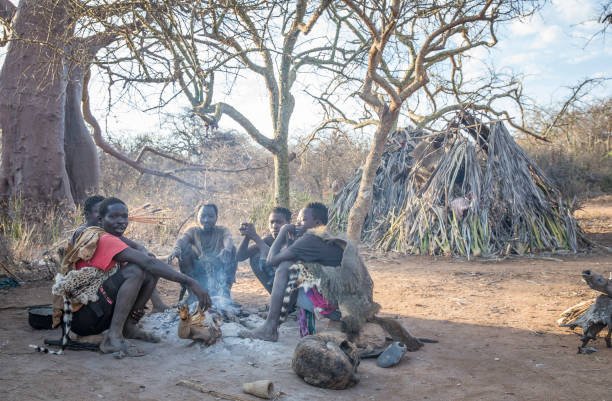
Hadzabe Tribe Day Trip Cost From Moshi/Zanzibar 2026-2027
Hadzabe tribe Day trip cost from Moshi/Zanzibar is explained with current 2026-2027 planning, price, itinerary and booking information.
View package details
How Much Should I Tip My Safari Guide In Tanzania? Your 2026-2027
Understand the tipping culture for safari guides and staff in Tanzania. This guide provides clear, actionable recommendations for tipping your safari crew in 2026-2027, covering guides...
View package details
7 Days In Tanzania: Your Expertly Planned Safari Itinerary For 2026-2027
Discover a perfectly crafted 7-day Tanzania safari itinerary for 2026-2027, designed to maximize wildlife viewing and cultural experiences in the Serengeti and Ngorongoro Crater.
View package detailsHadzabe Chaba Lifestyle And His Wife From Arusha 2027-2028
Discover the authentic Hadzabe Chaba lifestyle and the role of their wives, with insights from Top Guide Adventures. Understand their unique hunter-gatherer culture, traditions, and daily...
View package detailsHadzabe Tribe Day Trip Cost: 1 Day Tour Price 2026-2027
Planning a day trip to experience the authentic culture of the Hadzabe tribe? This guide breaks down the expected costs for 2026-2027, detailing what influences the price and what you can...
View package details
10-Day Southern Tanzania Safari And Zanzibar Package 2026-2027
Discover the ultimate 10-day Southern Tanzania safari and Zanzibar package, combining the wild heart of Africa with the tropical allure of the Spice Island. This itinerary offers an...
View package detailsNo related package matches those filters. Clear one or more filters to see the other topic-matched options.
Plan your Chagga Cultural Tour From Moshi with Top Guide Adventures
Tell us your travel dates, group size, comfort level, and dream experience. We will help you shape a clear, realistic, and memorable Tanzania itinerary.



