
Updated planning guide for 2026-2027
Border Travel For Safari Extensions: Best Guide 2026-2027
This comprehensive guide covers everything you need to know about border travel for safari extensions in Tanzania, offering practical advice, itinerary ideas, and planning tips for 2026-2027.
WhatsApp +255616946642 | topguideadventures@gmail.com | info@topguideadventures.com
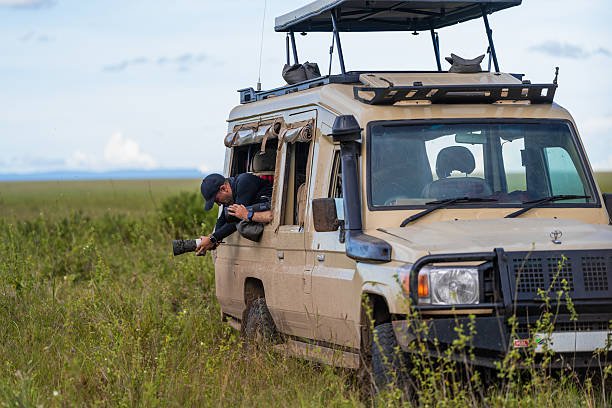
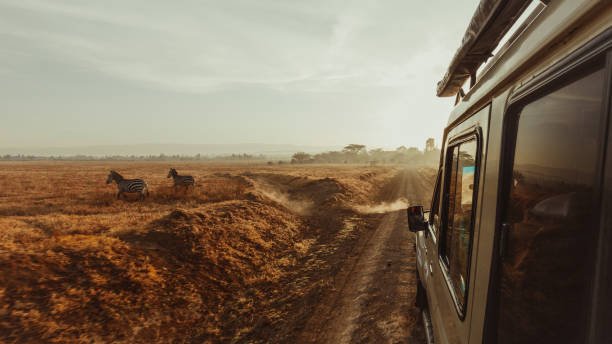
Border Travel for Safari Extensions: Your Expert Guide
Expanding your Tanzanian safari adventure into neighboring countries offers a richer, more diverse wildlife and cultural experience. This guide focuses on border travel for safari extensions, detailing how to seamlessly connect your Tanzanian journey with explorations into Uganda, Rwanda, Kenya, or even further afield. We cover the practicalities, popular routes, and essential planning for 2026-2027 trips.
| Country of Origin | Tanzania |
|---|---|
| Popular Extension Destinations | Uganda, Rwanda, Kenya |
| Key Activities | Gorilla trekking, chimpanzee tracking, Big Five safaris, cultural tours, bird watching |
| Primary Border Crossings | Namanga (Kenya), Sirari (Kenya), Kasese/Bwindi (Uganda), Rusizi/Nyungwe (Rwanda) |
| Best Time for Extensions | Generally dry seasons (June-October, December-February) for most wildlife viewing; gorilla trekking is possible year-round. |
| Visa Requirements | Vary by nationality; often obtainable at borders or online in advance. East Africa Tourist Visa is an option for Kenya, Uganda, Rwanda. |
| Health Precautions | Yellow Fever vaccination certificate often required, malaria prophylaxis recommended, other vaccinations as advised. |
Understanding Border Travel for Safari Extensions
Tanzania is a jewel of East African wildlife, famous for the Serengeti, Ngorongoro Crater, and its incredible wildebeest migration. However, the adventure doesn’t have to end at its borders. Many travelers choose to extend their safari to experience the unique offerings of neighboring countries. This is where border travel for safari extensions becomes crucial. It involves planning the logistics of moving between countries, often by road or a short flight, to access different ecosystems, iconic species, and cultural landscapes.
The primary draw for many extensions is the chance to see mountain gorillas in Uganda or Rwanda, or to experience the vast savannas of Kenya’s Masai Mara, which directly borders the Serengeti.
Why Extend Your Tanzanian Safari?
- Gorilla and Chimpanzee Trekking: Uganda and Rwanda are world-renowned for their mountain gorilla populations. A Tanzanian safari can be perfectly combined with a trek in Bwindi Impenetrable National Park (Uganda) or Volcanoes National Park (Rwanda). Chimpanzee tracking in Kibale Forest (Uganda) or Nyungwe Forest (Rwanda) is another major attraction.
- Kenya’s Masai Mara: The Masai Mara National Reserve is a direct continuation of the Serengeti ecosystem. During the Great Migration, vast herds move between these two iconic parks, offering unparalleled viewing opportunities.
- Diverse Landscapes: From the volcanic mountains of Rwanda to the lush rainforests of Uganda and the arid savannas of Kenya, each country offers a distinct natural beauty.
- Cultural Immersion: Experience different tribal cultures, local markets, and unique traditions that complement the wildlife encounters.
- Optimized Travel Time: Strategic border crossings can sometimes save travel time compared to flying back to a major international hub and then flying out again.
Popular Border Travel Routes and Itineraries
The most common border travel for safari extensions from Tanzania involves heading north into Kenya or west into Uganda and Rwanda. Here are some popular route structures:
1. Tanzania & Kenya: Serengeti to Masai Mara
This is perhaps the most natural and popular extension. It leverages the shared ecosystem of the Serengeti and Masai Mara.
Route Illustration:
- Arrive in Kilimanjaro International Airport (JRO), Tanzania.
- Safari in Serengeti National Park, Tanzania.
- Cross the border at the Isebania/Sirari border post.
- Enter Kenya and proceed to Masai Mara National Reserve.
- Depart from Nairobi (NBO), Kenya.
Sample Itinerary Logic (12-14 Days):
- Days 1-3: Arusha & Tarangire National Park (Tanzania)
- Days 4-7: Serengeti National Park (Tanzania)
- Day 8: Travel to the border, cross, and drive to Masai Mara (Kenya)
- Days 9-11: Masai Mara National Reserve (Kenya)
- Day 12: Drive to Nairobi, depart.
Considerations: The border crossing can be time-consuming. Some travelers opt for a flight from the northern Serengeti airstrip (e.g., Kogatende) to the Masai Mara to save time, though this is more expensive.
2. Tanzania & Uganda: Northern Tanzania to Gorilla Trekking
This route involves a longer overland journey or a flight, connecting Tanzania’s northern circuit with Uganda’s primate haven.
Route Illustration:
- Arrive in Kilimanjaro International Airport (JRO), Tanzania.
- Safari in Serengeti/Ngorongoro, Tanzania.
- Travel overland to Uganda (e.g., via Rwanda or directly to Kampala/Entebbe). This is a significant journey, often broken into multiple days. Alternatively, fly from Kilimanjaro (JRO) or Arusha (ARK) to Entebbe (EBB), Uganda.
- Gorilla trekking in Bwindi Impenetrable National Park or Mgahinga Gorilla National Park (Uganda).
- Chimpanzee tracking in Kibale Forest National Park (Uganda).
- Depart from Entebbe (EBB), Uganda.
Sample Itinerary Logic (14-18 Days):
- Days 1-3: Arusha & Lake Manyara National Park (Tanzania)
- Days 4-7: Serengeti National Park (Tanzania)
- Day 8: Ngorongoro Crater (Tanzania)
- Day 9: Travel to Uganda (fly JRO/ARK to EBB, or a long overland journey).
- Days 10-12: Gorilla Trekking in Bwindi Impenetrable National Park (Uganda)
- Days 13-14: Chimpanzee Tracking in Kibale Forest (Uganda)
- Day 15: Drive to Entebbe, depart.
Considerations: Overland travel between Tanzania and Uganda is extensive and requires careful planning. Flying is more efficient but adds significant cost. Visas for both countries need to be managed.
3. Tanzania & Rwanda: Safari and Mountain Gorillas
Similar to the Uganda extension, but focusing on Rwanda’s renowned gorilla trekking and other attractions.
Route Illustration:
- Arrive in Kilimanjaro International Airport (JRO), Tanzania.
- Safari in Serengeti/Ngorongoro, Tanzania.
- Travel overland to Rwanda, often crossing at the Kagitumba or Akanyaru border post, or fly from JRO/ARK to Kigali (KGL).
- Gorilla trekking in Volcanoes National Park (Rwanda).
- Explore Nyungwe Forest National Park for chimpanzee tracking and canopy walks.
- Depart from Kigali (KGL), Rwanda.
Sample Itinerary Logic (14-18 Days):
- Days 1-3: Tarangire National Park (Tanzania)
- Days 4-7: Serengeti National Park (Tanzania)
- Day 8: Ngorongoro Crater (Tanzania)
- Day 9: Travel to Rwanda (fly JRO/ARK to KGL, or overland).
- Days 10-12: Gorilla Trekking in Volcanoes National Park (Rwanda)
- Days 13-14: Nyungwe Forest National Park (Rwanda)
- Day 15: Kigali City Tour, depart.
Considerations: Rwanda is known for its excellent infrastructure and well-maintained roads. The East Africa Tourist Visa can be beneficial if visiting multiple countries within the EAC. Rwanda’s gorilla permits are often more expensive than Uganda’s.
Best Time for Border Travel Extensions (2026-2027)
The ideal timing for border travel for safari extensions depends on the specific countries you plan to visit and the wildlife activities you prioritize.
| Region/Country | Best Safari Season | Gorilla/Chimpanzee Trekking | Notes |
|---|---|---|---|
| Tanzania (Serengeti, Ngorongoro) | June-October (dry, migration in north/central), December-February (calving season in south) | N/A | Migration timing varies; check forecasts for 2026-2027. |
| Kenya (Masai Mara) | June-October (dry, migration), December-March (dry) | N/A | Migration typically arrives July-October. |
| Uganda (Bwindi, Kibale) | June-August, December-February (drier trekking conditions) | Year-round possibility, but drier seasons offer easier trekking. | Chimps can be more active during wetter periods. |
| Rwanda (Volcanoes, Nyungwe) | June-August, December-February (drier trekking conditions) | Year-round possibility, but drier seasons offer easier trekking. | Rainfall is common year-round, especially in forests. |
General Advice for 2026-2027: For a combination safari and gorilla trek, aim for the drier months of June to October. This period offers excellent game viewing across Tanzania and Kenya, and the best trekking conditions in Uganda and Rwanda. If your primary focus is the wildebeest migration, timing is critical. For the northern Serengeti/Masai Mara crossing, July to October is prime. For the calving season in Tanzania’s southern Serengeti, December to February is ideal.
Visa and Entry Requirements
Navigating visa requirements is a critical part of border travel for safari extensions. Requirements vary significantly by nationality and the specific countries visited.
- Tanzania: Most nationalities require a visa, which can often be obtained online in advance or upon arrival at major entry points.
- Kenya: Electronic visas (eVisa) are required for most nationalities and should be applied for well in advance of travel.
- Uganda: Visas can be obtained online (eVisa) or upon arrival.
- Rwanda: Visas are often available on arrival for many nationalities, or can be obtained online.
The East Africa Tourist Visa: This is a single-entry visa that is valid for 90 days and allows travel between Kenya, Uganda, and Rwanda. It is an excellent option if you plan to visit these three countries sequentially. You must apply for this visa through the immigration department of the first country you intend to enter (e.g., if you fly into Nairobi, you apply for the EAC visa through Kenya). It is NOT valid for entry into Tanzania.
Important Note: Always check the latest visa regulations with the respective embassies or official immigration websites of each country before your trip. Requirements can change, especially for 2026-2027 travel.
Health and Safety Considerations
Health and safety are paramount when planning any international travel, particularly to regions with specific health concerns.
- Yellow Fever: A Yellow Fever vaccination certificate is mandatory for entry into Tanzania, Uganda, and Rwanda if arriving from or transiting through a country with a risk of Yellow Fever transmission. It’s often checked at border crossings and airports.
- Malaria: Both Tanzania and its neighboring countries are malaria-endemic. Consult your doctor about appropriate malaria prophylaxis well in advance of your trip. Mosquito repellent, long-sleeved clothing, and mosquito nets are essential.
- Other Vaccinations: Discuss other recommended vaccinations with your doctor, such as Hepatitis A, Typhoid, and Tetanus.
- Travel Insurance: Comprehensive travel insurance is non-negotiable. Ensure it covers medical emergencies, evacuation, trip cancellation, and lost luggage. For gorilla trekking, check if your policy covers activities like trekking at high altitudes.
- Border Crossing Safety: While border crossings are generally safe, always remain aware of your surroundings. Travel with reputable tour operators who manage these transitions smoothly.
- Wildlife Safety: Always follow your guide’s instructions in national parks and reserves. Maintain a safe distance from animals, never feed them, and do not exit your vehicle unless instructed to do so.
Logistics of Border Crossing
Border crossings can be a point of stress if not planned correctly. Here’s what to expect and how to prepare:
- Documentation: Ensure all passports, visas, vaccination certificates, and travel permits (like gorilla permits) are in order and easily accessible.
- Time: Border crossings can take anywhere from 1 to 4 hours, depending on the border post’s efficiency, time of day, and the number of people crossing.
- Immigration and Customs: You will go through immigration procedures for exiting one country and entering another. Customs checks may also occur.
- Vehicle Transfer: If traveling overland, you might need to transfer vehicles and guides at the border. Reputable tour operators arrange this in advance.
- Currency Exchange: You may need local currency for small purchases or tips on the other side. Exchange rates at border towns can sometimes be less favorable than in major cities.
Tip for 2026-2027: Pre-booking your onward transport and accommodation on the other side of the border through your tour operator simplifies the process immensely. They will have contacts and arrangements in place.
Gorilla and Chimpanzee Permits: The Crucial Element
For extensions into Uganda and Rwanda, securing gorilla and chimpanzee permits is paramount and requires advance booking, often months ahead, especially for peak seasons in 2026-2027.
- Cost: Permits are expensive and represent a significant portion of the trip cost. Prices vary by country and are subject to change. (e.g., Rwanda’s gorilla permits are currently higher than Uganda’s).
- Availability: Permits are limited daily to control numbers and protect the primates. Popular dates sell out quickly.
- Booking: Permits are typically booked through the national park authorities or through your tour operator, who handles the application and payment.
- Trekking Experience: A permit grants you one hour of direct observation with the gorillas or chimpanzees, after which you return to your starting point.
Planning for 2026-2027: If gorilla or chimp trekking is a must-do, identify your desired dates and start the permit booking process as soon as your itinerary is finalized. Your tour operator can advise on the best time to book.
What to Pack for Border Extensions
Packing for border travel for safari extensions requires considering diverse climates and activities.
Essential Packing List:
- Clothing: Lightweight, neutral-colored safari clothing (long sleeves, trousers), warmer layers for evenings/mornings (fleece, jacket), rain gear (poncho or waterproof jacket), comfortable walking shoes, hiking boots (essential for gorilla trekking), sandals/flip-flops, swimwear.
- Documents: Passport, visas, flight tickets, gorilla/chimp permits, vaccination certificates, travel insurance details, copies of all important documents.
- Health: Personal first-aid kit, insect repellent (with DEET), sunscreen, hand sanitizer, any personal medications, anti-malarial medication.
- Gear: Binoculars, camera with extra batteries and memory cards, power bank, universal travel adapter, headlamp or flashlight, reusable water bottle.
- For Trekking: Hiking poles (often available for rent at parks), sturdy, broken-in hiking boots, waterproof trousers/jacket, gloves for protection from branches.
Common Mistakes to Avoid
To ensure smooth border travel for safari extensions, be aware of potential pitfalls:
- Underestimating Travel Time: Overland travel between countries can be long and tiring. Don’t cram too much into short periods.
- Ignoring Visa Requirements: Failing to secure necessary visas in advance can lead to significant delays or denied entry.
- Not Booking Permits Early Enough: Gorilla and chimp permits are highly sought after. Last-minute bookings are often impossible.
- Inadequate Travel Insurance: Opting for basic insurance may leave you exposed to high medical or evacuation costs.
- Packing Inappropriately: Forgetting rain gear or suitable footwear for trekking can impact your experience.
- Not Consulting Experts: Trying to organize complex border transitions independently can be challenging. Work with experienced tour operators.
Who is Border Travel for Safari Extensions Best Suited For?
This type of travel is ideal for:
- Adventurous Travelers: Those seeking diverse experiences beyond a single country.
- Wildlife Enthusiasts: Individuals wanting to see iconic species like mountain gorillas, chimpanzees, and experience different savanna ecosystems.
- Repeat Visitors: Travelers who have already explored Tanzania and want to see more of East Africa.
- Those with More Time: Trips involving border extensions typically require a minimum of 10-14 days, with longer itineraries being more common.
- Travelers Seeking Value: While more expensive than a single-country trip, combining countries can sometimes offer better value by optimizing flight routes or overland journeys.
Alternatives to Border Travel
If overland border travel or the complexity seems daunting, consider these alternatives:
- Internal Flights within Tanzania: Explore more diverse regions within Tanzania, such as the Selous Game Reserve (now Nyerere National Park) in the south, Ruaha National Park, or the islands of Zanzibar and Pemba for a different pace.
- Focusing on One Country: Dedicate your entire trip to Tanzania, experiencing its northern circuit, southern circuit, and potentially a climb of Mount Kilimanjaro or a cultural immersion in the north.
- Flying Between Major Hubs: Instead of overland border crossings, fly between major airports (e.g., Kilimanjaro, Nairobi, Entebbe, Kigali). This is faster but more expensive.
Planning Your 2026-2027 Border Travel for Safari Extensions
Successful border travel for safari extensions in 2026-2027 hinges on meticulous planning.
| 12+ Months Before | Decide on countries and core activities (e.g., gorillas, migration). Research visa requirements. Identify potential tour operators. |
|---|---|
| 9-12 Months Before | Book international flights. Secure gorilla/chimp permits. Confirm itinerary with your chosen tour operator. |
| 6-9 Months Before | Apply for any necessary visas. Book internal flights if applicable. |
| 3-6 Months Before | Get necessary vaccinations and malaria prophylaxis. Purchase travel insurance. |
| 1-3 Months Before | Finalize packing list. Inform your bank of travel dates. Obtain local currency for initial expenses. |
| 1-2 Weeks Before | Confirm all bookings. Pack your bags. Make copies of all important documents. |
Key Considerations for 2026-2027: Travel patterns and prices can fluctuate. Booking well in advance is always recommended, especially for popular destinations and peak seasons. Stay updated on any travel advisories or health recommendations from official sources.
Booking Your Border Safari Extension
Choosing the right tour operator is crucial for a smooth border travel for safari extensions experience. Look for companies with:
- Experience in Multiple Countries: They should have a proven track record of arranging cross-border trips.
- Local Knowledge: Deep understanding of border procedures, local customs, and logistics in each country.
- Reputation: Check reviews and testimonials from previous clients.
- Clear Inclusions/Exclusions: Understand exactly what your package covers (accommodation, park fees, guides, meals, transfers, permits) and what is extra.
We can help! At Best Tanzania Tour Operator, we specialize in creating comprehensive East African itineraries that include seamless border travel for safari extensions. Whether you dream of tracking gorillas in Uganda, witnessing the Masai Mara migration, or exploring Rwanda’s diverse landscapes after your Tanzanian adventure, we manage all the intricate details for your 2026-2027 journey.
Contact us to start planning:
- WhatsApp: +255616946642
- Email: topguideadventures@gmail.com
- Backup Email: info@topguideadventures.com
Frequently Asked Questions (FAQs)
1. How long does it take to cross a border in East Africa?
Border crossings can take anywhere from 1 to 4 hours, depending on the specific border post, time of day, and efficiency of immigration officials. It’s wise to allocate ample time and not schedule tight connections immediately after a border crossing.
2. Can I get a visa on arrival for all border crossings?
For some countries like Uganda and Rwanda, visas are often available on arrival for many nationalities. However, Kenya requires an eVisa applied for in advance. Tanzania also offers visas on arrival for many, but an online application is recommended. Always check the latest requirements for your nationality before traveling.
3. Is the East Africa Tourist Visa suitable for my border travel for safari extensions?
Yes, if your itinerary includes Kenya, Uganda, and Rwanda sequentially, the East Africa Tourist Visa is an excellent option. It allows multiple entries into these three countries for 90 days. Remember, it must be applied for through the immigration department of the first country you enter and does not cover Tanzania.
4. What is the best way to travel between Tanzania and Uganda/Rwanda?
The most efficient way is to fly between major airports (e.g., Kilimanjaro/Arusha to Entebbe/Kigali). Overland travel is possible but very long, often taking 2-3 days with overnight stops, and requires significant logistical planning. For convenience, especially with safari gear, flying is often preferred.
5. How far in advance should I book gorilla permits for 2026-2027?
It is highly recommended to book gorilla permits at least 6-9 months in advance, and potentially up to a year for peak seasons (June-August, December-February). Permits are limited and sell out quickly.
6. Do I need different vaccinations for each country?
The primary mandatory vaccination for entry into East African countries is Yellow Fever. Malaria prophylaxis is recommended for all. Other vaccinations like Hepatitis A and Typhoid are generally advised for travel in the region. Consult your doctor or a travel clinic well in advance of your 2026-2027 trip for personalized advice.
7. What happens to my safari vehicle and guide when I cross the border?
Typically, when undertaking border travel for safari extensions, your Tanzanian operator will arrange for you to be met by a local operator or guide on the other side. You might switch vehicles and guides at the border. Reputable operators ensure this handover is smooth and pre-arranged.
8. Can I do a self-drive safari extension?
While technically possible, self-driving across borders in East Africa is generally not recommended for first-time visitors. It’s complex, involves navigating unfamiliar road conditions, dealing with border bureaucracy, and requires extensive local knowledge. Using a reputable tour operator is far more practical and safer.
9. What is the typical cost difference between a Tanzanian safari and an extension to Uganda/Rwanda?
Extensions to Uganda and Rwanda, particularly for gorilla trekking, can be significantly more expensive due to the high cost of permits, which are a substantial part of the package price. Safaris in Kenya’s Masai Mara are often comparable in price to Tanzania’s Serengeti.
10. What are the best safari extension options if I don’t want to trek gorillas?
If gorilla trekking isn’t your focus, the most popular and logical extension is to Kenya’s Masai Mara. This offers a continuation of the savanna safari experience with excellent game viewing, especially during the migration season. You can also explore other parks within Kenya or consider extensions within Tanzania itself.
Ready to Plan Your Extended East African Adventure?
Border travel for safari extensions offers an unparalleled opportunity to experience the vast biodiversity and rich cultures of East Africa. Combining the iconic landscapes of Tanzania with the primate-filled forests of Uganda or Rwanda, or the legendary savannas of Kenya, creates a truly comprehensive African journey. Planning these multi-country trips requires expert knowledge to ensure smooth transitions, manage logistics, and maximize your experience.
Let us handle the complexities for your 2026-2027 adventure. We are experts in crafting bespoke itineraries that connect Tanzania with its neighboring gems, ensuring your journey is as incredible as the destinations themselves.
Get in touch today to discuss your dream border travel for safari extensions:
- WhatsApp: +255616946642
- Email: topguideadventures@gmail.com
- Backup Email: info@topguideadventures.com
Which Tanzania Safari Gives The Best Value For Money? 2026-2027
Which Tanzania safari gives the best value for money? is explained with current 2026-2027 planning, price, itinerary and booking information.
View package details
How To Avoid Safari Scams In Tanzania: A Top Guide Adventures Expert 2026-2027
Navigating a safari in Tanzania is a dream for many, but a few precautions can ensure your adventure is scam-free. This guide from Top Guide Adventures provides essential advice for...
View package details
Which Local Tanzania Safari Companies Are Trustworthy In ? 2026-2027
Choosing a trustworthy local Tanzania safari company is crucial for a memorable and safe adventure. This guide helps you identify reliable operators for your 2026-2027 trip, covering...
View package detailsHow Far In Advance Should You Book A Tanzania Safari? Your Planning Guide
Securing your dream Tanzania safari requires strategic planning. This comprehensive guide details the optimal booking timeline for 2026-2027, considering peak seasons, lodge availability...
View package detailsHow Much Should I Tip My Safari Guide In Tanzania? Your 2026-2027
Understand the tipping culture for safari guides and staff in Tanzania. This guide provides clear, actionable recommendations for tipping your safari crew in 2026-2027, covering guides...
View package detailsPrivate Safari Vs Group Tanzania — Which Is Better? 2026-2027
Private safari vs group safari Tanzania — which is better? is explained with current 2026-2027 planning, price, itinerary and booking information.
View package details
Is A Group Joining Safari In Tanzania Worth It? 2026-2027
Is a group joining safari in Tanzania worth it? is explained with current 2026-2027 planning, price, itinerary and booking information.
View package details
Serengeti And Ngorongoro Safari Without Luxury: Your Options For 2026-2027
Discover how to experience the wonders of the Serengeti and Ngorongoro Crater on a safari that prioritizes incredible wildlife viewing and authentic experiences over luxury accommodations...
View package details
Tanzania Safari For Great Migration: Which Tour To Book In 2026-2027
Planning to witness the Great Migration in Tanzania? This guide helps you choose the perfect safari for 2026-2027, detailing the best parks, timing, and tour options for an unforgettable...
View package details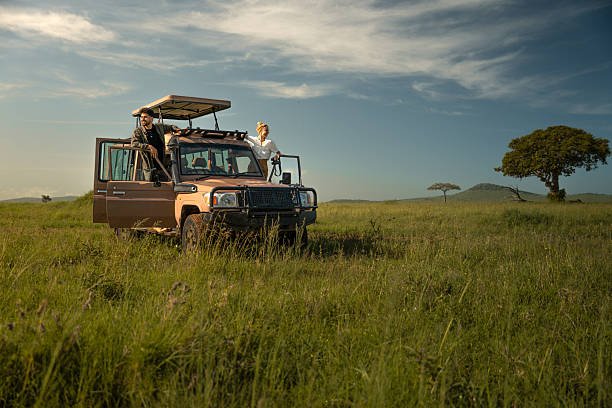
Three Days For Safari In Tanzania: Where To Go An Unforgettable Experience
If you have just three days for a safari in Tanzania, the most recommended destinations for a concentrated and rewarding wildlife experience are the Ngorongoro Conservation Area and...
View package details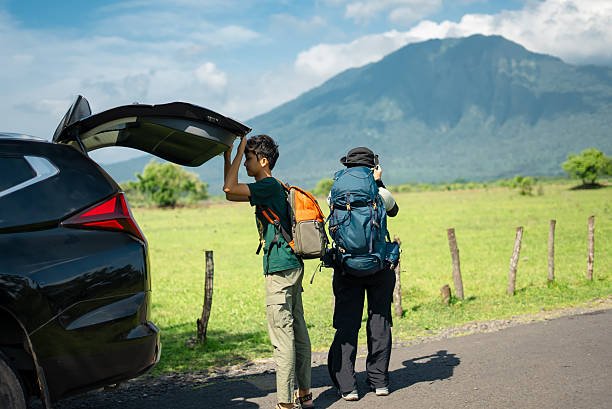
We Are Staying In Zanzibar And Want To Do A Short Safari, What Do You
We are staying in Zanzibar and want to do a short safari, what do you recommend? is explained with current 2026-2027 planning, price, itinerary and booking.
View package detailsWe Are Arriving At Kilimanjaro Airport, What Safari Itinerary Should We Do?
Planning your safari upon arrival at Kilimanjaro Airport (JRO)? This guide provides tailored safari itineraries for 2026-2027, focusing on Northern Tanzania's iconic parks like the...
View package detailsNo related package matches those filters. Clear one or more filters to see the other topic-matched options.
Plan your Border Travel for Safari Extensions with Top Guide Adventures
Tell us your travel dates, group size, comfort level, and dream experience. We will help you shape a clear, realistic, and memorable Tanzania itinerary.



