
Updated planning guide for 2026, 2027-2028
Birding Tour Around Kilimanjaro From Moshi: Expert Trekking Guide
Discover the rich avian life surrounding Mount Kilimanjaro with a dedicated birding tour starting from Moshi. This comprehensive guide covers everything from planning and best times to species, itineraries, and booking your unforgettable experience in 2026-2027.
WhatsApp +255616946642 | topguideadventures@gmail.com | info@topguideadventures.com
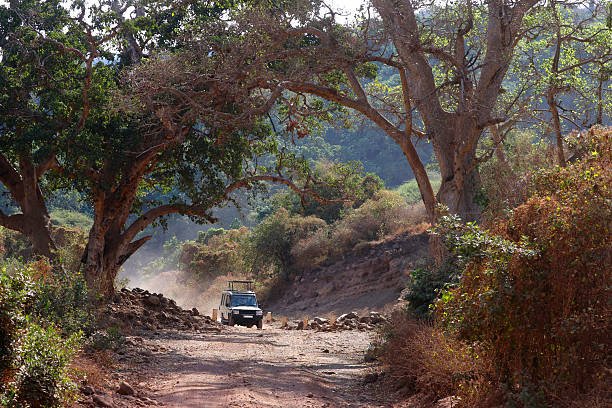
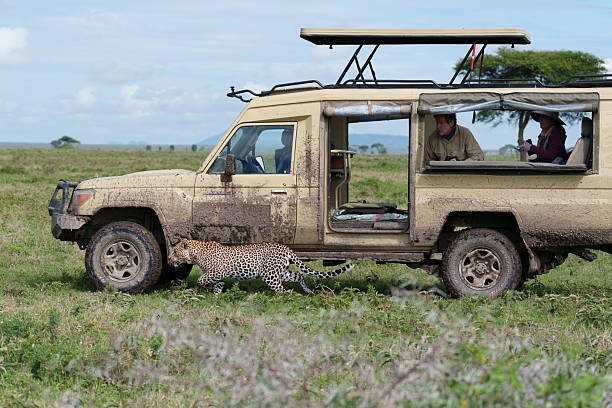
Birding Tour Around Kilimanjaro From Moshi: Your Ultimate Guide
The majestic Mount Kilimanjaro, Africa’s highest peak, is renowned for its challenging treks and breathtaking vistas. However, its diverse ecosystems, from lush foothills to montane forests and alpine zones, harbor an equally impressive array of birdlife. A specialized birding tour around Kilimanjaro, often based in the vibrant town of Moshi, offers a unique perspective on this iconic landscape, revealing a world of feathered wonders often missed by general travelers. This guide provides an in-depth look at planning, experiencing, and maximizing your birding adventure in this spectacular region, covering key details for planning your trip in 2026 and 2027.
For dedicated ornithologists and casual nature enthusiasts alike, the areas surrounding Kilimanjaro present a rich habitat for a variety of endemic and migratory bird species. From the vibrant hues of sunbirds to the elusive calls of forest dwellers, the avian diversity is a compelling reason to explore beyond the summit trails. This comprehensive guide is designed to help you plan a rewarding birding tour around Kilimanjaro from Moshi, ensuring you are well-prepared for an enriching experience.
Quick Birding Facts Around Kilimanjaro
| Starting Point: | Moshi, Tanzania |
| Primary Activity: | Birdwatching, Avian Photography |
| Key Habitats: | Montane forests, farmlands, savannas, riverine areas, alpine zones (lower slopes) |
| Notable Bird Families: | Sunbirds, Turacos, Hornbills, Raptors, Bee-eaters, Starlings, Woodpeckers |
| Best Time to Visit: | June to October (dry season), December to March (short rains) |
| Duration: | Typically 3-7 days, customizable |
| Difficulty: | Easy to moderate walking, depending on chosen routes |
Table of Contents
- Overview: Birding Around Kilimanjaro
- Why Choose Kilimanjaro for Birding?
- Best Time for Birding Around Kilimanjaro (2026-2027)
- Key Birding Locations Around Kilimanjaro
- Sample Birding Itinerary: Kilimanjaro Foothills & Moshi Area
- Notable Bird Species to Spot
- What to Expect on Your Birding Tour
- Typical Inclusions and Exclusions
- Essential Packing and Preparation
- Common Mistakes to Avoid
- Who is a Birding Tour Around Kilimanjaro Best Suited For?
- Alternative Birding Experiences in Tanzania
- Planning Your 2026-2027 Birding Trip
- Booking Your Birding Tour
- Frequently Asked Questions (FAQs)
Overview: Birding Around Kilimanjaro
A birding tour around Kilimanjaro, typically commencing from Moshi, is a specialized travel experience focused on observing and appreciating the diverse avian populations inhabiting the mountain’s varied altitudinal zones and surrounding landscapes. Unlike standard Kilimanjaro treks that focus on reaching the summit, these tours prioritize slow-paced exploration of the lower slopes, montane forests, agricultural areas, and nearby natural reserves. The goal is to identify and document as many bird species as possible, often with the aid of experienced local guides who possess intimate knowledge of bird behavior, calls, and preferred habitats.
Moshi serves as the ideal gateway for such expeditions. This bustling town, nestled at the foot of Kilimanjaro, offers convenient access to various birding hotspots. Local tour operators based in Moshi are adept at crafting itineraries that balance birdwatching opportunities with cultural insights and comfortable logistics. The birding itself can range from leisurely walks through coffee plantations and village outskirts to more focused excursions into forest reserves, depending on the traveler’s preferences and fitness levels.
The birding tour around Kilimanjaro from Moshi is not merely about ticking off species; it’s about immersing oneself in the natural symphony of the mountain’s ecosystems. It’s an opportunity to connect with nature on a deeper level, appreciating the intricate relationships between the birds, their environment, and the local communities. The experience is often enhanced by the stunning backdrop of Kilimanjaro itself, creating a truly memorable journey.
Why Choose Kilimanjaro for Birding?
Kilimanjaro’s unique geography creates a remarkable biodiversity hotspot, making it a compelling destination for birdwatchers. Several factors contribute to its appeal:
- Altitudinal Zonation: As you ascend Kilimanjaro, the environment changes dramatically. Each altitudinal band supports distinct flora and fauna, including specialized bird species. From the lowland savannas and agricultural lands near Moshi to the dense montane forests, moorlands, and eventually the alpine desert, a wide range of habitats are accessible. This variety means a single region can host a surprisingly large number of species.
- Endemic and Restricted-Range Species: While not as famous for endemics as some other East African mountains, Kilimanjaro does host certain species and subspecies that are found in very limited areas. Dedicated birding tours can help locate these sought-after birds.
- Avian Diversity: The combination of tropical latitude, varied altitudes, and proximity to other ecosystems means Kilimanjaro is a magnet for a broad spectrum of bird families. You can find everything from large raptors soaring overhead to tiny, jewel-like sunbirds flitting among flowers.
- Relatively Underexplored for Birding: While Kilimanjaro is a global trekking icon, its birding potential is less explored compared to dedicated birding destinations like the Serengeti or Arusha National Park. This means fewer crowds and a more pristine experience for dedicated birders.
- Accessibility from Moshi: Moshi provides an excellent base with good infrastructure. Local guides and operators are knowledgeable about the best birding spots in the immediate vicinity and can arrange excursions to slightly further afield locations efficiently.
- Complementary to Other Activities: A birding tour can be a fantastic addition to a Kilimanjaro trek, offering a different way to appreciate the mountain’s environment. It can also be combined with safaris or cultural visits in the wider northern Tanzania circuit.
Best Time for Birding Around Kilimanjaro (2026-2027)
The timing of your birding tour around Kilimanjaro from Moshi can significantly impact the species you encounter. Tanzania generally experiences two rainy seasons and two dry seasons. For birding, the optimal times often coincide with periods of abundant food resources, which attract a greater variety of birds, including migrants.
Birding Seasonality Around Kilimanjaro
| Period | Conditions | Birding Advantages | Considerations |
|---|---|---|---|
| June to October (Dry Season) | Cooler temperatures, minimal rainfall, clear skies. | Excellent visibility, birds congregate around remaining water sources, good for resident species, migratory European birds start arriving. This is a prime time for birding in 2026 and 2027. | Can be cooler at higher altitudes. Some vegetation may be dry. |
| November (Short Rains) | Intermittent showers, vegetation starts to green up. | Increased insect activity attracts insectivorous birds. Resident birds may be breeding. | Rain can interrupt birding activities. |
| December to March (Long Rains / “Green Season”) | Warm temperatures, heavier and more consistent rainfall, lush vegetation. | Excellent for observing breeding plumage, abundant food sources, many resident species are breeding. Good for observing forest birds. This period is also good for birding in 2026-2027. | Rain can be heavy and prolonged, making some areas inaccessible. Humidity is high. Migratory birds from the Southern Hemisphere are present. |
| April to May (Long Rains Peak) | Heavy, prolonged rainfall. | Generally not recommended for extensive birding due to difficult travel conditions and persistent rain. | Many roads can become impassable. |
Recommendation for 2026-2027: The dry season (June-October) offers the most predictable weather for birding around Kilimanjaro, with clear skies and easier access to trails. The period from December to March is also highly productive, especially for observing breeding behaviors and enjoying the lush landscapes, though you should be prepared for rain.
Key Birding Locations Around Kilimanjaro
While the entire Kilimanjaro massif offers potential birding, certain areas are particularly rich and accessible from Moshi:
Birding Area Map: Kilimanjaro Foothills & Surrounds
| Region/Area | Habitat Type | Key Birding Features | Accessibility from Moshi |
| Moshi Town & Outskirts | Gardens, farmlands (coffee/banana), riverine areas | Sunbirds (e.g., Variable, Beautiful), African Paradise Flycatcher, weavers, bulbuls, various starlings. Good for urban and agricultural species. | Immediate vicinity, easily accessible |
| Kilimanjaro National Park (Lower Slopes) | Montane forest (lower zones), evergreen woodlands | Turacos (e.g., White-cheeked, Schalow’s), Apalises, Robin-chats, African Emerald Cuckoo, various woodpeckers, raptors. | 1-2 hours drive to park gates (e.g., Marangu, Machame), then walking. |
| Marangu Area | Montane forest, agricultural terraces | Similar to KNP lower slopes, plus potential for forest specialists. Waterfalls can attract specific species. | 1-1.5 hours drive from Moshi. |
| Mweka College of African Wildlife Management Area | Woodland, forest edges | Good mix of forest and woodland species, often accessible with permission. | Approx. 1 hour drive from Moshi. |
| Weruweru River Gorge | Riverine, scrubland | Kingfishers, bee-eaters, weavers, potential for raptors. | Accessible via local transport or arranged vehicle. |
| Shira Plateau (Upper Slopes – for experienced trekkers) | Alpine moorland, desert | Alpine Chat, Kibo Spiny Babbler (very rare), various wheatears, potential for high-altitude raptors. | Requires trekking part of Kilimanjaro routes (e.g., Shira Route, Lemosho). Not a day trip. |
Note: Accessing higher altitudes like the Shira Plateau requires significant trekking and is usually part of a multi-day Kilimanjaro climb, not a typical day-trip birding excursion. The focus for most birding tours around Kilimanjaro from Moshi remains on the accessible lower slopes and surrounding habitats.
Sample Birding Itinerary: Kilimanjaro Foothills & Moshi Area (5 Days)
This sample itinerary focuses on accessible birding locations around Moshi and the lower slopes of Kilimanjaro. It can be customized based on your interests and the best current birding activity.
5-Day Birding Tour Around Kilimanjaro From Moshi
| Day | Morning Activity | Afternoon Activity | Evening | Target Habitats/Species |
|---|---|---|---|---|
| Day 1: Arrival in Moshi & Local Birding | Arrive at Kilimanjaro International Airport (JRO). Transfer to your hotel in Moshi. Meet your guide for a briefing. | Gentle birding walk around Moshi town gardens and local farms. Focus on common garden birds, weavers, bulbuls, and sunbirds. | Dinner and overnight in Moshi. | Variable Sunbird, Beautiful Sunbird, Ruppell’s Starling, Village Weaver, Speckled Pigeon. |
| Day 2: Marangu Forest & Waterfalls | Drive to the Marangu area. Birding walk through the lower montane forests and agricultural lands. | Visit local waterfalls, birding in the surrounding vegetation. Look for forest species and water-associated birds. | Return to Moshi for dinner and overnight. | White-cheeked Turaco, African Emerald Cuckoo, Mountain Oriole, various Apalises, forest weavers. |
| Day 3: Kilimanjaro National Park Lower Slopes (Mweka/Kinokonyo Area) | Drive towards the western side of Kilimanjaro. Birding walk in the park’s lower montane forest zone. | Explore forest edges and clearings. Focus on species active during the warmer parts of the day. | Return to Moshi for dinner and overnight. | Schalow’s Turaco, Knysna Turaco (rare), various Robin-chats, Cinnamon-chested Bee-eater, raptors. |
| Day 4: Weruweru River Gorge & Savannah Birds | Excursion to the Weruweru River Gorge area. Birding along the river and in adjacent scrubland. | Focus on riverine species, raptors, and birds of prey that might hunt in the gorge. | Return to Moshi. Farewell dinner. | Malachite Kingfisher, Giant Kingfisher, Swallows, Swifts, Bateleur Eagle, Martial Eagle (potential). |
| Day 5: Departure | Morning birding session if time permits, focusing on any missed species or favorites. | Transfer to Kilimanjaro International Airport (JRO) for your onward flight. | N/A | Last chance for key species. |
Notable Bird Species to Spot
The Kilimanjaro region hosts a rich variety of birds. While a comprehensive list would be extensive, here are some highlights you might encounter on a birding tour around Kilimanjaro from Moshi:
- Turacos: White-cheeked Turaco, Schalow’s Turaco, and possibly the more elusive Knysna Turaco in denser forest patches.
- Sunbirds: Variable Sunbird, Beautiful Sunbird, Malachite Sunbird, and Tacazze Sunbird are common in gardens and forest edges.
- Hornbills: Trumpeter Hornbill, Silvery-cheeked Hornbill, and Crowned Hornbill can be seen in forested areas.
- Raptors: Martial Eagle, Crowned Eagle, African Fish Eagle (near water), Bateleur, and various smaller eagles and falcons.
- Bee-eaters: Cinnamon-chested Bee-eater, White-throated Bee-eater, and Little Bee-eater are often found in suitable habitats.
- Starlings: Ruppell’s Starling, Hildebrandt’s Starling, Superb Starling, and Waller’s Starling are common.
- Woodpeckers: Cardinal Woodpecker, Bearded Woodpecker, and Grey Woodpecker.
- Forest Birds: African Emerald Cuckoo, Knysna Turaco, various Apalises, Forest Robin, White-browed Robin-chat, and Narina Trogon.
- Grassland/Savanna Birds: Helmeted Guineafowl, HARTLAUB’S TURACo, Secretarybird (less common), various larks and pipits.
- Water Birds: Depending on the location, you might see various herons, egrets, and kingfishers along rivers.
Remember that sightings depend heavily on the specific location visited, the time of year, and the skill of your guide.
What to Expect on Your Birding Tour
A birding tour around Kilimanjaro from Moshi is generally a relaxed yet focused experience. Here’s what you can typically anticipate:
- Early Starts: Bird activity is usually highest in the early morning and late afternoon. Expect to start your days around sunrise.
- Walking: Most birding involves walking along trails, forest paths, or country roads. The pace is slow and deliberate, allowing time for observation and photography. Some walks might involve moderate inclines on Kilimanjaro’s lower slopes.
- Guides: You will be accompanied by a local birding guide who is knowledgeable about the species, their calls, and the best viewing spots. They are crucial for spotting well-camouflaged birds and identifying them accurately.
- Transportation: A private 4×4 safari vehicle or a comfortable van will be used for transfers between locations and for reaching trailheads.
- Accommodation: Lodging typically ranges from comfortable mid-range hotels in Moshi to potentially more rustic lodges or guesthouses closer to specific park areas, depending on the tour’s scope.
- Focus on Observation: The primary goal is bird identification and appreciation. This often involves using binoculars and spotting scopes. Photography is a common pursuit, but the emphasis is on the birding experience itself.
- Flexibility: While itineraries provide a framework, guides are often flexible and can adapt to birding opportunities that arise spontaneously or to traveler preferences.
- Cultural Interaction: Tours often include opportunities to interact with local communities, visit coffee plantations, or learn about Chagga culture, adding another dimension to the trip.
Typical Inclusions and Exclusions
Understanding what is included in your tour package is vital for budgeting and planning. While specifics vary by operator, here’s a general guide:
Standard Inclusions & Exclusions for Birding Tours
| Likely Inclusions | Likely Exclusions |
|---|---|
| Accommodation (as specified) | International flights |
| All ground transportation in a private vehicle | Visa fees |
| Services of a professional birding guide | Travel insurance |
| Park entrance fees (where applicable) | Gratuities for guides and staff |
| Meals as specified in the itinerary (e.g., full board or half board) | Personal expenses (souvenirs, laundry, drinks) |
| Bottled water during game drives/walks | Optional activities not listed in the itinerary |
| Briefing and consultation | Camera fees (if applicable at specific sites) |
Always confirm the exact inclusions and exclusions with your tour operator before booking.
Essential Packing and Preparation
Proper preparation ensures a comfortable and successful birding tour around Kilimanjaro from Moshi.
Birding Tour Packing Checklist
- Optics: High-quality binoculars (8×42 or 10×42 are recommended). A spotting scope can be useful but is often provided by the guide.
- Field Guide: A reliable field guide to the birds of East Africa. Your guide will likely have one, but it’s good to have your own.
- Clothing:
- Lightweight, neutral-colored clothing (khaki, green, brown) for daytime. Avoid bright colors.
- Long-sleeved shirts and long trousers to protect against sun, insects, and scratches.
- A warm fleece or jacket for cooler mornings and evenings, especially at higher altitudes.
- Waterproof and windproof jacket.
- Comfortable walking shoes or hiking boots (broken in).
- Comfortable shoes for evenings.
- Hat with a brim for sun protection.
- Health & Safety:
- Personal first-aid kit.
- Insect repellent (with DEET).
- Sunscreen (high SPF).
- Any personal medications.
- Hand sanitizer.
- Other Essentials:
- Camera with zoom lens (if interested in photography).
- Extra batteries and memory cards.
- Power adapter and portable charger/power bank.
- Reusable water bottle.
- Small backpack for day trips.
- Sunglasses.
- Notebook and pen for recording sightings.
- Cash for tips and personal expenses.
Preparation:
- Physical Fitness: Ensure you are comfortable with walking for several hours a day on varied terrain.
- Vaccinations & Malaria Prophylaxis: Consult your doctor about recommended vaccinations and malaria prevention for Tanzania.
- Travel Insurance: Obtain comprehensive travel insurance that covers medical emergencies, evacuation, and trip cancellation.
- Visa: Check visa requirements for Tanzania for your nationality.
Common Mistakes to Avoid
To ensure a smooth and enjoyable birding tour around Kilimanjaro from Moshi, be aware of these common pitfalls:
- Underestimating the Importance of Guides: Local birding guides are invaluable. Their knowledge of species, calls, and behavior is essential for a successful trip. Do not try to bird independently in unfamiliar areas.
- Not Packing Appropriately: Weather can change, and insect protection is crucial. Ensure you have suitable clothing and repellents.
- Ignoring Altitude: While not as high as the summit, the lower slopes of Kilimanjaro can still be at significant altitudes. Take it easy on your first day and stay hydrated.
- Focusing Only on Ticking Species: While species lists are part of birding, remember to appreciate the environment, behavior, and context of the birds you see.
- Bright Clothing: Bright colors can alert birds to your presence and make them shy away. Stick to neutral, earthy tones.
- Not Bringing a Good Field Guide/Binoculars: These are essential tools for any birder. Ensure your binoculars are of good quality.
- Relying Solely on Online Information: Bird populations and activity can change. Always consult with your tour operator and guide for the most up-to-date information.
- Not Planning for Transportation: Many prime birding spots require specialized vehicles to access. Ensure your tour includes reliable transport.
- Over-scheduling: Birding requires patience. Don’t pack too many locations into one day; allow ample time for observation.
Who is a Birding Tour Around Kilimanjaro Best Suited For?
A birding tour around Kilimanjaro from Moshi is ideal for:
- Passionate Birdwatchers: Individuals whose primary interest is observing and identifying a wide variety of avian species in a unique setting.
- Nature Photographers: Those seeking to capture images of birds and the stunning landscapes of Kilimanjaro’s foothills.
- Eco-Tourists: Travelers interested in exploring natural environments sustainably and learning about local biodiversity.
- Trekker Add-ons: Climbers who want to spend extra days appreciating the mountain’s environment from a different perspective before or after their trek.
- Slow Travelers: Those who prefer a more relaxed pace of travel, focusing on in-depth exploration of a specific region rather than covering vast distances quickly.
- Anyone Interested in East African Avifauna: Even if you’re not a hardcore birder, the sheer variety of birds in this region is captivating and offers a rewarding experience.
It is generally less suited for those solely focused on reaching Kilimanjaro’s summit or those seeking adrenaline-pumping adventure activities.
Alternative Birding Experiences in Tanzania
While a birding tour around Kilimanjaro from Moshi is excellent, Tanzania offers many other world-class birding destinations. If your interests lie elsewhere or you wish to combine experiences, consider these:
- Arusha National Park: Close to Moshi and JRO, this park offers fantastic birding, especially around Momella Lakes (flamingos, various waterbirds) and Ngurdoto Crater. It’s also great for seeing colobus monkeys and buffaloes.
- Serengeti National Park: Famous for its vast plains and migration, the Serengeti also hosts an incredible diversity of birds, including raptors, ostriches, kori bustards, and many smaller species.
- Lake Manyara National Park: Known for its tree-climbing lions, this park is also a birding hotspot, particularly for waterbirds along the lake shore, including flamingos and pelicans.
- Tarangire National Park: Famous for its large elephant herds and baobab trees, Tarangire boasts a high bird count, with many species preferring its acacia woodlands.
- Ruaha National Park: Tanzania’s largest park, offering a more wild and remote birding experience with numerous raptors and unique antelope species.
- Mahale Mountains National Park: Primarily known for chimpanzees, Mahale also offers excellent forest birding opportunities.
- Zanzibar: While not a primary birding destination, Zanzibar has unique endemic species and coastal birds, particularly on islands like Chumbe.
A birding tour around Kilimanjaro from Moshi can be a perfect introduction to Tanzania’s avian wealth or a complementary experience to a safari or trek.
Planning Your 2026-2027 Birding Trip
Planning ahead is key to a successful birding adventure. Here are some considerations for your 2026-2027 trip:
2026-2027 Birding Trip Planning Timeline
| Timeframe | Action Item | Notes |
|---|---|---|
| 12+ Months Before | Research destinations and tour operators. | Identify your interests: focus on Kilimanjaro foothills or combine with other parks? |
| 9-12 Months Before | Select and book your tour operator. | Book popular seasons (June-Oct 2026/2027) early. Confirm itinerary details. |
| 6-9 Months Before | Book international flights. | Flight prices can fluctuate; booking early often secures better rates. |
| 3-6 Months Before | Obtain necessary visas. Consult doctor for vaccinations and malaria advice. | Visa processing times can vary. Start malaria prophylaxis as advised. |
| 1-3 Months Before | Purchase travel insurance. Start gathering gear. | Ensure insurance covers medical evacuation. Break in hiking boots. |
| 2-4 Weeks Before | Finalize packing list. Confirm tour details with operator. | Check weather forecasts. Inform bank of travel dates. |
| 1 Week Before | Pack your bags. Exchange some currency. | Ensure all electronics are charged. |
Key Planning Considerations for 2026-2027:
- Booking Window: For peak dry seasons (June-October 2026 and 2027), booking 9-12 months in advance is highly recommended, especially if you have specific accommodation preferences or require a custom itinerary.
- Flexibility: While planning is crucial, remain open to the spontaneous nature of wildlife viewing and birding.
- Guide Quality: Investigate the reputation of tour operators for employing knowledgeable and experienced birding guides.
- Customization: Many operators offer custom tours. Discuss your specific birding interests and desired pace with them to tailor your trip.
Booking Your Birding Tour
Selecting the right tour operator is crucial for a successful birding tour around Kilimanjaro from Moshi. Here’s how to approach booking:
- Research Reputable Operators: Look for companies specializing in birding tours or those with a strong reputation for wildlife and nature-focused trips in Tanzania. Check reviews on platforms like TripAdvisor, but also look for specific birding forums or communities.
- Inquire About Guide Expertise: Specifically ask about the qualifications and experience of their birding guides. Do they have local knowledge? Are they familiar with avian identification by sound?
- Request Detailed Itineraries: A good operator will provide a day-by-day itinerary outlining planned locations, activities, and estimated travel times.
- Clarify Inclusions/Exclusions: Ensure you have a clear understanding of what your package covers (accommodation, meals, park fees, guide services, transport) and what is not included (flights, visas, tips, personal expenses).
- Discuss Customization Options: If the standard itineraries don’t quite fit, ask if they can tailor a tour to your specific interests, duration, and budget.
- Payment and Cancellation Policies: Understand the deposit requirements, payment schedule, and cancellation terms. This is especially important for trips planned for 2026-2027.
- Communication is Key: A responsive and helpful operator is a good sign. Don’t hesitate to ask questions via WhatsApp or email.
Contact Top Guide Adventures for Expert Birding Tours:
For a personalized and expertly guided birding tour around Kilimanjaro from Moshi, consider contacting Top Guide Adventures. They offer a range of safari and trekking experiences and can craft specialized birding itineraries. Reach out to them to discuss your plans for 2026 or 2027:
WhatsApp: +255616946642
Email: topguideadventures@gmail.com
Backup Email: info@topguideadventures.com
Frequently Asked Questions (FAQs)
- Q1: What is the best time of year for a birding tour around Kilimanjaro from Moshi in 2026?
- The best times are generally the dry seasons: June to October, and December to March. June to October offers clear skies and good visibility, while December to March is the ‘green season’ with lush vegetation and breeding birds, though rain is more frequent.
- Q2: Do I need to be an expert birder to join this tour?
- No, not at all. These tours are suitable for all levels, from beginners eager to learn to experienced ornithologists. The guides are adept at assisting everyone.
- Q3: What is the typical group size for a birding tour?
- Birding tours are often smaller, typically ranging from 2 to 6 participants, to minimize disturbance and maximize viewing opportunities. Some operators may offer private tours.
- Q4: Can I combine a birding tour with a Kilimanjaro climb?
- Absolutely. Many travelers extend their trip by adding a few days of birding around the lower slopes before or after their trek, offering a different appreciation of the mountain’s environment.
- Q5: What are the main differences between a birding tour and a standard Kilimanjaro trek?
- A birding tour focuses on the diverse flora and fauna, especially birds, at lower altitudes, with a slower pace. A standard trek aims to reach the summit, involving high-altitude trekking and camping.
- Q6: Are malaria precautions necessary for birding tours near Kilimanjaro?
- Yes, malaria is present in Tanzania. It is recommended to consult your doctor for advice on malaria prophylaxis and other necessary vaccinations well in advance of your 2027 travel.
- Q7: What is the typical cost of a birding tour around Kilimanjaro?
- Costs vary significantly based on the duration, accommodation standard, and inclusions. A 5-day tour might range from $1,000 to $2,500+ per person, but it’s best to get custom quotes from operators.
- Q8: Can I expect to see endemic birds on this tour?
- While Kilimanjaro has some restricted-range species and subspecies, it’s not as rich in endemics as some other Tanzanian regions. However, you will see a great diversity of East African birds, and your guide will focus on locating any local specialties.
Ready to Explore the Skies Above Kilimanjaro?
A birding tour around Kilimanjaro from Moshi offers a unique and enriching way to experience the natural beauty and biodiversity of this iconic region. Whether you are a seasoned birder or simply a nature enthusiast, the avian wonders awaiting you are sure to impress.
For a personalized itinerary, expert local guides, and an unforgettable birding adventure in 2026 or 2027, contact Top Guide Adventures. They are dedicated to providing exceptional travel experiences in Tanzania.
Get in touch today to plan your dream birding tour:
WhatsApp: +255616946642
Email: topguideadventures@gmail.com
Backup Email: info@topguideadventures.com
We Are Arriving At Kilimanjaro Airport, What Safari Itinerary Should We Do?
Planning your safari upon arrival at Kilimanjaro Airport (JRO)? This guide provides tailored safari itineraries for 2026-2027, focusing on Northern Tanzania's iconic parks like the...
View package details
Joining Group Climbs On Kilimanjaro When Traveling Alone In 2026-2027
Traveling to Kilimanjaro alone? Discover how you can easily join an existing group climb, making your solo adventure more social and cost-effective for 2026-2027. Learn about departure...
View package details
What Does Kilimanjaro Rainforest Look Like? A Trekkers Visual Guide 2026-2027
The Kilimanjaro rainforest is a vibrant, humid zone of dense vegetation, towering trees, and diverse plant life found on the mountain's lower slopes. It's the first major ecosystem trekkers...
View package details
Kilimanjaro Climb With A Personal Support Assistant: Your Ultimate Guide
Climbing Mount Kilimanjaro with a personal support assistant offers unparalleled safety, comfort, and focus on your summit goals. This guide details what a personal assistant entails, its...
View package details
How To Know Whether You Are Ready For Kilimanjaro: A Comprehensive Guide
Climbing Mount Kilimanjaro is a significant undertaking. This guide helps you evaluate your physical, mental, and logistical readiness to ensure a safe and successful trek in 2026 or 2027...
View package details
Kilimanjaro Hydration Mistakes Climbers Make And How To Avoid Them 2026-2027
Proper hydration is critical for a successful Kilimanjaro climb. This guide details common hydration mistakes climbers make, from under-drinking to choosing the wrong fluids, and provides...
View package detailsWhich Local Tanzania Safari Companies Are Trustworthy In ? 2026-2027
Choosing a trustworthy local Tanzania safari company is crucial for a memorable and safe adventure. This guide helps you identify reliable operators for your 2026-2027 trip, covering...
View package detailsNo related package matches those filters. Clear one or more filters to see the other topic-matched options.
Plan your Birding Tour Around Kilimanjaro From Moshi with Top Guide Adventures
Tell us your travel dates, group size, comfort level, and dream experience. We will help you shape a clear, realistic, and memorable Tanzania itinerary.



