
Updated planning guide for 2026, 2027-2028
Best Tanzania Safari Packages From Moshi: Guide 2026-2027-2028
Planning a safari from Moshi? This comprehensive guide details the best Tanzania safari packages, covering top parks, itinerary options, essential preparation, and booking tips for 2026-2027.
WhatsApp +255616946642 | topguideadventures@gmail.com | info@topguideadventures.com
Best Tanzania Safari Packages From Moshi: Your Ultimate Planning Guide
Moshi, Tanzania, is a prime starting point for many travelers eager to explore the country’s world-renowned wildlife sanctuaries. Situated at the foot of Mount Kilimanjaro, this vibrant town offers convenient access to Northern Tanzania’s safari circuit. When considering the best Tanzania safari packages from Moshi, you’re looking at an opportunity to witness the Great Migration, encounter the Big Five, and immerse yourself in stunning natural landscapes. This guide is designed to help you navigate the options, understand what to expect, and plan an unforgettable adventure for 2026 and 2027.
Table of Contents
- Quick Facts About Safaris From Moshi
- Why Choose Moshi for Your Safari?
- Top National Parks Accessible From Moshi
- Understanding Different Safari Styles
- Best Time to Go: Seasonality for Your Safari
- Sample Safari Routes & Itineraries
- What to Expect on Your Safari
- Typical Inclusions and Exclusions
- Packing and Preparation Essentials
- Common Mistakes to Avoid
- Who Are These Safaris Best For?
- Alternatives to Standard Safari Packages
- Planning Your Safari for 2026-2027
- Booking Your Safari Package
- Frequently Asked Questions
Quick Facts About Safaris From Moshi
| Aspect | Details |
|---|---|
| Primary Departure Point | Moshi, Tanzania |
| Key Safari Circuit | Northern Tanzania (Serengeti, Ngorongoro, Tarangire, Lake Manyara) |
| Common Safari Durations | 3 days to 10+ days |
| Wildlife Highlights | Great Migration, Big Five, diverse birdlife, unique predators |
| Accommodation Types | Tented camps (luxury & budget), lodges, mobile camps |
| Transportation | 4×4 safari vehicles (custom-built with pop-up roofs) |
| Best Months (General) | June-October (dry season), January-February (calving season) |
| Altitude of Moshi | Approx. 800m (2,600 ft) |
Why Choose Moshi for Your Safari?
Moshi’s appeal as a safari gateway is multifaceted. Firstly, its location is strategically advantageous. It sits in the northeastern part of Tanzania, making it a natural entry point for the famed Northern Safari Circuit. Many travelers arrive in Moshi to climb Kilimanjaro and then decide to extend their trip with a safari, or vice-versa. This synergy allows for efficient travel planning.
Secondly, Moshi offers a more authentic Tanzanian town experience compared to larger cities like Arusha, which is also a safari hub. You can interact with local communities, visit coffee plantations, and get a feel for daily life before heading into the wilderness. This grounded perspective can enhance the overall travel experience.
Furthermore, many reputable tour operators, including local ones who understand the terrain and logistics intimately, are based in or have strong operations in Moshi. This means you can often find competitive pricing and personalized service when booking your best Tanzania safari packages from Moshi directly from operators based here.
The proximity to Kilimanjaro International Airport (JRO) is another significant factor. While Arusha Airport (ARK) serves some domestic flights, JRO is the main international gateway, and Moshi is relatively close, often just an hour’s drive. This reduces transit time and complexity.
Direct Access to Key Parks
From Moshi, you can efficiently access:
- Tarangire National Park: Known for its large elephant herds and iconic baobab trees.
- Lake Manyara National Park: Famous for its tree-climbing lions and diverse birdlife, including flamingos.
- Ngorongoro Conservation Area: Home to the spectacular Ngorongoro Crater, a UNESCO World Heritage Site teeming with wildlife.
- Serengeti National Park: The crown jewel, offering vast plains and the Great Migration.
Top National Parks Accessible From Moshi
The Northern Circuit is consistently ranked among the world’s best safari destinations, and Moshi provides an excellent launchpad to explore these gems. Each park offers a unique ecosystem and wildlife viewing opportunities.
Serengeti National Park
The name ‘Serengeti’ means ‘endless plains’ in the Maasai language, and it lives up to its name. This vast ecosystem is most famous for the Great Migration, where millions of wildebeest, zebras, and gazelles traverse the plains in search of greener pastures. The timing of the migration is crucial for planning your visit. While the migration is a year-round phenomenon, its location varies. From July to October, the herds are typically in the northern Serengeti, often crossing the Mara River. From December to March, they are usually in the southern Serengeti, witnessing the calving season. The central Serengeti (Seronera Valley) offers excellent game viewing year-round, with predators often congregating around permanent water sources.
Ngorongoro Conservation Area
The Ngorongoro Crater is a natural wonder. This ancient volcanic caldera, approximately 19 kilometers (12 miles) wide, boasts an incredible density of wildlife. It’s one of the few places where you can reliably see the Big Five (lion, leopard, elephant, rhino, and buffalo) in a single day. The crater floor is a microcosm of the Tanzanian wilderness, with grasslands, swamps, and forests supporting a diverse array of animals. Visiting the crater requires a special permit, and there are time limits for descending to the floor to minimize impact. The views from the crater rim are breathtaking.
Tarangire National Park
Tarangire is particularly renowned for its large elephant herds, which can number in the hundreds, especially during the dry season (June to October) when they congregate around the Tarangire River. The park is also dotted with ancient baobab trees, adding a unique visual character to the landscape. Besides elephants, you can spot lions, leopards, cheetahs, giraffes, zebras, and numerous antelope species. Birdwatchers will also find Tarangire a paradise, with over 550 recorded bird species.
Lake Manyara National Park
Despite its small size, Lake Manyara packs a punch. It’s famous for its elusive tree-climbing lions, a behavior not commonly seen elsewhere. The park’s diverse habitats, including groundwater forests, acacia woodlands, and the lake shore itself, support a rich variety of wildlife. You’ll find large troops of baboons, elephants, giraffes, zebras, hippos, and a stunning array of water birds, particularly flamingos, which often form a pink carpet on the lake’s edge.
Understanding Different Safari Styles
When looking for best Tanzania safari packages from Moshi, you’ll encounter various styles catering to different budgets and preferences. Understanding these will help you choose the right package.
Budget Camping Safaris
These are the most affordable options. They typically involve staying in public campsites within or near national parks. Accommodation is usually in basic tents with shared bathroom facilities. Meals are prepared by a safari cook. This style is ideal for adventurous travelers who prioritize wildlife viewing over luxurious accommodation and are comfortable with basic amenities.
Mid-Range Lodge/Tented Camp Safaris
This is the most popular category. It involves staying in comfortable lodges or permanent tented camps that offer private en-suite bathrooms, comfortable beds, and often amenities like swimming pools and restaurants. While more expensive than camping, they provide a significant upgrade in comfort and privacy. These packages strike a good balance between experience and comfort.
Luxury Safaris
For those seeking an exclusive and pampered experience, luxury safaris offer high-end lodges and tented camps, often in private concessions. Expect gourmet dining, impeccable service, private guides, and exclusive game drives. These packages come with a premium price tag but deliver an unparalleled level of comfort and personalized attention.
Private vs. Group Safaris
Group Safaris: These are set itineraries with fixed departure dates, shared with other travelers. They are generally the most cost-effective option. However, you have less flexibility regarding game drive times and routes, and you share your vehicle with others.
Private Safaris: You have your own safari vehicle and guide, allowing for maximum flexibility. You can decide when to start your game drives, how long to spend at sightings, and which areas to explore. These are ideal for families, groups of friends, or individuals who want a personalized experience. They are more expensive than group tours but offer a superior level of control and customization.
Best Time to Go: Seasonality for Your Safari
The ‘best’ time for a safari in Tanzania depends on what you want to see and experience. The climate is generally divided into dry and wet seasons.
| Period | Season | Pros | Cons | Wildlife Highlights |
|---|---|---|---|---|
| June – October | Dry Season | Clear skies, lush landscapes (early June), excellent game viewing as animals congregate around water sources, easier game drives on dry roads. Great Migration river crossings often occur in the north. | Peak tourist season, higher prices, can be crowded. Cooler mornings and evenings. | Large herds, predators active, Great Migration river crossings (July-Sept). |
| November | Short Rains | Fewer tourists, greener landscapes, migratory birds start arriving. | Unpredictable rainfall, some roads may be difficult. | Good general game viewing. |
| December – March | Long Rains (Summer) | Lush green scenery, fewer tourists, lower prices, calving season in Southern Serengeti. Beautiful light for photography. | Rain can disrupt game drives, some camps/lodges may close, roads can be muddy. | Calving season in Southern Serengeti (Jan-Feb), wildebeest herds gather. |
| April – May | Long Rains | Very few tourists, lowest prices, stunning green landscapes. | Heavy rainfall, many roads become impassable, high humidity, some wildlife disperses. | Good for birdwatching, general game viewing can be challenging. |
For those specifically interested in the Great Migration river crossings, the period between July and September is generally considered optimal, with the herds concentrated in the northern Serengeti. If witnessing the wildebeest calving season is your priority, aim for January and February in the southern Serengeti.
Planning for 2026 and 2027 should consider these seasonal patterns. For example, if you’re planning a 2026 safari during the dry season, book well in advance as accommodations and popular lodges fill up quickly.
Sample Safari Routes & Itineraries
Here are a few popular itinerary structures for best Tanzania safari packages from Moshi, catering to different durations. These are examples and can be customized.
3-Day Northern Circuit Express
Ideal for a short trip or an add-on to a Kilimanjaro climb.
Day 1: Moshi to Tarangire National Park
Morning departure from Moshi. Drive to Tarangire National Park (approx. 3-4 hours). Full-day game drive exploring the park’s diverse landscape and large elephant herds. Overnight near Tarangire or Lake Manyara.
Day 2: Lake Manyara & Ngorongoro Crater
Morning game drive in Lake Manyara National Park, searching for tree-climbing lions. Afterwards, drive to the Ngorongoro Conservation Area. Descend into the Ngorongoro Crater for an afternoon game drive. Overnight on the crater rim or Karatu.
Day 3: Ngorongoro to Moshi
Enjoy a final morning game drive in the Ngorongoro Conservation Area (optional, depending on time) or visit a local Maasai village. Drive back to Moshi, arriving in the late afternoon.
5-Day Classic Northern Circuit
A good introduction to the highlights of the Northern Circuit.
Day 1: Moshi to Tarangire National Park
Depart Moshi after breakfast. Drive to Tarangire National Park for a full day of game viewing, focusing on elephants and baobabs. Overnight near Tarangire.
Day 2: Tarangire to Lake Manyara & Karatu
Morning game drive in Tarangire or drive directly to Lake Manyara National Park for a shorter game drive. Continue to Karatu for an overnight stay, perhaps visiting a coffee plantation.
Day 3: Ngorongoro Crater Exploration
Descend into the Ngorongoro Crater for a full morning or afternoon game drive. Enjoy the incredible wildlife density. Overnight on the crater rim or in Karatu.
Day 4: Ngorongoro to Serengeti National Park
Drive to the Serengeti National Park, entering via the Ngorongoro Conservation Area. Game drive en route to your lodge or camp in the central Serengeti (Seronera Valley). Afternoon game drive.
Day 5: Serengeti to Moshi
Morning game drive in the Serengeti. After lunch, begin the long drive back to Moshi, arriving in the evening. Alternatively, fly from Seronera airstrip to Zanzibar or Arusha to connect with onward travel.
7-Day Serengeti & Ngorongoro Explorer
Offers more in-depth exploration of the Serengeti.
Day 1: Moshi to Tarangire National Park
Depart Moshi, drive to Tarangire for a full day game drive. Overnight near Tarangire.
Day 2: Tarangire to Ngorongoro Highlands
Morning game drive in Tarangire or drive towards the Ngorongoro Highlands. Visit a Maasai village or Mto wa Mbu cultural tour. Overnight in Karatu.
Day 3: Ngorongoro Crater Descent
Full day exploring the Ngorongoro Crater. Enjoy the rich wildlife. Overnight on the crater rim or Karatu.
Day 4: Ngorongoro to Central Serengeti
Drive to the Serengeti, stopping for game viewing en route. Arrive in the Seronera Valley, the heart of the Serengeti, for an afternoon game drive. Overnight in Central Serengeti.
Day 5: Full Day in Central Serengeti
Full day dedicated to game drives in the Serengeti, exploring different areas based on wildlife movements. Look for predators and resident wildlife.
Day 6: Serengeti to Lake Manyara or Tarangire
Morning game drive in Serengeti. Drive towards Lake Manyara or Tarangire for a final afternoon game drive. Overnight near Lake Manyara or Tarangire.
Day 7: Return to Moshi
After breakfast, drive back to Moshi, arriving in the afternoon.
Northern Circuit Area Overview
Imagine a map:
    Moshi (Start/End)
        |
        | (Approx. 3-4 hrs drive)
        V
    Tarangire NP (Elephants, Baobabs)
        |
        | (Approx. 2-3 hrs drive)
        V
    Lake Manyara NP (Tree Lions, Birds)
        |
        | (Approx. 1-1.5 hrs drive)
        V
    Ngorongoro Crater (Big Five, Dense Wildlife)
        |
        | (Drive through NCA, game viewing en route)
        V
    Serengeti NP (Great Migration, Vast Plains)
        |
        | (Long drive back, or flight from Seronera)
        V
    Moshi (End/Onward Travel)
This route prioritizes the most popular parks. Longer itineraries (8-10 days or more) often include more time in the Serengeti, potentially exploring different regions like the Northern or Western corridors, or adding parks like Rubondo Island National Park for a different kind of wildlife experience.
What to Expect on Your Safari
A safari is an immersive experience that engages all your senses. Here’s a breakdown of what you can generally expect:
Early Mornings and Late Evenings
The best game viewing typically occurs during the cooler parts of the day: early morning and late afternoon. Expect to be up before sunrise and out on game drives during these prime times. This is when predators are most active, and the light is often best for photography.
The Safari Vehicle
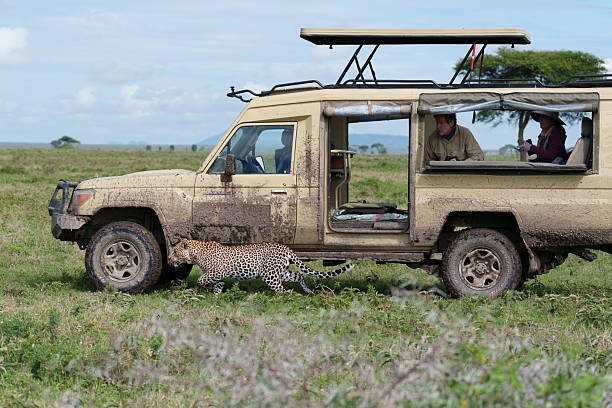
You’ll travel in a specially adapted 4×4 safari vehicle, usually a Land Cruiser or Land Rover. These vehicles have pop-up roofs, allowing for unobstructed 360-degree views and excellent photographic opportunities. Most vehicles are designed for comfort, with ample legroom and individual seating. Your guide will often be able to customize game drives based on your interests and wildlife sightings.
Wildlife Encounters
Expect to see a wide array of animals. While the Big Five are a major draw, Tanzania offers much more. You’ll encounter numerous antelope species, giraffes, zebras, hippos, crocodiles, and an incredible diversity of birdlife. Patience is key; sometimes, the most rewarding sightings come after a period of quiet observation. Your guide’s expertise in tracking and knowledge of animal behavior will be invaluable.
Accommodation
Accommodation ranges from basic camping to luxurious lodges. Even budget camping often includes a safari cook to prepare meals. Mid-range and luxury options provide comfortable beds, private bathrooms, and often stunning locations. Many lodges and camps are designed to blend into the natural environment, offering a unique atmosphere.
The Role of the Guide
Your safari guide is your expert companion. They are trained in wildlife identification, tracking, animal behavior, and the local ecosystem. They are also responsible for the safety of the vehicle and its occupants. Don’t hesitate to ask questions; guides are passionate about sharing their knowledge.
Road Conditions
Safari roads can range from well-maintained tracks to rough, dusty, or muddy paths, especially during the rainy season. The 4×4 vehicles are equipped to handle these conditions, but expect some bumps and jolts. The journey between parks can be long, but the scenery and the anticipation of wildlife sightings make it part of the adventure.
Cultural Interactions
Many safaris include opportunities to visit local villages, such as Maasai communities. These visits offer a glimpse into the traditional way of life, but it’s important to approach them with respect and cultural sensitivity. Ensure your tour operator facilitates genuine and respectful interactions.
Typical Inclusions and Exclusions
Understanding what’s included in your safari package is crucial for budgeting and avoiding surprises. While packages vary, here’s a general guideline.
Common Inclusions:
- Accommodation during the safari (lodges, tented camps, or campsites).
- All meals during the safari (breakfast, lunch, dinner), often starting with lunch on Day 1 and ending with lunch or breakfast on the last day.
- Park entrance fees for all national parks and conservation areas visited.
- Crater service fees (for Ngorongoro).
- A professional, English-speaking safari guide.
- A 4×4 safari vehicle with a pop-up roof for game viewing.
- Unlimited mileage game drives within the parks.
- Bottled drinking water during game drives.
- Mention of any specific activities like guided walks (if applicable and included).
- Airport transfers to/from Moshi/Arusha.
Common Exclusions:
- International flights to and from Tanzania.
- Visa fees for Tanzania.
- Travel insurance (highly recommended).
- Gratuities for your safari guide and camp staff.
- Alcoholic and non-alcoholic beverages (unless specified, often water is included).
- Personal expenses (e.g., souvenirs, laundry).
- Optional activities not listed in the itinerary (e.g., hot air balloon safari, night drives in some areas).
- Tips for optional cultural visits.
- Vaccinations and any medical expenses.
Always confirm the exact inclusions and exclusions with your tour operator before booking your best Tanzania safari packages from Moshi.
Packing and Preparation Essentials
Proper packing is essential for a comfortable and enjoyable safari. The key is to pack light, practical items suitable for varying weather conditions.
Clothing:
- Lightweight, neutral-colored clothing: Khaki, beige, green, and brown are best. Avoid bright colors and dark blue/black, which can attract insects or be seen as intimidating by animals.
- Long-sleeved shirts and trousers: For sun protection during the day and to ward off insects in the evenings.
- Warm layers: Fleece jacket, sweater, or down vest for cool mornings and evenings, especially at higher altitudes like the Ngorongoro crater rim.
- T-shirts and comfortable tops.
- Shorts or comfortable trousers for relaxing at the lodge/camp.
- A comfortable pair of walking shoes or hiking boots: If you plan on any guided walks.
- Sandals or flip-flops for camp/lodge.
- Swimsuit: For lodges with pools.
- Hat: Wide-brimmed hat for sun protection.
- Scarf or bandana: Useful for dust protection.
Gear & Accessories:
- Sunscreen: High SPF.
- Insect repellent: With DEET.
- Sunglasses.
- Camera and extra batteries/memory cards: A zoom lens is highly recommended for wildlife photography.
- Binoculars: Essential for spotting distant wildlife.
- Headlamp or flashlight: For navigating at night.
- Personal first-aid kit: With any personal medications.
- Hand sanitizer.
- Reusable water bottle.
- Adapter for electronics: Tanzania uses Type D and G plugs.
- Dry bag or waterproof backpack cover: For protecting gear during potential rain showers.
Documents & Money:
- Passport: With at least six months’ validity and blank pages.
- Visa: Check requirements for your nationality.
- Yellow Fever vaccination certificate: May be required.
- Travel insurance details.
- Copies of important documents: Stored separately.
- Cash: USD is widely accepted for tips and souvenirs. Some places accept credit cards, but carry cash for smaller expenses.
Important Note on Luggage:
Most safari operators have strict luggage weight limits for light aircraft transfers (if applicable) and to fit comfortably in the safari vehicles. Soft-sided duffel bags are often preferred over hard suitcases. Check with your operator for specific dimensions and weight restrictions.
Common Mistakes to Avoid
Planning a safari is exciting, but a few common pitfalls can detract from the experience. Being aware of these can help you avoid them.
- Not booking in advance: Especially for peak seasons (June-October, December-February) and for popular lodges or specific migration viewing times, booking 6-12 months ahead is recommended for 2026-2027.
- Choosing the wrong time of year: Visiting during the peak rainy season (April-May) can lead to difficult travel conditions and dispersed wildlife.
- Underestimating travel times: Distances in Tanzania are vast, and game drives can be long. Factor in travel time between parks.
- Focusing only on the Big Five: While exciting, Tanzania’s wildlife viewing is much richer. Appreciate the diversity of animals, birds, and landscapes.
- Overpacking: Soft duffel bags are essential, and weight limits apply, especially if flying between locations.
- Not clarifying inclusions/exclusions: This can lead to unexpected costs for park fees, meals, or activities.
- Ignoring the guide’s advice: Guides are experts; listen to their recommendations regarding safety, wildlife viewing, and timing.
- Not packing essentials: Sunscreen, insect repellent, warm layers, and binoculars are crucial.
- Expecting a zoo-like experience: Wildlife is wild. Sightings are not guaranteed, and animals behave naturally. Patience and flexibility are key.
- Not considering insurance: Comprehensive travel insurance covering medical emergencies and trip cancellations is vital.
Who Are These Safaris Best For?
Best Tanzania safari packages from Moshi cater to a wide range of travelers:
- Wildlife Enthusiasts: Anyone passionate about observing animals in their natural habitat.
- Photographers: The stunning landscapes and diverse wildlife offer endless photographic opportunities.
- Adventure Seekers: Those looking for an immersive experience in nature, with early mornings, long drives, and the thrill of discovery.
- Families: Safaris can be incredibly educational and bonding experiences for families, offering lessons in biology, ecology, and conservation. Custom itineraries can be designed for younger children.
- Couples & Honeymooners: Romantic lodges, stunning sunsets, and the magic of the African bush create a memorable setting. Luxury packages are particularly popular.
- Solo Travelers: Group safaris offer a social atmosphere and cost savings, while private safaris provide flexibility and personalized attention.
- Budget Travelers: Camping safaris provide an affordable way to experience Tanzania’s wildlife.
- Luxury Travelers: High-end lodges and private guides offer an exclusive and comfortable safari experience.
Essentially, if you have a desire to witness incredible wildlife and experience the African wilderness, a safari from Moshi is an excellent choice.
Alternatives to Standard Safari Packages
While traditional park safaris are the most common, Tanzania offers other ways to experience its wildlife and landscapes:
Walking Safaris
Offered in specific areas (like near Ruaha or Selous, though less common directly from Moshi’s Northern Circuit focus), walking safaris provide a more intimate connection with the bush. Accompanied by an armed ranger and guide, you learn about tracking, plants, and smaller creatures often missed from a vehicle. These are typically for the more adventurous.
Cultural Tourism
Beyond brief village visits, some operators offer deeper cultural immersion experiences. This could involve staying with local families, participating in daily activities, or learning traditional crafts. This can be combined with shorter safari excursions.
Fly-In Safaris
For those with limited time or who prefer to avoid long drives, fly-in safaris are an option. You fly from Arusha or Kilimanjaro Airport to airstrips within national parks like the Serengeti. This saves considerable travel time but significantly increases the cost.
Gorilla Trekking (Uganda/Rwanda)
While not in Tanzania, if your primary interest is primate viewing, combining a Tanzanian safari with a gorilla trek in neighboring Uganda or Rwanda is a popular option for those seeking a broader East African wildlife experience.
Zanzibar Extension
Many travelers combine a safari with a relaxing beach holiday on the spice island of Zanzibar. This offers a perfect contrast of adventure and relaxation. Zanzibar itself has unique wildlife, like the Zanzibar red colobus monkey, and marine life for snorkeling and diving.
Planning Your Safari for 2026-2027
Proactive planning is key to securing the best experiences and value for your 2026 or 2027 safari. Here’s a timeline and considerations:
12+ Months Before Departure:
- Define your interests: What do you want to see? The Migration? Big Five? Birdlife?
- Set a budget: This will determine your accommodation style, duration, and vehicle type (private vs. group).
- Research tour operators: Look for reputable companies with good reviews, especially local operators based in Moshi or Arusha for authentic experiences and potentially better pricing.
- Choose your travel dates: Consider seasonality and the Great Migration movements.
9-12 Months Before Departure:
- Contact operators and get quotes: Compare itineraries, inclusions, and prices.
- Book popular lodges/camps: Especially those in prime locations within the Serengeti or on the Ngorongoro Crater rim, as these sell out quickly.
- Book international flights: Prices tend to be lower when booked well in advance.
6-9 Months Before Departure:
- Finalize your itinerary and book: Pay the deposit.
- Consider travel insurance: Purchase a comprehensive policy.
- Check passport and visa requirements: Ensure your passport is valid for at least six months beyond your stay and apply for visas if necessary.
3-6 Months Before Departure:
- Start planning your packing list: Research recommended items.
- Book any optional activities: Such as hot air balloon safaris.
- Consult your doctor: Discuss necessary vaccinations (e.g., Yellow Fever) and malaria prophylaxis.
1-3 Months Before Departure:
- Make final payments.
- Confirm all booking details with your tour operator.
- Purchase remaining gear (binoculars, camera equipment, etc.).
Weeks Leading Up To Departure:
- Pack your bags (remembering weight limits and soft duffels).
- Inform your bank of your travel dates.
- Print important documents and keep digital copies.
By following this timeline, you can ensure a well-organized and stress-free safari experience for your 2026 or 2027 adventure.
Booking Your Safari Package
Choosing the right tour operator and booking process is critical for a successful safari. Here’s how to approach it:
Choose a Reputable Operator
Look for operators with:
- Positive reviews and testimonials: Check platforms like TripAdvisor, Google Reviews, and travel forums.
- Clear communication: They should respond promptly and answer all your questions thoroughly.
- Local knowledge: Operators based in Tanzania often have a deeper understanding of logistics, guides, and local conditions.
- Professional affiliations: Membership in organizations like ATTA (African Travel and Tourism Association) can indicate a commitment to industry standards.
- Transparency: Clear pricing and detailed itineraries are essential.
What to Look For in a Package:
- Tailored Itinerary: Does it match your interests, time, and budget?
- Quality of Guides: Experienced, knowledgeable, and certified guides make a huge difference.
- Vehicle Condition: Ensure they use well-maintained 4×4 safari vehicles.
- Accommodation Standards: Do the lodges/camps meet your comfort level?
- Group Size: If booking a group safari, what is the maximum number of people per vehicle?
- Inclusions: Double-check that park fees, meals, and accommodation are clearly listed.
The Booking Process:
- Request a Quote: Provide your desired dates, number of travelers, budget, and any specific interests.
- Review the Proposal: Discuss any adjustments needed.
- Confirm Details: Ensure all aspects of the itinerary, accommodation, and inclusions are agreed upon.
- Deposit Payment: Typically, a deposit of 20-50% is required to secure your booking.
- Final Payment: Usually due 30-60 days before departure.
- Receive Final Itinerary and Vouchers: A week or two before you travel.
Direct Contact for Tailored Packages:
For personalized service and to discuss the best Tanzania safari packages from Moshi, consider reaching out directly to experienced local operators. They can craft itineraries that perfectly suit your needs for 2026 and 2027.
Contact Us for Your Custom Safari:
WhatsApp: +255616946642
Email: topguideadventures@gmail.com
Backup Email: info@topguideadventures.com
Frequently Asked Questions
Do I need vaccinations for a safari in Tanzania?
It is highly recommended to consult your doctor or a travel clinic 4-6 weeks before your trip. Yellow Fever vaccination is often required, especially if you are arriving from or traveling to other African countries where it is endemic. Malaria prophylaxis is also usually recommended for most safari destinations in Tanzania. Your doctor will provide the most accurate advice based on your health history and travel plans for 2026-2027.
What is the best way to see the Great Migration?
The Great Migration is a year-round phenomenon, but its location changes. For river crossings (wildebeest and zebra crossing the Mara River), the prime time is typically July to September in the northern Serengeti. For the calving season, when thousands of young are born, aim for January to February in the southern Serengeti. Your tour operator can advise on the best location based on your travel dates.
Is it safe to go on safari in Tanzania?
Tanzania is considered one of the safest safari destinations in Africa. Reputable tour operators prioritize safety, using experienced guides and well-maintained vehicles. Following your guide’s instructions is paramount. While petty crime can occur in towns, wildlife encounters are managed professionally. Standard travel precautions apply.
What currency should I use in Tanzania?
The Tanzanian Shilling (TZS) is the local currency. However, US Dollars are widely accepted, especially for park fees, safari packages, and at tourist lodges and hotels. It’s advisable to have a mix of USD (newer bills, post-2009) for larger expenses and TZS for smaller purchases in local markets or smaller towns. ATMs are available in major towns like Arusha and Moshi.
Can I use my credit cards on safari?
Credit cards are accepted at most larger lodges and hotels, but often with a surcharge. They are generally not accepted in national parks or at smaller camps. It’s essential to carry enough cash (USD and TZS) for tips, souvenirs, and any incidental expenses. Always confirm payment methods with your accommodation and tour operator.
How much should I tip my safari guide?
Tipping is customary and appreciated. A general guideline for a private safari guide is $20-$30 USD per day per group. For camp/lodge staff, a tip of $5-$10 USD per day per guest is common, often collected by management to be shared. It’s best to provide tips in USD. Your tour operator can provide specific recommendations for your 2026-2027 trip.
What are the luggage restrictions for safari vehicles?
Safari vehicles typically have limited luggage space. Most operators recommend soft-sided duffel bags (not hard suitcases) weighing no more than 15-20 kg (33-44 lbs) per person. This is especially crucial if you plan to use light aircraft transfers between locations. Always check the specific limits with your tour operator.
Can I do a safari if I have limited mobility?
While many safari activities involve getting in and out of vehicles and walking, some operators can make accommodations for travelers with limited mobility. Some lodges are more accessible than others. It’s crucial to discuss your specific needs with your tour operator well in advance so they can arrange suitable vehicles, lodges, and activities for your 2026-2027 safari.
Is it possible to customize a safari package from Moshi?
Absolutely! Customization is one of the main advantages of booking with local operators. You can tailor the duration, parks visited, accommodation style, and pace to perfectly match your interests and budget. Whether you want to focus on photography, birdwatching, or a specific wildlife event, custom packages are readily available.
What is the difference between a national park and a conservation area in Tanzania?
National Parks (like Serengeti, Tarangire, Lake Manyara) are managed by TANAPA (Tanzania National Parks Authority) and are primarily for wildlife conservation and tourism, with strict regulations. Conservation Areas (like Ngorongoro) are managed by the Ngorongoro Conservation Area Authority (NCA). They protect wildlife but also allow human habitation (e.g., Maasai communities) and various land uses, making them unique multi-use areas.
Ready to Plan Your Dream Tanzania Safari from Moshi?
Exploring the wonders of Tanzania with one of the best Tanzania safari packages from Moshi is an experience like no other. From the endless plains of the Serengeti to the unique ecosystem of the Ngorongoro Crater, your adventure awaits. Whether you’re planning for 2026, 2027, or beyond, let us help you craft the perfect journey.
We specialize in creating unforgettable safari experiences tailored to your interests, budget, and travel style. Get in touch with our expert team to start planning your dream safari today.
Contact us for a personalized quote and expert advice:
WhatsApp: +255616946642
Email: topguideadventures@gmail.com
Backup Email: info@topguideadventures.com
Which Tanzania Safari Gives The Best Value For Money? 2026-2027
Which Tanzania safari gives the best value for money? is explained with current 2026-2027 planning, price, itinerary and booking information.
View package details
How To Avoid Safari Scams In Tanzania: A Top Guide Adventures Expert 2026-2027
Navigating a safari in Tanzania is a dream for many, but a few precautions can ensure your adventure is scam-free. This guide from Top Guide Adventures provides essential advice for...
View package details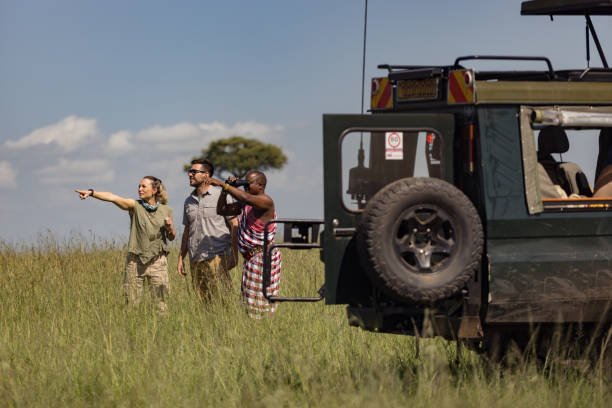
Which Local Tanzania Safari Companies Are Trustworthy In ? 2026-2027
Choosing a trustworthy local Tanzania safari company is crucial for a memorable and safe adventure. This guide helps you identify reliable operators for your 2026-2027 trip, covering...
View package detailsHow Far In Advance Should You Book A Tanzania Safari? Your Planning Guide
Securing your dream Tanzania safari requires strategic planning. This comprehensive guide details the optimal booking timeline for 2026-2027, considering peak seasons, lodge availability...
View package detailsHow Much Should I Tip My Safari Guide In Tanzania? Your 2026-2027
Understand the tipping culture for safari guides and staff in Tanzania. This guide provides clear, actionable recommendations for tipping your safari crew in 2026-2027, covering guides...
View package detailsPrivate Safari Vs Group Tanzania — Which Is Better? 2026-2027
Private safari vs group safari Tanzania — which is better? is explained with current 2026-2027 planning, price, itinerary and booking information.
View package details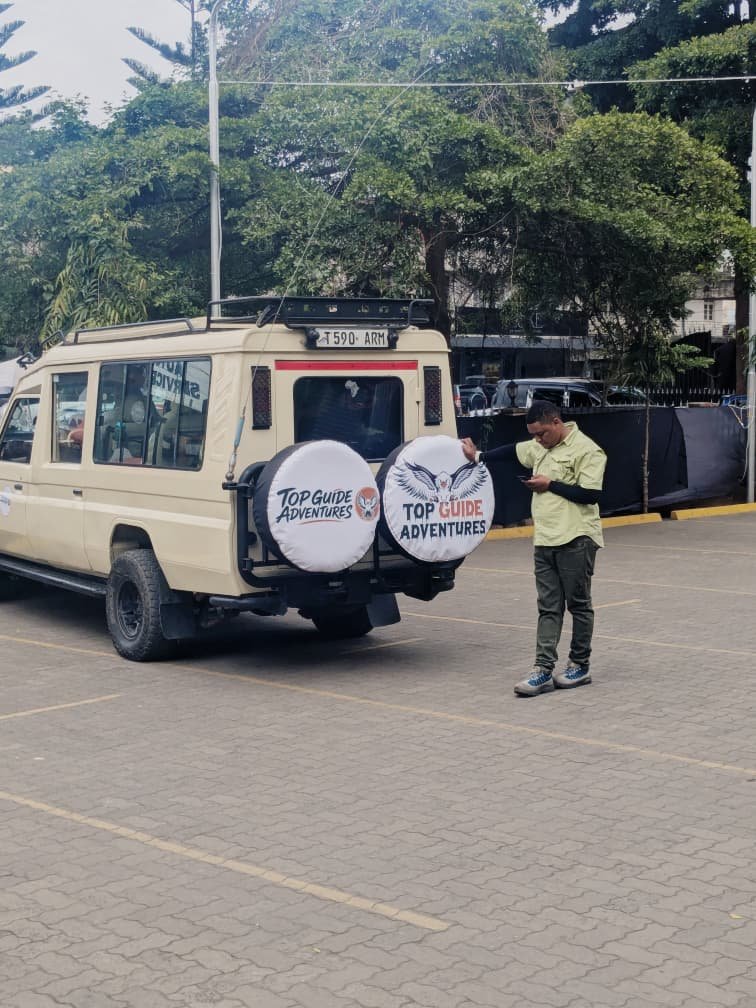
Is A Group Joining Safari In Tanzania Worth It? 2026-2027
Is a group joining safari in Tanzania worth it? is explained with current 2026-2027 planning, price, itinerary and booking information.
View package details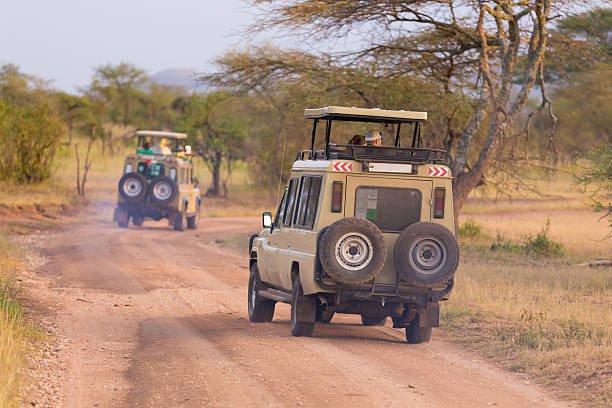
Tanzania Safari For Great Migration: Which Tour To Book In 2026-2027
Planning to witness the Great Migration in Tanzania? This guide helps you choose the perfect safari for 2026-2027, detailing the best parks, timing, and tour options for an unforgettable...
View package details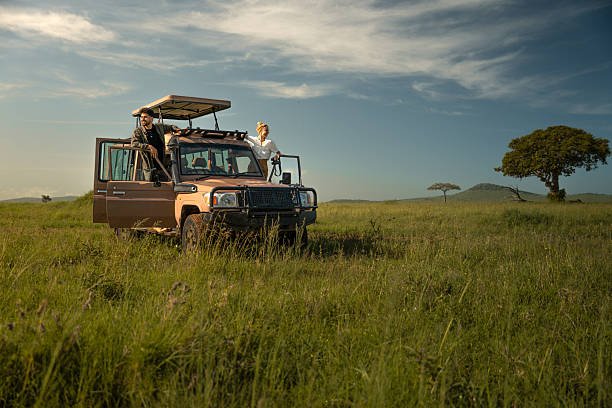
Three Days For Safari In Tanzania: Where To Go An Unforgettable Experience
If you have just three days for a safari in Tanzania, the most recommended destinations for a concentrated and rewarding wildlife experience are the Ngorongoro Conservation Area and...
View package details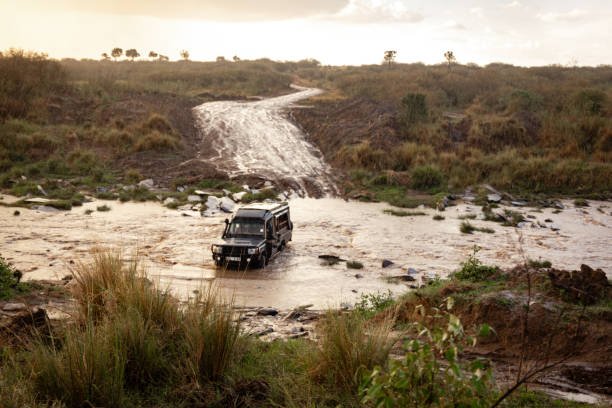
Combine Safari And Zanzibar With A $3,000 Per Person Tanzania Budget 2026-2027
Explore how to effectively combine a classic Tanzania safari experience with the tropical allure of Zanzibar, all while adhering to a $3,000 per person budget. This guide covers essential...
View package details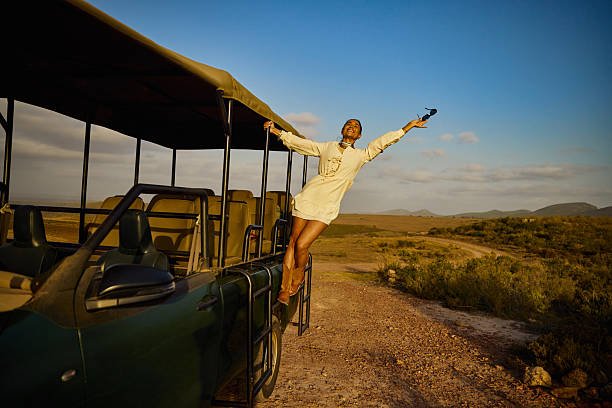
Tanzania Safari Under $2,000 Per Person: Your Dream Itinerary For 2026-2027
Explore Tanzania's incredible wildlife and landscapes on a safari designed for a $2,000 per person budget. We outline the best routes, durations, and what to expect for your 2026-2027...
View package details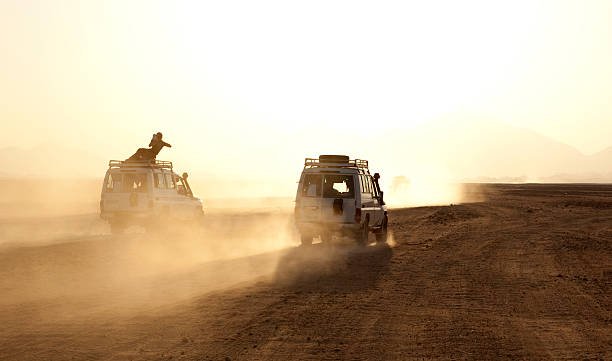
Solo Travel To Tanzania: Can I Join A Safari Group? 2026-2027
Planning a solo safari adventure in Tanzania? Discover how you can join an existing group tour, making your journey more affordable and social. Top Guide Adventures provides excellent...
View package detailsNo related package matches those filters. Clear one or more filters to see the other topic-matched options.
Plan your Best Tanzania Safari Packages From Moshi with Top Guide Adventures
Tell us your travel dates, group size, comfort level, and dream experience. We will help you shape a clear, realistic, and memorable Tanzania itinerary.



