
Updated planning guide for 2026, 2027-2028
Best Safari From Moshi For Solo Travelers: Guide 2026-2027-2028
Discover how to plan and book the best safari from Moshi as a solo traveler. This comprehensive guide covers everything from choosing destinations and itineraries to packing essentials and safety tips for your 2026-2027 adventure.
WhatsApp +255616946642 | topguideadventures@gmail.com | info@topguideadventures.com
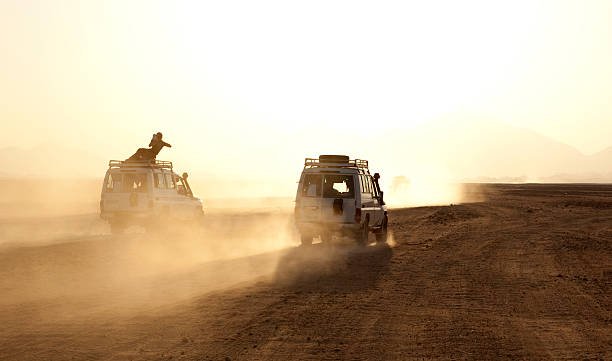
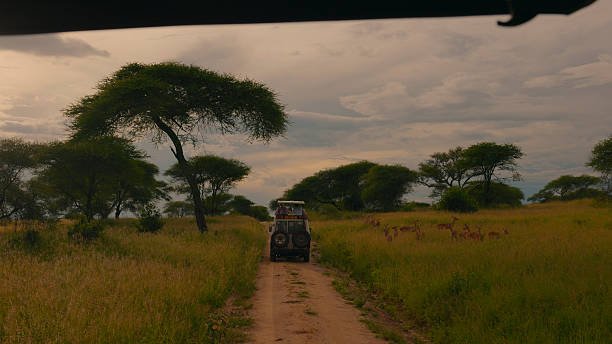
Best Safari From Moshi for Solo Travelers: Your Ultimate Planning Guide
Moshi, a vibrant town nestled at the foot of Mount Kilimanjaro, serves as a crucial gateway for many African adventures. While often associated with Kilimanjaro climbs, it’s also an excellent starting point for discovering the wonders of a Tanzanian safari, especially for solo travelers. The question then becomes: what constitutes the best safari from Moshi for solo travelers? This guide aims to provide a comprehensive, practical, and detailed roadmap to help you plan, book, and experience an unforgettable wildlife adventure, tailored for those venturing out independently.
Solo travel offers unparalleled freedom and the chance for deep personal connection with a destination. When it comes to safaris, this means you can set your own pace, focus on what interests you most, and often forge stronger bonds with guides and fellow travelers. However, it also brings unique considerations, particularly regarding safety, cost-effectiveness, and itinerary planning. We will cover all these aspects, ensuring your solo safari from Moshi is not just good, but exceptional.
This extensive guide will walk you through everything you need to know, from understanding the various safari circuits accessible from Moshi to selecting the right tour operator, packing effectively, and preparing for the realities of life on safari. We’ll look at potential itineraries, what to expect on a day-to-day basis, and how to make the most of your experience as a solo explorer in 2026 and 2027.
Quick Safari from Moshi Overview for Solo Travelers
| Aspect | Details for Solo Travelers from Moshi |
|---|---|
| Primary Safari Destinations | Serengeti, Ngorongoro Crater, Tarangire, Lake Manyara, Arusha National Park. |
| Typical Duration | 3 to 7 days is common for a Northern Circuit safari. Longer trips are possible. |
| Best Time to Visit | June to October (dry season, great for migration) and December to February (calving season in Southern Serengeti). |
| Solo Traveler Considerations | Shared group tours for cost savings, private tours for flexibility, safety protocols, guide interaction, accommodation choices. |
| Getting There/Around | Safari vehicles (4×4 Land Cruisers) are standard. Transfers from Moshi to safari start points (Arusha) are typical. |
| Key Activities | Game drives, bird watching, walking safaris (in select areas), cultural visits. |
| Budget Factors | Accommodation type, safari duration, park fees, group vs. private tour. |
Why Choose Moshi as Your Safari Starting Point?
Moshi’s strategic location offers several advantages for planning your safari, especially when traveling solo. It’s not just about proximity to Kilimanjaro; it’s about access and the established tourism infrastructure that supports onward travel into Tanzania’s renowned safari circuit.
- Proximity to Northern Circuit Parks: Moshi is relatively close to the popular Northern Circuit parks like Arusha National Park, Tarangire, Lake Manyara, and the Serengeti, making it a convenient departure point.
- Gateway to Kilimanjaro: Many solo travelers arrive in Moshi to climb Kilimanjaro. Extending their trip with a safari makes logistical and financial sense, leveraging existing travel plans and potentially shared resources.
- Established Tourism Hub: Moshi has a well-developed tourism industry, meaning plenty of tour operators, guides, and accommodation options catering to international visitors, including solo travelers.
- Cultural Immersion: Being a local town, Moshi offers opportunities for cultural interaction before or after your safari, enriching the overall travel experience.
- Cost-Effectiveness (Potentially): While not always the cheapest starting point, the availability of group tours and the ability to combine Kilimanjaro preparations with safari planning can offer cost efficiencies.
Understanding Safari Options from Moshi for Solo Explorers
When you’re a solo traveler looking for the best safari from Moshi, you have a few primary ways to structure your trip. Each has its pros and cons, particularly concerning budget, flexibility, and social interaction.
1. Group Safaris
This is often the most budget-friendly option for solo travelers. You join a small group of other travelers, sharing the cost of the vehicle, guide, and accommodation. This significantly reduces the per-person price compared to a private safari.
- Pros: Cost savings, built-in social interaction, shared experiences, reduced pressure on decision-making.
- Cons: Less flexibility in itinerary and pace, potential for differing interests within the group, fixed departure dates.
Who it’s best for: Budget-conscious solo travelers, those who enjoy meeting new people, and those who don’t mind a structured itinerary.
2. Private Safaris
You book a vehicle and guide exclusively for yourself. This offers maximum flexibility and a personalized experience.
- Pros: Complete control over itinerary, pace, and game drive times; personalized attention from the guide; privacy.
- Cons: Significantly higher cost, especially for a solo traveler as you bear the full vehicle and guide cost.
Who it’s best for: Solo travelers with a higher budget, those with very specific interests (e.g., photography), or those seeking ultimate comfort and control.
3. Custom or Semi-Private Options
Some operators offer a middle ground. You might book a private vehicle but share accommodation, or join a small, pre-defined group tour that allows for some itinerary adjustments. Another option is to book a “guaranteed departure” small group tour where you know the departure date and the minimum number of people, allowing you to plan around it.
- Pros: Balances cost and flexibility, can offer a good social dynamic.
- Cons: Availability can be limited, might still involve some compromises.
Who it’s best for: Solo travelers seeking a balance between cost, social interaction, and some degree of customization.
Top Safari Destinations Accessible from Moshi
The Northern Circuit of Tanzania is the most popular and accessible safari region from Moshi. It offers diverse landscapes and abundant wildlife, making it ideal for a first-time solo safari experience.
1. Serengeti National Park
The crown jewel of Tanzanian safaris. Famous for its vast plains, dramatic predator-prey interactions, and the Great Migration (which moves in a roughly circular path throughout the year).
- Wildlife: Big Five (lion, leopard, elephant, rhino, buffalo), cheetah, giraffe, wildebeest, zebras, and countless bird species.
- Best for: Witnessing the Great Migration (timing is crucial), exceptional lion and big cat sightings, vast open landscapes.
- Solo Traveler Note: Group tours often focus on central or western Serengeti. For migration viewing, specific areas like the Grumeti River (June-July) or Mara River (July-October) are key.
2. Ngorongoro Conservation Area (Ngorongoro Crater)
A UNESCO World Heritage Site, the Ngorongoro Crater is a natural caldera teeming with wildlife. It’s often described as a “natural zoo” due to the high density of animals.
- Wildlife: Excellent chances of seeing the Big Five in a single day, including the rare black rhino. Large populations of wildebeest, zebras, elephants, hippos, and flamingos.
- Best for: High-density wildlife viewing, seeing black rhinos, unique caldera landscape.
- Solo Traveler Note: Game drives within the crater have strict time limits. Sunrise and sunset game drives are highly recommended for the best light and activity.
3. Tarangire National Park
Known for its massive elephant herds, baobab trees, and diverse birdlife. It’s particularly spectacular during the dry season.
- Wildlife: Large elephant populations, lions, leopards, cheetahs, giraffes, zebras, numerous antelope species, and over 500 bird species.
- Best for: Elephant encounters, baobab scenery, bird watching, dry season viewing.
- Solo Traveler Note: Offers opportunities for walking safaris in certain areas, which can be a more intimate wildlife experience.
4. Lake Manyara National Park
Famous for its tree-climbing lions, large baboon troops, and diverse birdlife along the Rift Valley escarpment. It’s a smaller park, often visited as a day trip or on the way to Serengeti/Ngorongoro.
- Wildlife: Tree-climbing lions, large buffalo herds, elephants, hippos, flamingos (seasonal), and over 400 bird species.
- Best for: Tree-climbing lions, bird watching, scenic views of the lake and escarpment.
- Solo Traveler Note: Can be combined with a visit to a Maasai village or a cultural tour.
5. Arusha National Park
The closest national park to Moshi and Arusha. It features Mount Meru, Momella Lakes, and the Ngurdoto Crater. It’s excellent for walking safaris and offers stunning views of Kilimanjaro.
- Wildlife: Buffalos, giraffes, zebras, various monkeys (including colobus), hippos, and diverse birdlife. No lions or leopards are commonly sighted.
- Best for: Walking safaris, scenic beauty, views of Kilimanjaro, shorter trips.
- Solo Traveler Note: A great option for a day trip or a one-night stay if time is limited. Offers a different safari experience with more active exploration.
Sample Itinerary: 5-Day Northern Circuit Safari from Moshi (Solo Traveler Focus)
This itinerary is designed to offer a balance of iconic wildlife viewing and logistical feasibility for a solo traveler starting from Moshi. It’s typically run as a group tour to optimize costs, but can be adapted for a private experience.
| Day | Route & Activities | Overnight Location | Notes for Solo Travelers |
|---|---|---|---|
| Day 1 | Moshi to Tarangire National Park Morning pick-up from Moshi, drive to Arusha for briefing, then proceed to Tarangire. Afternoon game drive in Tarangire, famous for its large elephant herds and baobab trees. |
Tarangire National Park Area (Tented Camp or Lodge) | Meet your guide and fellow group members (if applicable). Settle into camp. Evening introductions and safari briefing. |
| Day 2 | Tarangire to Lake Manyara & Ngorongoro Morning game drive in Tarangire. Drive towards Karatu, stopping for a game drive in Lake Manyara National Park (optional, depending on tour pace). Ascend to the Ngorongoro Conservation Area. |
Ngorongoro Conservation Area (Lodge or Tented Camp on crater rim/nearby) | Enjoy the changing landscapes. If in a group, observe group dynamics. Ask your guide about local conservation efforts. |
| Day 3 | Ngorongoro Crater Exploration Descend into the Ngorongoro Crater for a full morning game drive. Look for the Big Five, including the elusive black rhino. Picnic lunch by the hippo pool. Ascend in the afternoon. |
Ngorongoro Conservation Area (Same as Day 2) | This is a highlight. Maximize your time in the crater. Engage with your guide about the crater’s unique ecosystem. |
| Day 4 | Ngorongoro to Serengeti National Park Drive to the Serengeti National Park, entering via the Ngorongoro Conservation Area. En-route game drive through the Serengeti, looking for wildlife and enjoying the vast plains. Optional visit to Olduvai Gorge (extra cost). |
Serengeti National Park (Central/Western – Seronera Area) | The journey into the Serengeti is an experience in itself. Discuss migration patterns with your guide. |
| Day 5 | Serengeti Game Drive & Return to Moshi Early morning game drive in the Serengeti. Return to your camp for breakfast. Drive back towards Arusha/Moshi, with a stop for lunch en route. Arrive in Moshi in the late afternoon/early evening. |
N/A (Return to Moshi) | Reflect on your safari experience. Share photos and stories with group members. Ensure you have your guide’s contact details for future needs. |
Note: This is a sample. Itineraries can be customized to include more days in Serengeti, focus on specific migration areas, or add other parks.
Route Overview (Text-Based Map)
| Leg | From | To | Approx. Driving Time | Key Feature |
|---|---|---|---|---|
| 1 | Moshi | Tarangire NP | 4-5 hours | Elephants, Baobabs |
| 2 | Tarangire NP | Ngorongoro Crater Area | 2-3 hours | Crater Rim Views, Rhinos |
| 3 | Ngorongoro Crater Area | Serengeti NP (Central) | 3-4 hours (incl. game drive) | Vast Plains, Big Cats |
| 4 | Serengeti NP (Central) | Moshi | 8-10 hours (long day) | Return Journey |
What to Expect on Your Solo Safari from Moshi
Understanding the daily rhythm and expectations of a safari is crucial for solo travelers to feel comfortable and prepared.
Daily Schedule
Safaris typically follow a pattern designed to maximize wildlife viewing opportunities:
- Early Morning: Wake up before dawn for an early morning game drive. This is when predators are most active and the light is beautiful for photography.
- Mid-Morning: Return to camp for breakfast.
- Late Morning/Afternoon: Depending on the tour, you might have a second game drive, or travel between parks. Lunch is usually served during this time.
- Late Afternoon: A final game drive before returning to camp for the evening.
- Evening: Dinner, relaxation, and discussion about the day’s sightings. Guides often share insights into animal behavior and conservation.
Accommodation
Accommodation options vary widely and significantly impact the solo traveler experience and cost:
- Tented Camps: Range from basic, canvas tents with shared facilities to luxurious lodges with private bathrooms and fine dining. Often offer a more immersive nature experience.
- Lodges: Permanent structures, offering more amenities and comfort, often with swimming pools and restaurants.
- Budget Guesthouses/Campsites: For the most budget-conscious solo travelers, camping within designated park areas or staying in simple guesthouses outside park boundaries is an option, usually part of basic group tours.
Solo Traveler Tip: When booking a group safari, confirm if you’ll have your own tent/room or if you’ll be paired with another traveler of the same gender. Most reputable operators offer single supplements for private rooms/tents, or guarantee no pairing unless agreed upon.
The Role of Your Guide
Your safari guide is your expert companion, driver, and educator. For solo travelers, they are a vital source of information and safety.
- Expertise: They are trained to spot wildlife, understand animal behavior, navigate, and know the best locations for sightings.
- Safety: They ensure your safety by managing interactions with wildlife and maintaining the vehicle.
- Companionship: A good guide can make your solo trip feel less solitary, sharing stories, local culture, and insights.
- Interaction: Don’t hesitate to ask questions! Solo travelers often have more time and opportunity to engage deeply with their guides.
Planning Your Solo Safari: Key Considerations
Making informed decisions during the planning phase is essential for a successful solo safari from Moshi in 2026 or 2027.
Choosing the Right Tour Operator
This is perhaps the most critical decision for a solo traveler. Look for operators with a strong reputation for:
- Solo Traveler Friendliness: Do they actively cater to solo travelers? Do they have a good system for group formations or clear pricing for single occupancy?
- Safety Standards: Check reviews and their stated safety protocols.
- Experienced Guides: Knowledgeable and personable guides are key to a great safari.
- Transparency: Clear pricing, inclusions, and exclusions.
- Responsiveness: Prompt and helpful communication, especially important when you’re planning from afar.
Recommendation: Companies like Top Guide Adventures are known for their personalized service and experience with solo travelers. Reach out to them directly to discuss your needs.
Budgeting for Your Safari
Safari costs can vary significantly. As a solo traveler, understanding these factors helps in budgeting:
- Park Fees: These are substantial and usually charged per person per day. They are non-negotiable.
- Accommodation: Tented camps and lodges range from budget-friendly to luxury. Solo supplements can increase costs.
- Vehicle & Guide: In a group, this cost is shared. For a private safari, you bear it all.
- Meals: Usually included on safari, but check if drinks are extra.
- Tips: A customary practice for guides and camp staff.
- Miscellaneous: Souvenirs, travel insurance, visa fees.
Cost-Saving Tip for Solo Travelers: Opt for group tours with guaranteed departures. Joining a tour that is already scheduled and has a few participants will significantly reduce your per-person cost compared to booking a private safari for one.
Safety for Solo Travelers
Tanzania is generally a safe country for tourism, but standard precautions apply:
- Trust Your Guide: Always follow your guide’s instructions. They are trained to handle wildlife and local conditions.
- Stay in Vehicle: Never leave the safari vehicle unless specifically permitted by your guide (e.g., during designated stops or walking safaris).
- Valuables: Keep valuables secure and out of sight. Use hotel safes where available.
- Health: Consult your doctor about necessary vaccinations and malaria precautions. Carry a basic first-aid kit.
- Communication: Inform a trusted person back home about your itinerary. Ensure your phone is charged and consider a local SIM card if needed.
- Night Safety: Avoid walking alone outside your lodge or camp at night.
Packing Essentials for a Solo Safari
Packing smart is key to comfort and convenience when you’re traveling solo.
| Category | Items | Notes |
|---|---|---|
| Clothing | Neutral-colored, lightweight clothing (khaki, green, brown) Long-sleeved shirts and trousers (for sun and insect protection) Fleece or warm jacket (for cool mornings/evenings) Comfortable walking shoes/hiking boots Sandals or flip-flops Hat with a brim Swimsuit (if accommodation has a pool) |
Avoid bright colors and dark blue/black (attract insects). Layers are important. |
| Gear | Binoculars (essential for wildlife spotting) Camera with extra batteries and memory cards Power bank/portable charger Adapter (Type G, UK plug) Headlamp or flashlight Reusable water bottle Small backpack for daily essentials |
A good zoom lens for your camera is highly recommended. |
| Health & Hygiene | Sunscreen (high SPF) Insect repellent (with DEET) Hand sanitizer Personal medications Basic first-aid kit (band-aids, antiseptic wipes, pain relievers) Motion sickness medication (if prone) |
Consult your doctor for specific health advice. |
| Documents & Money | Passport and visa (if required) Flight tickets and itinerary Travel insurance details Copies of important documents (stored separately) Credit/debit cards Some USD cash (for tips and small purchases) |
Keep digital and physical copies of important documents. Inform your bank about your travel dates. |
Best Time to Go: Seasonality for Solo Safaris from Moshi
The timing of your safari can greatly influence wildlife sightings and overall experience. For solo travelers planning in 2026 or 2027, consider these seasons:
- Dry Season (June to October): This is the peak safari season. Wildlife congregates around water sources, making them easier to spot. The Great Migration is typically in the northern Serengeti during this period. Weather is pleasant with minimal rain. It’s also busier and potentially more expensive.
- Calving Season (Late January to February): The southern Serengeti becomes a hub of activity as wildebeest and zebras give birth. This is a prime time for predator sightings. The weather is warm and can be humid with occasional showers.
- Green Season (November to May): This is the ‘low’ season, characterized by lush landscapes and fewer tourists. It’s ideal for birdwatching and offers more affordable prices. The short rains occur in November, and the long rains typically from March to May. The Great Migration moves into the central and western Serengeti during this time.
Solo Traveler Tip: If you’re on a tighter budget or prefer fewer crowds, consider the shoulder months (e.g., May, early June, November) or the green season. You can still have incredible wildlife encounters.
Common Mistakes Solo Travelers Make (And How to Avoid Them)
Being aware of potential pitfalls can help you navigate your solo safari smoothly.
- Underestimating Costs: Especially for solo travelers, assuming group tour prices will directly translate to private bookings. Always clarify what’s included.
- Not Researching Tour Operators Enough: Relying solely on online reviews without checking the operator’s direct credentials or speaking with them.
- Packing Too Much: Luggage space in safari vehicles is limited. Pack light and efficiently.
- Ignoring Health Precautions: Not consulting a doctor about vaccinations or malaria prevention.
- Not Being Flexible: Wildlife sightings are not guaranteed. Embrace the unexpected and enjoy the journey.
- Being Too Reserved: Solo travel is a fantastic opportunity to connect with guides and other travelers. Be open to conversations and shared experiences.
- Forgetting Travel Insurance: Essential for any trip, especially one involving remote areas and wildlife.
Who is the Best Safari from Moshi for Solo Travelers Suited For?
This type of safari is ideal for a wide range of solo adventurers:
- First-Time Safari Goers: The Northern Circuit offers a classic and rewarding safari experience.
- Nature Enthusiasts: Those who are passionate about wildlife, photography, and the natural world.
- Adventurous Spirits: Individuals looking for an authentic African experience beyond typical tourist trails.
- Budget-Conscious Travelers: By opting for group tours, solo travelers can access world-class safaris affordably.
- Travelers Combining Trips: Those climbing Kilimanjaro and looking to extend their adventure.
- Independent Explorers: Individuals who value the freedom to discover at their own pace, even within a group structure.
Alternatives to the Northern Circuit from Moshi
While the Northern Circuit is the most popular, other safari experiences in Tanzania exist, though they might require more complex logistics from Moshi.
- Southern Circuit (Ruaha, Selous/Nyerere): Offers a more wild and less crowded experience. Requires flights from Arusha or Dar es Salaam, making it less direct from Moshi.
- Western Tanzania (Mahale, Gombe): Famous for chimpanzee trekking. Requires flights from Arusha or Dar.
- Day Trips: Arusha National Park is a popular day trip option from Moshi for those with very limited time.
For most solo travelers seeking the best safari from Moshi, the Northern Circuit remains the most practical and rewarding choice due to its accessibility and comprehensive infrastructure.
Planning Your 2026-2027 Solo Safari: Expert Tips
Planning ahead is key, especially for longer trips or peak seasons. Here are some tips for 2026 and 2027:
- Book in Advance for Peak Season: If you plan to travel during the dry season (June-October) in 2026 or 2027, book your safari and accommodation at least 6-9 months in advance. This is crucial for securing spots on popular group tours or preferred lodges.
- Consider Off-Peak for Value: For travelers looking for better deals or fewer crowds in 2026-2027, the green season (November-May, excluding holidays) offers excellent value and unique photographic opportunities with lush landscapes.
- Stay Flexible with Itinerary: While you can plan extensively, wildlife movements and weather can sometimes alter plans. Embrace spontaneity.
- Connect with Operators Early: Start conversations with potential tour operators well in advance. This allows time for questions, customization, and building trust.
- Review Park Fee Changes: Park fees can increase annually. Always confirm the latest fee structure with your operator for 2026-2027 trips.
- Factor in Visa Requirements: Check the latest visa regulations for Tanzania well in advance of your travel dates for 2026-2027.
Booking Your Safari: A Step-by-Step Guide for Solo Travelers
Securing your safari is a process that requires attention to detail.
- Initial Research: Identify reputable tour operators that specialize in Tanzania and cater to solo travelers. Look for those based in Tanzania for local expertise.
- Contact Operators: Reach out to 2-3 operators with your desired dates, duration, budget, and interests. Ask specific questions about group sizes, accommodation, inclusions, and solo traveler policies.
- Compare Quotes: Once you receive quotes, compare them carefully. Don’t just look at the price; consider what’s included (park fees, meals, accommodation type, transfers, guide qualifications).
- Read the Fine Print: Understand cancellation policies, payment schedules, and what happens in case of unforeseen circumstances.
- Book with Confidence: Choose an operator you feel comfortable with and who has demonstrated professionalism and transparency.
- Payment: Typically, a deposit is required to confirm your booking, with the balance due closer to your travel date.
Booking Advice: For the best safari from Moshi for solo travelers, consider Top Guide Adventures. They offer personalized service, a range of safari options, and a strong understanding of solo traveler needs. You can contact them via WhatsApp at +255616946642 or email at topguideadventures@gmail.com or info@topguideadventures.com.
What to Expect in Your Safari Package Inclusions/Exclusions
Clear understanding of what’s included is vital to avoid surprises.
| Typical Inclusions | Typical Exclusions |
|---|---|
| Full board accommodation during safari (meals: breakfast, lunch, dinner) | International flights |
| All park entrance fees | Visa fees |
| 4×4 safari vehicle with a professional English-speaking guide | Travel insurance |
| Game drives as per itinerary | Tips for guides and staff |
| Bottled water during game drives | Alcoholic and soft drinks (unless specified) |
| Airport transfers (if part of a package) | Optional activities (e.g., hot air balloon safari, Olduvai Gorge visit) |
| Crater service fees (for Ngorongoro) | Personal expenses (souvenirs, laundry) |
Frequently Asked Questions (FAQs) for Solo Safari Travelers from Moshi
Q1: Is it safe for a solo traveler to go on safari from Moshi?
Yes, it is generally very safe for solo travelers to go on safari from Moshi. Reputable tour operators prioritize safety, and your guide will ensure you adhere to all safety protocols in parks and conservation areas. It’s crucial to choose a well-established operator and follow your guide’s instructions diligently.
Q2: How much does a solo safari from Moshi typically cost?
The cost varies greatly depending on the duration, parks visited, accommodation level, and whether you choose a group or private safari. A 3-day group safari might start from around $600-$900 per person, while a 5-day private safari could range from $1500-$3000+ per person. These are estimates and can change for 2026-2027.
Q3: Will I be paired with another traveler if I book a group safari?
Most operators will offer you the choice: either pay a single supplement for your own room/tent or be paired with another traveler of the same gender. It’s best to clarify this policy when booking.
Q4: What’s the best way to book a safari as a solo traveler?
The best approach is to book through a reputable Tanzanian tour operator. They have local knowledge, established relationships with lodges and parks, and can offer competitive pricing. Contacting them directly via email or WhatsApp is recommended.
Q5: Can I customize my safari itinerary from Moshi?
Absolutely. While group tours have set itineraries, private safaris offer full customization. Even on group tours, operators might accommodate minor requests if feasible. Discuss your preferences when booking.
Q6: What is the best time of year for a solo safari from Moshi in 2026-2027?
The dry season (June-October) is popular for wildlife viewing and the Great Migration. However, the green season (November-May) offers fewer crowds and lower prices, with excellent birding and calving season sightings in early 2027. Your choice depends on your priorities.
Q7: What should I pack for a solo safari?
Pack light, neutral-colored clothing, layers for varying temperatures, a good hat, comfortable shoes, binoculars, camera, sunscreen, insect repellent, and essential medications. A detailed packing list is provided in this guide.
Q8: How much should I tip my safari guide?
Tipping is customary. A general guideline is $20-$30 per day per traveler for the guide and $10-$15 per day for the cook/lodge staff, but check with your operator for specific recommendations. This is for 2026-2027 trips.
Q9: Can I do a day trip safari from Moshi?
Yes, Arusha National Park is easily accessible from Moshi and can be visited as a day trip. It offers a good introduction to Tanzanian wildlife and scenery, including views of Mount Meru and Kilimanjaro.
Q10: What are the visa requirements for Tanzania for solo travelers?
Most nationalities require a visa to enter Tanzania. You can often obtain this online through the official immigration website or upon arrival at the airport. Check the latest requirements for your nationality well before your 2026-2027 trip.
Ready for Your Solo Adventure? Book Your Best Safari from Moshi!
Planning the best safari from Moshi for solo travelers is an exciting prospect. With the right preparation, a trusted tour operator, and a clear understanding of what to expect, you are set for an incredible journey into the heart of Tanzania’s wildlife. Whether you dream of witnessing the Great Migration in the Serengeti, spotting rhinos in the Ngorongoro Crater, or observing elephant herds in Tarangire, your solo adventure awaits.
Don’t leave your dream safari to chance. Connect with experienced local operators who understand the nuances of solo travel and can craft an unforgettable experience tailored to your interests and budget. For personalized service and expert guidance for your 2026-2027 safari, reach out to our trusted partners.
Contact Us Today:
WhatsApp: +255616946642
Email: topguideadventures@gmail.com
Backup Email: info@topguideadventures.com
Let us help you plan the perfect solo safari from Moshi. Your African adventure begins here!
Solo Travel To Tanzania: Can I Join A Safari Group? 2026-2027
Planning a solo safari adventure in Tanzania? Discover how you can join an existing group tour, making your journey more affordable and social. Top Guide Adventures provides excellent...
View package details
5-Day Southern Tanzania Group Joining Safari: Your Ultimate Adventure
Discover the wild heart of Southern Tanzania on a 5-day group joining safari. This adventure offers incredible wildlife viewing in Selous Game Reserve and Ruaha National Park, perfect for...
View package details
Which Tanzania Safari Gives The Best Value For Money? 2026-2027
Which Tanzania safari gives the best value for money? is explained with current 2026-2027 planning, price, itinerary and booking information.
View package details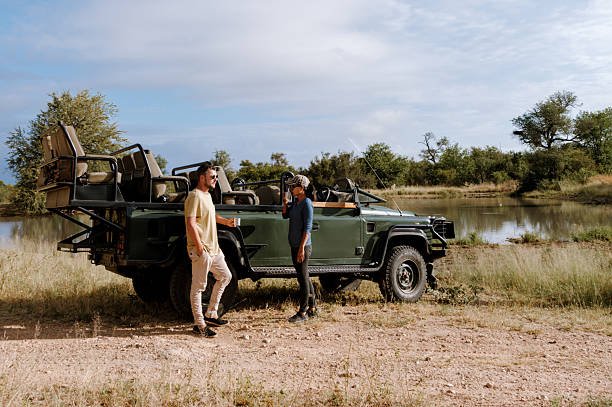
How To Avoid Safari Scams In Tanzania: A Top Guide Adventures Expert 2026-2027
Navigating a safari in Tanzania is a dream for many, but a few precautions can ensure your adventure is scam-free. This guide from Top Guide Adventures provides essential advice for...
View package details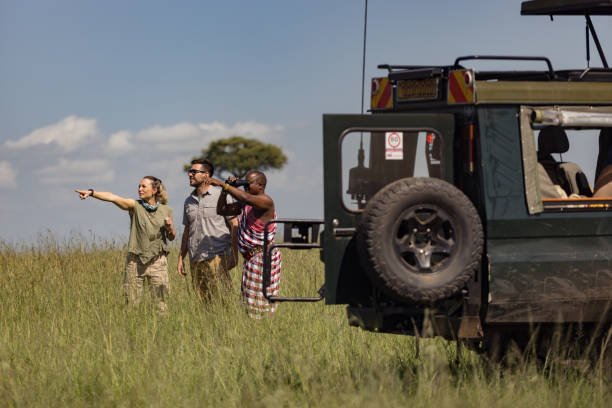
Which Local Tanzania Safari Companies Are Trustworthy In ? 2026-2027
Choosing a trustworthy local Tanzania safari company is crucial for a memorable and safe adventure. This guide helps you identify reliable operators for your 2026-2027 trip, covering...
View package detailsHow Far In Advance Should You Book A Tanzania Safari? Your Planning Guide
Securing your dream Tanzania safari requires strategic planning. This comprehensive guide details the optimal booking timeline for 2026-2027, considering peak seasons, lodge availability...
View package detailsHow Much Should I Tip My Safari Guide In Tanzania? Your 2026-2027
Understand the tipping culture for safari guides and staff in Tanzania. This guide provides clear, actionable recommendations for tipping your safari crew in 2026-2027, covering guides...
View package detailsPrivate Safari Vs Group Tanzania — Which Is Better? 2026-2027
Private safari vs group safari Tanzania — which is better? is explained with current 2026-2027 planning, price, itinerary and booking information.
View package details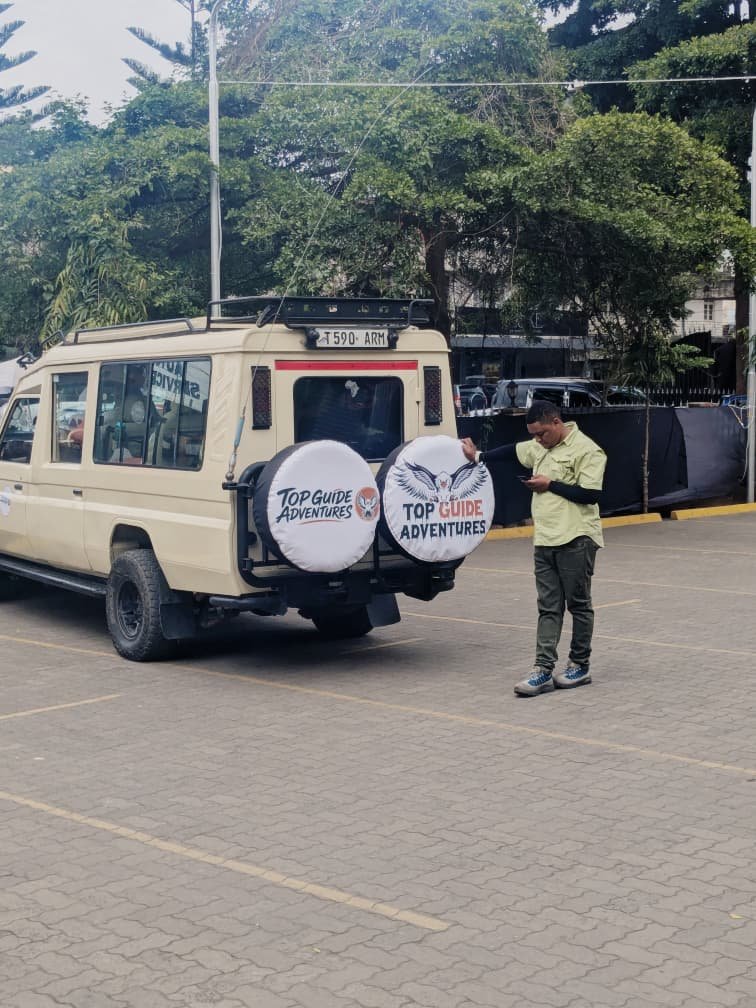
Is A Group Joining Safari In Tanzania Worth It? 2026-2027
Is a group joining safari in Tanzania worth it? is explained with current 2026-2027 planning, price, itinerary and booking information.
View package details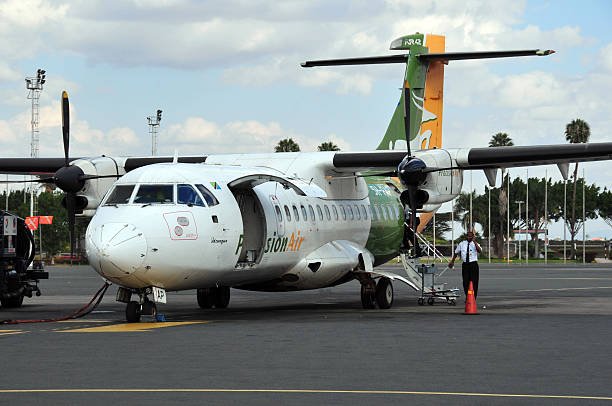
Serengeti And Ngorongoro Safari Without Luxury: Your Options For 2026-2027
Discover how to experience the wonders of the Serengeti and Ngorongoro Crater on a safari that prioritizes incredible wildlife viewing and authentic experiences over luxury accommodations...
View package details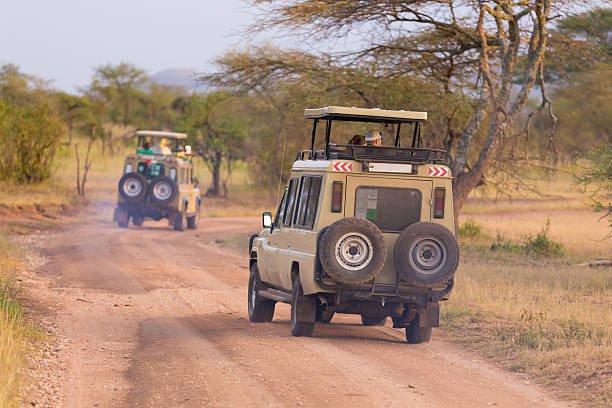
Tanzania Safari For Great Migration: Which Tour To Book In 2026-2027
Planning to witness the Great Migration in Tanzania? This guide helps you choose the perfect safari for 2026-2027, detailing the best parks, timing, and tour options for an unforgettable...
View package details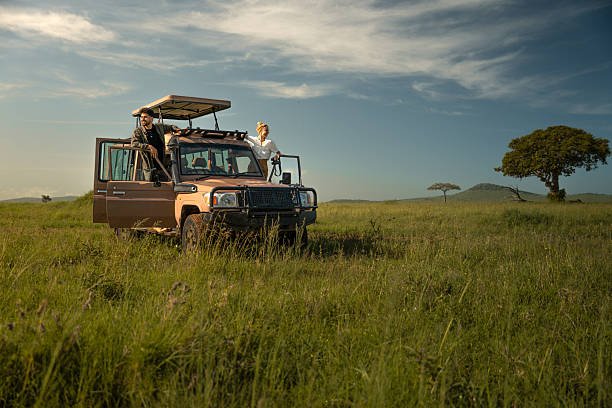
Three Days For Safari In Tanzania: Where To Go An Unforgettable Experience
If you have just three days for a safari in Tanzania, the most recommended destinations for a concentrated and rewarding wildlife experience are the Ngorongoro Conservation Area and...
View package detailsNo related package matches those filters. Clear one or more filters to see the other topic-matched options.
Plan your Best Safari From Moshi for Solo Travelers with Top Guide Adventures
Tell us your travel dates, group size, comfort level, and dream experience. We will help you shape a clear, realistic, and memorable Tanzania itinerary.



