
Updated planning guide for 2026-2027
Best Remote Safari Destinations In Tanzania: Guide 2026-2027
Explore Tanzania's most secluded and rewarding safari spots for an unparalleled wildlife encounter. This guide covers the best remote destinations, planning tips, and what to expect for your 2026-2027 adventure.
WhatsApp +255616946642 | topguideadventures@gmail.com | info@topguideadventures.com
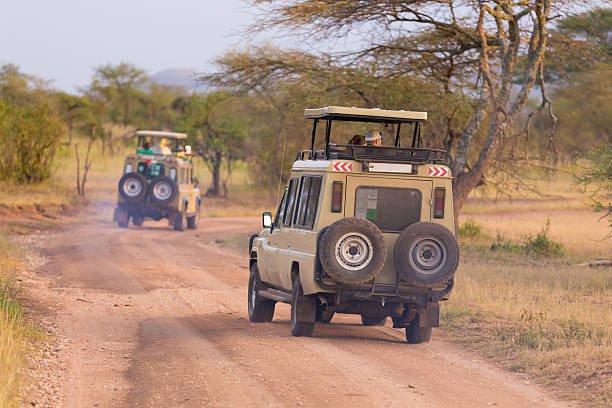
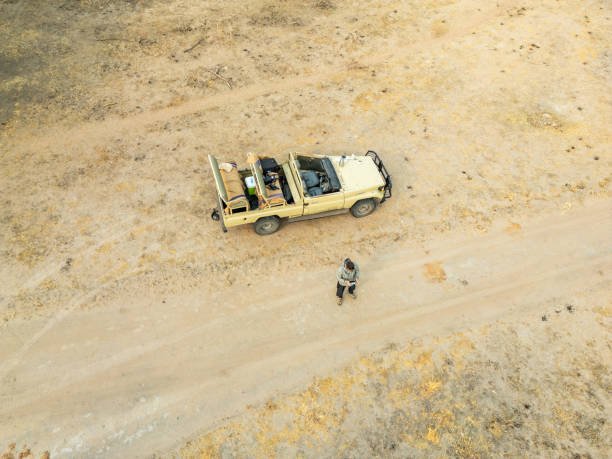
Best Remote Safari Destinations in Tanzania: Your Expert Guide
When most people picture a Tanzanian safari, they envision the endless plains of the Serengeti or the dramatic Ngorongoro Crater. While these iconic locations offer incredible wildlife viewing, they can also be crowded, especially during peak seasons. For travelers seeking a more intimate, exclusive, and authentic wildlife experience, Tanzania boasts a collection of truly remote safari destinations that promise fewer vehicles, more pristine landscapes, and a deeper connection with nature. These hidden gems offer a chance to witness the magic of the African bush without the throngs, creating memories that are uniquely your own.
This comprehensive guide will lead you through the best remote safari destinations in Tanzania. We’ll cover what makes them special, the best times to visit, what wildlife to expect, how to plan your trip, and why choosing a less-traveled path can elevate your safari experience to extraordinary levels. Whether you’re planning for 2026 or 2027, understanding these lesser-known locales is key to crafting an unforgettable adventure.
Quick Facts: Remote Tanzanian Safaris
| Key Aspect | Details |
|---|---|
| Focus | Exclusive wildlife viewing, pristine nature, fewer crowds |
| Wildlife | Abundant and diverse, including the Big Five, rare species, and migratory patterns |
| Best Time to Visit | Varies by destination; generally June-October (dry season) and December-February (short dry season). Some parks have unique wet season attractions. |
| Travel Style | Primarily guided game drives, walking safaris, fly-in safaris, mobile camping, luxury lodges |
| Getting There | Often involves domestic flights (bush planes) from major hubs like Arusha or Kilimanjaro International Airport. |
| Duration | Typically 3-7 days per remote location, often combined with other regions. |
Why Choose a Remote Safari Destination?
The allure of a remote safari lies in its exclusivity and authenticity. Imagine being the only vehicle watching a pride of lions hunt, or having a watering hole entirely to yourself as elephants gather. This is the reality in Tanzania’s less-visited parks and concessions. Beyond the quietude, these destinations often offer unique ecosystems and species not as commonly found in the more popular circuits. They are ideal for photographers, birdwatchers, and anyone who cherishes solitude and a profound connection with the wild.
Remote destinations also frequently offer activities not permitted in national parks, such as walking safaris and night drives. These allow for a more immersive experience, getting you closer to the smaller details of the bush and the nocturnal wonders of the African night.
Tanzania’s Premier Remote Safari Destinations
| Destination | Key Features | Wildlife Highlights | Best For |
|---|---|---|---|
| Selous Game Reserve (Nyerere National Park) | Vast wilderness, Rufiji River, boat safaris, walking safaris, fly-in access | African wild dogs, elephants, hippos, crocodiles, lions, diverse birdlife. Less focus on large wildebeest herds. | Boat safaris, walking safaris, unique riverine wildlife, photographic opportunities. |
| Ruaha National Park | Tanzania’s largest national park, rugged landscapes, Great Rift Valley escarpment, large elephant and predator populations | Large prides of lions, cheetahs, leopards, elephants, greater and lesser kudu, wild dogs, endemic birds. | Predator viewing, rugged wilderness, experiencing Tanzania’s wild heart, birdwatching. |
| Katavi National Park | Remote, wild, and untouched, seasonal floodplains, large hippo and crocodile populations | Massive hippo pods, crocodiles, elephants, buffalo, lions, leopards, wild dogs. | True wilderness immersion, experiencing extreme animal concentrations during the dry season, solitude. |
| Mahale Mountains National Park | Chimpanzee trekking, Lake Tanganyika, lush rainforest | Chimpanzees, red colobus monkeys, blue monkeys, diverse birdlife, fish eagles. | Chimpanzee encounters, stunning lake scenery, hiking, unique primate focus. |
| Gombe Stream National Park | Famous for Jane Goodall’s research, chimpanzee trekking, Lake Tanganyika | Chimpanzees, olive baboons, vervet monkeys, red-tailed monkeys, diverse birdlife. | Chimpanzee research history, close-up primate viewing, accessible chimpanzee treks. |
| Saadani National Park | Coastal park, unique blend of bush and beach, marine life | Elephants, lions, leopards, buffalo, green turtles (nesting), dolphins, whales (seasonal). | Unique beach-and-bush experience, marine wildlife, birdwatching. |
Exploring Selous Game Reserve (Nyerere National Park)
Formerly one of Africa’s largest game reserves, the southern part of Selous is now designated as Nyerere National Park, while the northern section retains its reserve status. This vast area, a UNESCO World Heritage Site, is characterized by its diverse landscapes, from miombo woodlands and acacia savannas to the life-giving Rufiji River and its delta. Its sheer size means that even with visitors, it feels remarkably wild and untamed.
What Makes Selous Remote?
Selous’s remoteness is primarily due to its scale and its accessibility. While it’s reachable by road, many travelers opt for fly-in safaris from Arusha or Dar es Salaam, which adds to the sense of adventure and keeps visitor numbers manageable. The park’s layout, with the Rufiji River acting as a central artery, dictates many of the safari activities, offering a different perspective than typical land-locked parks.
Wildlife and Activities in Selous
Selous is renowned for its high concentrations of African wild dogs, a critically endangered species that can often be seen here. It also boasts substantial populations of elephants, buffalo, lions, leopards, cheetahs, hippos, and crocodiles. The Rufiji River is a highlight, offering incredible boat safaris where you can get astonishingly close to hippos and crocodiles, and witness vast numbers of elephants and diverse birdlife. Walking safaris are another key activity, allowing for a more intimate connection with the flora and fauna of the bush, guided by expert rangers.
Best Time to Visit Selous
The dry season (June to October) is generally considered the best time to visit Selous for wildlife viewing. Animals congregate around water sources, making them easier to spot. The wet season (November to May) sees lush vegetation, making game viewing more challenging, but it’s a fantastic time for birdwatching and offers dramatic landscapes. The river is also at its fullest, enhancing boat safari experiences.
Discovering Ruaha National Park
Ruaha is Tanzania’s largest national park, and arguably its wildest. Located in the south-central part of the country, it’s a place of rugged beauty, dramatic escarpments, and a truly wild feel. Ruaha is often described as the ‘real’ Africa, a place where predators roam freely and the landscape feels ancient and untouched.
Ruaha’s Untamed Appeal
Its remoteness is a defining characteristic. Reaching Ruaha typically involves a flight from Arusha or Dar es Salaam, or a long, adventurous road trip. This limited accessibility preserves its wild character and ensures that visitor numbers remain low, offering an exclusive safari experience. The park’s sheer size means you can drive for hours without encountering other vehicles, truly feeling immersed in the wilderness.
Wildlife and Landscapes in Ruaha
Ruaha is famous for its impressive lion prides, which are often larger and more social than in other parks. It also has a very healthy population of leopards and cheetahs, as well as one of the largest elephant populations in Tanzania. The park is a haven for antelope species, including the greater and lesser kudu, roan antelope, and sable antelope, which are not as common in the northern parks. African wild dogs are also present, though sightings are more elusive. The park’s landscape is varied, featuring rocky outcrops, acacia woodlands, and the Great Ruaha River, which becomes a vital water source for wildlife during the dry season.
Best Time to Visit Ruaha
The dry season (June to October) is prime time for Ruaha. The vegetation thins out, and animals gather around the remaining water sources, making them more visible. This is also when the river dries up in places, concentrating wildlife. The wet season (November to May) brings lush greenery and dramatic thunderstorms, offering excellent photographic opportunities and making it a good time for birdwatching. However, some roads can become impassable.
The Pristine Wilderness of Katavi National Park
Katavi is often cited as one of Tanzania’s most wild and untouched national parks. Located in the far west of the country, it’s a destination for the truly adventurous seeking an authentic, remote safari experience. Its remoteness is its defining feature, making it a place few visitors get to see.
Katavi’s Remote Charm
Getting to Katavi is an undertaking. It usually requires a light aircraft flight from Arusha or another safari hub, followed by a drive to your lodge or camp. The journey itself underscores the park’s isolation. Once there, you’ll find a vast, undeveloped wilderness where the rhythms of nature dictate everything. It’s a place where you can feel like an explorer.
Wildlife Spectacles in Katavi
Katavi is most famous for its incredible concentrations of hippos and crocodiles, particularly during the dry season when the park’s lakes and rivers shrink. These lakes become vital gathering points, hosting hundreds, sometimes thousands, of hippos in a spectacular display. Elephants and buffalo also feature prominently, and the park is home to significant numbers of lions and leopards, often seen hunting in the grasslands. African wild dogs are present, and sightings, though rare, are highly prized. The park’s open plains and woodlands support a variety of antelope species.
Best Time to Visit Katavi
The dry season, from June to October, is the most rewarding time to visit Katavi. During this period, the floodplains dry out, concentrating wildlife into spectacular numbers around the remaining water bodies. This is when the hippo and crocodile spectacles are at their peak. The wet season (November to May) is characterized by heavy rains, making many areas inaccessible and dispersing the wildlife. However, it’s a beautiful time for birdwatching.
Chimpanzee Encounters in Mahale Mountains National Park
For a safari experience that combines primate trekking with stunning natural beauty, Mahale Mountains National Park is unparalleled. Situated on the shores of Lake Tanganyika, Tanzania’s westernmost park offers a dramatically different landscape from the savannas of the north.
Mahale’s Unique Setting
Mahale’s remoteness is defined by its location on the shores of the world’s longest freshwater lake. Access is almost exclusively by boat or light aircraft. This isolation preserves its pristine rainforest environment, making it a sanctuary for its most famous residents: chimpanzees.
Chimpanzees and More in Mahale
The main draw here is the chance to track and observe wild chimpanzees. The park is home to a habituated population that can be followed on guided treks. Beyond the chimpanzees, Mahale is rich in other primate species, including red colobus monkeys, blue monkeys, and Angola colobus. The park’s lush forests are also a birdwatcher’s paradise. After a morning of trekking, you can relax on the shores of Lake Tanganyika, swim, or enjoy a boat trip. The sunsets over the lake are legendary.
Best Time to Visit Mahale
The dry season, from June to October, is generally considered the best time for chimpanzee trekking in Mahale, as the primates tend to descend to lower elevations. However, chimpanzees can be found year-round. The lake is also calmer during the dry season, making boat travel more pleasant. The wet season offers lush scenery and fewer visitors but can make trekking more challenging.
Gombe Stream National Park: A Primate Haven
Gombe Stream National Park, though small, is world-renowned thanks to the pioneering research of Dr. Jane Goodall. Like Mahale, it’s located on the shores of Lake Tanganyika and is a sanctuary for chimpanzees and other primates.
Gombe’s Scientific Legacy and Accessibility
Gombe’s remoteness is relative. It’s accessible by boat from Kigoma town, which is reachable by train or flight from Dar es Salaam. While not as vast or wild as Selous or Ruaha, its isolation from the main safari circuits and its protected status make it a special destination. The park’s focus is on its primate inhabitants and the research that continues to be done there.
What to Expect in Gombe
The primary activity is chimpanzee trekking. The habituated chimpanzees here are accustomed to human presence, allowing for close and personal encounters. Beyond chimpanzees, visitors can observe olive baboons, vervet monkeys, and red-tailed monkeys. The park’s trails wind through the forested hillsides, offering beautiful views and opportunities for birdwatching. The chance to learn about Jane Goodall’s groundbreaking work adds a unique educational dimension to a visit.
Best Time to Visit Gombe
Gombe can be visited year-round. The dry season (June to October) often sees chimpanzees at lower altitudes, potentially making treks easier. The wet season (November to May) offers a greener landscape and is excellent for birdwatching. The choice often depends on personal preference and the desire for potentially easier treks.
Saadani National Park: Where Bush Meets Beach
Saadani offers a truly unique safari experience as Tanzania’s only national park situated on the Indian Ocean coast. This blend of coastal ecosystems and inland bushland creates a distinctive environment for wildlife viewing.
Saadani’s Coastal Wilderness
Its location is what sets Saadani apart. It’s relatively accessible from Dar es Salaam and Zanzibar, making it a convenient addition to a coastal holiday. The park protects a diverse range of habitats, from mangrove forests and sandy beaches to coastal forests and savannas, supporting a surprising variety of wildlife.
Wildlife and Activities in Saadani
Saadani is home to elephants, lions, leopards, buffalo, giraffes, and various antelopes. However, its coastal location offers unique attractions. You can witness green turtles nesting on the beaches (seasonal), see dolphins and whales offshore, and enjoy birdwatching in both marine and terrestrial environments. Boat trips on the Wami River offer chances to see hippos, crocodiles, and diverse birdlife. The contrast of a game drive ending on a beach with the ocean stretching out before you is truly memorable.
Best Time to Visit Saadani
The dry season (June to October) is generally best for wildlife viewing as animals are concentrated around water sources. However, Saadani is also a prime destination for turtle nesting, which typically occurs between June and September. For whale watching, the period from July to November is ideal. The shoulder seasons can offer a good balance of wildlife and pleasant weather.
Tanzania’s Remote Safari Circuit Map
Below is a conceptual illustration of the general locations of these remote safari destinations relative to each other and major travel hubs. Actual travel routes will vary.
| Arusha/Kilimanjaro Airport (Main Gateway) | ↓ (Flights/Road) | Northern Circuit Parks (Serengeti, Ngorongoro – for context) |
| ↓ (Flights) | ||
| Selous / Nyerere NP | ↓ (Flights/Road) | Ruaha NP |
| ↓ (Flights) | ↓ (Flights) | |
| Saadani NP (Coastal) | Katavi NP (Far West) | |
| ↓ (Flights/Road) | ↓ (Flights) | |
| Zanzibar (Optional Extension) | Mahale Mountains NP (Lake Tanganyika) | |
| ↓ (Boat/Flights) | ||
| Gombe Stream NP (Lake Tanganyika) |
Note: This is a simplified representation. Distances are vast, and travel times between these remote parks can be significant.
Planning Your Remote Tanzanian Safari for 2026-2027
Planning a safari to a remote destination requires careful consideration and expert guidance. These areas are less developed than the popular northern circuit, meaning logistics are more complex, and flexibility is key. Here’s how to approach your planning for 2026 or 2027.
1. Define Your Priorities
What do you want from your safari? Are you focused on specific animals (like chimpanzees or wild dogs)? Do you prioritize solitude, photography, walking safaris, or a combination of bush and beach? Your priorities will help narrow down the best remote destinations for you.
2. Choose Your Destinations Wisely
Don’t try to cram too many remote locations into one trip. Given the travel times and costs, it’s often best to focus on one or two remote areas, perhaps combining them with a more accessible park if time and budget allow. For instance, a combination of Selous and Ruaha offers diverse southern Tanzania experiences. Mahale and Gombe are ideal for a dedicated primate and lake safari.
3. Timing is Crucial
As detailed above, the best time to visit each park varies. Consider the dry season for classic game viewing, but also the wet season for birding, dramatic landscapes, and potentially lower prices. For 2026-2027, research specific animal behaviors like migrations or breeding seasons if they are of interest.
4. Transportation: Fly-In is Often Best
For most remote destinations like Ruaha, Katavi, Mahale, and Selous, domestic flights (bush planes) are the most practical and time-efficient way to travel. These flights depart from Arusha, Dar es Salaam, or other safari hubs. While more expensive than road travel, they save considerable time and allow you to maximize your safari days. Road transfers to these parks can take many hours, often over rough terrain, and may require 4×4 vehicles and experienced drivers.
5. Accommodation Styles
Remote areas typically offer a range of accommodation, from rustic but comfortable tented camps to luxurious lodges. Many camps are unfenced, offering an immersive experience where you can hear the sounds of the bush at night. Mobile camping safaris are also an option for a truly adventurous experience, allowing you to move with the seasons or specific wildlife sightings.
6. Duration of Stay
To truly appreciate a remote destination and its wildlife, allow at least 3-4 nights in each location. This provides enough time for multiple game drives, walks, or boat trips and accounts for potential travel delays.
7. Budget Considerations
Remote safaris tend to be more expensive due to the cost of domestic flights, exclusive concessions, and higher operational costs for lodges in isolated areas. However, the value derived from the exclusive experience, fewer crowds, and unique activities often justifies the investment.
Remote Safari Planning Checklist (2026-2027)
- Research Destinations: Identify 1-2 remote parks based on interests (e.g., Ruaha for predators, Mahale for chimps).
- Determine Best Time: Check seasonality for wildlife, weather, and specific activities.
- Allocate Budget: Factor in flights, accommodation, park fees, activities, and transfers. Remote safaris are premium.
- Book Flights: Secure domestic flight seats well in advance, especially for peak seasons.
- Choose Accommodation: Select lodges or camps that align with your comfort and experience preferences.
- Plan Activities: Confirm availability of walking safaris, boat trips, night drives, and primate treks.
- Visa & Vaccinations: Ensure passports are valid, apply for visas, and consult a travel doctor for necessary vaccinations and malaria prophylaxis.
- Travel Insurance: Obtain comprehensive travel insurance covering medical emergencies, evacuation, and trip cancellation.
- Packing List: Prepare appropriate clothing, footwear, camera gear, and personal items.
- Consult Experts: Work with a reputable tour operator specializing in Tanzanian safaris.
What to Expect on a Remote Tanzanian Safari
A remote safari is different from a visit to the more developed parks. Here’s a breakdown of what you can realistically expect:
Wildlife Viewing
Expect fewer vehicles and more intimate sightings. You might spend extended periods with a single sighting. Animals are often more relaxed and less accustomed to human presence, leading to more natural behaviors. While the Big Five are present in many of these parks, the focus might shift towards specific species or behaviors unique to the region.
Activities
Beyond standard game drives, many remote locations offer walking safaris, which provide a ground-level perspective of the bush, allowing you to learn about tracking, plants, and smaller creatures. Boat safaris are essential in Selous and Gombe/Mahale. Night drives are often available in private concessions or reserves, offering a chance to see nocturnal animals.
Infrastructure and Comfort
Accommodation in remote areas ranges from comfortable tented camps with en-suite facilities to more luxurious lodges. While amenities are generally excellent, expect a more rustic charm and a greater connection to the natural environment. Power may be generator-dependent and available for limited hours. Internet access is often scarce or non-existent.
Guides and Staff
You will be accompanied by highly experienced guides, often with deep knowledge of the local flora, fauna, and culture. Their expertise is crucial for safety, especially on walking safaris, and for enhancing your understanding of the ecosystem.
Safety
Safety is paramount. Reputable camps and lodges have strict protocols. Walking safaris are conducted with armed rangers. Always follow your guide’s instructions. Remote locations mean that medical evacuation can take time, reinforcing the need for good travel insurance and pre-trip health checks.
Common Mistakes to Avoid
To ensure your remote safari is a success, be aware of potential pitfalls:
- Trying to see too much: Rushing between too many distant locations will lead to exhaustion and less time enjoying each place. Focus on quality over quantity.
- Underestimating travel times: Distances in Tanzania are vast, and road travel can be slow and arduous. Factor this into your itinerary.
- Not booking in advance: Especially for fly-in safaris and popular remote camps, availability can be limited. Book well ahead, particularly for 2026-2027 peak seasons.
- Ignoring seasonality: Visiting a park during its wet season when roads are impassable or wildlife is dispersed will detract from the experience.
- Expecting city comforts: Embrace the wild! Remote areas offer a unique connection to nature, which sometimes means fewer creature comforts.
- Not having comprehensive travel insurance: This is non-negotiable for remote travel, covering medical evacuation and other emergencies.
Who Are Remote Safaris Best For?
Remote Tanzanian safaris are ideal for:
- Experienced Safari-Goers: Those who have done a safari before and are looking for a more exclusive experience.
- Photographers: The opportunity for unique shots without other vehicles can be invaluable.
- Nature Enthusiasts: Anyone seeking a deeper connection with the natural world and a quieter, more reflective experience.
- Those Seeking Solitude: Travelers who prefer to avoid crowds and experience the wilderness in peace.
- Adventurous Travelers: Those comfortable with more remote logistics and potentially more rustic accommodations.
- Repeat Visitors to Tanzania: Travelers who have already experienced the Northern Circuit and want to explore different facets of Tanzania’s wildlife.
Alternatives to the Most Remote Destinations
If the logistics or cost of the most remote parks seem daunting, consider these excellent alternatives that offer a less crowded experience than the main northern circuit parks:
- Tarangire National Park: Famous for its large elephant herds and baobab trees, Tarangire can be busy but offers excellent game viewing, especially outside peak months. It’s easily accessible from Arusha.
- Lake Manyara National Park: Known for its tree-climbing lions and diverse birdlife, Manyara is smaller and can be visited as a day trip or overnight, offering a more focused wildlife experience.
- Southern Serengeti (Ndutu Area): During the migration season (roughly December to March), the southern Serengeti/Ndutu area offers incredible predator action with large herds. While popular, it’s a different feel to the central Serengeti and can feel less crowded than some northern areas.
- Western Serengeti: Areas like the Grumeti River region can offer excellent game viewing with fewer vehicles, especially outside the main migration months.
Planning Your 2026-2027 Remote Safari: Key Considerations
As you look ahead to 2026 and 2027, here are some specific planning aspects to keep in mind for remote destinations:
- Early Booking is Essential: For 2026 and 2027, especially for fly-in safaris and limited-capacity camps in remote areas, booking 9-12 months in advance is highly recommended.
- Consult with Specialists: Work with a tour operator who has firsthand experience with these remote parks. They can advise on the best camps, flight options, and logistical nuances.
- Flexibility with Itinerary: Weather or operational issues can sometimes affect flight schedules. Building a little buffer time into your itinerary can be beneficial.
- Understand Inclusions: Be clear about what your safari package includes – park fees, accommodation, meals, drinks, activities, and internal flights. These details vary significantly.
Sample Itinerary: Southern Tanzania Explorer (7 Days)
This sample itinerary focuses on two of the premier remote southern parks, offering a taste of Tanzania’s wild heart.
| Day | Location | Activities | Notes |
|---|---|---|---|
| Day 1 | Arrive Kilimanjaro (JRO) / Arusha | Meet and greet, transfer to lodge in Arusha. Safari briefing. | Acclimatize, prepare for safari. |
| Day 2 | Arusha to Selous (Nyerere NP) | Morning flight to Selous airstrip. Transfer to camp. Afternoon boat safari on the Rufiji River. | Experience riverine wildlife, hippos, crocodiles. |
| Day 3 | Selous (Nyerere NP) | Full day of safari activities: morning walking safari, afternoon game drive. | Focus on walking exploration and diverse game viewing. |
| Day 4 | Selous to Ruaha NP | Morning flight to Ruaha airstrip. Transfer to lodge. Afternoon game drive. | Transition to Tanzania’s largest park, rugged landscapes. |
| Day 5 | Ruaha NP | Full day game drives exploring Ruaha’s diverse habitats and predator populations. | Seek out large lion prides, elephants, kudu. |
| Day 6 | Ruaha NP | Morning game drive. Option for a guided walk (if available and suitable). Afternoon relaxation or further game drive. | Deeper exploration of Ruaha’s wilderness. |
| Day 7 | Ruaha to Arusha/Kilimanjaro | Morning flight from Ruaha back to Arusha. Connect with your onward international flight or overnight in Arusha. | Departure. |
This is a sample. Itineraries can be customized for longer durations or different park combinations.
Booking Your Remote Tanzanian Safari
Choosing the right tour operator is crucial for a successful remote safari. You need a partner who understands the complexities of these destinations and can handle all the logistics smoothly.
What to Look For in a Tour Operator:
- Specialization: Do they focus on Tanzania and have in-depth knowledge of remote parks?
- Experience: How long have they been operating? Do they have testimonials or reviews from clients who have visited these specific remote areas?
- Customization: Can they tailor an itinerary to your specific interests, budget, and travel style?
- Transparency: Are they clear about what is included and excluded in their packages? Do they provide detailed itineraries?
- Responsiveness: How quickly and comprehensively do they answer your queries?
Booking Advice for 2026-2027:
Given the lead times for remote safaris, it’s advisable to start planning and booking for 2026 and 2027 as early as possible. Popular camps and flight schedules fill up quickly.
Contact us for a personalized itinerary and quote for your dream remote Tanzanian safari. We specialize in crafting unforgettable journeys to Tanzania’s most incredible and secluded wildlife destinations.
Get in touch today:
- WhatsApp: +255616946642
- Email: topguideadventures@gmail.com
- Backup Email: info@topguideadventures.com
Frequently Asked Questions About Remote Tanzanian Safaris
1. Are remote safari destinations safe?
Yes, remote safari destinations in Tanzania are generally safe when planned and executed correctly. Reputable lodges and tour operators adhere to strict safety protocols. Guides are highly trained, and activities like walking safaris are conducted with armed rangers. The primary safety concern is the distance from advanced medical facilities, which is why comprehensive travel insurance including emergency evacuation is essential. Always follow your guide’s instructions.
2. How much more expensive are remote safaris compared to popular ones?
Remote safaris are typically more expensive. This is due to the higher operational costs for lodges in isolated areas, the necessity of domestic flights (which are costly), and often the exclusive nature of the concessions they operate within. The price reflects the exclusivity, unique experiences, and the logistical challenges involved.
3. What is the best way to get to these remote parks?
The most efficient and often only practical way to reach most remote Tanzanian safari destinations is by light aircraft (bush plane). These flights typically depart from Arusha or Dar es Salaam and land on airstrips within or near the parks. Road travel is possible for some, like Selous and Saadani, but can be very long and arduous, often requiring specialized 4×4 vehicles.
4. Can I combine a remote safari with the Northern Circuit?
Yes, it’s possible, but requires careful planning due to distances and travel times. A common approach is to fly from Arusha to a remote park (e.g., Ruaha) for a few days, then fly back to Arusha to begin a Northern Circuit tour, or vice versa. Combining Selous/Saadani with Zanzibar is also popular. It’s best to limit the number of distinct regions visited to avoid spending too much time in transit.
5. What kind of wildlife can I expect in remote parks?
Remote parks offer abundant and diverse wildlife, often with higher predator densities and unique species. For example, Ruaha is known for its large lion prides and greater kudu, Selous for wild dogs and riverine wildlife, and Mahale/Gombe for chimpanzees. While the Big Five are present in many, the experience is often more about observing animals in their natural, undisturbed habitats.
6. Is Wi-Fi available in remote safari camps?
Wi-Fi is generally scarce or non-existent in truly remote safari camps and lodges. Some higher-end lodges might offer limited connectivity, often at a cost or for short periods. It’s best to assume you will be disconnected and embrace the opportunity to immerse yourself in nature.
7. What should I pack for a remote safari?
Pack light, neutral-colored clothing (khaki, beige, green) suitable for warm weather. Essentials include long-sleeved shirts and trousers for evenings and sun protection, comfortable walking shoes, a hat, sunglasses, high-SPF sunscreen, insect repellent, a good camera with extra batteries and memory cards, binoculars, and any personal medications. A small backpack for day trips is also useful. Most camps provide laundry services.
8. How far in advance should I book for 2026-2027?
For 2026 and 2027, especially for remote destinations and during peak seasons (June-October and December-February), booking 9-12 months in advance is highly recommended. This ensures availability of preferred camps and domestic flight seats, which are often limited.
9. Are walking safaris available in all remote parks?
Walking safaris are a highlight of many remote destinations, particularly in areas like Selous and Ruaha, and often in private concessions. However, their availability depends on park regulations and the specific camp or lodge. Parks like Mahale and Gombe focus on primate trekking on foot. It’s essential to confirm this activity when planning your itinerary.
10. What is the best remote safari destination in Tanzania for first-time safari-goers?
While remote destinations offer a unique experience, they can be logistically challenging for first-time safari-goers. If you’re keen on a less crowded experience but are new to safaris, consider Selous Game Reserve (Nyerere National Park) or perhaps areas of the Southern Serengeti during the migration. These offer a good balance of accessibility, incredible wildlife, and diverse activities while still feeling wilder than the busier northern parks.
Plan Your Unforgettable Remote Safari in Tanzania
Tanzania’s remote safari destinations offer an unparalleled opportunity to connect with nature, witness incredible wildlife, and experience the wild heart of Africa in its purest form. From the vast plains of Ruaha to the chimpanzee-filled forests of Mahale, these less-traveled paths promise adventure, exclusivity, and memories that last a lifetime. Planning a trip to these special places requires expertise and attention to detail, which is where we come in.
Let us help you craft your perfect remote Tanzanian safari for 2026-2027. We specialize in creating bespoke itineraries that capture the essence of these incredible destinations, ensuring a safe, comfortable, and profoundly rewarding experience. Whether you dream of seeing wild dogs in Selous, tracking chimps in Mahale, or exploring the rugged beauty of Ruaha, we have the knowledge and passion to make it happen.
Contact us to start planning your best remote safari destinations in Tanzania adventure:
- WhatsApp: +255616946642
- Email: topguideadventures@gmail.com
- Backup Email: info@topguideadventures.com
Which Tanzania Safari Gives The Best Value For Money? 2026-2027
Which Tanzania safari gives the best value for money? is explained with current 2026-2027 planning, price, itinerary and booking information.
View package details
How To Avoid Safari Scams In Tanzania: A Top Guide Adventures Expert 2026-2027
Navigating a safari in Tanzania is a dream for many, but a few precautions can ensure your adventure is scam-free. This guide from Top Guide Adventures provides essential advice for...
View package details
Which Local Tanzania Safari Companies Are Trustworthy In ? 2026-2027
Choosing a trustworthy local Tanzania safari company is crucial for a memorable and safe adventure. This guide helps you identify reliable operators for your 2026-2027 trip, covering...
View package detailsHow Far In Advance Should You Book A Tanzania Safari? Your Planning Guide
Securing your dream Tanzania safari requires strategic planning. This comprehensive guide details the optimal booking timeline for 2026-2027, considering peak seasons, lodge availability...
View package detailsHow Much Should I Tip My Safari Guide In Tanzania? Your 2026-2027
Understand the tipping culture for safari guides and staff in Tanzania. This guide provides clear, actionable recommendations for tipping your safari crew in 2026-2027, covering guides...
View package detailsPrivate Safari Vs Group Tanzania — Which Is Better? 2026-2027
Private safari vs group safari Tanzania — which is better? is explained with current 2026-2027 planning, price, itinerary and booking information.
View package details
Is A Group Joining Safari In Tanzania Worth It? 2026-2027
Is a group joining safari in Tanzania worth it? is explained with current 2026-2027 planning, price, itinerary and booking information.
View package detailsTanzania Safari For Great Migration: Which Tour To Book In 2026-2027
Planning to witness the Great Migration in Tanzania? This guide helps you choose the perfect safari for 2026-2027, detailing the best parks, timing, and tour options for an unforgettable...
View package details
Three Days For Safari In Tanzania: Where To Go An Unforgettable Experience
If you have just three days for a safari in Tanzania, the most recommended destinations for a concentrated and rewarding wildlife experience are the Ngorongoro Conservation Area and...
View package details
Combine Safari And Zanzibar With A $3,000 Per Person Tanzania Budget 2026-2027
Explore how to effectively combine a classic Tanzania safari experience with the tropical allure of Zanzibar, all while adhering to a $3,000 per person budget. This guide covers essential...
View package details
Tanzania Safari Under $2,000 Per Person: Your Dream Itinerary For 2026-2027
Explore Tanzania's incredible wildlife and landscapes on a safari designed for a $2,000 per person budget. We outline the best routes, durations, and what to expect for your 2026-2027...
View package details
Solo Travel To Tanzania: Can I Join A Safari Group? 2026-2027
Planning a solo safari adventure in Tanzania? Discover how you can join an existing group tour, making your journey more affordable and social. Top Guide Adventures provides excellent...
View package detailsNo related package matches those filters. Clear one or more filters to see the other topic-matched options.
Plan your Best Remote Safari Destinations in Tanzania with Top Guide Adventures
Tell us your travel dates, group size, comfort level, and dream experience. We will help you shape a clear, realistic, and memorable Tanzania itinerary.



