
Updated planning guide for 2026, 2027
Best National Parks In Tanzania For Safari: Expert Guide
Planning a safari in Tanzania? This comprehensive guide details the best national parks, helping you choose the perfect destinations for incredible wildlife viewing and unforgettable experiences in 2026 and 2027.
WhatsApp +255616946642 | topguideadventures@gmail.com | info@topguideadventures.com
The Best National Parks in Tanzania for Safari: Your Definitive Guide
Tanzania stands as a premier safari destination, drawing travelers from across the globe to witness its breathtaking landscapes and unparalleled wildlife. When planning your African adventure, understanding which national parks offer the most rewarding experiences is crucial. This guide focuses on identifying the best national parks in Tanzania for safari, providing you with the in-depth knowledge needed to craft an itinerary that meets your wildlife viewing desires, whether you are planning for 2026, 2027, or beyond.
From the iconic plains of the Serengeti to the unique ecosystem of the Ngorongoro Crater and the elephant-rich woodlands of Tarangire, Tanzania boasts a diverse array of protected areas. Each park presents a distinct safari experience, shaped by its geography, resident wildlife, and the time of year you choose to visit. We will explore what makes each park special, offer practical planning advice, and help you navigate the complexities of organizing your dream safari.
Quick Safari Planning Overview
| Park Name | Key Wildlife Highlights | Best Time to Visit (General) | Typical Safari Experience |
|---|---|---|---|
| Serengeti National Park | Great Migration, Big Five, vast predator populations | June-October (Migration), January-February (Calving) | Vast plains, classic savannah safari, Great Migration viewing |
| Ngorongoro Conservation Area (Crater) | High density of Big Five, unique crater ecosystem | Year-round (though drier months are often preferred) | Dense wildlife concentration, stunning crater views, shorter game drives |
| Tarangire National Park | Large elephant herds, baobab trees, diverse birdlife | June-October (dry season) | Riverine landscapes, elephant sightings, birdwatching |
| Lake Manyara National Park | Tree-climbing lions, large baboon troops, diverse birdlife | June-October (dry season) | Forest, woodland, and lake shore habitats; good for shorter visits |
| Ruaha National Park | Large lion prides, wild dogs, elephants, remote wilderness | June-October (dry season) | Untamed wilderness, fewer crowds, excellent predator viewing |
| Selous Game Reserve (Nyerere National Park) | Large elephant and buffalo herds, wild dogs, boat safaris | June-October (dry season) | Vast reserve, riverine safaris, diverse landscapes |
Understanding Tanzania’s Safari Circuit
Tanzania’s safari offerings are often grouped into circuits, with the Northern Circuit being the most popular and accessible. This circuit includes the world-renowned Serengeti, the Ngorongoro Crater, Lake Manyara, and Tarangire National Park. It’s a well-trodden path for a reason, offering a high concentration of wildlife and diverse landscapes within a relatively manageable travel distance. For those seeking a more remote and less crowded experience, the Southern and Western Circuits offer incredible opportunities, though they require more travel time and logistical planning.
The best national parks in Tanzania for safari are those that align with your interests. Are you dreaming of witnessing the Great Migration? The Serengeti is your primary focus. Do you want to see a high density of animals in a compact, visually striking setting? The Ngorongoro Crater is unparalleled. Are you fascinated by elephants and unique tree formations? Tarangire will captivate you.
Why Choose Tanzania for Your Safari?
Tanzania offers a safari experience that is hard to match. Its commitment to conservation has preserved vast tracts of wilderness, allowing wildlife populations to thrive. The sheer scale of its parks means that even during peak season, you can often find moments of solitude and an intimate connection with nature. The presence of the Great Migration in the Serengeti alone is a spectacle that draws hundreds of thousands of visitors annually. Beyond the wildlife, the cultural richness of Tanzania, from the Maasai people to Swahili traditions, adds another layer to the travel experience.
For travelers planning their trips for 2026 and 2027, understanding these unique selling points will help in selecting the right parks and booking the best time to go. Early planning for these years is advisable, especially for popular accommodations and peak migration viewing periods.
The Crown Jewels: Northern Circuit Parks
The Northern Circuit is the most famous safari region in Tanzania, and for good reason. It offers a concentration of iconic parks that provide diverse wildlife viewing opportunities and stunning scenery. Most first-time visitors to Tanzania focus on this circuit due to its accessibility and the sheer abundance of wildlife.
1. Serengeti National Park: The Endless Plains
Serengeti is synonymous with African safari. Its name, derived from the Maasai word ‘Siringet’, meaning ‘endless plains’, perfectly describes its vast, rolling grasslands dotted with acacia trees. This park is most famous for hosting the Great Migration, an awe-inspiring natural phenomenon where over two million wildebeest, zebras, and gazelles traverse the plains in search of fresh grazing land. The migration’s movement is dictated by rainfall, making its timing and location variable each year, but generally, it is found in the northern Serengeti between June and October, and in the southern Serengeti for the calving season from January to February.
What to Expect:
- The Great Migration: Witnessing hundreds of thousands of animals on the move is an unforgettable sight. The river crossings, particularly of the Grumeti and Mara rivers, are dramatic events often featuring crocodiles.
- Predator Action: The Serengeti is a predator’s paradise. Large prides of lions, elusive leopards, cheetahs, and hyenas are commonly sighted, often engaging in hunts.
- Diverse Habitats: While known for its plains, the Serengeti also features kopjes (rocky outcrops), woodlands, and riverine areas, each supporting different wildlife.
- Vastness: The park is enormous, covering over 14,750 square kilometers. This means game drives can involve significant travel distances, and different regions offer unique sightings.
Best Time to Visit:
- June to October: Ideal for witnessing the migration in the northern and western corridors, including river crossings. Predator sightings are also excellent.
- January to February: Focus on the southern Serengeti for the calving season, a prime time to see newborns and the lions that prey on them.
- March to May: This is the ‘green season’ or rainy season, often less crowded and offering lush landscapes, but migration movements can be less predictable.
Where to Stay: From luxury tented camps that follow the migration to permanent lodges and more budget-friendly options, Serengeti offers a wide range of accommodations. Staying in different areas of the park allows for varied experiences.
2. Ngorongoro Conservation Area: The Eighth Wonder
The Ngorongoro Crater, a UNESCO World Heritage Site, is a collapsed volcano caldera that forms a unique and self-contained ecosystem. It is often referred to as the ‘Eighth Wonder of the World’ due to its stunning natural beauty and the incredible density of wildlife it supports. Unlike national parks, the Ngorongoro Conservation Area (NCA) allows for Maasai communities to coexist with wildlife, adding a cultural dimension.
What to Expect:
- High Wildlife Concentration: The crater floor, approximately 265 square kilometers, is home to an estimated 25,000 animals. This includes all of the Big Five (lion, leopard, elephant, rhino, buffalo) in a relatively small area.
- Rhino Sanctuary: The Ngorongoro Crater is one of the best places in Tanzania to see the endangered black rhinoceros.
- Unique Landscape: The steep crater walls create a dramatic backdrop for game viewing, and the diverse habitats within the crater (grasslands, swamps, acacia forests, a soda lake) support a wide variety of species.
- Limited Game Drive Time: Due to conservation efforts, game drives on the crater floor are typically limited to a maximum of six hours.
Best Time to Visit: The Ngorongoro Crater offers excellent game viewing year-round. However, the drier months from June to October are often preferred as animals tend to congregate around water sources, and the vegetation is less dense, making sightings easier. The green season (November to May) offers lush landscapes and fewer crowds, but some roads can be challenging.
Where to Stay: Lodges are perched on the crater rim, offering spectacular views and easy access. There are also options within the wider NCA, providing a more remote experience.
3. Tarangire National Park: Land of Giants
Tarangire National Park is renowned for its large elephant herds, particularly during the dry season when they congregate around the Tarangire River. The park is also characterized by its iconic baobab trees, which dot the landscape like ancient sentinels. It offers a different feel from the open plains of the Serengeti, with more woodland and savannah.
What to Expect:
- Elephant Herds: Tarangire is famous for its massive elephant populations, often seen in herds of hundreds.
- Baobab Trees: The landscape is dominated by these magnificent trees, creating a unique and photogenic environment.
- Diverse Birdlife: With over 550 bird species recorded, Tarangire is a birdwatcher’s paradise.
- Predators: Lions are common, and leopards and cheetahs can also be spotted.
Best Time to Visit: The dry season, from June to October, is the prime time to visit Tarangire. This is when elephants gather in large numbers along the Tarangire River, and other wildlife is attracted to the water sources. The park is also beautiful in the green season, offering lush scenery and fewer visitors.
Where to Stay: Options range from permanent lodges to tented camps, many situated with views of the river or surrounding landscape.
4. Lake Manyara National Park: A Compact Gem
Lake Manyara National Park is a relatively small but incredibly diverse park, offering a variety of habitats within its confines. It’s known for its large troops of baboons, diverse birdlife, and its elusive tree-climbing lions. The park is situated at the base of the Great Rift Valley escarpment, providing stunning views.
What to Expect:
- Tree-Climbing Lions: While not guaranteed, Manyara is one of the few places where lions are known to regularly climb trees, a fascinating sight.
- Birdlife: The alkaline lake attracts a huge variety of birds, including flamingos, pelicans, and storks.
- Baboon Troops: Large, active troops of baboons are a common and entertaining sight.
- Diverse Habitats: From groundwater forests to acacia woodlands and the lake shore, the park supports a rich array of wildlife.
Best Time to Visit: Similar to Tarangire, the dry season (June to October) is excellent for wildlife viewing as animals gather near the lake. The green season (November to May) offers beautiful scenery and is ideal for birdwatching.
Where to Stay: Several lodges and tented camps are located just outside the park entrance or within the park boundaries, offering convenience and great views.
Beyond the Northern Circuit: Southern & Western Parks
While the Northern Circuit is the most popular, Tanzania’s southern and western parks offer a more wild, off-the-beaten-path safari experience. These parks are less crowded and provide a sense of true wilderness, ideal for seasoned safari-goers or those seeking a unique adventure.
5. Ruaha National Park: Untamed Wilderness
Ruaha is Tanzania’s largest national park and one of the most remote. It’s known for its rugged landscape, dramatic escarpments, and its significant populations of predators, including large lion prides and endangered African wild dogs. Ruaha offers a truly wild and untouched safari experience.
What to Expect:
- Predator Haven: Ruaha boasts one of the highest concentrations of lions in Tanzania, alongside significant populations of wild dogs, cheetahs, and leopards.
- Large Mammals: Expect to see large herds of elephants and buffalo, as well as unique antelope species like the greater and lesser kudu.
- Remote Wilderness: The park is vast and sparsely visited, offering an authentic, untamed safari experience with very few vehicles.
- Dramatic Scenery: The landscape is characterized by the Great Ruaha River, rocky hills, and vast savannahs.
Best Time to Visit: The dry season, from June to October, is the best time to visit Ruaha. Wildlife congregates around the few remaining water sources, making sightings more reliable. The landscape is also more open, improving visibility.
Where to Stay: Accommodation is limited to a few high-end lodges and tented camps, emphasizing exclusivity and immersion in nature.
6. Nyerere National Park (formerly Selous Game Reserve): Riverine Safaris
Nyerere National Park, formerly the Selous Game Reserve, is one of the largest game reserves in Africa. It’s known for its diverse ecosystems, including miombo woodlands, open grasslands, and the expansive Rufiji River system. It offers a unique safari experience, including boat safaris.
What to Expect:
- Abundant Wildlife: Home to large herds of elephants, buffalo, hippos, and crocodiles. It also has healthy populations of wild dogs and lions.
- Boat Safaris: The Rufiji River offers fantastic opportunities for boat safaris, allowing you to get close to hippos, crocodiles, and a wide array of birdlife.
- Walking Safaris: Nyerere is one of the few places where guided walking safaris are permitted, offering a more intimate connection with the bush.
- Vastness and Variety: The sheer size of the park means diverse habitats and a feeling of remoteness.
Best Time to Visit: The dry season, from June to October, is the most popular time to visit as animals are concentrated around water sources. The green season can be beautiful but may present more challenging driving conditions.
Where to Stay: Lodges and tented camps are scattered throughout the park, many situated along the Rufiji River.
Planning Your Tanzania Safari: Key Considerations
Choosing the best national parks in Tanzania for safari is just the first step. Effective planning ensures a smooth and memorable trip. Consider these crucial elements for your 2026 or 2027 safari:
When to Go: Seasonality Matters
Tanzania has distinct seasons, each offering different safari experiences:
| Season | Months | Pros | Cons | Best For |
|---|---|---|---|---|
| Dry Season (Peak) | June – October | Excellent wildlife viewing (animals near water), Great Migration river crossings, easier driving, pleasant temperatures. | Higher prices, more crowds, vegetation is sparse. | Great Migration, Big Five, general game viewing, photography. |
| Green Season (Low/Shoulder) | November – May | Lush landscapes, fewer crowds, lower prices, excellent birdwatching, calving season (Jan-Feb) in Serengeti. | Rain can disrupt travel, denser vegetation can make sightings harder, some parks/camps may close or have limited access. | Birdwatching, photography (lush scenery), budget travelers, calving season. |
For 2026 and 2027, booking your safari during the dry season (June-October) is generally recommended for the best wildlife viewing, especially if the Great Migration is a priority. However, the green season offers a different kind of beauty and can be more affordable.
Itinerary Logic: Connecting the Parks
A typical 7-10 day safari in Tanzania often focuses on the Northern Circuit, allowing for visits to 3-4 parks. A common flow is:
Sample Northern Circuit Route:
- Arusha/Kilimanjaro Airport (JRO): Arrival and overnight.
- Tarangire National Park: 2-3 days. Known for elephants and baobabs.
- Lake Manyara National Park: 1 day. For tree-climbing lions and birdlife (often a shorter visit or combined with Tarangire).
- Ngorongoro Conservation Area: 1-2 days. Crater game drive and cultural visits.
- Serengeti National Park: 3-4 days. To explore different regions and witness the migration.
- Arusha: Return for departure.
This route is logical as the parks are relatively close, minimizing travel time between destinations. For longer trips (10-14 days), you could add more time in the Serengeti, explore the Ngorongoro Highlands, or even extend to parks outside the Northern Circuit.
If you’re considering parks like Ruaha or Nyerere, they typically require separate flights from Arusha or Zanzibar, making them ideal for longer safaris or as standalone destinations.
Accommodation Styles
Tanzania offers a spectrum of lodging options:
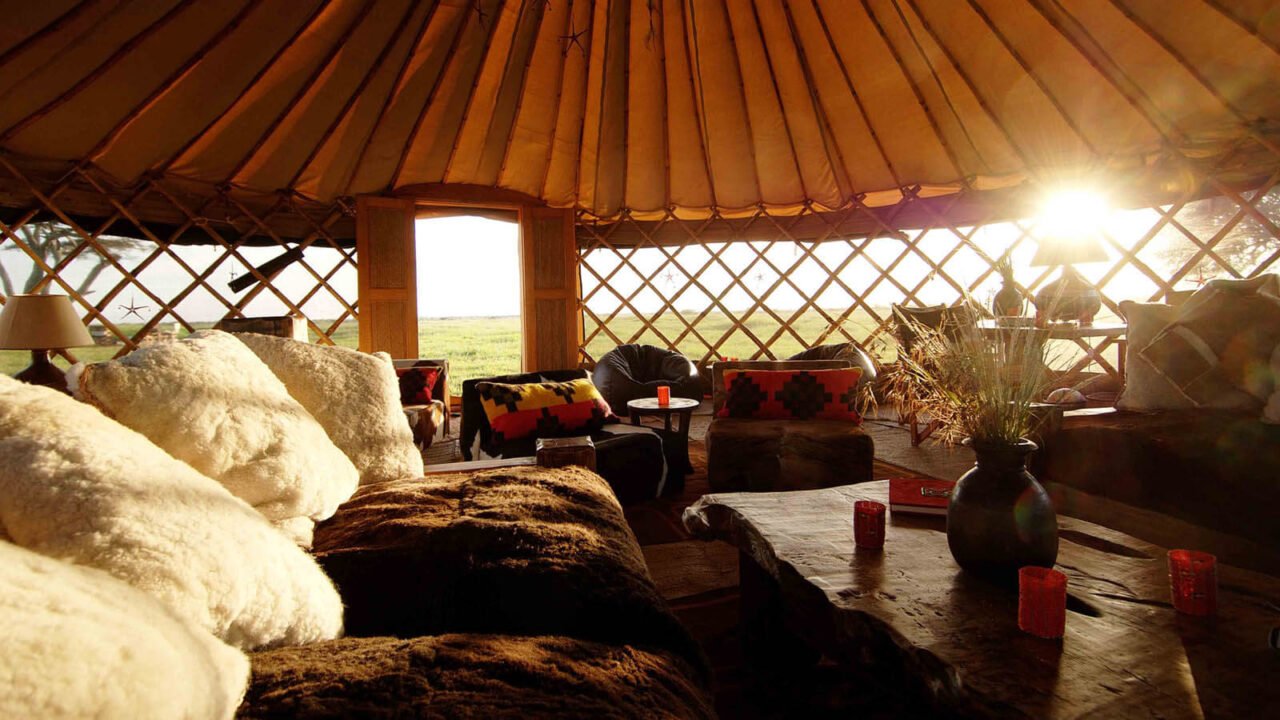
- Luxury Lodges & Camps: High-end amenities, gourmet dining, private game drives, exclusive locations.
- Mid-Range Lodges & Camps: Comfortable accommodations, good service, often in prime locations, a balance of comfort and value.
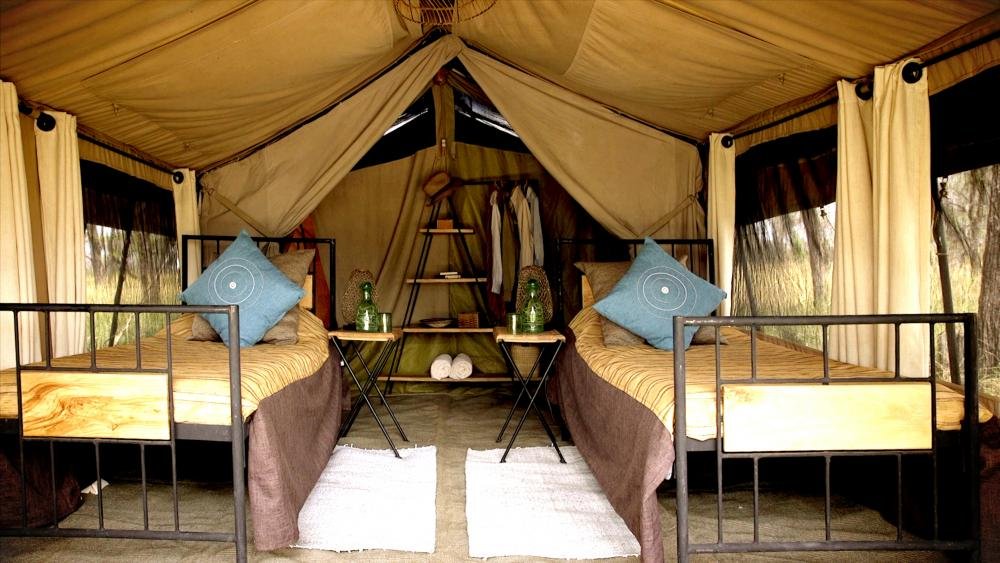
- Budget Camps/Tented Camps: Basic but clean facilities, often more communal, ideal for travelers on a tighter budget.
- Mobile Tented Camps: Strategically placed camps that move with the Great Migration in the Serengeti, offering proximity to the action.
Transportation: Safari Vehicles
Most safaris in Tanzania utilize 4×4 safari vehicles, typically Land Cruisers or Land Rovers. These are equipped with pop-up roofs for optimal game viewing and photography. Your choice of tour operator will determine the vehicle and driver-guide quality, which significantly impacts your experience.
Common Safari Mistakes to Avoid
To ensure your safari is everything you dreamed of, be aware of these common pitfalls:
- Overpacking: Pack light, neutral-colored clothing. Most lodges offer laundry services.
- Underestimating Travel Times: Distances in Tanzania are vast. Factor in travel time between parks, which often involves bumpy roads.
- Focusing Only on the Big Five: While iconic, Tanzania’s wildlife is incredibly diverse. Appreciate smaller mammals, birds, and the stunning flora.
- Not Booking in Advance: Especially for peak season (June-October) and popular lodges or mobile camps, booking 6-12 months ahead is crucial for 2026 and 2027 trips.
- Choosing the Wrong Time of Year: Visiting during the rainy season might lead to disappointment if you expect dry conditions and easy game viewing.
- Relying Solely on Self-Driving: A knowledgeable local guide is invaluable for spotting wildlife, understanding animal behavior, and navigating safely.
Who is a Tanzania Safari Best For?
Tanzania safaris cater to a wide range of travelers:
| Traveler Type | Best Suited Parks/Experiences | Considerations |
|---|---|---|
| First-Time Safari Goers | Northern Circuit (Serengeti, Ngorongoro, Tarangire, Lake Manyara) | High wildlife density, established infrastructure, easier logistics. |
| Wildlife Enthusiasts/Photographers | Serengeti (Migration), Ngorongoro (density), Ruaha (predators), Nyerere (variety) | Focus on specific wildlife events, longer stays, choose lodges/camps known for prime locations. |
| Adventure Seekers | Walking safaris (Nyerere), exploring remote parks (Ruaha), combining with Kilimanjaro trek. | Requires more physical activity, higher tolerance for basic facilities in some areas. |
| Families | Lake Manyara, Tarangire, Ngorongoro (shorter drives, diverse sightings). | Choose family-friendly lodges, consider age restrictions for walking safaris. |
| Honeymooners/Couples | Luxury lodges in Serengeti, Ngorongoro Crater rim, private conservancies. | Emphasis on privacy, romantic settings, exclusive experiences. |
| Budget Travelers | Public campsites in Serengeti/Ngorongoro, more basic tented camps, shoulder seasons. | Requires more flexibility, shared facilities, less luxury. |
Alternatives to the Best National Parks
While the parks listed are top-tier, Tanzania offers other compelling wildlife destinations:
- Mkomazi National Park: Known for its conservation efforts, especially with black rhinos and wild dogs.
- Arusha National Park: Closer to Arusha, good for day trips, offers Mount Meru trekking, and features unique alkaline lakes and Momella Wildlife.
- Katavi National Park: Extremely remote, known for large buffalo herds and a dramatic dry-season spectacle around waterholes. Requires significant travel time and planning.
These parks can be excellent additions for longer, more in-depth safaris or for travelers seeking to escape the main tourist routes.
Planning Your 2026 & 2027 Tanzania Safari
Booking your safari for 2026 or 2027 requires strategic planning, especially for popular periods. Here’s a timeline:
Safari Planning Timeline (for 2026/2027 trips)
- 12-18 Months Before: Research destinations and tour operators. Decide on your budget and travel style. Book international flights if possible.
- 9-12 Months Before: Confirm your chosen tour operator and itinerary. Book popular lodges, especially for peak season (June-October) and specific migration viewing areas.
- 6-9 Months Before: Finalize safari bookings. Apply for any necessary visas.
- 3-6 Months Before: Book internal flights (if applicable). Get any necessary vaccinations and malaria prophylaxis.
- 1-3 Months Before: Purchase travel insurance. Start packing and break in any new hiking boots if trekking is involved.
- 2-4 Weeks Before: Confirm all arrangements. Exchange currency.
For the best national parks in Tanzania for safari, particularly during the Great Migration in Serengeti or the peak dry season, early booking is paramount. This ensures you secure your preferred accommodations and safari vehicles.
Booking Your Tanzania Safari: Partnering with Experts
Choosing the right tour operator is as important as selecting the right parks. A reputable operator will:
- Offer expert advice on park selection, seasonality, and itinerary planning.
- Provide experienced and knowledgeable driver-guides.
- Ensure well-maintained and comfortable safari vehicles.
- Secure quality accommodation that fits your budget and preferences.
- Handle all logistics, including park fees, permits, and transfers.
- Offer clear communication and support before, during, and after your trip.
When contacting potential operators, ask about their experience with the specific parks you’re interested in, their sustainability practices, and what is included in their safari packages. For the best national parks in Tanzania for safari, look for operators who deeply understand the nuances of each location.
What to Pack for Your Safari
Packing wisely is key to a comfortable safari. Focus on lightweight, breathable clothing in neutral colors (khaki, beige, olive green). Avoid bright colors and dark colors like black and navy, which can attract insects. Essential items include:
- Lightweight long-sleeved shirts and trousers (for sun and insect protection)
- T-shirts and shorts
- A warm fleece or jacket (for cool mornings and evenings)
- Comfortable walking shoes or hiking boots (if applicable)
- Sandals or flip-flops
- Sun hat with a wide brim
- Sunglasses
- Sunscreen (high SPF)
- Insect repellent (with DEET)
- Binoculars (essential for wildlife viewing)
- Camera with extra batteries and memory cards
- Personal first-aid kit
- Reusable water bottle
- Small backpack for day trips
- Swimsuit (for lodges with pools)
Remember to check baggage restrictions for any internal flights you may take.
Frequently Asked Questions (FAQs)
Frequently Asked Questions about Tanzania Safaris
Q1: What are the absolute best national parks in Tanzania for safari in 2026?
A1: For 2026, the top parks remain the classic Northern Circuit: Serengeti National Park for the Great Migration and predator action, Ngorongoro Crater for high wildlife density, and Tarangire National Park for elephants and baobabs. If you seek a more remote experience, Ruaha National Park is an excellent choice.
Q2: Is it better to visit the Serengeti during the migration or calving season?
A2: It depends on your interests. The migration season (June-October) offers dramatic river crossings and vast herds on the move. The calving season (January-February) in the southern Serengeti provides excellent opportunities to see newborn animals and the intense predator activity that follows.
Q3: How many days are recommended for a safari in Tanzania?
A3: A minimum of 7 days is recommended to cover 2-3 parks in the Northern Circuit. For a more in-depth experience, especially if including the Serengeti for longer or visiting other circuits, 10-14 days is ideal.
Q4: What is the best time to see the Great Migration in the Serengeti?
A4: The Great Migration is a year-round phenomenon, but its location varies. For river crossings, aim for June to October in the northern Serengeti. For the calving season, January to February in the southern Serengeti is best. It’s always wise to consult with a safari expert for the most up-to-date migration movements for your planned travel year, such as 2026 or 2027.
Q5: Are Tanzania safaris safe?
A5: Tanzania is a safe safari destination when proper precautions are taken. Reputable tour operators prioritize your safety with experienced guides, well-maintained vehicles, and adherence to park rules. It’s important to listen to your guide and follow their instructions.
Q6: What are the typical costs of a Tanzania safari?
A6: Safari costs vary widely based on accommodation level, duration, number of parks visited, and time of year. Generally, mid-range safaris can range from $300-$500 per person per day, while luxury options can exceed $700-$1000+ per person per day. This typically includes accommodation, park fees, meals, and game drives.
Q7: Can I combine a safari with a beach holiday in Zanzibar?
A7: Absolutely! This is a very popular combination. After your safari, you can take a short flight from Arusha or Kilimanjaro to Zanzibar for a relaxing beach experience. Many tour operators offer combined packages.
Q8: What is the difference between a National Park and a Game Reserve in Tanzania?
A8: National Parks are managed primarily for wildlife conservation and tourism, with stricter regulations. Game Reserves (like Nyerere National Park, formerly Selous) are also protected but may have slightly different management approaches and can sometimes allow activities like walking safaris more readily.
Q9: Do I need vaccinations for Tanzania?
A9: Yellow fever vaccination is often required if arriving from or transiting through a country with a risk of yellow fever. It’s also recommended to consult your doctor about other vaccinations and malaria prophylaxis well in advance of your trip, ideally 4-6 weeks before travel.
Q10: How do I choose the best national parks in Tanzania for safari if I have limited time?
A10: For a shorter trip (5-7 days), focusing on the Northern Circuit is most efficient. A good combination would be Tarangire, Ngorongoro Crater, and a brief visit to the Serengeti. This minimizes travel time while still offering incredible wildlife experiences.
Your Unforgettable Tanzania Safari Awaits
Tanzania offers a safari experience like no other, with its vast landscapes, incredible wildlife, and commitment to conservation. By understanding the unique offerings of its best national parks in Tanzania for safari, considering the optimal times to visit for 2026 and 2027, and planning meticulously, you can ensure your adventure is everything you’ve imagined.
Whether you dream of witnessing the Great Migration, spotting the Big Five in the Ngorongoro Crater, or exploring the wild heart of Ruaha, your perfect safari itinerary is within reach. Don’t let the planning overwhelm you. Partnering with experienced local experts is the key to a seamless and extraordinary journey.
We are passionate about creating tailor-made safari experiences that connect you with the magic of Tanzania. Let us help you design your ideal adventure. Get in touch today to start planning your 2026 or 2027 safari!
Contact us for a personalized safari quote:
- WhatsApp: +255616946642
- Email: topguideadventures@gmail.com
- Backup Email: info@topguideadventures.com
Which Tanzania Safari Gives The Best Value For Money? 2026-2027
Which Tanzania safari gives the best value for money? is explained with current 2026-2027 planning, price, itinerary and booking information.
View package details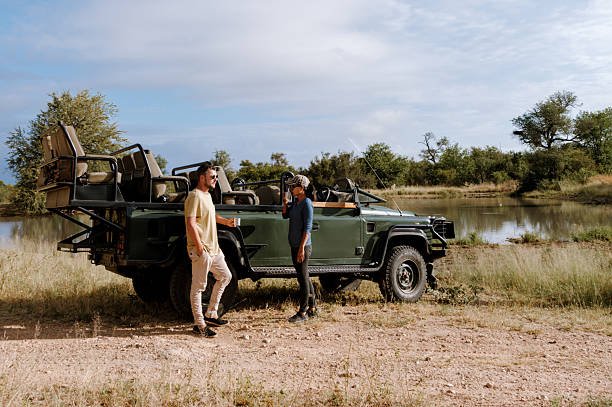
How To Avoid Safari Scams In Tanzania: A Top Guide Adventures Expert 2026-2027
Navigating a safari in Tanzania is a dream for many, but a few precautions can ensure your adventure is scam-free. This guide from Top Guide Adventures provides essential advice for...
View package details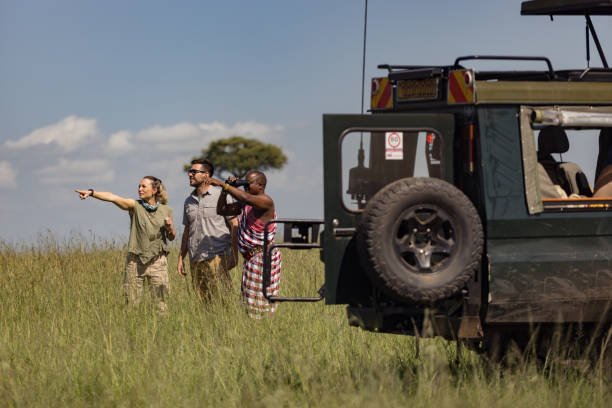
Which Local Tanzania Safari Companies Are Trustworthy In ? 2026-2027
Choosing a trustworthy local Tanzania safari company is crucial for a memorable and safe adventure. This guide helps you identify reliable operators for your 2026-2027 trip, covering...
View package detailsHow Far In Advance Should You Book A Tanzania Safari? Your Planning Guide
Securing your dream Tanzania safari requires strategic planning. This comprehensive guide details the optimal booking timeline for 2026-2027, considering peak seasons, lodge availability...
View package detailsHow Much Should I Tip My Safari Guide In Tanzania? Your 2026-2027
Understand the tipping culture for safari guides and staff in Tanzania. This guide provides clear, actionable recommendations for tipping your safari crew in 2026-2027, covering guides...
View package detailsPrivate Safari Vs Group Tanzania — Which Is Better? 2026-2027
Private safari vs group safari Tanzania — which is better? is explained with current 2026-2027 planning, price, itinerary and booking information.
View package details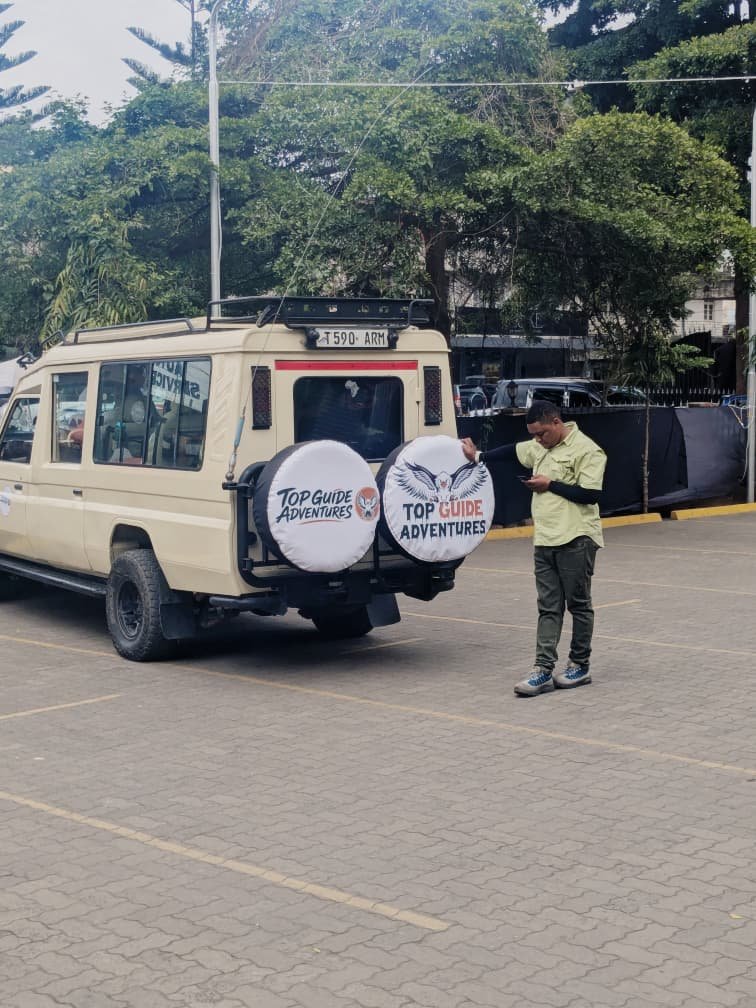
Is A Group Joining Safari In Tanzania Worth It? 2026-2027
Is a group joining safari in Tanzania worth it? is explained with current 2026-2027 planning, price, itinerary and booking information.
View package details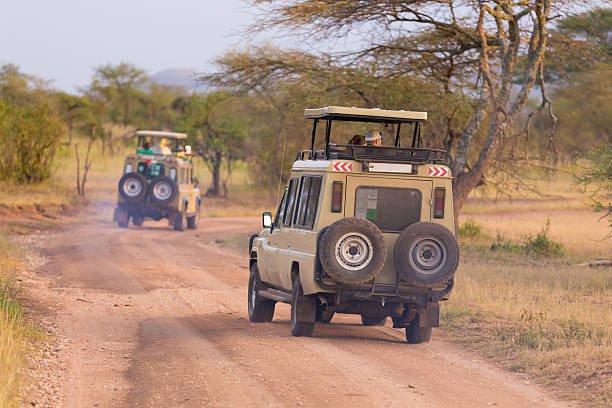
Tanzania Safari For Great Migration: Which Tour To Book In 2026-2027
Planning to witness the Great Migration in Tanzania? This guide helps you choose the perfect safari for 2026-2027, detailing the best parks, timing, and tour options for an unforgettable...
View package details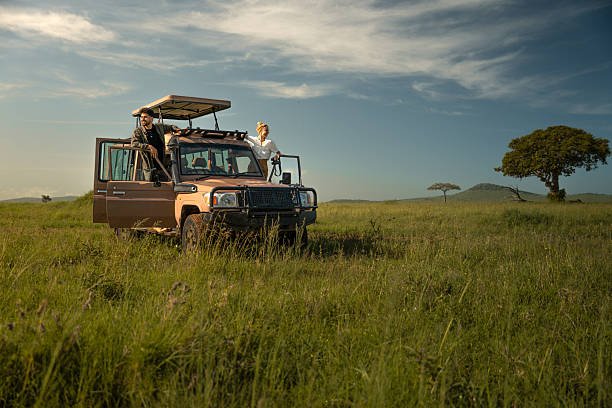
Three Days For Safari In Tanzania: Where To Go An Unforgettable Experience
If you have just three days for a safari in Tanzania, the most recommended destinations for a concentrated and rewarding wildlife experience are the Ngorongoro Conservation Area and...
View package details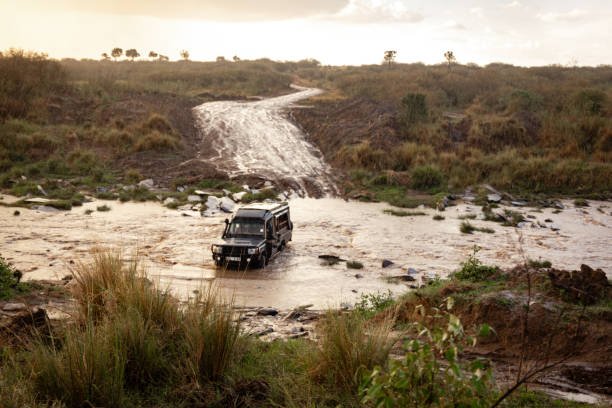
Combine Safari And Zanzibar With A $3,000 Per Person Tanzania Budget 2026-2027
Explore how to effectively combine a classic Tanzania safari experience with the tropical allure of Zanzibar, all while adhering to a $3,000 per person budget. This guide covers essential...
View package details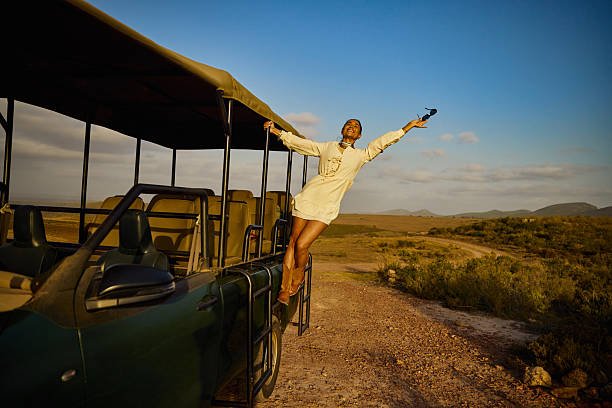
Tanzania Safari Under $2,000 Per Person: Your Dream Itinerary For 2026-2027
Explore Tanzania's incredible wildlife and landscapes on a safari designed for a $2,000 per person budget. We outline the best routes, durations, and what to expect for your 2026-2027...
View package details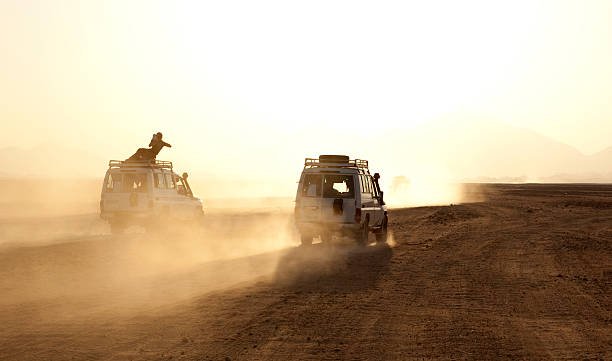
Solo Travel To Tanzania: Can I Join A Safari Group? 2026-2027
Planning a solo safari adventure in Tanzania? Discover how you can join an existing group tour, making your journey more affordable and social. Top Guide Adventures provides excellent...
View package detailsNo related package matches those filters. Clear one or more filters to see the other topic-matched options.
Plan your Best National Parks in Tanzania for Safari with Top Guide Adventures
Tell us your travel dates, group size, comfort level, and dream experience. We will help you shape a clear, realistic, and memorable Tanzania itinerary.



