
Updated planning guide for 2026-2027
Best Cultural Experiences In Tanzania: Complete Guide 2026-2027
Explore the rich cultural tapestry of Tanzania with our comprehensive guide. Learn about authentic interactions, historical sites, and planning your unforgettable trip for 2026-2027.
WhatsApp +255616946642 | topguideadventures@gmail.com | info@topguideadventures.com
Best Cultural Experiences in Tanzania: A Deep Dive for 2026-2027 Travelers
Tanzania is renowned globally for its breathtaking wildlife safaris and the majestic Mount Kilimanjaro. However, beyond the savannahs and peaks lies a vibrant cultural heart, beating with centuries of history, diverse traditions, and welcoming communities. For travelers in 2026 and 2027 seeking more than just stunning landscapes, the best cultural experiences in Tanzania offer profound connections and lasting memories. This guide explores how to immerse yourself in the country’s rich heritage, from ancient trade routes to the daily lives of its people.
Understanding Tanzania’s culture means appreciating its Swahili coast heritage, the influences of Arab and Indian traders, and the distinct traditions of numerous ethnic groups. Planning a trip that includes these elements requires insight into local customs, appropriate etiquette, and the best ways to engage respectfully. This detailed guide will equip you with all the necessary information to plan an enriching cultural journey.
Quick Facts About Tanzanian Culture
| Aspect | Details |
|---|---|
| Official Language | Swahili (Kiswahili) |
| Widely Spoken Languages | English (especially in tourism and business), over 120 local languages |
| Dominant Religions | Christianity, Islam (especially on the coast), Indigenous beliefs |
| Major Ethnic Groups | Chagga, Sukuma, Nyamwezi, Gogo, Haya, Swahili, Maasai, Hadzabe, Datoga, and many others |
| Key Cultural Influences | Bantu, Arab, Persian, Indian, European |
| Greeting Etiquette | A handshake is common. Using “Jambo” (hello) or “Habari” (how are you) is appreciated. Respect elders. |
| Dress Code | Modest dress is advisable, especially when visiting villages or religious sites. Shoulders and knees should generally be covered. |
Table of Contents
- Why Seek Cultural Experiences in Tanzania?
- Understanding Tanzania’s Cultural Mosaic
- Best Time to Experience Tanzanian Culture
- Key Regions for Cultural Immersion
- Maasai Village Visits: Authentic Encounters
- Hadzabe & Datoga: Bushmen and Artisans
- Zanzibar: Swahili Coast History and Spice
- Arusha & Moshi: Gateway to Culture
- Bagamoyo: A Glimpse into Colonial and Slave Trade History
- Exploring Local Markets: A Sensory Journey
- Tanzanian Cuisine: A Taste of Tradition
- Traditional Music and Dance Performances
- Ethical Cultural Tourism Practices
- Planning Your Cultural Itinerary (2026-2027)
- What to Expect During Cultural Tours
- Packing and Preparation for Cultural Visits
- Common Mistakes to Avoid
- Who Are These Cultural Experiences Best For?
- Alternatives to Standard Cultural Tours
- Booking Your Cultural Experiences
- Frequently Asked Questions
Why Seek Cultural Experiences in Tanzania?
While safaris offer unparalleled wildlife viewing and Kilimanjaro treks provide a physical challenge, Tanzania’s cultural experiences offer a different, equally rewarding dimension to your trip. They provide context to the landscapes you explore, introduce you to the resilience and warmth of the Tanzanian people, and offer insights into ways of life that have persisted for generations.
For travelers in 2026-2027, the appeal lies in authenticity. Moving beyond tourist-centric performances, genuine interactions with communities allow you to:
- Gain a deeper understanding of daily life, traditions, and social structures.
- Appreciate the diversity within Tanzania, from nomadic pastoralists to settled agriculturalists and vibrant coastal communities.
- Support local economies directly through responsible tourism initiatives.
- Learn about historical narratives that shaped the nation, including pre-colonial kingdoms, the slave trade, and colonial impacts.
- Develop a more nuanced perspective on the challenges and triumphs of contemporary Tanzania.
Understanding Tanzania’s Cultural Mosaic
Tanzania is a nation of incredible ethnic diversity, with over 120 distinct tribes, each possessing unique languages, customs, and traditions. The dominant cultural narrative is heavily influenced by the Swahili people, whose language and culture are a product of centuries of interaction between Bantu Africans and Arab, Persian, and Indian traders along the coast. This Swahili culture is characterized by its Islamic faith, unique architecture, and rich oral traditions.
Inland, different groups have developed distinct ways of life shaped by their environment and history:
- The Maasai: Iconic pastoralists known for their vibrant red shukas, intricate beadwork, and semi-nomadic lifestyle, primarily in the northern regions.
- The Chagga: A prosperous agricultural community on the slopes of Mount Kilimanjaro, known for their coffee farming and complex social organization.
- The Sukuma: The largest ethnic group, residing in the northwest, with a rich history of farming, ironworking, and elaborate initiation ceremonies.
- The Hadzabe: One of the last remaining hunter-gatherer tribes in Africa, living near Lake Eyasi, practicing ancient traditions of hunting with bows and arrows and gathering.
- The Datoga: Skilled pastoralists and artisans, often found near the Hadzabe, known for their metalworking, particularly in crafting tools and jewelry.
Understanding these diverse groups is key to appreciating the full spectrum of Tanzanian culture. Recognizing the differences and similarities allows for more informed and respectful engagement.
Best Time to Experience Tanzanian Culture
While cultural experiences can be arranged year-round, certain periods offer enhanced opportunities:
- Dry Seasons (June to October, December to February): These months are generally pleasant for travel across Tanzania. Outdoor activities, including visits to rural communities and markets, are more comfortable. Wildlife viewing is also at its peak, often coinciding with cultural hubs.
- Festival Periods: While specific dates vary, major religious holidays like Eid al-Fitr and Eid al-Adha (observed by Muslims, especially on the coast and in Zanzibar) and Christmas and Easter (observed by Christians) offer glimpses into community celebrations. Local festivals related to harvest or specific traditions also occur, though they may not always align with tourist schedules.
- Shoulder Seasons (March-May, November): These months can be less crowded, potentially offering more intimate cultural interactions. However, weather can be unpredictable, with potential for rain, which might affect travel to more remote areas.
For 2026-2027 travel, consider that booking popular cultural tours, especially those involving community stays or specific events, should be done well in advance.
Key Regions for Cultural Immersion
Tanzania offers a wealth of cultural experiences spread across its diverse geography. Here are some of the most rewarding regions:
Maasai Village Visits: Authentic Encounters
A visit to a Maasai village is perhaps one of the most iconic cultural experiences in Tanzania. Located primarily in the northern regions near the Serengeti and Ngorongoro Conservation Area, these communities offer a window into the life of these semi-nomadic pastoralists.
What to Expect:
- Welcome Ceremony: Often, visitors are greeted with traditional songs and dances, including the famous Maasai jumping dance (Adumu).
- Village Tour: You’ll see the unique circular housing structures (manyatta) made from mud, dung, and branches.
- Daily Life: Learn about their livestock-centric lifestyle, cattle herding, milk consumption, and the importance of cattle in Maasai culture.
- Craftsmanship: Observe women creating intricate beadwork, a significant part of Maasai adornment and cultural expression. You may have the opportunity to purchase crafts directly from the artisans.
- Storytelling: Elders may share stories, explain their beliefs, and discuss the challenges of maintaining their traditions in the modern world.
Important Considerations:
- Authenticity: Choose tours that prioritize respectful interaction and ensure the community benefits directly. Avoid overly staged performances.
- Photography: Always ask permission before taking photos of people, especially elders and children. Some communities may charge a small fee for photography.
- Gifts: While not mandatory, small, practical gifts like school supplies for children or basic medical supplies for the community are sometimes appreciated, but confirm with your tour operator.
Hadzabe & Datoga: Bushmen and Artisans
Near Lake Eyasi in northern Tanzania, you can encounter the Hadzabe, one of Africa’s last hunter-gatherer tribes, and the Datoga people, known for their traditional crafts.
Hadzabe Experience:
- Hunting and Gathering: With a guide, you can observe or even participate (respectfully) in a morning hunt using traditional bows and arrows, or learn about edible plants and roots.
- Camp Life: See how they live in simple shelters and understand their deep connection to the land.
- Language: The Hadzabe language is unique, featuring click consonants.
Datoga Experience:
- Blacksmithing: Visit a Datoga blacksmith to witness the ancient art of working with iron to create tools, spears, and distinctive jewelry.
- Pastoralism: Learn about their cattle-herding traditions and their relationship with the land.
- Tattooing: Observe their traditional facial and body tattoos, which hold cultural significance.
Planning Note: These visits require specialized guides and careful logistical planning due to the remote locations. Ensure your tour operator has strong relationships with these communities.
Zanzibar: Swahili Coast History and Spice
The Zanzibar Archipelago is a treasure trove of Swahili culture, with a history shaped by trade, sultans, and colonial powers. Stone Town, a UNESCO World Heritage site, is the heart of this cultural exploration.
Key Attractions and Experiences:
- Stone Town Tour: Wander through narrow alleys, discover carved wooden doors, visit historical buildings like the House of Wonders and the Old Fort, and learn about the slave trade history at the former slave market site.
- Spice Tours: Zanzibar is known as the “Spice Island.” A guided tour will take you to local farms where you can see, smell, and taste a variety of spices like cloves, nutmeg, cinnamon, vanilla, and cardamom. You’ll learn about their cultivation and traditional uses.
- Local Markets: Visit Darajani Market for a vibrant, bustling experience of local life, where you can find fresh produce, spices, and local crafts.
- Swahili Cooking Classes: Learn to prepare traditional Zanzibari dishes, often a fusion of African, Arab, and Indian influences.
- Local Music and Dance: Experience Taarab music, a unique genre blending African, Arab, and Indian melodies, often performed at local events or cultural centers.
Arusha & Moshi: Gateway to Culture
These northern cities, while serving as gateways to safaris and Kilimanjaro, also offer significant cultural insights.
Experiences:
- Chagga Villages: Explore villages on the slopes of Mount Kilimanjaro, learn about coffee cultivation from bean to cup, and visit traditional Chagga homes (often built underground during historical conflicts).
- Maasai Cultural Tourism Project: Several community-based projects near Arusha offer educational visits to Maasai villages, focusing on cultural exchange.
- Local Markets: Arusha’s central market is a hub of activity, offering local produce, crafts, and a chance to observe daily life.
- Cultural Heritage Centre: This center in Arusha showcases Tanzanian art, crafts, and cultural artifacts, providing a good introduction to the country’s diverse heritage.
Bagamoyo: A Glimpse into Colonial and Slave Trade History
Located on the coast north of Dar es Salaam, Bagamoyo was once a vital trading post and the capital of German East Africa. It holds significant historical weight, particularly concerning the slave trade.
Key Sites:
- The Old Fort: A reminder of its past as a trading center.
- The Slave Market Site: A somber but important historical location.
- The Kaole Ruins: Ancient Shirazi ruins dating back to the 13th century, predating the arrival of Europeans.
- The German Cemetery: Reflecting the colonial era.
Bagamoyo offers a more in-depth historical perspective than many other locations, ideal for those interested in the deep past and the impact of the slave trade and colonialism.
Exploring Local Markets: A Sensory Journey
Local markets are the pulsating heart of Tanzanian towns and cities. They are not just places to buy goods but vibrant social hubs where you can observe daily life, interact with locals, and experience the sights, sounds, and smells of the country.
What to Look For:
- Produce: Exotic fruits, vegetables, and grains that form the basis of the Tanzanian diet.
- Crafts: Wood carvings, paintings (like Tinga Tinga art), beadwork, and textiles.
- Spices: Especially in coastal areas and Zanzibar, you’ll find a vast array of aromatic spices.
- Local Foods: Street food stalls offering local snacks and dishes.
Tips for Visiting:
- Go with a local guide who can help you navigate, explain items, and facilitate respectful interactions.
- Be prepared for crowds and a lively atmosphere.
- Bargaining is expected for crafts, but do so respectfully and with a smile. Prices for food and produce are usually fixed.
- Keep your belongings secure.
Tanzanian Cuisine: A Taste of Tradition
Tanzanian food is a delicious reflection of its diverse cultural influences. Exploring its cuisine is a vital part of the cultural experience.
Staples and Popular Dishes:
- Ugali: A stiff porridge made from maize flour, a fundamental staple across the country, often eaten with stews or vegetables.
- Pilau: A fragrant rice dish, often made with meat, spices, and sometimes vegetables, particularly popular on the coast and in Zanzibar.
- Nyama Choma: Grilled meat (beef, goat, or chicken), a popular dish often served at roadside eateries and restaurants.
- Street Food: From chapati (flatbread) to mandazi (fried dough), and various samosas and grilled skewers.
- Seafood: Especially in coastal regions and Zanzibar, fresh fish, prawns, and calamari are abundant.
- Mishkaki: Small skewers of marinated meat, a popular snack.
Culinary Experiences:
- Cooking Classes: Participate in a class to learn how to prepare authentic Tanzanian dishes. This is a hands-on way to understand local ingredients and cooking methods.
- Local Restaurants (Bustani/Local Eateries): Seek out places where locals eat for an authentic taste.
- Food Tours: Guided tours that take you to various food stalls and small eateries to sample a range of local delicacies.
Traditional Music and Dance Performances
Music and dance are integral to Tanzanian life, used for celebrations, storytelling, and ceremonies. Experiencing these performances offers a vibrant insight into the country’s soul.
Types of Performances:
- Maasai Warrior Dances: The energetic jumping dances and chants are performed for visitors and during ceremonies.
- Taarab Music: Originating from Zanzibar, this music is characterized by its melodic vocals, oud, and violin, often telling stories of love and life.
- Folk Music and Dance Groups: Many cultural centers and lodges host performances by local groups showcasing dances from various tribes, each with its unique rhythm and costume.
- Ngoma: A general term for traditional dance and music, varying greatly by region and ethnic group.
Where to Find Them:
- Cultural heritage centers.
- Community tourism projects.
- Some lodges and hotels that host cultural evenings.
- Local festivals (if your timing aligns).
Ethical Cultural Tourism Practices
Engaging with local cultures responsibly is paramount. For travelers planning in 2026-2027, prioritizing ethical practices ensures your visit is beneficial to both you and the communities you interact with.
Key Principles:
- Community Benefit: Ensure your tour operator works directly with communities and that a fair portion of the tour cost goes back to them. Look for community-based tourism initiatives.
- Respect for Traditions: Learn about local customs and dress codes beforehand. Always ask permission before taking photos of people.
- Avoid Exploitation: Be wary of tours that feel overly staged or exploitative. Authentic interactions are more valuable than performances designed solely for tourists.
- Support Local Artisans: Purchase souvenirs directly from artisans, paying a fair price.
- Environmental Impact: Minimize your footprint, especially when visiting rural or natural areas.
- No Alms Giving: Avoid giving money or sweets directly to children. This can encourage begging and disrupt education. If you wish to help, arrange through your tour operator or a reputable local school or clinic.
Choosing reputable tour operators committed to sustainable and ethical tourism is crucial for the best cultural experiences in Tanzania.
Planning Your Cultural Itinerary (2026-2027)
Integrating cultural experiences into your Tanzanian adventure requires thoughtful planning. Here’s a step-by-step approach:
Cultural Trip Planning Checklist
- Define Your Interests: Are you drawn to historical sites, tribal interactions, culinary arts, or traditional crafts?
- Choose Your Regions: Based on interests, select regions like Northern Tanzania (Maasai, Hadzabe), Zanzibar (Swahili), or the coast (Bagamoyo).
- Determine Trip Length: Allocate sufficient time. A few days for cultural focus is recommended, or integrate shorter visits into a larger itinerary.
- Select Ethical Tour Operators: Research operators with a proven track record in responsible cultural tourism.
- Book in Advance: Especially for 2026-2027, popular community visits and specialized tours should be booked early.
- Research Local Etiquette: Understand greetings, dress codes, and customs for each community you plan to visit.
- Pack Appropriately: Include modest clothing, comfortable walking shoes, and any personal items needed.
- Set Realistic Expectations: Cultural immersion is about genuine connection, not just sightseeing. Be open and adaptable.
- Budget Accordingly: Factor in tour costs, potential purchases, and any community contributions.
Sample Itinerary Logic: Combining Safari and Culture
Many travelers prefer to blend cultural experiences with wildlife safaris. Here’s a common approach:
Option 1: Northern Circuit Focus
- Days 1-3: Arusha/Moshi: Arrive, acclimatize. Visit a Chagga village, learn about coffee, explore local markets.
- Days 4-7: Tarangire/Manyara: Safari days. Arrange a respectful Maasai village visit on the fringes of the conservation areas.
- Days 8-10: Serengeti: Safari.
- Days 11-13: Ngorongoro: Safari. Consider a visit to a Maasai cultural village or a trip to Lake Eyasi for Hadzabe/Datoga experiences (requires additional travel time and logistics).
- Day 14: Departure from Kilimanjaro International Airport (JRO).
Option 2: Zanzibar Immersion
- Days 1-4: Stone Town: Explore historical sites, take a spice tour, enjoy cooking classes, visit local markets.
- Days 5-7: Coastal/Rural Zanzibar: Visit smaller villages, learn about local fishing communities, experience local life away from the main tourist hubs.
- Day 8: Departure from Zanzibar Airport (ZNZ).
Integrating Culture into Other Trips:
- Kilimanjaro Treks: Arrange pre- or post-trek cultural visits to Chagga villages near Moshi.
- Southern Safaris (Ruaha, Selous): While more remote, opportunities exist to visit local villages on the outskirts of parks, often arranged by specialist operators.
What to Expect During Cultural Tours
Cultural tours are designed to be educational and interactive. Here’s a general overview of what you might encounter:
- Guided Walks: You will likely be accompanied by a local guide who acts as a translator and cultural interpreter.
- Storytelling and Demonstrations: Expect to hear stories, learn about traditions, and see demonstrations of crafts or daily activities.
- Interactions: Engage with community members. Ask questions (through your guide) and listen actively.
- Basic Facilities: In rural villages, facilities will be basic. Be prepared for no running water, limited electricity, and simple accommodations if it’s an overnight stay.
- Sensory Experiences: Markets are bustling and can be noisy. Village life is often centered around simple, practical activities.
- Warmth and Hospitality: Tanzanians are generally very welcoming. Your guide will help facilitate respectful interactions.
- Learning Curve: Be open to learning. You are a guest, and your role is to observe and understand.
Packing and Preparation for Cultural Visits
Proper preparation ensures comfort and respect during your cultural immersion.
| Category | Items to Consider |
|---|---|
| Clothing | Modest clothing: long skirts/dresses, long trousers, shirts covering shoulders. Lightweight, breathable fabrics. A light jacket or sweater for evenings. Comfortable walking shoes or sandals. Flip-flops for basic accommodations. |
| Health & Hygiene | Hand sanitizer, wet wipes. Personal first-aid kit. Insect repellent. Sunscreen, hat. Any personal medications. Water purification tablets or a reusable water bottle. |
| Gifts & Donations | Small, practical items if appropriate (e.g., school supplies, pens, notebooks for children; confirm with your operator first). Avoid giving money directly. |
| Documents & Money | Passport, visa, copies of important documents. Small denominations of Tanzanian Shillings for small purchases or tips (if applicable). |
| Miscellaneous | Camera (with extra batteries/memory cards). Small backpack for day trips. A phrasebook or translation app can be helpful, though your guide is key. An open mind and respectful attitude. |
Common Mistakes to Avoid
To ensure your cultural experiences are positive and respectful, be aware of common pitfalls:
- Disrespectful Photography: Always ask permission before taking photos of people. Some may decline, and that must be respected.
- Inappropriate Dress: Wearing revealing clothing in villages or religious sites is disrespectful. Always err on the side of modesty.
- Assuming Authenticity: Not all “cultural villages” are genuine. Research and choose operators that work with communities ethically.
- Ignoring Local Customs: Failing to learn basic greetings or customs can lead to unintentional offense.
- Treating People as Exhibits: Remember you are visiting people, not just a tourist attraction. Engage with respect and genuine interest.
- Unsolicited Giving: Handing out money or sweets to children can create dependency and disrupt their education.
- Over-Bargaining: While bargaining is common for crafts, don’t haggle excessively over small amounts that mean little to you but much to the seller.
- Expecting Western Standards: Be prepared for basic facilities and different paces of life, especially in rural areas.
Who Are These Cultural Experiences Best For?
The best cultural experiences in Tanzania are ideal for travelers who:
- Seek a deeper understanding of the places they visit.
- Are interested in history, traditions, and anthropology.
- Value authentic human connections over superficial sightseeing.
- Are respectful of local customs and traditions.
- Are adaptable and open-minded to different ways of life.
- Wish to support local communities directly through responsible tourism.
- Want to add a rich, educational layer to their safari or beach holiday.
These experiences are particularly well-suited for first-time visitors to Tanzania who want to grasp the country’s diverse identity, as well as repeat visitors looking to explore beyond the typical tourist trails.
Alternatives to Standard Cultural Tours
If you’re looking for less conventional ways to engage with Tanzanian culture:
- Homestays: Arrange through a local NGO or cooperative to stay with a Tanzanian family. This offers the most immersive cultural experience.
- Volunteering: Participate in ethical, well-vetted volunteer projects that focus on community development or education.
- Language Immersion Programs: Spend time learning Swahili in a local setting.
- Attending Local Events: If your timing aligns, attending local weddings, markets, or community gatherings (with an invitation or guide) can be incredibly rewarding.
- Visiting Educational Institutions: Some universities or cultural centers may offer public lectures or events.
- Art Workshops: Participate in workshops focused on traditional crafts like pottery or painting.
Booking Your Cultural Experiences
Choosing the right tour operator is key to a successful and meaningful cultural experience. For your 2026-2027 travels, consider the following:
What to Look For:
- Reputation: Seek out operators with positive reviews focusing on responsible tourism and authentic cultural interactions.
- Local Partnerships: Operators who have strong, long-standing relationships with communities are more likely to offer genuine experiences.
- Community Benefit: Inquire about how the tour operator supports the local communities they visit. Do they pay fair prices? Do they contribute to local projects?
- Experienced Guides: Guides who are knowledgeable about local culture, speak local languages, and are trained in ethical tourism practices are invaluable.
- Flexibility: Ensure they can tailor experiences to your interests and pace.
Booking Timeline for 2026-2027:
- 12-18 Months Out: For peak season travel or highly specialized cultural tours (e.g., extended stays with specific communities), start researching and contacting operators.
- 6-12 Months Out: Book your main tours and accommodations, especially if traveling during popular months.
- 3-6 Months Out: Confirm all details, visa requirements, and any necessary vaccinations.
Contact Us for Expert Planning:
Let us help you craft an unforgettable journey that highlights the best cultural experiences in Tanzania. Our team has deep connections with local communities and a commitment to responsible tourism.
WhatsApp: +255616946642
Email: topguideadventures@gmail.com
Backup Email: info@topguideadventures.com
Frequently Asked Questions
What is the most common cultural experience in Tanzania?
The most commonly sought-after cultural experience is a visit to a Maasai village. These tours are widely available in Northern Tanzania and offer insights into the life of this iconic pastoralist community, including their unique dwellings, traditions, and vibrant beadwork.
Is it respectful to take photos of people in villages?
It is crucial to always ask for permission before taking photographs of people, especially elders and children. Some individuals or communities may decline, and their decision must be respected. Some tours may include a small photography fee to be paid to the community.
What should I wear when visiting cultural sites or villages?
Modest clothing is highly recommended. This generally means covering your shoulders and knees. Lightweight long trousers, long skirts, or dresses are appropriate. This shows respect for local customs, particularly in more traditional or rural settings.
How can I ensure my cultural visit is ethical and benefits the community?
Choose tour operators that have strong, established relationships with local communities and a transparent policy on community benefit. Look for community-based tourism initiatives. Ensure a fair portion of your tour cost directly supports the community, and avoid tours that feel overly staged or exploitative.
Are there opportunities for longer cultural immersions beyond day trips?
Yes, many operators can arrange homestays with local families or longer stays in community-run guesthouses. These offer a much deeper and more authentic cultural experience than a short visit. Planning for 2026-2027 should include booking these well in advance.
What language is spoken in Tanzania?
The official language is Swahili (Kiswahili). English is widely spoken in tourist areas, hotels, and by guides. However, learning a few basic Swahili phrases like “Jambo” (Hello) and “Asante” (Thank you) is always appreciated.
What are the best cultural experiences for families with children?
For families, interactive experiences like spice tours in Zanzibar, visiting coffee farms on Kilimanjaro’s slopes, or engaging with Maasai communities where children can see traditional games and crafts are often very engaging. Ensure the tour operator is family-friendly.
Can I visit the Hadzabe or Datoga people?
Yes, visits to the Hadzabe (hunter-gatherers) and Datoga (artisans and pastoralists) near Lake Eyasi are possible. These require specialized guides and careful planning due to the remote location. They offer a unique glimpse into ancient ways of life and traditional crafts.
What kind of food can I expect during cultural tours?
Expect to taste traditional Tanzanian staples like Ugali (maize porridge), often served with stews or vegetables. In coastal areas and Zanzibar, you’ll find delicious seafood, pilau rice, and various spiced dishes. Street food like chapati and mandazi are also common. Cooking classes offer a great way to learn more.
What is the best time of year for cultural tourism in Tanzania in 2026-2027?
The dry seasons (June-October and December-February) are generally best for comfortable travel and outdoor activities. However, cultural experiences can be arranged year-round. Consider local festivals if your travel dates align, but be aware they may not always coincide with peak tourist seasons.
Are there any cultural experiences suitable for solo travelers?
Absolutely. Solo travelers can join group tours for community visits, markets, and cooking classes. Many cultural centers and heritage sites are also easily accessible for independent exploration. Choosing reputable local guides is highly recommended for solo travelers.
What are the typical costs associated with cultural experiences?
Costs vary widely. Day visits to Maasai villages or spice tours can range from $30-$100+ per person, depending on the operator and inclusions. More in-depth experiences like homestays or visits to remote tribes like the Hadzabe will be more expensive due to logistical needs and community contributions. Always confirm what is included.
Plan Your Authentic Tanzanian Cultural Journey
Tanzania’s cultural landscape is as rich and diverse as its wildlife. By seeking out and respectfully engaging with the best cultural experiences in Tanzania, you can gain a profound appreciation for the country’s heritage and its people. Whether you’re drawn to the traditions of the Maasai, the history of Stone Town, or the daily life in a local market, there’s an experience waiting to connect you deeply with this extraordinary nation.
Let us help you craft an itinerary that balances adventure with authentic cultural immersion. Our expertise ensures your 2026-2027 trip will be memorable, respectful, and truly enriching.
Get in touch to plan your custom Tanzanian cultural adventure:
WhatsApp: +255616946642
Email: topguideadventures@gmail.com
Backup Email: info@topguideadventures.com

How Much Should I Tip My Safari Guide In Tanzania? Your 2026-2027
Understand the tipping culture for safari guides and staff in Tanzania. This guide provides clear, actionable recommendations for tipping your safari crew in 2026-2027, covering guides...
View package details
7 Days In Tanzania: Your Expertly Planned Safari Itinerary For 2026-2027
Discover a perfectly crafted 7-day Tanzania safari itinerary for 2026-2027, designed to maximize wildlife viewing and cultural experiences in the Serengeti and Ngorongoro Crater.
View package details
10-Day Southern Tanzania Safari And Zanzibar Package 2026-2027
Discover the ultimate 10-day Southern Tanzania safari and Zanzibar package, combining the wild heart of Africa with the tropical allure of the Spice Island. This itinerary offers an...
View package details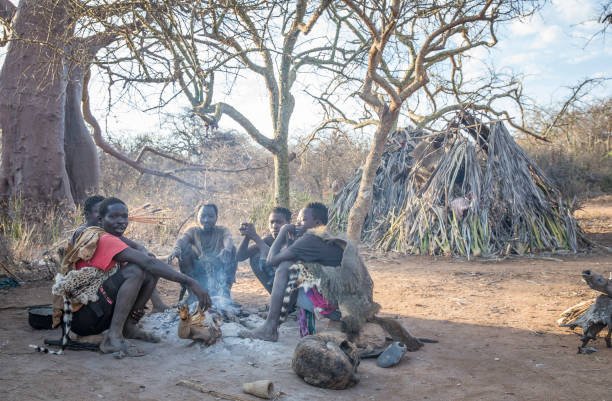
Hadzabe Chaba Lifestyle And His Wife From Arusha 2027-2028
Discover the authentic Hadzabe Chaba lifestyle and the role of their wives, with insights from Top Guide Adventures. Understand their unique hunter-gatherer culture, traditions, and daily...
View package detailsHadzabe Tribe Day Trip Cost From Moshi/Zanzibar 2026-2027
Hadzabe tribe Day trip cost from Moshi/Zanzibar is explained with current 2026-2027 planning, price, itinerary and booking information.
View package detailsHadzabe Tribe Day Trip Cost: 1 Day Tour Price 2026-2027
Planning a day trip to experience the authentic culture of the Hadzabe tribe? This guide breaks down the expected costs for 2026-2027, detailing what influences the price and what you can...
View package detailsNo related package matches those filters. Clear one or more filters to see the other topic-matched options.
Plan your Best Cultural Experiences in Tanzania with Top Guide Adventures
Tell us your travel dates, group size, comfort level, and dream experience. We will help you shape a clear, realistic, and memorable Tanzania itinerary.



