
Updated planning guide for 2026, 2027
Best African Safari: Your Essential Planning Guide
Discover how to plan the best African safari experience, focusing on Tanzania's incredible wildlife and landscapes. This comprehensive guide offers practical advice for 2026 and 2027 trips.
WhatsApp +255616946642 | topguideadventures@gmail.com | info@topguideadventures.com
The Best African Safari: Your Definitive Planning Guide for 2026-2027
When the dream of witnessing Africa’s iconic wildlife in its natural habitat calls, many travelers immediately picture the best African safari. This isn’t just a trip; it’s an immersion into raw nature, a chance to connect with the wild in ways that profoundly change your perspective. For many, Tanzania stands out as the premier destination, offering an unparalleled safari experience. From the Great Migration in the Serengeti to the unique crater ecosystem of the Ngorongoro, Tanzania provides the backdrop for what many consider the ultimate African adventure. This guide is designed to help you meticulously plan your best African safari, ensuring you make informed decisions for an unforgettable journey in 2026, 2027, and beyond.
Planning the best African safari requires careful consideration of numerous factors. What makes a safari truly ‘the best’? It’s a blend of incredible wildlife sightings, comfortable and well-located accommodations, expert guiding, and a seamless logistical experience. For those seeking the pinnacle of wildlife viewing and a deep connection with the African wilderness, Tanzania offers a compelling case. This comprehensive resource will walk you through everything you need to know, from choosing the right parks and timing your visit to understanding costs, packing essentials, and selecting a reputable tour operator.
Quick Answers for Your Best African Safari Planning
- What is the best African safari? The best African safari is typically defined by exceptional wildlife viewing opportunities, expert guiding, comfortable logistics, and a focus on conservation, with Tanzania often cited as a top destination.
- When is the best time for an African safari? The dry season (June to October) is generally considered the best time for game viewing across most of Tanzania, offering easier spotting of animals around water sources. However, the green season has its own unique advantages.
- How much does the best African safari cost? Costs vary significantly based on accommodation style, duration, and inclusions, but a mid-range safari in Tanzania can range from $300 to $600 per person per day. Luxury options can be substantially higher.
- Which country offers the best African safari? While many countries offer incredible safaris, Tanzania is frequently ranked among the best due to its diverse ecosystems, abundant wildlife, and the Great Migration.
- How long should a best African safari be? A minimum of 5-7 days is recommended to experience one or two key regions, while 10-14 days allows for a more in-depth exploration of multiple parks.
Table of Contents: Planning Your Best African Safari
Quick Facts About Tanzania Safaris
| Aspect | Details |
|---|---|
| Primary Focus | Wildlife viewing, Great Migration, diverse landscapes, cultural experiences. |
| Key Regions | Northern Circuit (Serengeti, Ngorongoro, Tarangire, Lake Manyara), Southern Circuit (Ruaha, Selous/Nyerere). |
| Best Time to Visit (General) | Dry Season: June – October. Wet Season: November – May. |
| Iconic Wildlife | The Big Five (lion, leopard, elephant, rhino, buffalo), wildebeest, zebra, cheetah, giraffe, numerous bird species. |
| Safari Styles | Game drives (4×4 vehicles), walking safaris (in specific areas), hot air balloon safaris. |
| Accommodation | Luxury lodges, tented camps (permanent and mobile), budget guesthouses. |
| Getting Around | Charter flights, 4×4 safari vehicles. |
| Visa Requirements | Generally required for most nationalities; can often be obtained on arrival or in advance online. |
| Health Precautions | Consult your doctor regarding malaria prophylaxis and recommended vaccinations. |
Why Tanzania is a Top Choice for the Best African Safari
When considering the best African safari, Tanzania consistently ranks at the top for compelling reasons. It’s a land of breathtaking natural beauty and unparalleled wildlife density. The country is home to some of the most famous national parks and conservation areas in the world, each offering a distinct and spectacular experience.
The Great Migration: A Natural Spectacle
Perhaps the most significant draw for the best African safari in Tanzania is the Great Migration. This colossal movement of over 1.5 million wildebeest and zebras, followed by their predators, is a year-round phenomenon occurring across the Serengeti ecosystem. Witnessing the dramatic river crossings (particularly around July-September) or the calving season in the southern Serengeti (January-February) is a highlight for any wildlife enthusiast. Understanding the migration’s cycle is key to planning the best time for your safari.
Diverse Ecosystems and Landscapes
Tanzania isn’t a one-trick pony. Its parks showcase a remarkable diversity of environments. The vast, open plains of the Serengeti are ideal for spotting large herds and predators. The Ngorongoro Conservation Area features the world’s largest intact volcanic caldera, a self-contained ecosystem supporting an astonishing array of wildlife, including a healthy population of black rhinos. Tarangire National Park is famous for its massive elephant herds and baobab trees, while Lake Manyara offers a unique blend of woodland, grassland, and lake habitats, known for its tree-climbing lions and large baboon troops. This variety ensures that no two days on safari feel the same.
High Wildlife Densities and Big Five Opportunities
Beyond the migration, Tanzania boasts exceptionally high wildlife densities. The probability of seeing the Big Five (lion, leopard, elephant, rhino, and buffalo) is very high, especially within the Ngorongoro Crater and the Serengeti. The country is also a haven for cheetahs, leopards, giraffes, hippos, crocodiles, and an incredible variety of birdlife. The sheer abundance and visibility of animals contribute significantly to the feeling of experiencing the best African safari.
Conservation Efforts and Responsible Tourism
Tanzania has a strong commitment to conservation, with a significant portion of its land dedicated to national parks and game reserves. These protected areas are managed to sustain wildlife populations and their habitats. Choosing a reputable tour operator that prioritizes responsible tourism practices further enhances the positive impact of your visit, ensuring that your safari contributes to the long-term preservation of these precious natural resources for future generations, including in 2026 and 2027.
Cultural Encounters
While wildlife is the primary focus, Tanzania also offers opportunities for authentic cultural interactions. Visits to Maasai villages or interactions with local communities can add a rich human dimension to your safari experience, offering insights into the traditional lifestyles of people who live alongside the wildlife.
Best Time to Plan Your Best African Safari in 2026-2027
Timing is crucial for maximizing your chances of incredible sightings and enjoying comfortable weather. The best African safari experience often hinges on visiting during the right season. Tanzania’s climate is broadly divided into dry and wet seasons, each offering different advantages.
The Dry Season (June to October)
This period is widely considered the prime time for a safari in Tanzania. The weather is generally cooler and drier, with less humidity. Vegetation thins out, making it easier to spot animals as they congregate around permanent water sources. This is also the peak season for the Great Migration river crossings in the Grumeti and Mara Rivers in the Serengeti, a truly dramatic spectacle.
- Pros: Excellent game viewing, easier spotting of animals, pleasant temperatures, ideal for photography, migration river crossings.
- Cons: Peak tourist season, higher prices, more crowded parks, need to book accommodations and popular lodges well in advance for 2026 and 2027 trips.
The Shoulder Seasons (March-May & November-December)
These months can offer a good balance. The short rains in November/December can bring dramatic skies and lush landscapes, while the long rains from March to May can see fewer tourists and lower prices. However, game viewing can be more challenging as animals disperse, and some lodges may close or reduce services.
- Pros: Fewer crowds, potentially lower prices, beautiful green landscapes, birdwatching is excellent.
- Cons: Game viewing can be more difficult, rain can disrupt game drives, some roads may be impassable.
The Wet Season (November to May)
This is the ‘green season’ or ‘calving season’ in the southern Serengeti (typically January to March). The landscape becomes incredibly lush and vibrant, and it’s the best time to witness newborn animals. Birdlife is at its most active, making it ideal for birdwatchers. Prices are generally lower, and there are far fewer tourists.
- Pros: Lush scenery, excellent for birding, calving season in southern Serengeti, fewer tourists, lower prices.
- Cons: Heavy rains can make some areas inaccessible, game viewing can be more challenging due to thicker vegetation and dispersed animals, higher humidity.
For 2026 and 2027 safaris: If witnessing the Great Migration river crossings is your top priority, aim for July to September. For excellent general game viewing with fewer crowds and potentially better prices, consider late May, June, or October. If you’re interested in the calving season and birding, January to March is ideal.
Exploring Key Parks for the Best African Safari Experience
Tanzania’s safari circuit is rich and varied. The Northern Circuit is the most popular and offers a concentration of iconic parks, making it ideal for many first-time visitors seeking the best African safari. The Southern Circuit offers a more remote and wild experience.
Serengeti National Park
The crown jewel. Vast plains stretching to the horizon, famous for the Great Migration. It’s the quintessential safari destination, offering incredible predator-prey interactions and diverse landscapes from acacia woodlands to kopjes.
Ngorongoro Conservation Area (Ngorongoro Crater)
A UNESCO World Heritage Site. The caldera floor is a natural amphitheater teeming with wildlife, including the Big Five, in a relatively small area. It offers some of the most reliable Big Five sightings in Africa. It’s a unique ecosystem where wildlife and Maasai pastoralists coexist.
Tarangire National Park
Known for its large elephant herds, especially during the dry season when they gather around the Tarangire River. The park is also dotted with ancient baobab trees, creating a distinctive landscape. It’s a fantastic destination for spotting predators like lions and leopards.
Lake Manyara National Park
A smaller park famous for its tree-climbing lions (though sightings are not guaranteed), large troops of baboons, and diverse birdlife. The park’s varied habitats, including groundwater forest, savanna, and the lake itself, support a rich array of animals.
Other Notable Parks (for extended safaris or alternative experiences):
- Arusha National Park: Offers Mount Meru trekking and canoeing on Momella Lakes, with good views of Kilimanjaro.
- Kilimanjaro National Park: Primarily for trekking the mountain, not a traditional safari destination.
- Selous Game Reserve (now Nyerere National Park) & Ruaha National Park (Southern Circuit): Offer a wilder, less crowded experience with large elephant and buffalo populations, wild dogs, and a sense of true wilderness. Often accessed by light aircraft.
Sample Safari Route: A Classic Northern Circuit Itinerary
This route is designed to cover the highlights of the Northern Circuit, offering a diverse and rewarding experience for the best African safari. It’s a popular choice for a reason, balancing iconic wildlife viewing with varied landscapes.
| Start | -> | Arusha (Arrival/Prep) | -> | Tarangire NP | -> | Lake Manyara NP (Optional/Day Trip) | -> | Ngorongoro Crater | -> | Central Serengeti (Seronera) | -> | North/East Serengeti (Migration dependent) | -> | Return to Arusha |
Note: The order and duration in Serengeti can be adjusted based on the Great Migration’s location and your specific interests. For 2026 and 2027 bookings, confirming migration movements with your tour operator is essential.
Detailed Itinerary for a 7-Day Best African Safari
This sample itinerary focuses on the Northern Circuit, balancing travel time with ample game viewing. It’s a solid foundation for planning your best African safari.
Day 1: Arrival in Arusha
Arrive at Kilimanjaro International Airport (JRO). You’ll be met by your guide and transferred to your lodge in Arusha. Relax, acclimatize, and receive a safari briefing. Overnight in Arusha.
Day 2: Arusha to Tarangire National Park
After breakfast, drive to Tarangire National Park, famous for its large elephant herds and baobab trees. Enjoy an afternoon game drive. Overnight near Tarangire.
Day 3: Tarangire to Ngorongoro Conservation Area
Morning game drive in Tarangire. Afterwards, drive to the Ngorongoro Conservation Area. Check into your lodge on the crater rim or nearby. Enjoy the stunning views.
Day 4: Ngorongoro Crater Tour
Descend into the Ngorongoro Crater for a full-day game drive. This caldera is a UNESCO World Heritage site and boasts an incredible density of wildlife, including the Big Five. Enjoy a picnic lunch on the crater floor.
Day 5: Ngorongoro to Serengeti National Park
Drive to the Serengeti, arguably the most famous wildlife sanctuary in the world. Depending on the season, you’ll head towards the Seronera area (central Serengeti) or further north/east to track the Great Migration. Enjoy your first game drive en route.
Day 6: Full Day Game Drive in Serengeti
Spend the entire day exploring the vast plains of the Serengeti. Your guide will help you find prime wildlife viewing spots, focusing on predator sightings and the movements of the Great Migration if applicable.
Day 7: Serengeti to Arusha & Departure
Enjoy an early morning game drive in the Serengeti. Afterwards, you’ll be transferred to a local airstrip for a scenic flight back to Arusha. Connect with your international flight or arrange for an overnight stay if needed.
Customization: This is a template. For your 2026 or 2027 safari, we can tailor it. For example, adding Lake Manyara, spending more time in specific Serengeti regions, or including a cultural visit. For longer trips, consider adding the Selous or Ruaha in the south.
What to Expect on Your Best African Safari Adventure
A safari is an adventure that engages all your senses. Here’s what you can generally expect:
Early Mornings and Late Afternoons
The best game viewing typically occurs during the cooler hours of the day – early morning and late afternoon/early evening. Animals are most active then, seeking food or water. Expect to be up before dawn and out on game drives during these prime times.
Game Drives in 4×4 Vehicles
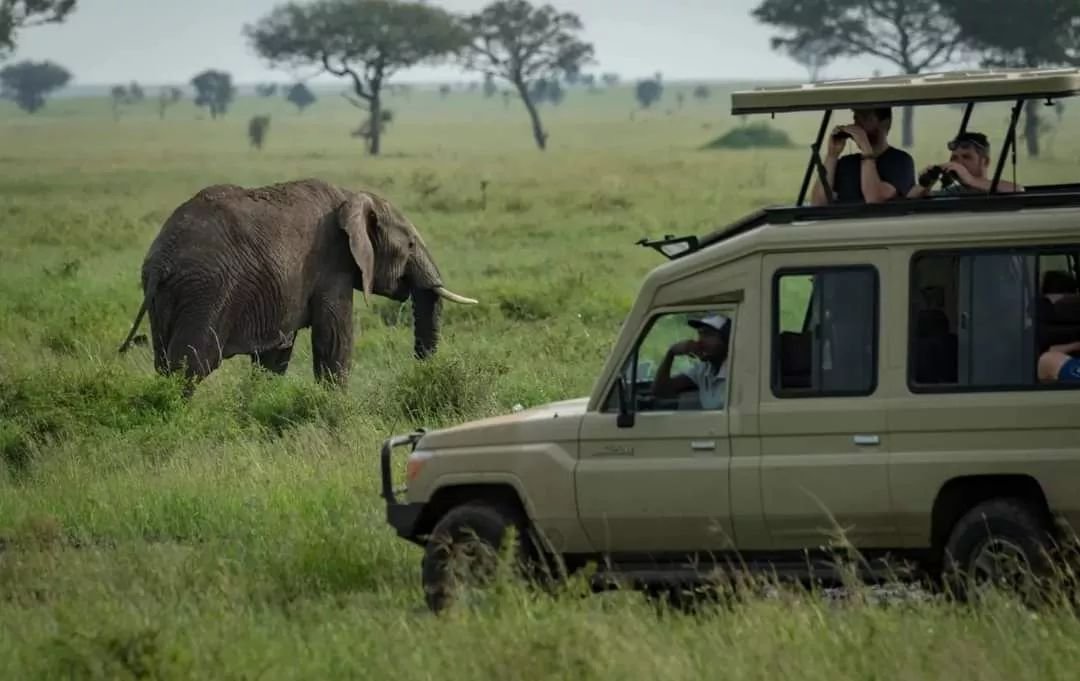
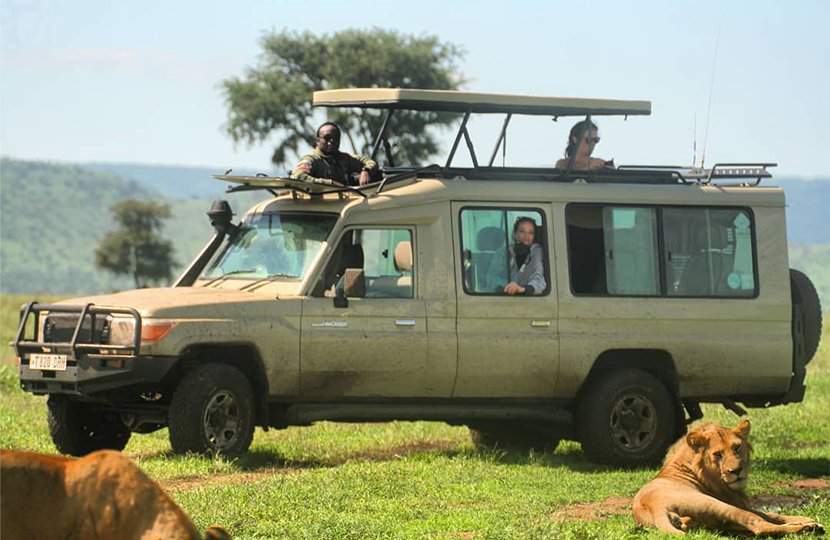
Most safaris utilize specially adapted 4×4 safari vehicles with pop-up roofs or open sides. This allows for excellent visibility and photography opportunities. Your experienced guide will navigate the park’s tracks, stopping frequently for sightings.
Wildlife Encounters
Prepare for incredible sightings. You might see lions lounging under a tree, elephants bathing in a waterhole, giraffes gracefully browsing on acacia leaves, or a cheetah scanning the plains. Patience is key; sometimes, you’ll wait for a sighting, and sometimes, wildlife will appear unexpectedly.
Accommodation Styles
Options range from luxurious lodges with swimming pools and fine dining to comfortable tented camps that offer a closer-to-nature experience (but with en-suite bathrooms and proper beds) and more rustic budget options. Your choice will significantly impact the overall cost and feel of your best African safari.
The Role of Your Guide
Your safari guide is your window into the wild. They are trained to spot animals, understand animal behavior, identify tracks, and share knowledge about the ecosystem and local culture. A good guide significantly enhances the safari experience.
Connectivity and Modern Conveniences
While some lodges offer Wi-Fi, expect limited connectivity in remote areas. Embrace the opportunity to disconnect and immerse yourself in the natural environment. Power is usually available for charging devices, but it’s wise to bring a portable power bank.
Safety and Health
Safari operators adhere to strict safety protocols. Guides are trained in first aid and vehicle operation. It’s essential to follow their instructions, especially regarding wildlife proximity and staying within the vehicle during drives. Consult your doctor about necessary vaccinations and malaria precautions well before your trip.
Packing and Preparation for Your Best African Safari
Proper packing ensures comfort and practicality for your best African safari. The key is to pack light, versatile, and appropriate clothing.
Clothing Essentials:
- Neutral-Colored Clothing: Pack light, breathable fabrics in earthy tones like khaki, beige, olive green, or brown. Avoid bright colors (which can startle wildlife) and dark colors like blue or black (which attract tsetse flies).
- Layers: Mornings and evenings can be cool, especially in the dry season and at higher altitudes (like Ngorongoro). Pack long-sleeved shirts and a fleece or light jacket.
- Trousers/Convertible Pants: Comfortable for game drives. Lightweight hiking pants are ideal.
- Shorts: Suitable for warmer afternoons, but long pants are generally more practical.
- T-shirts/Polo Shirts: For daytime wear.
- Rain Jacket: A lightweight, waterproof jacket is essential, especially during the wet season or shoulder months.
- Swimsuit: Many lodges have pools.
- Comfortable Sleepwear.
Footwear:
- Comfortable Walking Shoes: Closed-toe shoes like hiking boots or sturdy trainers are ideal for game drives and any optional walking safaris.
- Sandals/Flip-flops: For relaxing at the lodge.
Accessories:
- Sun Hat: Wide-brimmed to protect your face and neck.
- Sunglasses: Essential for sunny days.
- Insect Repellent: With DEET or Picaridin.
- Sunscreen: High SPF.
- Binoculars: Crucial for spotting distant wildlife. Consider bringing your own high-quality pair.
- Camera and Accessories: Extra batteries, memory cards, and a zoom lens are highly recommended.
- Power Bank/Portable Charger: For charging devices on the go.
- Adapter: Tanzania uses Type G (UK-style) sockets.
- Small Backpack/Daypack: For carrying essentials during game drives (water, camera, sunscreen).
- Reusable Water Bottle: Stay hydrated and reduce plastic waste.
- Personal First-Aid Kit: Include any personal medications, pain relievers, antiseptic wipes, bandages, and motion sickness medication.
- Hand Sanitizer.
- Toiletries: Biodegradable options are preferred.
Important Documents:
- Passport (with at least 6 months validity)
- Visa (if required)
- Flight tickets/itinerary
- Travel insurance details
- Vaccination certificates (e.g., Yellow Fever, if required)
- Copies of important documents (stored separately or digitally)
Luggage Restrictions: Most internal flights (e.g., to the Serengeti) have strict luggage limits, usually 15-20 kg (33-44 lbs) per person, often in soft-sided duffel bags. Check with your tour operator.
Common Mistakes to Avoid When Booking Your Best African Safari
Avoiding these common pitfalls will help ensure your best African safari lives up to expectations.
- Not Booking Far Enough in Advance: Especially for peak season (June-October) in 2026 and 2027, popular lodges and flights fill up months, even a year, ahead.
- Choosing the Wrong Time of Year: Planning a safari during the peak of the rainy season might lead to disappointment if your goal is easy game viewing or accessing certain areas.
- Underestimating Costs: Safaris are an investment. Not budgeting for park fees, accommodation, meals, activities, tips, and personal expenses can lead to shortfalls.
- Not Researching Tour Operators Thoroughly: Opting for the cheapest deal without checking reviews, credentials, and local presence can result in poor service, unreliable vehicles, or inexperienced guides.
- Overpacking or Packing Inappropriately: Bright clothing, heavy items, or unsuitable footwear can detract from your comfort and experience. Pay attention to luggage restrictions for internal flights.
- Trying to See Too Much in Too Little Time: Rushing between parks leads to excessive travel time and less time for actual game viewing. Focus on quality over quantity.
- Ignoring Health Precautions: Failing to consult a doctor about vaccinations and malaria prevention can have serious health consequences.
- Not Clarifying Inclusions/Exclusions: Understand exactly what is covered in your safari package (e.g., park fees, meals, drinks, activities, tips).
- Expectations of Constant Action: Wildlife viewing involves patience. Not every moment will be a dramatic sighting. Embrace the quiet moments and the beauty of the landscape.
Who is the Best African Safari Best Suited For?
The best African safari is an incredibly versatile experience, appealing to a wide range of travelers:
- Wildlife Enthusiasts and Photographers: For those passionate about animals and capturing stunning wildlife images, Tanzania offers unparalleled opportunities.
- Adventure Seekers: The thrill of encountering wild animals in their natural habitat, the vast landscapes, and the sense of exploration appeal to the adventurous spirit.
- Nature Lovers: Anyone who appreciates the beauty of the natural world, diverse ecosystems, and stunning scenery will be captivated.
- Families: Safaris can be incredibly educational and bonding for families. Many operators offer family-friendly lodges and activities suitable for children (age restrictions may apply for certain activities). It’s a chance for kids to learn about conservation and wildlife firsthand.
- Couples and Honeymooners: The romantic setting, luxurious lodges, and unique experiences make it an ideal destination for honeymoons and romantic getaways.
- Solo Travelers: Joining a small group safari or opting for a private tour can be a safe and enriching experience for solo adventurers.
- Travelers Seeking Meaningful Experiences: A safari offers a profound connection with nature and can be a deeply moving and perspective-shifting journey.
While generally suitable for most, travelers with significant mobility issues might need to discuss specific needs with their tour operator, as some activities and terrain can be challenging. However, with careful planning, most people can enjoy a fantastic safari.
Alternatives to the Classic Best African Safari
While Tanzania offers arguably the best African safari for many, other countries and regions provide unique and equally rewarding wildlife experiences. Consider these if your interests or logistics point elsewhere:
- Kenya: Neighboring Tanzania, Kenya offers the Maasai Mara, famous for its large predator populations and the Great Migration (July-October). It’s also known for its Samburu Reserve and Amboseli’s elephant herds with Kilimanjaro backdrops.
- Botswana: Known for its high-end, low-impact tourism model, Botswana offers incredible wildlife viewing in areas like the Okavango Delta and Chobe National Park. It’s often more expensive but provides a more exclusive experience.
- South Africa: Offers well-developed infrastructure, including Kruger National Park and numerous private reserves. It’s often more accessible and can be combined with other attractions. Self-drive options are also popular here.
- Namibia: Famous for its dramatic desert landscapes, Etosha National Park offers unique waterhole-based game viewing, especially during the dry season.
- Rwanda/Uganda: If your primary interest is gorilla trekking, these countries are the premier destinations. They also offer excellent chimpanzee tracking and savanna safaris.
Each destination has its strengths. Tanzania’s combination of the Great Migration, the Ngorongoro Crater, and vast wilderness areas makes it a strong contender for the title of the best African safari, especially for first-time visitors wanting a comprehensive experience.
Planning Your Best African Safari for 2026 and 2027
Planning a safari for the near future, like 2026 or 2027, requires strategic booking and preparation. Here’s a timeline and key considerations:
12-18 Months Before: Initial Research and Budgeting
- Determine your budget range.
- Research destinations (Tanzania, Kenya, etc.) and specific parks.
- Identify your priorities: Great Migration, Big Five, specific species, photography, relaxation.
- Start looking at tour operators. Read reviews and request initial proposals.
- Consider the best time of year for your chosen destination and priorities.
9-12 Months Before: Booking Key Elements
- Book Your Tour Operator: Select a reputable company. Confirm itinerary, inclusions, and exclusions. Sign contracts and pay deposits.
- Book Internal Flights: If your itinerary includes flights within Tanzania (e.g., to/from Serengeti), book these early, especially if traveling during peak season.
- Book Specific Lodges/Camps: If you have specific high-demand lodges in mind, especially for the Serengeti or Ngorongoro rim, book them now.
6-9 Months Before: Visa and Health Preparations
- Consult Your Doctor: Discuss necessary vaccinations (Yellow Fever, Hepatitis A/B, Typhoid) and malaria prophylaxis. Start any required vaccination schedules.
- Visa Requirements: Research visa application processes for your nationality. For Tanzania, you can often apply online or get one on arrival, but check current regulations for 2026/2027.
- Travel Insurance: Purchase comprehensive travel insurance covering medical emergencies, evacuation, trip cancellation, and lost/stolen belongings.
3-6 Months Before: Finalizing Details and Packing
- Finalize Itinerary: Confirm all details with your tour operator.
- Start Packing: Begin gathering appropriate clothing and gear based on the packing list.
- Camera Gear: Ensure your camera is in good working order, buy extra memory cards and batteries.
- Learn Basic Swahili Phrases: A few words can enhance interactions.
1-3 Months Before: Pre-Trip Arrangements
- Final Payments: Make any remaining payments to your tour operator.
- Currency: Research the local currency (Tanzanian Shilling) and decide on how you’ll carry money (USD is widely accepted for park fees and tips, but carry some local currency for smaller purchases).
- Copies of Documents: Make physical and digital copies of your passport, visa, insurance, and itinerary.
Week of Departure: Last Minute Checks
- Confirm flight details.
- Pack your essential items in your carry-on.
- Inform your bank of your travel dates.
- Get a good night’s sleep!
Booking your best African safari for 2026 or 2027 requires proactive planning. Starting early ensures you get the best options and avoid disappointment.
Booking Your Best African Safari: Expert Tips
Choosing the right tour operator is paramount for a successful best African safari. Here’s how to make an informed decision:
Choose a Reputable, Local Operator
While international operators can be good, local companies based in Tanzania often have the best on-the-ground knowledge, relationships with parks and lodges, and can offer more competitive pricing. They understand the nuances of the best times to visit and migration patterns for 2026 and 2027.
Check Reviews and Testimonials
Look for operators with consistently positive reviews on platforms like TripAdvisor, Google, and specialized safari forums. Pay attention to comments about guide quality, vehicle condition, itinerary flexibility, and customer service.
Request Detailed Itineraries and Inclusions
A clear itinerary should outline daily activities, driving times, and locations. Crucially, understand what’s included: park fees, accommodation, meals, drinks (often limited to water), activities, guide services, and vehicle costs. Also, note what’s excluded (e.g., tips, personal expenses, alcoholic beverages).
Ask About Vehicle and Guide Quality
Inquire about the type of safari vehicles used (4×4 Land Cruisers are standard for Tanzania) and their maintenance. Ask about the qualifications and experience of your potential guide. A knowledgeable and personable guide is key to an amazing safari.
Discuss Customization Options
The best African safari is one tailored to your interests. A good operator will be flexible and able to customize itineraries based on your budget, interests, and pace.
Understand Payment Terms and Cancellation Policies
Be clear about deposit amounts, payment schedules, and what happens if you need to cancel or postpone your trip. Ensure these terms are clearly stated in your contract.
Communication is Key
Engage in open communication with potential operators. Ask questions, gauge their responsiveness, and see if they provide clear, helpful answers. This initial interaction is often a good indicator of their customer service.
Consider a Combination of Parks
Don’t try to cram too many parks into a short trip. A well-paced itinerary focusing on 2-3 key parks in the Northern Circuit often provides a more relaxed and rewarding experience than a rushed tour of many locations.
Get Everything in Writing
Once you’ve chosen an operator, ensure all agreements, itinerary details, and inclusions are documented in a formal contract or booking confirmation.
For your best African safari planning, consider contacting us. We specialize in crafting unforgettable Tanzanian adventures. Reach out via WhatsApp at +255616946642 or email us at topguideadventures@gmail.com or info@topguideadventures.com. We’re here to help you plan your dream safari for 2026 and 2027.
Frequently Asked Questions About the Best African Safari
Q1: Is Tanzania truly the best African safari destination?
Tanzania is consistently ranked among the top safari destinations globally, offering the Great Migration, the Ngorongoro Crater, diverse landscapes, and abundant wildlife. While ‘best’ is subjective, it provides an unparalleled, classic safari experience that many consider definitive.
Q2: How much should I budget for a 7-day best African safari in Tanzania for 2026?
Costs vary greatly. A mid-range safari typically ranges from $300-$600 per person per day, covering accommodation, park fees, meals, and a guide. Budget options might be lower, and luxury safaris can easily exceed $1000 per day. For 2026, booking early can sometimes secure better rates.
Q3: What is the single most important thing to pack for a safari?
Binoculars are essential for enhancing wildlife viewing. Beyond that, comfortable, neutral-colored clothing suitable for layering is crucial for game drives.
Q4: Can I do a safari in Tanzania if I’m on a tight budget?
Yes, it’s possible to have a fantastic safari on a budget by opting for camping safaris, staying in more basic accommodations, traveling during the low season, and focusing on fewer parks. Working with a local operator who understands budget options is key.
Q5: What are the chances of seeing the Big Five on a best African safari in Tanzania?
The chances are very good, especially in the Ngorongoro Crater and the Serengeti. While seeing all five in a single day is rare, over a week-long safari in these areas, most visitors achieve sightings of all or most of the Big Five.
Q6: Is it safe to travel to Tanzania for a safari in 2027?
Tanzania is generally a safe country for tourists, especially when traveling on organized safaris with reputable companies. Standard travel precautions apply. Your tour operator will prioritize your safety during game drives and transfers.
Q7: Do I need to be very fit to go on a safari?
No, a high level of fitness is not required for a standard safari. Most of your time will be spent in a safari vehicle. Optional activities like walking safaris or hiking Kilimanjaro would require good physical condition.
Q8: How important is the guide for the best African safari experience?
Extremely important. An experienced, knowledgeable, and personable guide can make or break your safari. They are crucial for spotting wildlife, understanding animal behavior, navigating, and enriching your overall experience with their insights.
Q9: What about tipping on a safari?
Tipping is customary and appreciated for guides and lodge staff. Your tour operator will provide recommended daily rates. It’s usually given at the end of the safari for guides and per day for lodge staff.
Q10: Will I have phone signal and internet access on safari?
Connectivity varies greatly. In major towns like Arusha, you’ll have good signal. In national parks, signal is often limited or non-existent. Some luxury lodges may offer Wi-Fi, but it can be slow or intermittent. Embrace the opportunity to disconnect.
Q11: How do I track the Great Migration for my 2026 safari?
The Great Migration is a continuous cycle. To see specific events like river crossings, you need to time your visit precisely. Consulting with an experienced local tour operator like us is essential for tracking its movements for your 2026 or 2027 trip.
Q12: What are the main differences between a lodge safari and a camping safari?
Lodge safaris offer private rooms with en-suite bathrooms, often with amenities like pools and restaurants. Camping safaris involve staying in canvas tents (often with basic facilities) and can be more rustic and budget-friendly, offering a closer connection to nature.
Ready to Plan Your Best African Safari?
Planning the best African safari is an exciting process, and we are here to make it extraordinary. Whether you’re dreaming of the Great Migration in the Serengeti, the unique ecosystem of the Ngorongoro Crater, or the vast elephant herds of Tarangire, we craft personalized itineraries that match your interests and budget. Let us help you create unforgettable memories in Tanzania.
Contact us today to start planning your adventure for 2026, 2027, or beyond:
- WhatsApp: +255616946642
- Email: topguideadventures@gmail.com
- Backup Email: info@topguideadventures.com
We look forward to helping you experience the magic of a Tanzanian safari!
Which Tanzania Safari Gives The Best Value For Money? 2026-2027
Which Tanzania safari gives the best value for money? is explained with current 2026-2027 planning, price, itinerary and booking information.
View package details
How To Avoid Safari Scams In Tanzania: A Top Guide Adventures Expert 2026-2027
Navigating a safari in Tanzania is a dream for many, but a few precautions can ensure your adventure is scam-free. This guide from Top Guide Adventures provides essential advice for...
View package details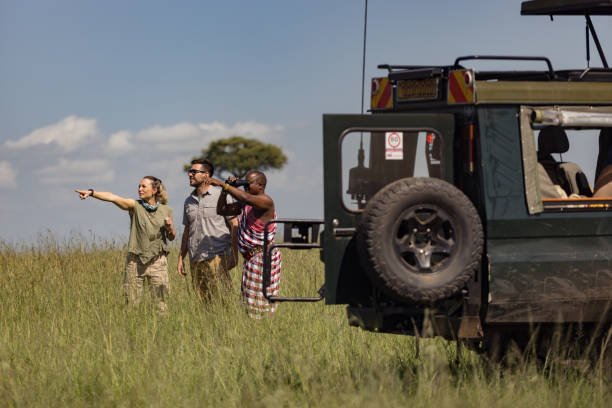
Which Local Tanzania Safari Companies Are Trustworthy In ? 2026-2027
Choosing a trustworthy local Tanzania safari company is crucial for a memorable and safe adventure. This guide helps you identify reliable operators for your 2026-2027 trip, covering...
View package detailsHow Far In Advance Should You Book A Tanzania Safari? Your Planning Guide
Securing your dream Tanzania safari requires strategic planning. This comprehensive guide details the optimal booking timeline for 2026-2027, considering peak seasons, lodge availability...
View package detailsHow Much Should I Tip My Safari Guide In Tanzania? Your 2026-2027
Understand the tipping culture for safari guides and staff in Tanzania. This guide provides clear, actionable recommendations for tipping your safari crew in 2026-2027, covering guides...
View package detailsPrivate Safari Vs Group Tanzania — Which Is Better? 2026-2027
Private safari vs group safari Tanzania — which is better? is explained with current 2026-2027 planning, price, itinerary and booking information.
View package details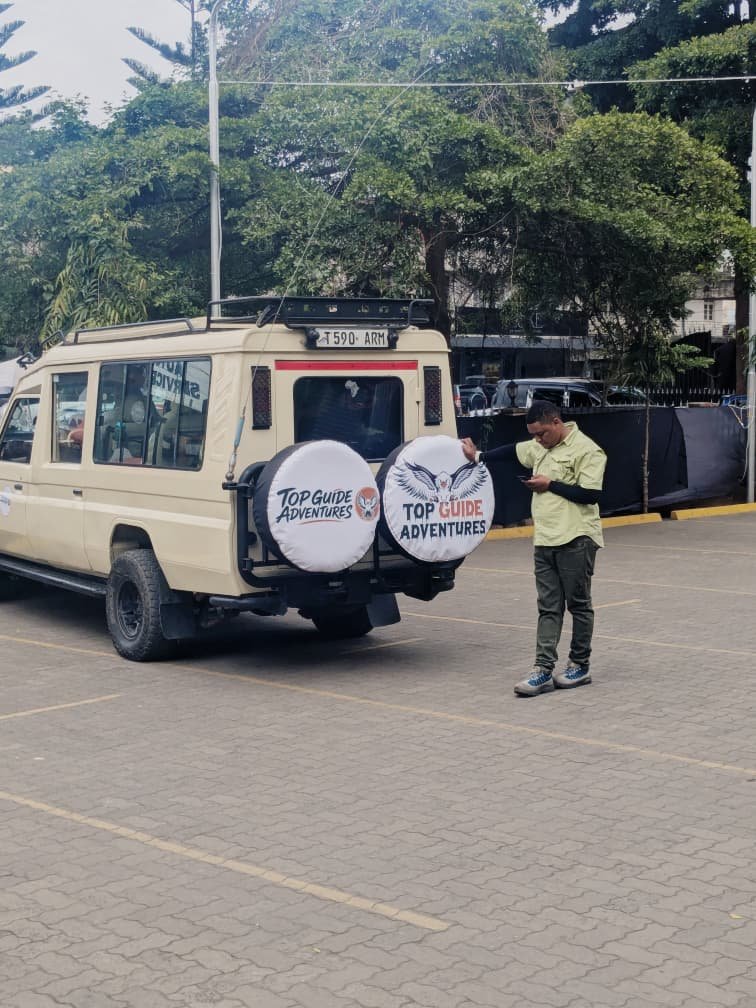
Is A Group Joining Safari In Tanzania Worth It? 2026-2027
Is a group joining safari in Tanzania worth it? is explained with current 2026-2027 planning, price, itinerary and booking information.
View package details
Serengeti And Ngorongoro Safari Without Luxury: Your Options For 2026-2027
Discover how to experience the wonders of the Serengeti and Ngorongoro Crater on a safari that prioritizes incredible wildlife viewing and authentic experiences over luxury accommodations...
View package details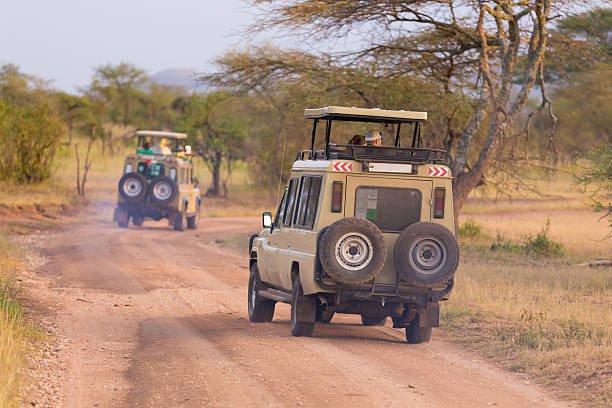
Tanzania Safari For Great Migration: Which Tour To Book In 2026-2027
Planning to witness the Great Migration in Tanzania? This guide helps you choose the perfect safari for 2026-2027, detailing the best parks, timing, and tour options for an unforgettable...
View package details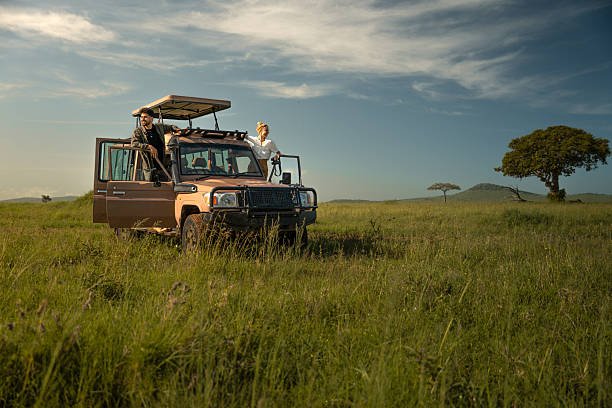
Three Days For Safari In Tanzania: Where To Go An Unforgettable Experience
If you have just three days for a safari in Tanzania, the most recommended destinations for a concentrated and rewarding wildlife experience are the Ngorongoro Conservation Area and...
View package details
We Are Staying In Zanzibar And Want To Do A Short Safari, What Do You
We are staying in Zanzibar and want to do a short safari, what do you recommend? is explained with current 2026-2027 planning, price, itinerary and booking.
View package detailsWe Are Arriving At Kilimanjaro Airport, What Safari Itinerary Should We Do?
Planning your safari upon arrival at Kilimanjaro Airport (JRO)? This guide provides tailored safari itineraries for 2026-2027, focusing on Northern Tanzania's iconic parks like the...
View package detailsNo related package matches those filters. Clear one or more filters to see the other topic-matched options.
Plan your best African safari with Top Guide Adventures
Tell us your travel dates, group size, comfort level, and dream experience. We will help you shape a clear, realistic, and memorable Tanzania itinerary.



