
Embarking on an Authentic Hadzabe Cultural Safari: A Rare Glimpse into Ancient Ways of Life
An authentic Hadzabe cultural safari offers an unparalleled opportunity to step back in time and connect with one of the world’s most unique and enduring indigenous communities. For travelers with an adventurous spirit and a deep curiosity about human heritage, this journey into the heart of northern Tanzania’s Lake Eyasi region promises an experience far removed from typical tourist trails. It’s an immersion into a way of life that has thrived for millennia, a testament to human adaptability and profound connection with the natural world. As you plan your travels for 2026 or 2027, consider the profound impact and educational value of engaging with the Hadzabe people in a respectful and meaningful manner.
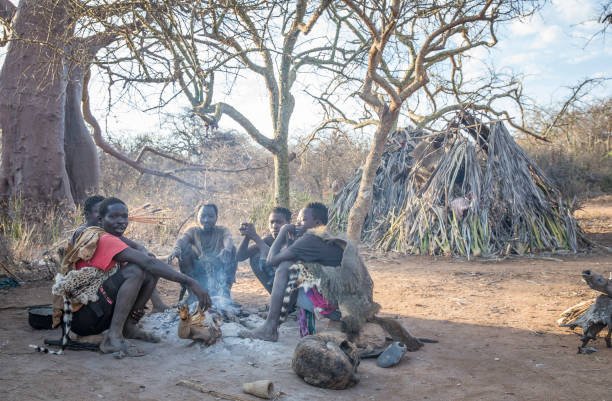
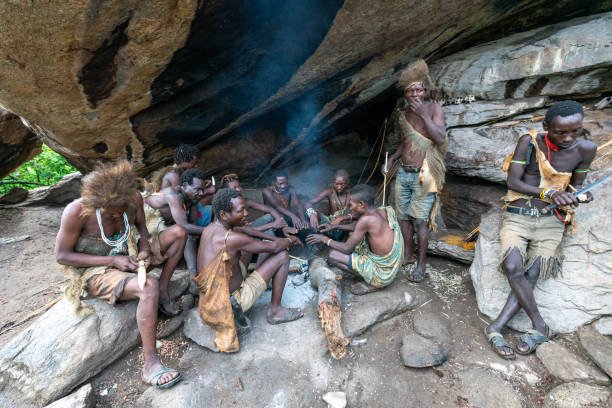
This is not merely a sightseeing excursion; it is an invitation to observe, learn, and understand a culture that lives in harmony with its environment, relying on ancient knowledge passed down through generations. The Hadzabe, often referred to as the “Bushmen,” maintain traditions of hunting with bows and arrows, foraging for wild edibles, and living a nomadic existence dictated by the seasons and the availability of resources. Their resilience and deep understanding of the bush are extraordinary, offering invaluable lessons in sustainability and survival. An authentic Hadzabe cultural safari prioritizes genuine interaction, ensuring that your visit contributes positively to the community while providing you with an unforgettable cultural education.
Defining Authenticity: What Makes a Hadzabe Visit Genuine?
The concept of authenticity in cultural tourism is paramount, especially when visiting a community as unique as the Hadzabe. A truly authentic experience is characterized by several key elements:
- Unfiltered Daily Life: The primary marker of authenticity is witnessing the Hadzabe engaged in their natural daily activities – tracking game, foraging for tubers and berries, tending to children, or preparing meals – without staged performances. This requires a visit that aligns with their natural rhythms, not one imposed by a tourist schedule.
- Respectful Engagement: Authenticity is built on mutual respect. This means approaching the Hadzabe with humility, curiosity, and a genuine desire to learn, rather than to judge or impose external values. It involves understanding and honoring their customs, social structures, and personal space.
- Community-Centric Benefits: A genuinely authentic experience ensures that the Hadzabe community directly benefits from your presence. This typically involves transparent and agreed-upon community fees that support their way of life, health, and education, fostering a sustainable model for cultural tourism.
- Experienced, Ethical Guiding: The role of the guide is crucial. Authentic interactions are facilitated by guides who possess deep knowledge of Hadzabe culture, speak their language (or have trusted translators), and have built long-standing, respectful relationships within the community. They act as cultural bridges, ensuring smooth communication and ethical conduct.
- Minimal Environmental Impact: An authentic visit respects the fragile ecosystem the Hadzabe inhabit. This includes adhering to leave-no-trace principles and understanding the delicate balance of their environment.
The Hadzabe People: Guardians of Ancient Knowledge
The Hadzabe are an ethnolinguistic group indigenous to north-central Tanzania, whose culture is believed to be one of the oldest surviving in Africa. Their language, characterized by distinctive click consonants, is unrelated to the surrounding Bantu languages and is thought to be a relic of ancient Khoisan tongues. For thousands of years, they have lived in the diverse landscapes surrounding Lake Eyasi, developing an unparalleled expertise in identifying edible plants, medicinal herbs, tracking animals, and understanding the intricate workings of their ecosystem.
Their social organization is highly egalitarian, with minimal hierarchy. Decisions are often made communally, and resources are shared. Their traditional diet relies heavily on what they can hunt (such as small antelopes, birds, and rodents) and gather (honey, baobab fruits, berries, roots, and tubers). This deep connection to the land means their survival and cultural continuity are intrinsically linked to the preservation of their ancestral territories. Visiting the Hadzabe is an opportunity to witness a way of life that offers profound lessons in resourcefulness, community, and sustainable living, especially relevant for those planning an authentic Hadzabe cultural safari in 2026.
Crafting Your Bespoke Authentic Hadzabe Cultural Safari Itinerary
An authentic Hadzabe cultural safari is often the crowning cultural jewel within a broader Tanzanian safari experience. While the Serengeti and Ngorongoro offer unparalleled wildlife spectacles, the Hadzabe provide a deeply human dimension that enriches the journey immeasurably. For travelers planning their 2027 travel itineraries, integrating this unique cultural encounter requires thoughtful planning to maximize depth and respect.
Strategic Itinerary Integration: Beyond Wildlife
The Lake Eyasi region, where the Hadzabe reside, is typically accessed after exploring the iconic northern Tanzanian safari circuit. Its location, south of the Ngorongoro Conservation Area and west of Tarangire National Park, makes it a logical, albeit more remote, addition. A common and effective itinerary structure might unfold as follows:
- Days 1-4: Serengeti National Park: Immerse yourself in the vast plains, witnessing the Great Migration (seasonal) and abundant wildlife. Activities focus on game drives, photographic safaris, and potentially hot air ballooning.
- Days 5-6: Ngorongoro Crater & Highlands: Descend into the “Eighth Wonder of the World” for exceptional wildlife viewing within the crater. You might also consider a brief, respectful visit to a Maasai boma in the surrounding highlands for a contrasting cultural experience.
- Day 7: Transition to Lake Eyasi: A scenic drive transports you from the highlands towards the unique landscape of Lake Eyasi. This day often includes a visit to the Datoga people, renowned for their blacksmithing skills and intricate beadwork, offering another layer of cultural understanding before meeting the Hadzabe.
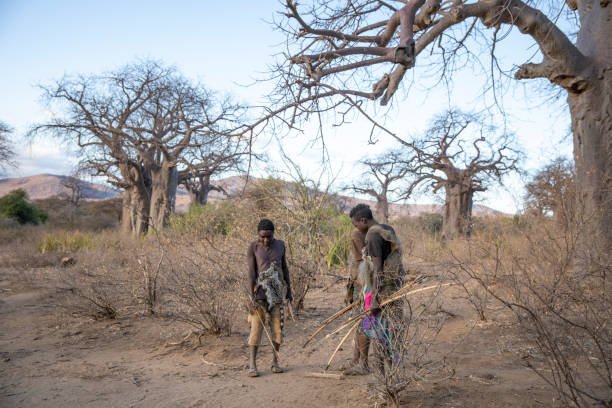
- Day 8-9: Immersive Hadzabe Experience: This is the core of your authentic Hadzabe cultural safari. Activities are guided by the Hadzabe themselves and may include: a pre-dawn departure to observe a traditional hunt (strictly observational), learning tracking techniques, participating in foraging expeditions (under guidance), understanding medicinal plant uses, and sharing stories around a campfire. Observing their social dynamics and daily routines offers profound insights.
- Day 10: Departure or Continuation: Depending on your overall itinerary, you will either be transferred back to Arusha for your departure flight or continue to another Tanzanian destination.
Optimizing Duration and Depth of Interaction
While a single day can offer a glimpse, a minimum of two full days dedicated to the Hadzabe community is highly recommended for a truly immersive and respectful experience. This allows for deeper engagement and a more nuanced understanding of their complex society and relationship with their environment.
- Day 1: Morning Rhythms & Skills: Focus on observing the community’s morning activities, such as setting out for hunts or gathering expeditions. Learn about traditional hunting techniques, the significance of the bow and arrow, and the role of tracking. Participate in a guided foraging walk to understand their deep knowledge of edible plants, roots, and tubers. Witnessing the preparation of food and perhaps sharing a communal meal (if offered and appropriate) provides significant cultural insight.
- Day 2: Social Fabric & Deeper Learning: Engage with different family groups to understand their social structures and kinship ties. Spend time learning about their spiritual beliefs, their relationship with the land, and their history. You might have opportunities to learn about traditional crafts, listen to elders share stories, or understand their unique language through interaction facilitated by your guide. Visiting a different settlement or observing a different facet of daily life, such as honey gathering (seasonal), can offer further depth.
Flexibility is key. The best authentic Hadzabe cultural safaris are those that allow the community’s activities and pace to dictate the experience, rather than imposing a rigid schedule. For 2026-2027 bookings, discuss your desired level of immersion with your chosen tour operator.
Accommodation Choices Near Lake Eyasi
Accommodations around Lake Eyasi offer a distinct contrast to the luxury lodges found in national parks, emphasizing a more rustic and grounded experience that complements the cultural focus. These options are carefully selected to minimize impact and enhance immersion:
- Tented Camps and Lodges: Several mid-range options provide comfortable canvas tents or bandas (huts) with essential amenities. These often feature en-suite bathrooms, comfortable beds, and a dining area. Properties like Kisima Ngeda Tented Camp or lodges offering views of the lake provide a comfortable base while remaining close to the cultural sites. Prices can range from $150 – $300+ per person per night.
- Community-Based Camps/Homestays: For the most immersive experience, some operators arrange stays in simpler, community-run camps or even basic homestays that offer a direct connection with local life. These are often more basic in terms of facilities but offer unparalleled cultural authenticity. Costs are typically lower, potentially in the $80 – $150 per person per night range, with a significant portion going directly to the community.
- Mobile Camping: In certain configurations, your safari might include mobile camping setups, allowing for greater flexibility in location and proximity to Hadzabe settlements. This option is usually part of a more extensive private safari.
When planning your authentic Hadzabe cultural safari, inquire about the specific accommodation included. Your choice will significantly influence your comfort, immersion level, and the overall character of your experience.
Navigating Ethical Considerations: Responsible Tourism with the Hadzabe
Visiting indigenous communities like the Hadzabe carries a profound ethical responsibility. An authentic Hadzabe cultural safari must be grounded in principles of respect, dignity, and sustainable benefit for the community. It requires travelers to be mindful of their impact and to engage with sensitivity and cultural awareness.
Upholding Respect for the Hadzabe Way of Life
Adhering to cultural etiquette is paramount. Here are essential guidelines:
- Photography and Videography: Always seek explicit verbal permission before taking photographs or videos of individuals, especially children. Many Hadzabe, particularly elders, may request a small fee for posing for photos, which should be paid through your guide to ensure fair distribution. Never photograph sacred rituals, private dwellings, or sensitive moments without explicit, enthusiastic consent. Be discreet and avoid intrusive photography.
- Gifts and Donations: Avoid giving sweets, money, or material goods directly to children. This can disrupt their education, foster dependency, and create social imbalances. If you wish to offer a gift, consult your guide. Preferable options include providing essential supplies like basic medical kits (bandages, antiseptic wipes), writing materials for children (pens, notebooks), or contributing to pre-arranged community projects identified by elders. Cash donations are best handled through the tour operator or community leaders.
- Interaction and Communication: Approach interactions with humility and a genuine desire to listen and learn. Ask open-ended questions through your guide and show sincere interest in their traditions, beliefs, and daily lives. Avoid making comparisons to your own culture or expressing judgment. Patience and observation are key virtues.
- Respecting Privacy and Boundaries: Remember that you are a guest in their home and community. Do not enter dwellings uninvited, observe rituals from a respectful distance, and be mindful of personal space. Your guide will help navigate these boundaries.
Ensuring Community Benefit and Empowerment
A cornerstone of responsible tourism is ensuring that the economic benefits flow directly to the community. A significant portion of your tour cost should be allocated to the Hadzabe people, managed through transparent agreements with community leaders and local guides.
- Transparent Community Fees: These fees are typically integrated into your overall safari package. They serve as direct compensation for the community’s time, hospitality, and the sharing of their cultural heritage. Clarify the amount and how it is distributed with your tour operator.
- Prioritizing Local Employment: Using local guides, translators, and support staff from or connected to the Hadzabe community not only provides employment but also ensures cultural authenticity and respectful communication. These individuals act as vital cultural liaisons.
- Supporting Sustainable Practices: Ethical operators promote practices that do not disrupt the Hadzabe’s traditional lifestyle or lead to over-reliance on tourism. This might involve limiting group sizes and ensuring visits align with the community’s consent and needs.
For travelers planning their authentic Hadzabe cultural safari for 2026-2027, selecting a tour operator demonstrably committed to ethical practices is non-negotiable. Look for companies that actively engage with community leaders, adhere to international responsible tourism standards, and can clearly articulate how your visit benefits the Hadzabe.
Setting Realistic Expectations: What to Embrace and What to Avoid
An authentic Hadzabe cultural safari offers a unique window into a different world. Managing expectations ensures a more fulfilling and respectful experience:
Embrace:
- Raw Authenticity: Expect an unvarnished, genuine portrayal of life, free from commercialization or staged performances.
- Profound Learning: Opportunities to gain deep insights into survival skills, ecological knowledge, social structures, and spiritual beliefs.
- Warm, Reserved Welcome: While Hadzabe can be reserved, genuine curiosity and respect will often be met with warmth and engagement.
- Connection to Nature: A powerful appreciation for the intricate relationship between humans and the natural environment, and a slower, more deliberate pace of life.
- Sensory Immersion: The sounds of the bush, the taste of foraged foods (if offered), the sights of traditional life – a truly multi-sensory experience.
Avoid:
- Zoo-like Mentality: Never treat the Hadzabe or their activities as a spectacle or a zoo exhibit. Maintain decorum and respect.
- Cultural Imposition: Refrain from imposing your own cultural norms, values, or expectations onto the Hadzabe.
- Environmental Disruption: Absolutely avoid leaving any litter, waste, or non-biodegradable materials behind. Take all your waste with you.
- Demanding Interactions: Do not demand specific activities, performances, or souvenirs. Allow interactions to unfold naturally.
- Disruptive Behavior: Avoid loud noises, disruptive behavior, or excessive touching.
Logistical Mastery for Your 2026-2027 Hadzabe Adventure
Organizing an authentic Hadzabe cultural safari requires meticulous planning, especially for trips scheduled in 2026 or 2027. The logistics involved in reaching the remote Lake Eyasi region and facilitating respectful cultural exchange demand specialized expertise.
Optimal Timing: Navigating Seasons for Your Visit
The Hadzabe are nomadic and their movements are dictated by the availability of water and food sources. They can be encountered year-round. However, the dry season in northern Tanzania, generally from June to October, is often favored for tourism due to more predictable weather patterns and improved road conditions, which makes travel to Lake Eyasi more accessible.
- Dry Season (June – October): Characterized by pleasant temperatures, minimal rainfall, and easier overland travel. This period aligns with peak wildlife viewing seasons in nearby national parks, making it ideal for combining wildlife and cultural experiences.
- Wet Season (November – May): While landscapes are lush and tourist numbers are lower, the rainy season can present challenges. Roads can become impassable, and water sources might be more abundant, potentially causing Hadzabe groups to disperse over wider areas. However, this period can offer unique photographic opportunities and a less crowded experience.
For an authentic Hadzabe cultural safari, the dry season offers logistical advantages. However, if your travel dates fall within the wet season, consult extensively with your tour operator about potential route adjustments and the likelihood of encountering the Hadzabe.
Essential Packing List: Balancing Comfort, Respect, and Practicality
Packing appropriately is crucial for your comfort and to ensure you are respectful of the Hadzabe culture and environment. Aim for practicality and modesty:
- Clothing: Lightweight, breathable fabrics in neutral, earthy tones (khaki, beige, olive green) are recommended to blend in. Pack long-sleeved shirts and trousers for sun protection, insect protection, and cultural modesty. A light jacket or fleece for cooler evenings is advisable.
- Footwear: Sturdy, comfortable walking shoes or hiking boots are essential, as you will be walking on uneven terrain, often over long distances. Sandals or flip-flops are suitable for relaxing at camp.
- Sun Protection: A wide-brimmed hat, sunglasses, and a high SPF sunscreen are non-negotiable due to the intense equatorial sun.
- Insect Repellent: Carry a reliable insect repellent containing DEET or Picaridin, especially for use during dawn and dusk.
- Hydration: A reusable water bottle is essential. Ensure you drink plenty of water, as dehydration is a risk. Your tour operator will provide safe drinking water.
- Daypack: A small, comfortable backpack for carrying essentials like water, camera, sunscreen, and a light layer during daily excursions.
- Camera Gear: A good quality camera with extra batteries and memory cards is highly recommended. Remember the etiquette regarding photography (always ask permission). Binoculars can enhance wildlife viewing.
- Personal First-Aid Kit: Include basic wound care items, pain relievers, antiseptic wipes, and any personal prescription medications.
- Hygiene: Hand sanitizer is crucial for maintaining hygiene, especially before meals. Biodegradable toiletries are preferred.
- Notebook and Pen: For discreetly jotting down observations, thoughts, or questions for your guide.
Avoid packing: Brightly colored clothing, flashy jewelry, expensive electronics that could draw unwanted attention, and excessive amounts of luggage. Simplicity and practicality are key.
Health and Safety Protocols for Your Trip
Prioritizing your health and safety is vital. Consult your doctor or a travel clinic at least 4-6 weeks before your 2026 or 2027 trip to discuss necessary precautions.
- Vaccinations: Ensure all routine vaccinations are up to date. Hepatitis A, Typhoid, and Tetanus are often recommended. Yellow Fever vaccination is typically required for entry into Tanzania if arriving from a risk country, and a certificate may be requested.
- Malaria Prevention: Tanzania is a malaria-endemic country. Discuss appropriate antimalarial medication with your healthcare provider. Complementary prevention includes using insect repellent, wearing long sleeves and trousers at dawn and dusk, and sleeping under mosquito nets (provided in most accommodations).
- Food and Water Safety: Always drink bottled or purified water. Avoid consuming ice unless you are certain it was made from purified water. Be cautious with raw fruits and vegetables unless they have been prepared by your lodge or tour operator. Your safari meals will be prepared to high hygiene standards.
- General Safety: Always follow the instructions and guidance of your experienced local guide. Never venture out alone, especially in unfamiliar areas or after dark. Respect wildlife warnings and maintain a safe distance.
Understanding the Investment: Cost of an Authentic Hadzabe Cultural Safari
The cost of an authentic Hadzabe cultural safari is typically embedded within a larger Tanzanian safari package. It is rarely offered as a standalone tour due to the logistical complexities of reaching the Lake Eyasi region, the need for specialized guides, and the integration with other safari components. The overall price reflects a commitment to ethical practices and genuine experiences.
Key factors influencing the total cost include:
- Safari Duration: Longer safaris covering multiple parks and cultural sites will naturally incur higher costs.
- Accommodation Standard: The choice between budget, mid-range, or luxury lodges and camps significantly impacts the price.
- Vehicle Type: Custom safari vehicles (e.g., 4×4 Land Cruisers) are standard and vary in daily hire rates.
- Group Size: Smaller groups often mean a higher per-person cost due to fixed vehicle and guide expenses. Private tours offer more flexibility but come at a premium.
- Inclusions: The number of national parks visited, specific activities (e.g., balloon safaris), and the level of guiding expertise all affect the final price.
- Community Fees: A crucial component is the direct payment to the Hadzabe community, ensuring their benefit. This fee is usually transparently itemized.
As a general guideline, incorporating a 1-2 day visit to the Hadzabe community into a 7-10 day northern circuit safari could add approximately $250 – $600+ per person to the total safari cost. This estimate covers specialized guiding, community contributions, and the specific transport and logistical arrangements required for the Lake Eyasi sector. Prices can fluctuate based on the operator, season, and specific inclusions.
For accurate and personalized pricing for your 2026-2027 authentic Hadzabe cultural safari, requesting a detailed, customized quote from reputable tour operators is the most effective approach. They will provide a transparent breakdown of costs.
Decoding Your Quote: Essential Inclusions and Exclusions
When reviewing safari proposals, scrutinize the inclusions and exclusions carefully to avoid surprises:
- Typically Included: Park entrance fees for all national parks and conservation areas, accommodation as specified in the itinerary, meals (usually full board on safari, as specified), game drives in a 4×4 safari vehicle with an experienced driver-guide, airport transfers, bottled water during game drives, and critically, the community fees for the Hadzabe visit. Some packages may also include sundowner drinks or specific cultural activity fees.
- Typically Excluded: International flights to and from Tanzania, visa fees, travel insurance (mandatory), tips for guides, drivers, and lodge staff, personal expenses (souvenirs, laundry, alcoholic beverages), optional activities not listed in the itinerary (e.g., hot air ballooning), and sometimes gratuities for camp staff.
Ensure that the specific arrangements and fees for your interaction with the Hadzabe community are clearly stated and included in your authentic Hadzabe cultural safari package. This transparency is key to ethical tourism.
Selecting Your Expedition Partner: The Crucial Role of the Tour Operator
The success, authenticity, and ethical integrity of your authentic Hadzabe cultural safari hinge significantly on the choice of your tour operator. Their established relationships, commitment to responsible tourism, and logistical prowess are paramount in crafting a meaningful and respectful journey.
Hallmarks of a Reputable Cultural Safari Operator
- Deep Community Ties: Operators with a long-standing history of collaboration and trust with the Hadzabe community are best positioned to facilitate genuine interactions. They understand the protocols, respect cultural nuances, and ensure benefits are shared equitably.
- Unyielding Ethical Stance: Look for operators who explicitly outline their commitment to responsible tourism, community empowerment, conservation efforts, and fair trade practices. This should be a core part of their business philosophy.
- Expert Cultural Guides: Guides should possess not only extensive knowledge of wildlife but also deep cultural understanding, linguistic skills (or access to reliable translators), and proven experience in facilitating respectful cross-cultural exchanges.
- Tailored Itinerary Design: The ability to customize your itinerary to match your specific interests, including the duration and focus of your Hadzabe visit, is essential. Flexibility and responsiveness are key indicators.
- Verified Reputation: Seek out independent reviews, testimonials, and industry accreditations. Look for feedback specifically mentioning cultural experiences and the operator’s ethical conduct.
For travelers planning their 2026-2027 adventure, partnering with a Tanzania-based operator like Top Guide Adventures can be highly advantageous. They specialize in authentic cultural encounters and prioritize community engagement. You can connect with them via WhatsApp at +255616946642 or email them at topguideadventures@gmail.com or info@topguideadventures.com.
Key Questions to Pose to Potential Operators
Engage potential tour operators with informed questions to gauge their suitability:
- How do you ensure that your visits to the Hadzabe community are respectful and non-intrusive?
- What percentage of the tour cost directly supports the Hadzabe people, and how is this managed?
- Can you describe a typical day’s interaction with the Hadzabe on an authentic Hadzabe cultural safari? What activities are usually involved?
- What training and experience do your guides have in cultural sensitivity and facilitating interactions with indigenous communities?
- Do you have references from previous clients who have undertaken similar cultural tours, specifically with the Hadzabe?
- What is your policy regarding group size when visiting the Hadzabe?
- What are the specific inclusions and exclusions related to the Hadzabe visit in your proposed itinerary and cost breakdown?
- What is your cancellation policy, particularly concerning unforeseen circumstances related to community access or travel?
Expanding Your Horizons: Complements to the Hadzabe Encounter
While the Hadzabe offer a unique perspective as hunter-gatherers, Tanzania is a tapestry of diverse cultures. For travelers planning their 2026 or 2027 journeys, exploring complementary cultural experiences can create a richer, more comprehensive understanding of the region’s human heritage.
Diverse Cultural Encounters Across Tanzania
- Maasai Cultural Tourism: Engage with the iconic Maasai people, learning about their semi-nomadic pastoralist lifestyle, social structures, traditional attire, and deep connection to their cattle. While commercialization is a concern, well-managed visits can offer genuine insights into their vibrant culture.
- Datoga Artisans Near Lake Eyasi: Often visited in conjunction with the Hadzabe, the Datoga are renowned for their skilled blacksmithing (creating tools and weaponry from scrap metal) and intricate beadwork. Observing their traditional crafts provides a fascinating glimpse into artisanal heritage.
- Chagga Coffee Farmers: On the fertile slopes of Mount Kilimanjaro, the Chagga people have a rich agricultural tradition, particularly in coffee cultivation. Visiting a Chagga homestead or coffee plantation offers insight into their agricultural ingenuity, community life, and historical resilience.
- Zanzibar’s Swahili Culture: Explore the historical Stone Town, a UNESCO World Heritage site, and delve into the unique blend of African, Arab, Persian, and European influences. Visits to spice plantations and interactions with local communities reveal the island’s rich cultural fusion.
- Local Market Visits: Engaging with bustling local markets in towns like Arusha or Mto wa Mbu provides a sensory immersion into daily life, offering opportunities to observe local commerce, crafts, and social interactions.
An authentic Hadzabe cultural safari provides a singular focus on a hunter-gatherer lifestyle, distinct from the pastoralist Maasai or agriculturalist Chagga. It offers a profound connection to humanity’s ancestral past, serving as a powerful counterpoint or complement to other cultural and wildlife experiences in Tanzania.
Preparing for Profound Encounters: Key Considerations
Your journey to meet the Hadzabe should be approached with a spirit of openness and deep respect. The experience is transformative, offering lessons in resilience, community, and a connection to the natural world that few modern societies retain.
The Transformative Power of Hadzabe Culture
The Hadzabe’s way of life, deeply intertwined with the rhythms of nature, offers a powerful contrast to the fast-paced, technology-driven world. Their social structure, emphasis on communal living, and sustainable resource management provide valuable perspectives on alternative models of human existence. Observing their skills in tracking, foraging, and understanding the environment instills a profound appreciation for ancestral knowledge.
For travelers planning for 2026 and 2027, an authentic Hadzabe cultural safari represents more than just a trip; it’s an educational pilgrimage. It challenges preconceived notions, fosters empathy, and leaves participants with a renewed sense of connection to the planet and its diverse inhabitants. The simplicity and depth of their lives offer a powerful reminder of what truly constitutes human well-being.
Booking Your Authentic Hadzabe Cultural Safari
Securing an authentic and responsible experience requires careful selection of your tour operator. Top Guide Adventures is a highly recommended Tanzania-based company with extensive experience in facilitating respectful cultural encounters. Their commitment to community benefit and authentic experiences makes them an ideal choice for your authentic Hadzabe cultural safari.
For personalized itinerary planning and booking assistance for 2026 or 2027, please contact them:
- WhatsApp: +255616946642
- Email: topguideadventures@gmail.com
- Backup Email: info@topguideadventures.com
Discuss your interests, desired level of immersion, and any specific questions you may have. A well-planned journey ensures a deeply rewarding and ethically sound experience with the Hadzabe people.
Conclusion: A Journey Beyond the Ordinary
An authentic Hadzabe cultural safari is a rare privilege, offering an unparalleled opportunity to witness a way of life that has endured for millennia. It is a journey that transcends typical tourism, fostering understanding, respect, and a profound appreciation for human diversity and our connection to the natural world. By choosing responsible operators, preparing thoughtfully, and approaching the experience with an open heart and mind, you can ensure your visit contributes positively to the Hadzabe community while providing you with memories and insights that will last a lifetime. Prepare for an unforgettable adventure in 2026 or 2027.

How Much Should I Tip My Safari Guide In Tanzania? Your 2026-2027
Understand the tipping culture for safari guides and staff in Tanzania. This guide provides clear, actionable recommendations for tipping your safari crew in 2026-2027, covering guides...
View package details
7 Days In Tanzania: Your Expertly Planned Safari Itinerary For 2026-2027
Discover a perfectly crafted 7-day Tanzania safari itinerary for 2026-2027, designed to maximize wildlife viewing and cultural experiences in the Serengeti and Ngorongoro Crater.
View package details
10-Day Southern Tanzania Safari And Zanzibar Package 2026-2027
Discover the ultimate 10-day Southern Tanzania safari and Zanzibar package, combining the wild heart of Africa with the tropical allure of the Spice Island. This itinerary offers an...
View package detailsWhich Tanzania Safari Gives The Best Value For Money? 2026-2027
Which Tanzania safari gives the best value for money? is explained with current 2026-2027 planning, price, itinerary and booking information.
View package details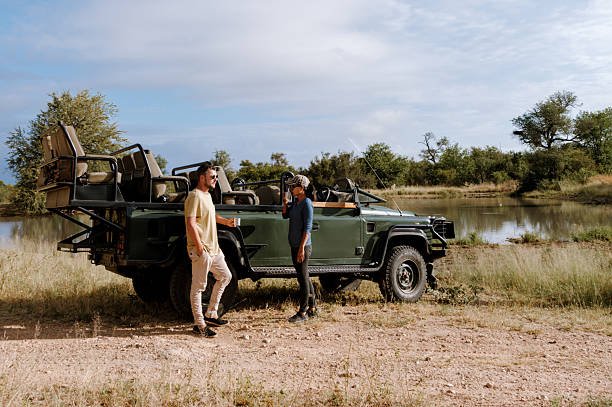
How To Avoid Safari Scams In Tanzania: A Top Guide Adventures Expert 2026-2027
Navigating a safari in Tanzania is a dream for many, but a few precautions can ensure your adventure is scam-free. This guide from Top Guide Adventures provides essential advice for...
View package details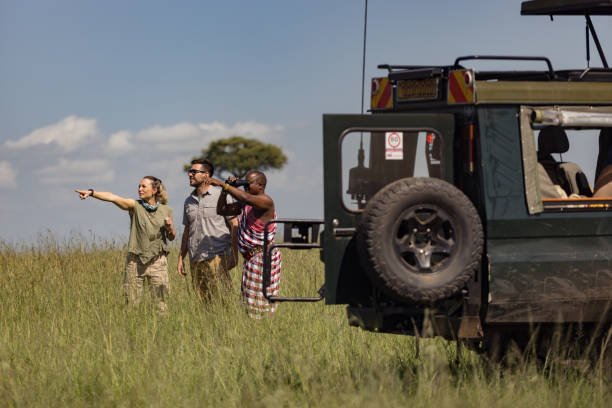
Which Local Tanzania Safari Companies Are Trustworthy In ? 2026-2027
Choosing a trustworthy local Tanzania safari company is crucial for a memorable and safe adventure. This guide helps you identify reliable operators for your 2026-2027 trip, covering...
View package detailsHow Far In Advance Should You Book A Tanzania Safari? Your Planning Guide
Securing your dream Tanzania safari requires strategic planning. This comprehensive guide details the optimal booking timeline for 2026-2027, considering peak seasons, lodge availability...
View package detailsPrivate Safari Vs Group Tanzania — Which Is Better? 2026-2027
Private safari vs group safari Tanzania — which is better? is explained with current 2026-2027 planning, price, itinerary and booking information.
View package details
Is A Group Joining Safari In Tanzania Worth It? 2026-2027
Is a group joining safari in Tanzania worth it? is explained with current 2026-2027 planning, price, itinerary and booking information.
View package details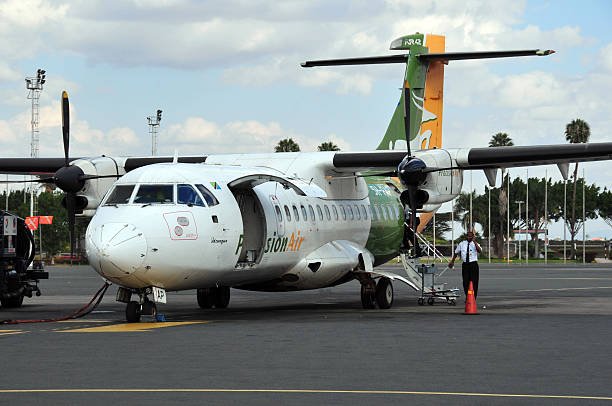
Serengeti And Ngorongoro Safari Without Luxury: Your Options For 2026-2027
Discover how to experience the wonders of the Serengeti and Ngorongoro Crater on a safari that prioritizes incredible wildlife viewing and authentic experiences over luxury accommodations...
View package details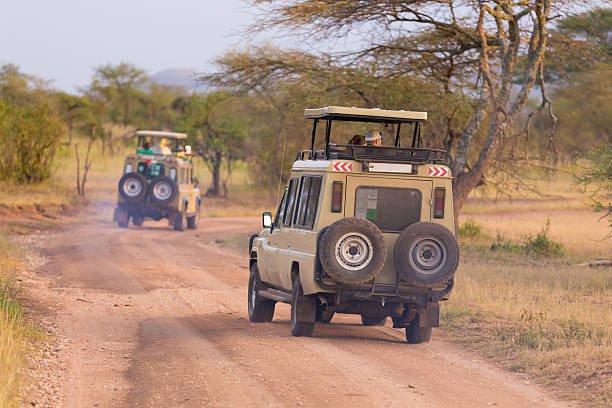
Tanzania Safari For Great Migration: Which Tour To Book In 2026-2027
Planning to witness the Great Migration in Tanzania? This guide helps you choose the perfect safari for 2026-2027, detailing the best parks, timing, and tour options for an unforgettable...
View package details
Three Days For Safari In Tanzania: Where To Go An Unforgettable Experience
If you have just three days for a safari in Tanzania, the most recommended destinations for a concentrated and rewarding wildlife experience are the Ngorongoro Conservation Area and...
View package detailsNo related package matches those filters. Clear one or more filters to see the other topic-matched options.



