
Updated planning guide for 2026-2027
Tanzania Cultural Safari: Wildlife And Local Communities: Best Guide 2026-2027
Discover the heart of Tanzania on a cultural safari that blends incredible wildlife encounters with meaningful interactions with local communities. This comprehensive guide covers everything you need to plan your unforgettable journey.
WhatsApp +255616946642 | topguideadventures@gmail.com | info@topguideadventures.com
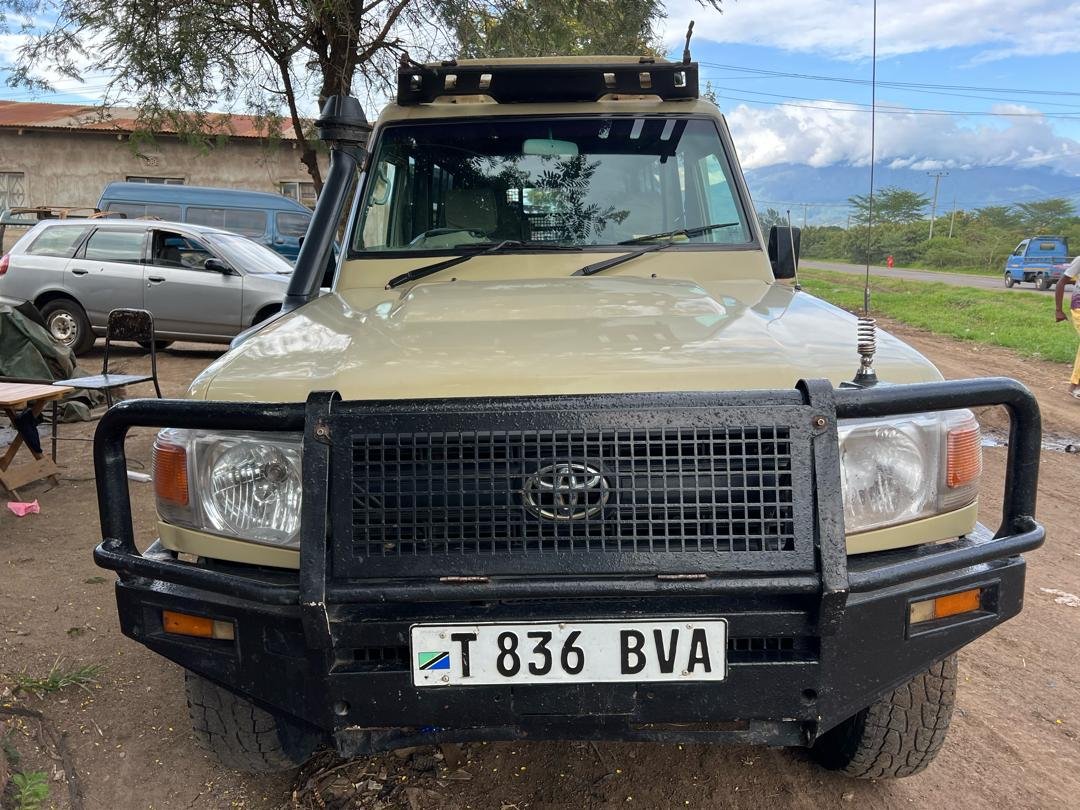
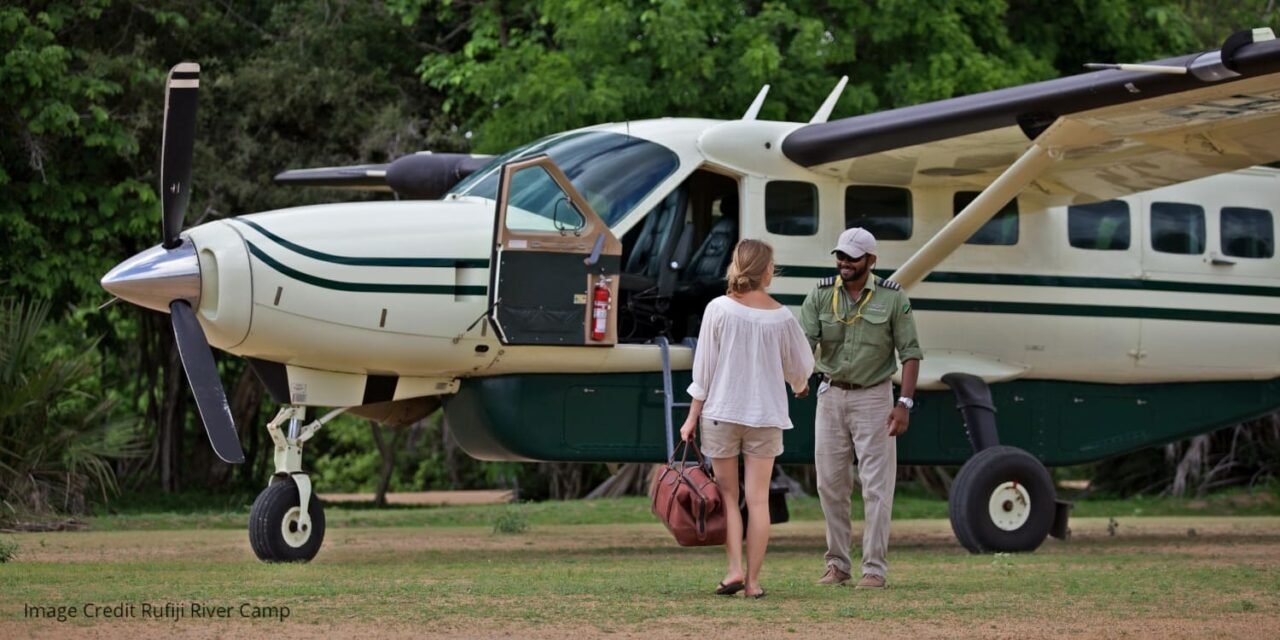
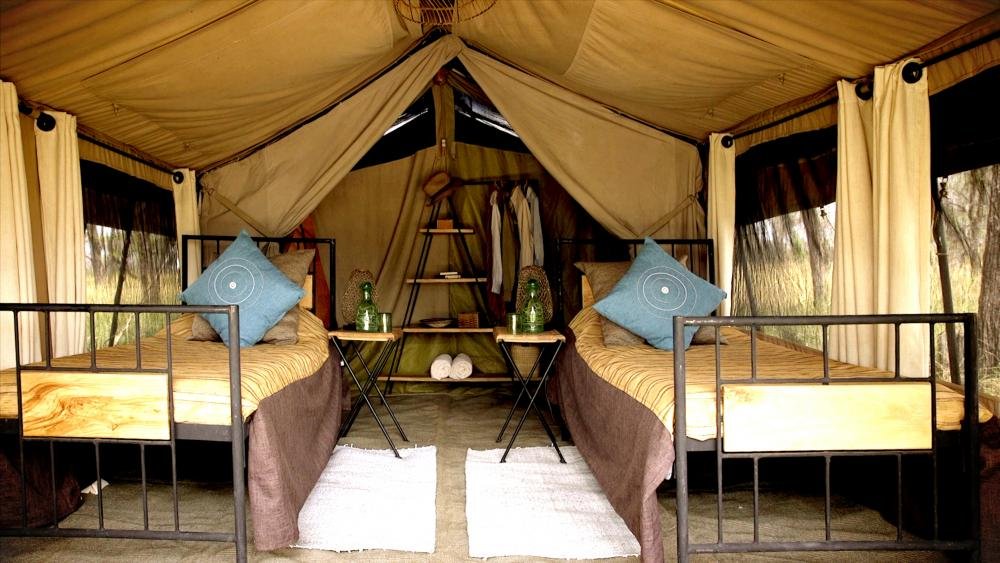
Tanzania Cultural Safari: Wildlife and Local Communities
A Tanzania cultural safari offers a profound way to experience East Africa. It moves beyond simply observing wildlife to understanding the intricate relationship between the land, its animals, and the people who call it home. This type of journey allows for deeper connections, providing insights into ancient traditions, daily life, and the conservation efforts driven by local communities. For travelers in 2026 and 2027 seeking authenticity, a Tanzania cultural safari is an exceptional choice.
Table of Contents
- Quick Facts
- What is a Tanzania Cultural Safari?
- Why Choose a Cultural Safari in Tanzania?
- Best Time for a Tanzania Cultural Safari
- Key Destinations for Cultural Safaris
- Sample Tanzania Cultural Safari Itinerary
- What to Expect on a Cultural Safari
- Inclusions, Packing, and Preparation
- Common Mistakes to Avoid
- Who is a Cultural Safari Best For?
- Alternatives to a Pure Cultural Safari
- Planning Your 2026-2027 Cultural Safari
- Booking Your Tanzania Cultural Safari
- Frequently Asked Questions
Quick Facts
| Aspect | Details |
|---|---|
| Country | Tanzania |
| Primary Focus | Wildlife viewing and local community interaction |
| Key Regions | Northern Tanzania (Serengeti, Ngorongoro, Manyara, Tarangire), Arusha Region, Zanzibar, Southern Tanzania (Selous, Ruaha – less common for cultural focus but possible) |
| Activities | Game drives, walking safaris, village visits, cultural tours, market visits, craft demonstrations, traditional meals, school visits, conservation project insights. |
| Accommodation | Lodges, tented camps, homestays, community-run guesthouses. |
| Best Duration | 7-14 days |
| Travel Style | Can be tailored from budget to luxury. Emphasis on respectful engagement. |
| Key Cultural Groups | Maasai, Hadzabe, Datoga, Chagga, Swahili (Zanzibar). |
What is a Tanzania Cultural Safari?
A Tanzania cultural safari is a journey designed to offer a dual experience: witnessing the extraordinary wildlife that Tanzania is famous for, while also engaging respectfully with the diverse local communities and their traditions. Unlike a standard wildlife-focused safari, this approach integrates visits to villages, interactions with local people, learning about their way of life, and understanding their connection to the environment and conservation. It’s about seeing the ‘Big Five’ and also understanding the ‘Big Five’ cultural influences that shape the nation.
This means your itinerary will likely include time spent in national parks and game reserves for wildlife viewing, but also dedicated time for village tours, visits to local markets, opportunities to learn about traditional crafts, agriculture, and perhaps even participate in activities with community members. The goal is to provide a holistic view of Tanzania, appreciating both its natural wonders and its rich human heritage.
Why Choose a Cultural Safari in Tanzania?
Tanzania is a land of incredible biodiversity and ancient human history. A cultural safari allows you to connect with both on a deeper level. Here’s why it stands out:
- Authentic Encounters: Move beyond tourist enclaves to genuine interactions with people like the Maasai, Hadzabe, or Datoga. Learn about their customs, beliefs, and daily routines directly from them.
- Holistic Understanding: Appreciate the delicate balance between wildlife conservation and the needs of local communities. Understand how communities are involved in protecting their natural heritage.
- Enriching Experience: Gain perspectives on different ways of life, traditional knowledge, and the challenges and triumphs of rural Tanzanian communities. This adds significant depth to your travel memories.
- Support Local Economies: Many cultural tourism initiatives directly benefit the communities visited, providing income and fostering pride in their heritage. Your visit can have a positive impact.
- Unique Wildlife Perspectives: Learn how local communities have coexisted with wildlife for centuries, often possessing unique knowledge about animal behavior and migration patterns.
- Beyond the Tourist Trail: While iconic parks are essential, a cultural safari often takes you to lesser-known areas or provides unique experiences within popular destinations, offering a more nuanced view.
Best Time for a Tanzania Cultural Safari
The best time for a Tanzania cultural safari often aligns with the best wildlife viewing seasons, but also considers the comfort and accessibility for community visits.
| Period | Wildlife Viewing | Community Interaction | Notes |
|---|---|---|---|
| June – October (Dry Season) | Excellent. Animals congregate around water sources. Great for Great Migration viewing (July-Oct). | Good. Easier travel on roads. Cooler temperatures are comfortable for village visits. Harvest season might be ongoing. | Peak season, higher prices, more crowds. Ideal for combining wildlife and culture. |
| November – May (Rainy Season) | Good to Fair. Green landscapes, baby animals are born (Jan-Mar). Some roads can be challenging. Migration is usually in the Serengeti. | Good. Fewer tourists. Landscapes are lush and beautiful. Rain can be heavy but often short-lived, especially in March-May. | Shoulder season, potentially lower prices. Some areas might have accessibility issues. Jan-Feb is good for calving season. April-May can be very wet. |
For 2026 and 2027 travel, consider that June to October offers the most predictable weather for both activities. However, the shoulder months (May, November, December) can offer a good balance of fewer crowds and reasonable conditions, with potential for better value.
Key Destinations for Cultural Safaris
While wildlife is a constant draw, certain regions in Tanzania offer richer opportunities for cultural immersion:
Northern Tanzania Circuit
This is the most popular safari circuit and offers excellent opportunities for cultural integration:
- Maasai Villages: Numerous Maasai communities are accessible near areas like Tarangire National Park, Lake Manyara, and the Ngorongoro Conservation Area. Tours often include visits to traditional bomas (homesteads), learning about their pastoralist lifestyle, warrior traditions, and social structures.
- Chagga Villages: Located on the slopes of Mount Kilimanjaro, these areas offer insights into coffee farming, traditional Chagga huts, and local brewing methods.
- Arusha Town and Surroundings: Often the starting point, Arusha offers opportunities to visit local markets, craft centers, and interact with various ethnic groups living in the region.
- Hadza and Datoga Communities: For a more remote and traditional experience, visits to the hunter-gatherer Hadzabe and the blacksmithing Datoga people near Lake Eyasi are highly recommended. These are often more rugged and require specific tour arrangements.
Zanzibar Archipelago
Beyond its famous beaches, Zanzibar offers rich Swahili culture:
- Stone Town: A UNESCO World Heritage site, Stone Town is a hub of Swahili, Arab, Indian, and European influences. Explore its narrow alleys, historic buildings, spice markets, and learn about the island’s history.
- Spice Tours: Visit local farms to learn about the cultivation of cloves, nutmeg, cinnamon, and other spices, understanding their historical significance and economic importance.
- Local Villages: Explore villages outside Stone Town to see daily life, fishing communities, and local crafts.
Southern Tanzania (Less Common for Cultural Focus)
While primarily known for vast, wild landscapes and exceptional wildlife (Selous Game Reserve, Ruaha National Park), cultural interactions here are less structured and often more incidental. Some operators may arrange visits to local villages if requested, but it’s not the primary draw of this region.
Sample Tanzania Cultural Safari Itinerary (10 Days)
This sample itinerary balances iconic wildlife with deep cultural immersion. It’s a suggestion and can be customized.
| Day | Location | Activities | Accommodation Type |
|---|---|---|---|
| 1 | Arusha | Arrival at Kilimanjaro International Airport (JRO), transfer to Arusha. Relax, briefing on the safari. | Lodge |
| 2 | Arusha & Chagga Country | Morning visit to Arusha Cultural Heritage Centre or local market. Afternoon drive to the slopes of Kilimanjaro for a Chagga village tour: learn about coffee farming, local life, and enjoy traditional food. | Lodge near Kilimanjaro |
| 3 | Tarangire National Park | Full day game drive in Tarangire, famous for its large elephant herds and baobab trees. | Tented Camp/Lodge |
| 4 | Tarangire / Maasai Village Visit | Morning game drive in Tarangire. Afternoon visit to a Maasai village: experience their homestead, learn about their traditions, dance, and way of life. | Tented Camp/Lodge near Tarangire |
| 5 | Ngorongoro Conservation Area | Drive to Ngorongoro. Visit a Maasai boma en route. Afternoon walking safari in the Ngorongoro Conservation Area with a Maasai guide (optional, subject to availability). | Lodge on Crater Rim/Nearby |
| 6 | Ngorongoro Crater | Descend into the Ngorongoro Crater for a full day game drive, a natural amphitheater teeming with wildlife. | Lodge on Crater Rim/Nearby |
| 7 | Lake Manyara National Park & Mto wa Mbu | Morning game drive in Lake Manyara, known for tree-climbing lions. Afternoon visit to Mto wa Mbu, a vibrant cultural hub with diverse tribes and agricultural activities. Optional bicycle tour or cultural walk. | Lodge/Camp near Lake Manyara |
| 8 | Lake Eyasi (Hadzabe & Datoga) | Early morning visit to Lake Eyasi to spend time with the Hadzabe hunter-gatherers (if accessible and arranged). Afternoon visit to Datoga blacksmiths and their village. This is a more rugged and authentic cultural experience. | Tented Camp/Basic Lodge near Lake Eyasi |
| 9 | Return to Arusha | Morning drive back to Arusha. Option for last-minute souvenir shopping or relaxation. Farewell dinner. | Lodge in Arusha |
| 10 | Departure | Transfer to Kilimanjaro International Airport (JRO) for your onward flight. | N/A |
Note: The Lake Eyasi experience is often more demanding logistically and requires careful planning. It’s a truly unique cultural encounter for those seeking deep immersion.
What to Expect on a Cultural Safari
A Tanzania cultural safari is an immersive experience that goes beyond typical tourist activities. Here’s what you can anticipate:
- Respectful Interactions: Your guides will facilitate introductions and interactions. It’s crucial to approach these with respect, humility, and a willingness to learn. Always ask permission before taking photos of people.
- Learning Opportunities: Expect to learn about traditional farming methods, animal husbandry, beadwork, storytelling, music, dance, and the spiritual beliefs of different communities.
- Daily Life Insights: You might witness or participate in daily chores like fetching water, preparing food, or learning basic phrases in local languages.
- Wildlife Encounters: Game drives will still be a significant part of your safari, offering chances to see the ‘Big Five’ and a vast array of other animals in their natural habitats.
- Varied Accommodation: You might stay in comfortable lodges and tented camps, but some cultural tours might offer opportunities for homestays or stays in community-run guesthouses for a more intimate experience.
- Guided Experiences: Local guides, often from the communities themselves, will share their knowledge and perspectives. Your safari guide will ensure smooth logistics and provide broader context.
- Road Travel: Expect a fair amount of driving between locations. Roads can vary in condition, especially when venturing to more remote cultural sites.
- Cultural Sensitivity: Dress modestly when visiting villages. Be mindful of local customs and traditions. Your guide will advise you on specific etiquette.
Inclusions, Packing, and Preparation
Understanding what’s typically included and how to pack is key to a comfortable cultural safari.
Typical Inclusions:
- Accommodation as per itinerary.
- All park and conservation fees.
- Meals (usually full board on safari, breakfast in cities).
- Vehicle and driver/guide for game drives.
- Cultural tour fees and community contributions.
- Bottled water in the safari vehicle.
- Airport transfers.
- Government taxes and levies.
What to Pack:
- Clothing: Lightweight, neutral-colored clothing (khaki, beige, green, brown). Long-sleeved shirts and trousers for sun and insect protection, especially in the evenings. A warm fleece or jacket for cool mornings and evenings. Modest clothing (covering shoulders and knees) for village visits.
- Footwear: Comfortable walking shoes or hiking boots (if planning walking safaris). Sandals or flip-flops for relaxing at camps/lodges.
- Accessories: Sun hat, sunglasses, high SPF sunscreen, insect repellent (with DEET), binoculars, camera with extra batteries and memory cards, universal power adapter, headlamp or flashlight.
- Personal Items: Personal first-aid kit, any prescription medications, hand sanitizer, wet wipes, personal toiletries.
- Documents: Passport, visa (if required), vaccination certificates, travel insurance details, copies of important documents.
- Optional: Small gifts for children (e.g., pens, notebooks, school supplies – consult your tour operator for appropriate items, avoid sweets).
Preparation:
- Vaccinations & Health: Consult your doctor or a travel clinic at least 6-8 weeks before departure regarding recommended vaccinations (e.g., Yellow Fever, Hepatitis A/B, Typhoid) and malaria prophylaxis.
- Visa: Check visa requirements for your nationality. Many can be obtained online or on arrival.
- Travel Insurance: Comprehensive travel insurance covering medical emergencies, evacuation, trip cancellation, and lost luggage is essential.
- Fitness: While not strenuous, you should be reasonably fit for walking safaris or exploring villages.
- Cultural Briefing: Read up on Tanzanian culture and the specific ethnic groups you will visit. Your tour operator will also provide briefings.
Common Mistakes to Avoid
To ensure a smooth and enriching cultural safari, be aware of these common pitfalls:
- Treating Cultural Visits as a Zoo: Approaching communities with a detached, observational mindset rather than an engaged, respectful one. Remember these are people’s homes and lives.
- Photography Without Permission: Always ask before taking photos of individuals, especially children. Some communities may charge a small fee for photos.
- Disrespecting Customs: Not dressing modestly or being loud and intrusive in villages. Your guide will advise, but prior research is helpful.
- Expecting a ‘Show’: Cultural interactions should feel natural. Avoid expecting staged performances. Genuine engagement is more rewarding.
- Bringing Inappropriate Gifts: Giving sweets can cause dental problems for children. School supplies or practical items are generally better, but always ask your guide or operator for advice.
- Ignoring Your Guide: Your local guides are invaluable. Listen to their advice regarding etiquette, photography, and appropriate interactions.
- Over-Scheduling: Trying to cram too many destinations or activities into a short trip can lead to rushing and a superficial experience. Allow time for genuine connection.
- Underestimating Travel Times: Tanzania is vast. Road travel can be slow, especially off the main routes. Factor in realistic travel durations.
- Focusing Solely on Wildlife: Forgetting the ‘cultural’ aspect of the safari. Ensure your itinerary has a good balance.
Who is a Cultural Safari Best For?
A Tanzania cultural safari is ideal for travelers who:
- Seek authentic experiences and genuine human connection.
- Are curious about different cultures, traditions, and ways of life.
- Want to understand the relationship between people and their environment.
- Appreciate responsible tourism and wish to support local communities.
- Are interested in learning beyond just wildlife photography.
- Enjoy a blend of adventure and educational experiences.
- Are open-minded, respectful, and adaptable.
It is particularly well-suited for:
- Couples seeking a meaningful honeymoon or anniversary trip.
- Families looking to educate their children about the world.
- Solo travelers wanting immersive experiences.
- Repeat visitors to Africa looking for a deeper understanding of the continent.
Alternatives to a Pure Cultural Safari
If a full-on cultural safari isn’t quite what you’re looking for, but you still want cultural elements, consider these options:
- Classic Tanzania Safari with Cultural Day Trips: Enjoy the iconic parks like Serengeti and Ngorongoro, but incorporate one or two well-chosen village visits or cultural excursions. This offers a taste of culture without making it the primary focus.
- Zanzibar Cultural Focus: Spend more time exploring Stone Town, taking spice tours, visiting local villages, and learning about Swahili heritage, perhaps with a short wildlife component on the mainland.
- Tanzania & Kenya Cultural Blend: Combine wildlife viewing in Kenya’s Maasai Mara with Tanzania’s Serengeti, and include visits to Maasai communities in both countries.
- Community-Based Tourism Projects: Look for tours that specifically highlight projects where communities are directly involved in conservation or tourism.
Planning Your 2026-2027 Cultural Safari
Planning ahead is crucial for a successful Tanzania cultural safari, especially for trips in 2026 and 2027. Here’s a guide:
Timeline:
- 12+ Months Out: Research destinations and tour operators. Decide on your budget and travel style. Book flights if you find good deals.
- 9-12 Months Out: Confirm your itinerary with a reputable tour operator. Book the trip and pay the deposit.
- 6-9 Months Out: Apply for any necessary visas. Start thinking about travel insurance. Book specific accommodations if you have preferences.
- 3-6 Months Out: Consult your doctor for vaccinations and malaria prevention. Purchase travel insurance. Start purchasing safari gear.
- 1-3 Months Out: Finalize packing list. Confirm all travel details with your operator. Learn a few basic Swahili phrases.
- 2-4 Weeks Out: Get any necessary currency. Confirm flight details. Pack your bags.
Key Considerations for 2026-2027:
- Operator Choice: Select a tour operator with proven experience in cultural tourism and strong relationships with local communities. Look for reviews and testimonials.
- Itinerary Customization: Work closely with your operator to tailor the itinerary to your interests. Do you want more wildlife or deeper cultural immersion? Are you interested in specific tribes?
- Budgeting: Cultural safaris can range from budget-friendly to luxury. Understand what is included in your package (park fees, accommodation, meals, cultural tour fees, guides). Be aware of potential extra costs like tips, souvenirs, and drinks.
- Group Size: Smaller groups often allow for more intimate cultural interactions.
- Sustainability: Choose operators who practice and promote responsible tourism, ensuring benefits reach the communities and environmental impact is minimized.
Booking Your Tanzania Cultural Safari
Choosing the right tour operator is paramount for an authentic and well-managed Tanzania cultural safari. Here’s how to approach booking:
- Research Reputable Operators: Look for companies that specialize in Tanzania and have a strong focus on responsible tourism and community engagement. Online reviews, travel forums, and recommendations are valuable.
- Direct Communication: Contact operators directly. Ask detailed questions about their cultural tour protocols, how they ensure genuine interactions, and how communities benefit.
- Itinerary Details: Ensure the itinerary clearly outlines the cultural components, including what activities are involved, how much time is allocated, and what is included in the fees.
- Inclusions and Exclusions: Understand exactly what your package covers. This typically includes accommodation, park fees, meals, vehicle, guide, and specific cultural tour fees. Exclusions often involve international flights, visas, tips, personal expenses, and some drinks.
- Payment Terms: Most operators require a deposit (usually 20-50%) to confirm a booking, with the balance due closer to the travel date (e.g., 30-60 days prior). Understand their cancellation policy.
- Customization: A good operator will be flexible and willing to customize your itinerary to match your specific interests, budget, and pace.
- Contracts: Read your booking contract carefully before signing.
For a personalized and authentic Tanzania cultural safari experience, consider reaching out to experts who understand the nuances of community engagement. We are here to help craft your ideal journey.
Contact Us:
- WhatsApp: +255616946642
- Email: topguideadventures@gmail.com
- Backup Email: info@topguideadventures.com
Frequently Asked Questions
Q1: What is the difference between a standard safari and a cultural safari in Tanzania?
A standard safari primarily focuses on wildlife viewing in national parks and reserves. A Tanzania cultural safari integrates wildlife viewing with meaningful interactions with local communities, learning about their traditions, daily life, and connection to the land.
Q2: Are cultural visits safe for tourists?
Yes, cultural visits are generally safe when conducted through reputable tour operators. Guides ensure respectful interactions and mediate any potential misunderstandings. It’s important to follow your guide’s advice and be mindful of local customs.
Q3: How much should I tip for a cultural safari?
Tipping is customary for guides, drivers, and camp staff. For cultural guides within villages, a small tip is appreciated if the interaction was meaningful. Your tour operator will provide specific recommendations based on the duration of your trip and services received. For 2026 and 2027 trips, tipping guides and drivers is standard practice.
Q4: What kind of interactions can I expect with local communities?
You can expect to visit traditional homes (bomas), learn about farming, crafts, and daily routines, participate in local dances, hear stories, and ask questions about their way of life. The depth of interaction depends on the community and your openness.
Q5: Can I buy souvenirs directly from local communities?
Yes, many communities offer handicrafts for sale. This is a direct way to support local artisans. Be prepared to negotiate prices respectfully. Your guide can help facilitate purchases.
Q6: What if I want to see specific tribes like the Hadzabe?
Visiting the Hadzabe and Datoga near Lake Eyasi requires specific arrangements and is often part of longer, more in-depth cultural itineraries. These visits are more rugged and require flexibility due to the nature of the communities and their locations. It’s essential to book this with an operator experienced in these sensitive tours for 2026-2027.
Q7: What is the best way to dress for cultural visits?
Modesty is key. Wear clothing that covers your shoulders and knees. Avoid revealing or overly casual attire when visiting villages. Neutral colors are also preferred.
Q8: Is it appropriate to give gifts to children?
It’s generally recommended to avoid giving gifts directly to children, especially sweets, as it can encourage begging and is not sustainable. If you wish to contribute, discuss with your tour operator about donating school supplies or contributing to community projects through their established channels. This is a best practice for 2026-2027 travel.
Q9: How much does a Tanzania cultural safari cost?
Costs vary significantly based on accommodation style, duration, parks visited, and inclusions. A rough estimate for a mid-range 10-day cultural safari might range from $3,000 to $6,000+ per person, excluding international flights. Luxury options will be higher.
Q10: What are the visa requirements for Tanzania?
Most nationalities require a visa to enter Tanzania. This can often be obtained online in advance (e-visa) or upon arrival at Kilimanjaro International Airport (JRO). Check the latest requirements with the Tanzanian embassy in your country.
Q11: How can I ensure my cultural safari is responsible and ethical?
Choose a tour operator committed to responsible tourism, which means ensuring communities benefit directly, respecting local customs, minimizing environmental impact, and fostering genuine, non-exploitative interactions. Look for operators who work closely with community leaders and have a transparent approach to how tourism funds are distributed.
Experience an Unforgettable Tanzania Cultural Safari
A Tanzania cultural safari offers an unparalleled opportunity to connect with the heart and soul of this incredible country. By blending thrilling wildlife encounters with authentic interactions with local communities, you gain a richer, more profound understanding of Tanzania’s natural and human heritage. For your 2026 or 2027 adventure, let us help you craft a journey that is both spectacular and meaningful.
Ready to plan your bespoke Tanzania cultural safari, combining the best of wildlife and local life? Get in touch with our expert team today.
Contact Us:
- WhatsApp: +255616946642
- Email: topguideadventures@gmail.com
- Backup Email: info@topguideadventures.com

How Much Should I Tip My Safari Guide In Tanzania? Your 2026-2027
Understand the tipping culture for safari guides and staff in Tanzania. This guide provides clear, actionable recommendations for tipping your safari crew in 2026-2027, covering guides...
View package details
7 Days In Tanzania: Your Expertly Planned Safari Itinerary For 2026-2027
Discover a perfectly crafted 7-day Tanzania safari itinerary for 2026-2027, designed to maximize wildlife viewing and cultural experiences in the Serengeti and Ngorongoro Crater.
View package details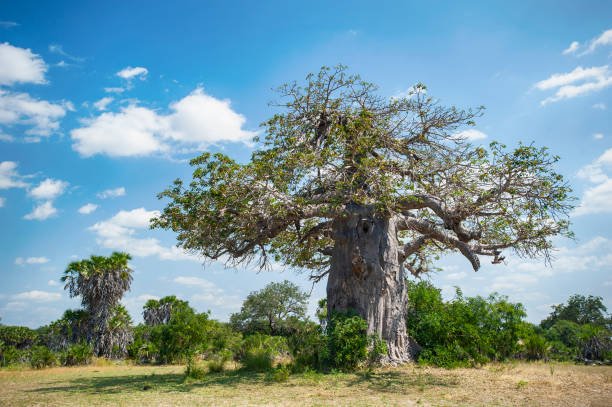
10-Day Southern Tanzania Safari And Zanzibar Package 2026-2027
Discover the ultimate 10-day Southern Tanzania safari and Zanzibar package, combining the wild heart of Africa with the tropical allure of the Spice Island. This itinerary offers an...
View package details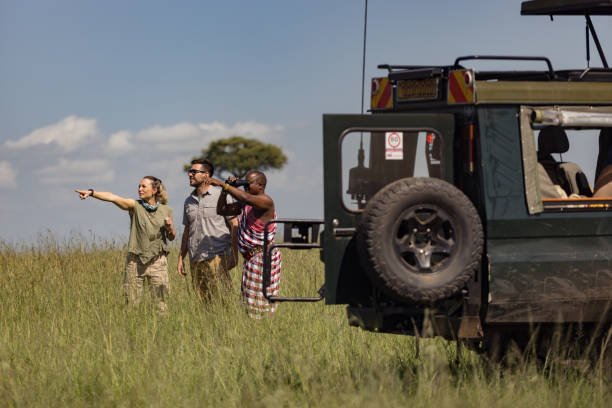
Which Local Tanzania Safari Companies Are Trustworthy In ? 2026-2027
Choosing a trustworthy local Tanzania safari company is crucial for a memorable and safe adventure. This guide helps you identify reliable operators for your 2026-2027 trip, covering...
View package details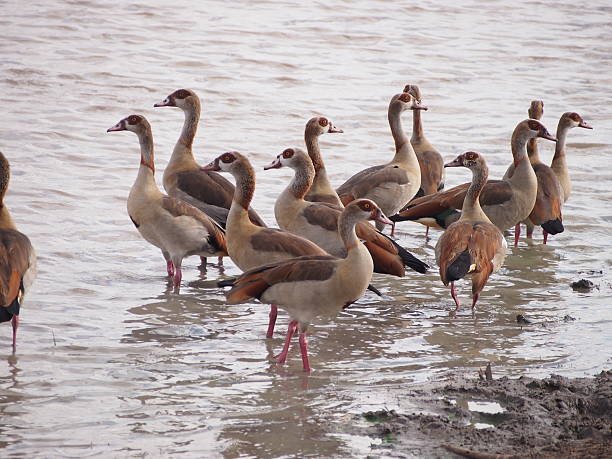
6-Day Southern Tanzania Wildlife Safari With Top Guide Adventures 2026-2027
Discover the wild heart of Tanzania on a 6-day Southern Tanzania wildlife safari. This itinerary highlights the unique ecosystems and abundant wildlife of Selous Game Reserve and Ruaha...
View package details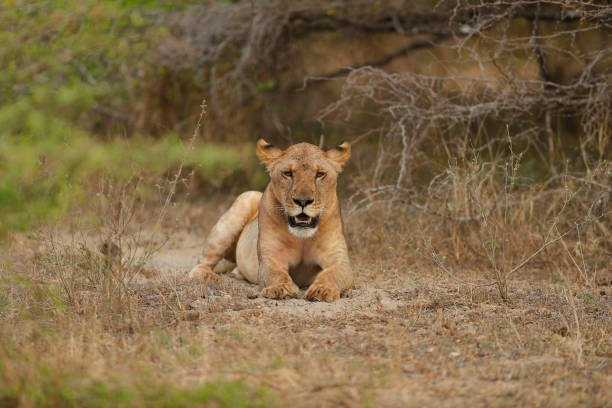
6-Day Selous, Mikumi & Udzungwa Safari: Southern Tanzanias Wildlife Trio
Discover the untamed beauty of Southern Tanzania on a 6-day safari adventure. This journey takes you through the vast Selous Game Reserve, the wildlife-rich Mikumi National Park, and the...
View package detailsWhich Tanzania Safari Gives The Best Value For Money? 2026-2027
Which Tanzania safari gives the best value for money? is explained with current 2026-2027 planning, price, itinerary and booking information.
View package details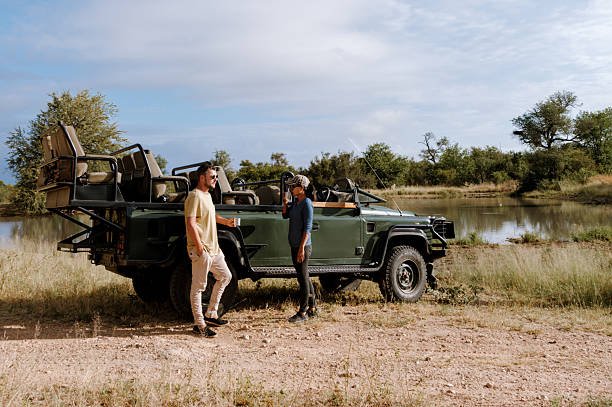
How To Avoid Safari Scams In Tanzania: A Top Guide Adventures Expert 2026-2027
Navigating a safari in Tanzania is a dream for many, but a few precautions can ensure your adventure is scam-free. This guide from Top Guide Adventures provides essential advice for...
View package detailsHow Far In Advance Should You Book A Tanzania Safari? Your Planning Guide
Securing your dream Tanzania safari requires strategic planning. This comprehensive guide details the optimal booking timeline for 2026-2027, considering peak seasons, lodge availability...
View package detailsPrivate Safari Vs Group Tanzania — Which Is Better? 2026-2027
Private safari vs group safari Tanzania — which is better? is explained with current 2026-2027 planning, price, itinerary and booking information.
View package details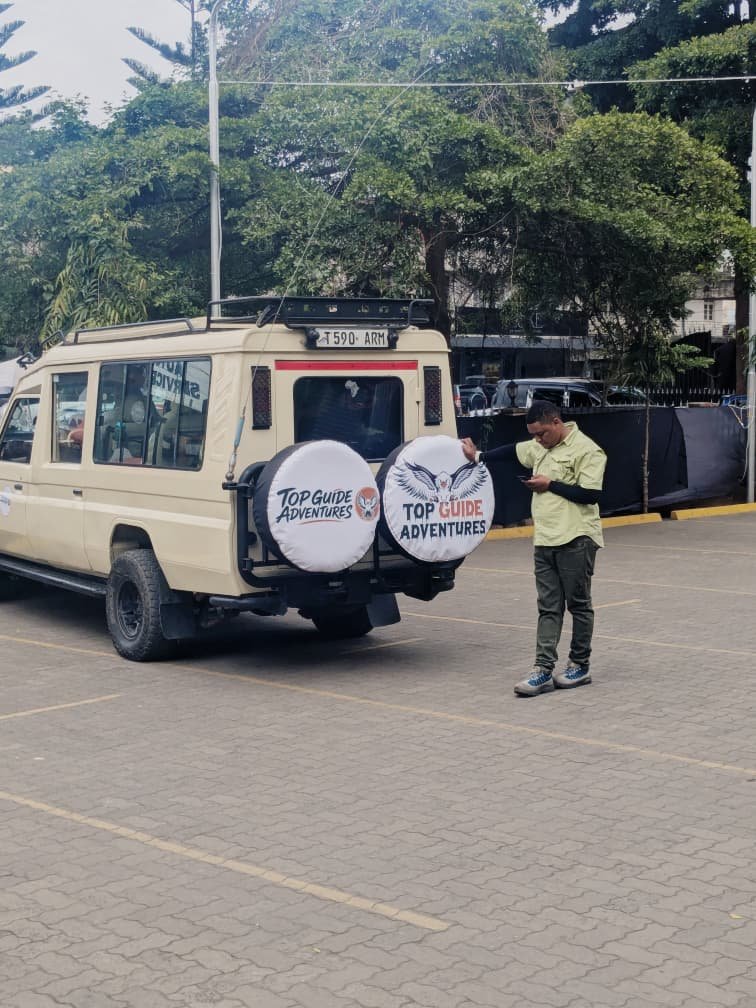
Is A Group Joining Safari In Tanzania Worth It? 2026-2027
Is a group joining safari in Tanzania worth it? is explained with current 2026-2027 planning, price, itinerary and booking information.
View package details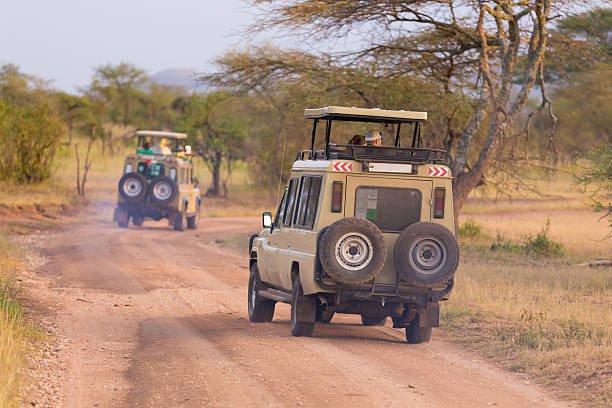
Tanzania Safari For Great Migration: Which Tour To Book In 2026-2027
Planning to witness the Great Migration in Tanzania? This guide helps you choose the perfect safari for 2026-2027, detailing the best parks, timing, and tour options for an unforgettable...
View package detailsNo related package matches those filters. Clear one or more filters to see the other topic-matched options.
Plan your Tanzania Cultural Safari: Wildlife and Local Communities with Top Guide Adventures
Tell us your travel dates, group size, comfort level, and dream experience. We will help you shape a clear, realistic, and memorable Tanzania itinerary.



