
Updated planning guide for 2026-2027
Udzungwa Mountains Safari (Flight Or Drive) From Arusha/Moshi: Best Guide
Explore the Udzungwa Mountains, Tanzania's unique biodiversity hotspot. This comprehensive guide details how to plan your safari from Arusha or Moshi, covering travel options, activities, and essential preparation for 2026-2027.
WhatsApp +255616946642 | topguideadventures@gmail.com | info@topguideadventures.com
Udzungwa Mountains Safari: Your Essential Planning Guide 2026-2027
The Udzungwa Mountains National Park offers a distinct safari experience in Tanzania, diverging from the classic savannah encounters. Known for its ancient rainforests, unique primates, and breathtaking waterfalls, Udzungwa presents an unparalleled opportunity for nature enthusiasts and hikers. This guide details how to plan your Udzungwa Mountains safari from Arusha or Moshi, whether you choose to drive or fly, providing comprehensive insights for your 2026-2027 travels.
Quick Overview: Udzungwa Mountains Safari
| Location | South-central Tanzania, part of the Eastern Arc Mountains |
| Primary Activities | Hiking, bird watching, primate spotting, waterfall visits, nature walks |
| Departure Points | Arusha, Moshi |
| Travel Options | Driving (4×4 vehicle), Flying (to nearest airstrips) |
| Best Time to Visit | June to October (dry season), December to February (short dry season) |
| Key Attractions | Sonjo Waterfall, Mwanihana Peak, Lumemo Trail, Sanje Waterfall, Kihansi Gorge |
| Wildlife Highlights | Udzungwa Red Colobus Monkey, Sanje Mangabey, diverse birdlife, forest elephants (rare), leopards (rare) |
| Accommodation | Basic park bandas, camping, lodges in nearby towns (e.g., Mikumi) |
Table of Contents
- Introduction to Udzungwa Mountains
- Why Choose Udzungwa Mountains for Your Safari?
- Getting to Udzungwa Mountains: Drive vs. Flight from Arusha/Moshi
- Driving Route from Arusha/Moshi
- Flying Option to Udzungwa
- Best Time to Visit Udzungwa Mountains (2026-2027)
- Sample Udzungwa Mountains Itinerary (3 Days/2 Nights)
- Activities and What to Expect in Udzungwa
- Wildlife Spotting in Udzungwa
- Bird Watching Paradise
- Hiking Trails and Waterfall Treks
- Accommodation Options
- What to Pack and Prepare for Udzungwa
- Common Mistakes to Avoid
- Who is Udzungwa Mountains Best Suited For?
- Alternatives to Udzungwa Mountains
- Planning Your 2026-2027 Udzungwa Trip
- Booking Your Udzungwa Mountains Safari
- Frequently Asked Questions (FAQs)
- Ready for Your Udzungwa Adventure?
Introduction to Udzungwa Mountains
Tanzania is globally celebrated for its iconic safari destinations like the Serengeti, Ngorongoro Crater, and Tarangire National Park, teeming with vast herds and the ‘Big Five’. However, nestled within the Eastern Arc Mountains, a UNESCO World Heritage Site candidate, lies the Udzungwa Mountains National Park. This park offers a vastly different, yet equally rewarding, natural experience. It is a realm of dense, ancient rainforests, misty cloud forests, and dramatic escarpments, forming one of Africa’s most biologically diverse regions. Unlike many Tanzanian parks focused on large mammal viewing, Udzungwa captivates with its unique flora, endemic primates, and spectacular waterfalls. Your Udzungwa Mountains safari from Arusha or Moshi is an invitation to explore a hidden gem, a sanctuary for species found nowhere else on Earth.
Why Choose Udzungwa Mountains for Your Safari?
The allure of Udzungwa lies in its distinctiveness. If you’ve already experienced the savannahs or are seeking an adventure beyond the typical safari circuit, Udzungwa provides a refreshing contrast. Here’s why it should be on your Tanzanian itinerary:
- Exceptional Biodiversity: Udzungwa is a biodiversity hotspot, particularly for primates. It’s one of only two places in the world where you can find the Udzungwa Red Colobus monkey and the Sanje Mangabey, both endemic to the area.
- Unique Ecosystems: The park protects a significant portion of the Eastern Arc Mountains’ montane forests, supporting a wealth of plant and animal life that has evolved in isolation for millions of years.
- Stunning Scenery: Expect lush, emerald-green landscapes, towering trees draped in moss and vines, and the thunderous roar of waterfalls. The views from higher elevations are expansive, offering glimpses of the surrounding plains.
- Active Exploration: Udzungwa is primarily explored on foot. Hiking through its trails, from gentle nature walks to challenging treks, is the main way to immerse yourself in its natural beauty.
- Bird Watching Haven: With over 400 bird species recorded, including several endemic to the region, Udzungwa is a paradise for ornithologists.
- A Different Kind of Safari: It complements a traditional safari, offering a chance to see Tanzania’s natural wonders from a different perspective – a vertical one, through its forests and up to its peaks.
Getting to Udzungwa Mountains: Drive vs. Flight from Arusha/Moshi
The journey from Arusha or Moshi to Udzungwa Mountains National Park is a significant part of the adventure. The choice between driving and flying depends on your budget, time constraints, and preference for the travel experience. Both options offer unique perspectives of Tanzania’s diverse landscapes.
Driving Route from Arusha/Moshi
Driving is the most common and often the most economical way to reach Udzungwa. The journey typically involves heading south from Arusha or Moshi towards Morogoro, and then continuing to the park’s main entrance points, often near Mang’ula. The total driving time can be substantial, usually between 6 to 9 hours, depending on road conditions and the specific entry gate you are heading to. This route often takes you past or near Mikumi National Park, offering a potential stopover for a short game drive if time permits.
Key Aspects of the Drive:
- Vehicle: A sturdy 4×4 vehicle is highly recommended, especially if you plan to explore beyond the main access roads or if traveling during the rainy season. Your tour operator will arrange this.
- Scenery: The drive offers a transition from the highlands around Kilimanjaro to the plains and then into the more rugged terrain leading to the Udzungwa range. You’ll pass through agricultural lands, small towns, and potentially glimpse other wildlife areas.
- Stops: You can arrange stops in towns like Arusha, Moshi, or Morogoro for meals or supplies. Some tours might include a brief game drive in Mikumi National Park en route, adding value to the journey.
- Comfort: While the main roads are generally paved, the final stretches to the park can be rougher. The long drive requires patience but is rewarded with access to a less-visited park.
Illustrative Driving Route (Simplified):
Arusha/Moshi (North) → A104 Highway (South) → T1 Highway (Towards Morogoro) → Morogoro → A7 Highway (South-West) → Mang’ula (Near Udzungwa Entrance) → Udzungwa Mountains National Park
Flying Option to Udzungwa
For those prioritizing time and comfort, flying is an alternative. The nearest airstrip to Udzungwa is typically located in Ifakara, which is a considerable distance from the main park entrances and still requires a drive (around 1-2 hours) to reach the park gates or accommodation. Another option might be to fly into the airstrip near Mikumi National Park and then drive to Udzungwa, which is still a journey of a few hours.
Key Aspects of Flying:
- Airstrips: Ifakara is the most relevant airstrip for Udzungwa. Flights usually originate from major hubs like Dar es Salaam or Arusha.
- Logistics: You will need to arrange ground transportation from the airstrip to your accommodation and the park entrance. This adds to the overall cost and complexity.
- Cost: Flights are significantly more expensive than driving. This option is usually chosen by travelers with very limited time or those seeking to avoid long road journeys.
- Experience: Flying offers aerial views of Tanzania’s diverse landscapes, a stark contrast to the ground-level perspective of driving.
Considerations for 2026-2027 Travel: Flight schedules and availability can change. It’s crucial to book flights well in advance and coordinate them with your ground transfers and park activities. Discussing these options thoroughly with your tour operator is essential.
Best Time to Visit Udzungwa Mountains (2026-2027)
The climate in Udzungwa Mountains National Park is influenced by its altitude, featuring distinct wet and dry seasons. Planning your visit during the optimal period will enhance your experience, ensuring better trail conditions and more comfortable trekking.
| Season | Months | Conditions | Activities |
|---|---|---|---|
| Dry Season (Long) | June – October | Clear skies, less humidity, comfortable temperatures. Trails are generally dry and easier to navigate. | Ideal for all activities, especially hiking and waterfall visits. Wildlife viewing can be good as animals congregate near water sources. |
| Short Rains | November – December | Intermittent showers, can be humid. Trails can become muddy. | Still possible to visit, but expect some rain. Birding can be excellent. |
| Rainy Season (Long) | January – May | Heavy rainfall, high humidity, very muddy trails. Some trails may be impassable. Park access can be challenging. | Not recommended for extensive hiking. Best suited for very brief visits if essential. |
| Short Dry Season | December – February (overlaps with short rains) | Generally drier periods within the broader rainy season, but still unpredictable. | Can be a viable option if avoiding the peak dry season. |
Recommendation for 2026-2027: The months of June through October offer the most favorable weather for an Udzungwa Mountains safari. For those looking to avoid peak crowds, the shoulder months of June and October can be excellent choices. If your travel dates are flexible within the December to February period, you might also find good weather, though always be prepared for occasional rain.
Sample Udzungwa Mountains Itinerary (3 Days/2 Nights)
This sample itinerary focuses on the most popular attractions within Udzungwa Mountains National Park, assuming a driving approach from Mikumi or a similar nearby base. It can be customized based on your interests and available time.
Day 1: Arrival and Waterfall Trek (Sanje Waterfall)
- Morning: Depart from your lodge near Mikumi or Arrive at Udzungwa main gate (near Mang’ula) after your drive from Arusha/Moshi. Meet your guide and park rangers.
- Activity: Begin the trek to Sanje Waterfall. This is a moderate to challenging hike, taking approximately 3-4 hours one way. The trail ascends through the forest, offering opportunities to spot primates and birds.
- Midday: Arrive at Sanje Waterfall. Enjoy the spectacular views, the refreshing spray, and the chance to swim in the plunge pool. The waterfall cascades down in three stages.
- Afternoon: Descend back to the park gate.
- Evening: Check into your accommodation (e.g., park bandas or a lodge outside the park). Dinner and overnight stay.
Day 2: Forest Exploration and Primate Spotting
- Morning: After breakfast, head to the park for a different trail experience. A popular option is the Lumemo Trail, which offers a more immersive rainforest walk and a chance to see the endemic Udzungwa Red Colobus.
- Activity: Explore the forest, looking for diverse plant life, insects, and hopefully, the unique primate species. Your guide will share insights into the forest’s ecology.
- Midday: Picnic lunch amidst nature.
- Afternoon: Depending on energy levels and interest, you might opt for a shorter walk or visit a local community project.
- Evening: Return to your accommodation for dinner and overnight.
Day 3: Bird Watching and Departure
- Morning: Early morning bird watching walk around the lodge or park periphery. Udzungwa is renowned for its avian diversity.
- Activity: After breakfast, if time permits, you can undertake a shorter walk, perhaps to the base of the Mwanihana Peak trail for a different perspective, or visit the Kihansi Gorge (requires more time and specific planning).
- Late Morning: Begin your journey back to Arusha/Moshi or your next destination.
Customization Notes: This itinerary can be extended to include more challenging treks like the Mwanihana Peak hike (requiring multiple days and camping) or dedicated birding excursions. For those interested in the Sanje Mangabey, specific areas and trails are recommended.
Activities and What to Expect in Udzungwa
Udzungwa Mountains National Park is not your typical safari destination. It’s an active, nature-focused experience. Be prepared for the following:
- Hiking and Trekking: This is the primary activity. Trails range from relatively easy nature walks to strenuous multi-day climbs. The terrain can be steep, slippery, and muddy, especially after rain.
- Wildlife Viewing: While large mammals like lions or elephants are rarely seen (though forest elephants and leopards inhabit the park), Udzungwa excels in primate viewing. Keep an eye out for the endemic Udzungwa Red Colobus and Sanje Mangabey. You’ll also encounter various forest birds, reptiles, and insects.
- Waterfall Visits: Sanje Waterfall is a major draw, offering stunning views and a chance to cool off. Other waterfalls exist but may require more strenuous treks.
- Bird Watching: The park is a haven for ornithologists, boasting a high number of endemic and migratory bird species.
- Forest Immersion: Simply walking through the ancient rainforests, surrounded by towering trees, diverse plant life, and the sounds of the forest, is an experience in itself.
What to Expect:
- Guides: You will be accompanied by a park ranger or a qualified local guide for all treks within the park. They are essential for navigation, safety, and identifying flora and fauna.
- Basic Facilities: Accommodation options within or immediately adjacent to the park are generally basic, focusing on park bandas and camping. More comfortable lodges are typically found in nearby towns like Mikumi.
- Connectivity: Mobile phone reception can be spotty to non-existent within the park and even in some surrounding areas.
- Physical Demands: Be prepared for physical exertion. Trails can be steep, and the humidity can make hiking challenging.
Wildlife Spotting in Udzungwa
Udzungwa’s wildlife is shy and often arboreal, meaning you’ll need a keen eye and patience. The park’s true stars are its primates:
- Udzungwa Red Colobus (Colobus badius gordonorum): This critically endangered species is found nowhere else on Earth. They are usually seen in troops in the higher forest areas.
- Sanje Mangabey (Cercocebus galeritus sanjei): Another endemic primate, these monkeys are often spotted near the Sanje Waterfall trail.
- Other Primates: You may also encounter Sykes’ monkeys, blue monkeys, and baboons.
- Forest Elephants and Leopards: While rare and elusive, these large mammals inhabit the park. Sightings are exceptional and usually by chance.
- Reptiles and Amphibians: The damp forest floor and streams are home to various species, including unique frogs and lizards.
Tips for Spotting Wildlife:
- Go with an experienced guide who knows the best spots and animal behaviors.
- Be quiet and observant. Listen for rustling in the trees or calls.
- Carry binoculars for a closer look without disturbing the animals.
- Early mornings and late afternoons are often the most active times for primates.
Bird Watching Paradise
Udzungwa is a premier destination for birdwatchers, particularly those interested in endemic species of the Eastern Arc Mountains. Over 400 bird species have been recorded here, making it a significant ornithological site.
Key Bird Species to Look For:
- Endemic Species: Udzungwa Forest Partridge, Rufous-winged Ground Thrush, Dappled Mountain Robin, Grey-olive Greenbul, Olive-flanked Ground Robin, and the Pale-breasted Illadopsis are among the sought-after endemics.
- Other Notable Birds: Various sunbirds, weavers, hornbills, eagles, and turacos inhabit the diverse forest strata.
Best Birding Spots:
- The trails leading to Sanje Waterfall and around the park headquarters are excellent for general birding.
- Higher altitude forests and less-disturbed areas are better for spotting rarer endemics.
- Early morning walks are most productive.
Hiking Trails and Waterfall Treks
The park offers a network of trails catering to different fitness levels and interests. All hikes require a guide.
- Sanje Waterfall Trail: The most popular trek. It’s a steep, 3-4 hour ascent to the top of the 180-meter waterfall. The trail passes through lush forest and offers opportunities to see Sanje Mangabeys and various birds. The views from the top are breathtaking.
- Lumemo Trail: This trail offers a more intimate rainforest experience and is excellent for spotting the Udzungwa Red Colobus. It’s generally considered less strenuous than the Sanje Waterfall trail but still requires good fitness.
- Mwanihana Peak Trail: A challenging, multi-day trek that requires camping. It leads to one of the highest peaks in the Udzungwa range, offering extensive views and a chance to explore pristine forest. This is for experienced trekkers.
- Kihansi Gorge Trail: This involves a steep descent into the gorge, famous for the Kihansi spray toad (now reintroduced). It’s a demanding hike and may require special arrangements.
Trail Conditions: Trails can be muddy and slippery, especially during and after the rainy season. Sturdy hiking boots with good grip are essential. Trekking poles are highly recommended for stability.
Accommodation Options
Accommodation near Udzungwa Mountains National Park is generally less developed than in more popular safari circuits. Options range from basic to comfortable, often requiring a compromise between proximity to the park and amenities.
- Park Bandas: The Tanzania National Parks Authority (TANAPA) offers basic bandas (huts) within the park or at the park entrance. These are simple but offer an immersive experience. Facilities are often shared.
- Camping: Designated campsites are available, allowing for a very close-to-nature experience. You’ll need to bring your own camping gear or arrange it through your tour operator.
- Lodges and Guesthouses (near Mang’ula/Ifakara): A few lodges and guesthouses are located in the towns closest to the park entrance, such as Mang’ula and Ifakara. These offer more comfort than park bandas but require a short drive to the park gates.
- Lodges near Mikumi: Many travelers combine Udzungwa with a safari in Mikumi National Park. Mikumi has a wider range of safari lodges, from mid-range to more luxurious options. Staying in Mikumi means a longer drive (around 1.5-2 hours) to Udzungwa each day.
Recommendation: For a true Udzungwa experience, staying in the basic park bandas or camping is ideal if you don’t mind rustic conditions. If comfort is a priority, consider staying in a lodge near Mikumi and making day trips to Udzungwa, or look for the few lodges available closer to Mang’ula.
What to Pack and Prepare for Udzungwa
Packing for Udzungwa requires a focus on trekking gear and protection against the elements. Unlike a typical car-based safari, you’ll be on your feet, often in humid conditions.
Essential Packing List:
- Clothing:
- Lightweight, quick-drying trousers (2-3 pairs)
- Long-sleeved shirts (2-3) for sun and insect protection
- T-shirts and comfortable tops
- Fleece jacket or warm layer for cooler mornings/evenings
- Waterproof and windproof jacket (essential for rain and mist)
- Comfortable walking shorts (for non-trekking times)
- Swimsuit (for waterfall pools)
- Footwear:
- Sturdy, broken-in hiking boots with good ankle support and grip
- Comfortable camp shoes or sandals
- Good quality hiking socks (moisture-wicking)
- Gear:
- Backpack (daypack) for water, snacks, camera, rain gear
- Reusable water bottle or hydration pack
- Sunscreen (high SPF)
- Insect repellent (with DEET)
- Hat with a wide brim for sun protection
- Sunglasses
- Binoculars (for wildlife and bird spotting)
- Camera and extra batteries/memory cards
- Headlamp or flashlight with extra batteries
- Basic first-aid kit (band-aids, antiseptic wipes, pain relievers, blister treatment)
- Personal toiletries
- Small towel (quick-drying)
- Camera and extra batteries/memory cards
- Power bank for charging devices
- Documents:
- Passport and visa
- Yellow Fever certificate (if required)
- Travel insurance details
- Park entry fees and any pre-booked confirmations
Preparation:
- Fitness: Ensure you have a reasonable level of fitness. Regular walking and hiking in the weeks leading up to your trip will be beneficial.
- Hydration: Udzungwa can be humid. Drink plenty of water to stay hydrated.
- Malaria Prevention: Udzungwa is a malaria-risk area. Consult your doctor about appropriate antimalarial medication and mosquito bite prevention.
- Vaccinations: Ensure all routine vaccinations are up to date and consult your doctor about any specific travel vaccinations recommended for Tanzania.
Common Mistakes to Avoid
To ensure a smooth and enjoyable Udzungwa Mountains safari, be aware of these common pitfalls:
- Underestimating the Hiking: Many visitors expect a relaxed safari and are surprised by the demanding nature of the hikes. Be prepared for steep, potentially muddy, and humid conditions.
- Inadequate Footwear: Wearing trainers or unsupportive shoes can lead to slips, falls, and blisters. Invest in good hiking boots.
- Not Bringing Rain Gear: Even in the dry season, tropical showers can occur. A waterproof jacket is essential.
- Ignoring Insect Repellent: Mosquitos and other biting insects are present, especially in the forest. Use repellent diligently, particularly at dawn and dusk.
- Lack of Hydration: Dehydration is a risk due to heat and exertion. Carry enough water and drink frequently.
- Booking Without a Guide: It is mandatory and unsafe to hike in Udzungwa without a park-assigned guide or ranger.
- Expecting Big Five Sightings: Udzungwa offers a different kind of wildlife experience. Manage expectations and appreciate the unique biodiversity, especially primates and birds.
- Overpacking Light Luggage: While you want to be practical, don’t forget essentials like a good jacket, sturdy shoes, and insect repellent.
- Not Planning for Basic Accommodation: If you’re not accustomed to rustic conditions, book lodges in nearby towns rather than relying solely on park facilities.
- Underestimating Travel Time: The drive from Arusha or Moshi is long. Factor this into your itinerary and don’t try to cram too much into travel days.
Who is Udzungwa Mountains Best Suited For?
Udzungwa Mountains National Park is a niche destination that appeals to specific types of travelers:
- Nature Enthusiasts: Anyone with a deep appreciation for forests, plants, and unique ecosystems will find Udzungwa fascinating.
- Hikers and Trekkers: Those who enjoy active exploration and are looking for challenging trails amidst stunning natural beauty.
- Birdwatchers: Ornithologists and amateur birders seeking to spot rare and endemic species in their natural habitat.
- Primate Enthusiasts: Individuals keen on seeing unique primate species found nowhere else on Earth, like the Udzungwa Red Colobus and Sanje Mangabey.
- Travelers Seeking Off-the-Beaten-Path Experiences: Visitors who want to explore beyond the typical Tanzanian safari circuit and discover a less crowded, more intimate natural environment.
- Adventure Seekers: Those looking for an active and immersive travel experience that involves physical exertion and exploration.
It is less suited for:
- Travelers primarily interested in seeing the ‘Big Five’ in a single trip.
- Those seeking luxury accommodation and minimal physical activity.
- Visitors with significant mobility issues or very low fitness levels, unless opting for very short, gentle walks.
- Travelers on extremely tight schedules who cannot allocate sufficient time for the journey and exploration.
Alternatives to Udzungwa Mountains
While Udzungwa offers a unique experience, other Tanzanian destinations provide different, yet equally compelling, natural adventures:
- Mahale Mountains National Park: Located on the shores of Lake Tanganyika, Mahale is famous for its wild chimpanzee populations. It offers stunning lake scenery and rainforest trekking, but is more remote and expensive to reach.
- Gombe Stream National Park: Another prime chimpanzee-tracking destination, known for Jane Goodall’s research. It’s smaller and more accessible than Mahale, with a focus on primate research and viewing.
- Mount Kilimanjaro / Mount Meru: For serious trekkers, these iconic mountains offer challenging climbs with incredible views and diverse ecological zones.
- Saadani National Park: Uniquely situated on the coast, Saadani offers a blend of bush and beach experiences, with game drives and boat safaris where you might see wildlife on the shore or in the ocean.
- Ruaha National Park: Tanzania’s largest park, offering a wild and remote safari experience with a high concentration of elephants and predators, known for its rugged landscapes.
- Selous Game Reserve (Nyerere National Park): Offers boat safaris on the Rufiji River, walking safaris, and traditional game drives, providing a different safari style.
Udzungwa stands out by combining montane forest trekking with unique primate and birdlife, distinct from the savannah-based safaris or high-altitude mountain climbs.
Planning Your 2026-2027 Udzungwa Trip
Planning ahead is key to a successful Udzungwa Mountains safari, especially for trips in 2026 and 2027. Early booking ensures availability, better pricing, and a smoother logistical experience.
Key Planning Steps for 2026-2027:
- Define Your Interests: Are you focused on birding, primate spotting, challenging hikes, or a mix? This will shape your itinerary.
- Choose Your Travel Style: Decide between driving or flying. Consider your budget and time.
- Select the Best Time to Visit: Refer to the seasonal guide to align with your preferences. For 2026-2027, popular periods like June-October will book up faster.
- Book Your Tour Operator: Research and select a reputable tour operator specializing in Tanzania. They will handle accommodation, transport, guides, and park permits. Top Guide Adventures is experienced in crafting custom Udzungwa itineraries.
- Accommodation: Decide on your preferred level of comfort and book in advance, especially for lodges outside the park or popular campsites.
- Flights: If flying, book your domestic flights well in advance for 2026-2027 travel.
- Visa and Vaccinations: Check visa requirements for Tanzania and consult your doctor regarding necessary vaccinations and malaria prophylaxis at least 4-6 weeks before your trip.
- Travel Insurance: Ensure you have comprehensive travel insurance that covers trekking and medical emergencies.
- Fitness Preparation: Start a fitness routine if you are planning strenuous hikes.
Booking Timeline Example (for 2027 travel):
- 12-18 Months Prior: Research tour operators, define your itinerary, and make initial inquiries. Book international flights if you find good deals.
- 9-12 Months Prior: Confirm your chosen tour operator and finalize your itinerary. Pay your deposit. Book any specific lodges or internal flights if needed.
- 6 Months Prior: Ensure visa applications are underway. Finalize any specific gear purchases.
- 3 Months Prior: Confirm all bookings. Pay final balances. Consult your doctor for vaccinations and malaria medication.
- 1 Month Prior: Pack your bags, double-check documents, and inform your bank of your travel dates.
Booking Your Udzungwa Mountains Safari
Booking your Udzungwa Mountains safari requires careful consideration to ensure you get the best experience for your budget and preferences. Working with a reliable tour operator is highly recommended.
Why Book with a Tour Operator?
- Expertise: Experienced operators know the best routes, guides, accommodation, and park regulations.
- Logistics: They manage all the complex arrangements: park permits, vehicle hire, driver/guide, accommodation bookings, and potentially flights.
- Customization: Tailor your itinerary to your specific interests, fitness level, and time constraints.
- Safety: They ensure you have qualified guides and appropriate transport, which is crucial for trekking in remote areas.
- Value: While it might seem more expensive, operators often have access to better rates and can package services efficiently, potentially saving you money and hassle.
What to Look for in a Tour Operator:
- Specialization: Do they have specific experience with Udzungwa Mountains National Park?
- Reviews and Reputation: Check independent reviews and testimonials.
- Transparency: Ensure they clearly outline what is included and excluded in their packages.
- Responsiveness: How quickly and thoroughly do they respond to your inquiries?
- Flexibility: Can they customize itineraries?
Key Information to Provide When Booking:
- Your travel dates (including flexibility).
- Number of travelers and their ages/fitness levels.
- Your preferred travel style (driving vs. flying, accommodation preference).
- Your main interests (hiking, birding, primates, photography).
- Your budget range.
Contact Us to Plan Your 2026-2027 Udzungwa Adventure:
Let Top Guide Adventures craft your perfect Udzungwa Mountains safari. We specialize in creating unforgettable Tanzanian experiences, from the iconic savannahs to the hidden rainforests. Discuss your ideal trip with our experts:
- WhatsApp: +255616946642
- Email: topguideadventures@gmail.com
- Backup Email: info@topguideadventures.com
We are ready to help you plan your Udzungwa Mountains safari from Arusha or Moshi for 2026-2027!
Frequently Asked Questions (FAQs)
Q1: Is Udzungwa Mountains suitable for a safari?
Yes, Udzungwa offers a unique kind of safari focused on forest exploration, hiking, bird watching, and primate spotting, rather than large mammal game drives. It’s ideal for nature lovers seeking a different experience.
Q2: How long does it take to drive from Arusha to Udzungwa Mountains?
The drive from Arusha or Moshi to Udzungwa Mountains National Park typically takes between 6 to 9 hours, depending on road conditions and the specific entrance gate. It’s a full-day journey.
Q3: Is it possible to fly to Udzungwa Mountains?
Yes, you can fly to Ifakara airstrip, which is the closest to Udzungwa. However, this still requires a 1-2 hour drive to the park entrance, and flights are more expensive than driving. It’s usually combined with flights from Dar es Salaam or Arusha.
Q4: What is the best time of year for an Udzungwa Mountains safari?
The best time to visit Udzungwa is during the dry seasons, from June to October and a shorter dry spell in December to February. These periods offer clearer skies and more manageable hiking trails.
Q5: Do I need to be very fit to visit Udzungwa?
A reasonable level of fitness is recommended, as most activities involve hiking on potentially steep and muddy trails. However, there are shorter, easier walks available, and you can tailor your activities to your fitness level.
Q6: What wildlife can I expect to see in Udzungwa?
Udzungwa is famous for its endemic primates, the Udzungwa Red Colobus and Sanje Mangabey. You can also see other monkeys, diverse birdlife, reptiles, and insects. Large mammals are rarely seen.
Q7: Do I need a guide for hiking in Udzungwa?
Yes, it is mandatory to have a park ranger or a qualified local guide accompany you on all hikes within Udzungwa Mountains National Park for safety and navigation.
Q8: What are the accommodation options like?
Accommodation options range from basic park bandas and campsites within the park to lodges and guesthouses in nearby towns like Mang’ula or Ifakara. For more comfort, many travelers stay in lodges near Mikumi National Park.
Q9: Is Udzungwa a malaria-risk area?
Yes, like most of Tanzania, Udzungwa is a malaria-risk area. It is recommended to consult your doctor about antimalarial medication and take precautions against mosquito bites.
Q10: Can I combine Udzungwa with other Tanzanian parks in 2026 or 2027?
Absolutely! Udzungwa is often combined with safaris in nearby Mikumi National Park, or it can be part of a larger itinerary including the Southern Circuit parks (Ruaha, Selous) or even the Northern Circuit parks (Serengeti, Ngorongoro), though this involves significant travel time.
Ready for Your Udzungwa Adventure?
The Udzungwa Mountains National Park offers a refreshing departure from the typical safari, inviting you to explore a world of ancient forests, unique wildlife, and stunning natural landscapes. Whether you choose to drive or fly from Arusha or Moshi, your Udzungwa Mountains safari promises an unforgettable experience.
Let Top Guide Adventures help you plan the perfect itinerary for your 2026-2027 trip. We specialize in crafting personalized Tanzanian adventures that cater to your interests and ensure a memorable journey.
Contact our travel experts today:
- WhatsApp: +255616946642
- Email: topguideadventures@gmail.com
- Backup Email: info@topguideadventures.com
We look forward to helping you discover the magic of Udzungwa Mountains!
3-Day Nyerere Safari With Night Game Drive 2026-2027
3-Day Nyerere Safari with Night Game Drive is explained with current 2026-2027 planning, price, itinerary and booking information.
View package details
3-Day Nyerere Boat, Walking And Game Drive Safari: An Unforgettable Southern
Discover the unique blend of water and land-based wildlife viewing on a 3-day safari in Nyerere National Park (formerly Selous Game Reserve). This itinerary focuses on boat safaris along...
View package details
2-Day Nyerere Boat And Game Drive Safari: Your Ultimate Tanzania Adventure
Discover the wild heart of Tanzania on a 2-day Nyerere National Park safari, combining thrilling boat excursions on the Rufiji River with classic game drives. This short yet impactful...
View package details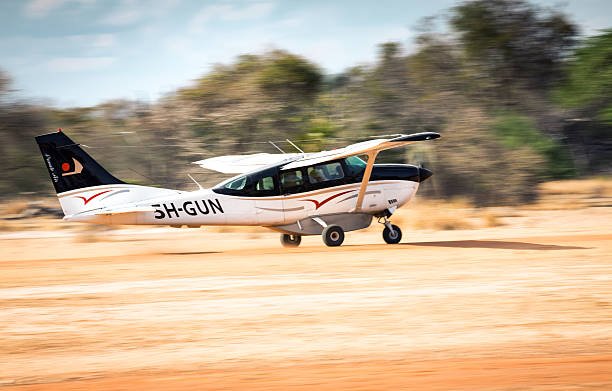
2-Day Nyerere Safari Cost With Flights In/Out | Join Now 2026-2027
Planning a quick safari adventure? This guide breaks down the 2-day Nyerere National Park safari cost, including flight considerations for 2026-2027, to help you budget and book your...
View package details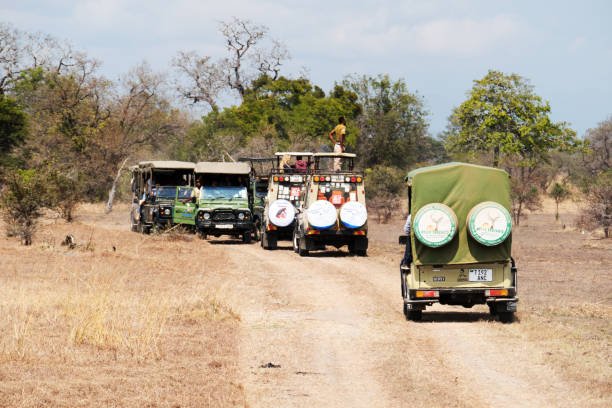
Cheap Nyerere Safari From Zanzibar With Flights: Your Ultimate Guide 2026-2027
Discover how to plan an economical Nyerere National Park safari adventure departing from Zanzibar, complete with flight arrangements and budget-friendly tips for 2026-2027.
View package details
Best Mikumi Safari Group Departures | Fly or Drive Option 2026-2027
Discover the best Mikumi safari group departures for 2026-2027 with Top Guide Adventures. This comprehensive guide helps you find shared safaris, compare itineraries, and understand costs...
View package details7-Day Mikumi, Udzungwa & Nyerere Safari: Your Ultimate Southern Tanzania
This 7-day itinerary covers Mikumi, Udzungwa, and Nyerere National Parks, offering a comprehensive Southern Tanzania safari experience. Explore diverse ecosystems, abundant wildlife, and...
View package details
6-Day Selous, Mikumi & Udzungwa Safari: Southern Tanzanias Wildlife Trio
Discover the untamed beauty of Southern Tanzania on a 6-day safari adventure. This journey takes you through the vast Selous Game Reserve, the wildlife-rich Mikumi National Park, and the...
View package details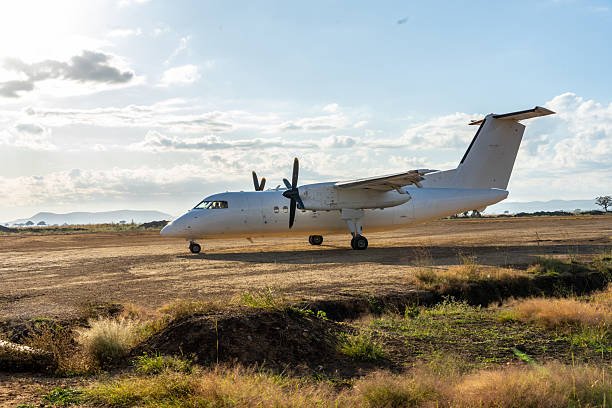
Are Flights Included In Mikumi Safari Packages? 2026-2027
Are Flights Included in Mikumi Safari Packages? is explained with current 2026-2027 planning, price, itinerary and booking information.
View package detailsAre Flights Included In Nyerere Safari Prices? Your Complete Guide 2026-2027
Discover whether flights are typically included in Nyerere Safari package prices. This comprehensive guide from Top Guide Adventures clarifies what to expect for your 2026-2027 safari...
View package details6-Day Nyerere, Mikumi, And Udzungwa Safari: Your Southern Tanzania Adventure
Explore the wild heart of Southern Tanzania on a 6-day safari adventure. This journey combines the vast wilderness of Nyerere National Park (formerly Selous), the abundant wildlife of...
View package details
5-Day Selous, Mikumi & Udzungwa Safari: Your Ultimate Southern Tanzania
Plan your 5-day safari adventure covering Selous, Mikumi, and Udzungwa National Parks in Southern Tanzania. This itinerary offers a rich blend of game drives, walking safaris, and unique...
View package detailsNo related package matches those filters. Clear one or more filters to see the other topic-matched options.
Plan your Udzungwa Mountains safari (flight or drive) from Arusha/Moshi with Top Guide Adventures
Tell us your travel dates, group size, comfort level, and dream experience. We will help you shape a clear, realistic, and memorable Tanzania itinerary.



