
Updated planning guide for 2026-2027
6-Day Udzungwa Trek & Wildlife Camping: Expert Trekking Guide 2026-2027
Discover the unique biodiversity of Udzungwa Mountains National Park with this comprehensive 6-day trek and wildlife camping itinerary. Learn essential planning tips for your 2026-2027 adventure.
WhatsApp +255616946642 | topguideadventures@gmail.com | info@topguideadventures.com
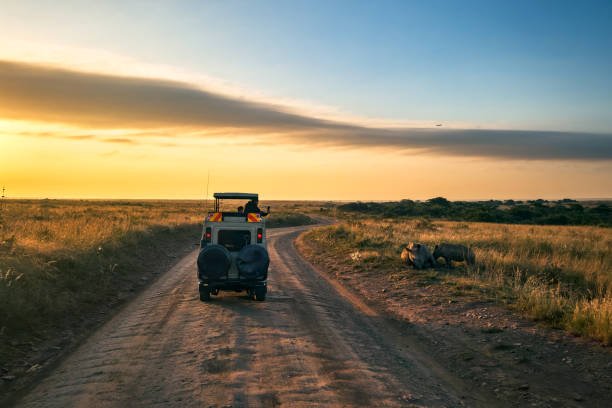
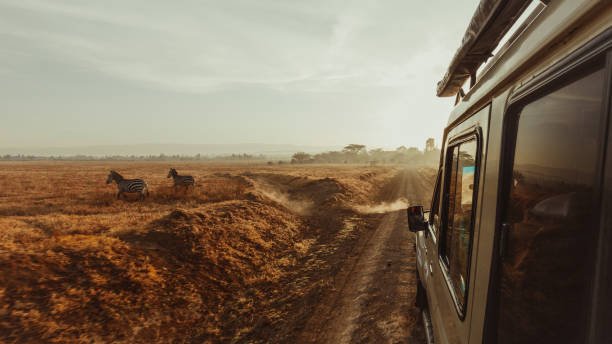
6-Day Udzungwa Trek & Wildlife Camping: Your Ultimate Tanzania Adventure Guide
For travelers seeking an experience beyond the typical safari circuit, the Udzungwa Mountains National Park offers a remarkable escape. This unique ecosystem, part of the ancient Eastern Arc Mountains, is a biodiversity hotspot teeming with endemic species. A 6-Day Udzungwa Trek & Wildlife Camping journey allows you to immerse yourself deeply in this lush, mountainous landscape, combining challenging hikes with the raw beauty of sleeping under the stars amidst nature. This guide is designed to provide you with all the essential information to plan an unforgettable adventure in 2026 or 2027.
Best Tanzania tour operator, Top Guide Adventures, specializes in crafting personalized Tanzanian experiences. Whether you dream of reaching Kilimanjaro’s summit, relaxing on Zanzibar’s beaches, or exploring the wilderness, we can help tailor your perfect trip. For this specific Udzungwa trek, we offer expert planning and local insights to ensure a safe and rewarding expedition.
Table of Contents
- Quick Facts: 6-Day Udzungwa Trek & Wildlife Camping
- Udzungwa Mountains National Park: An Overview
- Why Choose Udzungwa for Your Trek?
- Best Time for Your 6-Day Udzungwa Trek & Wildlife Camping
- Udzungwa Trekking Routes: A General Area Overview
- Sample 6-Day Udzungwa Trek & Wildlife Camping Itinerary
- What to Expect on the Trail and at Camp
- Typical Inclusions and Exclusions
- Essential Packing and Preparation Guide
- Common Mistakes to Avoid on Your Udzungwa Trek
- Who is the 6-Day Udzungwa Trek & Wildlife Camping Best Suited For?
- Alternatives to the 6-Day Udzungwa Trek
- Planning Your 2026-2027 Udzungwa Trek
- Booking Your Udzungwa Trek: Expert Advice
- Frequently Asked Questions (FAQs)
Quick Facts: 6-Day Udzungwa Trek & Wildlife Camping
| Aspect | Details |
|---|---|
| Park Name | Udzungwa Mountains National Park |
| Location | Southern Tanzania, near Mikumi and Iringa |
| Duration | 6 Days / 5 Nights (typical) |
| Activity Focus | Trekking, hiking, wildlife viewing, bird watching, camping |
| Terrain | Steep, rugged, muddy (in wet season), dense forest, open grassland |
| Elevation | Ranges from ~250m to ~2576m (Mwanihana Peak) |
| Key Attractions | Endemic primates (Udzungwa Red Colobus, Sanje Mangabey), diverse birdlife, waterfalls (Sanje Falls), unique flora. |
| Camping Style | Wild camping, often with basic facilities or designated sites. |
| Difficulty | Moderate to challenging, depending on the specific routes chosen. |
| Best For | Nature enthusiasts, hikers, birdwatchers, those seeking off-the-beaten-path experiences. |
Udzungwa Mountains National Park: An Overview
Udzungwa Mountains National Park is one of Tanzania’s most ecologically significant and least explored protected areas. It forms part of the Eastern Arc Mountains, a chain of ancient forest-covered mountains that stretch from Kenya to Tanzania. These mountains are often referred to as the “Galapagos of Africa” due to their high levels of endemism – species found nowhere else on Earth. The park covers approximately 1,990 square kilometers and is characterized by its dramatic landscape, ranging from lowland rainforests to montane forests and grasslands.
Unlike many of Tanzania’s famous parks, Udzungwa is primarily a destination for hikers and nature lovers, rather than for game drives. The main attractions are its unique flora and fauna, particularly its primates. The park is home to two endemic monkey species: the Udzungwa Red Colobus (Colobus badius gordonorum) and the Sanje Mangabey (Cercocebus galeritus sanjei). Birdwatchers will also find Udzungwa a paradise, with numerous endemic and rare species. The park’s terrain is rugged and mountainous, with trails leading to stunning waterfalls like the Sanje Falls and Msolwa Falls, and offering panoramic views.
Why Choose Udzungwa for Your Trek?
The allure of Udzungwa lies in its raw, untamed beauty and its incredible biodiversity. A 6-Day Udzungwa Trek & Wildlife Camping adventure offers a distinct experience compared to other Tanzanian destinations:
- Biodiversity Hotspot: Udzungwa is one of the most important centers of plant and animal diversity in Africa. Its ancient forests harbor unique species, many of which are found only here.
- Endemic Species: The chance to spot the Udzungwa Red Colobus and the Sanje Mangabey, two primates found nowhere else, is a major draw for wildlife enthusiasts.
- Stunning Waterfalls: The trek often leads to spectacular waterfalls, such as the towering Sanje Falls, where you can cool off after a challenging hike.
- Challenging Hiking: The mountainous terrain provides excellent trekking opportunities for those who enjoy a physical challenge. Trails can be steep, muddy, and demanding, offering a true wilderness experience.
- Wildlife Camping: Spending nights camping in the park allows for a profound connection with nature. Imagine falling asleep to the sounds of the forest and waking up to the mist-shrouded mountains.
- Off-the-Beaten-Path: Udzungwa receives fewer visitors than the popular northern circuit parks, offering a more serene and exclusive experience.
- Varied Landscapes: From dense, humid rainforests to open grasslands and montane forests, the park presents a diverse range of ecosystems within a relatively small area.
Best Time for Your 6-Day Udzungwa Trek & Wildlife Camping
The best time to undertake a 6-Day Udzungwa Trek & Wildlife Camping trip depends on your tolerance for rain and your interest in specific wildlife sightings. Udzungwa experiences two rainy seasons and two dry seasons.
| Period | Conditions | Pros | Cons |
|---|---|---|---|
| June to October | Dry Season (Long Dry) | Clear skies, less mud, easier trekking, good visibility for wildlife. This is generally considered the best time. | Can be cooler at higher elevations. Trails are firmer, but potentially dustier. |
| November | Short Rains | Fewer visitors, lush greenery. | Occasional showers can make trails slippery. |
| December to March | Long Rains | Very lush and green, spectacular plant growth, fewer tourists. | Trails can be very muddy, slippery, and difficult to traverse. Some routes may be impassable. Higher chance of rain impacting trekking. |
| April to May | Short Rains / Transition | Green landscapes, transitioning to drier conditions. | Can still experience rain, especially in April. |
For most trekkers planning for 2026-2027, the dry season from June to October offers the most favorable trekking conditions. However, if you don’t mind occasional rain and prefer fewer crowds, the shoulder months of November and the period after the main rains (late March to May) can also be rewarding.
Udzungwa Trekking Routes: A General Area Overview
Udzungwa National Park offers several trekking routes, varying in length, difficulty, and points of interest. A typical 6-day trek will combine elements of these or focus on specific longer circuits. The park is broadly divided into areas accessible from different gates.
Main Entry Points and Trekking Areas:
- Sanza Waterfall Trail (starting from Mwanihana Gate): This is one of the most popular routes. It’s a challenging ascent that can be done as a day hike or as part of a multi-day trek. The trail leads to the impressive Sanje Falls, which cascades over 100 meters. It offers opportunities to spot primates and enjoy stunning views. A 6-day trek might involve multiple days exploring this area, including camping near the falls or higher up the mountain.
- Mwanihana Peak Trail (starting from Mwanihana Gate): For more ambitious trekkers, this route aims for Mwanihana Peak, the second-highest point in the Udzungwa range at 2,576 meters. This is a much more demanding trek, typically requiring at least 3-4 days round trip, and would form the core of a longer expedition.
- Njokamoni Waterfall Trail (starting from Tawa Gate): This trail leads to Njokamoni Falls and is generally considered less strenuous than the Sanje Waterfall trail. It’s a good option for those wanting a shorter or less physically demanding trek.
- Lumemo Trail: This trail focuses on the lower montane forests and can be a good introduction or a less strenuous option, often used for shorter treks or as part of a longer circuit.
A 6-day trek typically allows for exploring one major area in depth, perhaps the Sanje Falls region with extensions, or a section of the Mwanihana ascent. The camping aspect means setting up base camps at designated spots or suitable clearings along the chosen route.
Illustrative Route Progression (Conceptual):
| Day | Start Point | End Point | Activity/Focus | Terrain/Notes |
|---|---|---|---|---|
| 1 | Park Gate (e.g., Mwanihana) | Campsite 1 (e.g., forest edge) | Arrival, registration, initial trek into the park, acclimatization. | Gradual ascent, forest paths. |
| 2 | Campsite 1 | Campsite 2 (e.g., lower falls area) | Trek towards Sanje Falls, primate spotting opportunities. | Steeper sections, potentially muddy, dense forest. |
| 3 | Campsite 2 | Sanje Falls Base/Mid-point | Explore Sanje Falls, hike to viewpoints, wildlife observation. | Steep ascent to falls, potentially wet and slippery. |
| 4 | Sanje Falls Area | Campsite 3 (higher elevation/different zone) | Ascend further into montane forest, bird watching, search for unique flora. | Challenging ascents, potentially cooler, exposed sections. |
| 5 | Campsite 3 | Return towards lower trails/Campsite 1 area | Begin descent, explore side trails, final wildlife viewing opportunities. | Steep descent, varied terrain. |
| 6 | Campsite 1 Area | Park Gate | Final trek out of the park, debrief, departure. | Mostly downhill, forest paths. |
Note: This is a conceptual illustration. Actual routes are determined by park regulations, guide expertise, and traveler fitness. Some treks might focus on reaching higher peaks or exploring different waterfall systems.
Sample 6-Day Udzungwa Trek & Wildlife Camping Itinerary
This sample itinerary focuses on the popular Sanje Falls area, offering a good balance of trekking, wildlife viewing, and camping. This is a guideline and can be customized.
| Day | Morning | Afternoon | Evening | Accommodation | Meals |
|---|---|---|---|---|---|
| Day 1: Arrival and Forest Immersion | Arrive at Mwanihana Park Gate. Meet your guide and porters. Registration and briefing. Begin trek into the forest. | Continue trekking, observing forest flora and fauna. Look for smaller primates and birds. Reach the first designated campsite. | Set up camp. Dinner around the campfire. Listen to the sounds of the jungle. | Campsite 1 (e.g., near forest edge) | Lunch, Dinner |
| Day 2: Towards the Majestic Sanje Falls | After breakfast, pack up camp and begin the ascent towards the Sanje Falls area. The trail gets steeper. | Continue hiking, keeping an eye out for Udzungwa Red Colobus monkeys and other primates. Arrive at a campsite below the falls. | Relax at camp. Enjoy the sounds of the distant waterfall. Dinner. | Campsite 2 (e.g., lower Sanje Falls area) | Breakfast, Lunch, Dinner |
| Day 3: Sanje Falls Exploration | Early morning hike to the base of Sanje Falls. Marvel at the spectacular 100m+ cascade. Opportunity for photos and to feel the spray. | Hike to the top of Sanje Falls for breathtaking panoramic views of the surrounding landscape. Continue exploring trails around the falls. Return to campsite. | Spend the afternoon relaxing or exploring nearby trails. Dinner at camp. | Campsite 2 | Breakfast, Lunch, Dinner |
| Day 4: Montane Forest and Endemic Birds | Pack up camp and ascend further into the montane forest zone. The environment changes, with different plant species. | Focus on birdwatching and searching for more elusive wildlife. Reach a higher elevation campsite. | Enjoy the cooler mountain air. Dinner under the stars. | Campsite 3 (e.g., higher elevation) | Breakfast, Lunch, Dinner |
| Day 5: Descent and Forest Trails | After breakfast, begin the descent. Trek through different forest sections, potentially spotting species missed on the way up. | Continue descending, reaching the lower forest trails. Aim to reach Campsite 1 or a similar lower campsite. | Final night camping. Share stories of the trek. Dinner. | Campsite 1 or similar | Breakfast, Lunch, Dinner |
| Day 6: Departure from Udzungwa | Enjoy a final breakfast in the forest. Pack up camp and undertake the last leg of the trek back to the Mwanihana Park Gate. | Arrive at the gate. Debrief with your guide. Transfer to your next destination (e.g., Mikumi, Iringa, or Dar es Salaam). | N/A | N/A | Breakfast |
What to Expect on the Trail and at Camp
A 6-Day Udzungwa Trek & Wildlife Camping experience is an adventure that requires preparedness and a spirit of resilience. Here’s what you can generally expect:
On the Trail:
- Terrain: Expect steep, challenging ascents and descents. Trails can be narrow, rocky, and often muddy, especially during and after the rainy seasons. Good grip hiking boots are essential.
- Vegetation: You’ll trek through dense rainforests, montane forests, and sometimes open grassland areas. Be prepared for humidity in the lower forest sections.
- Wildlife: While Udzungwa is rich in biodiversity, spotting large mammals like elephants or lions is rare. The focus is on primates (monkeys, colobus), diverse birdlife, reptiles, and insects. Your guide will help spot them.
- Waterfalls: The trails often lead to stunning waterfalls. Sanje Falls is a highlight, offering impressive views and a refreshing mist.
- Weather: Mountain weather can change rapidly. Expect warm and humid conditions in lower elevations, and cooler, potentially misty or rainy conditions at higher altitudes.
- Guides: You will be accompanied by experienced local guides who know the trails, flora, fauna, and safety protocols. Porters will carry most of your gear.
At Camp:
- Campsites: Campsites are often basic. Some might have rudimentary latrines or designated fire pits. You will be setting up tents in clearings or designated areas.
- Tents: Your tour operator will provide tents, sleeping bags, and sleeping mats.
- Food: Meals are prepared by your crew (cooks and porters). Expect hearty, nutritious meals cooked over a campfire or portable stove. This can include rice, beans, vegetables, pasta, and sometimes chicken or fish.
- Water: Water sources will be identified by your guide. Water will be boiled or purified for drinking and cooking. Always carry your own water bottle.
- Sanitation: Basic toilet facilities might be available, or you’ll need to use the “leave no trace” principles for sanitation, digging catholes away from water sources.
- Wildlife at Camp: While large predators are absent, be mindful of smaller creatures like insects and rodents. Secure your food properly.
- Connectivity: Expect no mobile phone signal or internet access in most areas. This is a true digital detox.
Typical Inclusions and Exclusions
When booking a 6-Day Udzungwa Trek & Wildlife Camping package, it’s crucial to understand what is included and what you’ll need to arrange yourself. This can vary significantly between tour operators.
Common Inclusions:
- Park entrance fees and conservation fees.
- Camping fees.
- Accommodation in tents (usually 2-person tents).
- Sleeping bags and sleeping mats.
- All meals as specified in the itinerary (typically Breakfast, Lunch, Dinner).
- Purified drinking water during the trek.
- Services of a professional guide and assistant guides.
- Porters to carry camping equipment, food, and your main luggage (usually one porter per two trekkers, with a weight limit per trekker).
- Cooking equipment and utensils.
- Camp fees.
Common Exclusions:
- International flights and visa fees.
- Travel insurance (mandatory).
- Tanzania visa.
- Personal trekking gear (hiking boots, clothing, backpack, rain gear, headlamp, etc.).
- Tips for guides, porters, and cook.
- Alcoholic and soft drinks, and bottled water beyond what is provided.
- Personal expenses (e.g., souvenirs, laundry).
- Accommodation before and after the trek.
- Vaccinations and malaria prophylaxis.
- Optional activities not listed in the itinerary.
Always confirm the specifics with your tour operator. For 2026-2027 bookings, ensure you get a detailed itinerary and inclusions list.
Essential Packing and Preparation Guide
Proper preparation is key to enjoying your 6-Day Udzungwa Trek & Wildlife Camping adventure. Focus on lightweight, functional gear.
Clothing:
- Hiking Boots: Waterproof, broken-in hiking boots with good ankle support and grip.
- Camp Shoes: Lightweight sandals or trainers for evenings.
- Socks: Several pairs of moisture-wicking hiking socks (wool or synthetic).
- Trousers: 2-3 pairs of quick-drying hiking trousers (avoid jeans).
- Base Layers: Thermal tops and bottoms for cooler evenings/mornings.
- Mid-Layers: Fleece jacket or insulated jacket for warmth.
- Outer Layer: Waterproof and windproof jacket and trousers (Gore-Tex or similar).
- T-shirts: Moisture-wicking t-shirts (synthetic or merino wool).
- Underwear: Quick-drying underwear.
- Hat: Wide-brimmed hat for sun protection and a warm beanie for cold nights.
- Gloves: Lightweight, warm gloves.
Gear:
- Backpack: A comfortable daypack (30-40 liters) for personal items you need during the day. Your main luggage will be carried by porters.
- Duffel Bag: A sturdy, waterproof duffel bag (70-90 liters) for your main gear to be carried by porters.
- Headlamp/Torch: With extra batteries.
- Water Bottles/Hydration Reservoir: At least 2-3 liters capacity.
- Sunscreen: High SPF.
- Insect Repellent: With DEET or Picaridin.
- Personal First-Aid Kit: Including any personal medications, blister treatment, pain relievers, antiseptic wipes, bandages.
- Toiletries: Biodegradable soap, toothbrush, toothpaste, small quick-dry towel.
- Hand Sanitizer.
- Sunglasses.
- Camera: With extra batteries and memory cards.
- Power Bank: For charging electronics (limited charging opportunities).
- Waterproof Bags/Dry Bags: To protect electronics and important items.
- Trekking Poles: Highly recommended for steep ascents and descents.
- Snacks: Energy bars, nuts, dried fruit for on-the-go energy.
Preparation:
- Fitness: Start a regular exercise routine at least 2-3 months before your trip. Focus on cardiovascular fitness (running, cycling, swimming) and strength training, especially for your legs and core. Practice hiking on varied terrain with a weighted backpack.
- Health: Consult your doctor or a travel clinic about necessary vaccinations (e.g., Yellow Fever, Hepatitis A, Typhoid) and malaria prophylaxis. Udzungwa is a malaria risk area.
- Acclimatization: While Udzungwa is not extremely high, the steep ascents can be taxing. Ensure you are well-rested before starting.
- Mental Preparedness: Be ready for basic conditions, physical exertion, and being disconnected from the outside world.
Common Mistakes to Avoid on Your Udzungwa Trek
To ensure your 6-Day Udzungwa Trek & Wildlife Camping is as smooth and enjoyable as possible, be aware of these common pitfalls:
- Inadequate Footwear: Wearing new or unsuitable hiking boots can lead to blisters and discomfort. Always break in your boots before the trek.
- Overpacking: Porters have weight limits. Packing unnecessary items adds to their burden and your own discomfort if you need to carry extra. Stick to essentials.
- Underestimating the Terrain: Udzungwa trails are often steep and can be very muddy. Don’t assume it will be an easy walk.
- Ignoring Weather Changes: Mountain weather is unpredictable. Always have your rain gear accessible, even if the sun is shining.
- Not Bringing Enough Water: While water is provided, carry enough for the day’s hike, especially on dry, hot days. Dehydration can quickly set in.
- Poor Hydration/Nutrition: Skipping meals or not drinking enough can lead to fatigue and altitude sickness symptoms (though less common at Udzungwa’s typical trekking altitudes).
- Not Using Trekking Poles: They significantly reduce strain on your knees and ankles, especially on descents.
- Lack of Respect for Nature: Do not litter, feed wildlife, or stray from marked trails. Follow Leave No Trace principles.
- Not Hiring a Local Guide: Udzungwa trails can be confusing, and wildlife spotting is much easier with an experienced guide. They are essential for safety.
- Forgetting Malaria Precautions: Udzungwa is a malaria zone. Consult your doctor about prophylaxis and use repellent diligently.
- Booking with Unreputable Operators: Opt for established companies with good safety records and knowledgeable local staff.
Who is the 6-Day Udzungwa Trek & Wildlife Camping Best Suited For?
This 6-Day Udzungwa Trek & Wildlife Camping adventure is ideal for a specific type of traveler:
- Nature Enthusiasts: Those passionate about biodiversity, unique ecosystems, and spotting endemic species.
- Active Hikers: Individuals who enjoy physical challenges, steep ascents, and spending multiple days on their feet.
- Birdwatchers: Udzungwa is a premier destination for birding, with many endemic species.
- Wildlife Photographers: The unique flora, fauna, and dramatic landscapes offer excellent photographic opportunities.
- Adventurous Travelers: People who seek experiences off the typical tourist path and are comfortable with basic camping and wilderness conditions.
- Those Seeking a Digital Detox: Travelers looking to disconnect from technology and immerse themselves in nature.
- Experienced Trekkers: While not Kilimanjaro-level high, the terrain demands a good level of fitness and prior trekking experience is beneficial.
It is less suited for those who:
- Prefer luxury accommodations and amenities.
- Are not physically fit or have mobility issues.
- Dislike camping or basic facilities.
- Are primarily interested in seeing large safari animals like lions, elephants, and rhinos (though these are very rare here).
Alternatives to the 6-Day Udzungwa Trek
If the 6-Day Udzungwa Trek & Wildlife Camping doesn’t quite match your expectations, or you’re looking for other Tanzanian adventures, consider these options:
- Mount Kilimanjaro Climb: For a significant high-altitude trekking challenge, Kilimanjaro is the ultimate goal, offering various routes and durations.
- Mount Meru Climb: A less crowded but equally challenging high-altitude trek, often used for acclimatization before Kilimanjaro.
- Usambara Mountains Trekking: Another part of the Eastern Arc Mountains, offering beautiful rainforest hikes, cultural experiences, and stunning views, often less strenuous than Udzungwa.
- Ruaha National Park Safari: For incredible wildlife viewing, particularly large predators and elephants, in a more remote and wild setting than the northern circuit parks.
- Selous Game Reserve (Nyerere National Park) Safari: Known for its vastness and boat safaris along the Rufiji River, offering a different safari experience.
- Gombe Stream National Park: Famous for chimpanzee trekking, offering a unique primate experience in a smaller, more intimate park setting.
- Mahale Mountains National Park: Another prime location for chimpanzee trekking, set against the stunning backdrop of Lake Tanganyika.
Each of these offers a distinct Tanzanian experience, from high-altitude challenges to incredible wildlife encounters and diverse landscapes.
Planning Your 2026-2027 Udzungwa Trek
Planning ahead is crucial for a successful 6-Day Udzungwa Trek & Wildlife Camping trip, especially as you look towards 2026 and 2027. Early booking ensures availability, especially during peak seasons.
Key Planning Steps:
- Choose Your Operator: Research reputable tour operators specializing in Tanzania. Look for those with strong local ties, experienced guides, and clear safety protocols. Top Guide Adventures is a recommended choice for personalized service.
- Select Your Dates: Consider the best time to visit based on weather preferences. The dry season (June-October) is popular for good reason. Book well in advance for these periods.
- Define Your Itinerary: Discuss with your operator the specific trails, difficulty level, and points of interest you want to focus on. A 6-day trek allows for a good exploration of one area.
- Book Flights: International flights to Kilimanjaro International Airport (JRO) or Julius Nyerere International Airport (DAR) are common. You may need domestic flights or road transfers to reach the Udzungwa region.
- Arrange Visas: Check the visa requirements for Tanzania for your nationality. Apply in advance if possible.
- Health Preparations: Schedule a doctor’s appointment 4-6 weeks before your trip to discuss vaccinations and malaria prophylaxis.
- Physical Training: Begin your fitness regimen early. Consistency is key.
- Gear Acquisition: Purchase or rent necessary trekking gear. Start early to ensure everything fits well and is broken in.
- Travel Insurance: Secure comprehensive travel insurance that covers trekking at altitude and emergency evacuation.
- Budgeting: While exact prices vary, factor in the cost of the tour package, flights, visa, tips, and personal expenses.
Booking your 6-Day Udzungwa Trek & Wildlife Camping for 2026-2027 well in advance, ideally 6-12 months prior, will give you the best options and peace of mind.
Booking Your Udzungwa Trek: Expert Advice
Making the right choice when booking your 6-Day Udzungwa Trek & Wildlife Camping is paramount to a safe and memorable trip. Here’s how to approach it:
- Research Tour Operators Thoroughly: Look for companies with extensive experience in Tanzania, particularly in trekking. Check online reviews, testimonials, and ask for references. Companies like Top Guide Adventures, with a strong local presence and commitment to quality, are excellent starting points.
- Prioritize Safety: Inquire about their safety protocols, guide training (first aid, wilderness rescue), and emergency procedures. Do they have satellite phones or reliable communication methods?
- Understand Inclusions and Exclusions: Get a detailed breakdown of what the package covers. Are park fees, camping fees, meals, and porter services included? Clarify any ambiguities to avoid unexpected costs.
- Ask About Porter Welfare: Responsible operators ensure their porters are well-equipped, fed, and treated fairly. Inquire about their policies.
- Discuss Itinerary Flexibility: While fixed itineraries are common, ask if there’s room for minor adjustments based on your interests or fitness levels.
- Clarify Group Size: Understand the typical group size for the trek. Smaller groups often offer a more intimate experience.
- Payment Terms: Understand the deposit requirements, payment schedule, and cancellation policy. For 2026-2027 bookings, ensure the terms are clear.
- Communication: A good operator will be responsive to your questions and concerns, providing clear and timely information. Use provided contact details like WhatsApp +255616946642 or email topguideadventures@gmail.com / info@topguideadventures.com.
- Travel Insurance: Confirm that your chosen operator requires comprehensive travel insurance, including emergency evacuation, which is non-negotiable for trekking.
- Book in Advance: For popular travel periods in 2026 and 2027, especially the dry season, booking 6-12 months ahead is highly recommended to secure your preferred dates and guides.
Frequently Asked Questions (FAQs)
1. Is a 6-Day Udzungwa Trek & Wildlife Camping suitable for beginners?
The trek is considered moderate to challenging. While beginners can undertake it with good physical preparation, it’s not recommended for those with no hiking experience or who are not accustomed to strenuous physical activity. The steep, potentially muddy terrain requires a good level of fitness.
2. What is the wildlife like in Udzungwa?
Udzungwa is famous for its unique primates, including the endemic Udzungwa Red Colobus and Sanje Mangabey. You’ll also see diverse birdlife, butterflies, reptiles, and small mammals. Large game like lions or elephants are very rarely seen here.
3. Do I need malaria precautions for Udzungwa?
Yes, Udzungwa Mountains National Park is a malaria-risk area. It is essential to consult your doctor or a travel clinic about malaria prophylaxis and take precautions like using insect repellent and wearing long sleeves/trousers at dawn and dusk.
4. What kind of accommodation is provided during the trek?
Accommodation is in tents. Your tour operator will provide tents, sleeping bags, and sleeping mats. Campsites are generally basic, often with no facilities other than a designated camping area.
5. How much gear will the porters carry?
Porters will carry the bulk of your camping equipment, food, and your main luggage (usually in a duffel bag). You will carry a daypack with essentials like water, snacks, rain gear, camera, and personal medications.
6. Can I charge my electronics during the trek?
Charging opportunities are very limited to non-existent. It’s advisable to bring a power bank to charge your camera and phone. Some operators might have limited charging facilities at the starting point.
7. What is the best time to visit Udzungwa for trekking in 2026 or 2027?
The dry season, from June to October, is generally considered the best time for trekking due to clearer skies and less muddy trails. However, the shoulder seasons can also be good if you don’t mind occasional rain.
8. What happens if there is a medical emergency?
Your guides are trained in first aid. Reputable tour operators have emergency evacuation plans and access to communication devices. Comprehensive travel insurance that covers emergency medical evacuation is mandatory.
9. Is it possible to customize the 6-day itinerary?
Yes, many operators, like Top Guide Adventures, offer customized itineraries. You can discuss your preferences for difficulty, specific sights, or duration with them to tailor the trek to your needs.
10. How much should I tip the guides and porters?
Tipping is customary and appreciated. While amounts vary, a general guideline is to tip your guide, assistant guides, and porters collectively at the end of the trek. Your tour operator can provide specific recommendations based on the crew size and trek duration.
Ready for Your Udzungwa Adventure?
The 6-Day Udzungwa Trek & Wildlife Camping promises an unparalleled connection with nature, challenging trails, and the thrill of exploring one of Tanzania’s most biodiverse regions. Whether you are planning for 2026 or 2027, this is an experience that will leave you with lasting memories.
Let Top Guide Adventures help you craft the perfect Udzungwa trekking expedition. Our expert team has in-depth knowledge of the park and is dedicated to providing safe, memorable, and authentic Tanzanian adventures. We handle all the logistics, allowing you to focus on the incredible journey ahead.
Contact us today to start planning your dream trek:
- WhatsApp: +255616946642
- Email: topguideadventures@gmail.com
- Backup Email: info@topguideadventures.com
We look forward to helping you discover the magic of Udzungwa Mountains National Park!
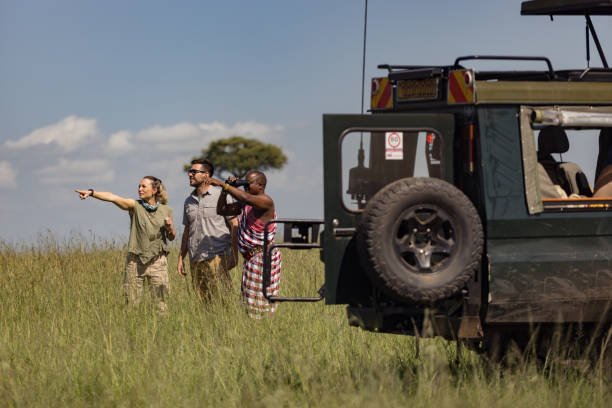
Joining Group Climbs On Kilimanjaro When Traveling Alone In 2026-2027
Traveling to Kilimanjaro alone? Discover how you can easily join an existing group climb, making your solo adventure more social and cost-effective for 2026-2027. Learn about departure...
View package details
Kilimanjaro Climb With A Personal Support Assistant: Your Ultimate Guide
Climbing Mount Kilimanjaro with a personal support assistant offers unparalleled safety, comfort, and focus on your summit goals. This guide details what a personal assistant entails, its...
View package details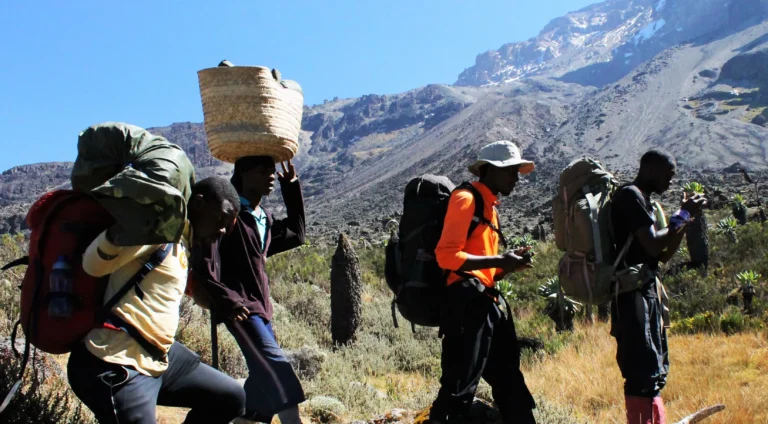
How To Know Whether You Are Ready For Kilimanjaro: A Comprehensive Guide
Climbing Mount Kilimanjaro is a significant undertaking. This guide helps you evaluate your physical, mental, and logistical readiness to ensure a safe and successful trek in 2026 or 2027...
View package details
Kilimanjaro Hydration Mistakes Climbers Make And How To Avoid Them 2026-2027
Proper hydration is critical for a successful Kilimanjaro climb. This guide details common hydration mistakes climbers make, from under-drinking to choosing the wrong fluids, and provides...
View package details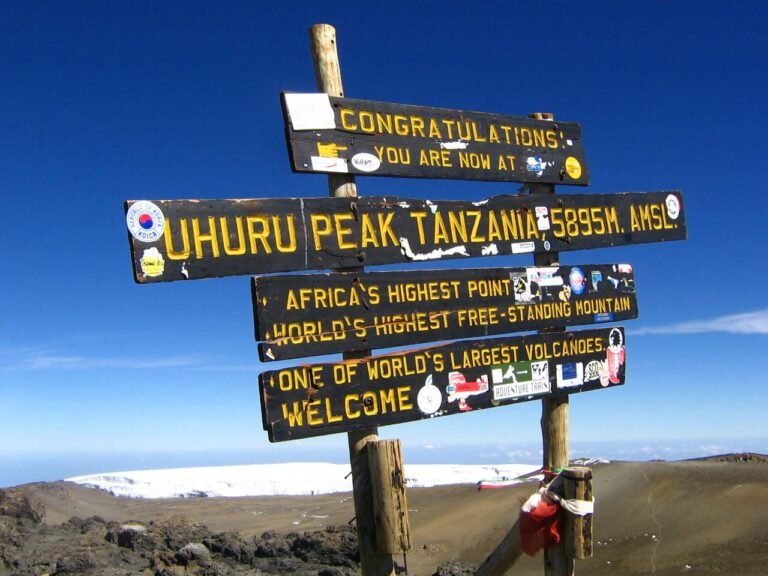
What Does Kilimanjaro Rainforest Look Like? A Trekkers Visual Guide 2026-2027
The Kilimanjaro rainforest is a vibrant, humid zone of dense vegetation, towering trees, and diverse plant life found on the mountain's lower slopes. It's the first major ecosystem trekkers...
View package detailsWhich Local Tanzania Safari Companies Are Trustworthy In ? 2026-2027
Choosing a trustworthy local Tanzania safari company is crucial for a memorable and safe adventure. This guide helps you identify reliable operators for your 2026-2027 trip, covering...
View package details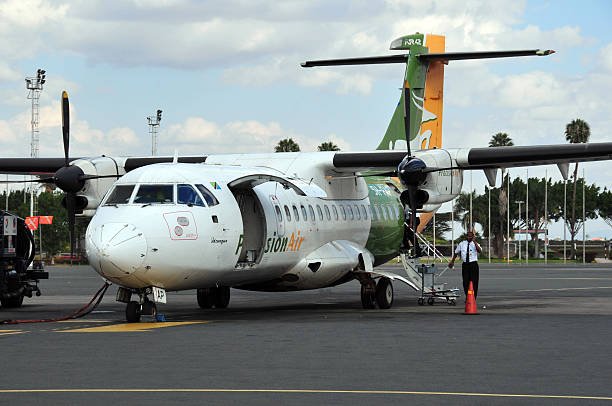
We Are Arriving At Kilimanjaro Airport, What Safari Itinerary Should We Do?
Planning your safari upon arrival at Kilimanjaro Airport (JRO)? This guide provides tailored safari itineraries for 2026-2027, focusing on Northern Tanzania's iconic parks like the...
View package detailsNo related package matches those filters. Clear one or more filters to see the other topic-matched options.
Plan your 6-Day Udzungwa Trek & Wildlife Camping with Top Guide Adventures
Tell us your travel dates, group size, comfort level, and dream experience. We will help you shape a clear, realistic, and memorable Tanzania itinerary.



