
Updated planning guide for 2026-2027
6-Day Rwenzori Trek — Glacier Views & High Camps: Expert Trekking Guide
Discover the ultimate 6-day Rwenzori trek, renowned for its stunning glacier views and challenging high camps. This guide provides everything you need to plan your adventure in 2026-2027, from itineraries to essential preparation.
WhatsApp +255616946642 | topguideadventures@gmail.com | info@topguideadventures.com
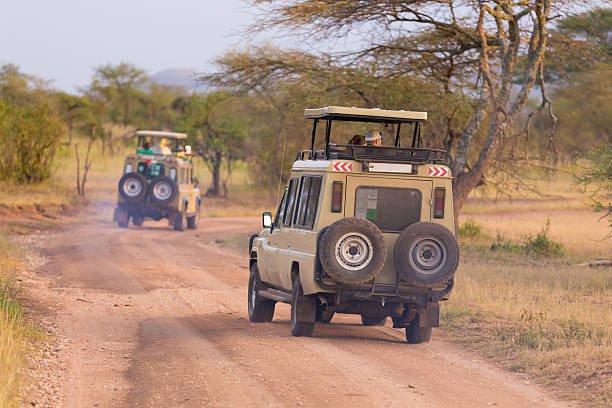
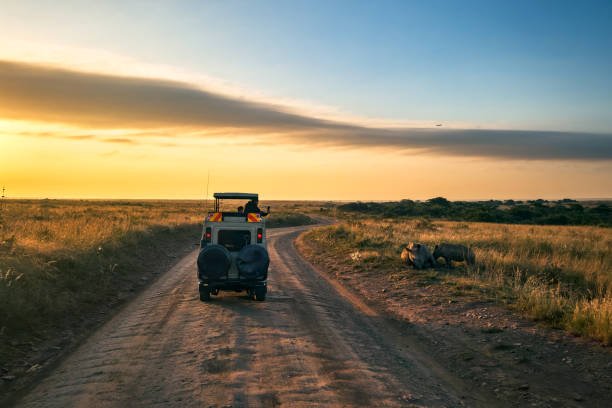
6-Day Rwenzori Trek: Glacier Views & High Camps
The Rwenzori Mountains, often called the ‘Mountains of the Moon’, offer some of Africa’s most dramatic and challenging trekking experiences. A 6-day Rwenzori trek is a popular choice for those seeking to witness the unique alpine environment, stunning glacial lakes, and rugged high camps without committing to the full expedition length. This itinerary focuses on reaching altitudes where glacier views become a prominent feature, providing a rewarding taste of the Rwenzori’s raw beauty. Whether you’re an experienced hiker or an adventurous novice, preparing for this trek requires careful planning, understanding the terrain, and knowing what to expect. This comprehensive guide will walk you through everything you need to know for a successful 2026-2027 adventure.
Quick Facts: 6-Day Rwenzori Trek
| Duration | 6 Days / 5 Nights |
|---|---|
| Starting Point | Kasese town, Uganda |
| Ending Point | Kasese town, Uganda |
| Difficulty | Strenuous to Very Strenuous |
| Key Highlights | Glacier views, high alpine lakes, unique flora, challenging ascents, Rwenzori high camps |
| Best Time to Trek | Dry seasons: June to August, December to February |
| Typical Elevation Reached | Around 4,000-4,500 meters (e.g., Scott Elliot Pass area) |
| Accommodation | Mountain huts/camps |
| Required Gear | Full trekking gear, waterproofs, warm layers, sturdy boots |
Table of Contents
- Overview of the 6-Day Rwenzori Trek
- Why Choose the Rwenzori Mountains?
- Best Time for Your 6-Day Rwenzori Trek (2026-2027)
- Popular Routes for a 6-Day Trek
- Sample 6-Day Rwenzori Trek Itinerary
- What to Expect on the Trail
- Essential Gear and Packing List
- Physical and Mental Preparation
- Safety on the Rwenzori Trek
- Common Mistakes to Avoid
- Who is the 6-Day Rwenzori Trek Best Suited For?
- Alternatives to the 6-Day Trek
- Planning Your 2026-2027 Trip
- Booking Your 6-Day Rwenzori Trek
- Frequently Asked Questions
Overview of the 6-Day Rwenzori Trek
A 6-day Rwenzori trek is meticulously designed to offer a significant experience within the Rwenzori Mountains National Park, a UNESCO World Heritage site. This duration allows trekkers to ascend into the higher, more dramatic alpine zones, often reaching altitudes that provide breathtaking views of glaciers and permanent snowfields. Unlike longer treks that aim for the highest peaks like Margherita, this 6-day itinerary typically focuses on routes that offer spectacular scenery and a taste of the Rwenzori’s unique ecosystems, usually culminating around areas like Scott Elliot Pass or the vicinity of the main glaciers. The trek involves navigating rugged trails, crossing rivers, and ascending steep, sometimes muddy, slopes. It demands good physical fitness and mental resilience, but the rewards—unparalleled mountain vistas and a sense of accomplishment—are immense.
Why Choose the Rwenzori Mountains?
The Rwenzori Mountains stand apart from other African high-altitude destinations for several reasons. Their geological formation is distinct, rising from the rift valley floor to impressive heights. The biodiversity here is extraordinary, featuring Afro-alpine flora found nowhere else on Earth, including giant heathers, groundsels, and lobelias, particularly vibrant in the montane and bamboo forest zones. For trekkers, the Rwenzori offers a wilderness experience that feels more remote and less commercialized than Kilimanjaro. The landscape shifts dramatically from lush rainforests teeming with unique birdlife to barren, rocky, and icy terrains at higher elevations. A 6-day Rwenzori trek specifically targets the most visually striking elements, ensuring that even within a shorter timeframe, you encounter the iconic glacial views and dramatic mountain scenery that give the range its mystique.
Best Time for Your 6-Day Rwenzori Trek (2026-2027)
Choosing the right time to trek the Rwenzori Mountains is crucial for safety and enjoyment. The weather in the Rwenzori is notoriously unpredictable, with rain possible at any time of year. However, there are distinct dry seasons that offer the best trekking conditions. Planning for 2026-2027, the ideal periods are:
Rwenzori Trekking Seasons
| Season | Months | Conditions | Pros | Cons |
|---|---|---|---|---|
| Dry Season 1 | June – August | Clearer skies, less rain, more stable weather. | Best visibility for glacier views, easier trail conditions. | Peak season, can be colder at night. |
| Dry Season 2 | December – February | Generally dry, though afternoon showers are possible. | Pleasant temperatures, good visibility. | Can be busy, some days might still bring rain. |
| Wet Season 1 | March – May | Heavy rainfall, muddy trails, frequent mist. | Fewer trekkers, lush green landscapes. | Difficult trekking conditions, limited visibility, increased risk of landslides. |
| Wet Season 2 | September – November | Rainfall increases, can be cold and misty. | Good for birdwatching in lower forests. | Muddy trails, unpredictable weather, reduced glacier views. |
For a 6-day Rwenzori trek focusing on glacier views, the dry seasons (June-August and December-February) are highly recommended for 2026-2027. These periods offer the highest chance of clear skies, allowing for unobstructed views of the Rwenzori’s majestic peaks and glaciers.
Popular Routes for a 6-Day Trek
While the Rwenzori Mountains offer several trekking circuits, a 6-day itinerary typically utilizes sections of the more established routes, focusing on reaching the alpine zone. The most common approach involves trekking the Northern Circuit or parts of the Central Circuit. These routes are managed by park authorities and local communities, ensuring some level of infrastructure and safety.
A typical 6-day trek might focus on reaching the Scott Elliot Pass area, which sits at approximately 4,500 meters. This pass offers stunning views towards Margherita Peak and the Stanley Plateau, with glaciers visible in the vicinity. The route often starts from the Nyakalengija trailhead.
Key points for route selection on a 6-day trek:
- Trailhead: Most treks begin from Nyakalengija (for the Central Circuit) or near Bwindi Impenetrable National Park (for the Southern Circuit, though less common for 6-day trips).
- Destinations: For a 6-day trek, objectives usually include reaching camps like Nyabitaba, John Matte, Bujuku Hut, and potentially ascending towards Scott Elliot Pass or Elena Hut for glacier views.
- Logistics: The chosen route must be logistically feasible within six days, considering the pace and acclimatization needed.
Simplified Route Area Overview (Central Circuit Focus)
Start: Nyakalengija (approx. 1,650m)
Day 1: Nyakalengija to Nyabitaba Hut (approx. 2,650m) – Forest zone, waterfalls.
Day 2: Nyabitaba Hut to John Matte Hut (approx. 3,500m) – Steep ascents, bamboo zone, possible views.
Day 3: John Matte Hut to Bujuku Hut (approx. 3,970m) – Crossing rivers, entering the moorland zone, views of Mount Speke and Mount Stanley.
Day 4: Bujuku Hut to Elena Hut (approx. 4,500m) – Steep climb, reaching the high alpine zone, close to glaciers and Scott Elliot Pass.
Day 5: Elena Hut – Scott Elliot Pass (approx. 4,500m) – Glacier views, descent back towards John Matte or Nyabitaba.
Day 6: Descent to Nyakalengija.
Note: This is a simplified representation. Actual daily distances and timings vary. Some 6-day itineraries might vary the descent route or overnight stops based on group pace and weather.
Sample 6-Day Rwenzori Trek Itinerary
This sample itinerary focuses on the Central Circuit and aims to get trekkers into the high-altitude zones for glacier views. It’s a challenging trek, designed to maximize the mountain experience within six days.
Sample 6-Day Rwenzori Trek Itinerary
| Day | Route | Altitude Gain | Approx. Trekking Time | Highlights & Notes |
|---|---|---|---|---|
| 1 | Nyakalengija (1,650m) to Nyabitaba Hut (2,650m) | +1,000m | 5-7 hours | Start in lush rainforest, pass waterfalls. Muddy sections are common. Overnight in basic hut. |
| 2 | Nyabitaba Hut (2,650m) to John Matte Hut (3,500m) | +850m | 6-7 hours | Ascend through bamboo forest. Trail becomes steeper. Enter moorland zone. Overnight in hut. |
| 3 | John Matte Hut (3,500m) to Bujuku Hut (3,970m) | +470m | 4-5 hours | Cross the Bujuku River (can be challenging). Traverse boggy moorland. Views of Mount Speke and Stanley. Overnight in hut. |
| 4 | Bujuku Hut (3,970m) to Elena Hut (4,500m) | +530m | 3-4 hours | Steep ascent towards the high alpine zone. Cross the confluence of streams. Reach Elena Hut, a base for reaching the Stanley Plateau. Potential for first glacier views. |
| 5 | Elena Hut (4,500m) & Scott Elliot Pass (approx. 4,500m) to Nyabitaba Hut (2,650m) | +/- 0m (at pass), -1,850m (descent) | 7-9 hours | Ascend to Scott Elliot Pass for panoramic views of glacial lakes and peaks. Descend significantly, retracing steps partway or taking a slightly different path. This is a long day. Overnight at Nyabitaba Hut. |
| 6 | Nyabitaba Hut (2,650m) to Nyakalengija (1,650m) | -1,000m | 3-4 hours | Final descent through the forest. Return to the trailhead and transfer back to Kasese. |
Important Considerations for this Itinerary:
- Pace: This itinerary is fast-paced for a 6-day trek. It requires good fitness and acclimatization.
- Acclimatization: While short, the ascent to Elena Hut and Scott Elliot Pass is significant. Listen to your body for signs of altitude sickness.
- Descent: Day 5 is a very long day, involving both high-altitude exploration and a significant descent.
- Flexibility: Weather can force changes. Operators may adjust the itinerary based on conditions.
What to Expect on the Trail
Trekking in the Rwenzori Mountains is a unique experience, distinct from other African peaks. Here’s what you can generally expect during a 6-day Rwenzori trek:
- Terrain: Expect a mix of muddy paths, steep ascents, rocky sections, river crossings, and boggy ground, especially in the moorland and higher zones. The trails can be challenging and require careful footing.
- Weather: The Rwenzori is known for its unpredictable weather. Sunshine can quickly turn into heavy rain, mist, or even hail. Temperatures drop significantly at higher altitudes, and nights can be cold, even below freezing.
- Flora and Fauna: In the lower forest zones, you’ll encounter dense vegetation, giant ferns, and possibly see monkeys and diverse birdlife. As you ascend, the landscape transitions to bamboo forests, then to moorland with giant heathers and lobelias, and finally to rocky, alpine desert with patches of snow and ice.
- Scenery: The views are spectacular. On clear days, you’ll see dramatic peaks, deep valleys, and the majestic glaciers that give the range its name. The high camps offer expansive panoramas.
- Accommodation: Mountain huts are basic, often consisting of dormitories or simple rooms. They provide shelter but little in terms of luxury. Expect pit latrines and basic cooking facilities. Camping is an alternative on some routes but requires carrying more gear.
- Guides and Porters: You will be accompanied by experienced local guides and porters. Guides are essential for navigation and safety, while porters carry the bulk of your gear, making the trek more manageable.
- Altitude: While a 6-day trek doesn’t typically go to the highest peaks, you will reach altitudes of around 4,000-4,500 meters. Altitude sickness is a risk, and it’s crucial to ascend gradually and stay hydrated.
Essential Gear and Packing List
Proper gear is non-negotiable for a Rwenzori trek. The conditions are demanding, and being unprepared can compromise your safety and comfort. Here’s a comprehensive list, focusing on what’s needed for a 6-day trek targeting high camps and glacier views.
Gear Checklist for Your 6-Day Rwenzori Trek
Clothing
- Base Layers: Moisture-wicking thermal tops and bottoms (merino wool or synthetic).
- Mid Layers: Fleece jacket or insulated jacket for warmth.
- Outer Layer: Waterproof and windproof jacket (Gore-Tex or similar) and trousers.
- Trekking Trousers: Quick-drying, comfortable trousers (2 pairs). Avoid cotton.
- Trekking Shirts: Long-sleeved and short-sleeved moisture-wicking shirts (3-4).
- Insulation: Down or synthetic insulated jacket for evenings and high camps.
- Headwear: Warm woolen hat or beanie, sun hat with a brim.
- Gloves: Warm waterproof gloves and lighter liner gloves.
- Socks: Wool or synthetic hiking socks (4-5 pairs).
- Footwear: Broken-in, waterproof hiking boots with good ankle support. Camp shoes or sandals for evenings.
Equipment
- Backpack: 50-70 liter backpack. A smaller daypack (20-30 liters) is also useful.
- Sleeping Bag: A warm sleeping bag rated for sub-zero temperatures (e.g., -10°C to -20°C comfort rating).
- Sleeping Pad: If camping or if huts have minimal bedding.
- Trekking Poles: Highly recommended for stability on steep and muddy terrain.
- Headlamp: With extra batteries.
- Water Bottles/Hydration Reservoir: At least 2-3 liters capacity.
- Water Purification: Tablets or a filter.
- Sunglasses: High UV protection.
- Sunscreen: High SPF.
- Lip Balm: With SPF.
- Insect Repellent: Especially for lower forest sections.
- First-Aid Kit: Personal medications, blister treatment, pain relievers, bandages, antiseptic wipes.
- Toiletries: Biodegradable soap, toothbrush, toothpaste, wet wipes, toilet paper.
- Camera: With extra batteries and memory cards.
- Dry Bags: To protect electronics and important items from rain.
- Snacks: High-energy snacks (nuts, energy bars, dried fruit).
- Duffel Bag: For porters to carry (typically 15-20kg limit).
Documents and Money
- Passport and Visa
- Park Entry Permits
- Travel Insurance Details
- Emergency Contact Information
- Cash (USD for tips, local currency for incidentals)
Note: Many tour operators provide tents, cooking equipment, and food. Confirm what is included in your package to avoid overpacking.
Physical and Mental Preparation
The Rwenzori Mountains are not to be underestimated. A 6-day Rwenzori trek, while shorter than some expeditions, still involves significant elevation gain, challenging terrain, and potentially harsh weather. Thorough preparation is key.
Physical Training:
- Cardiovascular Fitness: Engage in regular aerobic activities like running, cycling, swimming, or hiking for at least 3-4 times a week. Focus on endurance.
- Strength Training: Strengthen your legs (squats, lunges), core, and back. This helps with carrying a pack and navigating steep ascents and descents.
- Hiking Practice: Undertake long hikes, ideally with hills or stairs, carrying a weighted backpack similar to what you’ll carry. Practice on varied terrain if possible.
- Altitude Simulation (Optional): If you live at sea level and have no prior high-altitude experience, consider spending a few days at moderate altitude (e.g., 2,000-2,500m) before your trek, if feasible.
Mental Preparation:
- Understand the Challenge: Be aware that the trek will be physically demanding and the weather unpredictable.
- Patience and Resilience: There will be tough moments. Cultivate a positive attitude and the ability to push through discomfort.
- Flexibility: Be prepared for changes to the itinerary due to weather or other unforeseen circumstances.
- Teamwork: Trekking is often a group activity. Support your fellow trekkers and communicate openly with your guide.
- Embrace the Experience: Focus on the incredible scenery and the unique environment. The Rwenzori offers a profound connection with nature.
Safety on the Rwenzori Trek
Safety is paramount in the Rwenzori Mountains. The remote location, challenging terrain, and unpredictable weather necessitate a cautious approach. Here are key safety considerations:
- Experienced Guides: Always trek with certified, experienced local guides. They possess crucial knowledge of the trails, weather patterns, and emergency procedures.
- Acclimatization: Ascend gradually. While a 6-day trek is shorter, reaching altitudes over 4,000m still poses an altitude sickness risk. Stay hydrated and monitor yourself and your group for symptoms (headache, nausea, dizziness).
- Weather Awareness: Be prepared for sudden changes. Carry waterproofs and warm layers at all times. Avoid exposed ridges during thunderstorms.
- Trail Conditions: Trails can be extremely muddy and slippery, especially after rain. Use trekking poles for stability and wear sturdy, waterproof boots.
- River Crossings: Rivers can swell rapidly. Follow your guide’s instructions carefully during crossings.
- Communication: Ensure your guide has a communication device (satellite phone or radio) for emergencies, as mobile reception is unreliable.
- First Aid: Carry a comprehensive personal first-aid kit and know how to use its contents. Your guide will also have a kit.
- Physical Condition: Do not attempt the trek if you have underlying health conditions that could be exacerbated by high altitude or strenuous activity. Consult your doctor.
- Insurance: Ensure your travel insurance covers high-altitude trekking and emergency evacuation.
Common Mistakes to Avoid
To ensure a successful and enjoyable 6-day Rwenzori trek, be aware of common pitfalls that trekkers encounter:
- Underestimating the Trek: Many people assume a 6-day trek is easy. The Rwenzori’s terrain and weather make it challenging regardless of duration.
- Inadequate Gear: Not bringing proper waterproofs, warm layers, or sturdy boots is a frequent mistake. The cold, wet conditions can quickly become miserable and dangerous without the right equipment.
- Poor Physical Preparation: Failing to train adequately leads to exhaustion, increased risk of injury, and a diminished experience.
- Ignoring Altitude Symptoms: Pushing on despite symptoms of altitude sickness can lead to serious complications. Always communicate how you feel to your guide.
- Not Staying Hydrated: Dehydration can worsen altitude sickness and reduce physical performance. Drink plenty of water, even if you don’t feel thirsty.
- Wearing Cotton Clothing: Cotton absorbs moisture and stays wet, leading to rapid heat loss. Opt for synthetic or wool base layers.
- Not Using Trekking Poles: Poles significantly reduce strain on knees and improve balance on slippery or steep terrain.
- Choosing the Wrong Operator: Opting for the cheapest option might mean cutting corners on safety, guide experience, or equipment quality.
- Lack of Flexibility: Expecting the itinerary to go exactly as planned without any adjustments for weather or group needs can lead to frustration.
Who is the 6-Day Rwenzori Trek Best Suited For?
A 6-day Rwenzori trek is an excellent option for a specific type of traveler:
- Adventurous Hikers: Those who enjoy challenging trails and rugged natural environments.
- Nature Enthusiasts: Individuals keen to experience unique Afro-alpine flora, dramatic mountain landscapes, and potentially spot some wildlife.
- Time-Constrained Adventurers: People who want a significant mountain trekking experience but have limited time, making a full 10-14 day expedition unfeasible.
- Experienced Trekkers: While not requiring extreme mountaineering skills, prior trekking experience, especially in varied weather and terrain, is highly beneficial.
- Those Seeking Glacier Views: Travelers specifically interested in seeing glaciers and high alpine environments without the commitment of summiting the highest peaks.
- Individuals Seeking a Wilderness Experience: Those who prefer a less commercialized mountain experience compared to more popular peaks like Kilimanjaro.
It is likely NOT suitable for:
- Complete beginners with no hiking experience.
- Individuals with significant health issues or mobility limitations.
- Those seeking a comfortable, luxury mountain holiday.
- Travelers who are not prepared for potentially challenging weather and basic accommodation.
Alternatives to the 6-Day Trek
If a 6-day trek in the Rwenzori doesn’t perfectly align with your goals or time, consider these alternatives:
- Shorter Rwenzori Treks (3-4 Days): These focus on the lower forest and bamboo zones, offering a taste of the Rwenzori’s beauty without reaching the high camps or glaciers. They are less demanding and suitable for those with less time or fitness.
- Longer Rwenzori Treks (8-12 Days): For those aiming for the higher peaks like Margherita (5,109m), longer itineraries are necessary. These routes often include Mount Speke, Mount Baker, and the Stanley Plateau, requiring technical skills and extensive acclimatization.
- Mount Kilimanjaro (Tanzania): A popular alternative for a significant African peak. Kilimanjaro is generally more accessible, with more established routes and better infrastructure. However, it can be more crowded and offers a different type of landscape and experience.
- Mount Kenya (Kenya): Offers a range of trekking routes, from easier hikes to technical climbs. Point Lenana (4,985m) is a popular trekking summit with stunning alpine scenery, often considered a good intermediate step before Rwenzori or Kilimanjaro.
- Simien Mountains (Ethiopia): Known for its dramatic escarpments, unique wildlife (like the Gelada baboon), and high plateaus. Treks here are more about cultural immersion and stunning landscapes than high-altitude glaciers.
Planning Your 2026-2027 Trip
Planning a 6-day Rwenzori trek for 2026 or 2027 requires foresight. Booking in advance is recommended, especially for the peak dry seasons. Here’s a guide to help you plan:
2026-2027 Rwenzori Trek Planning Timeline
| Timeframe | Action Items |
|---|---|
| 12+ Months Before | Research tour operators. Understand route options and costs. Decide on your preferred trekking season. |
| 9-12 Months Before | Book your trek with a reputable operator. Secure your preferred dates, especially for peak seasons in 2026-2027. |
| 6-9 Months Before | Start your physical training program. Begin researching and acquiring essential gear. Check visa requirements for Uganda. |
| 3-6 Months Before | Intensify training. Purchase key gear items like boots, backpack, and waterproofs. Book flights to Uganda (Entebbe International Airport – EBB). |
| 1-3 Months Before | Finalize gear purchases. Get any necessary vaccinations or malaria prophylaxis. Confirm all travel details with your operator. Arrange travel insurance that covers high-altitude trekking and evacuation. |
| 2-4 Weeks Before | Pack your bags. Do a final gear check. Inform your bank of your travel dates. |
| During the Trek | Stay hydrated, listen to your guide, and enjoy the experience! |
| Post-Trek | Share your experience and provide feedback to your operator. |
Key Planning Considerations for 2026-2027:
- Permits and Park Fees: These are usually handled by your tour operator but are a significant part of the cost.
- Flights: Book flights to Entebbe International Airport (EBB) well in advance, especially for peak seasons.
- Visas: Check Uganda’s visa requirements for your nationality. Many can apply online.
- Vaccinations: Yellow Fever vaccination is often mandatory. Consult your doctor about other recommended vaccinations and malaria precautions.
- Travel Insurance: Essential for covering medical emergencies, evacuation, and trip cancellation. Ensure it specifically covers high-altitude trekking.
Booking Your 6-Day Rwenzori Trek
Choosing the right tour operator is critical for a safe and enjoyable 6-day Rwenzori trek. Here’s how to approach booking:
- Research Operators: Look for companies with proven experience in the Rwenzori Mountains. Check their websites for detailed itineraries, safety protocols, and guide qualifications.
- Read Reviews: Seek out independent reviews on platforms like TripAdvisor or specialized trekking forums. Pay attention to comments about guide quality, equipment, safety, and overall experience.
- Inclusions and Exclusions: Carefully review what is included in the price. Typically, this covers park fees, guide and porter fees, accommodation in huts, and meals on the mountain. Excluded items often include flights, visa fees, insurance, tips, and personal gear.
- Safety Standards: Inquire about their emergency procedures, communication equipment (satellite phone), and guide-to-client ratios. A good operator will prioritize safety.
- Porter Welfare: Ensure the operator treats their porters ethically, providing fair wages, adequate food, and proper equipment.
- Itinerary Flexibility: Confirm how they handle itinerary changes due to weather or group needs.
- Communication: Test their responsiveness. A good operator will answer your questions promptly and thoroughly.
When contacting us for your 2026-2027 Rwenzori adventure:
We specialize in creating memorable and safe trekking experiences in Uganda’s most stunning landscapes. For a personalized 6-day Rwenzori trek, tailored to your fitness and interests, please reach out. We can help you plan every detail, from route selection to gear advice.
Contact Us:
- WhatsApp: +255616946642
- Email: topguideadventures@gmail.com
- Backup Email: info@topguideadventures.com
Let us help you craft an unforgettable journey to the ‘Mountains of the Moon’ for your 2026 or 2027 adventure.
Frequently Asked Questions
Common Questions About the 6-Day Rwenzori Trek
Q1: Is a 6-day Rwenzori trek suitable for beginners?
A: While possible for very fit and determined beginners, it’s generally considered strenuous. Prior hiking experience and good cardiovascular fitness are highly recommended. It’s more challenging than a typical day hike or a basic multi-day trek due to altitude and terrain.
Q2: What is the biggest risk on a 6-day Rwenzori trek?
A: The primary risks are altitude sickness and the challenging, often muddy and slippery, terrain. Unpredictable weather, including heavy rain and cold, also poses challenges. Safety relies heavily on experienced guides and proper preparation.
Q3: Can I see glaciers on a 6-day trek?
A: Yes, a well-planned 6-day Rwenzori trek, particularly one that reaches areas like Scott Elliot Pass or the vicinity of Elena Hut, will offer excellent opportunities to view glaciers and snowfields, weather permitting.
Q4: What is the accommodation like in the Rwenzori huts?
A: The huts are very basic. Expect dormitory-style sleeping, often with shared bunk beds. Facilities are minimal, typically including pit latrines and a communal area. Bring your own sleeping bag.
Q5: How much should I tip my guides and porters for a 6-day trek in 2026?
A: Tipping is customary and greatly appreciated. A general guideline is to budget around $10-15 USD per day for your guide and $8-12 USD per day for each porter. This is usually pooled and distributed by the lead guide. Your tour operator can provide more specific recommendations for 2026-2027.
Q6: Do I need special mountaineering equipment for this trek?
A: For a standard 6-day trek focused on glacier views and high camps (not summiting), technical mountaineering gear like ropes, ice axes, and crampons are typically not required. However, sturdy, waterproof hiking boots, warm clothing, and excellent rain gear are essential.
Q7: What is the best way to acclimatize for the Rwenzori?
A: For a 6-day trek, acclimatization is built into the itinerary by ascending gradually over the first few days. Staying well-hydrated and avoiding alcohol and strenuous activity upon arrival in Kasese can also help. Listen to your body and inform your guide of any symptoms.
Q8: Can I trek the Rwenzori solo?
A: It is strongly advised not to trek the Rwenzori Mountains solo. The terrain, unpredictable weather, and remoteness make it essential to have experienced guides for navigation, safety, and emergency response.
Q9: What happens if I get sick or injured on the trek?
A: Your guide is trained to handle basic first aid and assess the situation. If necessary, they will initiate evacuation procedures. This is why comprehensive travel insurance covering high-altitude trekking and emergency helicopter evacuation is vital for your 2027 trip.
Q10: How difficult is the 6-day Rwenzori trek compared to Kilimanjaro?
A: The Rwenzori is generally considered more technically challenging and rugged than Kilimanjaro. While Kilimanjaro’s main challenge is altitude, the Rwenzori presents difficult terrain, frequent mud, steep ascents, and more unpredictable weather, even on shorter routes.
Ready for Your Rwenzori Adventure?
The 6-day Rwenzori trek offers an unparalleled opportunity to experience one of Africa’s most magnificent and least-explored mountain ranges. With its dramatic glacial landscapes, unique Afro-alpine flora, and challenging yet rewarding trails, it’s an adventure for those seeking something truly special. Proper planning, appropriate gear, and a good understanding of what to expect are key to a successful journey.
We are passionate about helping travelers discover the magic of the Rwenzori Mountains. Whether you’re planning for 2026 or 2027, our expert team can guide you through every step, ensuring a safe, well-organized, and memorable expedition. Let us help you conquer the ‘Mountains of the Moon’.
Get in touch today to start planning your 6-day Rwenzori trek:
- WhatsApp: +255616946642
- Email: topguideadventures@gmail.com
- Backup Email: info@topguideadventures.com
Joining Group Climbs On Kilimanjaro When Traveling Alone In 2026-2027
Traveling to Kilimanjaro alone? Discover how you can easily join an existing group climb, making your solo adventure more social and cost-effective for 2026-2027. Learn about departure...
View package details
Kilimanjaro Climb With A Personal Support Assistant: Your Ultimate Guide
Climbing Mount Kilimanjaro with a personal support assistant offers unparalleled safety, comfort, and focus on your summit goals. This guide details what a personal assistant entails, its...
View package details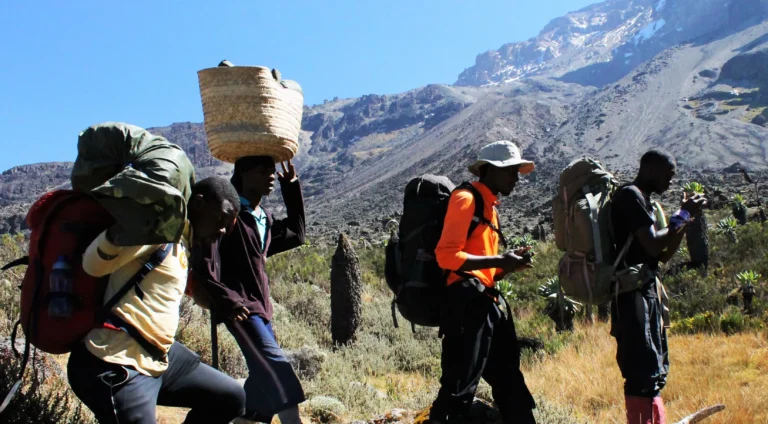
How To Know Whether You Are Ready For Kilimanjaro: A Comprehensive Guide
Climbing Mount Kilimanjaro is a significant undertaking. This guide helps you evaluate your physical, mental, and logistical readiness to ensure a safe and successful trek in 2026 or 2027...
View package details
Kilimanjaro Hydration Mistakes Climbers Make And How To Avoid Them 2026-2027
Proper hydration is critical for a successful Kilimanjaro climb. This guide details common hydration mistakes climbers make, from under-drinking to choosing the wrong fluids, and provides...
View package details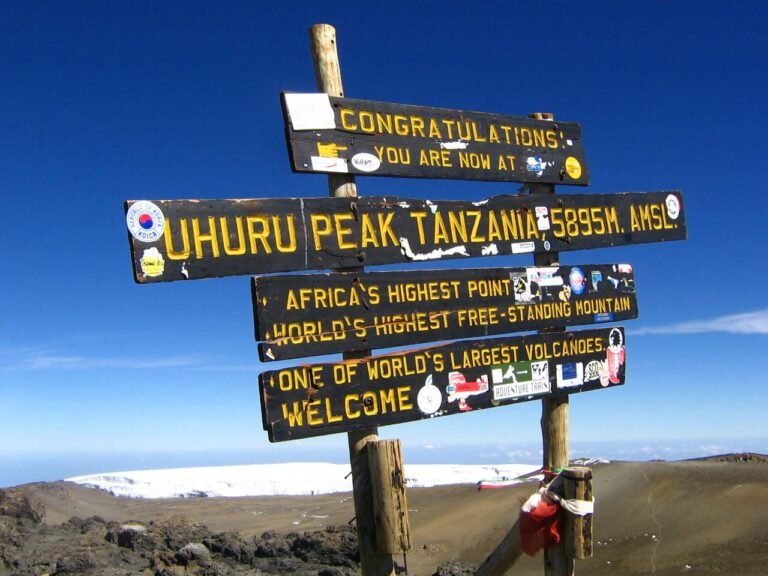
What Does Kilimanjaro Rainforest Look Like? A Trekkers Visual Guide 2026-2027
The Kilimanjaro rainforest is a vibrant, humid zone of dense vegetation, towering trees, and diverse plant life found on the mountain's lower slopes. It's the first major ecosystem trekkers...
View package detailsWhich Local Tanzania Safari Companies Are Trustworthy In ? 2026-2027
Choosing a trustworthy local Tanzania safari company is crucial for a memorable and safe adventure. This guide helps you identify reliable operators for your 2026-2027 trip, covering...
View package details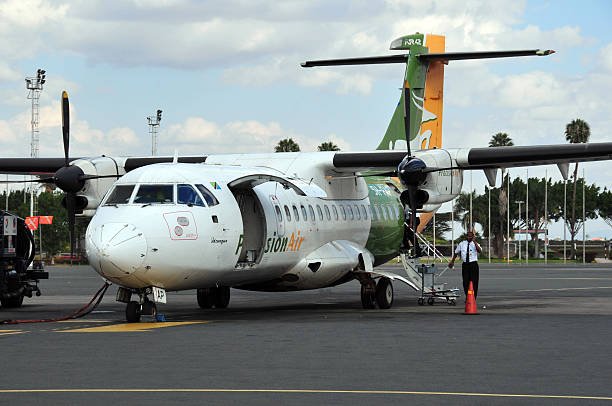
We Are Arriving At Kilimanjaro Airport, What Safari Itinerary Should We Do?
Planning your safari upon arrival at Kilimanjaro Airport (JRO)? This guide provides tailored safari itineraries for 2026-2027, focusing on Northern Tanzania's iconic parks like the...
View package detailsNo related package matches those filters. Clear one or more filters to see the other topic-matched options.
Plan your 6-Day Rwenzori 6-Day Trek — Glacier Views & High Camps with Top Guide Adventures
Tell us your travel dates, group size, comfort level, and dream experience. We will help you shape a clear, realistic, and memorable Tanzania itinerary.



