
Updated planning guide for 2026-2027
6-Day Luxury Rwenzori Trek With Porters & Cook: Expert Trekking Guide
Plan your dream 6-day luxury Rwenzori trek with expert advice on routes, essential gear, what to expect from your dedicated porters and cook, and how to book your unforgettable adventure for 2026-2027.
WhatsApp +255616946642 | topguideadventures@gmail.com | info@topguideadventures.com
The Ultimate 6-Day Luxury Rwenzori Trek with Porters & Cook: Your Comprehensive Planning Guide
The Rwenzori Mountains, often called the “Mountains of the Moon,” offer a trekking experience unlike any other in Africa. For those seeking an elevated adventure, a 6-day luxury Rwenzori trek with porters & cook provides an unparalleled opportunity to explore this majestic range in comfort and style. This guide is designed to equip you with all the knowledge needed to plan, prepare for, and book your extraordinary journey into the heart of the Rwenzoris, ensuring a memorable and well-supported expedition for 2026-2027.
Why Choose a Luxury Rwenzori Trek?
While the Rwenzoris are renowned for their wild beauty and challenging terrain, a luxury trek elevates the experience. This means dedicated support staff, including experienced porters to carry the bulk of your gear and a skilled cook to prepare delicious, nourishing meals. The “luxury” aspect doesn’t necessarily imply five-star hotels on the mountain, but rather a higher standard of service, comfort, and logistical support that significantly enhances your enjoyment and allows you to focus on the stunning scenery and the physical challenge.
A 6-day itinerary is a popular choice for accessing some of the most iconic viewpoints and challenging sections of the Rwenzori range without requiring an extensive time commitment. It strikes a balance between immersion in the mountain environment and logistical feasibility.
| Feature | Details |
|---|---|
| Duration | 6 Days / 5 Nights on the mountain |
| Focus Area | Central Circuit or specific peaks/valleys within the Rwenzori Mountains National Park. |
| Key Benefit | Dedicated porters for gear, professional cook for meals, enhanced comfort and support. |
| Difficulty | Moderate to Challenging, depending on the exact route and daily distances. |
| Accommodation | Mountain huts or high-quality tents, depending on the route and operator. |
| Seasonality | Dry seasons: June-August and December-February. Shoulder seasons can be beautiful but wetter. |
| Best For | Adventurous trekkers seeking stunning alpine scenery with enhanced comfort and support. |
Table of Contents
- Overview of the Rwenzori Mountains
- Why Choose a Luxury 6-Day Trek?
- Popular 6-Day Trekking Routes
- Sample 6-Day Luxury Rwenzori Trek Itinerary
- What to Expect on Your Trek
- The Role of Porters and Your Cook
- Typical Inclusions and Exclusions
- Preparation and Training
- Essential Packing List
- Best Time to Trek
- Common Mistakes to Avoid
- Who is This Trek Best Suited For?
- Alternatives to a 6-Day Luxury Trek
- Planning Your 2026-2027 Trek
- Booking Your 6-Day Luxury Rwenzori Trek
- Frequently Asked Questions
Overview of the Rwenzori Mountains
Located on the border between Uganda and the Democratic Republic of Congo, the Rwenzori Mountains are a UNESCO World Heritage Site. These aren’t volcanic peaks like Kilimanjaro or Mount Kenya; instead, they are ancient fault-block mountains, characterized by rugged terrain, dramatic valleys, and unique afro-alpine flora. The highest peak, Margherita, on Mount Stanley, reaches an impressive 5,109 meters (16,763 feet). The 6-day trek typically explores the lower to mid-altitudes, offering spectacular views and a taste of the Rwenzori’s diverse ecosystems, from montane forests to the high-altitude moorlands and rocky summits.
The Rwenzori National Park is a biodiversity hotspot, home to a variety of wildlife including forest elephants, chimpanzees, various monkey species, and numerous bird species. While wildlife sightings are not guaranteed on a trek, the rich natural environment is a constant companion.
Why Choose a Luxury 6-Day Trek?
Opting for a luxury 6-day Rwenzori trek with porters and cook significantly enhances the overall experience. Here’s why:
- Reduced Physical Burden: With porters carrying your main luggage, sleeping bag, and personal items, you can focus on enjoying the trek, carrying only a daypack with essentials. This is crucial on challenging mountain trails.
- Gourmet Mountain Cuisine: A dedicated cook means you’ll enjoy hot, delicious, and nutritious meals prepared daily. Forget bland trail food; expect multi-course meals that are a highlight of the day.
- Comfortable Campsites/Huts: Luxury operators often provide higher quality tents, comfortable sleeping mats, and ensure well-organized campsites. If huts are available on the route, they ensure you have secure and comfortable lodging.
- Expert Guidance: You’ll be accompanied by experienced guides who know the trails, mountain conditions, and local culture, ensuring safety and a deeper understanding of the environment.
- Peace of Mind: All logistical aspects – permits, park fees, food, equipment, and staff management – are handled by the tour operator, allowing you to relax and immerse yourself in the adventure.
Popular 6-Day Trekking Routes
A 6-day itinerary typically focuses on specific circuits or sections within the Rwenzori Mountains, often accessible from the Uganda side. The most common starting point is the Kasese region.
Rwenzori Trekking Area Overview (Simplified)
Entry Point: Kasese Region, Uganda
Key Trails:
- Central Circuit (Partial): A 6-day trek might cover a significant portion of the Central Circuit, potentially reaching areas like Bujuku Hut or Scott Elliot Pass, offering views of iconic peaks like Mount Stanley, Speke, and Baker. This route is known for its stunning scenery and challenging ascents and descents.
- Kihanga Trail (Modified): Some operators might offer variations that explore different valleys and ridges, perhaps focusing on specific flora and fauna zones or reaching viewpoints that are less frequented.
- Mubuku Valley Exploration: A 6-day trek could delve into the lower and middle sections of the Mubuku Valley, offering a good introduction to the Rwenzori’s unique vegetation zones and waterfalls, potentially reaching as far as Bujuku Lake.
Note: Exact routes vary by operator and current park conditions. The 6-day duration often means reaching a specific high-altitude point and returning, rather than completing the full, much longer, multi-week circuits.
The specific route chosen will depend on the operator’s package, the time of year, and the desired level of challenge. For a 6-day trek, the focus is often on experiencing the unique afro-alpine zone, the dramatic landscapes, and reaching significant viewpoints without necessarily summiting the highest peaks.
Sample 6-Day Luxury Rwenzori Trek Itinerary
This is a sample itinerary designed for a 6-day luxury Rwenzori trek with porters and cook, focusing on the Central Circuit’s lower to mid-altitudes. Actual timings and distances will vary.
| Day | Route Segment | Approx. Trekking Time | Altitude Gain/Loss | Highlights & Notes |
|---|---|---|---|---|
| Day 1 | Nyakalengija (1,650m) to Nyabitaba Hut (2,650m) | 5-6 hours | +1,000m | Start in lush montane forest, passing through coffee plantations. Observe rich birdlife. Gentle introduction to the Rwenzori trails. |
| Day 2 | Nyabitaba Hut (2,650m) to John Matte Hut (3,400m) | 6-7 hours | +750m | Trek through bamboo forest, then onto heather and moorland zones. Cross the Mahoma River. Steep ascents. |
| Day 3 | John Matte Hut (3,400m) to Bujuku Hut (3,970m) | 4-5 hours | +570m | Cross the Bujuku River. Enter the unique afro-alpine zone with giant groundsels and lobelias. Views of Mount Stanley and Mount Baker. |
| Day 4 | Bujuku Hut (3,970m) – Day Excursion / Acclimatization | 4-6 hours (round trip) | +/- 300m | Excursion towards Scott Elliot Pass (4,541m) for spectacular views of Mount Stanley’s glaciers, or explore the area around Bujuku Lake. Essential for acclimatization. Return to Bujuku Hut. |
| Day 5 | Bujuku Hut (3,970m) to Nyabitaba Hut (2,650m) | 6-8 hours | -1,320m | Descend back through the heather and bamboo zones. A long day of downhill trekking. |
| Day 6 | Nyabitaba Hut (2,650m) to Nyakalengija (1,650m) | 3-4 hours | -1,000m | Final descent through montane forest. Celebrate the successful trek with your team. Transfer back to accommodation in Kasese or Fort Portal. |
What to Expect on Your Trek
A 6-day luxury Rwenzori trek with porters & cook offers a challenging yet rewarding experience. Expect the following:
- Terrain: The trails are often steep, muddy, and rocky, especially after rain. You’ll navigate through dense forests, bamboo zones, open moorlands, and potentially rocky scree fields.
- Weather: Rwenzori weather is notoriously unpredictable. Expect sunshine, rain, mist, and cold temperatures, sometimes all in the same day. High winds are also common at higher altitudes.
- Scenery: Prepare for breathtaking landscapes, including dramatic valleys, cascading waterfalls, unique afro-alpine vegetation (giant groundsels, lobelias, mosses), and, on clear days, stunning views of snow-capped peaks and glaciers.
- Altitude: While a 6-day trek may not reach the highest summits, you will ascend to altitudes where acclimatization is important. Symptoms of altitude sickness can occur if not properly managed.
- Campsites/Huts: Accommodation is typically in basic mountain huts or sturdy tents. While “luxury” implies comfort, these are still mountain environments. Expect communal sleeping areas in huts and shared facilities.
- Wildlife: While not a primary focus, you may encounter smaller mammals, birds, and insects. Larger animals like elephants or monkeys are more likely at lower elevations.
The Role of Porters and Your Cook
Your support team is the backbone of a luxury trek. Understanding their roles is key:
- Porters: They are responsible for carrying all your communal gear, including tents, cooking equipment, food, and fuel. They also carry a portion of your personal luggage (usually a specified weight limit, e.g., 10-15kg). This allows you to trek with a light daypack containing water, snacks, rain gear, and personal essentials. Porters are skilled mountaineers who know the trails intimately and ensure your belongings reach the next campsite safely.
- Cook: Your dedicated cook will prepare all your meals and hot drinks. They are experienced in preparing nutritious and delicious food in challenging conditions. Expect hearty breakfasts, packed lunches or hot lunches at scenic spots, and multi-course dinners. They manage all food supplies and preparation, ensuring you are well-fed and energized throughout the trek.
- Guides: The lead guide is responsible for navigation, safety, and overall management of the trek. Assistant guides and local guides may also be part of the team, providing expertise on flora, fauna, and local culture.
Tipping your support crew is customary and greatly appreciated. Your tour operator will provide guidelines on appropriate tipping amounts.
Typical Inclusions and Exclusions
When booking a 6-day luxury Rwenzori trek with porters & cook, it’s vital to understand what is included in the package and what you’ll need to arrange yourself.
| Inclusions | Exclusions |
|---|---|
| Park Entrance Fees | International Flights |
| Camping/Hut Fees | Visa Fees |
| Trekking Permits | Travel Insurance (mandatory) |
| Professional Mountain Guides | Personal Trekking Gear (boots, clothing, backpack) |
| Porters for your gear (specified weight limit) | Sleeping Bag and Mat (though luxury operators may rent these) |
| Dedicated Cook | Personal Expenses (souvenirs, extra snacks, alcoholic drinks) |
| All Meals on the Trek (breakfast, lunch, dinner) | Tips for Guides, Porters, and Cook |
| Boiled Water/Purified Water on Trek | Accommodation before and after the trek |
| Communal Camping Equipment (tents, cooking gear) | Optional activities or excursions not listed in the itinerary |
| Transfers to/from Trailhead | Vaccinations and Medications |
Always confirm the exact inclusions and exclusions with your tour operator before booking.
Preparation and Training
The Rwenzoris demand a good level of fitness. Proper preparation is key to enjoying your trek and minimizing risks.
- Cardiovascular Fitness: Engage in regular aerobic activities like running, cycling, swimming, or brisk walking for at least 3-4 times a week. Focus on activities that build stamina.
- Strength Training: Strengthen your legs, core, and back. Squats, lunges, step-ups (with a backpack), and core exercises are beneficial.
- Hiking Practice: The most relevant training is hiking. Aim for regular hikes, ideally on hilly or mountainous terrain, carrying a backpack similar to what you’ll use on the trek. Gradually increase the duration and difficulty of your hikes.
- Altitude Acclimatization: While a 6-day trek may not reach extreme altitudes, spending time at higher elevations before the trek can help. If possible, visit areas like the Rwenzori foothills or other highlands for a day or two before starting.
- Mental Preparedness: Understand the challenging conditions, unpredictable weather, and the physical demands. A positive attitude and mental resilience are as important as physical fitness.
Start your training at least 2-3 months before your trek, gradually increasing intensity. Consult your doctor before beginning any new fitness program.
Essential Packing List
Packing appropriately is crucial for comfort and safety. Your tour operator will provide a detailed list, but here are the essentials for a luxury trek:
Clothing
- Base Layers: Moisture-wicking thermal tops and bottoms (synthetic or merino wool).
- Mid-Layers: Fleece jacket or insulated jacket for warmth.
- Outer Layer: Waterproof and windproof jacket and trousers (Gore-Tex or similar).
- Trekking Trousers: Quick-drying, comfortable hiking trousers (avoid jeans).
- Shirts: Several moisture-wicking short and long-sleeved shirts.
- Insulated Jacket: A warm down or synthetic jacket for evenings and high altitudes.
- Headwear: Warm beanie/hat, sun hat, and a neck gaiter/buff.
- Gloves: Warm waterproof gloves and liner gloves.
- Socks: Several pairs of warm, moisture-wicking hiking socks (wool or synthetic).
Footwear
- Hiking Boots: Sturdy, waterproof, broken-in hiking boots with good ankle support.
- Camp Shoes: Comfortable shoes or sandals for around camp.
- Gaiters: Essential for keeping mud and water out of your boots.
Gear
- Backpack: A comfortable daypack (25-35 liters) for essentials. Your main luggage will be carried by porters.
- Duffel Bag: A large, waterproof duffel bag (approx. 80-100 liters) for porters to carry.
- Sleeping Bag: A warm, four-season sleeping bag (rated to at least -10°C or 0°F).
- Sleeping Mat: Insulated sleeping mat (though often provided by luxury operators).
- Headlamp: With extra batteries.
- Water Bottles/Hydration Reservoir: At least 2-3 liters capacity.
- Trekking Poles: Highly recommended for stability and reducing knee strain.
- Sunglasses: With UV protection.
- Sunscreen: High SPF.
- Insect Repellent: Especially for lower forest sections.
- Personal First-Aid Kit: Including any personal medications, blister treatment, pain relievers, antiseptic wipes.
- Toiletries: Biodegradable soap, toothbrush, toothpaste, wet wipes, hand sanitizer.
- Quick-dry Towel
- Camera: With extra batteries and memory cards.
- Power Bank: For charging electronics.
- Water Purification Tablets/Filter: As a backup.
Documents & Money
- Passport (with visa if required)
- Copies of passport and visa
- Travel Insurance details
- Cash for tips and personal expenses (USD is widely accepted)
Important: Ensure your duffel bag is waterproof and clearly labeled with your name. Your operator will advise on the maximum weight limit for porter-carried luggage.
Best Time to Trek
The Rwenzori Mountains have two main dry seasons that are ideal for trekking:
- June to August: This is typically the driest period, offering clearer skies and more stable weather conditions. It’s a popular time for trekking.
- December to February: Another dry season, also offering good trekking conditions. This period can be colder due to the time of year.
The wet seasons (March-May and September-November) can bring heavy rainfall, making trails muddy and slippery, and often obscuring views. However, these periods can also be very beautiful, with lush vegetation and fewer crowds. For a luxury trek, aiming for the dry seasons maximizes your chances of good weather and clear vistas.
Common Mistakes to Avoid
To ensure a smooth and enjoyable trek, be aware of these common pitfalls:
- Inadequate Training: Underestimating the physical demands and not training sufficiently is the most common mistake.
- Improper Footwear: Not wearing well-broken-in, waterproof hiking boots can lead to blisters and discomfort.
- Poor Packing: Forgetting essential items like rain gear, warm layers, or sun protection can make the trek miserable. Overpacking also adds unnecessary weight.
- Ignoring Altitude Symptoms: Pushing on despite signs of altitude sickness (headache, nausea, dizziness) can be dangerous. Communicate any symptoms to your guide immediately.
- Dehydration: Not drinking enough water, especially at altitude, can exacerbate altitude sickness and lead to fatigue.
- Not Buying Travel Insurance: Comprehensive travel insurance covering high-altitude trekking and emergency evacuation is non-negotiable.
- Underestimating the Mud: The Rwenzoris are famous for their mud. Embrace it, wear gaiters, and use trekking poles.
- Not Booking with a Reputable Operator: Choosing an operator that prioritizes safety, sustainability, and has experienced staff is crucial for a luxury trek.
Who is This Trek Best Suited For?
A 6-day luxury Rwenzori trek with porters & cook is ideal for:
- Adventurous Travelers: Those who enjoy challenging hikes and exploring remote, natural landscapes.
- Nature Enthusiasts: Individuals fascinated by unique alpine flora, dramatic mountain scenery, and potentially diverse wildlife.
- Trekkers Seeking Comfort: People who want to experience the Rwenzoris without the burden of carrying all their gear and want to enjoy well-prepared meals.
- Time-Conscious Adventurers: Those with limited vacation time who want to experience a significant mountain trek in a shorter period.
- Couples or Small Groups: The support system makes it an excellent choice for those who want a guided and well-managed expedition.
It is generally not suitable for very young children, individuals with severe mobility issues, or those who are completely new to hiking and have not prepared physically.
Alternatives to a 6-Day Luxury Trek
If a 6-day luxury trek isn’t quite right, consider these alternatives:
- Shorter Rwenzori Treks: Many operators offer 3-4 day treks that explore the lower sections of the mountains, providing a good introduction to the environment without the same level of challenge or altitude.
- Longer Rwenzori Circuits: For experienced trekkers seeking a more immersive experience, longer circuits (10-14 days) that traverse more of the range and reach higher altitudes are available. These typically require more extensive preparation and fitness.
- Kilimanjaro Trek: While a different type of mountain (volcanic cone), Kilimanjaro is a popular choice for those seeking a high-altitude summit experience in Tanzania. It offers more established routes and infrastructure.
- Mount Kenya Trekking: Mount Kenya offers various trekking routes, from easier hikes to challenging technical climbs, providing diverse options for mountain enthusiasts.
- Budget Rwenzori Trek: For those on a tighter budget, a standard Rwenzori trek without the “luxury” elements (i.e., less personalized support, simpler meals) is possible, though still requires porters and guides for safety.
Planning Your 2026-2027 Trek
Planning ahead is crucial for securing your preferred dates and ensuring a smooth experience, especially for 2026 and 2027 treks. Here’s a planning timeline:
| Timeframe | Action Items |
|---|---|
| 12+ Months Before | Research tour operators. Identify potential dates, focusing on dry seasons (June-Aug, Dec-Feb). Understand your fitness level and training needs. |
| 9-12 Months Before | Select your tour operator. Confirm itinerary details and inclusions. Book your preferred dates, especially if traveling during peak seasons or in 2027. Secure flights. |
| 6-9 Months Before | Begin your dedicated fitness training program. Start researching and purchasing essential gear (boots, backpack, clothing). |
| 3-6 Months Before | Intensify training. Finalize gear purchases. Obtain necessary vaccinations and consult your doctor. Check passport validity. Arrange travel insurance. |
| 1-3 Months Before | Continue consistent training. Test your gear on practice hikes. Confirm all booking details and payment schedules with your operator. Pack your duffel bag and daypack. |
| 1-2 Weeks Before | Final gear check. Light physical activity. Confirm flight details. Inform your bank of travel dates. Organize cash for tips. |
| During Trek | Stay hydrated, eat well, communicate with your guide, and enjoy the incredible scenery! |
| Post-Trek | Share your experiences! Provide feedback to your operator. |
Booking well in advance for 2026 and 2027 is highly recommended, especially for luxury packages, as availability can be limited.
Booking Your 6-Day Luxury Rwenzori Trek
Choosing the right tour operator is paramount for a luxury trek. Here’s how to proceed:
- Research Operators: Look for companies with a strong reputation in the Rwenzori Mountains, specifically mentioning luxury or premium treks. Check reviews and testimonials.
- Compare Itineraries and Inclusions: Ensure the 6-day itinerary aligns with your expectations and that all essential services (guides, porters, cook, meals, accommodation, permits, park fees) are included. Pay attention to the quality of tents and equipment.
- Check Safety Standards: Inquire about the experience and training of their guides (e.g., first aid, mountain rescue). Ensure they have robust emergency protocols.
- Communication: A good operator will be responsive and helpful in answering your questions. They should provide detailed pre-trek information.
- Cost: While “luxury” implies a higher price point, compare costs between reputable operators. Understand what justifies the price difference (e.g., higher guide-to-client ratios, better quality equipment, more experienced crew).
- Booking Process: Understand their deposit and payment schedule, cancellation policy, and refund terms.
For a reliable and exceptional 6-day luxury Rwenzori trek with porters & cook, consider contacting experienced local operators who specialize in the Rwenzori Mountains. They often have the best local knowledge and can offer competitive, high-quality packages.
Get a Custom Quote for Your Rwenzori Adventure!
Ready to plan your unforgettable 6-day luxury Rwenzori trek? Contact our expert team for personalized advice, detailed itineraries, and a custom quote for 2026-2027. We specialize in creating high-quality, supported trekking experiences in Tanzania’s most iconic destinations.
WhatsApp: +255616946642
Email: topguideadventures@gmail.com
Backup Email: info@topguideadventures.com
Let us help you craft the perfect Rwenzori Mountains adventure!
Frequently Asked Questions
1. Is a 6-day trek enough to experience the Rwenzoris?
A 6-day trek allows you to experience a significant and beautiful section of the Rwenzori Mountains, often reaching the afro-alpine zone and offering stunning views. It’s a good balance for those with limited time. For a deeper immersion, longer treks are available, but 6 days provides a fantastic introduction.
2. What is the difference between a luxury trek and a standard trek?
A luxury trek typically involves a higher level of service, including a dedicated cook, higher quality tents and equipment, a more experienced guide team, and potentially more comfortable pre/post-trek accommodation. The primary benefit is enhanced comfort and a more supported experience, allowing you to focus on the trek itself. A standard trek still uses porters and cooks but may have simpler logistics and equipment.
3. How fit do I need to be for a 6-day luxury Rwenzori trek?
You need to be in good cardiovascular shape and have good endurance. The trails are often steep, muddy, and uneven. Regular hiking, strength training, and stamina-building exercises for at least 2-3 months prior are highly recommended. It’s more about consistent effort than speed.
4. What kind of food can I expect from the cook?
Expect nutritious and varied meals prepared fresh daily. This usually includes hot breakfasts (oatmeal, eggs, toast), packed lunches (sandwiches, fruit, snacks) or hot lunches, and multi-course dinners (soups, stews, rice dishes, vegetables, sometimes pasta or chicken). They are skilled at making delicious meals with available resources.
5. Do I need to carry my own food?
No, your dedicated cook will prepare all your meals and snacks on the trek. You only need to carry personal snacks if you have specific preferences or require extra energy boosts during the day.
6. What are the accommodation facilities like?
Accommodation is typically in basic mountain huts or sturdy, high-quality tents. Huts may offer shared sleeping platforms. Tents are usually 2-person or 3-person tents, providing shelter from the elements. “Luxury” implies good quality, well-maintained equipment and organized campsites.
7. What is the typical altitude reached on a 6-day trek?
A 6-day itinerary often reaches altitudes around 3,900 to 4,200 meters (approx. 12,800 to 13,800 feet), for example, near Bujuku Hut or potentially venturing towards Scott Elliot Pass. While not reaching the highest peaks, these altitudes require acclimatization and can present challenges.
8. Is it safe to trek in the Rwenzoris?
When trekking with a reputable operator, the Rwenzoris are generally safe. Safety depends on experienced guides, proper equipment, adherence to safety protocols, and good weather. Altitude sickness is a primary concern, which is managed through acclimatization and guide vigilance. The main risks are related to terrain and weather.
9. What is the best time to plan a 6-day luxury Rwenzori trek for 2026-2027?
The driest and most favorable trekking seasons for 2026 and 2027 are June to August and December to February. These periods offer the best chances for clear views and more stable weather conditions, enhancing the luxury experience.
10. How much should I tip the crew?
Tipping is customary and a significant part of the crew’s income. Your tour operator will provide a recommended tipping guideline, usually based on the number of trekkers and the duration of the trek. This is typically given in USD at the end of the trek.
Final Call to Action
Your 6-day luxury Rwenzori trek with porters & cook promises an adventure filled with breathtaking landscapes, unique flora, and the satisfaction of conquering a challenging mountain environment with unparalleled support. For an unforgettable journey in 2026-2027, partner with experts who understand the Rwenzoris and the standards of a luxury expedition.
Contact us today to start planning your dream Rwenzori adventure:
WhatsApp: +255616946642
Email: topguideadventures@gmail.com
Backup Email: info@topguideadventures.com
Joining Group Climbs On Kilimanjaro When Traveling Alone In 2026-2027
Traveling to Kilimanjaro alone? Discover how you can easily join an existing group climb, making your solo adventure more social and cost-effective for 2026-2027. Learn about departure...
View package details
Kilimanjaro Climb With A Personal Support Assistant: Your Ultimate Guide
Climbing Mount Kilimanjaro with a personal support assistant offers unparalleled safety, comfort, and focus on your summit goals. This guide details what a personal assistant entails, its...
View package details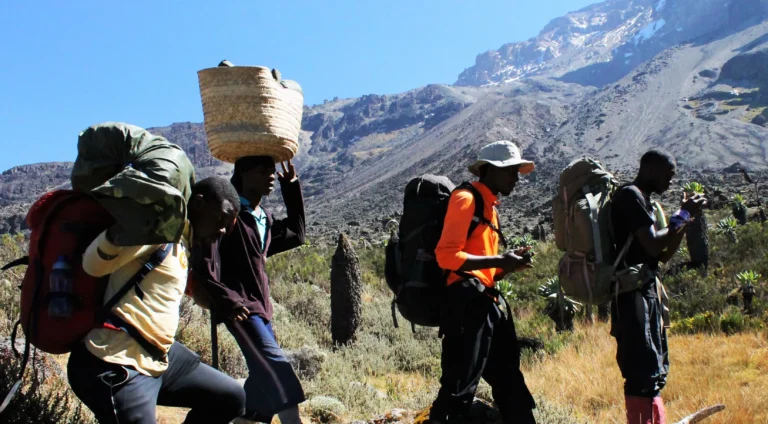
How To Know Whether You Are Ready For Kilimanjaro: A Comprehensive Guide
Climbing Mount Kilimanjaro is a significant undertaking. This guide helps you evaluate your physical, mental, and logistical readiness to ensure a safe and successful trek in 2026 or 2027...
View package details
Kilimanjaro Hydration Mistakes Climbers Make And How To Avoid Them 2026-2027
Proper hydration is critical for a successful Kilimanjaro climb. This guide details common hydration mistakes climbers make, from under-drinking to choosing the wrong fluids, and provides...
View package details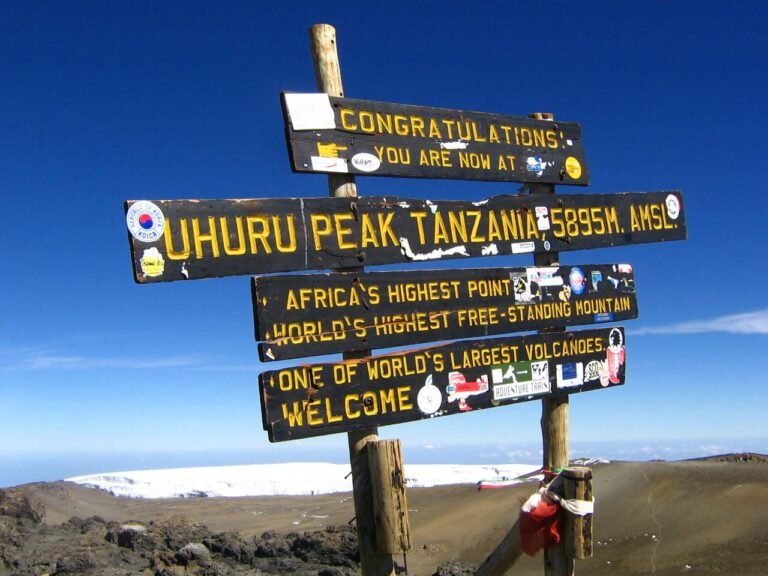
What Does Kilimanjaro Rainforest Look Like? A Trekkers Visual Guide 2026-2027
The Kilimanjaro rainforest is a vibrant, humid zone of dense vegetation, towering trees, and diverse plant life found on the mountain's lower slopes. It's the first major ecosystem trekkers...
View package detailsWhich Local Tanzania Safari Companies Are Trustworthy In ? 2026-2027
Choosing a trustworthy local Tanzania safari company is crucial for a memorable and safe adventure. This guide helps you identify reliable operators for your 2026-2027 trip, covering...
View package details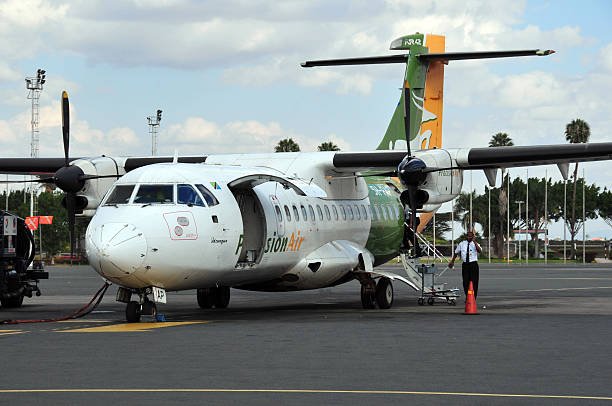
We Are Arriving At Kilimanjaro Airport, What Safari Itinerary Should We Do?
Planning your safari upon arrival at Kilimanjaro Airport (JRO)? This guide provides tailored safari itineraries for 2026-2027, focusing on Northern Tanzania's iconic parks like the...
View package detailsNo related package matches those filters. Clear one or more filters to see the other topic-matched options.
Plan your 6-Day Luxury Rwenzori Trek with Porters & Cook with Top Guide Adventures
Tell us your travel dates, group size, comfort level, and dream experience. We will help you shape a clear, realistic, and memorable Tanzania itinerary.



