
Updated planning guide for 2026-2027
6-Day Adventure & Climb — Mount Kenya + Samburu Extension Guide
Discover the ultimate 6-Day Adventure & Climb — Mount Kenya + Samburu Extension. This comprehensive guide covers everything from itinerary planning and preparation to essential tips for an unforgettable journey in 2026-2027.
WhatsApp +255616946642 | topguideadventures@gmail.com | info@topguideadventures.com
6-Day Adventure & Climb — Mount Kenya + Samburu Extension: The Ultimate Planning Guide
For the adventurous traveler seeking a blend of challenging mountain ascent and iconic wildlife encounters, the 6-Day Adventure & Climb — Mount Kenya + Samburu Extension offers a remarkable Kenyan experience. This itinerary uniquely combines the rugged beauty and alpine challenge of Mount Kenya, Africa’s second-highest peak, with the arid, wildlife-rich landscapes of Samburu National Reserve. It’s a journey designed for those who want more than just a standard safari or a single mountain trek, providing a compact yet deeply rewarding exploration of Kenya’s diverse natural wonders.
This guide is crafted for individuals planning this specific expedition, whether you’re a seasoned trekker or an ambitious first-timer. We’ll cover itinerary logic, preparation essentials, what to expect on the mountain and in the reserve, and crucial planning details to ensure your 6-Day Adventure & Climb — Mount Kenya + Samburu Extension is a success in 2026 or 2027.
Quick Overview: Mount Kenya & Samburu Adventure
| Aspect | Details |
|---|---|
| Duration | 6 Days / 5 Nights |
| Key Activities | Mount Kenya Trekking (Sirimon Route to Point Lenana), Samburu Game Drives |
| Trekking Difficulty | Moderate to Strenuous (due to altitude) |
| Wildlife Focus | Mountain Flora/Fauna, Samburu Big Five (Grevy’s Zebra, Reticulated Giraffe, Beisa Oryx, Gerenuk, Somali Ostrich), Elephants, Lions, Leopards |
| Best Time to Travel | January-March, June-October (dry seasons) |
| Accommodation | Mountain Huts/Camps, Safari Lodges/Camps |
| Ideal For | Active travelers, trekkers, wildlife enthusiasts, those seeking a dual-experience trip |
Why Choose This 6-Day Adventure & Climb — Mount Kenya + Samburu Extension?
This particular 6-day itinerary is a strategic choice for several reasons:
- Efficiency: It packs two distinct, world-class experiences into a manageable timeframe, ideal for those with limited vacation days.
- Variety: You transition from the stark alpine environment of Mount Kenya to the vibrant, arid savanna of Samburu. This contrast offers a dynamic and engaging journey.
- Accessibility: While Mount Kenya is a significant mountain, reaching Point Lenana (the trekking summit) is achievable for fit individuals without technical climbing skills. Samburu is easily accessible by road or a short flight from Nairobi.
- Unique Wildlife: Samburu is renowned for its unique species adapted to arid conditions, often called the ‘Samburu Special Five’, which are not commonly found in other Kenyan parks.
- Personal Achievement: Successfully summiting Point Lenana on Mount Kenya provides a profound sense of accomplishment, enhanced by the subsequent wildlife exploration.
Understanding the Itinerary Logic
A typical 6-Day Adventure & Climb — Mount Kenya + Samburu Extension itinerary is structured to maximize time and acclimatization.
Days 1-3: Mount Kenya Ascent
- Day 1: Arrival & Transfer to Mount Kenya Region: You’ll likely arrive in Nairobi, transfer to Nanyuki, the gateway town to Mount Kenya. This allows for acclimatization to the altitude and preparation for the trek. Some tours might include a brief Nairobi city tour or a visit to a local conservation project.
- Day 2: Sirimon Gate to Old Moses Camp: The trek begins at the Sirimon Gate. The hike to Old Moses Camp (3300m) is a gradual ascent through bamboo and moorland zones, taking approximately 5-7 hours. This is crucial for initial acclimatization.
- Day 3: Old Moses Camp to Shiptons Camp: This is a longer, more challenging day, ascending to Shiptons Camp (4200m) via Mackinders Valley. The scenery becomes more rugged and alpine. Proper hydration and pacing are key.
Day 4: Summit Attempt & Descent to Miriree/Junction: The summit push to Point Lenana (4985m) typically starts in the early morning hours (around 2-3 AM) to catch the sunrise. After enjoying the panoramic views, you’ll descend back down, usually past Shiptons Camp, to a lower camp like Miriree or Junction (around 3700m) to aid acclimatization and reduce the descent fatigue on summit day.
Day 5: Descent & Transfer to Samburu: You’ll complete the descent from your overnight camp to the Sirimon Gate, where your vehicle awaits. From here, you’ll embark on a scenic drive north towards Samburu National Reserve. The landscape dramatically changes from montane forest to semi-arid scrubland. You’ll arrive at your Samburu lodge or camp in the late afternoon/evening.
Day 6: Samburu Game Drive & Departure: Enjoy an early morning game drive in Samburu National Reserve, searching for its unique wildlife. After the drive, you’ll have breakfast and then transfer back to Nairobi for your onward flight or accommodation. Depending on flight schedules, a final game drive might be possible.
This structure ensures you experience the highlights of both destinations effectively within the limited timeframe.
Best Time to Travel for Your 6-Day Adventure & Climb — Mount Kenya + Samburu Extension
Kenya offers year-round travel opportunities, but for this specific itinerary, the dry seasons are highly recommended:
- January to March: This is a prime dry season. Skies are generally clear, offering excellent visibility on Mount Kenya and ideal conditions for wildlife viewing in Samburu. It’s also a popular time, so booking in advance is advisable for 2026 and 2027.
- June to October: This is the other major dry season. Temperatures are cooler, especially on the mountain. While Samburu is dry, water sources attract more wildlife. This period often coincides with the Great Migration in the Maasai Mara, but Samburu remains a fantastic destination in its own right.
Shoulder Seasons (April-May, November): These months can see more rain, particularly April and May, which can make trekking trails muddy and less pleasant. However, they also offer fewer crowds and greener landscapes. Wildlife viewing can still be good, but visibility might be reduced by cloud cover on the mountain.
| Period | Mount Kenya Conditions | Samburu Wildlife Viewing | Crowds |
|---|---|---|---|
| Jan – Mar | Dry, clear skies, cold nights | Excellent, dry conditions concentrate animals | Moderate to High |
| Apr – May | Rainy season, potentially muddy trails, reduced visibility | Green, fewer crowds, but rain can scatter animals | Low |
| Jun – Oct | Dry, cooler temperatures, clear skies | Excellent, dry season conditions persist | Moderate |
| Nov – Dec | Short rains possible, can be unpredictable | Good, but can be interrupted by showers | Moderate |
Mount Kenya Trekking Routes: The Sirimon Path
For a 6-day itinerary, the Sirimon Route is often chosen for its gradual ascent and scenic beauty, offering good acclimatization opportunities. This route typically leads to Point Lenana.
Sirimon Route Overview (for this itinerary):
Route Illustration (Text-Based):
- Sirimon Gate (2650m): Entry point into Mount Kenya National Park.
- Old Moses Camp (3300m): First overnight stop. Hike through montane forest and bamboo. (Approx. 5-7 hours)
- Liki North Camp (3900m) or continue to Shiptons: Depending on the tour operator and pace, you might camp here or push further.
- Shiptons Camp (4200m): The base camp for summit attempts. Scenery opens up to alpine zones. (Approx. 6-8 hours from Old Moses)
- Point Lenana (4985m): Summit day. Early morning start for sunrise.
- Descent: Typically descends back past Shiptons and then continues down towards Miriree/Junction Camp (approx. 3700m) or further for the final descent the next day.
- Sirimon Gate: Completion of the trek.
While other routes like Chogoria or Naro Moru exist, the Sirimon route provides a balanced approach for a shorter trek, allowing for better acclimatization before the summit push and a relatively straightforward descent.
Samburu National Reserve: What to Expect
Samburu is located in the north of Kenya, characterized by its semi-arid landscape, dramatic rock formations, and the Ewaso Nyiro River, which acts as a lifeline for its wildlife.
Key Wildlife Highlights:
- Samburu Special Five: Grevy’s Zebra, Reticulated Giraffe, Beisa Oryx, Gerenuk (the ‘giraffe antelope’ that stands on its hind legs to feed), and Somali Ostrich.
- Predators: Lions, leopards, cheetahs, and wild dogs are often spotted.
- Elephants: Large herds are common, especially near the Ewaso Nyiro River.
- Birdlife: Samburu is a paradise for birdwatchers.
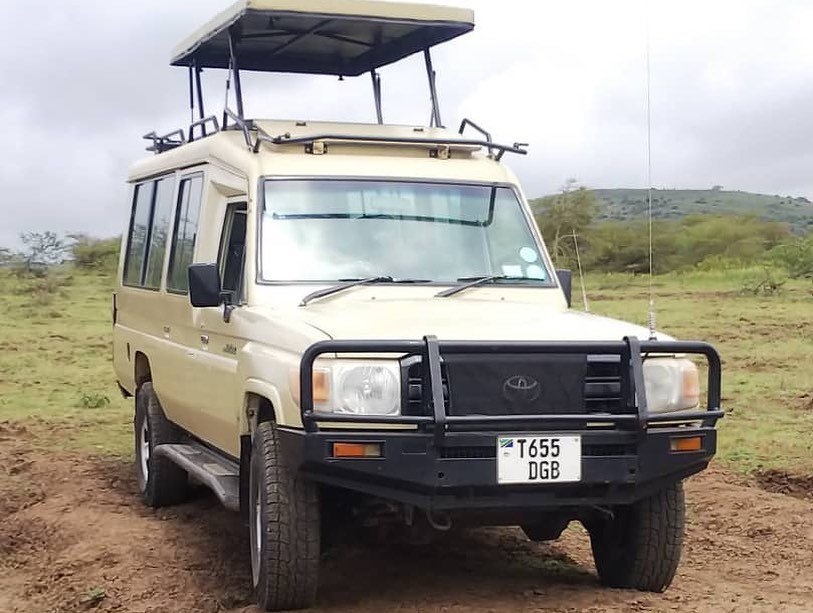
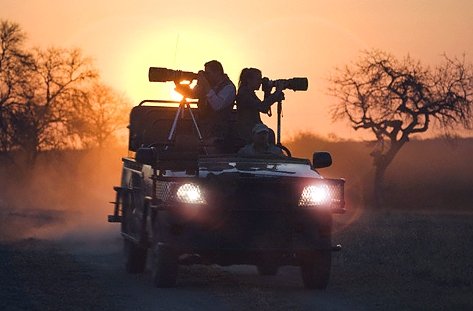
The reserve’s landscape is stunning, with rugged hills, acacia woodlands, and riverine forests. Game drives here are typically conducted in open-top 4×4 vehicles, offering excellent photographic opportunities.
Itinerary Details: A Day-by-Day Breakdown
This is a sample itinerary for the 6-Day Adventure & Climb — Mount Kenya + Samburu Extension. Actual timings and specific camps may vary based on your tour operator and pace.
Day 1: Arrival in Nairobi & Transfer to Nanyuki
Arrive at Jomo Kenyatta International Airport (NBO) in Nairobi. You will be met by your guide and transferred to your hotel in Nairobi or directly to Nanyuki (approx. 3-4 hour drive), depending on your arrival time. If staying in Nanyuki, you’ll have a briefing about the trek and time to rest. Overnight in a hotel/lodge in Nanyuki.
Day 2: Sirimon Gate to Old Moses Camp (3300m)
After breakfast, drive to the Sirimon Gate of Mount Kenya National Park. Begin your trek through the montane forest and bamboo zones. The trail is a steady climb. Enjoy packed lunch en route. Arrive at Old Moses Camp (also known as Simba Tarn Camp) in the afternoon. Settle in, have dinner, and rest. (Trekking time: 5-7 hours).
Day 3: Old Moses Camp to Shiptons Camp (4200m)
Today’s trek takes you into the moorland zone, with increasingly spectacular views. You’ll hike via the Mackinders Valley, passing through areas with unique giant heathers and groundsels. The altitude gain is significant, so pace yourself. Arrive at Shiptons Camp, a basic hut facility, in the afternoon. Acclimatize and prepare for summit day. (Trekking time: 6-8 hours).
Day 4: Summit Attempt (Point Lenana 4985m) & Descent to Miriree/Junction Camp (approx. 3700m)
Wake up very early (around 2:00 AM) for your summit attempt. Hike in the dark, guided by headlamps, towards Point Lenana. Reach the summit by sunrise (weather permitting) for breathtaking views of Mount Kenya’s main peaks (Batian and Nelion) and the surrounding landscape. After celebrating your achievement, begin the descent, retracing your steps past Shiptons Camp. Continue descending to a lower camp like Miriree or Junction to aid recovery and acclimatization. (Summit time: 3-5 hours; Descent: 4-6 hours).
Day 5: Descent to Sirimon Gate & Transfer to Samburu
After breakfast, complete the final descent to the Sirimon Gate. Meet your driver and vehicle. Begin the scenic drive north to Samburu National Reserve. The landscape transforms into dry savannah. Check into your Samburu lodge or camp and relax. Enjoy dinner with the sounds of the African bush. (Trekking time: 2-3 hours; Drive time: 4-5 hours).
Day 6: Samburu Game Drive & Departure
An early morning game drive in Samburu National Reserve offers the best chance to see its unique wildlife, including the Samburu Special Five. After the drive and breakfast, you will be transferred back to Nairobi for your international flight or onward journey. (Game drive: 2-3 hours; Drive time to Nairobi: 5-6 hours).
What to Expect on the Mountain and in the Reserve
On Mount Kenya:
- Altitude: The primary challenge is the altitude. Headaches, nausea, and fatigue are common symptoms of Acute Mountain Sickness (AMS). Proper acclimatization, hydration, and a slow pace are vital.
- Weather: Conditions can change rapidly. Expect cold temperatures, especially at night and during the summit push. Snow is possible at higher elevations. Daytime can be sunny but cool.
- Terrain: Trails range from well-trodden paths to rocky scree slopes, especially near the summit.
- Accommodation: Basic huts at Shiptons Camp and Old Moses Camp. Camping may be an option depending on the operator.
- Guides & Porters: You will have experienced guides and porters to assist with navigation, carrying gear, and camp setup.
In Samburu:
- Wildlife Encounters: Samburu offers fantastic game viewing opportunities, with animals often seen close to the road.
- Landscape: Hot and dry, with dramatic rocky outcrops and acacia trees.
- Accommodation: Ranges from comfortable lodges to luxury tented camps, usually located within or near the reserve.
- Game Drives: Conducted in open-top 4×4 vehicles for optimal viewing and photography.
Preparation and Packing Essentials
Proper preparation is key for the success and enjoyment of your 6-Day Adventure & Climb — Mount Kenya + Samburu Extension.
Physical Preparation:
- Cardiovascular Fitness: Engage in regular aerobic activities like running, cycling, or swimming for at least 3-4 months prior.
- Strength Training: Focus on leg strength (squats, lunges) and core stability.
- Hiking Practice: Undertake day hikes with a loaded backpack, ideally on varied terrain and including some elevation gain. Practice hiking at altitude if possible.
Gear Checklist:
This is a comprehensive list. Your tour operator will provide a more detailed one, and porters will carry most of your gear on the mountain.
- Clothing:
- – Moisture-wicking base layers (thermals)
- – Mid-layer fleece or down jacket
- – Waterproof and windproof outer jacket and trousers
- – Hiking trousers (quick-drying, not jeans)
- – T-shirts and long-sleeved shirts
- – Warm hat (beanie) and gloves
- – Sun hat or cap
- – Buff or neck gaiter
- – Hiking socks (wool or synthetic)
- – Camp shoes or sandals
- Footwear:
- – Broken-in hiking boots (waterproof)
- – Gaiters (optional but recommended)
- Sleeping:
- – Sleeping bag (rated to -10°C or -15°C recommended for Mount Kenya)
- – Sleeping bag liner
- Equipment:
- – Backpack (40-60 liters for day use on mountain, larger duffel bag for porters)
- – Daypack (20-30 liters for essentials on summit day)
- – Trekking poles (highly recommended)
- – Headlamp or flashlight with spare batteries
- – Water bottles or hydration reservoir (at least 2 liters capacity)
- – Sunglasses (UV protection)
- – Sunscreen (high SPF)
- – Lip balm with SPF
- – Personal first-aid kit (including blister treatment, pain relievers, antiseptic wipes)
- – Insect repellent (for Samburu)
- – Hand sanitizer
- – Toiletries (biodegradable if possible)
- – Camera and spare batteries/power bank
- – Binoculars (for Samburu)
- – Small towel
- – Passport, visa, travel insurance documents
- – Cash (USD for tips, local currency for small purchases)
Important Considerations:
- Altitude Sickness Medication: Consult your doctor about Diamox (acetazolamide) or other altitude sickness prevention/treatment.
- Travel Insurance: Ensure it covers high-altitude trekking and emergency evacuation.
- Vaccinations: Check with your doctor or a travel clinic for recommended vaccinations for Kenya.
Common Mistakes to Avoid
To ensure a smooth and enjoyable 6-Day Adventure & Climb — Mount Kenya + Samburu Extension, be aware of these common pitfalls:
- Underestimating Altitude: Many trekkers don’t take acclimatization seriously enough. Ascend slowly, stay hydrated, and listen to your body.
- Inadequate Gear: Packing the wrong clothing or footwear can lead to discomfort or even hypothermia. Invest in good quality, waterproof, and warm gear.
- Poor Physical Preparation: Trying to trek Mount Kenya without adequate fitness can make the experience miserable and increase the risk of AMS.
- Dehydration: Not drinking enough water is a major contributor to AMS. Drink at least 3-4 liters of water per day.
- Rushing the Itinerary: A 6-day trip is ambitious. Ensure your operator has a sensible itinerary that allows for acclimatization, especially on the mountain.
- Ignoring Guides’ Advice: Your guides are experienced. Trust their judgment regarding pace, weather, and your health.
- Not Budgeting for Tips: Tipping guides, porters, and drivers is customary and expected. Factor this into your budget.
- Forgetting Sun Protection: The sun’s rays are intense at altitude. Sunburn and sunstroke are real risks.
Who is This Trip Best Suited For?
The 6-Day Adventure & Climb — Mount Kenya + Samburu Extension is ideal for:
- Active Individuals: Those who enjoy physical challenges and are comfortable with multi-day trekking.
- Nature Enthusiasts: Travelers who appreciate diverse landscapes, from alpine environments to arid savannas.
- Wildlife Lovers: People keen on seeing iconic African wildlife, including the unique species of Samburu.
- Time-Constrained Travelers: Those looking for a significant adventure experience that fits into a limited vacation period.
- Those Seeking a Dual Experience: Travelers who want to combine trekking with a classic safari without committing to longer trips.
- Fit Beginners to Intermediate Trekkers: Reaching Point Lenana is achievable for those with good fitness and proper preparation, even if they aren’t experienced mountaineers.
It is less suitable for:
- Individuals with severe heart or respiratory conditions.
- Those who prefer a purely relaxing holiday without physical exertion.
- Travelers with very limited time who cannot accommodate travel days.
Alternatives to Consider
If the 6-day Mount Kenya & Samburu combination isn’t quite right, consider these alternatives:
- Mount Kenya Trek Only: If your primary goal is the mountain, opt for a longer Mount Kenya trek (e.g., 7-9 days on Sirimon-Chogoria traverse) for better acclimatization and a more comprehensive experience.
- Samburu Safari Only: If wildlife is your main focus, dedicate more time to Samburu and potentially combine it with other Northern Parks like Shaba or Buffalo Springs, or explore the Maasai Mara for a classic migration experience.
- Kilimanjaro Trek & Safari: For a similar but higher peak, consider Kilimanjaro. A 7-day Kilimanjaro trek followed by a 3-day safari offers a comparable mix of challenge and wildlife, though it requires more time.
- Mount Kenya & Lake Nakuru/Naivasha: A shorter mountain trek combined with a visit to the Rift Valley lakes for birdwatching and rhino sightings offers a different safari flavor.
Planning Your Trip for 2026-2027
Planning well in advance is crucial for securing the best experiences, especially for popular itineraries like the 6-Day Adventure & Climb — Mount Kenya + Samburu Extension.
| Timeframe | Action |
|---|---|
| 9-12 Months Before | Research tour operators, destinations, and ideal travel dates. Decide on your budget. Book international flights. |
| 6-9 Months Before | Book your chosen tour package. Confirm inclusions/exclusions. Start a focused fitness training program. |
| 3-6 Months Before | Obtain necessary visas. Consult your doctor for vaccinations and altitude medication. Purchase essential gear (hiking boots, sleeping bag, etc.). Arrange travel insurance. |
| 1-3 Months Before | Continue fitness training. Break in hiking boots. Finalize packing list. Arrange any necessary travel documents (passport validity). |
| 2-4 Weeks Before | Confirm all arrangements with your tour operator. Pack your bags. Exchange currency. Inform your bank of travel dates. |
| During Trip | Stay hydrated, pace yourself, listen to your guides, and enjoy the incredible experience! |
| Post-Trip | Share your experiences, review your operator, and start planning your next adventure! |
Booking with a reputable tour operator is highly recommended. They will handle park permits, guides, porters, accommodation, and transfers, ensuring a well-organized and safe expedition for your 6-Day Adventure & Climb — Mount Kenya + Samburu Extension in 2026 or 2027.
Booking Advice: Choosing the Right Operator
Selecting the right tour operator is paramount for a successful and safe trip. When looking for an operator for your 6-Day Adventure & Climb — Mount Kenya + Samburu Extension:
- Experience & Reputation: Look for operators with a proven track record in organizing Mount Kenya treks and Samburu safaris. Check reviews and testimonials from past clients.
- Safety Standards: Inquire about their safety protocols, guide qualifications (mountain guides should be certified), and emergency procedures. Do they carry oxygen and first-aid kits?
- Itinerary Detail: Ensure the itinerary is well-structured, with adequate acclimatization days and realistic trekking times.
- Inclusions & Exclusions: Clearly understand what is included in the package (park fees, meals, accommodation, guide services, porterage, transfers) and what is not (tips, personal items, drinks).
- Equipment Provision: Some operators provide tents, cooking gear, and mess tents. Clarify what you need to bring yourself.
- Group Size: Smaller groups often offer a more personalized experience.
- Sustainability Practices: Choose operators who demonstrate a commitment to responsible tourism and environmental conservation.
Contact Us for Your Custom 6-Day Adventure & Climb — Mount Kenya + Samburu Extension!
We specialize in crafting unforgettable Kenyan adventures. Let us help you plan your perfect 6-Day Adventure & Climb — Mount Kenya + Samburu Extension. Our expert team can tailor an itinerary to your specific needs and preferences, ensuring a safe, well-organized, and memorable experience for 2026-2027.
WhatsApp: +255616946642
Email: topguideadventures@gmail.com
Backup Email: info@topguideadventures.com
Frequently Asked Questions (FAQs)
1. Is a 6-day trip enough for Mount Kenya and Samburu?
A 6-day trip is ambitious but achievable for experiencing the highlights of both. It involves a relatively quick ascent of Mount Kenya to Point Lenana and a focused safari in Samburu. It’s best suited for those with limited time who want a taste of both experiences. For a more relaxed pace on the mountain, consider a 7 or 8-day itinerary.
2. What is the main difference between Mount Kenya and Kilimanjaro?
Mount Kenya (5199m at Batian) is technically more challenging on its highest peaks (Batian and Nelion) and requires technical climbing skills. However, Point Lenana (4985m) is a trekking peak. Kilimanjaro (5895m) is significantly higher and is purely a trekking peak, making it more accessible for hikers wanting to reach a high altitude, though it also requires good fitness and acclimatization.
3. Do I need special climbing gear for Mount Kenya’s Point Lenana?
No, Point Lenana is a trekking summit. You do not need ropes or technical climbing gear. Standard hiking equipment, including sturdy hiking boots, warm clothing, and rain gear, is sufficient. Trekking poles are highly recommended.
4. How difficult is the 6-day Mount Kenya trek part?
The trek is considered moderate to strenuous, primarily due to the altitude. The ascents can be steep, and the air gets thinner as you gain elevation. Physical fitness and proper acclimatization are crucial for managing the difficulty.
5. What is the best way to acclimatize on Mount Kenya?
Ascend slowly, drink plenty of water (3-4 liters per day), avoid alcohol and smoking, and get enough rest. Your guide will monitor your condition and adjust the pace as needed. The itinerary for the 6-day trip is designed with acclimatization in mind, but listening to your body is paramount.
6. What kind of accommodation can I expect?
On Mount Kenya, accommodation is typically in basic mountain huts (like Shiptons and Old Moses Camps) or tents. In Samburu, you’ll stay in safari lodges or tented camps, which range from comfortable to luxurious.
7. Are there any altitude sickness medications I should consider for 2026-2027?
Yes, consulting your doctor about preventative medication like Diamox (acetazolamide) is highly recommended. They can advise on dosage and potential side effects. Remember that medication aids acclimatization but does not replace the need for slow ascent and hydration.
8. What currency should I use in Kenya?
The local currency is the Kenyan Shilling (KES). USD is widely accepted for park fees and sometimes in lodges, but it’s best to have local currency for smaller purchases, tips, and local markets. ATMs are available in major towns like Nairobi and Nanyuki.
9. How much should I tip my guides and porters?
Tipping is customary and a significant part of the income for guides and porters. Recommended amounts vary, but a general guideline is around $10-15 USD per day for the lead guide, $8-12 USD per day for assistant guides, and $6-10 USD per day for porters. Your tour operator will provide specific recommendations for 2026-2027 trips.
10. What if I get sick or injured on the mountain?
Your expedition will be led by experienced guides trained in wilderness first aid. They carry oxygen and a comprehensive first-aid kit. In case of a serious emergency, evacuation procedures are in place, which is why comprehensive travel insurance is mandatory.
Final Call to Action
Don’t miss the opportunity to experience the breathtaking heights of Mount Kenya and the unique wildlife of Samburu on this incredible 6-Day Adventure & Climb — Mount Kenya + Samburu Extension. This perfectly balanced itinerary offers challenge, discovery, and unforgettable memories. Whether you’re planning for 2026 or 2027, our team is ready to help you craft the ultimate Kenyan adventure.
Contact us today to start planning your journey:
WhatsApp: +255616946642
Email: topguideadventures@gmail.com
Backup Email: info@topguideadventures.com
Let us guide you on an adventure of a lifetime!
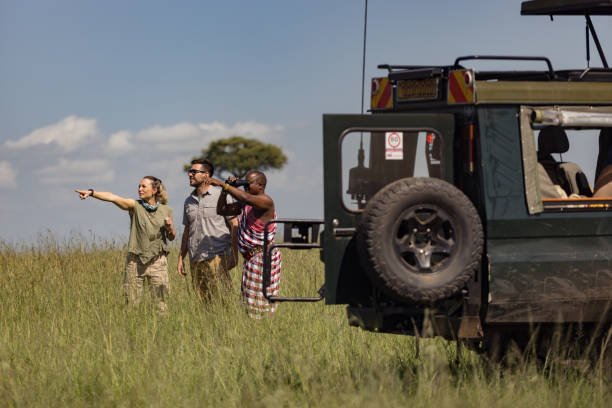
Joining Group Climbs On Kilimanjaro When Traveling Alone In 2026-2027
Traveling to Kilimanjaro alone? Discover how you can easily join an existing group climb, making your solo adventure more social and cost-effective for 2026-2027. Learn about departure...
View package details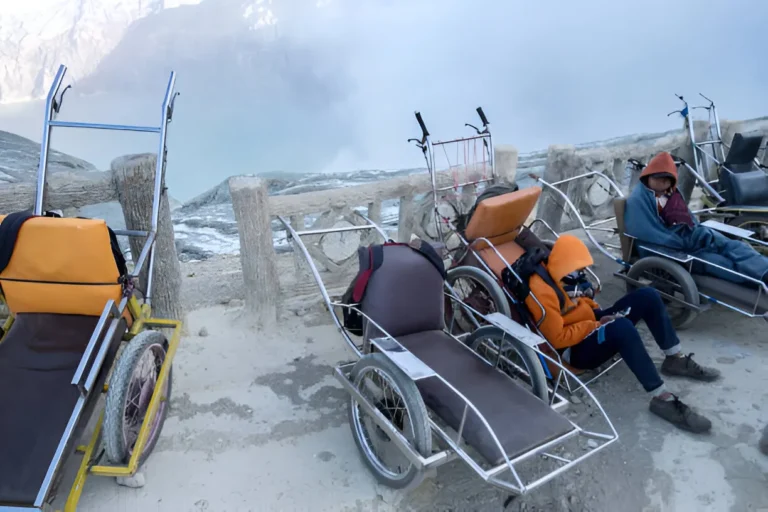
Kilimanjaro Climb With A Personal Support Assistant: Your Ultimate Guide
Climbing Mount Kilimanjaro with a personal support assistant offers unparalleled safety, comfort, and focus on your summit goals. This guide details what a personal assistant entails, its...
View package details
Kilimanjaro Hydration Mistakes Climbers Make And How To Avoid Them 2026-2027
Proper hydration is critical for a successful Kilimanjaro climb. This guide details common hydration mistakes climbers make, from under-drinking to choosing the wrong fluids, and provides...
View package details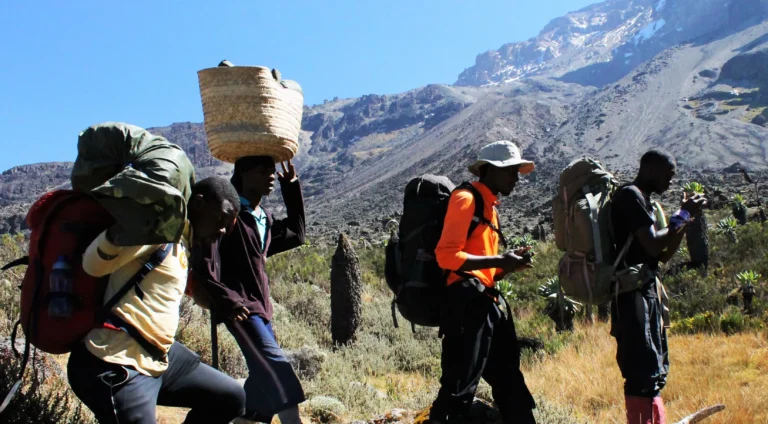
How To Know Whether You Are Ready For Kilimanjaro: A Comprehensive Guide
Climbing Mount Kilimanjaro is a significant undertaking. This guide helps you evaluate your physical, mental, and logistical readiness to ensure a safe and successful trek in 2026 or 2027...
View package detailsWhich Local Tanzania Safari Companies Are Trustworthy In ? 2026-2027
Choosing a trustworthy local Tanzania safari company is crucial for a memorable and safe adventure. This guide helps you identify reliable operators for your 2026-2027 trip, covering...
View package details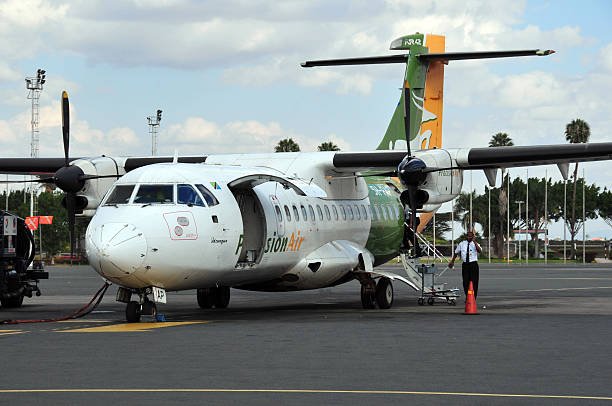
We Are Arriving At Kilimanjaro Airport, What Safari Itinerary Should We Do?
Planning your safari upon arrival at Kilimanjaro Airport (JRO)? This guide provides tailored safari itineraries for 2026-2027, focusing on Northern Tanzania's iconic parks like the...
View package details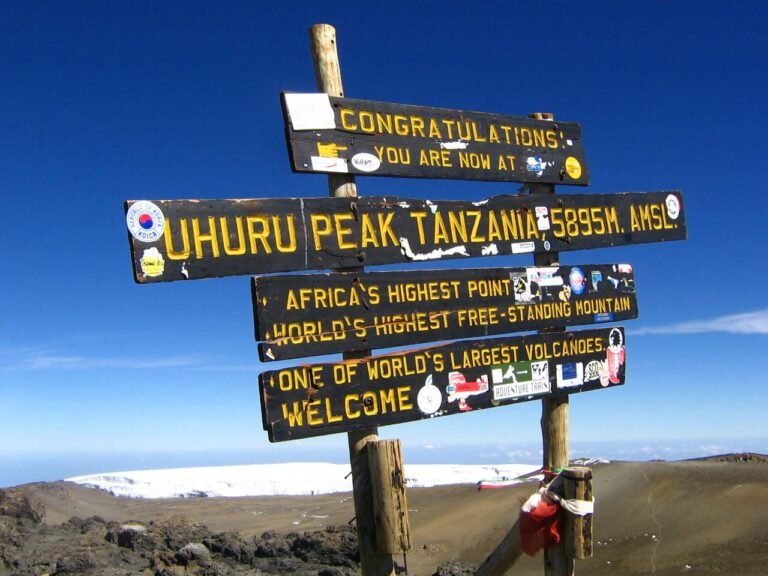
What Does Kilimanjaro Rainforest Look Like? A Trekkers Visual Guide 2026-2027
The Kilimanjaro rainforest is a vibrant, humid zone of dense vegetation, towering trees, and diverse plant life found on the mountain's lower slopes. It's the first major ecosystem trekkers...
View package detailsNo related package matches those filters. Clear one or more filters to see the other topic-matched options.
Plan your 6-Day Adventure & Climb — Mount Kenya + Samburu Extension with Top Guide Adventures
Tell us your travel dates, group size, comfort level, and dream experience. We will help you shape a clear, realistic, and memorable Tanzania itinerary.



