
Updated planning guide for 2026-2027
5-Day Trekking & Birding In Bale Mountains: Complete Guide 2026-2027
Discover the unique alpine landscapes and rich avian life of Ethiopia's Bale Mountains on a 5-day trekking and birding expedition. This comprehensive guide covers everything you need to know for an unforgettable journey.
WhatsApp +255616946642 | topguideadventures@gmail.com | info@topguideadventures.com
5-Day Trekking & Birding in Bale Mountains: An Expert Travel Guide
The Bale Mountains National Park in Ethiopia offers a distinct escape from the typical African safari. Instead of vast savannas teeming with iconic mammals, you’ll find a rugged, high-altitude wilderness characterized by Afro-alpine moorlands, ancient forests, and dramatic volcanic peaks. This unique environment is a paradise for trekkers and birdwatchers alike, making a 5-day trekking & birding in Bale Mountains expedition a truly special experience. This guide provides everything you need to plan and enjoy your adventure in one of Africa’s most ecologically significant regions.
Whether you’re drawn by the prospect of spotting endemic birds, exploring dramatic highland scenery, or simply seeking a different kind of adventure in Ethiopia, Bale Mountains delivers. This guide focuses on a 5-day itinerary, a popular duration that allows for a solid immersion into the park’s highlights without requiring extensive time off. We’ll cover what to expect, the best times to visit, essential gear, and how to arrange your trip for 2026 and 2027.
Quick Answer
A 5-day trekking and birding trip in Ethiopia’s Bale Mountains is ideal for nature enthusiasts seeking unique wildlife, stunning landscapes, and a less crowded experience than other African destinations. It involves hiking through Afro-alpine zones, cloud forests, and rocky terrain, with opportunities to see endemic birds like the Spot-breasted Plover and mammals such as the Ethiopian Wolf and Mountain Nyala. The best time to visit is generally during the dry seasons (October to March). Planning involves securing a local guide and arranging transport to the park’s southern entrance near Dinsho or Goba. For 2026-2027, booking in advance is recommended for the best guides and accommodations.
Table of Contents
- Quick Facts: Bale Mountains Trekking & Birding
- Bale Mountains National Park: An Overview
- Why Choose Bale Mountains for Trekking and Birding?
- Best Time for Your 5-Day Trekking & Birding in Bale Mountains
- Route and Area Overview
- Sample 5-Day Trekking & Birding Itinerary
- What to Expect on the Trail and During Birding
- Essential Gear and Packing List
- Preparation Before You Go
- Common Mistakes to Avoid
- Who is a 5-Day Bale Mountains Trek Best Suited For?
- Alternatives to a 5-Day Bale Mountains Trip
- Planning Your 2026-2027 Trip
- Booking Your 5-Day Trekking & Birding Experience
- Frequently Asked Questions (FAQs)
Quick Facts: Bale Mountains Trekking & Birding
| Aspect | Details |
|---|---|
| Location | Southern Ethiopia, Oromia Region |
| Park Size | Approx. 2,400 sq km (927 sq mi) |
| Key Habitats | Afro-alpine moorland, heather forests, montane forests, grasslands, wetlands |
| Altitude Range | 1,500m to 4,377m (4,900 ft to 14,360 ft) |
| Endemic Species (Birds) | Bale Parisoma, Abyssinian Catbird, Ethiopian Pectoral-chat, Rouget’s Rail, Stresemann’s Bush-crow, White-backed Black Tit |
| Endemic Species (Mammals) | Ethiopian Wolf, Mountain Nyala, Giant Molerat |
| Popular Trekking Areas | Sanetti Plateau, Tullu Deemtu, Web Valley, Harenna Forest |
| Typical 5-Day Focus | Sanetti Plateau, Tullu Deemtu ascent, Harenna Forest exploration |
| Best Time (Dry Seasons) | October – March |
| Best Time (Wet Seasons) | April – May (short rains), June – September (long rains) |
| Required Permits | Park entry fees, camping permits (if applicable) |
| Guide Requirement | Highly recommended, often mandatory for certain areas and safety |
Bale Mountains National Park: An Overview
Bale Mountains National Park is a remarkable ecological island situated in the heart of Ethiopia’s southern highlands. It’s not your typical wildlife park; the terrain is dominated by vast, rolling plateaus of Afro-alpine moorland, interspersed with dramatic volcanic plugs and crater lakes. Below the plateaus lie extensive tracts of montane and cloud forests, most notably the ancient Harenna Forest, one of the last remaining cloud forests in Africa. This diverse range of habitats supports a unique assemblage of flora and fauna, many of which are found nowhere else on Earth.
The park is divided into several distinct zones, each offering different experiences. The Sanetti Plateau is the highest and most exposed area, characterized by its stark beauty and home to the Ethiopian Wolf. The Tullu Deemtu, at 4,377 meters (14,360 feet), is the second-highest peak in Ethiopia and is accessible via a rough track, making it a popular objective for visitors. The Web Valley offers a more classic highland trekking experience, while the Harenna Forest, on the southern slopes, provides a dense, humid contrast with its rich birdlife and unique plant species.
The park is managed by the Ethiopian Wildlife Conservation Authority (EWCA) and is recognized for its conservation efforts, particularly concerning the Ethiopian Wolf and the Mountain Nyala. Conservation challenges include human-wildlife conflict and the impact of climate change, but the park remains a vital sanctuary for its endemic species.
Why Choose Bale Mountains for Trekking and Birding?
When considering trekking and birding destinations, Bale Mountains stands out for several compelling reasons:
- Endemic Species: Bale Mountains is a global hotspot for endemic wildlife. The Ethiopian Wolf is a prime example, and seeing it in its natural habitat is a highlight for many visitors. The park also boasts an impressive number of endemic bird species, including the Bale Parisoma, Abyssinian Catbird, and the rare Ethiopian Pectoral-chat.
- Unique Landscapes: The Afro-alpine moorlands of the Sanetti Plateau are unlike anything found elsewhere in Africa. The vastness, the dramatic volcanic formations, and the unique flora create a sense of being on another planet. This is complemented by the mysterious, ancient Harenna Forest.
- High-Altitude Trekking: For those who enjoy walking at elevation, Bale offers challenging yet rewarding routes. The ascent to Tullu Deemtu, even if partially driven, offers incredible views and a sense of accomplishment. Shorter treks through the Web Valley or within the Harenna Forest provide more intimate encounters with the environment.
- Exceptional Birding: With over 300 bird species recorded, including more than 20 endemics, Bale is a serious birding destination. The variety of habitats means a wide range of birds can be seen, from high-altitude specialists on the plateau to forest dwellers in Harenna.
- Authentic Experience: Compared to more developed safari destinations, Bale Mountains offers a more raw and authentic wilderness experience. The infrastructure is basic, the landscapes are wild, and the encounters with wildlife feel genuine and unscripted.
- Accessibility for a 5-Day Trip: While the park is vast, a well-planned 5-day itinerary can effectively cover its most significant highlights, offering a concentrated yet comprehensive experience of both trekking and birding.
Best Time for Your 5-Day Trekking & Birding in Bale Mountains
The weather in Bale Mountains is dictated by altitude and two distinct rainy seasons. For a 5-day trekking and birding trip, aiming for the dry seasons will generally provide the most pleasant conditions for hiking and the best opportunities for wildlife viewing.
| Season | Months | Conditions & Suitability for Trekking/Birding |
|---|---|---|
| Dry Season (Peak) | October – March | Clear skies, sunny days, cold nights. Ideal for trekking and birding. Roads are generally good. Wildlife congregates around water sources. Very popular. |
| Short Rains | April – May | Intermittent showers, often in the afternoon. Landscapes are lush and green. Birding can still be good, but trekking might be affected by muddy trails. Cooler temperatures. |
| Long Rains | June – September | Heavier and more persistent rain, especially in the afternoons and evenings. Can make trekking difficult and roads impassable. Visibility may be reduced. Some birds are more active during this period, but overall conditions are challenging for visitors. |
Recommendation for 2026-2027: For a 5-day trek and birding, the months of October through March are highly recommended. This period offers the best chance of stable weather, clear views, and comfortable trekking conditions. Birding is excellent, with resident species in good form and potential for some migratory visitors.
Route and Area Overview
A 5-day trip typically focuses on the most accessible and iconic areas of the park. The starting point is usually near Dinsho, where the park headquarters are located, or a base in Goba or Robe. From here, you’ll venture onto the Sanetti Plateau and potentially into the Harenna Forest.
Here’s a simplified overview of the key areas you might cover:
Simplified Route Flow:
- Dinsho Area: Arrival, acclimatization, short walks to see Mountain Nyala and Menelik’s Bushbuck. Park introduction.
- Sanetti Plateau Drive: Ascend to the plateau. This is the heart of the Afro-alpine landscape.
- Tullu Deemtu: Drive towards the summit (4,377m), with opportunities for short walks and photography. Highest point accessible by vehicle in Africa.
- Web Valley / Tullu Deemtu Base: Trekking opportunities here, often with camping. Focus on birding and spotting Ethiopian Wolves.
- Harenna Forest: Descend to the southern side for a contrasting experience in the montane forest. Birding and exploring forest trails.
- Return Journey: Travel back towards Dinsho/Goba.
The specific routes within these areas will vary based on your fitness, interests, and the guidance of your tour operator and local guides. A 5-day trip aims to balance trekking time with the exploration of different habitats and wildlife viewing opportunities.
Sample 5-Day Trekking & Birding Itinerary
This sample itinerary provides a framework for a 5-day trekking and birding adventure in Bale Mountains. It balances hiking with wildlife viewing and covers diverse habitats. Please note that this is a suggestion, and your actual trip can be customized.
Day 1: Arrival in Dinsho & Forest Exploration
- Arrive at Dinsho (often via a drive from Addis Ababa or a domestic flight to Robe).
- Meet your guide and transfer to your accommodation (e.g., Dinsho Lodge or a local guesthouse).
- Afternoon: Short acclimatization walk around the park headquarters. This area is excellent for spotting endemic mammals like the Mountain Nyala and Menelik’s Bushbuck, as well as various bird species in the grasslands and forest edges.
- Evening: Briefing on the days ahead, gear check.
Day 2: Sanetti Plateau & Tullu Deemtu Ascent
- Morning: Drive from Dinsho up to the Sanetti Plateau (approx. 3,000m+). The landscape dramatically changes to vast Afro-alpine moorland.
- Begin birding and searching for Ethiopian Wolves, which are often seen hunting rodents on the plateau.
- Continue driving towards Tullu Deemtu, the highest peak. Stop at viewpoints for photography and short walks.
- Optional: A short hike from the base of Tullu Deemtu towards the summit (you can drive most of the way up). Enjoy panoramic views.
- Afternoon: Descend slightly to a suitable area for camping or check into a basic mountain lodge if available.
- Evening: Stargazing on the plateau.
Day 3: Web Valley Trekking & Wolf Spotting
- Full day dedicated to exploring the Web Valley or a similar high-altitude area on the plateau.
- Embark on a moderate trek (e.g., 4-6 hours) through the moorlands. This is prime habitat for the Ethiopian Wolf.
- Focus on birding: look for Highland Buzzards, Moorland Chat, Alpine Chat, and potentially rare species.
- Pack a picnic lunch to enjoy amidst the stunning scenery.
- Return to your campsite or lodge in the late afternoon.
Day 4: Harenna Forest Exploration
- Morning: Drive from the Sanetti Plateau down the southern escarpment towards the Harenna Forest. This drive offers spectacular views.
- Arrive at the edge of the Harenna Forest, a dense, humid cloud forest.
- Begin a guided walk into the forest. This habitat is rich in birdlife, including forest endemics and a variety of other species. Look for Bale Parisoma, Abyssinian Catbird, and various sunbirds and turacos.
- Explore the forest trails, enjoying the unique flora and the atmospheric environment.
- Depending on logistics, you might stay overnight in a basic forest lodge or camp, or return to a lodge closer to Goba.
Day 5: Departure
- Morning: Enjoy a final early morning birding session near your accommodation.
- After breakfast, begin your journey back towards Robe or Addis Ababa, depending on your onward travel plans.
- Reflect on your incredible 5-day trekking & birding in Bale Mountains adventure.
What to Expect on the Trail and During Birding
Trekking and birding in Bale Mountains is a unique experience that differs from many other destinations. Here’s what to anticipate:
- Terrain: The Sanetti Plateau is characterized by wide-open moorlands, rolling hills, and rocky outcrops. Trails can be indistinct, and the ground can be uneven, especially after rain. The Harenna Forest is a dense, humid environment with often muddy and slippery trails.
- Altitude: You will be trekking at high altitudes, often above 3,000 meters (9,800 feet) and reaching up to 4,377 meters (14,360 feet). This requires good physical condition and acclimatization. Headaches and fatigue are common if you ascend too quickly.
- Weather: Conditions can change rapidly. Days can be sunny and warm, but temperatures can drop significantly at night, especially on the plateau. Wind is common, and rain or even sleet can occur at any time of year, particularly in the afternoons.
- Wildlife Encounters: While mammals like the Ethiopian Wolf and Mountain Nyala are key attractions, they are wild animals and sightings are not guaranteed. Patience and a good guide are crucial. The Ethiopian Wolf is most active at dawn and dusk. Birding requires keen observation and knowledge; your guide will be essential in spotting and identifying species.
- Infrastructure: Accommodation options are basic, ranging from simple lodges in Dinsho and Goba to camping. Facilities are limited, especially on the plateau. Expect pit latrines and basic amenities.
- Logistics: Roads within the park can be rough, especially the track to Tullu Deemtu. A 4×4 vehicle is essential for navigating the Sanetti Plateau and Harenna Forest.
- Guides: A local guide is indispensable for safety, navigation, spotting wildlife, and understanding the local ecosystem. They are trained to find birds and mammals and to ensure you stay on safe trails.
Essential Gear and Packing List
Packing appropriately is crucial for comfort and safety during your 5-day trekking & birding in Bale Mountains trip. Layering is key due to the fluctuating temperatures and changeable weather.
Clothing:
- Base Layers: Moisture-wicking thermal tops and bottoms (synthetic or merino wool).
- Mid Layers: Fleece jacket or down vest for insulation.
- Outer Layer: Waterproof and windproof jacket (Gore-Tex or similar) and trousers.
- Trekking Trousers: Comfortable, quick-drying hiking pants (avoid jeans).
- Shirts: Long-sleeved shirts for sun protection and warmth, t-shirts for warmer moments.
- Headwear: Warm woolen hat or beanie, sun hat with a brim.
- Gloves: Warm, waterproof gloves.
- Socks: Wool or synthetic hiking socks (bring several pairs).
- Footwear: Broken-in, waterproof hiking boots with good ankle support. Camp shoes or sandals for evenings.
Gear:
- Backpack: A comfortable daypack (20-30 liters) for daily excursions. If camping, a larger trekking pack (50-70 liters) might be needed.
- Sleeping Bag: A warm sleeping bag rated for cold temperatures (e.g., -5°C to 0°C comfort rating) is essential if camping.
- Water Bottle/Hydration Reservoir: At least 2 liters capacity.
- Water Purification: Tablets or a filter, as water sources can be unreliable or require treatment.
- Headlamp or Torch: With extra batteries.
- Sunscreen: High SPF.
- Lip Balm: With SPF.
- Insect Repellent: Especially for the Harenna Forest.
- Sunglasses: For bright days on the plateau.
- Trekking Poles: Highly recommended for stability and reducing strain on knees, especially on descents.
- Personal First-Aid Kit: Including any personal medications, blister treatment, pain relievers, antiseptic wipes.
- Toiletries: Biodegradable soap, toothbrush, toothpaste, small towel.
- Camera and Binoculars: Essential for birding and photography. Extra batteries and memory cards.
- Power Bank: For charging electronics.
- Small Notebook and Pen: For journaling or noting bird sightings.
Documents & Money:
- Passport and Visa (if required)
- Flight tickets and itinerary
- Travel insurance details
- Cash (Ethiopian Birr) for tips, souvenirs, and any incidentals. ATMs are scarce outside major towns.
Preparation Before You Go
Proper preparation is key to a successful and enjoyable trip. For a 5-day trekking & birding in Bale Mountains adventure, consider the following:
- Physical Fitness: Bale Mountains involves trekking at high altitudes. Engage in regular cardiovascular exercise (walking, hiking, running) and strength training for your legs and core in the months leading up to your trip. Practice hiking with a loaded backpack if possible.
- Acclimatization: If possible, spend a day or two in Addis Ababa (2,355m) or Goba (2,750m) before heading to the higher elevations of the Sanetti Plateau (3,000m-4,377m). This helps your body adjust to the altitude.
- Vaccinations and Health: Consult your doctor or a travel clinic 4-6 weeks before your trip regarding recommended vaccinations (e.g., Hepatitis A, Typhoid) and malaria prophylaxis (though risk is generally low in the highlands, it can be present in lower-lying forest areas). Pack a comprehensive personal first-aid kit.
- Travel Insurance: Ensure your insurance covers high-altitude trekking and medical evacuation.
- Research: Familiarize yourself with the Bale Mountains, its wildlife, and potential bird species. This will enhance your appreciation and birding success.
- Learn Basic Phrases: Knowing a few Amharic or Oromo phrases can be helpful and appreciated by locals.
- Book in Advance: Especially for 2026-2027, booking your tour operator, guides, and accommodation well in advance is advisable to secure the best options.
Common Mistakes to Avoid
To ensure your 5-day trek and birding experience is as smooth as possible, be aware of these common pitfalls:
- Underestimating the Altitude: Many travelers underestimate the effects of high altitude. Ascend gradually, stay hydrated, and avoid alcohol and strenuous activity on your first day at altitude.
- Inadequate Clothing: The weather can be surprisingly cold and unpredictable. Packing only light clothing is a mistake. Always be prepared for wind, rain, and sub-zero temperatures at night.
- Not Hiring a Local Guide: While you might be an experienced trekker or birder, local guides are invaluable for navigation, spotting wildlife, understanding the ecosystem, and safety. They often know the best spots for wolf sightings or specific bird species.
- Ignoring Weather Forecasts: While mountain weather is fickle, pay attention to patterns. Avoid starting long treks in the afternoon when rain is likely.
- Relying on ATMs: ATMs are scarce outside major towns. Carry enough cash (Ethiopian Birr) for your entire trip, including tips and any personal expenses.
- Lack of Flexibility: Weather, road conditions, or wildlife movements can impact plans. Be prepared to be flexible with your itinerary.
- Not Packing Sun Protection: The sun at high altitudes is intense, even on cloudy days. Sunscreen, a hat, and sunglasses are essential.
- Overpacking: While you need to be prepared, avoid carrying unnecessary weight. Focus on versatile, layered clothing and essential gear.
Who is a 5-Day Bale Mountains Trek Best Suited For?
A 5-day trekking & birding in Bale Mountains adventure is an excellent choice for several types of travelers:
- Dedicated Birdwatchers: Those seeking to tick off endemic Ethiopian species and experience diverse avian habitats.
- Nature Enthusiasts: Individuals who appreciate unique natural landscapes, high-altitude environments, and a chance to see rare wildlife like the Ethiopian Wolf.
- Adventurous Trekkers: People who enjoy hiking in remote, wild settings and are comfortable with basic facilities and changeable weather.
- Photographers: The dramatic landscapes, unique wildlife, and atmospheric forests offer incredible photographic opportunities.
- Travelers Seeking Off-the-Beaten-Path Experiences: Those looking for an alternative to the typical African safari, offering a different kind of wilderness and cultural immersion.
- Those with Limited Time: The 5-day duration is perfect for those who want a concentrated yet rewarding experience of Bale Mountains without needing a long expedition.
It’s less suitable for those seeking luxury accommodations, extensive wildlife viewing of large herds, or easy, paved walking paths. A reasonable level of fitness and a spirit of adventure are beneficial.
Alternatives to a 5-Day Bale Mountains Trip
While a 5-day trip is ideal for many, if your time or interests differ, consider these alternatives:
- Shorter Bale Mountains Visit (2-3 Days): Focus on a day trip to the Sanetti Plateau from Goba for a taste of the high-altitude landscape and a chance to see wolves, or a day trek in the Harenna Forest. This is for those with very limited time who want a glimpse of Bale.
- Longer Bale Mountains Trek (7-10 Days): For a more in-depth exploration, a longer trek can include more remote valleys, multiple days camping on the plateau, deeper exploration of Harenna Forest, and potentially reaching other peaks. This allows for more comprehensive birding and a slower pace.
- Simien Mountains National Park: If your priority is dramatic mountain scenery and trekking with more established infrastructure and easier access to the high plateau (though less endemic wildlife than Bale), the Simien Mountains offer excellent hiking and unique landscapes with Gelada Baboons and Walia Ibex.
- Other Ethiopian Destinations: Combine Bale Mountains with other Ethiopian highlights like the historical sites of the Northern Circuit (Lalibela, Gondar, Axum), the unique landscapes of the Danakil Depression, or the tribal cultures of the Omo Valley for a more comprehensive Ethiopian experience.
Planning Your 2026-2027 Trip
Planning a trip to Bale Mountains for 2026 or 2027 requires foresight, especially if you aim for peak seasons. Here’s how to approach it:
- Choose Your Season: Decide whether you prioritize dry weather (October-March) or are willing to brave potential rain for greener landscapes (April-May). For 2026-2027, the dry seasons will likely be the most popular, so booking early is crucial.
- Select a Reputable Tour Operator: This is the most important step. A good operator will handle permits, guides, transport, accommodation, and food. Look for operators with specific experience in Bale Mountains.
- Define Your Interests: Are you primarily a birder, a trekker, or interested in both equally? Communicate this clearly to your operator so they can tailor the itinerary.
- Book Flights: International flights to Addis Ababa (ADD) and any necessary domestic flights (e.g., to Robe) should be booked well in advance for 2026-2027 to get better prices and availability.
- Physical Preparation: Start your fitness routine at least 3-6 months before your planned departure date.
- Visa Requirements: Check the latest visa regulations for Ethiopia for your nationality. Many nationalities can obtain an e-visa or visa on arrival.
- Budgeting: While exact prices vary, consider the costs of the tour package, flights, insurance, tips, and personal expenses. High season (Oct-Mar) might see slightly higher prices for services.
Booking Your 5-Day Trekking & Birding Experience
To book your 5-day trekking & birding in Bale Mountains adventure, partnering with an experienced local tour operator is highly recommended. They possess the on-the-ground knowledge and logistical capabilities to ensure a well-organized and safe trip.
When choosing an operator, look for:
- Specialization: Operators who focus on Ethiopia and specifically mention Bale Mountains in their offerings.
- Local Expertise: A deep understanding of the park, its wildlife, and the best trekking routes.
- Transparency: Clear communication about what is included and excluded in the package.
- References/Reviews: Check for reviews from previous clients, particularly those who have done similar treks.
- Responsiveness: How quickly and thoroughly they answer your queries.
Contact us for your personalized 5-day trekking & birding in Bale Mountains itinerary for 2026-2027! We specialize in creating authentic Ethiopian travel experiences. Reach out via WhatsApp at +255616946642 or email us at topguideadventures@gmail.com. For backup, you can also use info@topguideadventures.com.
What to expect when booking with us:
- Customized Itineraries: We tailor each trip to your fitness level, interests, and available time.
- Experienced Local Guides: Our guides are passionate about Ethiopia’s nature and culture, with extensive knowledge of Bale Mountains.
- Logistical Support: We arrange all necessary transport (including 4×4 vehicles), park permits, and accommodation.
- Safety First: Your well-being is our priority. We ensure all safety protocols are followed.
- Competitive Pricing: We offer excellent value for a high-quality, authentic experience.
Booking Timeline Recommendation for 2026-2027:
- 6-12 months in advance: Ideal for peak season travel (October-March) to secure preferred dates and accommodations.
- 3-6 months in advance: Recommended for shoulder seasons or if you have specific date requirements.
- 1-3 months in advance: Possible for off-peak times, but availability might be limited.
Frequently Asked Questions (FAQs)
Q1: Is a 5-day trekking and birding trip in Bale Mountains suitable for beginners?
A1: It can be, provided you have a reasonable level of fitness and choose a guided tour that accommodates varying paces. The altitude is the main challenge. Shorter treks can be arranged, and the itinerary can be adjusted to include more driving and less strenuous walking days. For 2026-2027, discuss your fitness level with your tour operator.
Q2: What are the chances of seeing the Ethiopian Wolf?
A2: The Sanetti Plateau is one of the best places in the world to see the endangered Ethiopian Wolf. Sightings are not guaranteed, but they are most active at dawn and dusk. Your guide will know the best areas and times to look. Patience is key.
Q3: Do I need special permits to trek in Bale Mountains?
A3: Yes, you will need park entry permits and potentially camping permits if your itinerary involves overnight stays in designated camping areas. Your tour operator will arrange these for you.
Q4: What is the best way to get to Bale Mountains?
A4: The most common way is to fly into Addis Ababa (ADD) and then either arrange a private transfer or take a domestic flight to Robe (RBE), which is close to Goba and Dinsho. Your tour operator will typically arrange ground transport from Robe or even from Addis Ababa.
Q5: What kind of accommodation can I expect?
A5: Accommodation in Bale Mountains is generally basic. In Dinsho and Goba, you’ll find lodges or guesthouses. On the Sanetti Plateau, camping is common, or there are very basic mountain huts. The Harenna Forest also has limited lodge options or camping. For 2026-2027, expect rustic but functional facilities.
Q6: Is it safe to travel to Bale Mountains?
A6: Bale Mountains National Park is generally considered safe for tourists. The primary risks are related to the natural environment (altitude, weather, rough terrain) and petty crime in towns. Traveling with a reputable local guide and tour operator significantly enhances safety. Always follow your guide’s advice. For 2026-2027, stay informed about any travel advisories for Ethiopia.
Q7: What bird species are endemic to Bale Mountains?
A7: Bale Mountains is home to several endemic birds, including the Bale Parisoma, Abyssinian Catbird, Ethiopian Pectoral-chat, Rouget’s Rail, Stresemann’s Bush-crow, and White-backed Black Tit. Your guide will help you spot these and many other species.
Q8: How much cash should I bring?
A8: It’s wise to carry enough cash (Ethiopian Birr) for your entire trip, as ATMs are infrequent outside major cities. This should cover tips for guides and drivers, souvenirs, and any personal expenses. Your tour operator can advise on an appropriate amount.
Q9: Can I trek independently without a guide?
A9: While technically possible in some areas, it is strongly discouraged. The terrain is challenging, navigation can be difficult, and the weather is unpredictable. A guide is essential for safety, spotting wildlife, and understanding the environment. Many areas may also require a guide by park regulations.
Q10: What is the altitude sickness protocol?
A10: The best prevention is gradual acclimatization. If symptoms occur (headache, nausea, dizziness), do not ascend further. Descend if symptoms worsen. Stay hydrated and avoid alcohol. Your guide will be trained to recognize and manage altitude sickness. Consult your doctor about preventative medication before your trip.
Ready for Your Bale Mountains Adventure?
A 5-day trekking & birding in Bale Mountains offers an unparalleled opportunity to explore Ethiopia’s unique highland wilderness. From the stark beauty of the Sanetti Plateau to the ancient Harenna Forest, this journey promises incredible wildlife encounters and breathtaking scenery.
Let us help you plan your perfect trip for 2026 or 2027. We are a leading Tanzania tour operator with extensive experience in crafting unforgettable adventures across East Africa, including the magnificent Bale Mountains.
Contact us today to start planning your dream itinerary:
- WhatsApp: +255616946642
- Email: topguideadventures@gmail.com
- Backup Email: info@topguideadventures.com
We look forward to helping you discover the magic of Bale Mountains!
Joining Group Climbs On Kilimanjaro When Traveling Alone In 2026-2027
Traveling to Kilimanjaro alone? Discover how you can easily join an existing group climb, making your solo adventure more social and cost-effective for 2026-2027. Learn about departure...
View package details
Kilimanjaro Climb With A Personal Support Assistant: Your Ultimate Guide
Climbing Mount Kilimanjaro with a personal support assistant offers unparalleled safety, comfort, and focus on your summit goals. This guide details what a personal assistant entails, its...
View package details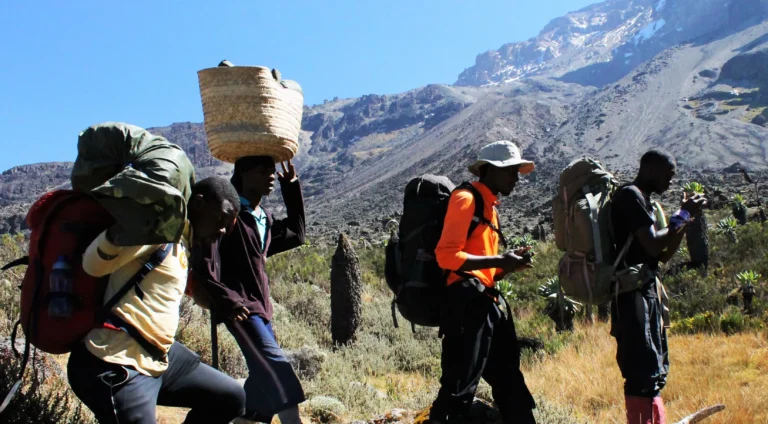
How To Know Whether You Are Ready For Kilimanjaro: A Comprehensive Guide
Climbing Mount Kilimanjaro is a significant undertaking. This guide helps you evaluate your physical, mental, and logistical readiness to ensure a safe and successful trek in 2026 or 2027...
View package details
Kilimanjaro Hydration Mistakes Climbers Make And How To Avoid Them 2026-2027
Proper hydration is critical for a successful Kilimanjaro climb. This guide details common hydration mistakes climbers make, from under-drinking to choosing the wrong fluids, and provides...
View package detailsWhich Local Tanzania Safari Companies Are Trustworthy In ? 2026-2027
Choosing a trustworthy local Tanzania safari company is crucial for a memorable and safe adventure. This guide helps you identify reliable operators for your 2026-2027 trip, covering...
View package details
We Are Arriving At Kilimanjaro Airport, What Safari Itinerary Should We Do?
Planning your safari upon arrival at Kilimanjaro Airport (JRO)? This guide provides tailored safari itineraries for 2026-2027, focusing on Northern Tanzania's iconic parks like the...
View package details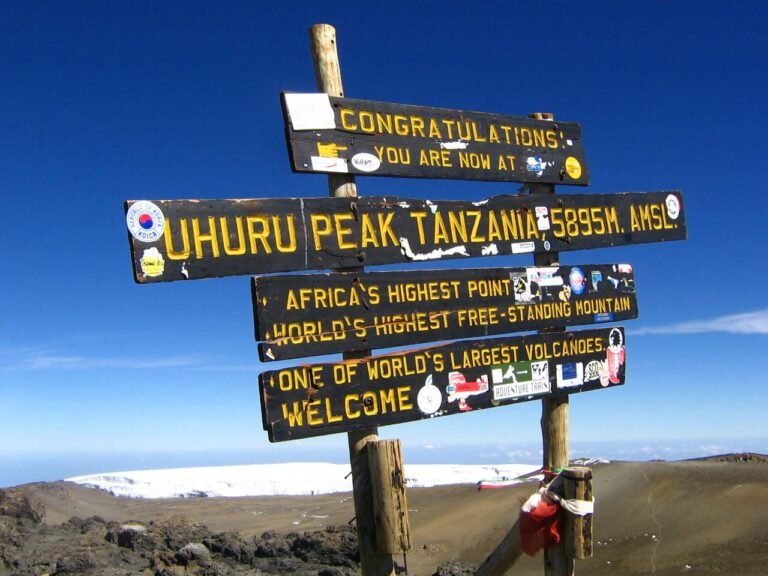
What Does Kilimanjaro Rainforest Look Like? A Trekkers Visual Guide 2026-2027
The Kilimanjaro rainforest is a vibrant, humid zone of dense vegetation, towering trees, and diverse plant life found on the mountain's lower slopes. It's the first major ecosystem trekkers...
View package detailsNo related package matches those filters. Clear one or more filters to see the other topic-matched options.
Plan your 5-Day Trekking & Birding in Bale Mountains with Top Guide Adventures
Tell us your travel dates, group size, comfort level, and dream experience. We will help you shape a clear, realistic, and memorable Tanzania itinerary.



