
Updated planning guide for 2026, 2027-2028
12 Days Tanzania Safari From Moshi: Best Guide 2026-2027-2028
Your comprehensive guide to a 12-day Tanzania safari starting from Moshi. Learn about the best parks, itinerary planning, costs, and essential preparation for an unforgettable adventure in 2026-2027.
WhatsApp +255616946642 | topguideadventures@gmail.com | info@topguideadventures.com
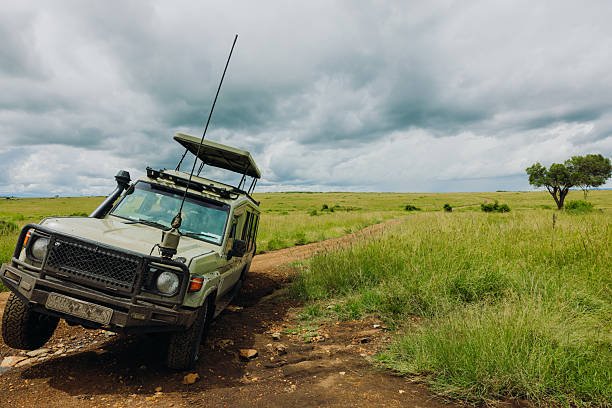
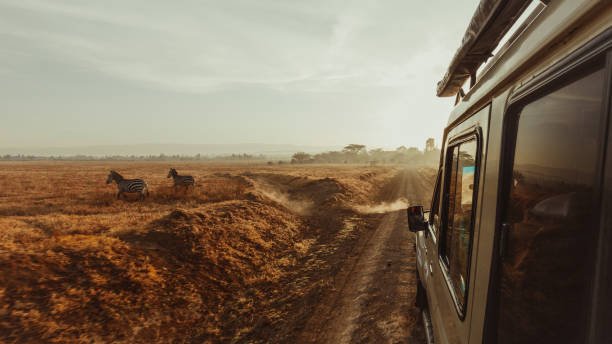
12 Days Tanzania Safari From Moshi: Your Ultimate Planning Guide
A 12 Days Tanzania Safari From Moshi offers an exceptional opportunity to explore some of East Africa’s most iconic wildlife destinations. Starting your journey in Moshi, a town nestled at the foot of Mount Kilimanjaro, provides a unique departure point, often combining a safari adventure with the possibility of a trek or simply a convenient gateway to the Northern Circuit’s famous parks. This detailed guide covers everything you need to know to plan an unforgettable 12-day safari experience, from choosing the right parks and crafting an itinerary to understanding costs, packing essentials, and making informed booking decisions for 2026 and 2027.
Quick Facts: 12 Days Tanzania Safari From Moshi
Duration: 12 Days / 11 Nights
Starting Point: Moshi, Tanzania
Ending Point: Arusha or Kilimanjaro International Airport (JRO)
Primary Parks: Serengeti National Park, Ngorongoro Conservation Area, Tarangire National Park, Lake Manyara National Park
Possible Add-ons: Mount Kilimanjaro Trek, Maasai Village Visit, Cultural Tours
Best Time to Travel: June to October (Dry Season), January to February (Calving Season)
Travel Style: Camping, Mid-Range Lodges, Luxury Lodges
Table of Contents
- Why Choose a 12-Day Safari From Moshi?
- Best Time to Plan Your 12 Days Tanzania Safari From Moshi
- Sample 12-Day Safari Route From Moshi
- Detailed 12-Day Itinerary Breakdown
- Key Parks and What to Expect
- Accommodation Choices: From Camping to Luxury
- Packing Essentials for Your Safari
- Pre-Safari Preparation and Health Tips
- Common Mistakes to Avoid
- Who is a 12-Day Safari From Moshi Best For?
- Alternative Safari Durations and Routes
- Planning Your Safari for 2026-2027
- Booking Your Safari: What to Look For
- Frequently Asked Questions
Why Choose a 12-Day Safari From Moshi?
Starting your Tanzanian safari adventure from Moshi offers several distinct advantages. Firstly, it positions you ideally for exploring the renowned Northern Circuit, which includes Serengeti National Park, Ngorongoro Crater, Tarangire National Park, and Lake Manyara National Park. These parks are home to the ‘Big Five’ (lion, leopard, elephant, rhino, and buffalo) and countless other species, providing unparalleled wildlife viewing opportunities. Moshi also serves as the gateway for Mount Kilimanjaro climbs, making it a logical starting point for travelers wishing to combine a mountain trek with a safari. Even if Kilimanjaro isn’t on your agenda, Moshi provides a more relaxed and authentic introduction to Tanzania compared to the busier hub of Arusha, with stunning views of the mountain serving as a constant backdrop. A 12-day duration allows for a comprehensive exploration of these diverse ecosystems without feeling rushed, offering deeper immersion into the landscapes and wildlife. You can experience the vast plains of the Serengeti, the unique crater ecosystem of Ngorongoro, and the elephant-rich woodlands of Tarangire at a comfortable pace.
Best Time to Plan Your 12 Days Tanzania Safari From Moshi
The ideal timing for your 12 Days Tanzania Safari From Moshi depends on your priorities. Tanzania experiences distinct wet and dry seasons, each offering unique advantages for wildlife viewing.
Best Time to Visit: Seasonality Overview
| Period | Weather | Wildlife Highlights | Crowds & Costs |
|---|---|---|---|
| June – October (Dry Season) | Cooler temperatures, minimal rain, dry landscapes. Excellent for game viewing as animals congregate around water sources. | Great migration river crossings (Serengeti), abundant wildlife visible due to sparser vegetation. | Peak season, higher prices, more tourists. Book well in advance for 2026-2027. |
| November – December (Short Rains) | Intermittent, short showers, lush green landscapes emerging. | Birdwatching is excellent, some migratory birds arrive. Wildlife is more dispersed. | Shoulder season, moderate prices and crowds. |
| January – February (Long Rains – Calving Season) | Hotter, potential for longer rain spells, especially in the afternoons. | Calving season in Ndutu (southern Serengeti/Ngorongoro border), dramatic predator-prey action. Lush scenery. | Lower season, fewer tourists, potentially lower prices. Good for photography. |
| March – May (Long Rains) | Heavy, prolonged rainfall, muddy roads, lush vegetation. | Predator-prey interactions can be intense. Fewer tourists. | Low season, lowest prices, but some roads may be difficult to traverse. Many lodges close or offer reduced services. |
For general wildlife viewing and the best chance to witness the Great Migration river crossings in the Serengeti, the dry season (June to October) is highly recommended. If you are interested in the dramatic calving season and intense predator action, January and February are ideal. Always consider booking your 2026 or 2027 safari well in advance, especially for peak season travel.
Sample 12-Day Safari Route From Moshi
This sample route prioritizes a comprehensive experience of the Northern Circuit, offering a logical flow and maximizing wildlife encounters. It assumes travel by 4×4 safari vehicle with a dedicated guide.
Sample Safari Route Overview
Moshi → Tarangire National Park → Lake Manyara National Park → Ngorongoro Conservation Area → Serengeti National Park (Central) → Serengeti National Park (North/West – Seasonal) → Serengeti National Park (Central/South) → Ngorongoro Conservation Area → Arusha/Moshi
Note: The specific areas of Serengeti visited (North, West, South) often depend on the time of year and the location of the Great Migration.
Detailed 12-Day Itinerary Breakdown
This detailed itinerary provides a framework for a rich 12 Days Tanzania Safari From Moshi. It balances travel time with ample game drives, allowing for flexibility and spontaneous wildlife sightings.
Day 1: Arrival in Moshi & Safari Briefing
Arrive at Kilimanjaro International Airport (JRO) or your Moshi accommodation. You’ll be met by your safari guide for a pre-safari briefing, covering the itinerary, safety guidelines, and answering any questions. Relax and acclimatize. Overnight in Moshi.
Day 2: Moshi to Tarangire National Park
After breakfast, depart for Tarangire National Park, known for its large elephant herds and iconic baobab trees. Enjoy an afternoon game drive as you explore the park’s diverse landscapes. Overnight near Tarangire (lodge or tented camp).
Day 3: Tarangire National Park
Full day dedicated to game drives in Tarangire. Focus on areas where elephants, lions, leopards, and diverse birdlife are commonly sighted. Enjoy a picnic lunch amidst the wilderness. Overnight near Tarangire.
Day 4: Tarangire to Lake Manyara National Park & Karatu
Morning game drive in Tarangire before driving to Lake Manyara National Park. Known for its tree-climbing lions (though sightings are not guaranteed), large troops of baboons, and diverse birdlife along the lake shore. After exploring Lake Manyara, continue to Karatu, a scenic highland area, for your overnight stay.
Day 5: Ngorongoro Conservation Area (Crater Floor)
Descend into the Ngorongoro Crater, a UNESCO World Heritage Site teeming with wildlife. Spend the day on the crater floor, searching for the Big Five, including the rare black rhino. Enjoy a picnic lunch with the crater walls as your backdrop. Ascend in the late afternoon. Overnight in Karatu or on the crater rim.
Day 6: Karatu to Serengeti National Park (Central)
Drive to the legendary Serengeti National Park, stopping at the Olduvai Gorge (optional) for a glimpse into early human history. Enter the Serengeti and enjoy a game drive en route to your camp or lodge in the central region (Seronera area), renowned for its resident wildlife year-round.
Day 7: Serengeti National Park (Central)
Full day exploring the vast plains of central Serengeti. This area is excellent for spotting big cats like lions and leopards, as well as cheetahs, elephants, and giraffes. Optional hot air balloon safari at sunrise (highly recommended, book in advance).
Day 8: Serengeti National Park (Migration Focus – North/West/South)
Depending on the time of year and the Great Migration’s location, you will either explore the northern Serengeti (Kogatende/Lamai area for river crossings, June-Oct), the western corridor (Grumeti River, May-July), or the southern plains (Ndutu area for calving, Dec-March). Your guide will direct you to the most active areas. Overnight in Serengeti.
Day 9: Serengeti National Park
Continue your exploration of the Serengeti, focusing on areas with high wildlife concentrations. This day offers flexibility to revisit favorite spots or discover new ones. Enjoy morning and afternoon game drives.
Day 10: Serengeti to Ngorongoro Conservation Area (Highlands/Maasai Visit)
Enjoy a final morning game drive in the Serengeti before driving back towards the Ngorongoro Conservation Area. Today’s focus can shift to cultural experiences, such as visiting a Maasai village (optional, arrange with your guide) or exploring the highlands around Karatu. Overnight in Karatu or on the crater rim.
Day 11: Ngorongoro Highlands & Drive to Arusha
Morning can be used for a nature walk in the highlands or a visit to a local coffee plantation (optional). Afterwards, begin your scenic drive back to Arusha. You can opt for a final short game drive if time permits or visit a craft market. Overnight in Arusha.
Day 12: Departure from Arusha/JRO
Enjoy a leisurely breakfast in Arusha. Depending on your flight schedule, you might have time for some last-minute souvenir shopping or a city tour. Transfer to Kilimanjaro International Airport (JRO) for your onward journey.
Key Parks and What to Expect
This 12 Days Tanzania Safari From Moshi covers a selection of Tanzania’s most celebrated national parks and conservation areas. Each offers a unique ecosystem and wildlife viewing experience.
- Tarangire National Park: Famous for its massive elephant herds, especially during the dry season when they congregate around the Tarangire River. Baobab trees dot the landscape, creating a prehistoric feel. Birdlife is exceptional. Look out for lions, leopards, giraffes, zebras, wildebeest, and various antelope species.
- Lake Manyara National Park: A compact park offering diverse habitats, from groundwater forests to alkaline lakes. It’s known for its elusive tree-climbing lions, large baboon troops, flamingos (seasonal), elephants, hippos, and a rich variety of birds. The park provides excellent opportunities for spotting wildlife along the lake’s edge.
- Ngorongoro Conservation Area (Crater): This UNESCO World Heritage site is a geological marvel, a collapsed volcano caldera that hosts an astonishing concentration of wildlife. It’s one of the best places in Africa to see the Big Five in a single day, including the endangered black rhino. The crater floor is a vibrant ecosystem supporting large populations of wildebeest, zebras, buffalo, lions, hyenas, hippos, and a variety of birds.
- Serengeti National Park: Arguably Tanzania’s most famous park, the Serengeti is synonymous with the Great Migration. Its vast, rolling plains are home to millions of wildebeest, zebras, and gazelles, followed by predators like lions, cheetahs, and leopards. The park offers incredible game viewing year-round, with different regions offering unique experiences depending on the migration’s movements.
Accommodation Choices: From Camping to Luxury
Your safari experience will be significantly shaped by your accommodation choices. For a 12 Days Tanzania Safari From Moshi, you can select from various options:
- Budget/Camping Safaris: Stay in public campsites within or near the parks. These are often basic but offer a true wilderness experience. Facilities typically include shared ablutions and communal dining areas. Tents are provided, and a cook accompanies you to prepare meals. This is the most affordable option.
- Mid-Range Lodges & Tented Camps: These offer more comfort, with en-suite bathrooms, comfortable beds, and often on-site restaurants and bars. Tented camps provide a more intimate bush experience while still offering amenities. This is a popular choice balancing comfort and cost.
- Luxury Lodges & Tented Camps: For a premium experience, choose high-end lodges and tented camps. These offer exquisite service, gourmet dining, private plunge pools, stunning views, and exclusive locations. Expect personalized attention and exceptional comfort.
When planning for 2026 or 2027, consider booking your preferred accommodation type early, especially for luxury options and during peak seasons.
Packing Essentials for Your Safari
Packing smart is crucial for a comfortable and enjoyable safari. Focus on practical, comfortable items. Layers are key due to varying temperatures.
Safari Packing Checklist
- Clothing:
- Lightweight, neutral-colored clothing (khaki, beige, green) – avoid bright colors and black/dark blue which can attract tsetse flies.
- Long-sleeved shirts and trousers (for sun protection and evenings).
- T-shirts and shorts.
- Fleece jacket or warm sweater for cool mornings and evenings.
- Waterproof and windproof jacket.
- Comfortable walking shoes or hiking boots (if doing any walking).
- Sandals or flip-flops for camp/lodge.
- Swimsuit (for lodges with pools).
- Socks (including thermal socks for cooler months).
- Headwear & Accessories:
- Wide-brimmed hat or cap for sun protection.
- Sunglasses.
- Scarf or bandana (useful for dust and sun).
- Health & Hygiene:
- Personal toiletries (biodegradable preferred).
- Sunscreen (high SPF).
- Insect repellent (with DEET).
- Basic first-aid kit (band-aids, antiseptic wipes, pain relievers, motion sickness medication).
- Any personal prescription medications.
- Hand sanitizer.
- Gear:
- Binoculars (essential for wildlife viewing).
- Camera with extra batteries and memory cards.
- Power bank or portable charger.
- Adapter for Tanzania’s power outlets (Type D and G).
- Headlamp or flashlight.
- Reusable water bottle.
- Small backpack or daypack.
- Travel documents (passport, visa, yellow fever certificate, insurance details).
- Cash (USD for tips and small purchases, Tanzanian Shillings).
Remember that luggage space in safari vehicles can be limited, especially for camping safaris. Soft duffel bags are often preferred over hard suitcases.
Pre-Safari Preparation and Health Tips
Proper preparation ensures a smoother and healthier safari experience. Here are key points to consider before your 12 Days Tanzania Safari From Moshi:
- Visas: Check visa requirements for Tanzania for your nationality. Many can obtain a visa on arrival or apply online in advance.
- Vaccinations & Health: Consult your doctor or a travel clinic 4-6 weeks before your trip regarding recommended vaccinations (e.g., Yellow Fever, Hepatitis A, Typhoid) and malaria prophylaxis. Yellow Fever vaccination is often mandatory for entry into Tanzania if arriving from or transiting through a country with a risk of Yellow Fever. Carry your vaccination certificate.
- Travel Insurance: Comprehensive travel insurance covering medical emergencies, evacuation, trip cancellation, and lost luggage is essential.
- Fitness: While safaris are not strenuous, you’ll be spending time in a vehicle. If you plan to climb Kilimanjaro before or after, ensure you have adequate fitness.
- Currency: The local currency is the Tanzanian Shilling (TZS). However, USD is widely accepted for safari payments, park fees, and tips. It’s advisable to carry smaller denominations of USD. ATMs are available in major towns like Arusha and Moshi.
- Photography Gear: Ensure your camera is in good working order. Consider bringing a zoom lens for wildlife shots. Protect your gear from dust.
- Learning Basic Swahili Phrases: While English is widely spoken in tourist areas, knowing a few Swahili phrases like ‘Jambo’ (Hello) and ‘Asante’ (Thank you) is appreciated.
Common Mistakes to Avoid
To ensure your 12 Days Tanzania Safari From Moshi is as enjoyable as possible, be aware of common pitfalls:
- Underestimating Travel Times: Distances in Tanzania can be significant, and road conditions can vary. Factor in ample travel time between locations.
- Packing Too Much: As mentioned, luggage space is limited. Overpacking leads to inconvenience. Stick to essentials.
- Not Bringing Binoculars: Wildlife is often viewed from a distance. Binoculars are indispensable for spotting details and enjoying sightings.
- Ignoring Health Advice: Skipping malaria precautions or vaccinations can lead to serious illness. Always follow medical advice.
- Choosing the Cheapest Option Blindly: While budget is a factor, extremely cheap safaris may compromise on vehicle quality, guide experience, safety, and accommodation standards. Research thoroughly.
- Not Booking in Advance: Especially for peak seasons in 2026-2027, popular lodges and safari slots get booked up months, sometimes a year, in advance.
- Expecting to See Everything: Wildlife viewing is unpredictable. While Tanzania offers high chances of sightings, nature cannot be guaranteed. Be patient and enjoy the experience.
- Ignoring Tipping Etiquette: Tipping your guide and support staff is customary and greatly appreciated. Research appropriate amounts beforehand.
Who is a 12-Day Safari From Moshi Best For?
A 12 Days Tanzania Safari From Moshi is an excellent choice for several types of travelers:
- First-time Safari Goers: It offers a comprehensive introduction to the classic Northern Circuit, showcasing iconic wildlife and landscapes.
- Wildlife Enthusiasts: The duration and park selection provide ample time for in-depth game viewing and opportunities to spot a wide array of species.
- Travelers Combining Safari with Kilimanjaro: Starting from Moshi makes it a convenient transition for those who have climbed or plan to climb Kilimanjaro.
- Couples and Families: With a range of accommodation options, it can be tailored for romantic getaways or family adventures.
- Photographers: The diverse scenery and abundant wildlife provide endless photographic opportunities.
- Travelers Seeking a Balanced Experience: 12 days allows for a good balance between game drives, travel, and relaxation without feeling rushed.
Alternative Safari Durations and Routes
While 12 days is a fantastic duration, shorter or longer safaris are also popular:
- Shorter Safaris (e.g., 5-7 Days): Focus on 2-3 key parks like Tarangire, Lake Manyara, and Ngorongoro, or a shorter Serengeti experience. This is ideal for those with limited time.
- Longer Safaris (e.g., 14-21 Days): Can include additional parks like Arusha National Park (for Mount Meru trekking or canoeing), Ruaha National Park (for a more wild, less crowded experience in southern Tanzania), or even a combination with Zanzibar for a beach extension.
- Different Starting Points: Safaris can also start from Arusha, which is closer to JRO airport. Some travelers might fly directly into Serengeti airstrips for a more focused safari experience, skipping some of the overland travel.
The choice depends on your available time, budget, and specific interests. A 12-day itinerary from Moshi provides a robust and highly rewarding experience.
Planning Your Safari for 2026-2027
Planning your 12 Days Tanzania Safari From Moshi for 2026 or 2027 requires foresight, especially if you aim for peak season or specific accommodations.
- Book Early: For travel in 2026 and 2027, particularly during the dry season (June-October) or for the calving season (January-February), booking at least 6-12 months in advance is strongly advised. This secures your preferred lodges, safari vehicles, and guides.
- Flexibility with Dates: If your dates are flexible, consider traveling during the shoulder seasons (e.g., November, March-May) for potentially lower prices and fewer crowds.
- Research Tour Operators: Look for reputable operators with good reviews and experience in Tanzania. Check their safety protocols and sustainability practices.
- Understand Inclusions: Clearly define what is included in your safari package (park fees, accommodation, meals, guide, vehicle, water) and what is not (flights, visas, tips, personal expenses, optional activities like balloon safaris).
- Budget Allocation: While exact prices vary, factor in park fees, accommodation, vehicle and guide costs, meals, and potential extras. A 12-day safari is a significant investment.
Booking Your Safari: What to Look For
Selecting the right tour operator and package is crucial for a memorable 12 Days Tanzania Safari From Moshi. Here’s what to consider:
- Reputation and Reviews: Look for operators with a strong online presence, positive testimonials, and reviews on platforms like TripAdvisor.
- Customization Options: A good operator will offer custom itineraries tailored to your interests, budget, and pace.
- Guide Quality: The safari guide is central to your experience. Inquire about their experience, training (e.g., KPSGA certification), and knowledge of wildlife and local culture.
- Vehicle Type: Ensure the safari vehicle is a well-maintained 4×4 (Land Cruiser or Land Rover) with a pop-up roof for optimal game viewing and photography.
- Communication: A responsive and transparent operator who answers your questions promptly and clearly is a good sign.
- Deposit and Payment Terms: Understand the deposit requirements and payment schedule. Ensure secure payment methods are available.
- Emergency Procedures: Ask about their emergency protocols and how they handle unforeseen circumstances.
When you are ready to book your 12 Days Tanzania Safari From Moshi, reach out to experienced local operators. For personalized planning and expert advice, consider contacting Best Tanzania Tour operator. You can connect with them via WhatsApp at +255616946642 or email them at topguideadventures@gmail.com. Their backup email is info@topguideadventures.com. They specialize in crafting unforgettable Tanzanian adventures for 2026 and 2027.
Frequently Asked Questions
Your Questions Answered
Q1: Is a 12-day safari from Moshi enough time to see the Big Five?
A1: Yes, a 12-day safari covering the Northern Circuit parks like Tarangire, Lake Manyara, Ngorongoro Crater, and Serengeti significantly increases your chances of seeing the Big Five. The Ngorongoro Crater, in particular, is renowned for its high density of wildlife, making sightings very probable.
Q2: What is the best way to get from Moshi to the safari parks?
A2: The most common and recommended way is by a private 4×4 safari vehicle with a professional guide, arranged through your tour operator. This ensures comfort, safety, and optimal game viewing. Your operator will handle all logistics from Moshi.
Q3: How much does a 12 Days Tanzania Safari From Moshi typically cost?
A3: Costs vary greatly depending on your accommodation style (budget camping, mid-range lodges, luxury camps), the season, and the specific inclusions of your package. A rough estimate for a 12-day safari can range from $2,500 to $7,000+ per person, excluding international flights. It’s best to get custom quotes for 2026-2027 travel.
Q4: Do I need a special visa for Tanzania?
A4: Yes, most nationalities require a visa for Tanzania. You can often apply for a tourist visa online in advance or obtain one upon arrival at the airport. Check your country’s specific requirements and consider applying early for your 2026 or 2027 trip.
Q5: What is the Great Migration, and when is the best time to see it?
A5: The Great Migration is the annual movement of over 1.5 million wildebeest, zebras, and gazelles across the Serengeti ecosystem. The best time to see river crossings is typically from June to October in the northern Serengeti. Calving season, with abundant predator activity, occurs from December to March in the southern Serengeti/Ndutu area.
Q6: Is it safe to travel to Tanzania for a safari?
A6: Tanzania is a safe country for tourists, especially when traveling with reputable tour operators. Standard safety precautions apply. Your guide will be trained in safety protocols. It’s important to follow their instructions, especially regarding wildlife and interactions.
Q7: Can I combine a safari with other activities from Moshi?
A7: Absolutely. Moshi is the primary starting point for Mount Kilimanjaro treks. You can also arrange cultural tours, visits to local markets, or day trips to nearby waterfalls or hot springs before or after your safari.
Q8: What are the essential vaccinations for Tanzania?
A8: Consult your doctor or a travel clinic. Recommended vaccinations often include Yellow Fever (required if arriving from certain countries), Hepatitis A, Typhoid, and Tetanus. Malaria prophylaxis is also typically recommended. Ensure you have your Yellow Fever certificate if required.
Q9: How much should I tip my safari guide and staff?
A9: Tipping is customary and appreciated. For a 12-day safari, a common guideline is around $10-$15 per day for your driver-guide and $5-$10 per day for camp/lodge staff (shared amongst them). Your tour operator can provide more specific recommendations for 2026-2027 travel.
Q10: What kind of power adapters do I need for Tanzania?
A10: Tanzania uses Type D and Type G electrical sockets. The standard voltage is 230V, and the frequency is 50Hz. Bring a universal adapter or one compatible with these types.
Ready to Plan Your 12 Days Tanzania Safari From Moshi?
A 12 Days Tanzania Safari From Moshi promises an unparalleled journey through Africa’s most iconic landscapes and wildlife-rich reserves. From the vast plains of the Serengeti to the unique caldera of Ngorongoro, this adventure offers moments of awe and discovery that will last a lifetime. Whether you are planning for 2026, 2027, or 2028, expert planning is key to a seamless experience.
At Best Tanzania Tour operator, we specialize in creating bespoke safari itineraries that cater to your interests and budget. We understand the nuances of planning a trip from Moshi and can guide you through every step, ensuring you have an unforgettable adventure.
Don’t miss the opportunity to experience the magic of Tanzania. Contact us today to start planning your dream 12 Days Tanzania Safari From Moshi:
- WhatsApp: +255616946642
- Email: topguideadventures@gmail.com
- Backup Email: info@topguideadventures.com
Let us help you create memories that will last forever.
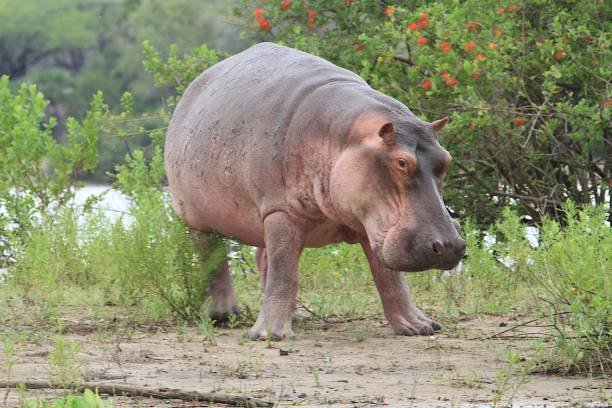
12-Day Southern Tanzania Grand Safari: An Unforgettable Adventure In 2026-2027
Discover the untamed beauty of Southern Tanzania on an epic 12-day safari. This journey explores the vast wilderness of Selous Game Reserve, the dramatic landscapes of Ruaha National Park...
View package details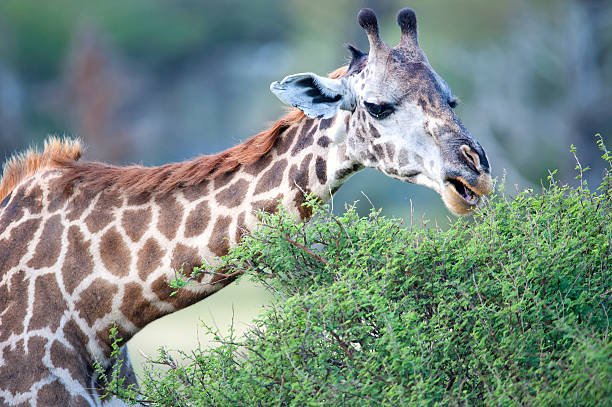
10-Day Southern Tanzania Safari And Beach Holiday 2026-2027
Discover the ultimate 10-day Southern Tanzania safari and beach holiday, blending the wild wonders of Selous and Ruaha with the serene shores of Zanzibar or Mafia Island. Perfect for...
View package details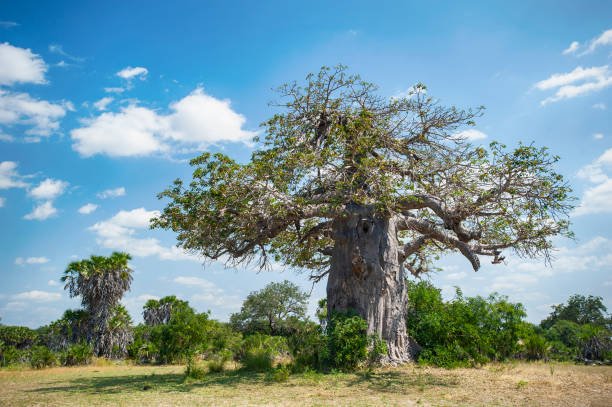
10-Day Southern Tanzania Safari And Zanzibar Package 2026-2027
Discover the ultimate 10-day Southern Tanzania safari and Zanzibar package, combining the wild heart of Africa with the tropical allure of the Spice Island. This itinerary offers an...
View package details
14-Day Selous, Mikumi, Ruaha And Beach Holiday In Tanzania 2026-2027
This 14-day itinerary combines the incredible wildlife viewing of Southern Tanzania's parks – Selous Game Reserve, Mikumi National Park, and Ruaha National Park – with a relaxing beach...
View package details
12-Day Nyerere Safari And Zanzibar Honeymoon: The Ultimate Romantic Escape
A 12-day Nyerere Safari and Zanzibar Honeymoon offers an unparalleled blend of thrilling wildlife encounters in one of Africa's largest game reserves and serene relaxation on the exotic...
View package details
10-Day Selous, Mikumi And Ruaha Safari Guide
Discover the untamed beauty of southern Tanzania with a 10-day safari combining Selous Game Reserve, Mikumi National Park, and Ruaha National Park. This itinerary offers a comprehensive...
View package details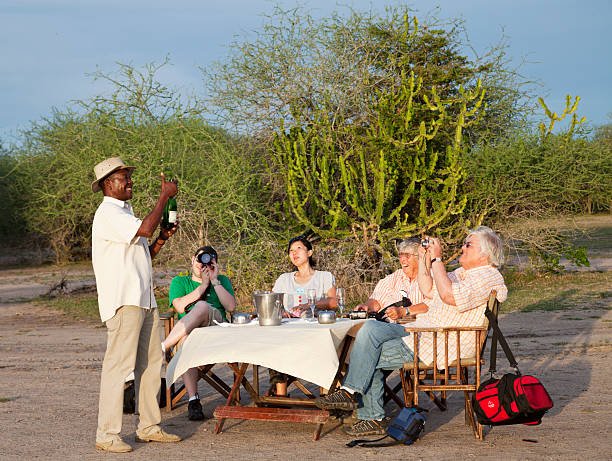
10-Day Nyerere, Ruaha & Zanzibar Package: Ultimate Southern Tanzania Adventure
Discover the best of Southern Tanzania with a meticulously crafted 10-day package combining the vast wilderness of Nyerere National Park (formerly Selous) and Ruaha National Park with the...
View package details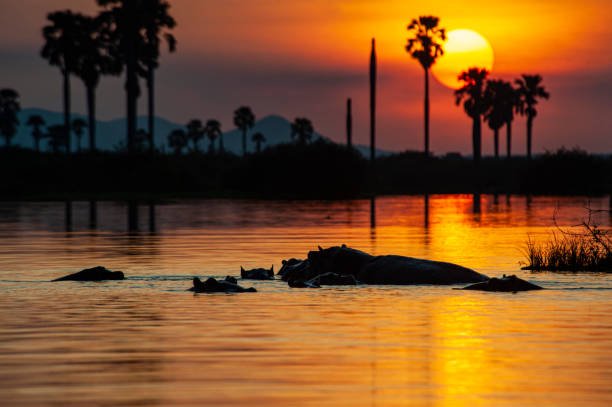
10-Day Nyerere, Ruaha And Zanzibar Honeymoon: The Ultimate Romantic Safari &
Discover the perfect blend of adventure and romance with a 10-day honeymoon itinerary combining the wild wonders of Nyerere National Park and Ruaha National Park with the idyllic beaches of...
View package details9-Day Nyerere Safari And Zanzibar Package: Ultimate Southern Tanzania
Discover the best of Tanzania's southern circuit with a 9-day Nyerere Safari and Zanzibar package. Experience thrilling game drives in Nyerere National Park, once known as Selous, followed...
View package details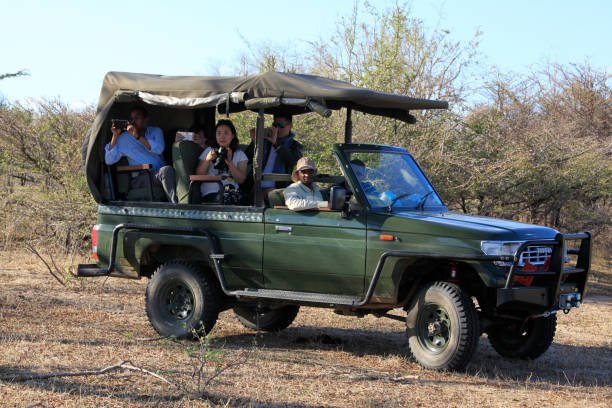
8-Day Nyerere Family Safari: The Ultimate Tanzania Adventure 2026-2027
Experience an unforgettable 8-day Nyerere Family Safari in Tanzania with Top Guide Adventures. This itinerary focuses on diverse wildlife, stunning landscapes, and family-friendly...
View package details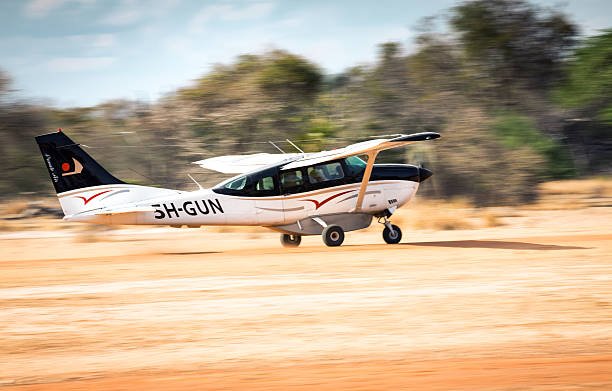
8-Day Selous Safari And Zanzibar Holiday: Your Ultimate Tanzania Adventure
An 8-day adventure perfectly blending the wild heart of Selous Game Reserve with the tropical allure of Zanzibar. This itinerary offers an unforgettable Tanzanian experience, combining...
View package details
8-Day Southern Tanzania Luxury Safari: Selous & Ruaha 2026-2027
An 8-day luxury safari through Southern Tanzania's Selous Game Reserve and Ruaha National Park offers an unparalleled wildlife experience. This itinerary focuses on exclusive lodges...
View package detailsNo related package matches those filters. Clear one or more filters to see the other topic-matched options.
Plan your 12 Days Tanzania Safari From Moshi with Top Guide Adventures
Tell us your travel dates, group size, comfort level, and dream experience. We will help you shape a clear, realistic, and memorable Tanzania itinerary.



