
Updated planning guide for 2026-2027
Wildlife And Culture Exploration Journeys: Complete Guide 2026-2027
Discover the heart of Tanzania through expertly crafted wildlife and culture exploration journeys. This guide covers everything from safari planning and cultural immersion to practical tips for your 2026-2027 adventure.
WhatsApp +255616946642 | topguideadventures@gmail.com | info@topguideadventures.com
Wildlife and Culture Exploration Journeys: Your Ultimate Tanzania Guide
Tanzania offers a profound connection to both the wild and the human spirit. For travelers seeking more than just a vacation, wildlife and culture exploration journeys provide an unparalleled opportunity to witness Africa’s iconic animals in their natural habitats while engaging deeply with the diverse traditions of its people. This guide is designed for those who wish to plan a comprehensive and enriching experience in Tanzania, covering everything you need to know for your 2026-2027 travels.
From the vast plains of the Serengeti to the ancient Maasai villages and the spice-scented shores of Zanzibar, Tanzania is a destination that awakens the senses and leaves a lasting impression. Whether you’re a first-time visitor or a seasoned traveler, understanding the nuances of planning a trip that balances thrilling wildlife encounters with meaningful cultural interactions is key to an unforgettable adventure.
Quick Answers
What are wildlife and culture exploration journeys in Tanzania? These are curated travel experiences that combine safaris to see animals like the “Big Five” with visits to local communities to learn about their traditions, art, and daily life.
When is the best time for these journeys? The dry seasons (June to October and December to February) are ideal for wildlife viewing. Cultural interactions can happen year-round, but are often enhanced during specific local festivals or harvest times.
What destinations should I include? Key areas include Serengeti National Park, Ngorongoro Conservation Area, Tarangire National Park for wildlife, and Maasai villages, Hadzabe communities, and Zanzibar for culture.
What is the typical duration? Most journeys range from 7 to 14 days, allowing sufficient time for both safari and cultural components.
Table of Contents
- Overview: Tanzania’s Dual Appeal
- Why Focus on Wildlife and Culture?
- Quick Facts for Your Journey
- Best Time to Visit for Wildlife and Culture
- Key Destinations for Exploration
- Sample Itinerary: A 10-Day Wildlife & Culture Blend
- What to Expect on Your Journey
- Inclusions, Packing, and Preparation
- Common Mistakes to Avoid
- Who Are These Journeys Best For?
- Alternatives to Consider
- Planning Your 2026-2027 Journey
- Booking Your Tanzania Adventure
- Frequently Asked Questions (FAQs)
Overview: Tanzania’s Dual Appeal
Tanzania is a land of contrasts, boasting some of the planet’s most spectacular wildlife spectacles and a rich mosaic of human cultures. Its national parks and conservation areas are legendary, home to the Great Migration, vast herds of wildebeest and zebra, and an incredible diversity of predators and plains game. Simultaneously, Tanzania is home to numerous ethnic groups, each with unique customs, languages, and ways of life, offering profound opportunities for cultural exchange.
Wildlife and culture exploration journeys are specifically designed to weave these two essential elements together. Instead of a pure safari or a standalone cultural visit, these trips integrate experiences that allow travelers to appreciate the natural world and understand the human societies that coexist with it. This holistic approach provides a deeper, more meaningful connection to the destination.
Why Focus on Wildlife and Culture?
Choosing a journey that emphasizes both wildlife and culture offers distinct advantages:
- Holistic Understanding: Gain a comprehensive perspective on Tanzania, appreciating how its natural environment shapes its people and how local traditions influence conservation efforts.
- Meaningful Encounters: Move beyond superficial sightseeing to engage with local communities, learn about their history, witness traditional practices, and support their livelihoods through responsible tourism.
- Enriched Experience: The contrast between the raw power of nature and the warmth of human connection creates a more layered and memorable travel story.
- Responsible Tourism: Well-designed journeys ensure that your visit benefits local communities and contributes to conservation initiatives, fostering sustainable practices.
Quick Facts for Your Journey
| Aspect | Details |
|---|---|
| Country | Tanzania |
| Primary Focus | Wildlife viewing & Cultural immersion |
| Key Wildlife Areas | Serengeti, Ngorongoro, Tarangire, Lake Manyara |
| Key Cultural Areas | Maasai communities, Hadzabe & Datoga tribes, Zanzibar’s Stone Town |
| Visa Requirements | Visa required for most nationalities; can often be obtained online or on arrival. Check with your embassy. |
| Currency | Tanzanian Shilling (TZS) |
| Language | Swahili (national), English (widely spoken in tourism) |
| Health | Consult your doctor regarding vaccinations (e.g., Yellow Fever, Hepatitis A) and malaria precautions. |
| Best Travel Time | Dry seasons (June-Oct, Dec-Feb) for wildlife; cultural experiences year-round. |
Best Time to Visit for Wildlife and Culture
Tanzania’s climate varies, but the best time for wildlife and culture exploration journeys generally aligns with the dry seasons, which offer optimal conditions for both components of your trip.
Wildlife Viewing: The Dry Seasons
- June to October: This is the peak dry season. The vegetation is less dense, making animals easier to spot. Rivers are lower, concentrating wildlife around water sources. This period is also ideal for witnessing the Great Migration’s river crossings in the northern Serengeti (typically July-September). The weather is generally pleasant with cooler mornings and evenings.
- December to February: This is the shorter dry season, often referred to as the “short rains” season in some areas. The Serengeti’s southern plains become a prime location for the calving season of the wildebeest and zebras. While there can be occasional showers, they are usually brief, and the landscape is greener.
Cultural Experiences: Year-Round Opportunities
Cultural interactions can be enriching at any time of year. However, consider these points:
- Maasai and other pastoralist communities: Their daily lives are less dictated by strict seasons, though major events like cattle auctions might be more prevalent during drier periods.
- Agricultural communities: Visiting during planting or harvest seasons can offer unique insights into their agricultural practices.
- Festivals and ceremonies: While not always widely publicized, local festivals or traditional ceremonies can occur throughout the year. Your tour operator can often provide information on potential events.
- Zanzibar: The weather is generally warm and humid year-round. The shoulder months (March-May, November) might offer fewer crowds and slightly lower prices, though rainfall is more likely. December to February and June to October are typically the driest and most popular times.
Combining the two: For a comprehensive journey, aiming for the dry seasons (June-October) provides the best of both worlds, with excellent game viewing and pleasant weather for exploring cultural sites. If your priority is witnessing the wildebeest calving, December to February is excellent for wildlife, with cultural visits still very feasible.
Key Destinations for Exploration
Tanzania’s vastness means careful selection of destinations is crucial for an efficient and impactful journey. Here are the prime locations for wildlife and culture exploration journeys:
Northern Tanzania Circuit (The Classic Safari & Cultural Hub)
This is the most popular region for a reason, offering an incredible concentration of wildlife and access to several key cultural groups.
- Serengeti National Park: The undisputed star of Tanzanian safaris. Famous for its endless plains, iconic acacia trees, and the Great Migration. Essential for any wildlife enthusiast.
- Ngorongoro Conservation Area (NCA): A UNESCO World Heritage Site featuring the Ngorongoro Crater, a collapsed volcano caldera teeming with wildlife, including the endangered black rhino. The NCA also encompasses traditional Maasai lands, allowing for cultural encounters within the park boundaries.
- Tarangire National Park: Known for its large elephant herds and baobab trees. It’s particularly vibrant during the dry season when animals congregate around the Tarangire River.
- Lake Manyara National Park: Famous for its tree-climbing lions and diverse birdlife. Its compact size makes it a good addition for a shorter safari experience.
- Maasai Villages: Located in regions like Arusha, Karatu, and within the NCA, these visits offer a chance to learn about Maasai traditions, social structures, and daily life. Responsible visits ensure genuine interaction and community benefit.
- Hadzabe and Datoga Tribes: Located near Lake Eyasi, these are some of the last hunter-gatherer and artisan communities in Africa. Visits here are more rustic and require a skilled guide for respectful interaction.
Zanzibar Archipelago (Spice Island Culture & Coastal Wildlife)
A stark contrast to the mainland, Zanzibar offers a rich history, vibrant Swahili culture, and beautiful coastlines, with opportunities for unique wildlife encounters.
- Stone Town: A UNESCO World Heritage Site, Stone Town is a labyrinth of narrow streets, bustling bazaars, and historic buildings reflecting Arab, Persian, Indian, and European influences. It’s a cultural immersion in itself.
- Spice Farms: Tours of spice plantations offer insights into the island’s history as a spice trading hub and allow you to see, smell, and taste exotic spices, fruits, and herbs.
- Prison Island (Changuu Island): Famous for its giant Aldabra tortoises and historical quarantine station. Offers snorkeling opportunities.
- Jozani Forest: Home to the endangered Red Colobus monkey, a unique primate found only on Zanzibar. Guided walks here are excellent for nature lovers.
- Marine Life: Snorkeling and diving trips to Mnemba Atoll or Kizimkazi offer chances to see dolphins, turtles, and a variety of coral reefs.
Southern & Western Tanzania (Off-the-Beaten-Path Exploration)
For the more adventurous traveler seeking fewer crowds and unique wilderness experiences, these regions offer incredible value.
- Ruaha National Park: Tanzania’s largest park, known for its wild landscapes, large elephant and buffalo herds, and a high concentration of predators, especially lions and wild dogs.
- Selous Game Reserve (Nyerere National Park): A vast UNESCO World Heritage Site offering boat safaris on the Rufiji River, walking safaris, and game drives. Excellent for spotting elephants, hippos, and crocodiles.
- Gombe Stream National Park: Famous for chimpanzee trekking, made famous by Jane Goodall.
- Mahale Mountains National Park: Offers more remote chimpanzee trekking and stunning Lake Tanganyika views.
For most wildlife and culture exploration journeys, focusing on the Northern Circuit and potentially adding Zanzibar provides the most comprehensive and logistically feasible experience, especially for first-time visitors planning for 2026-2027.
Sample Itinerary: A 10-Day Wildlife & Culture Blend
This sample itinerary balances iconic wildlife viewing with meaningful cultural interactions, primarily focusing on the Northern Circuit. It’s a template that can be customized to your interests and pace.
Day 1: Arrival in Arusha & Cultural Welcome
Arrive at Kilimanjaro International Airport (JRO). Meet your guide and transfer to your lodge in Arusha. Relax and acclimatize. Depending on your arrival time, enjoy an optional visit to a local craft market or a brief orientation of Arusha town.
Overnight: Lodge in Arusha.
Day 2: Arusha – Maasai Cultural Village Visit & Tarangire National Park
Morning visit to a Maasai cultural village near Arusha. Learn about their traditions, visit a traditional boma (homestead), and witness a warrior dance. Afterwards, drive to Tarangire National Park, famous for its large elephant herds and baobab trees. Enjoy an afternoon game drive.
Overnight: Tented Camp/Lodge in Tarangire.
Day 3: Tarangire National Park
Full day of game drives in Tarangire. Explore the park’s diverse landscapes, from acacia woodlands to swamps, searching for lions, leopards, giraffes, zebras, and of course, elephants. Enjoy a picnic lunch amidst the wilderness.
Overnight: Tented Camp/Lodge in Tarangire.
Day 4: Tarangire to Ngorongoro Highlands
Morning game drive in Tarangire. After lunch, drive towards the Ngorongoro Highlands. Stop at a local market en route if opportunities arise. Arrive at your lodge with stunning views of the crater or surrounding escarpment.
Overnight: Lodge in Ngorongoro Highlands.
Day 5: Ngorongoro Crater & Maasai Village (Optional)
Descend into the Ngorongoro Crater for a full morning of game viewing. This caldera is a natural amphitheater teeming with wildlife, including the Big Five. In the afternoon, consider a visit to a traditional Maasai boma within the conservation area for a more in-depth cultural exchange, or visit a local coffee plantation.
Overnight: Lodge in Ngorongoro Highlands.
Day 6: Ngorongoro to Serengeti National Park
After breakfast, drive to the legendary Serengeti National Park, entering via the Ngorongoro Conservation Area. Enjoy a game drive en route to your camp/lodge, keeping an eye out for wildlife. The Serengeti offers vast plains and iconic savannah landscapes.
Overnight: Tented Camp/Lodge in Serengeti.
Day 7: Serengeti National Park
Full day exploring the Serengeti. Depending on the time of year, you’ll focus on areas where the Great Migration herds are present. Enjoy morning and afternoon game drives, searching for lions, cheetahs, leopards, hyenas, and a myriad of plains game.
Overnight: Tented Camp/Lodge in Serengeti.
Day 8: Serengeti – Cultural Option / Hot Air Balloon
Optional morning hot air balloon safari over the Serengeti plains at sunrise (highly recommended for a unique perspective). Alternatively, engage in a guided walking safari (where permitted) or visit a local Maasai community for a more intimate cultural experience. Afternoon game drive.
Overnight: Tented Camp/Lodge in Serengeti.
Day 9: Serengeti to Arusha / Fly to Zanzibar
Enjoy a final morning game drive in the Serengeti. Afterwards, transfer to the Seronera Airstrip for a scenic flight back to Arusha. Alternatively, if your itinerary includes Zanzibar, you will fly directly from Seronera to Zanzibar.
Option A (Arusha): Overnight in Arusha.
Option B (Zanzibar): Arrive in Zanzibar, transfer to your hotel in Stone Town. Explore the historic alleys. Overnight in Stone Town.
Day 10: Departure / Zanzibar Exploration
Option A (Arusha): Transfer to Kilimanjaro International Airport (JRO) for your departure flight.
Option B (Zanzibar): Morning exploration of Stone Town, visit a spice farm, or relax. Transfer to Zanzibar Airport (ZNZ) for your departure flight.
Note: This itinerary can be extended to include Lake Manyara, cultural visits to the Hadzabe and Datoga tribes near Lake Eyasi, or a combination with a Zanzibar beach extension.
What to Expect on Your Journey
Wildlife Encounters: Expect incredible opportunities to see a vast array of animals. The Serengeti and Ngorongoro are famous for high concentrations of wildlife. Patience is key; some animals might be elusive. Your guides are experts at tracking and spotting.
Cultural Interactions: Authentic cultural experiences are about respectful engagement. You’ll likely visit villages, learn about daily life, traditions, and perhaps witness demonstrations of crafts or dances. Be open, curious, and ready to ask questions respectfully.
Accommodation: Options range from comfortable mid-range lodges and tented camps to luxurious lodges. Many safari camps are eco-friendly, offering a closer connection to nature. In cultural villages, homestays might be an option for a more immersive experience, though less common on standard tours.
Guides: Your safari guide is your gateway to the wilderness and local culture. They are knowledgeable about animal behavior, local customs, and the best viewing spots. They often speak English fluently and are trained to ensure your safety and enjoyment.
Pace: Journeys are typically paced to allow for early morning and late afternoon game drives, which are prime wildlife viewing times. Cultural visits are integrated without feeling rushed.
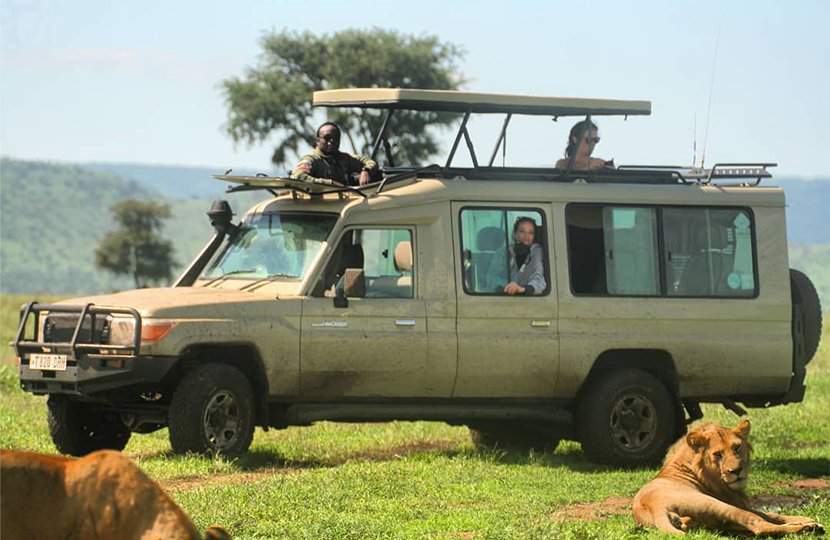
Safety: Your safety is paramount. Safari vehicles are designed for rugged terrain and wildlife viewing. Guides are trained in safety protocols. In cultural settings, respect local customs and follow your guide’s advice.
Inclusions, Packing, and Preparation
Understanding what’s typically included and how to pack will make your journey smoother.
Typical Inclusions
Most reputable tour packages for wildlife and culture exploration journeys will include:
- Accommodation during the safari/trip.
- All park entrance fees.
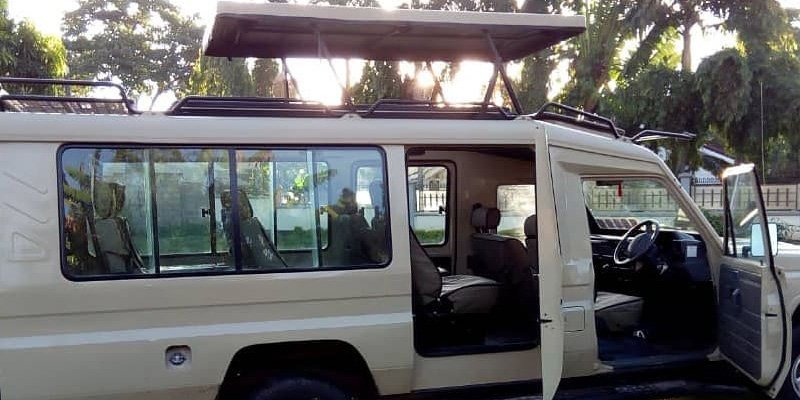
- Game drives in a 4×4 safari vehicle with a professional driver-guide.
- Meals as specified in the itinerary (often full board on safari).
- Cultural village entrance fees and guided tours.
- Bottled water during game drives.
- Airport transfers.
- Internal flights (if specified, e.g., to Zanzibar).
What to Pack
Pack light, neutral-colored clothing. Avoid bright colors, especially for safari, as they can startle wildlife.
- Clothing: Lightweight long-sleeved shirts and trousers (for sun and insect protection), t-shirts, shorts, comfortable walking shoes, sandals/flip-flops, a warm fleece or jacket (for cool mornings/evenings), swimwear (if your lodge has a pool or you visit Zanzibar).
- Headwear: Wide-brimmed hat or cap for sun protection.
- Eyewear: Sunglasses.
- Health: Personal first-aid kit, insect repellent (with DEET), sunscreen, hand sanitizer, any personal medications. Consult your doctor about necessary vaccinations and malaria prophylaxis.
- Photography: Camera with extra batteries and memory cards, binoculars (essential for wildlife viewing). A zoom lens is highly recommended.
- Documents: Passport (with at least 6 months validity), visa, flight tickets, travel insurance details, vaccination certificates.
- Money: Small US dollar bills for tips and souvenirs. Credit cards are accepted at larger lodges and in towns but are not practical for remote areas.
- Other: Small backpack for day trips, reusable water bottle.
Preparation Checklist
- Book in Advance: Especially for 2026-2027, popular lodges and camps fill up quickly.
- Travel Insurance: Ensure it covers medical emergencies, evacuation, and trip cancellation.
- Visas: Check requirements for your nationality well in advance.
- Health Consultations: Visit your doctor 4-6 weeks before departure.
- Currency Exchange: Obtain some USD for initial expenses and tipping.
- Learn Basic Swahili Phrases: “Jambo” (hello), “Asante” (thank you) are always appreciated.
- Pack Appropriately: Neutral colors, layers, and sun protection are key.
Common Mistakes to Avoid
To ensure your wildlife and culture exploration journeys are as smooth and rewarding as possible, be aware of these common pitfalls:
- Over-scheduling: Trying to see too much in too little time leads to rushed experiences and exhaustion. Allow for downtime and spontaneous moments.
- Ignoring Cultural Etiquette: Always ask permission before taking photos of people, dress modestly when visiting villages, and be respectful of local customs.
- Packing Too Much: Safari vehicles have limited luggage space. Stick to soft-sided duffels if possible.
- Not Bringing Binoculars: Essential for spotting distant wildlife.
- Expectations of Guaranteed Sightings: Wildlife is wild. While Tanzania has high densities, specific animals (like leopards or rhinos) can be challenging to find. Embrace the experience regardless.
- Ignoring Health Advice: Dehydration, sunstroke, and malaria are preventable. Follow your doctor’s advice and stay hydrated.
- Poorly Chosen Tour Operator: Opt for operators with a strong reputation for ethical tourism, experienced guides, and good safety records.
- Not Budgeting for Extras: Factor in tips for guides and staff, drinks not included in meals, and souvenirs.
Who Are These Journeys Best For?
Wildlife and culture exploration journeys appeal to a broad range of travelers, but they are particularly suited for:
- Curious Travelers: Those who want to understand a destination beyond its surface attractions.
- Nature Lovers: Individuals passionate about wildlife and eager to see Africa’s iconic animals in their natural habitat.
- Culture Enthusiasts: Travelers interested in learning about different ways of life, traditions, and history.
- Families: Educational and engaging for older children and teenagers who can appreciate both the wildlife and cultural aspects.
- Photographers: Offering unparalleled opportunities for wildlife and landscape photography, as well as capturing cultural moments.
- Adventurous Spirits: Those open to rustic accommodations, early mornings, and engaging with different environments and people.
- Conscious Travelers: People who want to ensure their travel has a positive impact on local communities and conservation efforts.
These journeys are generally less suited for travelers seeking purely luxury, resort-style holidays with minimal interaction, or those with very young children who might find the pace or the subjects less engaging.
Alternatives to Consider
While wildlife and culture exploration journeys offer a fantastic blend, other travel styles might suit different preferences:
- Pure Safari Focus: If your absolute priority is maximizing wildlife sightings, you might opt for a longer safari itinerary focused solely on the prime national parks, perhaps including less-visited parks like Ruaha or Selous.
- Cultural Immersion Focus: For a deeper dive into local life, consider tours specifically designed around homestays, volunteer opportunities, or extended stays in villages, perhaps focusing on specific ethnic groups.
- Beach & Relaxation: If relaxation is key, a Zanzibar beach holiday with limited excursions might be more appropriate.
- Adventure & Trekking: Kilimanjaro climbs or Mount Meru treks are for those focused on physical challenges and high-altitude experiences, with wildlife viewing often a secondary component.
- Combination Trips: Some travelers combine a short safari with a Kilimanjaro climb, or a safari with a beach holiday, without necessarily integrating deep cultural elements into the safari portion.
The beauty of Tanzania is its diversity; you can tailor your trip precisely to your interests. However, the integrated approach of wildlife and culture journeys offers a uniquely balanced and enriching perspective.
Planning Your 2026-2027 Journey
Planning ahead is essential, especially for trips in the coming years. Here’s how to approach your 2026-2027 planning:
Early Bird Advantage
Book Early for 2026-2027: Popular lodges, especially those in prime locations within the Serengeti or Ngorongoro, and unique cultural experiences can be booked out months, even a year, in advance. This is particularly true for peak seasons.
Itinerary Customization
Tailor Your Experience: Work with a reputable tour operator to customize your itinerary. Do you want more time with a specific tribe? Are you interested in birdwatching in Tarangire? Do you want to add a few days on Zanzibar? Customization ensures your journey meets your expectations.
Budget Considerations for 2026-2027
While exact prices fluctuate, understanding cost factors is key:
- Accommodation Level: Mid-range, luxury, or budget camps/lodges significantly impact the overall cost.
- Duration of Trip: Longer trips naturally cost more.
- National Park Fees: These are substantial and a significant part of the budget, often charged per person per day.
- Vehicle Type: While most operators use similar 4x4s, the exclusivity of a private vehicle vs. a shared one affects price.
- Seasonality: Peak seasons (June-October) are generally more expensive than the green season (November-May, excluding Christmas/New Year).
- Included Activities: Hot air balloon safaris, for example, add a significant cost but are a memorable addition.
Get Quotes: Contact multiple operators for detailed quotes based on your desired itinerary and dates for 2026 or 2027. Compare what’s included and the quality of accommodation and services.
Visa and Health Updates
Stay Informed: Visa requirements can change. Check the Tanzanian immigration website or your local embassy for the latest information for 2026-2027. Similarly, consult your doctor about recommended vaccinations and malaria prevention, as health guidelines can be updated.
Sustainability and Ethics
Choose Wisely: Look for tour operators committed to sustainable tourism practices, fair community engagement, and conservation support. Ask about their policies and how they ensure positive impacts on the places and people you visit.
Booking Your Tanzania Adventure
Selecting the right tour operator is crucial for a successful wildlife and culture exploration journey. Here’s how to approach booking:
Choosing a Tour Operator
- Reputation and Reviews: Look for companies with consistently positive reviews on platforms like TripAdvisor, Google, and travel forums.
- Local Expertise: A Tanzanian-based operator often has deeper knowledge of local conditions, communities, and logistics.
- Responsiveness: How quickly and thoroughly do they respond to your inquiries? This is a good indicator of their service level.
- Customization: Ensure they can tailor itineraries to your specific interests and budget.
- Ethical Practices: Verify their commitment to responsible tourism, community benefit, and conservation.
- Safety Standards: Inquire about their vehicle maintenance, guide training, and emergency protocols.
What to Expect in the Booking Process
- Initial Inquiry: You’ll typically fill out a form or send an email with your desired dates, interests, and budget.
- Itinerary Proposal: The operator will send a suggested itinerary with accommodation options and an estimated cost.
- Customization: Work with them to refine the itinerary, swap lodges, adjust the pace, or add/remove activities.
- Final Quote: Receive a detailed quote outlining all inclusions and exclusions.
- Deposit: A deposit (usually 20-50%) is typically required to confirm your booking.
- Final Payment: The balance is usually due 45-60 days before departure.
- Pre-Departure Information: You’ll receive detailed information about packing, health, visa requirements, and contact details for your guides.
Direct Contact for Inquiries
For personalized assistance in planning your dream wildlife and culture exploration journeys, feel free to reach out directly. We specialize in creating authentic and memorable experiences in Tanzania.
WhatsApp: +255616946642
Email: topguideadventures@gmail.com
Backup Email: info@topguideadventures.com
Frequently Asked Questions (FAQs)
Q1: How much does a typical 10-day wildlife and culture journey cost for 2026-2027?
A: The cost varies significantly based on accommodation level (mid-range, luxury), time of year, and specific inclusions. For a mid-range to upper-mid-range 10-day journey in 2026-2027, you might expect costs to range broadly from $3,000 to $6,000+ per person, excluding international flights. Luxury options can be considerably higher. It’s best to get a custom quote.
Q2: Is Tanzania safe for solo female travelers on these journeys?
A: Yes, Tanzania is generally safe for solo female travelers, especially when traveling with reputable tour operators who provide experienced guides and arrange safe accommodations. Standard travel precautions are advised.
Q3: What is the difference between a lodge and a tented camp?
A: Lodges are permanent structures, often with more amenities. Tented camps feature canvas tents, which can range from basic to very luxurious (glamping), offering a closer connection to the environment while still providing comfort and en-suite facilities.
Q4: Can I combine a safari with Kilimanjaro trekking?
A: Absolutely. Many travelers combine a safari with a Kilimanjaro climb. It’s advisable to do the safari first to acclimatize to the altitude and then undertake the trek, or vice versa, depending on your energy levels and preferences.
Q5: What is the Great Migration and when can I see it?
A: The Great Migration is the annual movement of over 1.5 million wildebeest, zebras, and gazelles across the Serengeti-Eco-system. The best time to witness its dramatic river crossings in the northern Serengeti is typically July to September. Calving season is in the southern Serengeti from January to March.
Q6: How much should I tip my safari guide?
A: Tipping is customary. A common guideline is $20-$30 per day for your driver-guide, shared among travelers in the vehicle. Your tour operator can provide specific recommendations.
Q7: What are the visa requirements for Tanzania?
A: Most nationalities require a visa. You can often apply for an e-visa online in advance or obtain one on arrival at major entry points. Always check the latest requirements with the Tanzanian embassy or immigration website for your nationality.
Q8: Is it possible to visit the Hadzabe tribe? Are these visits ethical?
A: Yes, visits to the Hadzabe and Datoga tribes near Lake Eyasi are possible. Ethical tourism is paramount. Reputable operators work with these communities to ensure visits are respectful, non-intrusive, and that the communities benefit directly. It’s a more rustic experience than visiting Maasai villages.
Q9: What kind of physical fitness is required for wildlife and culture journeys?
A: For the safari and cultural village visits, moderate fitness is sufficient. You’ll be walking short distances at cultural sites and getting in and out of safari vehicles. If you plan to combine with Kilimanjaro, then significant physical preparation is essential.
Q10: How should I prepare for the climate in Tanzania?
A: Tanzania has a varied climate. Coastal areas like Zanzibar are hot and humid year-round. Safari regions experience dry and wet seasons. Temperatures can be hot during the day, but mornings and evenings on safari can be cool, especially during the dry season (June-October). Layering clothing is recommended.
Plan Your Unforgettable Tanzania Journey
Tanzania is a destination that captivates the soul. By combining its world-renowned wildlife spectacles with its rich cultural heritage, you create wildlife and culture exploration journeys that are profoundly enriching and deeply memorable. Whether you dream of witnessing the Great Migration, learning from ancient traditions, or simply experiencing the warmth of the Tanzanian people, your adventure awaits.
Let us help you craft the perfect itinerary for your 2026-2027 trip. We specialize in creating authentic, responsible, and personalized travel experiences. Get in touch to start planning your adventure.
WhatsApp: +255616946642
Email: topguideadventures@gmail.com
Backup Email: info@topguideadventures.com

How Much Should I Tip My Safari Guide In Tanzania? Your 2026-2027
Understand the tipping culture for safari guides and staff in Tanzania. This guide provides clear, actionable recommendations for tipping your safari crew in 2026-2027, covering guides...
View package details
7 Days In Tanzania: Your Expertly Planned Safari Itinerary For 2026-2027
Discover a perfectly crafted 7-day Tanzania safari itinerary for 2026-2027, designed to maximize wildlife viewing and cultural experiences in the Serengeti and Ngorongoro Crater.
View package details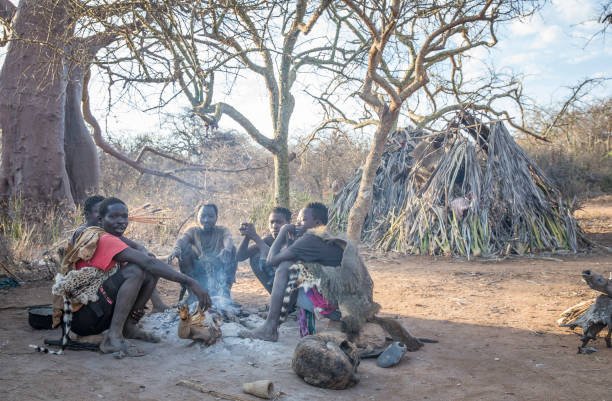
Hadzabe Chaba Lifestyle And His Wife From Arusha 2027-2028
Discover the authentic Hadzabe Chaba lifestyle and the role of their wives, with insights from Top Guide Adventures. Understand their unique hunter-gatherer culture, traditions, and daily...
View package detailsHadzabe Tribe Day Trip Cost From Moshi/Zanzibar 2026-2027
Hadzabe tribe Day trip cost from Moshi/Zanzibar is explained with current 2026-2027 planning, price, itinerary and booking information.
View package detailsHadzabe Tribe Day Trip Cost: 1 Day Tour Price 2026-2027
Planning a day trip to experience the authentic culture of the Hadzabe tribe? This guide breaks down the expected costs for 2026-2027, detailing what influences the price and what you can...
View package details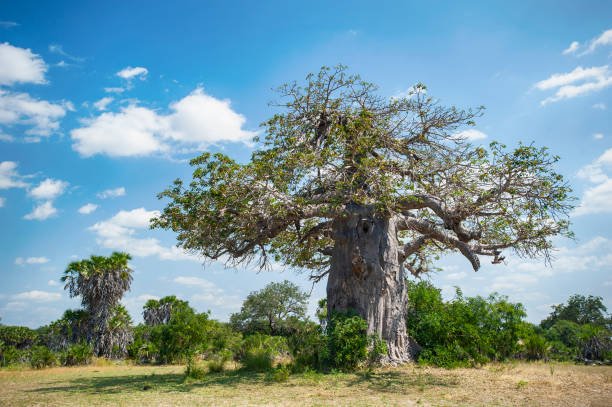
10-Day Southern Tanzania Safari And Zanzibar Package 2026-2027
Discover the ultimate 10-day Southern Tanzania safari and Zanzibar package, combining the wild heart of Africa with the tropical allure of the Spice Island. This itinerary offers an...
View package detailsNo related package matches those filters. Clear one or more filters to see the other topic-matched options.
Plan your Wildlife and Culture Exploration Journeys with Top Guide Adventures
Tell us your travel dates, group size, comfort level, and dream experience. We will help you shape a clear, realistic, and memorable Tanzania itinerary.



