
- Information
What's included
Updated planning guide for 2026-2027
Kilimanjaro Foothills Cycling Tour From Moshi: Expert Trekking Guide 2026-2027
Discover the beauty of Tanzania's landscapes on a Kilimanjaro Foothills Cycling Tour from Moshi. This comprehensive guide covers everything from planning your adventure to what to pack, helping you prepare for an unforgettable experience.
WhatsApp +255616946642 | topguideadventures@gmail.com | info@topguideadventures.com
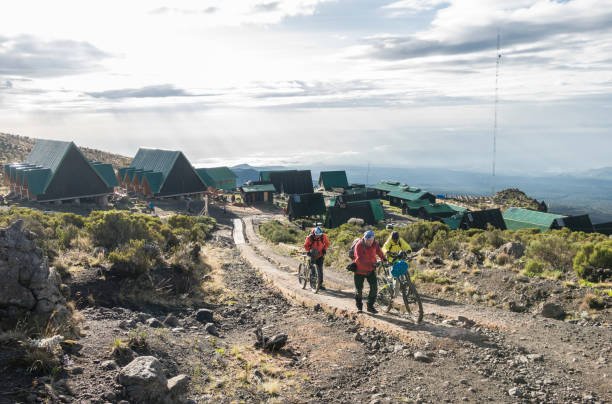
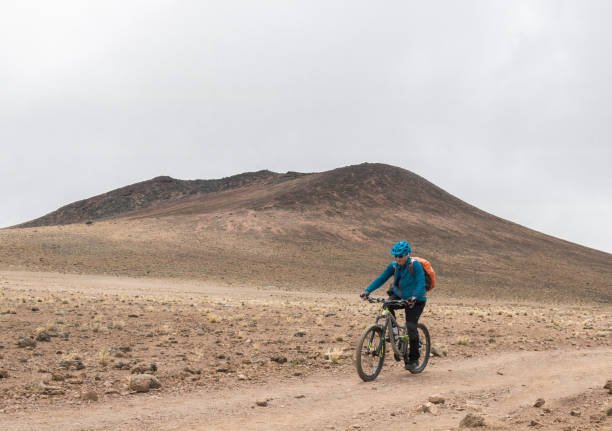
Kilimanjaro Foothills Cycling Tour From Moshi: Your Ultimate Adventure Guide
The majestic Mount Kilimanjaro is a beacon for trekkers worldwide, but its surrounding foothills offer a different, yet equally rewarding, adventure. A Kilimanjaro Foothills Cycling Tour from Moshi provides an intimate connection with the local culture, stunning natural scenery, and the vibrant life that thrives in the shadow of Africa’s highest peak. This guide is designed to help you plan, prepare for, and fully enjoy a cycling journey through this captivating region, whether you’re aiming for 2026 or 2027 travel.
Quick Answer: What is a Kilimanjaro Foothills Cycling Tour from Moshi?
A Kilimanjaro Foothills Cycling Tour from Moshi is a guided cycling expedition that explores the villages, farmlands, and natural landscapes at the base of Mount Kilimanjaro. It offers a unique perspective on local life, cultural interactions, and scenic views of the mountain, typically lasting from a single day to several days, starting and ending in Moshi.
Table of Contents
- Quick Facts
- Tour Overview: Cycling Through Kilimanjaro’s Embrace
- Why Choose a Cycling Tour in the Kilimanjaro Foothills?
- Best Time to Cycle in the Kilimanjaro Foothills (2026-2027)
- Route Overview: Exploring the Kilimanjaro Foothills
- Sample Kilimanjaro Foothills Cycling Tour Itinerary (3-Day Example)
- What to Expect on Your Cycling Tour
- Typical Inclusions and Exclusions
- Packing and Preparation Essentials
- Common Mistakes to Avoid
- Who is a Kilimanjaro Foothills Cycling Tour Best Suited For?
- Alternatives to Cycling in the Foothills
- Planning Your 2026-2027 Kilimanjaro Foothills Cycling Tour
- Booking Your Tour: Essential Advice
- Frequently Asked Questions
Quick Facts
| Aspect | Details |
|---|---|
| Primary Activity | Cycling, cultural immersion, scenic exploration |
| Starting/Ending Point | Moshi, Tanzania |
| Duration | Typically 1 day to 5 days, customizable |
| Difficulty | Easy to moderate, depending on route and duration |
| Terrain | Paved roads, dirt tracks, rural paths |
| Key Attractions | Local villages, Chagga culture, coffee plantations, waterfalls, Kilimanjaro views |
| Best For | Active travelers, cultural enthusiasts, nature lovers, families |
| Best Seasons | Dry seasons: June-October, January-February |
Tour Overview: Cycling Through Kilimanjaro’s Embrace
A Kilimanjaro Foothills Cycling Tour from Moshi is more than just a bike ride; it’s an immersion into the heart of Tanzanian rural life, set against the breathtaking backdrop of Mount Kilimanjaro. Unlike the intense challenge of summiting the mountain, this tour offers a more accessible way to experience the region’s beauty and culture. You’ll pedal through lush coffee plantations, past vibrant local markets, and into small villages where life moves at a gentle pace. Guides will share insights into the Chagga people’s traditions, their agricultural practices, and their deep connection to the mountain. Expect encounters with friendly locals, opportunities to sample local produce, and stunning, ever-present views of Kilimanjaro’s snow-capped peaks (weather permitting).
These tours typically start in Moshi, a bustling town that serves as the gateway to Kilimanjaro. From here, you’ll venture out onto a network of roads and trails, ranging from well-maintained tracks to more rugged paths. The cycling is generally moderate, with some undulating sections and occasional climbs, but the focus is on enjoyment and discovery rather than extreme exertion. Whether you opt for a single-day excursion or a multi-day adventure with overnight stays in local guesthouses or community homestays, the experience promises authentic encounters and unforgettable scenery.
Why Choose a Cycling Tour in the Kilimanjaro Foothills?
Opting for a cycling tour in the Kilimanjaro foothills presents a unique set of advantages that appeal to a wide range of travelers:
- Authentic Cultural Immersion: Cycling allows you to move at a pace that facilitates genuine interactions with local communities. You’ll pass through villages, see daily life unfold, and have opportunities to engage with residents, learn about their customs, and understand their connection to the land. This is far more intimate than what can be experienced from a vehicle.
- Unparalleled Scenery: While trekkers see Kilimanjaro from afar or from its slopes, cyclists experience its grandeur from a different perspective. The rolling hills, verdant coffee farms, and expansive plains at its base offer continuous, stunning vistas of the mountain. The changing light and weather patterns create dynamic and memorable backdrops.
- Active and Engaging Exploration: For those who enjoy being active, cycling provides a fantastic way to explore. It’s less physically demanding than a full Kilimanjaro climb but still offers a sense of accomplishment and a healthy way to discover the landscape. It allows you to cover more ground than walking while remaining deeply connected to your surroundings.
- Accessibility and Inclusivity: Compared to high-altitude trekking, cycling in the foothills is accessible to a broader range of fitness levels. This makes it an ideal choice for families, couples, or individuals who want a taste of adventure and cultural discovery without the extreme physical demands of climbing.
- Support for Local Communities: Many cycling tours partner with local guides and accommodations, directly benefiting the communities you visit. This sustainable approach to tourism ensures that your travel experience contributes positively to the local economy and culture.
- Unique Perspective: Moving on a bicycle offers a sensory experience that is hard to replicate. You feel the breeze, smell the earth and coffee blossoms, hear the sounds of village life, and see details often missed from a car window. It’s a way to truly ‘feel’ the landscape.
Best Time to Cycle in the Kilimanjaro Foothills (2026-2027)
Tanzania’s climate is generally pleasant, but understanding the seasons will help you plan the best time for your Kilimanjaro Foothills Cycling Tour in 2026 and 2027. The region experiences distinct wet and dry periods.
| Season | Months | Conditions | Cycling Suitability |
|---|---|---|---|
| Long Rains | March – May | Heavy rainfall, muddy tracks, overcast skies | Least suitable; can be challenging and uncomfortable |
| Short Rains | November – December | Intermittent showers, can be humid | Possible, but expect some wet days; green landscapes |
| Dry Season 1 (Peak) | June – October | Cooler temperatures, dry air, clear skies, excellent visibility | Highly suitable; ideal for cycling |
| Dry Season 2 (Shoulder) | January – February | Warm, dry, sunny days; can be very hot at lower elevations | Highly suitable; good visibility, potential for heat |
Recommendation for 2026-2027: The primary dry season from June to October is often considered the best time for cycling. The weather is stable, and visibility of Kilimanjaro is usually excellent. The secondary dry season from January to February also offers good conditions, though it can be warmer. Avoiding the long rains (March to May) is advisable for a more comfortable experience.
Route Overview: Exploring the Kilimanjaro Foothills
The routes for a Kilimanjaro Foothills Cycling Tour from Moshi are as varied as the landscape itself. They are typically designed to showcase the best of the region’s natural beauty and cultural heritage, offering a mix of terrains and experiences. While specific routes are often customized based on tour duration and client preferences, here’s a general idea of the areas you might explore:
Illustrative Route Areas
- Moshi Town to Marangu: This popular route takes you eastwards towards the Marangu area, known for its waterfalls and coffee farms. You’ll cycle on a mix of paved roads and well-trodden dirt paths.
- Moshi to Machame/Kibosho Areas: Heading west or southwest, you can explore villages like Machame or Kibosho. These routes often involve more undulating terrain and offer stunning views of Kilimanjaro’s western slopes.
- Northern Foothills (towards Rombo District): For longer tours, you might venture further north into the less-explored Rombo District, encountering more remote villages and agricultural landscapes.
- Local Village Circuits: Shorter tours often focus on circuits around Moshi, visiting specific villages, community projects, or natural attractions like Materuni waterfalls.
Terrain: Expect a blend of surfaces. You’ll encounter paved roads connecting larger towns, but much of the exploration happens on well-maintained dirt tracks, farm access roads, and sometimes narrower village paths. Some sections can be dusty, while others might be muddy after rain. Hills are common, providing both challenges and rewarding descents.
Sample Kilimanjaro Foothills Cycling Tour Itinerary (3-Day Example)
This sample itinerary provides a framework for a multi-day cycling experience, focusing on cultural immersion and scenic beauty. It can be adapted for shorter or longer durations.
| Day | Morning Activity | Afternoon Activity | Evening | Accommodation |
|---|---|---|---|---|
| Day 1: Moshi to Marangu Coffee Route | Meet your guide in Moshi. Briefing and bike fitting. Cycle east on scenic roads towards the Marangu area. Visit a local coffee plantation for a tour and tasting. | Continue cycling through lush Chagga villages. Stop for lunch at a local eatery. Explore the lower slopes with views of Kibo and Mawenzi peaks. | Arrive at your guesthouse/lodge in the Marangu area. Relax and enjoy dinner. | Local Guesthouse/Lodge |
| Day 2: Waterfalls and Village Life | After breakfast, cycle towards the impressive Marangu Waterfalls. Enjoy a short hike to the falls and take in the refreshing spray. | Cycle back towards a different set of villages, perhaps towards the Kibosho area. Visit a local market if it’s market day. Learn about traditional Chagga farming. | Arrive at your accommodation near Kibosho. Participate in a traditional cooking demonstration or enjoy a local cultural performance. | Community Homestay/Guesthouse |
| Day 3: Kilimanjaro Views and Return to Moshi | Enjoy a final breakfast with mountain views. Cycle on undulating tracks, seeking out panoramic viewpoints of Kilimanjaro. | Descend towards the lower plains. Stop for a farewell lunch. Cycle back towards Moshi, reflecting on the journey. | Arrive back in Moshi in the late afternoon. Farewell to your guide and bike. | N/A (Departure or onward travel) |
What to Expect on Your Cycling Tour
A Kilimanjaro Foothills Cycling Tour from Moshi is designed to be an enriching and enjoyable experience. Here’s what you can generally expect:
- Guided Experience: You will be accompanied by experienced local guides who know the routes, understand the culture, and can provide assistance. They often have a support vehicle following for safety and to carry water, snacks, and luggage if needed.
- Bike Quality: Reputable tour operators provide well-maintained mountain bikes or hybrid bikes suitable for the terrain. Ensure you confirm the type and quality of bikes provided when booking.
- Daily Distances: Cycling distances vary greatly depending on the tour. A single day might cover 20-40 km, while multi-day tours might average 30-60 km per day, with flexibility built in for stops and exploration.
- Terrain and Conditions: Be prepared for a mix of paved roads, dirt tracks, and potentially some rougher sections. Dust is common in dry seasons, and mud can be present in wet periods. The terrain is often hilly, with some significant inclines and rewarding descents.
- Cultural Interactions: Expect to encounter local people, children eager to wave, and opportunities to visit villages, schools, or community projects. Guides will facilitate respectful interactions and provide context.
- Scenery: The constant presence of Mount Kilimanjaro is a highlight. You’ll also see coffee and banana plantations, small farms, diverse flora, and potentially local wildlife. The views are varied and consistently impressive.
- Food and Drink: Meals are typically a mix of local Tanzanian cuisine and international options, depending on your accommodation. Plenty of bottled water will be provided, and you’ll have opportunities to try local fruits and beverages.
- Pace: The pace is generally relaxed, with frequent stops for photos, explanations from the guide, hydration, and to soak in the surroundings. It’s about the journey, not just the destination.
Typical Inclusions and Exclusions
Understanding what your tour package includes is crucial for budgeting and preparation. While specifics vary between operators, here’s a general guide:
| Included | Typically Excluded |
|---|---|
| Bicycle rental (mountain or hybrid bike) | International flights to/from Tanzania |
| Professional, English-speaking local guide(s) | Visa fees |
| Support vehicle (for luggage, water, and emergencies) | Travel insurance (mandatory) |
| Water and snacks during cycling days | Personal expenses (souvenirs, tips, laundry) |
| Entrance fees to attractions (e.g., waterfalls, plantations) | Alcoholic beverages and soft drinks (beyond water) |
| Meals as specified in the itinerary (e.g., breakfast, lunch) | Optional activities not listed in the itinerary |
| Accommodation (if on a multi-day tour) | Gratuities for guides and support staff |
| Bicycle helmet (often provided, but check) | Vaccination costs |
Packing and Preparation Essentials
Proper preparation is key to enjoying your Kilimanjaro Foothills Cycling Tour. Here’s a comprehensive list:
Cycling Gear:
- Cycling Shorts/Bibs: Padded for comfort. Bring at least two pairs.
- Jerseys: Moisture-wicking, short or long-sleeved depending on preference and season.
- Gloves: Padded cycling gloves are essential for grip and comfort.
- Helmet: While often provided, consider bringing your own if you have a specific preference or fit.
- Cycling Shoes/Comfortable Trainers: Shoes with good grip suitable for walking short distances. If using clipless pedals, ensure you bring your shoes and pedals.
- Eyewear: Sunglasses to protect from sun and dust.
Clothing:
- Lightweight, Quick-Drying Layers: For varying temperatures.
- Rain Jacket: A waterproof and breathable jacket is crucial, even in dry seasons.
- Casual Clothes: For evenings and non-cycling times.
- Comfortable Shoes: For evenings and relaxing.
- Socks: Moisture-wicking, suitable for cycling and casual wear.
Health & Safety:
- Sunscreen: High SPF, broad-spectrum.
- Insect Repellent: Especially for evenings.
- Basic First-Aid Kit: Including personal medications, pain relievers, antiseptic wipes, bandages.
- Hand Sanitizer: Essential for hygiene on the go.
- Water Bottle(s) or Hydration Pack: At least 1-2 liters capacity.
Other Essentials:
- Backpack or Day Bag: Small and comfortable for carrying essentials during rides (water, snacks, camera, rain jacket).
- Camera and Extra Batteries/Power Bank: To capture the stunning scenery.
- Passport and Copies: Keep copies separate from the original.
- Cash: For tips, souvenirs, and personal expenses (USD is widely accepted, but local currency is useful).
- Reusable Water Bottle: To minimize plastic waste.
Preparation:
- Fitness: Engage in regular cycling or cardiovascular exercise in the months leading up to your trip. Focus on building stamina and getting used to varied terrain.
- Bike Fit: If you’re particular about bike fit, discuss options with your tour operator.
- Hydration and Nutrition: Practice staying hydrated and fueled during longer rides.
Common Mistakes to Avoid
To ensure your Kilimanjaro Foothills Cycling Tour is as smooth and enjoyable as possible, be aware of these common pitfalls:
- Underestimating the Terrain: While not as demanding as climbing Kilimanjaro, the foothills can be hilly, and tracks can be uneven. Don’t assume it’s all flat, easy riding. Ensure your fitness level is appropriate.
- Insufficient Hydration: Tanzania can be hot, especially at lower elevations. Dehydration can quickly lead to fatigue and illness. Always drink more water than you think you need, especially during cycling.
- Inadequate Sun Protection: The equatorial sun is strong. Not using sunscreen, hats, or sunglasses can lead to severe sunburn and heatstroke.
- Ignoring Local Customs: Respect is paramount. Dress modestly when visiting villages, ask permission before taking photos of people, and be mindful of local traditions and etiquette. Guides will assist with this.
- Not Booking with a Reputable Operator: Choosing an operator with good reviews, local knowledge, and a commitment to safety and sustainability is vital for a positive experience. Avoid extremely low-cost options that might compromise on safety or guide quality.
- Overpacking: While it’s good to be prepared, you’ll likely be cycling with a daypack. Pack light and efficiently, focusing on multi-use items. Support vehicles can carry extra luggage for multi-day tours.
- Failing to Inform Operator of Dietary Needs/Medical Conditions: Communicate any allergies, dietary restrictions, or medical conditions to your tour operator well in advance so they can make necessary arrangements.
- Not Having Travel Insurance: This is non-negotiable. Ensure your policy covers cycling activities and medical evacuation.
Who is a Kilimanjaro Foothills Cycling Tour Best Suited For?
This type of tour appeals to a diverse group of travelers looking for an active, cultural, and scenic adventure in Tanzania:
- Active Travelers: Individuals and couples who enjoy cycling and want to explore a destination actively without the intensity of extreme sports.
- Cultural Enthusiasts: Those interested in learning about local traditions, meeting communities, and experiencing daily life in rural Tanzania.
- Nature Lovers: People who appreciate beautiful landscapes, agricultural settings, and the opportunity to see Kilimanjaro from unique vantage points.
- Families: With moderate routes and the possibility of support vehicles, these tours can be a great way for families to experience Tanzania together, offering education and adventure.
- Photography Buffs: The combination of Kilimanjaro, vibrant village life, and lush scenery provides endless photographic opportunities.
- Travelers Seeking an Alternative Kilimanjaro Experience: For those who admire Kilimanjaro but aren’t up for the climb, this tour offers a fulfilling way to connect with the mountain’s environment.
- Budget-Conscious Adventurers: Compared to Kilimanjaro climbs, cycling tours are generally more affordable, offering great value for an immersive experience.
Alternatives to Cycling in the Foothills
While a cycling tour is fantastic, other ways to experience the Kilimanjaro region exist, catering to different preferences:
- Kilimanjaro Trekking: The classic adventure for those aiming for the summit. Options range from shorter day hikes on lower slopes to multi-day climbs like Marangu, Machame, or Lemosho routes.
- Cultural Walks/Hiking Tours: Explore the foothills on foot. These tours often focus on village visits, local markets, and specific natural sites like waterfalls, offering a slower pace than cycling.
- Safari in Nearby Parks: Combine your trip with a safari in parks like Arusha National Park (home to Mt. Meru and Momella Lakes), Tarangire National Park, or Lake Manyara National Park. These offer incredible wildlife viewing.
- Day Trips from Moshi: If time is limited, single-day excursions can include visits to Materuni Waterfalls and coffee farms, or a cultural tour of Moshi town itself.
- Moshi Town Exploration: Spend time exploring Moshi town, visiting local markets, cafes, and learning about the town’s history and role as a hub for Kilimanjaro adventurers.
Planning Your 2026-2027 Kilimanjaro Foothills Cycling Tour
Planning ahead is crucial for a successful trip, especially when looking at travel dates in 2026 and 2027. Here’s a step-by-step approach:
| Timeline | Action | Notes |
|---|---|---|
| 12+ Months Before | Research tour operators and destinations. Define your interests (e.g., culture, scenery, specific villages). | Start identifying reputable companies like Best Tanzania tour operator. Consider your preferred travel style. |
| 9-12 Months Before | Choose your tour operator and preferred dates. | Book early for peak seasons (June-Oct 2026/2027) or specific holidays. Confirm availability. |
| 6-9 Months Before | Book flights to Kilimanjaro International Airport (JRO). | Monitor flight prices and book when you find a good deal. |
| 4-6 Months Before | Secure your tour booking and pay deposit. Arrange visas. | Confirm all inclusions/exclusions. Check visa requirements for your nationality. |
| 2-4 Months Before | Begin fitness preparation. Purchase necessary gear. | Start cycling training. Buy cycling shorts, jerseys, gloves, and good cycling shoes. |
| 1-2 Months Before | Get necessary vaccinations and malaria prophylaxis. Book travel insurance. | Consult your doctor or a travel clinic. Ensure insurance covers adventure activities. |
| 2-4 Weeks Before | Finalize packing list. Confirm all travel details. Inform operator of any changes. | Check weather forecasts closer to the date. Pack essentials in your daypack. |
| 1 Week Before | Exchange some currency. Pack your bags. | Get some USD for tips and small purchases. Ensure all documents are accessible. |
| During Your Trip | Enjoy the tour! Stay hydrated, follow your guide’s advice, and immerse yourself. | Be flexible, open to new experiences, and respectful of local culture. |
Booking Your Tour: Essential Advice
Choosing the right tour operator and understanding the booking process can significantly enhance your experience. Here’s how to book your Kilimanjaro Foothills Cycling Tour from Moshi effectively:
- Research Reputable Operators: Look for companies with strong online reviews, clear communication, and a focus on local guides and sustainable practices. Companies like Best Tanzania tour operator have extensive experience in organizing Kilimanjaro region tours.
- Compare Itineraries and Inclusions: Don’t just compare prices. Examine the daily activities, accommodation standards, included meals, and what support is provided (e.g., support vehicle). A slightly higher price might offer significantly better value and safety.
- Communicate Your Needs: Be clear about your fitness level, any dietary requirements, preferred pace, and specific interests. A good operator will tailor the experience to you.
- Ask About Bike Quality: Inquire about the type of bikes used (mountain bikes, hybrids) and their maintenance standards. Ensure they have suitable gears for the hilly terrain.
- Understand the Support System: For multi-day tours, confirm the presence and role of a support vehicle. It’s crucial for carrying luggage, water, snacks, and for providing assistance if someone needs a break or experiences a mechanical issue.
- Read the Fine Print: Pay close attention to cancellation policies, payment schedules, and what constitutes a booking confirmation. Ensure you understand the terms and conditions before making a payment.
- Confirm Safety Protocols: Ask about the guides’ training, emergency procedures, and communication methods in remote areas.
- Plan for 2026-2027: If you’re planning for 2026 or 2027, booking 6-12 months in advance is highly recommended, especially for peak dry seasons.
- Get Everything in Writing: Ensure all agreements, itinerary details, and inclusions are documented in your booking confirmation.
Frequently Asked Questions
Q1: Do I need to be an expert cyclist for this tour?
A1: No, not at all. Kilimanjaro Foothills Cycling Tours are generally designed for moderate fitness levels. The routes are chosen to be enjoyable and scenic, not overly challenging. Guides will adjust the pace, and support vehicles are available for anyone needing a break. Basic cycling proficiency is sufficient.
Q2: What is the best time of year for a Kilimanjaro Foothills Cycling Tour in 2026-2027?
A2: The dry seasons are best. Specifically, June to October and January to February offer the most favorable conditions with clear skies and less rain, making cycling more comfortable and enjoyable. Avoid the long rains from March to May.
Q3: How physically demanding is the tour?
A3: The tours are moderately demanding. You’ll encounter hills and varied terrain, but the daily distances are usually manageable, and the focus is on enjoyment and cultural experience rather than speed or endurance. Regular cycling fitness is recommended.
Q4: What kind of bike will I be riding?
A4: Reputable tour operators typically provide well-maintained mountain bikes or sturdy hybrid bikes equipped for the terrain. These bikes usually have suspension and suitable gears for climbing and descending on dirt tracks and roads.
Q5: What should I wear while cycling?
A5: Wear comfortable, moisture-wicking cycling attire. Padded cycling shorts, jerseys, gloves, and a helmet are essential. Layers are recommended for changing temperatures, and always carry a rain jacket.
Q6: Is it safe to cycle in the Kilimanjaro foothills?
A6: Yes, when done with a reputable tour operator. Guides are experienced, routes are well-chosen, and support vehicles provide an added layer of safety. They are familiar with local conditions and can handle minor emergencies.
Q7: Can I bring my own bike?
A7: Some operators may allow this, but it’s often simpler and more practical to use the provided rental bikes, which are suited for the local conditions and maintained by the operator. Confirm with your chosen company.
Q8: What are the accommodation standards like on multi-day tours?
A8: Accommodation varies. Options can range from comfortable local guesthouses and lodges in towns like Marangu to more rustic homestays in villages. They are generally clean, safe, and offer a taste of local hospitality.
Q9: What currency should I bring?
A9: The local currency is the Tanzanian Shilling (TZS). However, US Dollars are widely accepted for larger purchases and tipping. It’s advisable to have a mix, with USD for tours and tips, and some Shillings for small local purchases.
Q10: What if I need to cancel my booking for 2026 or 2027?
A10: Cancellation policies vary significantly between operators. Always check the specific terms and conditions provided by your tour operator before booking. Most have tiered refund policies based on how far in advance you cancel.
Ready for Your Kilimanjaro Foothills Cycling Tour From Moshi?
A Kilimanjaro Foothills Cycling Tour from Moshi offers a unique blend of adventure, culture, and breathtaking scenery. It’s an accessible way to connect with the heart of Tanzania and experience the grandeur of Kilimanjaro from a different perspective. Whether you’re planning for 2026 or 2027, this journey promises unforgettable memories.
Let us help you craft the perfect cycling adventure. We specialize in creating personalized tours that cater to your interests and ensure a safe, enjoyable, and authentic experience. Get in touch to start planning your dream cycling tour!
Contact Us to Plan Your Adventure:
WhatsApp: +255616946642
Email: topguideadventures@gmail.com
Backup Email: info@topguideadventures.com
We are excited to help you explore the beautiful Kilimanjaro Foothills Cycling Tour From Moshi!
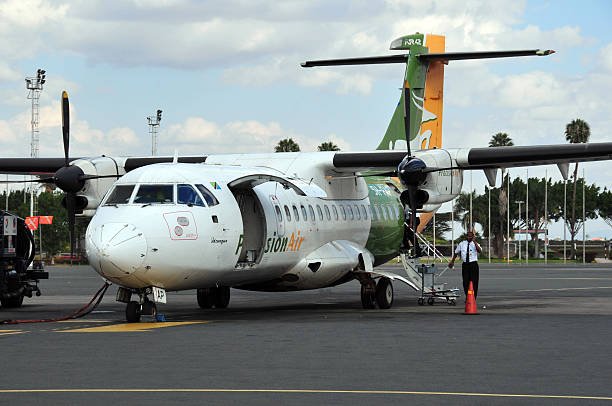
We Are Arriving At Kilimanjaro Airport, What Safari Itinerary Should We Do?
Planning your safari upon arrival at Kilimanjaro Airport (JRO)? This guide provides tailored safari itineraries for 2026-2027, focusing on Northern Tanzania's iconic parks like the...
View package details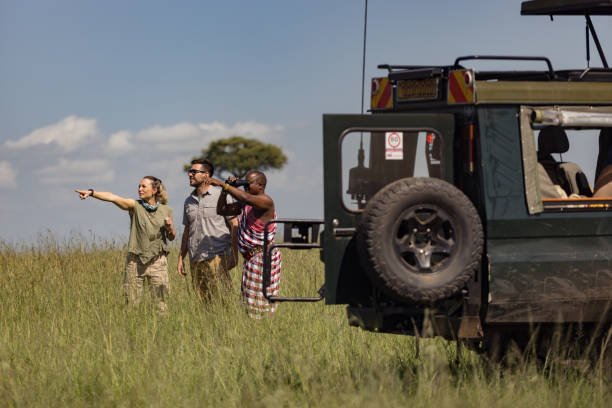
Joining Group Climbs On Kilimanjaro When Traveling Alone In 2026-2027
Traveling to Kilimanjaro alone? Discover how you can easily join an existing group climb, making your solo adventure more social and cost-effective for 2026-2027. Learn about departure...
View package details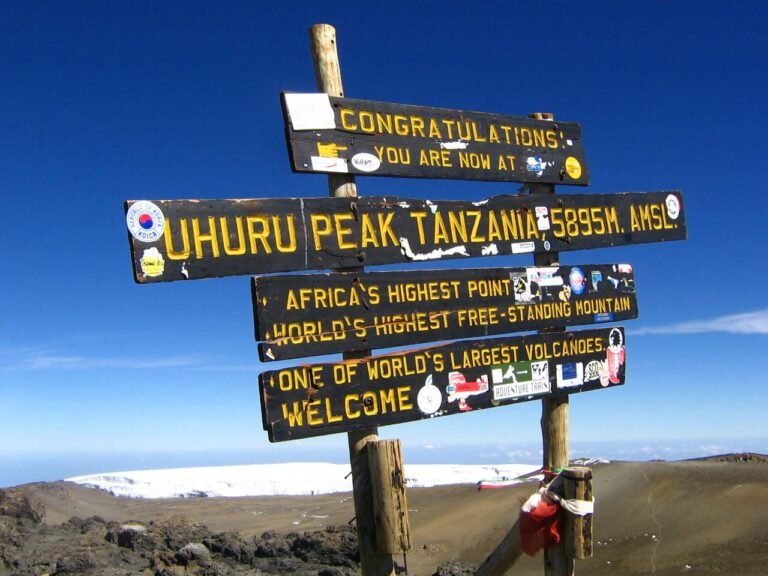
What Does Kilimanjaro Rainforest Look Like? A Trekkers Visual Guide 2026-2027
The Kilimanjaro rainforest is a vibrant, humid zone of dense vegetation, towering trees, and diverse plant life found on the mountain's lower slopes. It's the first major ecosystem trekkers...
View package details
Kilimanjaro Climb With A Personal Support Assistant: Your Ultimate Guide
Climbing Mount Kilimanjaro with a personal support assistant offers unparalleled safety, comfort, and focus on your summit goals. This guide details what a personal assistant entails, its...
View package details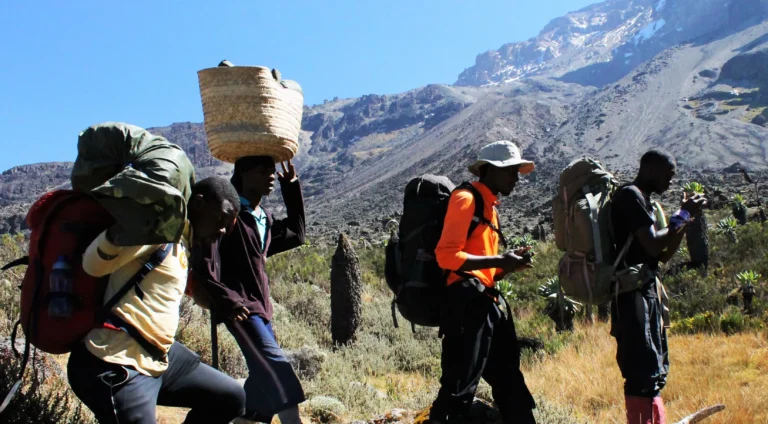
How To Know Whether You Are Ready For Kilimanjaro: A Comprehensive Guide
Climbing Mount Kilimanjaro is a significant undertaking. This guide helps you evaluate your physical, mental, and logistical readiness to ensure a safe and successful trek in 2026 or 2027...
View package details
Kilimanjaro Hydration Mistakes Climbers Make And How To Avoid Them 2026-2027
Proper hydration is critical for a successful Kilimanjaro climb. This guide details common hydration mistakes climbers make, from under-drinking to choosing the wrong fluids, and provides...
View package detailsWhich Local Tanzania Safari Companies Are Trustworthy In ? 2026-2027
Choosing a trustworthy local Tanzania safari company is crucial for a memorable and safe adventure. This guide helps you identify reliable operators for your 2026-2027 trip, covering...
View package detailsNo related package matches those filters. Clear one or more filters to see the other topic-matched options.
Plan your Kilimanjaro Foothills Cycling Tour From Moshi with Top Guide Adventures
Tell us your travel dates, group size, comfort level, and dream experience. We will help you shape a clear, realistic, and memorable Tanzania itinerary.



