
- Information
What's included
Updated planning guide for 2026-2027
Kilimanjaro Day Bike: Expert Trekking Guide 2026-2027
Discover the thrill of a Kilimanjaro day bike experience. This detailed guide provides everything you need to know for an unforgettable adventure near Africa's highest peak.
WhatsApp +255616946642 | topguideadventures@gmail.com | info@topguideadventures.com

Kilimanjaro Day Bike: Your Ultimate Adventure Guide
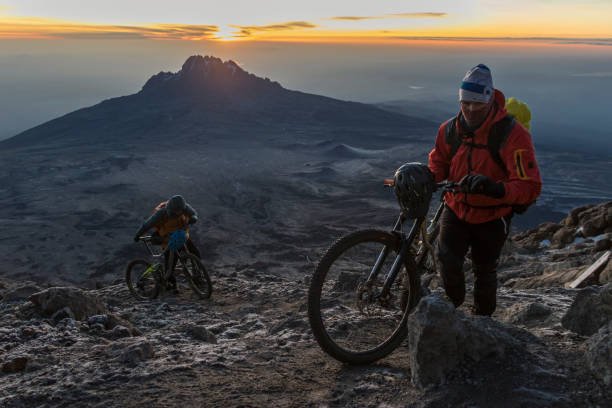
While Mount Kilimanjaro is globally recognized as a premier trekking destination, the surrounding foothills offer a distinct and exhilarating experience for those seeking adventure on two wheels: the Kilimanjaro Day Bike tour. This unique activity allows you to explore the rich landscapes, vibrant cultures, and stunning vistas of Kilimanjaro’s lower slopes without the commitment of a multi-day climb. Perfect for travelers looking for a thrilling day excursion or a way to acclimatize before a trek, a Kilimanjaro day bike journey promises incredible views and a memorable encounter with Tanzania’s natural beauty.
This guide is designed to provide a complete overview for anyone considering a Kilimanjaro Day Bike adventure. We’ll cover everything from what to expect, the best routes, essential preparation, and how to book the right tour for your 2026-2027 travel plans. Whether you’re a seasoned cyclist or a casual rider, this experience offers a fresh perspective on this iconic African mountain.
Quick Answers
What is a Kilimanjaro Day Bike tour? It’s a guided cycling excursion on the lower slopes and surrounding areas of Mount Kilimanjaro, offering scenic views and cultural immersion.
Who is it for? It suits most fitness levels, from casual riders to experienced cyclists, looking for a half or full-day adventure.
When is the best time to go? The dry seasons (June-October and December-March) offer the best cycling conditions.
What should I bring? Comfortable cycling gear, sun protection, water, snacks, and a camera.
Table of Contents
- Kilimanjaro Day Bike: Quick Facts
- Understanding the Kilimanjaro Day Bike Experience
- Why Choose a Cycling Tour on Kilimanjaro’s Slopes?
- Best Time for Your Kilimanjaro Day Bike Adventure
- Popular Kilimanjaro Day Bike Routes and Areas
- Sample Kilimanjaro Day Bike Itinerary (Full Day)
- What to Expect on Your Cycling Tour
- What’s Included and What to Pack
- Preparation and Fitness for Day Biking
- Common Mistakes to Avoid
- Who is a Kilimanjaro Day Bike Tour Best Suited For?
- Alternatives to a Kilimanjaro Day Bike Tour
- Planning Your Kilimanjaro Day Bike Trip for 2026-2027
- Booking Your Kilimanjaro Day Bike Tour
- Frequently Asked Questions (FAQs)
Kilimanjaro Day Bike: Quick Facts
| Feature | Details |
|---|---|
| Activity Type | Guided Cycling Tour |
| Duration | Half-day or Full-day options |
| Location | Lower slopes of Mount Kilimanjaro, Tanzania |
| Difficulty | Varies by route (Easy to Moderate) |
| Best For | Nature lovers, culture enthusiasts, active travelers, pre-trek acclimatization |
| Seasonality | Year-round, but best during dry seasons (June-Oct, Dec-Mar) |
| Starting Points | Arusha, Moshi, or villages near Kilimanjaro |
Understanding the Kilimanjaro Day Bike Experience
A Kilimanjaro Day Bike tour is more than just a bike ride; it’s an immersive journey through the diverse ecosystems and communities that thrive at the foot of Africa’s highest peak. Unlike the challenging ascent of the mountain, this activity focuses on enjoying the journey at a more accessible pace, allowing for ample interaction with the environment and local life. Tours typically start from nearby towns like Arusha or Moshi, or directly from villages situated on the mountain’s lower slopes.
The experience is usually guided, ensuring safety and providing valuable insights into the local culture, flora, and fauna. You’ll often find yourself cycling on well-maintained dirt tracks, rural roads, and sometimes through coffee plantations or local villages. The elevation gain is usually manageable, making it suitable for a wide range of participants. The primary draw, of course, is the ever-present, majestic silhouette of Kilimanjaro, which dominates the skyline and provides a breathtaking backdrop throughout the ride.
Why Choose a Cycling Tour on Kilimanjaro’s Slopes?
Opting for a Kilimanjaro Day Bike excursion offers several compelling advantages:
- Unique Perspective: See Kilimanjaro from a different angle, appreciating its vastness and the landscapes it influences.
- Cultural Immersion: Travel through local villages, interact with residents, and observe daily life, offering a genuine cultural exchange.
- Environmental Exploration: Discover the diverse vegetation zones, from lush montane forests to cultivated farmlands, often inaccessible by vehicle.
- Active Acclimatization: For those planning to trek Kilimanjaro, a day bike tour can serve as excellent preparation, helping your body adjust to the altitude and terrain without extreme exertion.
- Accessibility: It’s a fantastic way to experience the Kilimanjaro region for travelers who may not be physically able to undertake the multi-day climb.
- Flexibility: Day trips can be easily incorporated into safari itineraries or stays in Arusha and Moshi.
Best Time for Your Kilimanjaro Day Bike Adventure
Tanzania experiences distinct wet and dry seasons, which significantly impact outdoor activities. For a Kilimanjaro Day Bike tour, the dry seasons are generally preferred for optimal riding conditions.
- Dry Seasons (June to October and December to March): These periods offer the clearest skies, with less rainfall and generally good road conditions. This is ideal for cycling, providing excellent visibility of Kilimanjaro and comfortable temperatures. The months of June, July, and August are particularly popular due to stable weather.
- Shoulder Seasons (April, May, November): These months can be unpredictable, with a higher chance of rain. While still possible, rides might be interrupted by downpours, and trails could become muddy. However, these periods often see fewer tourists and potentially lower prices.
Even during the dry season, brief afternoon showers can occur, especially at higher elevations. Always be prepared for changing weather. For your 2026-2027 travel planning, aiming for the core dry months will maximize your chances of a pleasant cycling experience.
Popular Kilimanjaro Day Bike Routes and Areas
The specific routes for a Kilimanjaro Day Bike tour are often customized based on the operator, the participant’s fitness level, and desired experiences. However, several areas are commonly explored:
Kilimanjaro Day Bike Route Overview (Illustrative)
Starting Point: Moshi Town or designated village (e.g., Marangu, Boma Ng’ombe)
- Phase 1: Village Exploration: Cycle through local villages, passing small farms and community centers. Experience the local way of life and greet residents.
- Phase 2: Coffee Plantation Trails: Many routes venture through the fertile lower slopes where coffee is grown. Learn about coffee farming and enjoy the lush greenery.
- Phase 3: Forest Edge Trails: Ascend slightly towards the montane forest zone, often following tracks that lead to viewpoints. The air becomes cooler and the vegetation denser.
- Phase 4: Scenic Viewpoints: Reach designated spots offering panoramic views of the plains below and, on clear days, the snow-capped summit of Kilimanjaro.
- Phase 5: Descent and Return: A gentle descent back towards the starting point or a convenient drop-off location.
Note: This is a generalized route. Actual paths vary significantly.
Common starting points and areas include:
- Marangu Route Area: Known for its lush vegetation and proximity to the Marangu Gate. Routes here often pass through banana and coffee farms, offering beautiful scenery.
- Boma Ng’ombe Area: This region provides access to diverse landscapes, including agricultural lands and rolling hills, with good views of Kilimanjaro.
- Chagga Villages: Exploring the traditional homes and agricultural practices of the Chagga people is a highlight of many tours.
- Kilimanjaro National Park Boundary: Some tours may go close to the park boundaries, offering a taste of the mountain’s lower ecosystems without entering the park itself (which typically requires park fees and permits for trekking).
The routes are typically a mix of paved roads, dirt tracks, and sometimes more challenging off-road sections, depending on the chosen tour. The elevation gain is usually moderate, with most tours focusing on enjoying the scenery and culture rather than strenuous climbing.
Sample Kilimanjaro Day Bike Itinerary (Full Day)
This sample itinerary outlines a typical full-day Kilimanjaro Day Bike experience, starting from Moshi. It’s designed to offer a blend of cycling, cultural interaction, and scenic appreciation.
Full-Day Kilimanjaro Day Bike Tour
| Time | Activity | Notes |
|---|---|---|
| 8:00 AM | Hotel Pickup in Moshi | Meet your guide and transfer to the starting point. |
| 8:30 AM | Bike Fitting and Briefing | Receive your bicycle, helmet, and safety instructions. Discuss the day’s route. |
| 9:00 AM | Begin Cycling | Start riding through local villages and agricultural lands. |
| 10:30 AM | Cultural Visit | Stop at a local home or community project (e.g., coffee processing demonstration). |
| 11:30 AM | Scenic Ride Continues | Cycle towards the foothills, enjoying increasing views of Kilimanjaro. |
| 1:00 PM | Picnic Lunch | Enjoy a packed lunch at a scenic viewpoint. |
| 2:00 PM | Afternoon Cycling | Explore trails closer to the forest boundary or different village paths. |
| 3:30 PM | Return Journey | Begin the gentle descent back towards the starting area. |
| 4:30 PM | Arrive at Starting Point | Return bikes. |
| 5:00 PM | Transfer back to Hotel | Return to your accommodation in Moshi. |
This is a flexible schedule. Half-day tours would typically cover the morning or afternoon portion of this itinerary.
What to Expect on Your Cycling Tour
A Kilimanjaro Day Bike tour offers a rich sensory experience:
- Scenery: Expect breathtaking views of Mount Kilimanjaro, especially on clear mornings. The landscapes transition from cultivated fields of maize and beans to vibrant coffee and banana plantations, and eventually to the edges of the montane forest. You’ll see expansive views of the Tanzanian plains stretching out below.
- Terrain: The terrain is varied. You’ll encounter mostly dirt roads, some paved sections near towns, and potentially some rougher, rocky, or muddy patches depending on recent weather. Hills are generally present but manageable for most fitness levels, with guides often adjusting routes to suit the group.
- Culture: Interaction with local communities is a key part of the experience. You’ll pass through villages, see children playing, women working in the fields, and men tending to livestock. Many tours include stops at local homes or community projects, offering a chance to learn about Chagga culture, traditions, and livelihoods.
- Wildlife: While not a safari, you might spot local birds, monkeys (especially near forest areas), and various farm animals like goats, sheep, and cattle.
- Guides: You will be accompanied by experienced local guides who know the routes, understand the local culture, and can provide safety assistance. They often share insights into the history, agriculture, and social dynamics of the region.
- Pace: The pace is generally relaxed, allowing for photos, questions, and interaction. It’s not a race, but a journey of discovery.
What’s Included and What to Pack
Tour inclusions can vary, so it’s crucial to check with your operator. However, typical inclusions for a Kilimanjaro Day Bike tour are:
Typical Inclusions
| Included | Not Included (Usually) |
|---|---|
| Bicycle (mountain bike or hybrid) | Personal travel insurance |
| Helmet | Tips for guides and drivers |
| Experienced Local Guide(s) | Personal expenses (souvenirs, extra drinks) |
| Water Bottles (often refilled) | Snacks beyond what’s provided |
| Packed Lunch (for full-day tours) | Optional entrance fees (if any specific site is visited) |
| Transfers to/from starting point | |
| Basic First-Aid Kit |
What to Pack:
Essential Packing List
- Cycling Attire: Comfortable, moisture-wicking clothing. Padded cycling shorts are highly recommended.
- Sturdy Shoes: Closed-toe shoes suitable for cycling (trainers or cycling shoes).
- Sun Protection: Sunscreen (high SPF), sunglasses, and a wide-brimmed hat or cap to wear under the helmet.
- Light Jacket/Windbreaker: For cooler temperatures, especially during descents or if the weather changes.
- Reusable Water Bottle: Even if provided, having your own is good practice.
- Camera: To capture the stunning views and cultural moments. Ensure it’s protected from dust.
- Small Backpack: To carry personal items, snacks, and camera.
- Insect Repellent: Particularly if cycling near forested areas or during dawn/dusk.
- Hand Sanitizer: For hygiene, especially after interacting with communities.
- Personal Medications: Any specific medicines you require.
- Snacks: Energy bars or nuts for extra fuel, though lunch is usually provided on full-day tours.
- Cash: Small denominations for any unexpected purchases or tips.
Preparation and Fitness for Day Biking
While a Kilimanjaro Day Bike tour isn’t as demanding as climbing the mountain, a reasonable level of fitness is beneficial. Most tours are designed to be enjoyable for a broad audience, but understanding what’s required will help you prepare.
- Fitness Level: Aim for a moderate fitness level. This means being able to comfortably cycle for several hours, potentially with some inclines. Regular cycling, jogging, or other aerobic activities in the weeks leading up to your trip will be helpful.
- Acclimatization: If you are arriving from sea level, spending a day or two in Arusha or Moshi (around 1,300-1,500 meters / 4,300-5,000 feet) before your bike tour can aid acclimatization. The cycling itself, typically not exceeding 2,000 meters / 6,500 feet, is usually manageable but can feel harder at altitude.
- Cycling Skills: Basic cycling proficiency is assumed. You should be comfortable balancing, braking, and navigating on varied terrain. If you haven’t ridden in a while, a few practice rides beforehand are a good idea.
- Mental Preparation: Be prepared for varying weather conditions, including sun and potential rain. Embrace the adventure, be open to cultural interactions, and enjoy the journey.
Many tour operators offer different route options, so communicate your fitness and experience level when booking. They can help you choose a tour that best matches your capabilities.
Common Mistakes to Avoid
To ensure a smooth and enjoyable Kilimanjaro Day Bike experience, be aware of these common pitfalls:
- Underestimating the Altitude: Even a day trip can feel more strenuous at altitude. Don’t push yourself too hard, especially on the first day. Stay hydrated.
- Inadequate Sun Protection: The equatorial sun is intense. Forgetting sunscreen, sunglasses, or a hat can lead to painful sunburn and heatstroke.
- Poor Footwear: Wearing sandals or open-toed shoes is unsafe and uncomfortable for cycling. Always opt for closed-toe shoes.
- Not Drinking Enough Water: Dehydration can quickly set in, especially when cycling. Carry sufficient water and drink regularly, even if you don’t feel thirsty.
- Ignoring the Guide: Your guide is there for your safety and to enhance your experience. Follow their instructions regarding the route, terrain, and cultural etiquette.
- Choosing the Wrong Tour: Booking a strenuous route when you’re a casual rider, or vice versa, can lead to disappointment. Be honest about your fitness level when booking.
- Not Checking Inclusions: Assuming certain things are included (like lunch or bike type) when they are not can lead to unexpected costs or inconveniences. Always clarify what your tour package covers.
- Environmental Disregard: Avoid littering, especially in natural areas and villages. Respect the environment and the local communities.
Who is a Kilimanjaro Day Bike Tour Best Suited For?
The Kilimanjaro Day Bike tour is a versatile activity that appeals to a wide range of travelers:
- Active Travelers: Those who enjoy incorporating physical activity into their holidays and want to explore landscapes actively.
- Culture Enthusiasts: Individuals interested in experiencing authentic local life, visiting villages, and learning about Chagga traditions.
- Nature Lovers: Anyone who appreciates beautiful scenery, diverse flora, and the impressive presence of Mount Kilimanjaro.
- Pre-Trek Preparers: Climbers who want a gentle way to acclimatize to altitude and test their endurance before a Kilimanjaro ascent.
- Time-Constrained Visitors: Travelers with limited time who want a significant experience of the Kilimanjaro region without committing to a multi-day trek.
- Families: With appropriate route selection, it can be a fun and educational activity for families with older children who are comfortable cycling.
- Photographers: The combination of the mountain, landscapes, and village life offers abundant photographic opportunities.
It is generally not recommended for individuals with significant mobility issues or those who are uncomfortable with cycling on uneven terrain.
Alternatives to a Kilimanjaro Day Bike Tour
If a cycling tour isn’t quite what you’re looking for, or if you want to combine it with other activities, consider these alternatives in the Kilimanjaro region:
- Kilimanjaro Day Hikes: Many operators offer guided day hikes on the lower slopes, particularly around the Marangu route area, up to Mandara Huts. This offers a trekking experience without the full mountain climb.
- Cultural Tours: Focus purely on visiting local villages, coffee farms, and community projects, often including traditional meals and craft demonstrations.
- Chagga Caves and Waterfalls: Explore historical Chagga caves (used during tribal conflicts) and natural waterfalls on the mountain’s slopes.
- Canopy Walkways: Some areas offer treetop canopy walks through the montane forest, providing a unique perspective of the ecosystem.
- Kilimanjaro National Park Day Visit: While trekking requires permits, a short visit to the lower park boundaries or specific gates might be possible for sightseeing, though this is less common as a standalone day trip without hiking.
- Safari Tours: Combine your Kilimanjaro experience with a safari in nearby parks like Arusha National Park, Tarangire, Lake Manyara, or the Serengeti.
A Kilimanjaro Day Bike tour offers a unique blend of activity, culture, and scenery that is distinct from these other options.
Planning Your Kilimanjaro Day Bike Trip for 2026-2027
Planning ahead is key to a successful Kilimanjaro Day Bike adventure, especially for popular travel years like 2026 and 2027. Here’s a planning timeline and considerations:
2026-2027 Planning Timeline
| Timeframe | Action Items |
|---|---|
| 9-12 Months Before | Research tour operators. Identify potential routes and tour lengths (half/full day). Book international flights. |
| 6-9 Months Before | Book your Kilimanjaro Day Bike tour with a reputable operator. Confirm inclusions and exclusions. |
| 3-6 Months Before | Begin fitness preparation. Purchase necessary gear (cycling shorts, shoes, gloves). Arrange accommodation in Moshi/Arusha. |
| 1-3 Months Before | Confirm tour details with your operator. Get necessary vaccinations or malaria prophylaxis (consult your doctor). Arrange travel insurance. |
| 2-4 Weeks Before | Pack your bags. Double-check all travel documents (passport, visa, insurance). Inform your bank of travel dates. |
| During Your Trip | Stay hydrated, use sun protection, listen to your guide, and enjoy the experience! |
Key Considerations for 2026-2027:
- Peak Seasons: The dry seasons (June-October, December-March) are popular. Booking further in advance for 2026-2027 is advisable if you plan to travel during these times.
- Flexibility: Have some flexibility in your dates if possible, as this can sometimes lead to better availability and pricing.
- Operator Reliability: Look for operators with good reviews, clear communication, and a strong commitment to safety and local engagement.
Booking Your Kilimanjaro Day Bike Tour
Choosing the right tour operator is crucial for a safe and enjoyable Kilimanjaro Day Bike experience. Here’s how to book effectively:
- Research Operators: Look for established Tanzania tour operators that specialize in Kilimanjaro region activities. Check their websites, read reviews on platforms like TripAdvisor, and ask for recommendations.
- Communicate Your Needs: Be clear about your fitness level, cycling experience, and what you hope to get out of the tour (e.g., culture, scenery, photography).
- Inquire About Bikes: Ensure the operator provides well-maintained mountain bikes or suitable hybrids with gears. Ask about helmet quality and availability.
- Understand the Route: Ask for details about the specific route, estimated distance, elevation gain, and terrain. A good operator will be transparent about this.
- Check Inclusions/Exclusions: Clarify what is covered (e.g., lunch, water, transfers, guide) and what is not (e.g., tips, personal expenses).
- Safety First: Ask about their safety protocols, guide training (first aid), and emergency procedures.
- Get a Detailed Itinerary: Request a day-by-day breakdown of the tour.
- Read the Fine Print: Understand cancellation policies, payment terms, and what travel insurance is required.
Contact Us for Your Kilimanjaro Day Bike Adventure!
Ready to experience the magic of Kilimanjaro from a unique perspective? Let us help you plan the perfect Kilimanjaro Day Bike tour. We offer expertly guided cycling adventures tailored to your interests and fitness level, ensuring a memorable and safe journey through the stunning landscapes and vibrant communities around Africa’s highest peak. Whether you’re planning for 2026 or 2027, we’re here to make your adventure extraordinary.
WhatsApp: +255616946642
Email: topguideadventures@gmail.com
Backup Email: info@topguideadventures.com
Frequently Asked Questions (FAQs)
1. Is a Kilimanjaro Day Bike tour suitable for beginners?
Yes, many Kilimanjaro Day Bike tours are designed for beginners. Operators often offer routes with less challenging terrain and moderate distances. It’s important to communicate your experience level when booking so they can recommend the most suitable tour.
2. What is the average cost of a Kilimanjaro Day Bike tour?
Exact prices vary based on the operator, duration (half or full day), inclusions, and group size. Generally, expect prices to range from approximately $60 to $150 USD per person for a full-day guided tour, though this is an estimate and can change for 2026-2027.
3. Do I need to be very fit to do this tour?
A moderate level of fitness is recommended. You should be comfortable cycling for 3-5 hours with some inclines. If you are not very active, a half-day tour on a flatter route might be more appropriate. Regular exercise leading up to the tour will enhance your experience.
4. Can I bring my own bicycle?
While some operators might allow it, it’s generally recommended to use the bikes provided by the tour company. They are typically well-maintained mountain bikes or hybrids suitable for the local terrain and come with safety checks. Bringing your own can complicate logistics and insurance.
5. What happens if it rains during my bike tour?
Most reputable operators have policies for inclement weather. Depending on the severity, the tour might be shortened, rescheduled, or a refund may be offered. Lighter rain might proceed with appropriate gear. Always clarify the operator’s policy beforehand.
6. Are there any park fees associated with a day bike tour?
Typically, Kilimanjaro Day Bike tours operate on public roads and village paths, and do not enter Kilimanjaro National Park. Therefore, national park entry fees are usually not applicable. Always confirm this with your tour operator.
7. What kind of bike will I be riding?
You will usually ride a sturdy mountain bike or a hybrid bicycle, equipped with gears suitable for varied terrain. The bikes are maintained by the tour operator and will be fitted to your size.
8. Is it possible to see wildlife on a Kilimanjaro Day Bike tour?
While not a primary focus like a safari, you may encounter local birds, monkeys in forested areas, and various farm animals such as goats, sheep, and cattle. The main focus is on the scenery and cultural interactions.
9. What are the best months for a Kilimanjaro Day Bike tour in 2026-2027?
The dry seasons are best: June to October and December to March. These months offer the clearest skies and best trail conditions. Avoid the peak rainy months of April and May if possible.
10. How far will we cycle on a full-day tour?
Distances vary but typically range from 20 to 40 kilometers (12 to 25 miles). The focus is on the experience and stops, rather than covering long distances quickly. Your guide will adjust the pace and distance based on the group’s capabilities.
A Kilimanjaro Day Bike tour offers a fantastic way to experience the beauty and culture of Tanzania from a unique vantage point. Planning your trip for 2026 or 2027 with the right operator will ensure an unforgettable adventure.
Ready to cycle near Kilimanjaro? Contact us today to craft your perfect day trip!
We specialize in creating authentic and exciting experiences in Tanzania. Let our local expertise guide you on an incredible Kilimanjaro Day Bike journey.
WhatsApp: +255616946642
Email: topguideadventures@gmail.com
Backup Email: info@topguideadventures.com
We Are Arriving At Kilimanjaro Airport, What Safari Itinerary Should We Do?
Planning your safari upon arrival at Kilimanjaro Airport (JRO)? This guide provides tailored safari itineraries for 2026-2027, focusing on Northern Tanzania's iconic parks like the...
View package details
Joining Group Climbs On Kilimanjaro When Traveling Alone In 2026-2027
Traveling to Kilimanjaro alone? Discover how you can easily join an existing group climb, making your solo adventure more social and cost-effective for 2026-2027. Learn about departure...
View package details
What Does Kilimanjaro Rainforest Look Like? A Trekkers Visual Guide 2026-2027
The Kilimanjaro rainforest is a vibrant, humid zone of dense vegetation, towering trees, and diverse plant life found on the mountain's lower slopes. It's the first major ecosystem trekkers...
View package details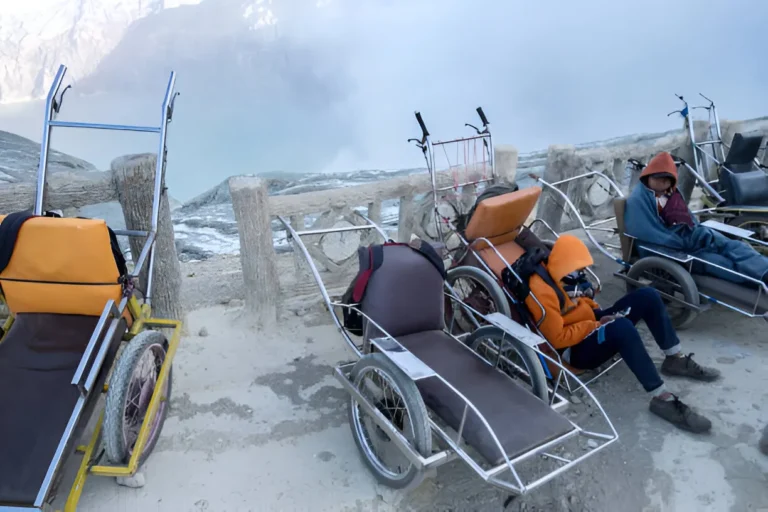
Kilimanjaro Climb With A Personal Support Assistant: Your Ultimate Guide
Climbing Mount Kilimanjaro with a personal support assistant offers unparalleled safety, comfort, and focus on your summit goals. This guide details what a personal assistant entails, its...
View package details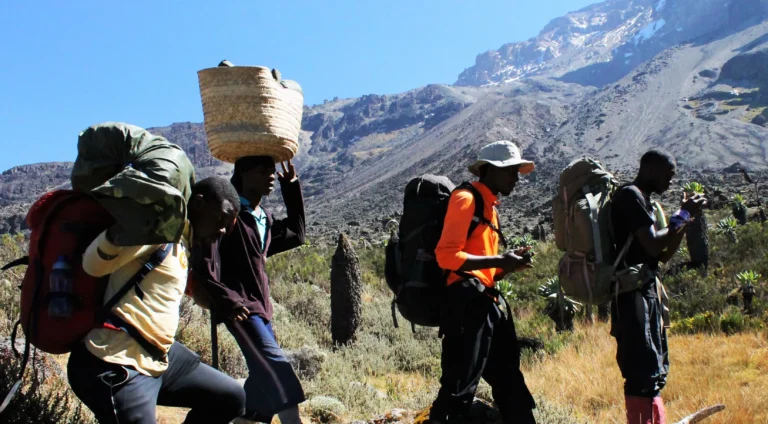
How To Know Whether You Are Ready For Kilimanjaro: A Comprehensive Guide
Climbing Mount Kilimanjaro is a significant undertaking. This guide helps you evaluate your physical, mental, and logistical readiness to ensure a safe and successful trek in 2026 or 2027...
View package details
Kilimanjaro Hydration Mistakes Climbers Make And How To Avoid Them 2026-2027
Proper hydration is critical for a successful Kilimanjaro climb. This guide details common hydration mistakes climbers make, from under-drinking to choosing the wrong fluids, and provides...
View package detailsWhich Local Tanzania Safari Companies Are Trustworthy In ? 2026-2027
Choosing a trustworthy local Tanzania safari company is crucial for a memorable and safe adventure. This guide helps you identify reliable operators for your 2026-2027 trip, covering...
View package detailsNo related package matches those filters. Clear one or more filters to see the other topic-matched options.
Plan your Kilimanjaro Day Bike with Top Guide Adventures
Tell us your travel dates, group size, comfort level, and dream experience. We will help you shape a clear, realistic, and memorable Tanzania itinerary.



