
- Information
What's included
Updated planning guide for 2026-2027
Kilimanjaro Cycling Tour Packages: Expert Trekking Guide 2026-2027
Explore Kilimanjaro by bike with our comprehensive guide to cycling tour packages. Learn about routes, preparation, what to expect, and how to book your unforgettable adventure for 2026-2027.
WhatsApp +255616946642 | topguideadventures@gmail.com | info@topguideadventures.com
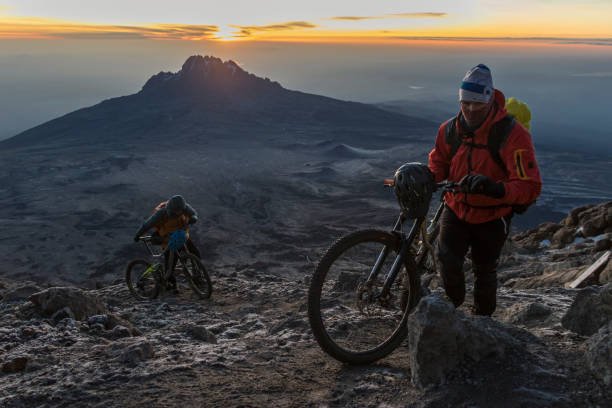
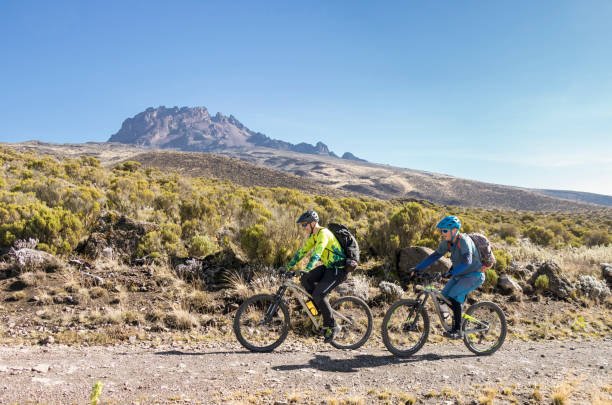
Kilimanjaro Cycling Tour Packages: Your Ultimate Adventure Awaits
While Mount Kilimanjaro is globally recognized as Africa’s highest peak, a destination for trekkers, it also presents a unique and exhilarating challenge for cyclists. Kilimanjaro cycling tour packages offer a distinct perspective on this majestic mountain, allowing you to traverse its lower slopes and surrounding areas on two wheels. This approach combines the thrill of adventure cycling with the awe-inspiring beauty of Tanzania’s most iconic landmark. For travelers seeking an active and immersive experience beyond traditional trekking, cycling tours around Kilimanjaro provide an exceptional way to explore the diverse landscapes, local culture, and natural wonders.
This guide is designed to provide comprehensive details on Kilimanjaro cycling tour packages, covering everything from initial planning and route options to preparation, what to expect on the ground, and how to select the right tour for your 2026-2027 adventure. We aim to equip you with the knowledge needed to make informed decisions and ensure a memorable and safe journey.
Quick Answer: What are Kilimanjaro Cycling Tour Packages?
Kilimanjaro cycling tour packages are organized trips that allow participants to cycle on the slopes and surrounding areas of Mount Kilimanjaro. These tours typically range from multi-day adventures to shorter excursions, focusing on exploring the mountain’s diverse ecosystems, local villages, and scenic vistas by bicycle. They are an alternative or complementary activity to trekking, offering a different kind of physical challenge and a unique way to experience the Kilimanjaro region.
Kilimanjaro Cycling Quick Facts
| Feature | Details |
|---|---|
| Primary Activity | Mountain biking, cycling on trails and roads around Kilimanjaro |
| Duration | Typically 3 to 7 days, but customizable |
| Difficulty | Moderate to challenging, depending on the route and elevation |
| Best Time to Go | Dry seasons: January-March and June-October |
| Key Regions Covered | Lower slopes, surrounding villages (e.g., Marangu, Machame), national park buffer zones |
| Required Gear | Mountain bike (often provided), helmet, cycling apparel, hydration pack |
| Fitness Level | Good cardiovascular fitness and cycling experience recommended |
Table of Contents
- Overview of Kilimanjaro Cycling Tours
- Why Choose a Cycling Tour on Kilimanjaro?
- Best Time for Kilimanjaro Cycling Tours (2026-2027)
- Popular Cycling Routes and Areas
- Sample Kilimanjaro Cycling Tour Itinerary
- What to Expect on a Cycling Tour
- Typical Inclusions and Exclusions
- Packing and Preparation Guide
- Common Mistakes to Avoid
- Who Are Kilimanjaro Cycling Tours Best Suited For?
- Alternatives to Kilimanjaro Cycling
- Planning Your 2026-2027 Kilimanjaro Cycling Adventure
- Booking Your Kilimanjaro Cycling Tour Package
- Frequently Asked Questions
Overview of Kilimanjaro Cycling Tours
Kilimanjaro cycling tour packages are designed to provide an active and engaging way to explore the magnificent Mount Kilimanjaro and its surroundings. Unlike the rigorous ascent to the summit, these tours focus on the lower slopes, crater rim access roads (where permitted), and the network of trails and local roads that wind through the mountain’s foothills. These tours leverage the accessibility of the Kilimanjaro region, offering a blend of physical exertion, cultural immersion, and breathtaking scenery.
The cycling experience can vary significantly based on the chosen route and tour operator. Some packages might involve challenging single-track trails requiring advanced mountain biking skills, while others focus on scenic routes along dirt roads and through coffee plantations, making them accessible to intermediate cyclists. Support vehicles are typically part of the package, carrying gear, providing refreshments, and offering assistance if needed. This ensures safety and comfort, allowing participants to focus on the ride and the stunning environment.
These tours are often combined with other Tanzanian travel experiences, such as safaris in nearby national parks like Arusha National Park or Tarangire, or relaxation on the beaches of Zanzibar. This offers a comprehensive Tanzanian adventure that caters to various interests and activity levels.
Why Choose a Cycling Tour on Kilimanjaro?
Opting for a Kilimanjaro cycling tour package offers several compelling advantages:
- Unique Perspective: Cycling allows you to cover more ground and experience the changing landscapes from the ground up. You can appreciate the transition from lush rainforests to alpine meadows and the vast plains surrounding the mountain in a way that walking or driving might not offer.
- Physical Challenge: For those who enjoy a good workout, cycling Kilimanjaro’s routes provides a rewarding physical challenge. The elevation gains and varied terrain test your endurance and skill.
- Cultural Immersion: Many routes pass through local villages, coffee farms, and communities. Cycling at a moderate pace allows for more interaction with local life, offering insights into the daily routines and culture of the Chagga people and others who inhabit the mountain’s fertile slopes.
- Environmental Interaction: Being out in the open on a bike connects you more directly with the environment. You can stop easily to observe wildlife, admire flora, and soak in the panoramic views of Kilimanjaro and the surrounding plains.
- Accessibility: While summiting Kilimanjaro requires significant preparation and acclimatization, cycling tours on the lower slopes are accessible to a broader range of fitness levels and offer a fantastic adventure without the extreme altitude challenges.
- Sustainability: Cycling is an eco-friendly mode of transport, minimizing your environmental footprint as you explore the natural beauty of the Kilimanjaro region.
Best Time for Kilimanjaro Cycling Tours (2026-2027)
The best time to undertake a Kilimanjaro cycling tour is dictated by Tanzania’s dry seasons, which offer the most favorable weather conditions for outdoor activities. These periods minimize the chances of heavy rainfall, which can make trails muddy, slippery, and difficult to navigate, and also reduce the risk of extreme heat or cold at higher elevations.
Kilimanjaro Cycling Seasonality
| Season | Months | Conditions | Pros | Cons |
|---|---|---|---|---|
| Dry Season 1 | January – March | Warm and dry, clear skies. Higher chance of rain in late March. | Excellent visibility, good riding conditions, less crowded than peak dry season. | Can be very hot at lower altitudes. |
| Long Rains | April – May | Heavy rainfall, humid, cloudy. | Fewer tourists, lush green landscapes. | Difficult riding conditions, potential for trail closures, poor visibility. Generally not recommended for cycling tours. |
| Dry Season 2 (Peak) | June – October | Cooler, dry, clear skies. | Ideal riding conditions, excellent visibility, stable weather. | Can be colder at higher altitudes, potentially busier. |
| Short Rains | November – December | Intermittent showers, can be humid. | Fewer tourists. | Unpredictable weather, potential for muddy trails. |
For your 2026-2027 travel plans, the most recommended periods for Kilimanjaro cycling tours are:
- January to March: Offers warm, dry weather, perfect for exploring the lower slopes.
- June to October: Provides cooler, dry conditions with excellent visibility, ideal for longer rides and appreciating the mountain’s grandeur.
While these are the prime times, shoulder seasons (like early November or late March) can offer a good balance of decent weather and fewer crowds if your schedule requires flexibility. It’s always advisable to check the specific weather patterns closer to your travel date.
Popular Cycling Routes and Areas
Kilimanjaro’s vastness offers diverse terrain for cycling. Most Kilimanjaro cycling tour packages focus on the mountain’s fertile lower slopes and surrounding areas, rather than attempting to cycle up to the summit (which is not feasible or permitted for cycling). Here are some popular areas and route concepts:
Kilimanjaro Cycling Route Overview
This is a conceptual overview of areas often covered. Actual routes vary by tour operator.
Starting Points (Common): Moshi, Marangu, Arusha
- Marangu Route Foothills: Often begins near Marangu, known for its waterfalls and coffee plantations. Routes here are typically on dirt roads and trails through lush vegetation.
- Kilimanjaro National Park Buffer Zone: Cycling tours may utilize roads and tracks that run parallel to the national park boundaries, offering stunning views of the mountain without entering the core hiking trails.
- Machame Route Region: Exploring the areas around villages associated with the Machame hiking route, offering a different perspective on the mountain’s western side.
- Shira Plateau Access (Partial): Some advanced tours might use 4×4 tracks leading towards the Shira Plateau for a brief cycling segment, offering high-altitude views and challenging terrain. This is usually an add-on or part of a longer, more demanding tour.
- Local Village Exploration: Routes are often designed to connect various Chagga villages, allowing for cultural stops and a glimpse into local life.
- Forest Reserve Roads: Utilizing established tracks and roads within the Kilimanjaro forest reserve on the lower slopes, often shared with park rangers and local communities.
Note: Cycling directly on the main Kilimanjaro trekking routes (e.g., Marangu, Machame, Lemosho) is generally not permitted or practical due to trail conditions, safety, and environmental regulations.
The routes are often customized based on the tour operator’s expertise and the participants’ fitness and skill levels. Some tours might include challenging downhill sections, technical single tracks, or steady climbs, while others focus on a more relaxed pace with ample opportunities for cultural stops and scenic viewpoints.
Sample Kilimanjaro Cycling Tour Itinerary (5 Days)
This is a sample itinerary for a moderate Kilimanjaro cycling tour. Actual itineraries will vary by operator and can be customized.
Sample 5-Day Kilimanjaro Cycling Adventure
| Day | Morning | Afternoon | Evening |
|---|---|---|---|
| Day 1: Arrival in Moshi & Bike Prep | Arrive at Kilimanjaro International Airport (JRO), transfer to your hotel in Moshi. Meet your guide for a briefing and bike fitting. | Short introductory ride around Moshi to test bikes and get acquainted with local terrain. Visit a local market. | Welcome dinner with the tour team. Overnight in Moshi. |
| Day 2: Marangu Coffee Plantations & Waterfalls | After breakfast, drive to Marangu. Begin cycling through scenic coffee plantations and banana groves. | Continue on dirt tracks, visiting the beautiful Marangu Waterfalls. Enjoy a packed lunch amidst nature. | Return to Moshi. Relax and prepare for the next day. Overnight in Moshi. |
| Day 3: Kilimanjaro Foothills & Chagga Villages | Drive to a higher starting point on Kilimanjaro’s slopes. Cycle along forest reserve roads, passing through traditional Chagga villages. | Enjoy panoramic views of Kilimanjaro and the plains. Stop for interactions with locals and learn about their way of life. Picnic lunch. | Descend back towards Moshi. Overnight in Moshi. |
| Day 4: Shira Plateau Access Trail (4×4 Support) | Take a 4×4 vehicle partway up the mountain towards the Shira Plateau access roads. Begin cycling on higher altitude tracks. | Experience a more challenging ride with incredible alpine scenery. This segment offers stunning views and rugged terrain. Lunch with Kilimanjaro as a backdrop. | Descend via 4×4. Farewell dinner celebrating your cycling achievement. Overnight in Moshi. |
| Day 5: Departure | Enjoy a final Tanzanian breakfast. Depending on your flight schedule, you might have time for souvenir shopping or a brief city tour. | Transfer to Kilimanjaro International Airport (JRO) for your departure. | N/A |
What to Expect on a Cycling Tour
A Kilimanjaro cycling tour is an active adventure that requires a reasonable level of fitness and a spirit of adventure. Here’s what you can generally expect:
- Terrain: The terrain is varied, ranging from smooth dirt roads and gravel tracks to more challenging, rocky, or root-filled single tracks. Some sections might involve steep ascents and descents.
- Altitude: While you won’t be cycling to the summit, tours can reach significant altitudes (up to 3,000 meters or more on certain routes). Acclimatization might be a factor, especially for longer tours or those that gain altitude rapidly.
- Weather: Weather can change quickly. Expect sunny and warm conditions at lower altitudes, but it can become cool or even cold at higher elevations, especially in the mornings and evenings. Rain is possible, even outside the main rainy seasons.
- Support: Most reputable tours include a support vehicle. This vehicle carries your luggage, spare parts, tools, food, water, and first-aid supplies. It can also pick you up if you are unable to continue cycling for any reason.
- Guides: You will be accompanied by experienced local guides who know the routes, the terrain, and the local culture. They are trained in first aid and can provide valuable insights throughout your journey.
- Pace: The pace is generally moderate, allowing for enjoyment of the scenery and photo opportunities. However, some routes may have challenging sections that require more effort. Your guide will ensure the group rides at a pace suitable for everyone.
- Accommodation: Accommodation can range from comfortable lodges and hotels in towns like Moshi or Arusha to more basic guesthouses or even camping on certain extended tours.
- Meals: Meals are typically provided and are usually a mix of local Tanzanian cuisine and international options. Expect hearty meals to fuel your rides.
Typical Inclusions and Exclusions
Understanding what’s included in your Kilimanjaro cycling tour package is crucial for budgeting and planning. While specifics vary between operators, here’s a general guide:
Common Inclusions
- Bicycle Rental: High-quality mountain bike suitable for the terrain.
- Support Vehicle: For luggage transport, snacks, water, and emergency pick-ups.
- Professional Guides: Local, experienced cycling guides.
- Meals: As specified in the itinerary (usually breakfast, lunch, and dinner on riding days).
- Accommodation: Hotels, lodges, or camps as per the itinerary.
- Park Fees: Entrance fees for any relevant areas.
- Water and Snacks: During rides.
- First Aid Kit: Carried by guides.
Common Exclusions
- International Flights: Flights to and from Kilimanjaro International Airport (JRO).
- Visa Fees: For Tanzania.
- Travel Insurance: Comprehensive travel and medical insurance is mandatory.
- Personal Expenses: Souvenirs, alcoholic beverages, laundry, tips.
- Tips: For guides, drivers, and support crew (often expected).
- Optional Activities: Any activities not explicitly mentioned in the itinerary.
- Personal Cycling Gear: Such as cycling shorts, gloves, helmet (though helmets are often provided, bringing your own ensures fit and comfort).
- Vaccinations and Medications: Costs associated with health preparations.
Always request a detailed list of inclusions and exclusions from your chosen tour operator before booking.
Packing and Preparation Guide
Proper preparation is key to enjoying your Kilimanjaro cycling tour. This involves both physical training and packing the right gear.
Physical Preparation:
- Cardiovascular Fitness: Engage in regular aerobic activities like running, swimming, or cycling for at least 3-4 times a week. Focus on building endurance.
- Strength Training: Include exercises that strengthen your legs (squats, lunges), core, and upper body, which are crucial for handling the bike on varied terrain.
- Cycling Specific Training: If possible, cycle regularly on varied terrain, including hills. Aim for longer rides (2-3 hours) to build stamina. Practice riding on gravel or dirt paths if you anticipate such conditions.
- Acclimatization Practice: While not as critical as for summiting, riding at higher altitudes if you have access to them can be beneficial.
Packing List:
Clothing:
- Moisture-wicking cycling jerseys (2-3)
- Cycling shorts or bibs (2-3 pairs)
- Padded cycling shorts for comfort
- Arm warmers and leg warmers (for cooler mornings/high altitudes)
- Lightweight, waterproof and windproof jacket
- Thermal base layers (for higher altitudes)
- Casual clothing for evenings (t-shirts, comfortable trousers/shorts)
- Swimsuit (if accommodation has a pool)
- Hiking socks (several pairs)
- Casual shoes for evenings
Cycling Gear:
- Cycling helmet (essential, though often provided, bring your own for best fit)
- Cycling gloves (full-finger recommended for protection)
- Cycling shoes (if you use clipless pedals, bring your own pedals too)
- Sunglasses (UV protection)
- Hydration pack or water bottles (at least 2L capacity)
- Small cycling backpack or saddle bag for essentials during rides
- Bike repair kit (spare tube, patch kit, tire levers, multi-tool) – often provided by tour, but good to have
- Sunscreen (high SPF)
- Insect repellent
- Lip balm with SPF
Personal Items:
- Passport and visa
- Flight details
- Travel insurance documents
- Camera and extra batteries/memory cards
- Power adapter and power bank
- Personal medications and basic first-aid kit
- Hand sanitizer
- Toiletries
- Headlamp or small flashlight
- Book or entertainment for downtime
Important Note: Confirm with your tour operator what specific cycling gear, such as helmets and spare parts, is provided. If you have specific preferences or requirements for your bike, discuss this well in advance.
Common Mistakes to Avoid
To ensure a smooth and enjoyable Kilimanjaro cycling tour, be aware of these common pitfalls:
- Underestimating the Fitness Requirements: Kilimanjaro cycling tours can be physically demanding due to elevation changes and terrain. Not training adequately can lead to exhaustion and an unpleasant experience.
- Inadequate Gear: Riding with ill-fitting or inappropriate clothing and gear can cause discomfort, chafing, or injuries. Not bringing essential items like sunscreen or a rain jacket can also be problematic.
- Not Researching Tour Operators: Choosing a disreputable or inexperienced operator can lead to safety issues, poor equipment, unqualified guides, and an overall disappointing trip.
- Ignoring Altitude Effects: Even on lower slopes, altitude can affect some individuals. Not being aware of symptoms of altitude sickness or not hydrating properly can be risky.
- Overpacking: While it’s important to be prepared, lugging excessive amounts of unnecessary items can be a burden, especially if you have to carry some of your gear.
- Not Considering the Best Time to Travel: Planning a cycling tour during the rainy season can lead to muddy trails, poor visibility, and discomfort.
- Skipping Travel Insurance: Not having comprehensive travel and medical insurance can lead to significant financial burdens in case of an accident or illness.
- Not Communicating Needs: Failing to inform the tour operator about dietary restrictions, medical conditions, or specific gear requirements in advance.
Who Are Kilimanjaro Cycling Tours Best Suited For?
Kilimanjaro cycling tour packages are ideal for a specific type of traveler:
- Active Adventurers: Individuals who enjoy physical challenges and exploring destinations through active means.
- Cycling Enthusiasts: Those who love mountain biking or adventure cycling and are looking for a unique destination.
- Nature Lovers: People who appreciate diverse landscapes, from lush forests to alpine environments, and want to experience them up close.
- Culture Seekers: Travelers interested in interacting with local communities, visiting villages, and learning about different ways of life.
- Alternative Kilimanjaro Experience Seekers: Those who want to experience Kilimanjaro’s grandeur without the commitment or physical demands of a summit climb.
- Travelers with Moderate Fitness: Individuals who are reasonably fit and have some experience cycling on varied terrain. It’s not typically for absolute beginners unless a very gentle route is chosen.
- Eco-Conscious Travelers: People who prefer sustainable and low-impact ways to explore natural environments.
These tours are generally not suitable for those seeking a relaxed beach holiday or a purely cultural immersion without physical activity. They require a willingness to engage with the environment and push personal limits.
Alternatives to Kilimanjaro Cycling
If a cycling tour on Kilimanjaro doesn’t quite match your travel style or fitness level, consider these excellent alternatives in Tanzania:
- Kilimanjaro Trekking: The classic way to experience Kilimanjaro. Various routes cater to different durations and difficulty levels, all aiming for the summit. This is for those who want the ultimate mountain challenge.
- Tanzania Safari: Explore the world-renowned national parks like the Serengeti, Ngorongoro Crater, Tarangire, and Lake Manyara. Focuses on wildlife viewing, game drives, and experiencing Africa’s iconic animals.
- Zanzibar Holidays: Relax on pristine white-sand beaches, explore historic Stone Town, and enjoy water sports like snorkeling, diving, and dhow cruises. Ideal for relaxation and cultural exploration.
- Mount Meru Trekking: A challenging but rewarding trek that offers stunning views of Kilimanjaro and is excellent for acclimatization. It’s a great option for those seeking a less crowded mountain experience.
- Cultural Tours: Focus on visiting Maasai villages, Hadzabe bushmen communities, or engaging in activities like coffee tours and local market visits, often combined with light walking.
- Day Hikes around Kilimanjaro: For those with limited time or fitness, day hikes on the lower slopes or in nearby areas like Arusha National Park offer beautiful scenery and a taste of the Kilimanjaro region.
Combining a cycling tour with a safari or a few days in Zanzibar can create a well-rounded Tanzanian adventure.
Planning Your 2026-2027 Kilimanjaro Cycling Adventure
Planning ahead is essential for a successful Kilimanjaro cycling tour, especially if you’re looking at dates in 2026 or 2027. Here’s a step-by-step approach:
Your 2026-2027 Planning Checklist:
- Define Your Goals: Are you looking for a challenging adventure, a cultural immersion, or a scenic exploration? This will help narrow down route options.
- Assess Your Fitness: Be honest about your current fitness level and cycling experience. Choose a tour that matches your capabilities.
- Choose Your Travel Dates: Consult the best time to go section. For 2026-2027, aim for the dry seasons (Jan-Mar or Jun-Oct) for optimal conditions.
- Research Tour Operators: Look for reputable companies with good reviews, experienced guides, and clear safety protocols. Check their websites for detailed itineraries and inclusions.
- Compare Tour Packages: Evaluate different packages based on duration, routes, included services, and price. Don’t just go for the cheapest option; quality and safety are paramount.
- Book in Advance: Especially for 2026-2027 travel, booking 6-12 months ahead is recommended to secure your preferred dates and operators, as popular tours can fill up.
- Secure Flights: Once your tour is booked, arrange your international flights to Kilimanjaro International Airport (JRO).
- Obtain Necessary Visas: Check visa requirements for Tanzania based on your nationality and apply well in advance.
- Arrange Travel Insurance: Ensure your policy covers adventure activities like cycling at altitude and has comprehensive medical evacuation coverage.
- Health Preparations: Consult your doctor about recommended vaccinations (e.g., Yellow Fever, Hepatitis A) and malaria prophylaxis.
- Start Training: Begin your physical training program at least 3-6 months before your trip.
- Finalize Gear: Purchase or rent any necessary personal gear. Confirm bike rental details with your operator.
- Currency: Familiarize yourself with the local currency (Tanzanian Shilling) and have some USD for visa fees and initial expenses.
Proactive planning ensures that you are well-prepared physically, logistically, and mentally for your Kilimanjaro cycling adventure.
Booking Your Kilimanjaro Cycling Tour Package
Selecting the right tour operator and booking your Kilimanjaro cycling tour package is a critical step. Here’s advice to help you make an informed decision:
- Prioritize Reputable Operators: Look for companies that specialize in Tanzanian adventures, have a strong online presence, positive reviews on independent platforms (like TripAdvisor), and clear contact information. Companies with local ownership or strong local partnerships often offer deeper insights and better support.
- Read Itineraries Carefully: Ensure the itinerary matches your expectations regarding duration, difficulty, routes, and included activities. Pay attention to the daily mileage and elevation gains.
- Check Inclusions & Exclusions: As detailed earlier, understand exactly what is covered in the price to avoid hidden costs.
- Inquire About Bike Quality and Support: Ask about the type of bikes used (e.g., hardtail, full-suspension, brand) and the support system (e.g., number of guides, availability of a support vehicle, mechanic).
- Ask About Safety Protocols: Inquire about emergency procedures, first-aid training of guides, and communication systems used in remote areas.
- Understand Cancellation Policies: Be clear on the terms and conditions regarding cancellations and refunds, especially given the need to book flights and other arrangements.
- Get a Detailed Quote: Request a comprehensive quote that breaks down the costs.
- Communicate Your Needs: Inform the operator about any dietary restrictions, allergies, medical conditions, or specific requests you may have.
- Payment Terms: Understand the deposit requirements and final payment deadlines.
For a reliable and well-organized Kilimanjaro cycling tour package, consider contacting experienced local operators. For instance, Top Guide Adventures is a reputable Tanzanian tour operator known for its expertise in Kilimanjaro treks, safaris, and adventure activities.
Get in touch to discuss your Kilimanjaro cycling tour options for 2026-2027:
- WhatsApp: +255616946642
- Email: topguideadventures@gmail.com
- Backup Email: info@topguideadventures.com
They can help tailor an itinerary to your specific needs and provide all the necessary details to plan your unforgettable adventure.
Frequently Asked Questions
General Questions About Kilimanjaro Cycling Tours
Q1: Can you cycle to the summit of Kilimanjaro?
A1: No, it is not possible or permitted to cycle to the summit of Mount Kilimanjaro. The mountain paths are designed for trekking, and cycling is only feasible on the lower slopes and surrounding roads and tracks.
Q2: What is the average cost of a Kilimanjaro cycling tour package?
A2: The cost varies significantly based on the tour’s duration, inclusions, accommodation level, and the operator. Generally, expect mid-range to higher-end pricing for well-organized tours that include quality bikes, support, and experienced guides. For a 5-day package, costs could range from $1000 to $2500+ USD per person, excluding international flights and personal expenses. Always get a detailed quote.
Q3: What level of fitness is required for a Kilimanjaro cycling tour?
A3: A moderate to good level of cardiovascular fitness is recommended. You should be comfortable cycling for several hours a day on varied terrain, including hills. Prior experience with mountain biking is beneficial but not always essential for easier routes.
Q4: What kind of bike will I be riding?
A4: Reputable tour operators provide sturdy mountain bikes, typically hardtail or full-suspension models, suitable for the trails and roads around Kilimanjaro. Discuss your preferences and any specific requirements with the operator beforehand.
Q5: Is altitude sickness a concern on Kilimanjaro cycling tours?
A5: While cycling tours stay on the lower slopes and do not ascend to extreme altitudes, some routes can reach over 3,000 meters. Altitude sickness can still affect some individuals. Staying hydrated, riding at a sustainable pace, and informing your guide of any symptoms are important.
Q6: What are the visa requirements for Tanzania?
A6: Most nationalities require a visa to enter Tanzania. This can often be obtained upon arrival at the airport or in advance online. It’s crucial to check the latest requirements for your specific nationality well before your 2026-2027 travel dates.
Q7: What vaccinations are recommended for Tanzania?
A7: Recommended vaccinations often include Yellow Fever (especially if traveling from or transiting through an endemic country), Hepatitis A, Typhoid, and Tetanus. Malaria prophylaxis is also usually advised. Consult your doctor or a travel clinic at least 4-6 weeks before your trip.
Q8: How much should I tip the guides and support crew?
A8: Tipping is customary and greatly appreciated. A general guideline for a 5-7 day tour might be $20-$30 USD per day for the lead guide and $10-$15 USD per day for the support crew, per client. Your tour operator will usually provide specific tipping guidelines.
Q9: Can I bring my own bicycle?
A9: Some operators may allow you to bring your own bike, but you’ll need to confirm this and understand any associated costs or logistical challenges. Renting a bike from the operator ensures it’s suitable for the terrain and that spare parts are available.
Q10: What happens if I get injured or sick during the tour?
A10: Reputable tour operators have emergency protocols in place. They carry first-aid kits, and the support vehicle can transport you to the nearest medical facility. Comprehensive travel insurance with medical evacuation coverage is essential for these situations.
Ready for Your Kilimanjaro Cycling Adventure?
Kilimanjaro cycling tour packages offer an unparalleled way to experience the majesty of Africa’s highest peak and its surrounding landscapes. Whether you’re a seasoned cyclist or an adventurous beginner looking for a unique challenge, these tours provide an active, engaging, and culturally rich exploration of Tanzania.
Planning your Kilimanjaro cycling tour package for 2026-2027 requires careful consideration of routes, fitness, gear, and operator selection. By following the advice in this guide, you can ensure a well-prepared and unforgettable journey.
Don’t miss the opportunity to discover Kilimanjaro from a different perspective. Contact us today to discuss your dream cycling adventure!
Get in touch with Top Guide Adventures:
- WhatsApp: +255616946642
- Email: topguideadventures@gmail.com
- Backup Email: info@topguideadventures.com
Let us help you craft the perfect Kilimanjaro cycling tour package for your 2026-2027 travels!
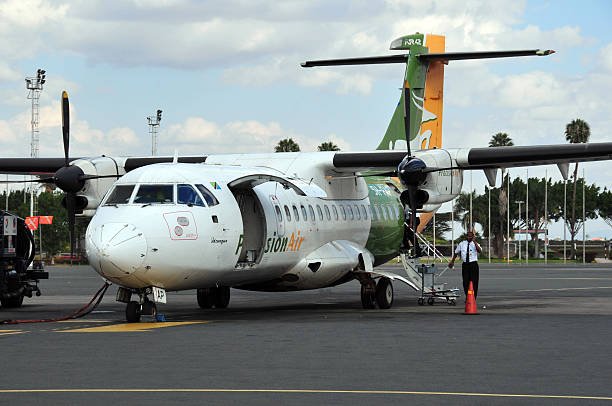
We Are Arriving At Kilimanjaro Airport, What Safari Itinerary Should We Do?
Planning your safari upon arrival at Kilimanjaro Airport (JRO)? This guide provides tailored safari itineraries for 2026-2027, focusing on Northern Tanzania's iconic parks like the...
View package details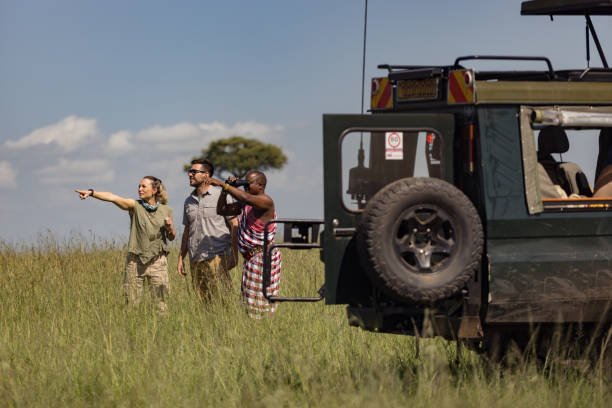
Joining Group Climbs On Kilimanjaro When Traveling Alone In 2026-2027
Traveling to Kilimanjaro alone? Discover how you can easily join an existing group climb, making your solo adventure more social and cost-effective for 2026-2027. Learn about departure...
View package details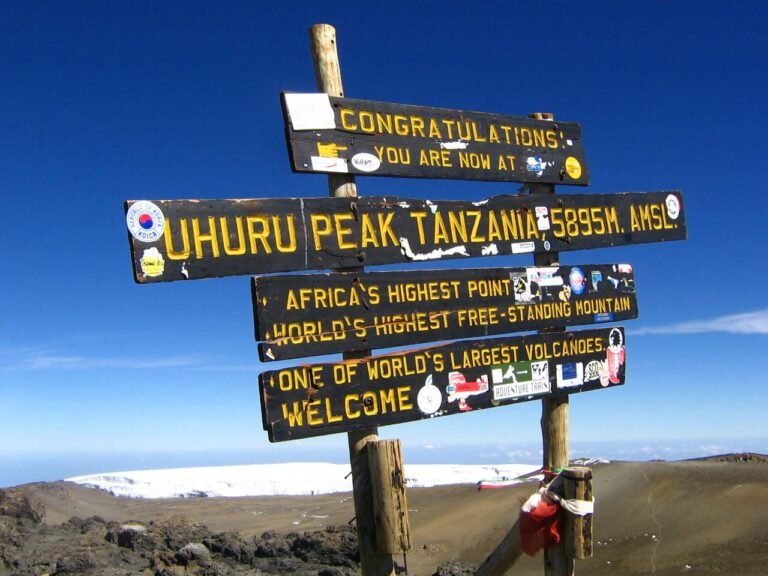
What Does Kilimanjaro Rainforest Look Like? A Trekkers Visual Guide 2026-2027
The Kilimanjaro rainforest is a vibrant, humid zone of dense vegetation, towering trees, and diverse plant life found on the mountain's lower slopes. It's the first major ecosystem trekkers...
View package details
Kilimanjaro Climb With A Personal Support Assistant: Your Ultimate Guide
Climbing Mount Kilimanjaro with a personal support assistant offers unparalleled safety, comfort, and focus on your summit goals. This guide details what a personal assistant entails, its...
View package details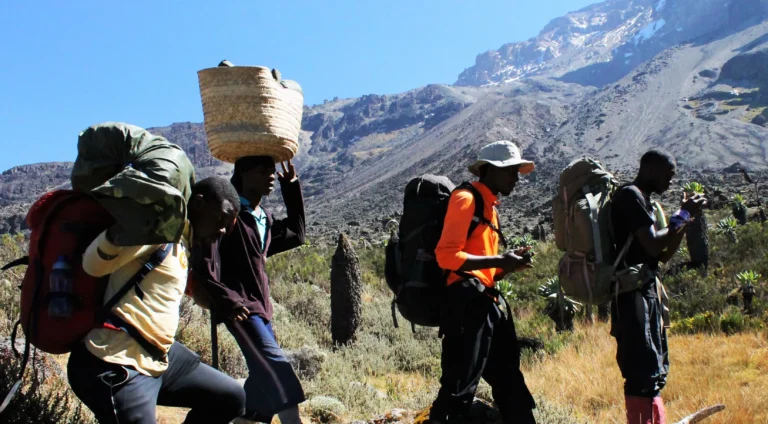
How To Know Whether You Are Ready For Kilimanjaro: A Comprehensive Guide
Climbing Mount Kilimanjaro is a significant undertaking. This guide helps you evaluate your physical, mental, and logistical readiness to ensure a safe and successful trek in 2026 or 2027...
View package details
Kilimanjaro Hydration Mistakes Climbers Make And How To Avoid Them 2026-2027
Proper hydration is critical for a successful Kilimanjaro climb. This guide details common hydration mistakes climbers make, from under-drinking to choosing the wrong fluids, and provides...
View package detailsWhich Local Tanzania Safari Companies Are Trustworthy In ? 2026-2027
Choosing a trustworthy local Tanzania safari company is crucial for a memorable and safe adventure. This guide helps you identify reliable operators for your 2026-2027 trip, covering...
View package detailsNo related package matches those filters. Clear one or more filters to see the other topic-matched options.
Plan your Kilimanjaro Cycling Tour Packages with Top Guide Adventures
Tell us your travel dates, group size, comfort level, and dream experience. We will help you shape a clear, realistic, and memorable Tanzania itinerary.



