
Updated planning guide for 2026, 2027
Tanzania Travel Tips: What Tourists Should Know: Complete Guide
Planning a trip to Tanzania? This comprehensive guide covers everything tourists need to know for an unforgettable experience in 2026 and 2027, from safari essentials to Zanzibar relaxation.
WhatsApp +255616946642 | topguideadventures@gmail.com | info@topguideadventures.com
Tanzania Travel Tips: What Tourists Should Know
Tanzania offers an unparalleled African experience, drawing visitors with its iconic wildlife, majestic mountains, and tropical islands. From the vast plains of the Serengeti to the summit of Kilimanjaro and the spice-scented shores of Zanzibar, planning a trip to this East African gem requires careful consideration. This guide provides essential Tanzania travel tips to help you prepare for an extraordinary journey in 2026, 2027, and beyond.
Table of Contents
- Quick Facts About Tanzania
- Why Visit Tanzania?
- Best Time to Visit Tanzania
- Tanzania Regions & Key Destinations
- Sample Tanzania Itinerary Logic
- Safari in Tanzania: What to Expect
- Kilimanjaro Trekking: Essential Advice
- Zanzibar Holidays: Island Paradise
- Day Trips & Other Activities
- Planning Your Tanzania Trip
- What to Pack for Tanzania
- Safety and Health in Tanzania
- Common Tanzania Travel Mistakes to Avoid
- Who is Tanzania Best For?
- Alternatives to Tanzania
- 2026-2027 Planning Considerations
- Booking Your Tanzania Adventure
- Frequently Asked Questions (FAQs)
Quick Facts About Tanzania
| Fact | Details |
|---|---|
| Capital City | Dodoma (official), Dar es Salaam (administrative and commercial) |
| Largest City | Dar es Salaam |
| Official Languages | Swahili, English |
| Currency | Tanzanian Shilling (TZS) |
| Major International Airports | Kilimanjaro International Airport (JRO), Julius Nyerere International Airport (DAR), Abeid Amani Karume International Airport (ZNZ) |
| Time Zone | EAT (UTC+3) |
| Visa Requirements | Most nationalities require a visa; can often be obtained on arrival or online. Check with your embassy. |
| Driving Side | Left |
Why Visit Tanzania?
Tanzania is a country that truly has it all for the discerning traveler. Its allure lies in its incredible diversity and the sheer scale of its natural wonders. Imagine witnessing the Great Migration, where millions of wildebeest and zebras traverse the plains of the Serengeti and Maasai Mara (Kenya) in a breathtaking display of nature’s power. Picture yourself standing at the roof of Africa, Mount Kilimanjaro, a dormant volcano offering a challenging yet rewarding climb. Envision relaxing on the pristine white-sand beaches of Zanzibar, with its rich history and vibrant culture.
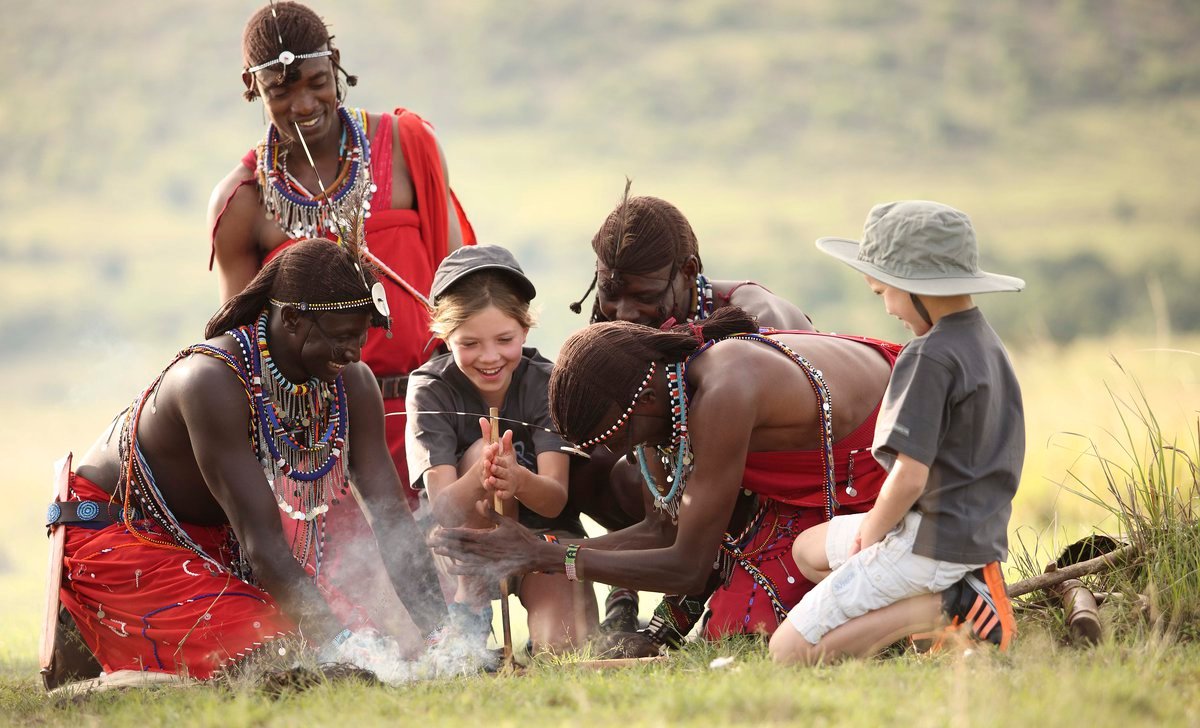
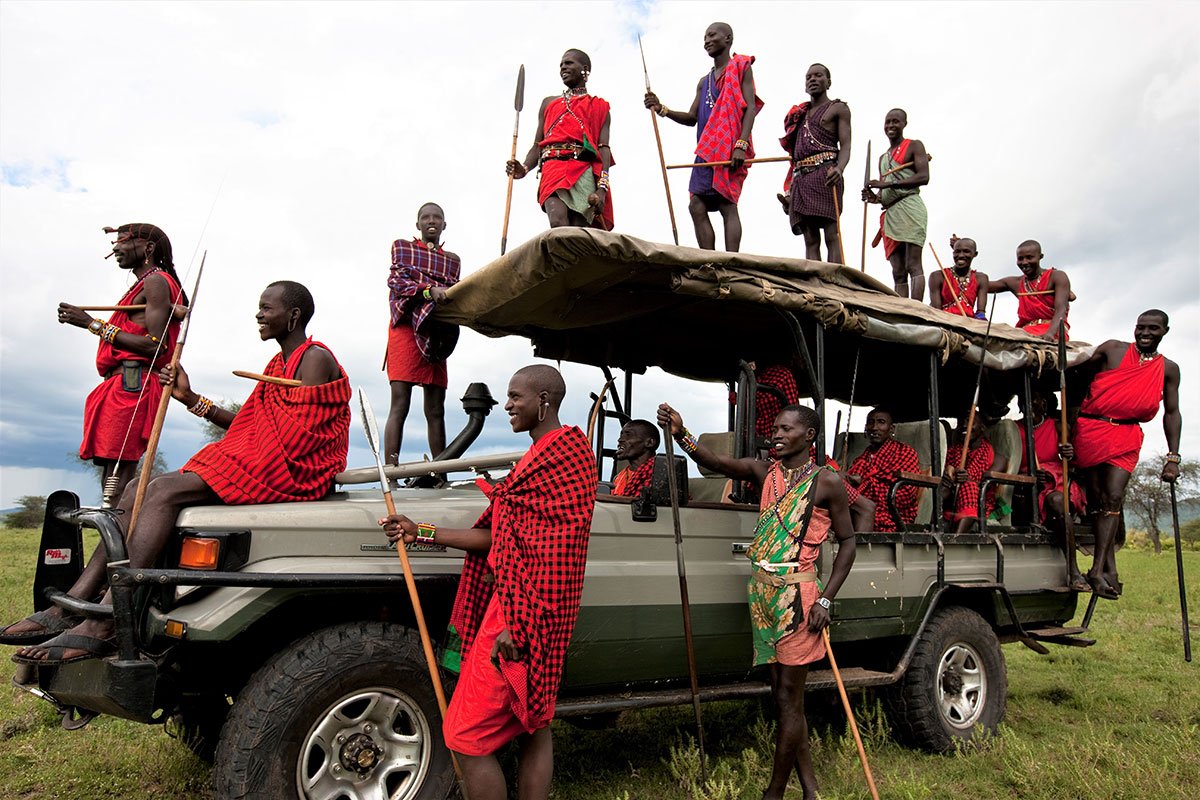
Beyond these headline attractions, Tanzania offers encounters with vibrant local cultures, including the iconic Maasai people. The country boasts a rich history, evident in the ancient ruins of Kilwa Kisiwani and the historic Stone Town of Zanzibar. For wildlife enthusiasts, the Ngorongoro Crater provides a unique opportunity to see a high density of animals in a compact area, while parks like Tarangire and Lake Manyara offer distinct ecosystems and wildlife viewing experiences. Whether you seek adventure, wildlife, relaxation, or cultural immersion, Tanzania delivers an authentic and profound travel experience.
Best Time to Visit Tanzania
Choosing the right time to visit Tanzania depends heavily on your primary interests. The country experiences two main seasons: dry and wet. Understanding these will significantly enhance your trip.
| Season | Months | Pros | Cons | Best For |
|---|---|---|---|---|
| Dry Season (Peak) | June – October | Excellent wildlife viewing (animals congregate around water sources), clear skies, pleasant temperatures, ideal for Kilimanjaro trekking, timing for the Great Migration river crossings (July-September). | Higher prices, more crowds, booking well in advance is crucial. | Great Migration river crossings, Kilimanjaro ascents, general safari, birdwatching (though less active than wet season). |
| Short Rains | November – December | Fewer crowds, lower prices, green landscapes, good for birdwatching, calving season begins in Southern Serengeti. | Intermittent rain showers, some roads may become difficult, wildlife viewing can be more dispersed. | Budget travelers, photographers seeking lush scenery, early calving season viewing. |
| Long Rains (Green Season) | March – May | Lush landscapes, very few tourists, lowest prices, excellent for birdwatching, wildebeest migration in Southern Serengeti/Ndutu area for calving. | Heavy, prolonged rains are common, many lodges in specific areas close, roads can be impassable, Kilimanjaro trekking is difficult. | Budget travelers, birdwatchers, photographers focused on landscapes and newborn animals. |
| Shoulder Season (Dry/Hot) | January – February | Calving season in Southern Serengeti/Ndutu, good wildlife viewing, fewer crowds than peak dry season, often good for Kilimanjaro. | Can be hot, especially in February. | Calving season, general safari, Kilimanjaro trekking. |
Tanzania Travel Tips for Seasonality:
- For the Great Migration River Crossings: July to September is prime time.
- For Calving Season: Late January to February in the Southern Serengeti/Ndutu area.
- For Kilimanjaro: The dry seasons (January-March and June-October) offer the best conditions.
- For Zanzibar: The driest months are June to October and December to February. Avoid the long rains (March-May).
Tanzania Regions & Key Destinations
Tanzania is vast, and its key tourist regions are often grouped by their primary attractions. Understanding these areas helps in planning your itinerary.
North Tanzania (Safari Circuit)
This is the most popular safari region, home to world-renowned parks. It’s best accessed via Kilimanjaro International Airport (JRO).
- Serengeti National Park: Famous for the Great Migration, vast plains, and incredible predator-wildlife interactions.
- Ngorongoro Conservation Area: Features the Ngorongoro Crater, a UNESCO World Heritage site with a dense concentration of wildlife.
- Tarangire National Park: Known for its large elephant herds and baobab trees.
- Lake Manyara National Park: Offers tree-climbing lions, diverse birdlife, and a beautiful soda lake.
- Arusha National Park: Accessible for day trips, good for hiking and seeing Mount Meru, giraffes, and zebras.
Mount Kilimanjaro
The highest peak in Africa, a major destination for trekkers. Base town is Moshi or Arusha.
- Routes: Marangu, Machame, Lemosho, Shira, Rongai, Northern Circuit.
Zanzibar Archipelago
A tropical paradise off the coast, known for its beaches, history, and culture. Accessed via Abeid Amani Karume International Airport (ZNZ).
- Zanzibar Main Island: Stone Town (UNESCO), spice tours, beaches (Nungwi, Kendwa, Paje, Jambiani).
- Pemba Island: More remote, known for diving and pristine beaches.
- Mafia Island: Renowned for whale shark encounters (October-March).
South Tanzania (Less Crowded Safaris)
Offers a more wild and less touristy safari experience. Accessed via Dar es Salaam (DAR) or local airstrips.
- Selous Game Reserve (Nyerere National Park): One of Africa’s largest reserves, offers boat safaris, walking safaris, and game drives.
- Ruaha National Park: Tanzania’s largest park, known for its large elephant and lion populations, and rugged landscape.
West Tanzania (Chimpanzee Trekking)
For those interested in primates. Accessed via Dar es Salaam or local flights.
- Gombe Stream National Park: Famous for chimpanzee research.
- Mahale Mountains National Park: Offers chimpanzee trekking in a stunning mountain setting.
Sample Tanzania Itinerary Logic
Most first-time visitors focus on Northern Tanzania for safaris and potentially Kilimanjaro or Zanzibar. Here’s a common itinerary flow, demonstrating how to connect these destinations logically. This is not a fixed tour but a planning framework.
| Days | Region/Activity | Focus | Notes |
|---|---|---|---|
| Day 1 | Arrival in Arusha/Kilimanjaro (JRO) | Arrival & Transfer | Meet your guide, overnight in Arusha or lodge near JRO. |
| Days 2-3 | Tarangire National Park | Elephants, Baobabs | Game drives. Stay in lodges or tented camps inside/near the park. |
| Days 4-5 | Lake Manyara National Park & Ngorongoro Highlands | Tree Lions, Birds, Scenery | Game drive in Manyara, then transfer towards Ngorongoro. Optional cultural visit. |
| Day 6 | Ngorongoro Crater | Dense Wildlife | Full day game drive inside the crater. Stay on the crater rim or nearby. |
| Days 7-9 | Serengeti National Park (Central/Western) | Great Migration, Predators | Game drives, tracking wildlife. Depending on season, central (Seronera) or western corridor. |
| Days 10-11 | Serengeti National Park (Eastern/Northern) | Migration Movement | Follow the migration if applicable. Or explore a different sector. |
| Day 12 | Fly to Zanzibar | Island Transfer | Morning game drive, then fly from Seronera Airstrip to Zanzibar (ZNZ). Transfer to Stone Town. |
| Day 13 | Stone Town & Spice Tour | History & Culture | Explore Stone Town, visit a spice farm. |
| Days 14-16 | Zanzibar Beach Resort | Relaxation | Transfer to a beach hotel (Nungwi, Kendwa, Paje). Enjoy beaches, water sports. |
| Day 17 | Departure from Zanzibar (ZNZ) | Departure | Transfer to ZNZ for your onward flight. |
Itinerary Logic Tips:
- Northern Circuit Focus: This is the most efficient for seeing multiple parks in a shorter time.
- Kilimanjaro Integration: If trekking Kilimanjaro, add 5-9 days before or after your safari/Zanzibar portion.
- Southern/Western Tanzania: Requires more time and separate flights, often combined with longer trips or for repeat visitors seeking different experiences.
- Flight Logistics: Internal flights (e.g., from safari airstrips to Zanzibar) save significant travel time compared to driving.
Safari in Tanzania: What to Expect
A Tanzania safari is a bucket-list experience. Here’s what to expect and some essential Tanzania travel tips for game drives.
The Safari Vehicle
Most safaris use custom-built 4×4 safari vehicles (Land Cruisers or Land Rovers) with pop-up roofs for optimal viewing and photography. They typically seat 4-7 passengers, ensuring a comfortable and uncrowded experience. Your guide is your most valuable asset on safari.
The Game Drive Experience
Game drives are typically conducted in the early morning and late afternoon when animals are most active. Midday drives are less common due to heat and animal inactivity, though flexibility is key. Your guide will use their knowledge of animal behavior and tracking skills to locate wildlife. Patience is rewarded; sometimes you might wait for a leopard to emerge or for a pride of lions to stir.
Wildlife Viewing
Tanzania is home to the “Big Five” (lion, leopard, elephant, rhino, buffalo), but its biodiversity extends far beyond. You’ll likely see giraffes, zebras, various antelopes, hippos, crocodiles, cheetahs, hyenas, and an incredible array of birdlife. The Great Migration in the Serengeti is a spectacle of millions of wildebeest and zebras, a highlight for many.
Park Rules and Etiquette
- Stay inside the vehicle unless at designated picnic spots.
- Do not feed the animals.
- Keep noise to a minimum to avoid disturbing wildlife.
- Respect wildlife; maintain a safe distance.
- Your guide will advise on photography etiquette, especially concerning flash and proximity to animals.
Types of Safaris
- Game Drives: The standard way to explore parks.
- Walking Safaris: Offered in some areas (e.g., Selous, parts of Serengeti, Ngorongoro buffer zones) for a more immersive experience. Requires a ranger.
- Boat Safaris: Available in Selous (Rufiji River) and parts of Lake Manyara, offering unique perspectives on hippos, crocodiles, and water birds.
Kilimanjaro Trekking: Essential Advice
Climbing Kilimanjaro is a significant undertaking requiring physical preparation and proper planning. These Tanzania travel tips are crucial for trekkers.
Choosing a Route
There are several routes, each with varying difficulty, scenery, and acclimatization profiles:
- Marangu (Coca-Cola Route): The oldest and most straightforward, with hut accommodation. Lower success rate due to poor acclimatization.
- Machame (Whiskey Route): Popular, scenic, and offers good acclimatization. Camping. High success rate.
- Lemosho: Considered one of the most scenic routes, offering excellent acclimatization. Camping. Longer duration.
- Shira: Similar to Lemosho but starts at a higher altitude. Camping.
- Rongai: Approaches from the north, good during rainy seasons, less crowded. Camping.
- Northern Circuit: The longest route, offering the best acclimatization and highest success rates, with stunning views. Camping.
Preparation and Training
- Physical Fitness: Focus on cardiovascular endurance (hiking, running, cycling) and strength training for legs and core.
- Hiking Experience: Practice hiking with a backpack on varied terrain.
- Acclimatization: Choose a longer route (7-8 days) for better acclimatization. Go slowly, drink plenty of water, and avoid overexertion.
- Mental Preparedness: Kilimanjaro is as much a mental challenge as a physical one.
What to Expect on the Mountain
- Accommodation: Mostly camping, except for Marangu (huts).
- Food: Your crew will prepare nutritious meals.
- Guides & Porters: You will be supported by experienced guides, cooks, and porters. Respect their hard work.
- Summit Night: The most challenging part, typically starting around midnight, involving a steep ascent in the cold and dark.
- Altitude Sickness: The biggest risk. Symptoms include headache, nausea, dizziness. Communicate any symptoms to your guide immediately.
When to Climb
The best times are the dry seasons: January-March and June-October. Avoid the long rains (March-May).
Zanzibar Holidays: Island Paradise
Zanzibar offers a perfect complement to a safari or a destination in itself. These Tanzania travel tips will help you enjoy the Spice Island.
Stone Town
A UNESCO World Heritage site, Stone Town is a labyrinth of narrow streets, bustling markets, and historic buildings reflecting Arab, Persian, Indian, and European influences. Key sights include the House of Wonders, the Old Fort, and the former Slave Market. Allow at least a full day to explore.
Beaches
Zanzibar is famous for its stunning beaches:
- Nungwi & Kendwa (North): Famous for white sand, turquoise waters, spectacular sunsets, and lively atmosphere. Good for swimming year-round.
- Paje & Jambiani (East): Known for kite surfing, beautiful tides, and a more laid-back vibe. Tides can be significant, affecting swimming conditions at certain times.
- Matemwe (Northeast): Quieter, good for snorkeling and diving, near Mnemba Atoll.
Activities
- Spice Tours: Discover the island’s history as a spice trading hub.
- Snorkeling & Diving: Mnemba Atoll is a prime spot. Pemba and Mafia Islands offer world-class diving.
- Dolphin Tours: From Kizimkazi (though often criticized for ethical concerns).
- Jozani Forest: Home to the rare Red Colobus monkeys.
- Sunset Dhow Cruises: A classic Zanzibar experience.
Best Time to Visit Zanzibar
The driest periods are June to October and December to February. The shoulder months of November and March can also be pleasant with fewer crowds.
Day Trips & Other Activities
Beyond the main attractions, Tanzania offers numerous day trips and activities that can enrich your journey.
- Arusha National Park Day Trip: Great for seeing Mount Meru, colobus monkeys, and Momella Lakes.
- Chagga Cultural Tours: Near Arusha/Moshi, learn about the local Chagga people, their history, and coffee farming.
- Hot Air Balloon Safari: A popular, albeit pricey, option in the Serengeti, offering a unique aerial perspective of the plains and wildlife, especially during sunrise.
- Maasai Village Visits: Experience Maasai culture firsthand (ensure it’s an ethical and respectful visit arranged through your tour operator).
- Kaya Mlimani (Sacred Forest) Visit: Near Arusha, a spiritual and natural site.
- Local Market Visits: Immerse yourself in the local atmosphere in towns like Arusha, Moshi, or Stone Town.
Planning Your Tanzania Trip
Effective planning is key to a smooth and enjoyable trip. These Tanzania travel tips cover the essential planning stages.
When to Book
For peak season travel (June-October), especially if you plan to climb Kilimanjaro or witness the Great Migration river crossings, book at least 6-12 months in advance. For the shoulder or off-peak seasons, 3-6 months is usually sufficient.
Visa Requirements
Most nationalities require a visa for Tanzania. You can often obtain this upon arrival at the airport or apply online in advance through the official Tanzanian immigration website. Check the latest requirements for your nationality well before your travel dates.
Health Precautions
- Vaccinations: Consult your doctor or a travel clinic 4-6 weeks before your trip regarding recommended vaccinations (e.g., Yellow Fever, Hepatitis A, Typhoid) and malaria prophylaxis.
- Malaria: Tanzania is a malaria-risk area. Take precautions such as using insect repellent, wearing long sleeves and trousers in the evening, and taking antimalarial medication as prescribed.
- Travel Insurance: Comprehensive travel insurance is essential, covering medical emergencies, evacuation, trip cancellation, and lost luggage. For Kilimanjaro, ensure your insurance covers high-altitude trekking and emergency evacuation.
Currency and Budget
The local currency is the Tanzanian Shilling (TZS). US Dollars are widely accepted for tourist services (safaris, Kilimanjaro, Zanzibar accommodation) and are often preferred. It’s advisable to carry some USD in smaller denominations for tips and incidentals. ATMs are available in major towns but can be unreliable. Credit cards are accepted in larger hotels and lodges, but often with a surcharge.
Budgeting Considerations (without exact prices):
- Safaris: The biggest expense. Costs vary based on accommodation style (budget camping, mid-range lodges, luxury tented camps), duration, number of parks visited, and vehicle type.
- Kilimanjaro: Varies by route length, company, and service level. Includes park fees, crew wages, food, and equipment.
- Zanzibar: Generally more affordable than safaris, but luxury resorts are pricier.
- Flights: International flights, internal flights (e.g., to Zanzibar), and charter flights for remote areas.
- Visas, Tips, Personal Expenses: Factor these in.
Connectivity
Wi-Fi is available in most hotels and lodges, but speeds can be slow and connections intermittent, especially in remote safari areas. Consider purchasing a local SIM card for more reliable data access if needed.
What to Pack for Tanzania
Packing smart is crucial for comfort and practicality. These Tanzania travel tips focus on essentials.
Clothing
- Lightweight, neutral-colored clothing (khaki, beige, olive green) for safaris. Avoid bright colors and dark blue/black (can attract insects).
- Long-sleeved shirts and trousers (for sun protection and evenings).
- Fleece or warm jacket (for cool mornings/evenings, especially on safari or Kilimanjaro).
- Waterproof jacket and trousers (especially during rainy seasons).
- Comfortable walking shoes/hiking boots (broken in).
- Sandals or flip-flops for relaxing.
- Swimsuit for Zanzibar or lodge pools.
- Hat with a wide brim for sun protection.
- Scarf or bandana (for dust and sun).
Gear & Accessories
- Sunscreen (high SPF).
- Insect repellent with DEET.
- Sunglasses.
- Binoculars (essential for wildlife viewing).
- Camera with extra batteries and memory cards.
- Power adapter and power bank.
- Reusable water bottle.
- Small backpack or daypack.
- Headlamp or flashlight (especially for camping/Kilimanjaro).
- Personal first-aid kit.
- Hand sanitizer.
- Quick-dry towel.
Kilimanjaro Specifics (if applicable)
- Warm, waterproof hiking boots.
- Thermal base layers (top and bottom).
- Insulated hiking trousers.
- Warm socks (multiple pairs).
- Waterproof gloves and warm mittens.
- Warm hat and balaclava.
- Down jacket or heavy-duty insulated jacket.
- Trekking poles.
- Duffel bag for porters (usually 15-20kg limit).
- Small backpack for personal items during the trek.
Safety and Health in Tanzania
Tanzania is generally a safe country for tourists, but taking precautions is always wise. These Tanzania travel tips address common concerns.
General Safety
- Petty Crime: Be aware of your surroundings, especially in crowded areas like markets or bus stations. Keep valuables secure and out of sight.
- Scams: Be cautious of overly friendly strangers offering unsolicited help or deals that seem too good to be true.
- Driving: If self-driving, be aware of road conditions and driving habits. It’s often safer and more convenient to use a reputable tour operator with experienced drivers.
- Wildlife Safety: Always follow your guide’s instructions on safari and Kilimanjaro. Never approach wild animals.
Health
As mentioned in planning, consult your doctor for vaccinations and malaria advice. Drink bottled or purified water only. Be mindful of food hygiene; eat at reputable establishments.
Emergency Contacts
Your tour operator will provide emergency contact numbers. For serious emergencies, your insurance provider’s emergency assistance line is crucial. Local emergency services exist but may have limitations in remote areas.
Common Tanzania Travel Mistakes to Avoid
Learning from others’ experiences can save you trouble. Here are common pitfalls to sidestep:
- Underestimating Travel Times: Tanzania is vast. Distances look short on a map, but road conditions and slow speeds mean travel can take much longer than expected. Factor in ample time.
- Not Booking in Advance: Especially for peak season, popular lodges and Kilimanjaro climbs get booked up months ahead.
- Packing Inappropriately: Too much heavy clothing, not enough neutral colors for safari, or inadequate gear for Kilimanjaro can be uncomfortable.
- Ignoring Health Advice: Not taking malaria precautions or getting necessary vaccinations can lead to serious illness.
- Trying to See Too Much: Cramming too many parks or destinations into a short trip leads to a rushed experience and excessive travel time. Focus on quality over quantity.
- Not Tipping Appropriately: Tipping guides, drivers, and lodge staff is customary and expected. Understand the tipping culture.
- Expecting Fast Wi-Fi: Be prepared for slower internet speeds and occasional outages.
- Underestimating Kilimanjaro: Treating it as just a hike without proper preparation or acclimatization is a recipe for failure or illness.
Who is Tanzania Best For?
Tanzania appeals to a wide range of travelers, but it particularly suits:
- Wildlife Enthusiasts: The Serengeti, Ngorongoro, and other parks offer unparalleled game viewing.
- Adventure Seekers: Kilimanjaro trekking, walking safaris, and water sports in Zanzibar.
- Nature Photographers: Iconic landscapes, diverse wildlife, and the Great Migration provide endless opportunities.
- Cultural Explorers: Maasai culture, Stone Town’s history, and local interactions.
- Honeymooners & Couples: Romantic beach retreats in Zanzibar, luxurious safari lodges.
- Families: Safaris can be adapted for older children, offering educational and exciting experiences.
- Those Seeking Authenticity: Tanzania offers a raw, powerful African experience.
It might be less suitable for travelers on a very tight budget seeking luxury amenities everywhere, those with very limited mobility (though accessible options exist), or those looking for a purely relaxing beach holiday without any cultural or wildlife elements.
Alternatives to Tanzania
While Tanzania is exceptional, other African destinations offer similar experiences:
- Kenya: Shares the Maasai Mara with Tanzania, famous for the Great Migration, offers excellent safaris and cultural experiences.
- Botswana: Known for its high-end, exclusive safaris, Okavango Delta, and Chobe National Park’s elephant herds. More expensive.
- South Africa: Offers a diverse range of safari experiences (Kruger National Park), combined with cities, wine regions, and the Garden Route. More developed infrastructure.
- Uganda/Rwanda: Primarily known for gorilla trekking and chimpanzee tracking, offering a different primate-focused safari experience.
- Namibia: Unique desert landscapes, Etosha National Park for wildlife, and stunning sand dunes.
2026-2027 Planning Considerations
Planning for trips in 2026 and 2027 follows the same principles, but with a few forward-looking Tanzania travel tips:
- Book Early for Peak Seasons: As mentioned, 2026 and 2027 are likely to see continued high demand for safaris and Kilimanjaro climbs during popular months. Secure your preferred dates and accommodations as soon as possible.
- Flexibility is Key: While planning is important, be prepared for potential minor adjustments. Tour operators can help navigate these.
- Sustainability Focus: Many travelers in 2026 and 2027 are increasingly interested in sustainable and responsible tourism. Choose operators committed to conservation and community benefit.
- Digital Nomad/Remote Work: While not mainstream for safari trips, if you plan longer stays in areas with connectivity (like Arusha or Zanzibar), research local SIM options and reliable internet spots.
- Travel Insurance Updates: Ensure your travel insurance policy is comprehensive and up-to-date with any changes in global health recommendations or travel advisories for 2026/2027.
- Visa Process: Keep an eye on any changes to the visa application process for Tanzania. Applying online in advance is often recommended for efficiency.
Booking Your Tanzania Adventure
Choosing the right tour operator is paramount. Here’s how to approach booking:
Choosing a Tour Operator
Look for operators with:
- Good reviews and testimonials.
- Clear communication and responsiveness.
- Experienced, certified guides.
- Commitment to safety and ethical practices.
- Customization options.
- Transparency in pricing and inclusions.
What to Expect in Your Booking
A reputable operator will provide a detailed itinerary, including:
- Accommodation details (names of lodges/camps).
- Vehicle type and driver/guide information.
- Park entrance fees.
- Meals included.
- Activities included.
- Exclusions (e.g., tips, personal drinks, international flights).
Payment Terms
Typically, a deposit (e.g., 20-50%) is required to confirm your booking, with the balance due closer to the travel date (e.g., 30-60 days prior). Understand the cancellation policy.
Customization
Don’t hesitate to discuss your specific interests, budget, and pace with your chosen operator. They can tailor a trip to your needs, whether it’s a family safari, a photography-focused tour, or a combination of Kilimanjaro and Zanzibar.
Contact us for your personalized Tanzania itinerary:
WhatsApp: +255616946642
Email: topguideadventures@gmail.com
Backup Email: info@topguideadventures.com
Frequently Asked Questions (FAQs)
Q1: Is Tanzania safe for tourists?
Tanzania is generally safe for tourists. Like any destination, it’s important to be aware of your surroundings, particularly in crowded urban areas. Stick to reputable tour operators, follow your guide’s advice, and take standard travel precautions. Petty crime can occur, so safeguard valuables.
Q2: What is the best time to see the Great Migration in Tanzania?
The Great Migration is a year-round phenomenon, but the most dramatic events, like river crossings, typically occur between July and September in the Western Serengeti. For calving season, focus on the Southern Serengeti and Ndutu area from late January to February.
Q3: Do I need a visa for Tanzania?
Yes, most nationalities require a visa. You can often obtain a visa on arrival at major international airports or apply online in advance through the official Tanzanian immigration website. It’s best to check the latest requirements for your specific nationality well before your trip.
Q4: What currency should I use in Tanzania?
The official currency is the Tanzanian Shilling (TZS). However, US Dollars are widely accepted for tourist services and often preferred. It’s useful to have smaller USD denominations for tips and incidentals. ATMs are available in major towns, but carrying some cash is advisable.
Q5: How much should I tip my safari guide and Kilimanjaro crew?
Tipping is customary and greatly appreciated. For safari guides, a guideline is $20-30 USD per day per vehicle. For Kilimanjaro, tips for guides, cooks, and porters are usually pooled and given at the end of the trek. Your tour operator will provide specific recommended amounts.
Q6: What are the essential health precautions for Tanzania?
Consult your doctor or a travel clinic 4-6 weeks before travel for recommended vaccinations (e.g., Yellow Fever, Hepatitis A) and malaria prophylaxis. Take precautions against malaria by using repellent and wearing protective clothing. Ensure you have comprehensive travel insurance covering medical evacuation.
Q7: Can I drink tap water in Tanzania?
No, it is strongly advised not to drink tap water. Always drink bottled, purified, or boiled water. Many lodges provide filtered water stations.
Q8: How do I book a safari in Tanzania for 2026 or 2027?
The best way to book a safari in Tanzania for 2026 or 2027 is through a reputable local tour operator. They can help craft a custom itinerary, manage logistics, and provide expert advice. Contacting operators like Top Guide Adventures via WhatsApp or email is a good first step.
Q9: What is the difference between Serengeti and Ngorongoro?
The Serengeti is a vast national park famous for the Great Migration and extensive plains, offering wide-ranging game drives. The Ngorongoro Crater is a collapsed volcano caldera with a dense, concentrated ecosystem, allowing for high chances of spotting diverse wildlife in a single day, including rhinos. They are geographically close but offer distinct safari experiences.
Q10: Is it possible to combine a safari with Kilimanjaro and Zanzibar?
Absolutely! This is a very popular combination. Many travelers spend a few days on safari in Northern Tanzania, then trek Kilimanjaro (adding 5-9 days), followed by relaxation on Zanzibar. This requires careful itinerary planning, usually best managed by a dedicated tour operator.
Plan Your Unforgettable Tanzania Adventure
Tanzania offers a journey filled with awe-inspiring wildlife, majestic landscapes, and vibrant cultures. With careful planning and the right guidance, your trip will be an experience to cherish for a lifetime. Whether you dream of witnessing the Great Migration, standing on the roof of Africa, or relaxing on Zanzibar’s shores, we are here to help make it a reality.
Let us craft your perfect Tanzania travel experience. Get in touch today to discuss your personalized itinerary for 2026, 2027, or beyond.
WhatsApp: +255616946642
Email: topguideadventures@gmail.com
Backup Email: info@topguideadventures.com
Plan your Tanzania Travel Tips: What Tourists Should Know with Top Guide Adventures
Tell us your travel dates, group size, comfort level, and dream experience. We will help you shape a clear, realistic, and memorable Tanzania itinerary.



