
Updated planning guide for 2026, 2027
The Ultimate Tanzania Safari Adventure: Your Comprehensive Guide for 2026 & 2027
Embark on an unforgettable Tanzania safari adventure! This comprehensive guide covers everything you need to know for planning your 2026 or 2027 trip, from iconic wildlife viewing to cultural immersion.
WhatsApp +255616946642 | info@topguideadventures.com | topguideadventures@gmail.com
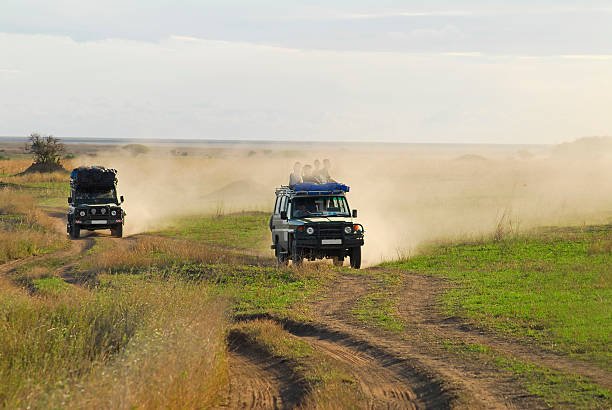
Experience the Ultimate Tanzania Safari Adventure
Tanzania, a land of breathtaking landscapes, unparalleled wildlife, and rich cultural heritage, beckons travelers with the promise of an unforgettable Tanzania safari adventure. From the vast plains of the Serengeti to the dramatic Ngorongoro Crater and the untamed wilderness of Selous, this East African jewel offers an immersive wildlife experience like no other. Whether you dream of witnessing the Great Migration, spotting the elusive leopard, or simply soaking in the raw beauty of the African savanna, a Tanzania safari is a journey that will etch itself into your memory forever.
This guide is meticulously crafted to equip you with all the essential information for planning your dream safari. We’ll delve into why Tanzania stands out as a premier safari destination, the best times to visit in the coming years of 2026 and 2027, suggested itineraries, what to expect, practical tips, and how to book the perfect adventure. Get ready to explore the magic of Tanzania!
Why Choose Tanzania for Your Safari Adventure?
Tanzania consistently ranks among the top safari destinations globally, and for good reason. Its commitment to conservation, vast protected areas, and incredible biodiversity create an environment where wildlife thrives, offering visitors extraordinary encounters.
Unrivaled Wildlife Spectacles
- The Great Migration: Witnessing millions of wildebeest, zebras, and gazelles traverse the Serengeti-Mara ecosystem is a once-in-a-lifetime event. This natural phenomenon is a cornerstone of the Tanzania safari experience.
- The Big Five: Tanzania is home to the iconic Big Five – lion, leopard, elephant, rhino, and buffalo. Spotting all five in their natural habitat is a major goal for many safari-goers.
- Diverse Ecosystems: From the open grasslands of the Serengeti to the acacia-dotted savannas of Tarangire and the unique volcanic caldera of Ngorongoro, Tanzania boasts a variety of habitats supporting an astonishing array of wildlife.
Iconic National Parks and Reserves
- Serengeti National Park: The undisputed king of Tanzanian parks, famous for its endless plains and the Great Migration.
- Ngorongoro Conservation Area: A UNESCO World Heritage Site, the Ngorongoro Crater offers a dense concentration of wildlife within its breathtaking caldera.
- Tarangire National Park: Known for its large elephant herds and iconic baobab trees, especially vibrant during the dry season.
- Lake Manyara National Park: Famous for its tree-climbing lions and diverse birdlife.
- Selous Game Reserve (Nyerere National Park): One of Africa’s largest game reserves, offering a more wild and remote safari experience, including boat safaris.
- Ruaha National Park: Tanzania’s largest national park, offering a rugged and wild landscape with a significant population of predators.
Cultural Immersion
Beyond wildlife, Tanzania offers rich cultural encounters. Visit Maasai villages to learn about their traditional way of life, interact with local communities, and gain a deeper appreciation for the human element of this magnificent country.
Commitment to Conservation
Tanzania has a strong commitment to protecting its natural heritage. Park fees and responsible tourism practices directly contribute to conservation efforts, ensuring these incredible landscapes and wildlife populations are preserved for future generations.
Best Time for Your Tanzania Safari Adventure in 2026 & 2027
The ‘best’ time to visit Tanzania depends on what you want to see and experience. Each season offers unique advantages.
Dry Seasons (June to October & December to February)
- June to October: This is the prime dry season. Wildlife congregates around permanent water sources, making them easier to spot. The vegetation is less dense, offering better visibility. This is also the best time to witness the Great Migration river crossings in the northern Serengeti (typically July-September). Expect pleasant temperatures and lower humidity. This period is ideal for a comprehensive Tanzania safari adventure.
- December to February: This is the short dry season, often referred to as the ‘green season’ in some areas as it coincides with the calving season in the southern Serengeti. Wildlife is still abundant, and the landscapes are beautiful. It’s a great time for birdwatching and photography as the grass turns green. Temperatures are warm.
Wet Seasons (March to May & November)
- March to May: This is the long rainy season. While game viewing can be more challenging due to denser vegetation and scattered showers, it’s a fantastic time for budget travelers as prices are lower. The landscapes are lush and vibrant, and birdlife is at its peak. The southern Serengeti is particularly beautiful with newborn wildebeest.
- November: This is the short rainy season, characterized by brief, localized showers. It can be a good time for game viewing as the rains bring fresh grass, and animals disperse from the permanent water sources. Prices may be slightly lower than in the peak dry season.
Planning for 2026 & 2027: For optimal wildlife viewing and the chance to see the Great Migration river crossings, aim for the June-October period in either 2026 or 2027. If you prefer fewer crowds and lush scenery, consider the shoulder months of November or February/March.
Sample Tanzania Safari Adventure Itineraries
To help you visualize your trip, here are a few sample itineraries. These can be customized to your interests, budget, and time constraints.
Itinerary 1: The Classic Northern Circuit (7 Days)
This popular itinerary covers the highlights of northern Tanzania, ideal for a first-time safari experience.
Day 1: Arrival in Arusha & Transfer to Hotel
Arrive at Kilimanjaro International Airport (JRO), meet your guide, and transfer to your lodge in Arusha. Relax and prepare for your safari.
Day 2: Arusha to Tarangire National Park
After breakfast, drive to Tarangire National Park, famous for its large elephant herds and baobab trees. Enjoy an afternoon game drive.
Day 3: Tarangire to Lake Manyara & Ngorongoro Highlands
Morning game drive in Tarangire. Afterward, drive to Lake Manyara National Park for a game drive, looking for tree-climbing lions. Continue to your lodge near the Ngorongoro Conservation Area.
Day 4: Ngorongoro Crater Tour
Descend into the Ngorongoro Crater, a UNESCO World Heritage Site teeming with wildlife. Spend the day exploring this unique ecosystem, with excellent chances of spotting the Big Five.
Day 5: Ngorongoro to Serengeti National Park
Drive to the legendary Serengeti National Park, stopping at Olduvai Gorge (optional). Begin your game drive as you enter the park, heading towards your lodge/camp.
Day 6: Full Day Serengeti Exploration
Spend the entire day on game drives in the Serengeti, searching for predators, herbivores, and observing the vast plains. Depending on the time of year, you might witness the Great Migration.
Day 7: Serengeti to Arusha & Departure
Enjoy a final morning game drive in the Serengeti before flying back to Arusha (or driving, depending on your preference). Transfer to JRO for your onward flight.
Itinerary 2: The Great Migration & Crater Explorer (10 Days)
This itinerary focuses on maximizing your chances of witnessing the Great Migration and exploring the Ngorongoro Crater in depth.
Day 1: Arrival in Arusha
Arrive at JRO, transfer to your Arusha lodge.
Day 2: Arusha to Tarangire National Park
Game drive in Tarangire, focusing on elephants and birdlife.
Day 3: Tarangire to Lake Manyara & Karatu
Morning game drive in Tarangire, then drive to Lake Manyara. Continue to a lodge in the Karatu area, near Ngorongoro.
Day 4: Ngorongoro Crater Tour
Full day exploring the Ngorongoro Crater.
Day 5: Ngorongoro to Serengeti (Central)
Drive to the central Serengeti, famous for its resident wildlife and predator sightings. Game drive en route.
Day 6: Central Serengeti Exploration
Full day game drives in the central Serengeti.
Day 7: Serengeti (Central) to Western/Northern Serengeti
Move to the western or northern Serengeti, depending on the Great Migration’s location. Game drive en route.
Day 8: Full Day Serengeti (Migration Focus)
Dedicated game drives to follow the Great Migration, seeking river crossings (if applicable) or calving grounds.
Day 9: Serengeti to Arusha
Morning game drive in the Serengeti, followed by a flight back to Arusha.
Day 10: Arusha & Departure
Optional cultural visit or souvenir shopping before transferring to JRO for departure.
Itinerary 3: Southern Tanzania Adventure (8 Days) – Selous & Ruaha
For a more remote and wild experience, explore the southern parks.
Day 1: Arrival in Dar es Salaam & Transfer to Selous
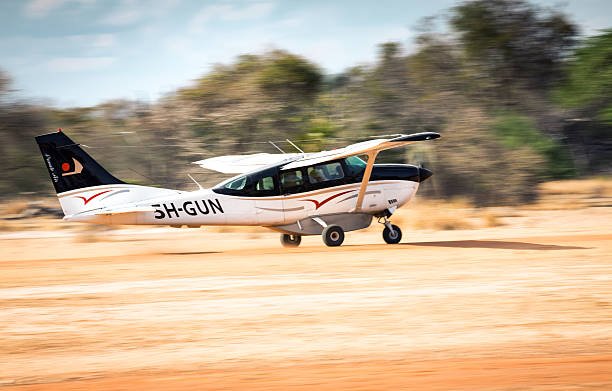
Arrive at Dar es Salaam (DAR), transfer to the airport for a light aircraft flight to the Selous Game Reserve (Nyerere National Park). Transfer to your camp.
Day 2: Selous Game Reserve (Boat & Walking Safari)
Enjoy a boat safari on the Rufiji River, followed by a guided walking safari, offering a unique perspective on the bush.
Day 3: Selous Game Drive & Fly to Ruaha
Morning game drive in Selous. Afterward, take a light aircraft flight to Ruaha National Park. Transfer to your lodge/camp.
Day 4 & 5: Ruaha National Park Exploration
Two full days of game drives in Ruaha, known for its large elephant and buffalo herds, as well as a high concentration of predators.
Day 6: Ruaha to Arusha (via connecting flight)
Morning game drive in Ruaha, followed by a flight back to Arusha (usually with a stopover).
Day 7: Arusha – Optional Activities
Day at leisure in Arusha. Options include visiting a coffee plantation, local markets, or relaxing.
Day 8: Departure from Arusha
Transfer to JRO for your departure.
What to Expect on Your Tanzania Safari Adventure
A Tanzania safari adventure is more than just spotting animals; it’s an immersive experience that engages all your senses.
Accommodation Options
Tanzania offers a range of accommodations to suit different budgets and preferences:
- Luxury Lodges & Camps: Offering exquisite comfort, fine dining, private verandas, and often swimming pools, these provide a pampered safari experience.
- Mid-Range Lodges & Tented Camps: Comfortable and well-appointed, these offer a great balance of comfort and authentic safari atmosphere.
- Budget Camps/Tented Camps: Basic but clean and functional, these are ideal for travelers on a tighter budget, often featuring shared facilities.
- Mobile Camps: These seasonal camps follow the Great Migration, offering a prime location for witnessing the action.
Safari Vehicles and Guides
Most safaris utilize custom-built 4×4 safari vehicles (Land Cruisers or Land Rovers) with pop-up roofs for optimal game viewing and photography. Your experienced safari guide is crucial – they are knowledgeable about wildlife, local culture, and the best spots for sightings. A good guide can significantly enhance your experience.
Daily Safari Schedule
A typical safari day involves early morning and late afternoon game drives when animals are most active. Midday is usually spent relaxing at the lodge, enjoying meals, or perhaps taking a siesta.
- Morning Game Drive: Depart shortly after sunrise, often with packed breakfast or coffee.
- Midday: Return to the lodge for brunch/lunch and relaxation.
- Afternoon/Evening Game Drive: Depart after lunch and drive until sunset, often enjoying sundowners in a scenic spot.
Food and Drink
Meals are typically provided at your lodge or camp. Expect a mix of international and local cuisine, often served buffet-style or as set menus. Many lodges offer bush breakfasts or dinners for a truly memorable experience. Drinking water is usually provided, but it’s essential to stay hydrated.
Practical Tips for Your Tanzania Safari Adventure
Proper preparation is key to a seamless and enjoyable safari. Here are some essential tips:
Packing Essentials
- Clothing: Neutral-colored clothing (khaki, beige, olive green) is best to blend in with the environment. Avoid bright colors and black/dark blue, which can attract insects or be too hot. Pack light layers: t-shirts, long-sleeved shirts, sweaters/fleeces for cool mornings/evenings, and comfortable trousers/shorts.
- Footwear: Comfortable walking shoes or hiking boots (if planning walks), sandals or flip-flops for relaxing at the lodge.
- Outerwear: A light waterproof jacket or poncho for unexpected rain, especially during the shoulder seasons.
- Sun Protection: Wide-brimmed hat, sunglasses, and high SPF sunscreen.
- Insect Repellent: With DEET or Picaridin, especially for evenings.
- Health: Personal first-aid kit, any prescribed medications, and anti-malarial medication (consult your doctor).
- Camera & Accessories: Binoculars are highly recommended! Extra batteries, memory cards, and a good zoom lens for your camera. A power bank is also useful.
- Documents: Passport, visa (if required), flight tickets, travel insurance details, vaccination certificates.
- Other: Small backpack for day trips, reusable water bottle, headlamp or flashlight.
Health and Safety
- Malaria: Tanzania is a malaria-risk area. Consult your doctor about prophylaxis well in advance of your trip. Take precautions against mosquito bites (repellent, long sleeves/trousers at dusk/dawn).
- Vaccinations: Yellow Fever vaccination may be required if arriving from a country with a risk of transmission. Check with your doctor or travel clinic for recommended vaccinations (e.g., Hepatitis A, Typhoid).
- Sunburn: The African sun is intense. Use sunscreen, wear a hat, and stay hydrated.
- Food and Water: Drink only bottled or purified water. Be cautious with uncooked foods and unpeeled fruits.
- Wildlife Safety: Always follow your guide’s instructions. Never leave the vehicle or your accommodation without permission. Maintain a safe distance from animals.
Visa and Entry Requirements
Most nationalities require a visa to enter Tanzania. You can often obtain this online in advance (e-Visa) or upon arrival at major entry points. Check the latest requirements with the Tanzanian embassy or consulate in your country well before your travel dates for 2026 or 2027.
Currency and Payments
The local currency is the Tanzanian Shilling (TZS). However, US Dollars are widely accepted, especially for tourist services like park fees and lodge payments. It’s advisable to carry a mix of USD (newer bills, post-2009) and some local currency for smaller purchases. ATMs are available in major towns like Arusha and Moshi, but can be unreliable.
Tipping Etiquette
Tipping is customary and appreciated for good service. Your tour operator will usually provide guidelines. Common tipping amounts are:
- Safari Guide: $20-30 USD per day per group
- Lodge/Camp Staff: $10-15 USD per day per group (often pooled)
- Cooks/Porters (if applicable): $5-10 USD per day
Connectivity
Wi-Fi is available at most lodges and camps, but it can be slow or intermittent. Consider purchasing a local SIM card in Arusha for better connectivity if needed.
Who is a Tanzania Safari Adventure For?
A Tanzania safari adventure appeals to a wide range of travelers:
- Wildlife Enthusiasts: Anyone passionate about animals and eager to see them in their natural habitat.
- Photographers: The stunning landscapes and abundant wildlife provide endless photographic opportunities.
- Adventure Seekers: Those looking for an active and immersive travel experience.
- Families: Safaris can be incredibly educational and bonding experiences for families, with many lodges offering family-friendly facilities.
- Couples & Honeymooners: Romantic lodges, stunning sunsets, and incredible wildlife create a magical setting for couples.
- Solo Travelers: Safaris are generally safe and well-organized, making them suitable for solo adventurers.
- Culture Buffs: Those interested in learning about local traditions and ways of life.
With customizable itineraries, it’s possible to tailor a safari to suit almost any travel style, pace, and budget.
Booking Your Tanzania Safari Adventure: Expert Advice
Choosing the right tour operator is paramount for a successful safari. Here’s what to look for and how to book.
Choosing a Reputable Tour Operator
Look for operators who:
- Have extensive local knowledge and experience in Tanzania.
- Offer customizable itineraries.
- Provide well-maintained vehicles and experienced guides.
- Have positive reviews and testimonials.
- Are transparent about what is included in their packages.
- Are responsive to your inquiries.
What Should Be Included in Your Safari Package?
A comprehensive safari package typically includes:
- All park entrance fees
- Accommodation during the safari
- All meals (breakfast, lunch, dinner) while on safari
- A 4×4 safari vehicle with a pop-up roof
- An experienced, English-speaking driver-guide
- Drinking water in the vehicle
- Airport transfers
- (Sometimes) Internal flights for southern circuit safaris
Items typically NOT included:
- International flights
- Visa fees
- Travel insurance
- Gratuities for guides and staff
- Personal expenses (souvenirs, drinks, laundry)
- Optional activities (e.g., hot air ballooning, cultural visits)
Customizing Your Safari for 2026 & 2027
Don’t hesitate to discuss your specific interests with your chosen operator. Whether you’re focused on birdwatching, photography, specific wildlife, or cultural experiences, a good operator can tailor your Tanzania safari adventure accordingly. Planning ahead for 2026 and 2027 is highly recommended, especially if you wish to travel during peak seasons or require specific accommodations.
Booking Process
1. Inquiry: Contact your chosen tour operator with your desired dates, number of travelers, interests, and budget.
2. Itinerary Proposal: The operator will send you a proposed itinerary and quote.
3. Customization: Review the proposal and request any necessary adjustments.
4. Confirmation: Once you are happy with the itinerary and quote, you’ll typically pay a deposit to confirm your booking.
5. Pre-Trip Information: The operator will provide detailed information about packing, visas, health, and what to expect.
6. Final Payment: The balance is usually due a few weeks before your departure.
7. Safari Begins!
Frequently Asked Questions About Tanzania Safari Adventures
Q1: How much does a Tanzania safari adventure cost?
A: The cost varies significantly based on the duration, accommodation level, parks visited, and time of year. A mid-range 7-day northern circuit safari might range from $2,500 to $4,500 USD per person. Luxury options can be significantly higher, while budget safaris might start from $1,800 USD. Prices for 2026 and 2027 are subject to change, so it’s best to get a personalized quote.
Q2: Is Tanzania safe for tourists?
A: Tanzania is generally a safe country for tourists. The primary risks are petty theft in urban areas and the usual travel-related concerns. Wildlife encounters are managed by experienced guides. It’s crucial to follow safety guidelines provided by your tour operator and guide.
Q3: What is the best way to see the Great Migration?
A: The Great Migration is a continuous cycle. To witness the river crossings (wildebeest and zebras crossing the Mara or Grumeti rivers), the best time is typically July to September in the northern Serengeti. For the calving season, aim for January to March in the southern Serengeti.
Q4: Can I combine a safari with Kilimanjaro or Zanzibar?
A: Absolutely! Many travelers combine a safari with a climb up Mount Kilimanjaro or a relaxing holiday on the beaches of Zanzibar. These combinations are very popular and can be seamlessly arranged by experienced tour operators.
Q5: What kind of wildlife can I expect to see?
A: You can expect to see the Big Five (lion, leopard, elephant, rhino, buffalo), as well as large herds of wildebeest and zebras (especially during migration), giraffes, cheetahs, hyenas, wild dogs, hippos, crocodiles, and a vast array of bird species.
Q6: Do I need a visa for Tanzania?
A: Most foreign nationals require a visa. You can apply for an e-Visa online before your trip, or obtain one upon arrival at Kilimanjaro International Airport (JRO) or other major entry points. Always check the latest requirements with the Tanzanian immigration authorities.
Q7: What is the best safari vehicle for a Tanzania safari adventure?
A: A custom-built 4×4 safari vehicle, such as a Land Cruiser or Land Rover, with a pop-up roof is considered the standard and best option. This provides excellent visibility, comfort, and maneuverability on rough terrain.
Q8: How much should I tip my safari guide?
A: Tipping is customary for good service. A general guideline is $20-30 USD per day for your safari guide. Some operators may suggest pooling tips for lodge staff as well, typically around $10-15 USD per day per group.
Your Unforgettable Tanzania Safari Adventure Awaits!
A Tanzania safari adventure is more than just a holiday; it’s an expedition into the heart of the wild, a chance to connect with nature on a profound level, and an opportunity to create memories that will last a lifetime. From the iconic Serengeti plains to the unique Ngorongoro Crater, Tanzania offers an unparalleled safari experience.
Planning is key, and with the right preparation and the support of an expert local operator, your dream safari in 2026 or 2027 can become a reality. We specialize in crafting bespoke safari experiences tailored to your desires, ensuring every moment is filled with wonder and adventure.
Ready to embark on your ultimate Tanzania safari adventure? Contact us today to start planning your personalized journey. Let us help you discover the magic of Tanzania!
Get in Touch to Plan Your Dream Tanzania Safari Adventure!
WhatsApp: +255616946642
Email: info@topguideadventures.com
Backup Email: topguideadventures@gmail.com
We look forward to helping you create an unforgettable Tanzania safari adventure!
7-Day Selous And Ruaha: Southern Tanzania Safari Adventure 2026-2027
Explore the untamed wilderness of Southern Tanzania on an unforgettable 7-day safari combining the vast Selous Game Reserve and the dramatic Ruaha National Park. This itinerary offers a...
View package details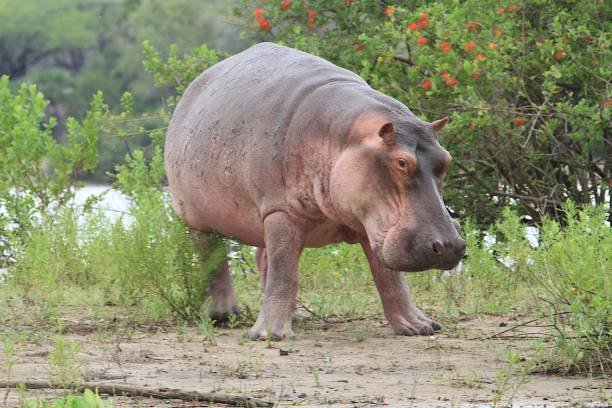
12-Day Southern Tanzania Grand Safari: An Unforgettable Adventure In 2026-2027
Discover the untamed beauty of Southern Tanzania on an epic 12-day safari. This journey explores the vast wilderness of Selous Game Reserve, the dramatic landscapes of Ruaha National Park...
View package details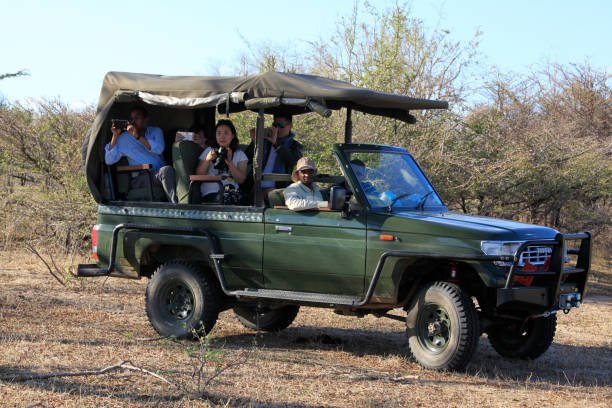
8-Day Nyerere Family Safari: The Ultimate Tanzania Adventure 2026-2027
Experience an unforgettable 8-day Nyerere Family Safari in Tanzania with Top Guide Adventures. This itinerary focuses on diverse wildlife, stunning landscapes, and family-friendly...
View package details8-Day Selous Safari And Zanzibar Holiday: Your Ultimate Tanzania Adventure
An 8-day adventure perfectly blending the wild heart of Selous Game Reserve with the tropical allure of Zanzibar. This itinerary offers an unforgettable Tanzanian experience, combining...
View package details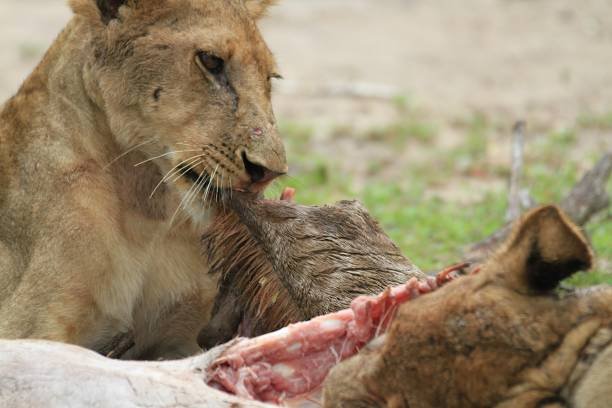
7-Day Nyerere Luxury Fly-In Safari: Your Ultimate Tanzanian Adventure
Discover the untamed beauty of southern Tanzania on a 7-day luxury fly-in safari to Nyerere National Park. This exclusive journey combines thrilling wildlife encounters with unparalleled...
View package details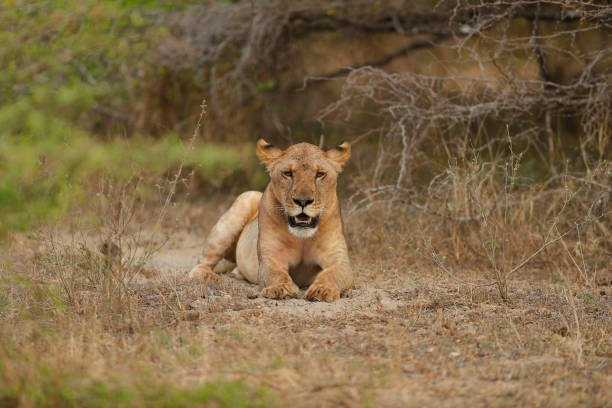
7-Day Nyerere, Mikumi And Zanzibar Safari: Your Ultimate Tanzania Adventure
Discover a thrilling 7-day safari combining the wild wonders of Nyerere National Park (formerly Selous) and Mikumi with the tropical paradise of Zanzibar. This itinerary offers a perfect...
View package details6-Day Nyerere Safari And Zanzibar Holiday: Your Ultimate Tanzania Adventure
Discover the perfect blend of adventure and relaxation with a 6-day Nyerere Safari and Zanzibar holiday. Explore the vast wilderness of Nyerere National Park, renowned for its large...
View package details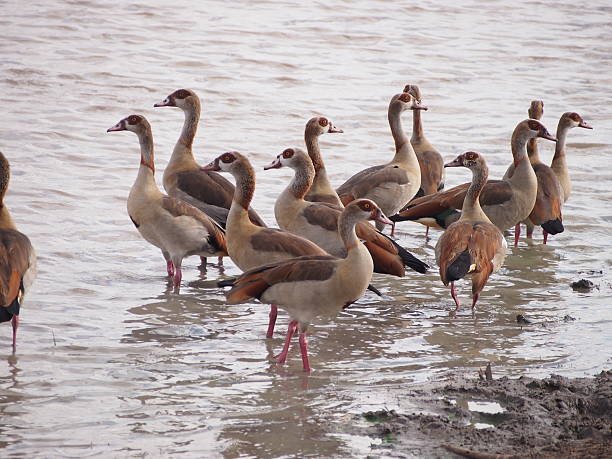
6-Day Southern Tanzania Wildlife Safari With Top Guide Adventures 2026-2027
Discover the wild heart of Tanzania on a 6-day Southern Tanzania wildlife safari. This itinerary highlights the unique ecosystems and abundant wildlife of Selous Game Reserve and Ruaha...
View package details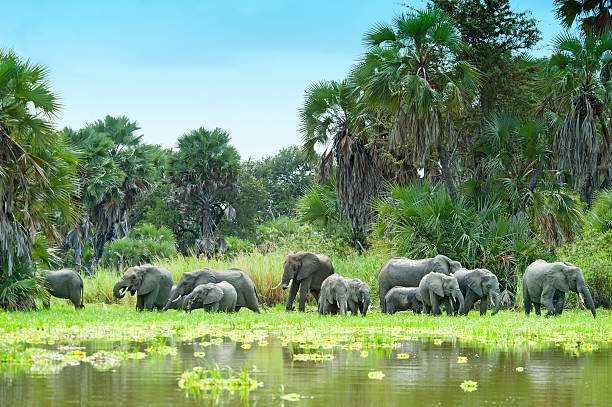
8-Day Luxury Southern Tanzania Fly-In Safari | Top Guide Adventures 2026-2027
Discover the wild heart of Tanzania on an exclusive 8-day luxury fly-in safari, focusing on the vast, untamed landscapes of Ruaha National Park and the mighty Rufiji River in Nyerere...
View package details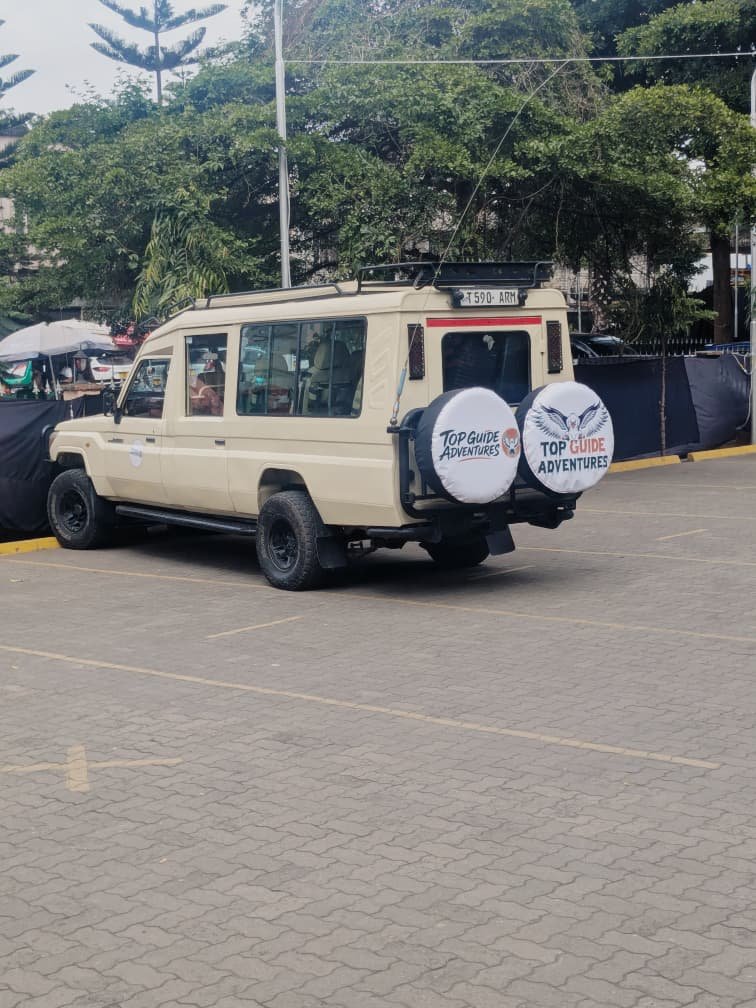
6-Day Nyerere, Mikumi, And Udzungwa Safari: Your Southern Tanzania Adventure
Explore the wild heart of Southern Tanzania on a 6-day safari adventure. This journey combines the vast wilderness of Nyerere National Park (formerly Selous), the abundant wildlife of...
View package details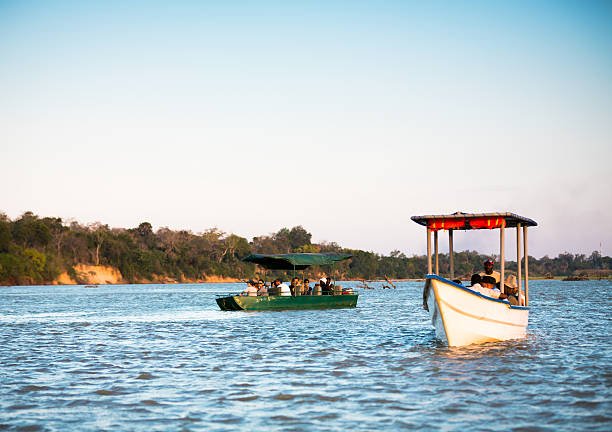
5-Day Southern Tanzania Group Joining Safari: Your Ultimate Adventure
Discover the wild heart of Southern Tanzania on a 5-day group joining safari. This adventure offers incredible wildlife viewing in Selous Game Reserve and Ruaha National Park, perfect for...
View package details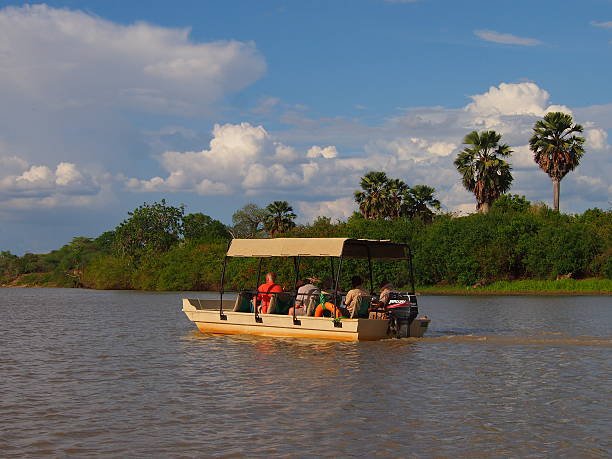
2-Day Nyerere Boat And Game Drive Safari: Your Ultimate Tanzania Adventure
Discover the wild heart of Tanzania on a 2-day Nyerere National Park safari, combining thrilling boat excursions on the Rufiji River with classic game drives. This short yet impactful...
View package detailsNo related package matches those filters. Clear one or more filters to see the other topic-matched options.
Plan your tanzania safari adventure with Top Guide Adventures
Tell us your travel dates, group size, comfort level, and dream experience. We will help you shape a clear, realistic, and memorable Tanzania itinerary.



