
Updated planning guide for 2026-2027
Tanzania Itinerary For Wildlife Lovers: Complete Tour Guide 2026-2027
Discover the ultimate Tanzania itinerary for wildlife lovers. This comprehensive guide details the best parks, optimal timing, sample routes, and essential planning tips for your 2026-2027 safari adventure.
WhatsApp +255616946642 | topguideadventures@gmail.com | info@topguideadventures.com
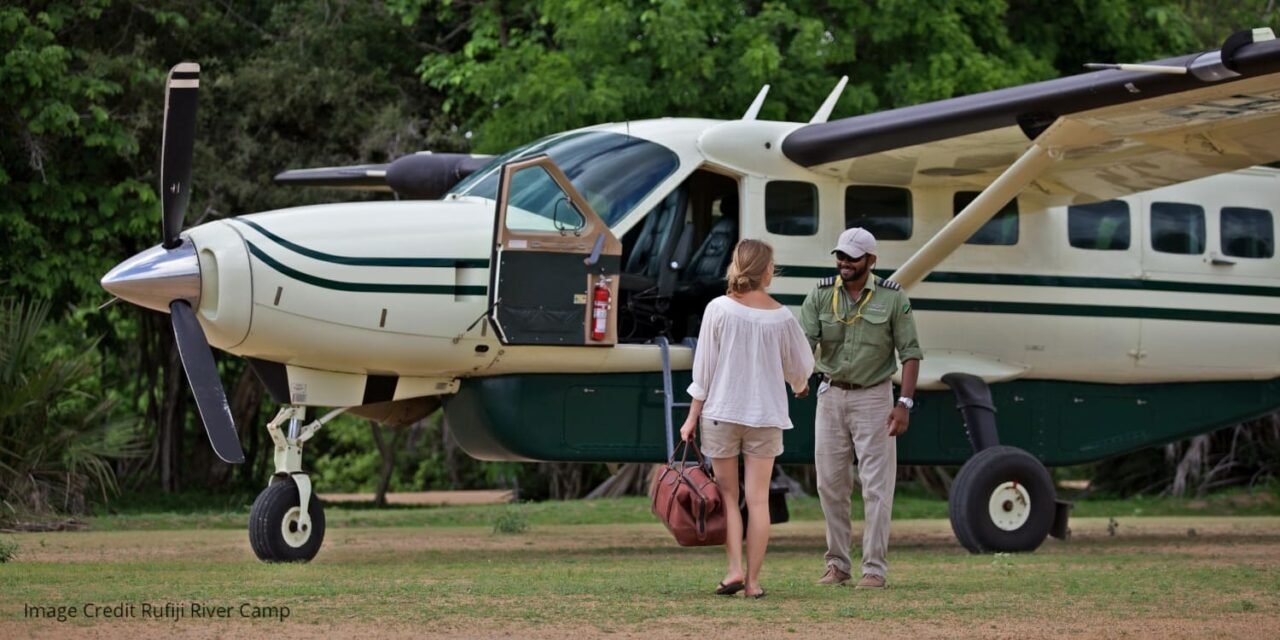
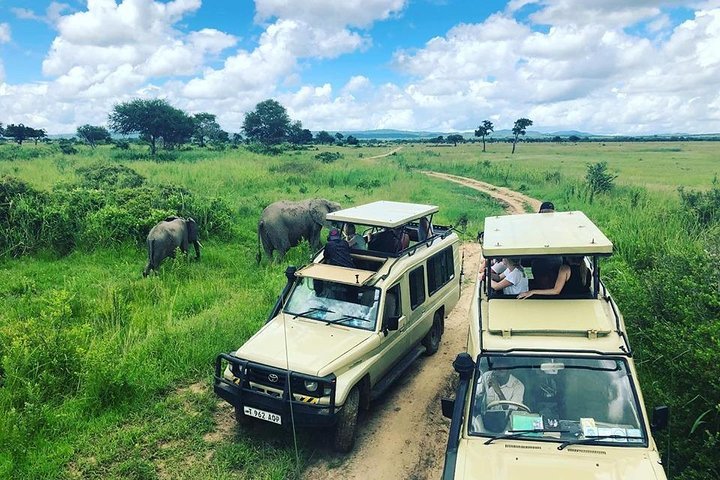
Tanzania Itinerary for Wildlife Lovers: Your Ultimate Safari Planning Guide
Tanzania is a premier safari destination, renowned for its vast plains teeming with wildlife and its iconic natural wonders. For dedicated wildlife enthusiasts, crafting the perfect Tanzania itinerary for wildlife lovers is key to experiencing the country’s incredible biodiversity. This guide provides an in-depth look at planning your trip, from selecting the best parks to understanding the ideal time to visit and what to expect on your adventure. Whether you dream of witnessing the Great Migration or spotting the elusive leopard, this comprehensive resource will help you design an unforgettable safari experience for 2026-2027.
Quick Answer: A typical Tanzania itinerary for wildlife lovers focuses on the Northern Circuit parks (Serengeti, Ngorongoro Crater, Tarangire, Lake Manyara) for concentrated game viewing, often combined with the Selous Game Reserve or Ruaha National Park in the south for a more diverse experience. The duration usually ranges from 7 to 14 days, depending on the number of parks visited and desired pace. The best time to visit for wildlife viewing is generally during the dry seasons (June-October and December-February), though the Great Migration offers unique viewing opportunities year-round in different parts of the Serengeti.
Table of Contents
- Quick Facts About Tanzania Safaris
- Tanzania: A Wildlife Spectacle
- Why Tanzania is a Top Choice for Wildlife Lovers
- Best Time to Visit for Wildlife Viewing
- Tanzania’s Premier Wildlife Regions
- Sample Tanzania Safari Route for Wildlife Lovers
- Itinerary Options: Tailoring Your Wildlife Adventure
- What to Expect on Your Tanzania Safari
- Typical Safari Inclusions
- Packing Essentials for a Wildlife Safari
- Common Mistakes to Avoid
- Who is a Tanzania Wildlife Itinerary Best Suited For?
- Alternatives to a Classic Northern Circuit Itinerary
- Planning Your 2026-2027 Tanzania Safari
- Booking Your Tanzania Safari: Expert Advice
- Frequently Asked Questions (FAQs)
Quick Facts About Tanzania Safaris
| Aspect | Details |
|---|---|
| Primary Focus | Abundant and diverse wildlife, iconic landscapes, Great Migration. |
| Key Parks (Northern Circuit) | Serengeti National Park, Ngorongoro Conservation Area, Tarangire National Park, Lake Manyara National Park. |
| Key Parks (Southern Circuit) | Selous Game Reserve (Nyerere National Park), Ruaha National Park. |
| Best For Wildlife Enthusiasts | Year-round viewing, but dry seasons (June-Oct, Dec-Feb) offer best concentrations. Migration viewing varies by month. |
| Typical Duration | 7-14 days for Northern Circuit; 10-18 days for combined circuits. |
| Accommodation Types | Luxury lodges, tented camps (permanent and mobile), mid-range hotels, budget camps. |
| Activities | Game drives (4×4 vehicles), walking safaris (in select areas), cultural visits, hot air balloon safaris. |
| Getting Around | Charter flights between parks, 4×4 safari vehicles. |
Tanzania: A Wildlife Spectacle
Tanzania is a land of unparalleled natural beauty and ecological richness. Home to the Serengeti’s vast plains, the Ngorongoro Crater’s unique caldera ecosystem, and the great migration of wildebeest and zebras, it offers some of the most dramatic wildlife viewing opportunities on Earth. Beyond these famous locales, the country boasts a diverse range of habitats, from the baobab-studded landscapes of Tarangire to the elephant herds of Ruaha and the riverine wilderness of the Selous. For anyone passionate about observing animals in their natural environment, Tanzania presents a compelling destination that rarely disappoints.
Why Tanzania is a Top Choice for Wildlife Lovers
Several factors position Tanzania as a leading safari destination for serious wildlife enthusiasts:
- Exceptional Wildlife Density and Diversity: Tanzania is home to an estimated 4 million animals, including the “Big Five” (lion, leopard, elephant, rhino, buffalo) and an astonishing array of other mammals, birds, and reptiles. The sheer abundance and variety are staggering.
- The Great Migration: Witnessing the annual movement of over 1.5 million wildebeest, zebras, and gazelles across the Serengeti ecosystem is a bucket-list event for many. The timing and location of river crossings and calving seasons are major draws.
- Iconic National Parks and Reserves: The Serengeti, Ngorongoro Crater, Tarangire, and Lake Manyara are world-famous for their consistently high game viewing. Each park offers a distinct landscape and a unique concentration of species.
- Unspoiled Wilderness: Large areas of Tanzania remain wild and undeveloped, offering a sense of true remoteness and an authentic safari experience. Parks like Ruaha and the Selous are vast and less crowded.
- Variety of Safari Experiences: Beyond traditional game drives, Tanzania offers walking safaris, night game drives (in select areas), and even hot air balloon safaris over the plains, providing different perspectives on the wildlife and landscape.
- Expert Guiding: Experienced safari guides are crucial for spotting wildlife and understanding animal behavior. Tanzania has a strong tradition of highly trained and knowledgeable guides.
Best Time to Visit for Wildlife Viewing
The “best time” for a Tanzania itinerary for wildlife lovers often depends on what specific wildlife events you wish to see. However, general recommendations for optimal game viewing are during the dry seasons.
Dry Seasons (June to October & December to February)
- Pros: Animals congregate around permanent water sources, making them easier to spot. Vegetation is less dense, improving visibility. Skies are generally clear, ideal for photography. This is the prime time for the Great Migration river crossings in the Serengeti (typically July-September).
- Cons: This is peak tourist season, meaning higher prices and more crowded parks, especially in popular areas.
Green Seasons (November & March to May)
- Pros: Lush landscapes, fewer tourists, lower prices, excellent birdwatching, and the calving season for wildebeest in the southern Serengeti (February). This is a fantastic time for photographers seeking dramatic skies and vibrant scenery.
- Cons: Some roads can become impassable due to heavy rains, potentially affecting access to certain areas. Wildlife may be more dispersed.
The Great Migration Calendar (Approximate)
Understanding the migration’s movement is crucial for a wildlife-focused itinerary:
- December – March: Southern Serengeti and Ngorongoro Conservation Area (calving season).
- April – May: Western Corridor of the Serengeti (wildebeest begin moving north).
- June – July: Grumeti River crossings, moving towards the Mara River.
- July – October: Northern Serengeti, Mara River crossings are common.
- November: Migration moves south again, often triggered by rains.
Tanzania’s Premier Wildlife Regions
A well-planned Tanzania itinerary for wildlife lovers will likely focus on one or both of the country’s primary safari circuits:
The Northern Circuit
This is the most popular and accessible circuit, offering a concentration of iconic wildlife destinations.
- Serengeti National Park: The undisputed star, famous for the Great Migration, vast plains, and incredible predator-prey interactions. Offers diverse landscapes from open grasslands to acacia woodlands.
- Ngorongoro Conservation Area: Home to the Ngorongoro Crater, a UNESCO World Heritage Site. This ancient caldera boasts an exceptionally high density of wildlife, including the rare black rhino, within its 260 sq km caldera floor.
- Tarangire National Park: Known for its large elephant herds, particularly during the dry season when they gather around the Tarangire River. Also features iconic baobab trees and a good population of predators.
- Lake Manyara National Park: Famous for its tree-climbing lions, large troops of baboons, and diverse birdlife. Offers beautiful views of Lake Manyara.
The Southern Circuit (Selous & Ruaha)
For those seeking a more remote and less crowded experience, the southern circuit offers vast wilderness and unique wildlife encounters.
- Nyerere National Park (formerly Selous Game Reserve): One of Africa’s largest game reserves. Offers boat safaris on the Rufiji River (great for hippos, crocodiles, and birdlife), walking safaris, and game drives. Known for its wild dogs and large elephant and buffalo populations.
- Ruaha National Park: Tanzania’s largest national park. It’s a wild and rugged landscape with a high concentration of elephants and predators, including lions and wild dogs. Offers a more adventurous and less-trodden safari experience.
Sample Tanzania Safari Route for Wildlife Lovers
This is a classic 10-day Northern Circuit itinerary, ideal for maximizing wildlife sightings. This route is designed to offer a comprehensive experience of the region’s highlights.
Route Overview: Arusha → Tarangire → Ngorongoro Crater → Serengeti (Central) → Serengeti (North/West) → Arusha
- Day 1: Arrival in Arusha. Arrive at Kilimanjaro International Airport (JRO), transfer to your hotel in Arusha. Briefing with your safari guide.
- Day 2: Arusha to Tarangire National Park. Morning drive to Tarangire, known for its large elephant herds and baobab trees. Afternoon game drive.
- Day 3: Tarangire National Park. Full day of game drives in Tarangire, exploring different areas of the park.
- Day 4: Tarangire to Ngorongoro Conservation Area. Morning game drive in Tarangire, then drive to the Ngorongoro Conservation Area. Overnight on the crater rim or nearby.
- Day 5: Ngorongoro Crater Tour. Descend into the Ngorongoro Crater for a full-day game drive. This unique ecosystem is home to an incredible density of wildlife, including the black rhino.
- Day 6: Ngorongoro to Serengeti National Park (Central). Drive to the Serengeti, with a stop at Olduvai Gorge (optional). Begin game drives in the central Serengeti, known for its resident wildlife and predator sightings.
- Day 7: Serengeti National Park (Central). Full day of game drives in the central Serengeti, focusing on predator sightings and resident wildlife.
- Day 8: Serengeti National Park (North/West/Migration). Depending on the time of year and migration movements, drive towards the northern or western Serengeti for migration viewing opportunities (e.g., Mara River crossings if in season).
- Day 9: Serengeti to Arusha. Morning game drive in the Serengeti, then transfer to a local airstrip for a flight back to Arusha.
- Day 10: Departure. Transfer to Kilimanjaro International Airport (JRO) for your onward flight.
Itinerary Options: Tailoring Your Wildlife Adventure
The sample itinerary above is a starting point. Your Tanzania itinerary for wildlife lovers can be customized based on your interests, time, and budget. Here are a few variations:
Option 1: Extended Northern Circuit (12-14 Days)
Add an extra day in the Serengeti to explore different regions or spend more time observing specific animal behaviors. Consider adding Lake Manyara for a shorter visit if not covered extensively on the drive from Tarangire. This offers a more relaxed pace and deeper exploration.
Option 2: Northern Circuit + Southern Circuit (14-18 Days)
Combine the highlights of the Northern Circuit with the wilder landscapes of the South. This requires internal flights between circuits. For example:
- Days 1-9: Northern Circuit as above.
- Day 10: Fly from Arusha to the Selous (Nyerere National Park).
- Day 11-12: Game drives, boat safaris, and walking safaris in Nyerere.
- Day 13: Fly from Selous to Ruaha National Park.
- Day 14-15: Game drives in Ruaha.
- Day 16: Fly from Ruaha back to Arusha or Dar es Salaam for departure.
This option provides a fantastic contrast between the classic savanna and the more rugged, riverine environments of the South.
Option 3: Migration Focused (10-12 Days)
If your primary goal is to witness the Great Migration river crossings, your itinerary will be highly dependent on the time of year. For example, if traveling in August, you would spend more days in the northern Serengeti focusing on the Mara River area. This requires precise timing and flexibility.
Option 4: Budget-Conscious Itinerary (7-9 Days)
Focus on 2-3 key parks within the Northern Circuit, such as Tarangire, Ngorongoro, and a shorter stay in the Serengeti. Utilize more budget-friendly accommodation options like public campsites or mid-range lodges. This reduces travel time and costs while still offering excellent wildlife viewing.
What to Expect on Your Tanzania Safari
A safari in Tanzania is an immersive experience that engages all your senses. Here’s what you can generally expect:
- Early Mornings: Safaris often start at dawn when animals are most active. This means early wake-up calls and breakfast before heading out for game drives.
- Game Drive Vehicles: Most game drives are conducted in custom-built 4×4 safari vehicles (Land Cruisers or Land Rovers) with pop-up roofs for unobstructed viewing and photography.
- Guide Interaction: Your safari guide is your expert companion. They are knowledgeable about animal behavior, tracks, and the best locations for sightings. They will also share insights into local culture and ecology.
- Wildlife Sightings: While Tanzania boasts incredible wildlife density, sightings are never guaranteed. Patience is key. Your guide will work hard to find animals, but sometimes you might spend time observing smaller creatures or simply enjoying the landscape.
- The “Big Five”: Spotting the “Big Five” is a common goal, but seeing all five in one trip requires luck and often longer stays in prime locations.
- Predator Behavior: Witnessing predator-prey interactions, like a lion hunt or a leopard stalking, is a thrilling but sometimes intense experience.
- Camp/Lodge Life: Evenings are typically spent at your lodge or tented camp. These range from rustic to luxurious, offering comfortable beds, meals, and a safe haven after a day in the bush. Many camps have communal areas for relaxing and sharing stories.
- Bush Meals: Picnics in scenic spots within the parks are common and add to the adventure.
- Dust and Heat: Be prepared for dusty conditions, especially during the dry season, and significant heat during the day.
Typical Safari Inclusions
When booking a safari package for your Tanzania itinerary for wildlife lovers, expect the following to be included. Always confirm with your tour operator:
| Included | Often Excluded |
|---|---|
| Accommodation during safari (lodges/camps) | International flights to/from Tanzania |
| All park entrance fees | Visa fees |
| Full board meals (breakfast, lunch, dinner) during safari | Travel insurance |
| Private 4×4 safari vehicle with pop-up roof | Gratuities for guides and camp staff |
| Professional English-speaking driver/guide | Drinks (alcoholic and soft drinks) at lodges/camps |
| Game drives as per itinerary | Optional activities (e.g., hot air balloon safaris, cultural visits) |
| Bottled water in the safari vehicle | Personal expenses (souvenirs, laundry) |
| Airport transfers on arrival/departure (if specified) | Tips for drivers and guides |
Packing Essentials for a Wildlife Safari
Packing light and smart is essential for a safari. Focus on practical, neutral-colored clothing.
Clothing:
- Lightweight, breathable long-sleeved shirts (for sun protection and evenings)
- Lightweight, breathable long trousers (avoid bright colors, white, or black)
- T-shirts and casual tops
- Fleece jacket or warm sweater (for cool mornings and evenings)
- A light waterproof jacket or poncho
- Comfortable walking shoes or hiking boots (if planning walking safaris)
- Sandals or flip-flops for camp
- Hat with a wide brim for sun protection
- Swimsuit (for lodges with pools)
Gear & Accessories:
- Binoculars (essential for wildlife viewing)
- Camera with extra batteries and memory cards
- Sunscreen (high SPF)
- Insect repellent (with DEET)
- Personal first-aid kit
- Small backpack for day use
- Headlamp or flashlight
- Power adapter and portable charger
- Sunglasses
- Reusable water bottle
- Copies of important documents (passport, visa, insurance)
Toiletries:
- Basic toiletries (biodegradable options are preferred)
- Hand sanitizer
Note: Most lodges and camps offer laundry services, so you don’t need to pack too many outfits.
Common Mistakes to Avoid
Planning a safari can be complex. Here are common pitfalls to avoid when designing your Tanzania itinerary for wildlife lovers:
- Over-scheduling: Trying to cram too many parks into a short trip leads to excessive travel time and less time for actual wildlife viewing. Focus on quality over quantity.
- Ignoring Seasonality: Visiting during the wrong season can mean missing key events like the migration or facing challenging weather conditions.
- Underestimating Travel Times: Distances in Tanzania are vast, and road travel can be slow. Factor in travel time between parks realistically.
- Not Budgeting for Extras: Park fees, accommodation, and guiding are significant costs, but don’t forget gratuities, drinks, and optional activities.
- Choosing the Wrong Tour Operator: A reputable operator is crucial for a smooth experience. Research thoroughly and read reviews.
- Packing Inappropriately: Bright colors can scare wildlife, and heavy luggage is cumbersome.
- Expecting Guaranteed Sightings: Wildlife viewing is unpredictable. Be patient and enjoy the entire safari experience, not just the “big ticket” animals.
- Not Considering Internal Flights: For longer itineraries or to save time, internal flights between parks can be a worthwhile investment, especially for the Southern Circuit.
Who is a Tanzania Wildlife Itinerary Best Suited For?
A Tanzania itinerary designed for wildlife lovers is ideal for:
- Passionate Wildlife Photographers: The sheer density and diversity of animals, combined with stunning landscapes, offer endless photographic opportunities.
- Nature Enthusiasts: Anyone who appreciates observing animals in their natural habitat, learning about ecosystems, and experiencing wild, untamed landscapes.
- First-Time Safari Goers: The Northern Circuit is an excellent introduction to safaris due to its accessibility, infrastructure, and high concentration of wildlife.
- Experienced Safari Travelers: Those looking for a classic, in-depth safari experience with opportunities to see iconic species and witness natural phenomena like the Great Migration.
- Couples and Honeymooners: Romantic lodges and the unique experience of a safari create a memorable trip.
- Families with Older Children: Children aged 8 and above can often appreciate the wildlife and adventure, though it’s important to gauge their interest and stamina.
It may be less suitable for travelers seeking bustling cities, extensive beach time (unless combined with Zanzibar), or those with very limited mobility, though accessible options can sometimes be arranged.
Alternatives to a Classic Northern Circuit Itinerary
While the Northern Circuit is the most popular, other regions offer unique wildlife experiences:
- Southern Circuit (Ruaha & Nyerere): For a more remote, wilder experience with fewer crowds. Excellent for large mammal populations and predator sightings. Requires internal flights for efficiency.
- Western Tanzania (Mahale & Gombe): Famous for chimpanzee trekking. These parks are remote and require significant travel, often involving flights. Ideal for primate enthusiasts.
- Katavi National Park: One of Africa’s most remote and wild parks, known for its large herds of buffalo and elephants, and significant predator populations. For the truly adventurous.
Combining the Northern Circuit with a few days in the Southern Circuit (as described in Option 2) offers a comprehensive overview of Tanzania’s diverse wildlife and ecosystems.
Planning Your 2026-2027 Tanzania Safari
Booking your Tanzania itinerary for wildlife lovers well in advance is highly recommended, especially for travel in 2026 and 2027. Here’s a planning timeline:
12-18 Months Before Travel:
- Research & Inspiration: Start researching destinations, parks, and types of safaris. Read blogs, guides, and look at sample itineraries.
- Define Your Budget: Determine your approximate budget. Tanzania safaris can range from mid-range to ultra-luxury.
- Choose Your Operator: Identify and contact a few reputable tour operators. Get quotes and compare proposals.
- Book Key Elements: For peak season (June-October) and popular lodges/camps, booking accommodation and safari vehicles this far in advance is crucial.
6-12 Months Before Travel:
- Finalize Itinerary: Lock in your itinerary with your chosen operator.
- Book Flights: Book your international flights to Kilimanjaro (JRO) or possibly Nairobi (NBO) with a transfer.
- Secure Permits/Lodges: Your operator will secure park permits and confirm lodge bookings.
- Consider Internal Flights: If your itinerary includes internal flights (e.g., to the Southern Circuit or for longer Serengeti stays), book these.
3-6 Months Before Travel:
- Visa Application: Check visa requirements for Tanzania and apply if necessary.
- Vaccinations & Health: Consult your doctor about recommended vaccinations (e.g., Yellow Fever, Hepatitis A) and malaria prophylaxis.
- Travel Insurance: Purchase comprehensive travel insurance that covers medical emergencies, trip cancellation, and lost belongings.
- Gear Shopping: Start purchasing safari essentials like binoculars, camera equipment, and appropriate clothing.
1-3 Months Before Travel:
- Final Payments: Make final payments to your tour operator.
- Confirm Details: Double-check all flight details, accommodation, and itinerary points.
- Pack Smart: Begin packing, ensuring you have all necessary items.
Weeks Before Travel:
- Currency Exchange: Arrange for some local currency (Tanzanian Shilling) for tips and small purchases, though USD is widely accepted for major expenses.
- Inform Bank: Let your bank know your travel dates to avoid issues with card usage.
- Final Briefing: Communicate any last-minute questions to your tour operator.
Booking Your Tanzania Safari: Expert Advice
Choosing the right tour operator is paramount for a successful Tanzania itinerary for wildlife lovers. Here’s how to approach booking:
- Reputation and Reviews: Look for operators with a strong track record and positive reviews from past clients. Check platforms like TripAdvisor, SafariBookings, and industry forums.
- Local vs. International Operators: Local operators, like Top Guide Adventures, often have better on-the-ground knowledge, established relationships with lodges and park authorities, and can offer more competitive pricing.
- Customization: Ensure the operator is willing to tailor an itinerary to your specific interests, pace, and budget. Avoid operators offering only fixed packages.
- Communication: Clear and prompt communication is a good sign. Your operator should answer all your questions thoroughly and professionally.
- Inclusions and Exclusions: Carefully review what is included in the price. Understanding this helps avoid unexpected costs.
- Vehicle Quality: Inquire about the type and condition of safari vehicles used. A well-maintained 4×4 with a pop-up roof is standard.
- Guide Experience: Ask about the experience and qualifications of their guides. Knowledgeable guides significantly enhance the safari experience.
- Payment Terms: Understand the deposit and final payment schedule, as well as cancellation policies.
- Sustainability: Consider operators who demonstrate a commitment to responsible tourism and conservation.
Ready to plan your dream safari? Contact us for expert advice and a personalized itinerary.
WhatsApp: +255616946642
Email: topguideadventures@gmail.com
Backup Email: info@topguideadventures.com
Frequently Asked Questions (FAQs)
1. What is the single best time to visit Tanzania for wildlife viewing?
For general wildlife viewing and the best chance to see the Great Migration river crossings, the dry season from June to October is often considered the prime time. However, the calving season in the southern Serengeti (February) is also spectacular. For fewer crowds and lush landscapes, the green season (November and March-May) can be excellent, though some roads may be challenging.
2. How many days do I need for a Tanzania safari?
A minimum of 5-7 days is recommended for a basic Northern Circuit safari (e.g., Tarangire, Ngorongoro, Serengeti). For a more comprehensive experience of the Northern Circuit, 10-12 days is ideal. If you wish to combine the Northern and Southern Circuits, or include other destinations like Zanzibar, plan for 14-21 days. For 2026-2027 bookings, allow ample planning time for longer trips.
3. Is a Tanzania itinerary for wildlife lovers expensive?
Tanzania safaris can range from mid-range to luxury. Costs are influenced by accommodation choices, the number of days, private vs. group tours, and the time of year. A typical 7-day Northern Circuit safari can cost anywhere from $2,500 to $7,000+ per person, excluding international flights. Mid-range options are popular for good value.
4. Can I see the Great Migration on any Tanzania itinerary?
You can see parts of the Great Migration year-round, as it’s a continuous cycle. However, witnessing the dramatic river crossings typically occurs in the northern Serengeti between July and October. The calving season is in the southern Serengeti around February. Your itinerary needs to be timed precisely to catch specific events.
5. What is the difference between a National Park and a Game Reserve?
National Parks (like Serengeti, Tarangire) have stricter regulations, with off-road driving and walking safaris generally prohibited. Game Reserves (like Nyerere National Park, formerly Selous) often have more flexible rules, allowing for activities like walking safaris and boat safaris, and can sometimes offer a more remote feel.
6. Do I need vaccinations for Tanzania?
It’s essential to consult your doctor or a travel clinic 4-6 weeks before your trip. Recommended vaccinations often include Yellow Fever (required if arriving from or transiting through a country with risk of Yellow Fever), Hepatitis A, Typhoid, and Tetanus. Malaria prophylaxis is also usually recommended. Yellow Fever certificates may be checked at immigration.
7. What is the best way to get around Tanzania for a safari?
The most common way to explore the Northern Circuit is via a private 4×4 safari vehicle with a driver-guide. For longer distances or to save time, especially when combining circuits or traveling to remote parks, internal bush flights are a popular and efficient option. These are typically booked by your tour operator.
8. Are walking safaris available?
Yes, walking safaris are offered in specific areas, particularly within the Ngorongoro Conservation Area (outside the crater), Tarangire, and the Southern Circuit parks (Nyerere and Ruaha). These provide a different perspective and a more intimate connection with the bush. They are usually an optional extra activity.
9. How much should I tip my safari guide?
Tipping is customary and greatly appreciated. A general guideline for a private safari is around $20-$30 USD per day for your driver-guide. If you have additional camp staff assisting, a smaller tip for them is also customary. Your tour operator can provide specific recommendations. Plan for this in your budget for 2026-2027 travel.
10. What are the accommodation options on a Tanzania safari?
Options range from public campsites (basic, affordable) and mid-range lodges/camps to luxury tented camps and high-end lodges. Most safari itineraries focus on comfortable mid-range to luxury options, offering en-suite bathrooms, excellent food, and beautiful settings. Tented camps provide a more immersive bush experience.
Plan Your Unforgettable Tanzania Itinerary for Wildlife Lovers
A meticulously planned Tanzania itinerary for wildlife lovers promises an unparalleled adventure into one of the world’s most spectacular natural arenas. From the vast plains of the Serengeti to the unique ecosystem of the Ngorongoro Crater, Tanzania offers a safari experience like no other. Whether you are planning for 2026, 2027, or beyond, expert guidance is key to crafting the perfect trip.
We specialize in creating bespoke safari experiences that cater to the discerning wildlife enthusiast. Let us help you design an itinerary that maximizes your chances of incredible sightings, ensures comfortable travel, and provides lasting memories. Get in touch today to start planning your dream Tanzanian safari!
Contact Us:
WhatsApp: +255616946642
Email: topguideadventures@gmail.com
Backup Email: info@topguideadventures.com
Plan your Tanzania Itinerary for Wildlife Lovers with Top Guide Adventures
Tell us your travel dates, group size, comfort level, and dream experience. We will help you shape a clear, realistic, and memorable Tanzania itinerary.



