
Updated planning guide for 2026-2027
Tanzania Coffee Tour Guide: Complete 2026-2027
Explore the rich coffee culture of Tanzania with our expert guide. Learn about the best regions, what to expect on a coffee tour, and how to plan your 2026-2027 trip.
WhatsApp +255616946642 | topguideadventures@gmail.com | info@topguideadventures.com
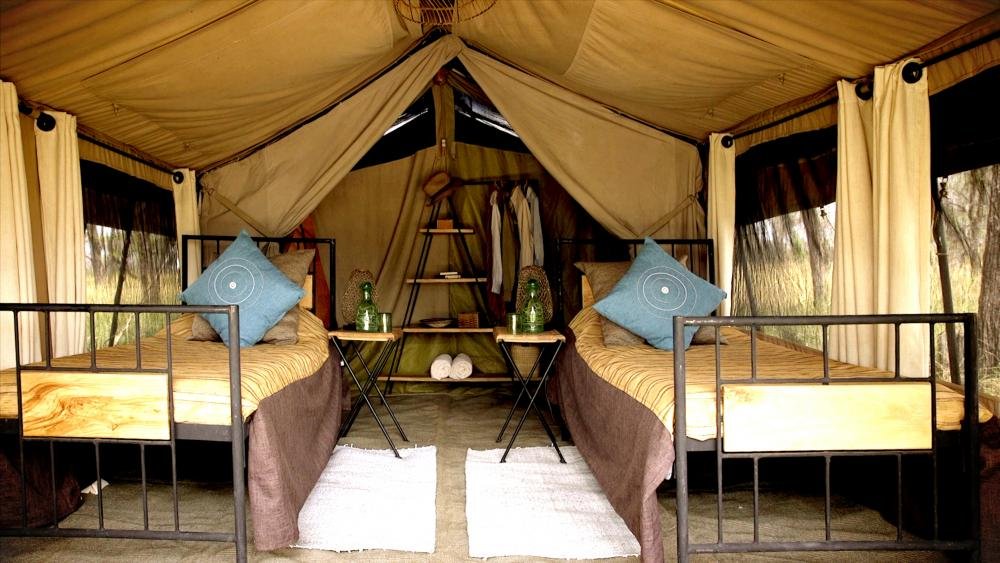
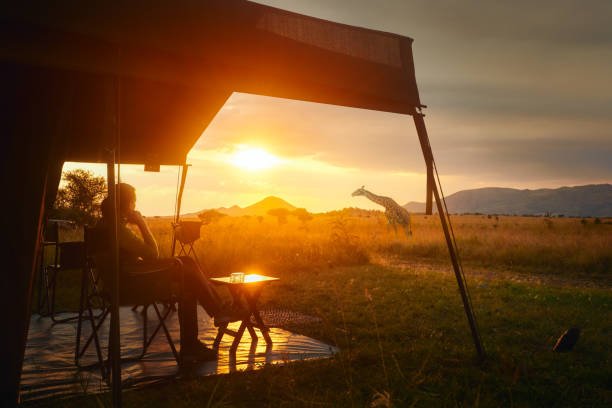
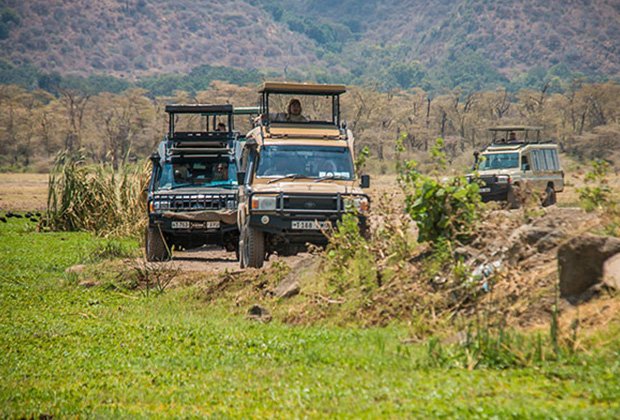
Tanzania, a land renowned for its iconic wildlife safaris and majestic Mount Kilimanjaro, also harbors a rich and often overlooked coffee heritage. For travelers seeking a deeper connection with the country beyond the usual tourist trails, a Tanzania coffee tour offers a unique and rewarding experience. This guide serves as your essential Tanzania coffee tour guide, detailing everything you need to know to plan an insightful journey into the heart of Tanzanian coffee production.
Table of Contents
- Quick Facts About Tanzania Coffee Tours
- Tanzania’s Coffee Landscape: An Overview
- Why Choose a Tanzania Coffee Tour?
- Best Time for a Coffee Tour in Tanzania
- Key Coffee Growing Regions in Tanzania
- Sample Tanzania Coffee Tour Itinerary
- What to Expect on a Coffee Tour
- What’s Included & What to Pack
- Common Mistakes to Avoid
- Who is a Tanzania Coffee Tour Best Suited For?
- Alternatives to a Dedicated Coffee Tour
- Planning Your Tanzania Coffee Tour for 2026-2027
- Booking Your Tanzania Coffee Tour
- Frequently Asked Questions
Quick Facts About Tanzania Coffee Tours
| Aspect | Details |
|---|---|
| Primary Coffee Types | Arabica (dominant), Robusta |
| Main Growing Regions | Northern Highlands (Kilimanjaro, Arusha), Southern Highlands (Mbeya, Iringa, Ruvuma) |
| Tour Duration | Typically 1-3 days, often combined with other activities |
| Best Season for Tours | Harvest season (June-October) for active involvement; year-round for farm visits |
| Typical Activities | Farm visits, coffee processing demonstrations, tasting sessions, interaction with farmers |
| Combine With | Safari, Kilimanjaro trek, cultural visits, Zanzibar holidays |
Tanzania’s Coffee Landscape: An Overview
Tanzania is one of Africa’s leading coffee producers, with a history stretching back over a century. The country’s diverse altitudes and climates create ideal conditions for growing high-quality beans. Coffee cultivation is a vital source of income for many Tanzanians, particularly in the northern and southern highlands. The sector is characterized by a mix of large estates and numerous smallholder farms, each contributing to the nation’s coffee output. The most famous Tanzanian coffee comes from the slopes of Mount Kilimanjaro and Mount Meru, but the southern highlands are also significant producers of excellent beans. Understanding this context enriches the experience of any Tanzania coffee tour.
Arabica and Robusta: The Two Pillars
The majority of Tanzanian coffee is Arabica, known for its aromatic qualities, bright acidity, and complex flavors. This is primarily grown at higher altitudes. Key Arabica varieties include Bourbon and Kent. Robusta, while less common in specialty markets, is also cultivated, typically at lower altitudes. Robusta beans are known for their stronger, bolder flavor and higher caffeine content, often used in blends and instant coffee. Your Tanzania coffee tour guide will likely focus on the more celebrated Arabica varieties.
Processing Methods
The way coffee cherries are processed after harvesting significantly impacts the final taste. Common methods in Tanzania include:
- Washed (Wet) Process: This is the most prevalent method for high-quality Arabica. Cherries are pulped to remove the skin and fruit, then fermented in water to remove the mucilage, followed by washing and drying. This process typically results in a clean, bright cup with pronounced acidity.
- Natural (Dry) Process: Cherries are dried whole in the sun. The fruit dries onto the bean, imparting fruity, wine-like flavors and a heavier body. This method is more common for Robusta but also used for some Arabicas.
- Honey Process: A hybrid method where some or all of the mucilage is left on the bean during drying. This can result in a cup with balanced sweetness, acidity, and body, often described as having honey-like characteristics.
Many coffee farms in Tanzania offer insights into these processing techniques, a key part of any engaging Tanzania coffee tour.
Why Choose a Tanzania Coffee Tour?
A Tanzania coffee tour offers a profound departure from typical tourist activities, providing a rich, sensory, and educational experience. It connects you directly with the land and its people, offering a tangible understanding of a significant part of Tanzania’s economy and culture.
- Authentic Cultural Immersion: Engage with local farmers, learn about their daily lives, traditions, and the challenges and rewards of coffee cultivation. This provides a deeper cultural understanding than many other tours.
- Sensory Exploration: From the aroma of roasting beans to the complex flavors in a tasting session, a coffee tour engages your senses in a unique way. You’ll learn to appreciate the nuances of coffee from bean to cup.
- Educational Value: Understand the entire coffee production chain – from planting and harvesting to processing, roasting, and brewing. This knowledge enhances your appreciation for your morning cup.
- Support Local Communities: By visiting coffee farms and potentially purchasing locally produced coffee, you contribute directly to the livelihoods of farmers and their communities.
- Unique Travel Experience: Stand out from the typical safari-goer. A coffee tour offers a niche yet deeply satisfying travel experience that complements other Tanzanian adventures.
- Appreciation for Your Coffee: After experiencing the labor and skill involved, you’ll never look at your coffee the same way again.
Best Time for a Coffee Tour in Tanzania
The ideal time for a Tanzania coffee tour depends on what you wish to experience. The coffee lifecycle dictates the best visiting periods.
| Period | What to Expect | Tour Focus |
|---|---|---|
| June – October: Harvest Season | Peak coffee harvesting. Lush green landscapes after the rainy season. The air is filled with the scent of ripening cherries and roasting beans. This is the most active time on the farms. | Hands-on participation in picking, processing demonstrations, and seeing the results of the year’s work. Ideal for understanding the full cycle. |
| November – March: Growing Season | Trees are in bloom, especially after the short rains (often Nov/Dec). Coffee cherries begin to form. Landscapes are generally green and pleasant. | Observing the growth stages, learning about cultivation practices, pest management, and farm maintenance. Less active harvesting but still informative. |
| April – May: Long Rains | Heavy rainfall. Landscapes are very green and vibrant. Some farms might be less accessible due to road conditions. Harvesting is typically finished. | Focus on processing, drying, and preparation for export. Good for understanding post-harvest activities. May be less ideal for farm accessibility. |
Even outside the harvest season, coffee farms are operational. Many offer year-round tours focusing on cultivation, processing techniques, and coffee tasting. For a truly immersive experience, aiming for the harvest season is recommended. When planning your Tanzania coffee tour for 2026-2027, consider these periods.
Key Coffee Growing Regions in Tanzania
Tanzania’s diverse geography supports coffee growing in two primary regions, each with distinct characteristics.
Northern Highlands
This region is arguably the most famous for Tanzanian coffee, benefiting from the fertile volcanic soils and favorable microclimates around Mount Kilimanjaro and Mount Meru. Coffee tours here are often combined with safaris to nearby national parks like Tarangire, Lake Manyara, and the Serengeti, or with Kilimanjaro treks.
- Kilimanjaro Region: The slopes of Africa’s highest peak are ideal for growing high-quality Arabica. The coffee here is often referred to as ‘Kilimanjaro Coffee’. Farms are typically smallholder, organized under cooperatives. Expect Bourbon and Kent varieties.
- Arusha Region: Similar to Kilimanjaro, the Mount Meru area produces excellent Arabica. Coffee farms here are also often smallholder, contributing to the region’s reputation for quality beans.
Coffee tours in this region are easily accessible from Arusha, a major hub for tourism.
Southern Highlands
This vast region is a significant producer of both Arabica and Robusta. While less visited by international tourists compared to the north, it offers a more authentic, less commercialized experience. The landscape is characterized by rolling hills and cooler temperatures.
- Mbeya Region: This is a major coffee-producing area, particularly known for its high-quality Arabica, often grown at altitudes exceeding 1,500 meters. Peaberry beans are a notable specialty from Mbeya.
- Iringa Region: Also a key coffee zone, Iringa produces both Arabica and Robusta. The farms here are often smaller and operate within community-based initiatives.
- Ruvuma Region: This region is known for its robusta production but also cultivates Arabica. It offers a glimpse into different coffee farming practices.
Visiting the southern highlands for a Tanzania coffee tour provides a different perspective, often involving longer travel times but rewarding with a more in-depth look at local life.
Geographic Overview of Coffee Regions
| Northern Tanzania | Southern Tanzania |
| Mount Kilimanjaro (North) | Mbeya Region (Southwest) |
| Mount Meru (North) | Iringa Region (Central-South) |
| Arusha Town (Hub) | Ruvuma Region (Southeast) |
| Easily combined with Northern Safaris & Kilimanjaro | More remote, offers deeper community immersion |
Sample Tanzania Coffee Tour Itinerary (3 Days)
This sample itinerary focuses on the Northern Highlands, offering a blend of coffee immersion and cultural exploration. It can be customized to fit your travel plans.
Day 1: Arrival in Arusha & Coffee Farm Introduction
- Morning: Arrive at Kilimanjaro International Airport (JRO) or Arusha Airport (ARK). Meet your guide and transfer to your lodge/hotel in Arusha.
- Afternoon: Visit a local coffee estate on the slopes of Mount Meru or Kilimanjaro. Get an introductory tour of the farm, learning about the coffee plant’s lifecycle, soil conditions, and the specific varieties grown.
- Late Afternoon: Witness the initial stages of coffee processing, perhaps seeing freshly picked cherries or beans undergoing washing.
- Evening: Enjoy dinner featuring local Tanzanian cuisine. Briefing on the days ahead.
Day 2: Deep Dive into Processing & Tasting
- Morning: Travel to a different coffee farm or a cooperative known for its processing methods. Engage in a hands-on demonstration of pulping, fermentation, and washing (if applicable).
- Midday: Learn about drying techniques – sun-drying on patios or raised beds. Understand the importance of careful drying for bean quality.
- Afternoon: Participate in a coffee cupping (tasting) session. Learn to identify different aromas and flavors, understanding how origin, processing, and roasting influence the final cup.
- Late Afternoon: Visit a local coffee shop or community center to see how local people enjoy their coffee.
- Evening: Return to your accommodation.
Day 3: Community Visit & Departure
- Morning: Visit a smallholder coffee farmer’s household. Understand the economic and social aspects of coffee farming for families. This offers a direct connection to the people behind the beans.
- Midday: Opportunity to purchase freshly roasted coffee directly from the farm or cooperative.
- Afternoon: Transfer back to Arusha for onward travel or to Kilimanjaro International Airport (JRO) for your departure.
This itinerary can be extended to include visits to the Southern Highlands or integrated into longer Tanzania travel plans for 2026-2027.
What to Expect on a Coffee Tour
A Tanzania coffee tour is an immersive journey that goes beyond simply tasting coffee. It’s about understanding the entire process and the people involved.
- Farm Environment: Expect to be on working farms, often in rural settings. The terrain can be hilly and uneven. The climate can range from warm and humid to cool and misty, depending on altitude and season.
- Interaction with Farmers: You’ll meet dedicated farmers and cooperative members who are passionate about their work. Be prepared for genuine conversations and learning opportunities. Many guides facilitate communication, but learning a few Swahili phrases is always appreciated.
- Hands-on Activities: Depending on the season, you might participate in picking cherries, sorting beans, or helping with processing. Even if not actively involved, you’ll witness these processes firsthand.
- Coffee Tasting (Cupping): This is a highlight. You’ll learn the professional method of evaluating coffee, identifying aromas, flavors, acidity, body, and aftertaste. It’s an educational and enjoyable experience.
- Educational Sessions: Expect explanations on coffee botany, soil management, pest control, organic farming practices (where applicable), and the economic realities of coffee farming.
- Cultural Insights: Beyond coffee, you’ll gain insights into rural Tanzanian life, local customs, and the importance of coffee in the community’s economy and social fabric.
- Logistics: Travel between farms might involve driving on unpaved roads. Accommodation can range from comfortable lodges near coffee estates to simpler guesthouses in local villages, depending on the tour package.
What’s Included & What to Pack
Understanding what your tour operator typically includes and what you need to bring yourself is crucial for a smooth experience.
Typical Inclusions
| Included | Often Not Included |
|---|---|
| Guided tours of coffee farms and processing facilities | International flights |
| Coffee tasting/cupping sessions | Visa fees |
| All specified meals during the tour | Travel insurance |
| Accommodation (as per chosen level) | Personal expenses (souvenirs, extra drinks) |
| Ground transportation between sites | Tips for guides and drivers |
| Services of a knowledgeable local guide | Optional activities not listed in the itinerary |
What to Pack
Packing for a Tanzania coffee tour requires considering the climate, terrain, and activities. Layers are key.
- Clothing:
- Lightweight, breathable clothing (long-sleeved shirts and trousers for sun and insect protection).
- A warm fleece or jacket for cooler mornings and evenings, especially at higher altitudes.
- Waterproof jacket or poncho, particularly during the rainy seasons.
- Comfortable walking shoes or hiking boots with good grip for farm terrain.
- Sandals or comfortable shoes for relaxing.
- Hat with a brim for sun protection.
- Health & Hygiene:
- Personal toiletries.
- Insect repellent (with DEET or Picaridin).
- Sunscreen (high SPF).
- Hand sanitizer.
- Basic first-aid kit (band-aids, antiseptic wipes, pain relievers, any personal medication).
- Gear:
- Camera and extra batteries/memory cards.
- Power bank for charging devices.
- Adapter for Tanzanian power outlets (Type D and G).
- Reusable water bottle.
- Binoculars (optional, for wildlife spotting if combining with safari).
- A small backpack for day trips.
- Documents & Money:
- Passport (with at least 6 months validity) and visa (if required).
- Copies of important documents (passport, visa, insurance).
- Credit/debit cards and some US dollars in cash for tips and small purchases.
Common Mistakes to Avoid
To ensure your Tanzania coffee tour is as rewarding as possible, be aware of these common pitfalls.
- Expecting a Purely Tourist Experience: Coffee farms are working environments. Embrace the authenticity, even if it’s not perfectly polished.
- Underestimating Travel Times: Tanzania is a large country, and travel between regions or even farms can take time, especially on rural roads. Factor this into your itinerary.
- Not Being Prepared for the Climate: While often warm, higher altitudes can be cool, and rain is possible. Pack layers.
- Ignoring Local Customs: Be respectful of local traditions and dress modestly when visiting communities. Always ask permission before taking photos of people.
- Focusing Only on Tasting: The real value is in understanding the journey from bean to cup. Engage with the process and the people.
- Not Booking in Advance: Especially during peak seasons or if you want a highly customized experience, booking your Tanzania coffee tour well ahead of time is advisable for 2026-2027.
- Forgetting Travel Insurance: Essential for any trip, covering medical emergencies, trip cancellations, and lost luggage.
- Assuming All Coffee is the Same: Appreciate the distinct characteristics of Tanzanian coffee – its origin, processing, and roasting all play a role.
Who is a Tanzania Coffee Tour Best Suited For?
A Tanzania coffee tour is an excellent choice for a variety of travelers, particularly those who appreciate unique, authentic, and educational experiences.
- Food and Drink Enthusiasts: Coffee lovers, gourmands, and anyone interested in the provenance of their food and beverages will find this tour deeply satisfying.
- Cultural Explorers: Travelers seeking genuine interactions with local communities and a deeper understanding of rural Tanzanian life will appreciate the human element of coffee farming.
- Eco-Tourists and Sustainable Travelers: Those interested in learning about sustainable agriculture, fair trade practices, and the economic impact of farming on local populations.
- Adventure Seekers (with a twist): While not an adrenaline sport, the journey through rural landscapes and the hands-on elements can appeal to those who like active, engaging travel.
- Travelers Seeking Off-the-Beaten-Path Experiences: Those who want to go beyond the standard safari circuit and discover a different facet of Tanzania.
- Combine Travelers: Individuals or groups looking to add a unique cultural and sensory dimension to their safari, Kilimanjaro trek, or beach holiday in Zanzibar.
Alternatives to a Dedicated Coffee Tour
If a full-blown coffee tour doesn’t fit your schedule or interests, you can still experience Tanzania’s coffee culture in other ways.
- Coffee Tasting at Cafes: Many cafes in Arusha and Dar es Salaam serve locally sourced Tanzanian coffee. Some offer basic information about the beans.
- Local Market Visits: Explore local markets where coffee beans are sold. While you won’t see the farming process, you’ll witness the product in its raw form and interact with vendors.
- Cultural Heritage Centers: Some cultural centers or community tourism initiatives may include demonstrations related to local agriculture, which might involve coffee.
- Integrating Coffee Stops into Safaris: When traveling between safari destinations, it’s sometimes possible to arrange a brief stop at a coffee farm if it’s along the route and pre-arranged. This offers a glimpse without a full day commitment.
- Visiting Roasteries: If you find a small-scale roastery in Tanzania, they might offer insights into the roasting process and the characteristics of Tanzanian beans.
These alternatives offer a taste of Tanzania’s coffee scene, but a dedicated Tanzania coffee tour provides the most comprehensive understanding.
Planning Your Tanzania Coffee Tour for 2026-2027
Planning ahead is key to a successful and enjoyable Tanzania coffee tour, especially when looking at travel dates for 2026 and 2027. Consider these points:
- Define Your Interests: Are you interested in the agricultural process, the cultural impact, the tasting notes, or a combination? This will help tailor your tour.
- Choose Your Region: Northern Highlands for accessibility and combination with popular safari routes, or Southern Highlands for a more remote and in-depth community experience.
- Select Your Timing: Aim for the harvest season (June-October) for peak activity, or the growing season for a different perspective. Be mindful of the rainy periods.
- Book with a Reputable Operator: Choose a tour operator that specializes in authentic cultural experiences and has strong local connections. For 2026-2027 travel, early booking is recommended.
- Consider Combining Tours: A coffee tour can be a fantastic addition to a safari, Kilimanjaro climb, or a Zanzibar beach holiday. Plan the logistics carefully.
- Budget Accordingly: Coffee tours vary in price based on duration, accommodation standard, and inclusions. Factor in transport, meals, activities, and potential purchases.
- Health Preparations: Consult your doctor regarding necessary vaccinations and malaria precautions.
- Visa Requirements: Check the latest visa regulations for Tanzania for your nationality well in advance of your 2026 or 2027 trip.
Booking Your Tanzania Coffee Tour
Securing your Tanzania coffee tour involves selecting the right partner and understanding the booking process. For travel in 2026-2027, starting your research and booking early is highly recommended.
- Research Tour Operators: Look for companies with a strong reputation for cultural tours, ethical tourism practices, and excellent customer service. Check reviews and testimonials.
- Contact Directly: Reach out to operators to discuss your interests and requirements. A good operator will offer customized options.
- Clarify Inclusions and Exclusions: Ensure you understand exactly what your tour package covers to avoid unexpected costs.
- Request a Detailed Itinerary: A clear itinerary helps manage expectations regarding daily activities and travel times.
- Understand Payment Terms: Most operators require a deposit to confirm a booking, with the balance due closer to the travel date.
- Confirm Accommodation Standards: If you have specific preferences for lodging, discuss these with your operator.
- Ask About Sustainability Practices: Inquire about how the tour supports local communities and minimizes environmental impact.
- Book in Advance: For 2026-2027 travel, especially during peak seasons (July-October, December-February), booking 6-12 months in advance is wise to secure availability and preferred dates.
Ready to plan your unique Tanzanian adventure? Contact us to craft your personalized Tanzania coffee tour experience. We specialize in creating authentic and memorable journeys that connect you with the heart of Tanzania.
WhatsApp: +255616946642
Email: topguideadventures@gmail.com
Backup Email: info@topguideadventures.com
Frequently Asked Questions
1. Can I pick coffee beans myself during a tour?
Yes, during the harvest season (typically June to October), many coffee tours offer the opportunity to participate in picking coffee cherries. This is a hands-on experience that gives you a direct understanding of the labor involved.
2. Is a Tanzania coffee tour suitable for children?
Coffee tours can be educational and engaging for older children and teenagers who are interested in agriculture and culture. However, the rural environments and potentially long travel times might be less suitable for very young children. It’s best to discuss age suitability with your tour operator.
3. What is the difference between coffee tours in the North and South of Tanzania?
Northern Highlands coffee tours (around Kilimanjaro and Arusha) are often more accessible, easily combined with safaris and Kilimanjaro treks, and may involve larger cooperatives or estates. Southern Highlands tours (Mbeya, Iringa) are generally more remote, offering a deeper immersion into rural community life and smallerholder farming practices, with less tourist infrastructure.
4. Do I need any special clothing or gear for a coffee tour?
Comfortable walking shoes or hiking boots are essential due to uneven farm terrain. Lightweight, breathable clothing is recommended, along with layers for cooler temperatures at higher altitudes. A hat, sunscreen, and insect repellent are also advisable. A rain jacket is useful, especially during the wet seasons.
5. Can I buy coffee directly from the farms?
Yes, many coffee farms and cooperatives welcome visitors to purchase freshly roasted coffee directly. This is a great way to support the local economy and take home a genuine taste of Tanzania. It’s advisable to bring some cash for these purchases.
6. How much does a Tanzania coffee tour typically cost?
The cost of a Tanzania coffee tour can vary significantly based on its duration, the level of accommodation chosen, the specific activities included, and whether it’s a private or group tour. Shorter, single-day experiences will be less expensive than multi-day immersive tours. For planning purposes for 2026-2027, consider it as an add-on to your main travel expenses.
7. What are the main coffee varieties grown in Tanzania?
The most prominent coffee variety grown in Tanzania is Arabica, particularly types like Bourbon and Kent. Robusta is also cultivated, especially in the southern regions, known for its stronger flavor and higher caffeine content.
8. Is it possible to combine a coffee tour with a safari or Kilimanjaro climb?
Absolutely. Coffee tours are often integrated into broader Tanzanian itineraries. For example, a few days focused on coffee in the Arusha region can be seamlessly added before or after a Northern Circuit safari or a Kilimanjaro trek. This provides a balanced experience of Tanzania’s diverse offerings.
9. What is coffee cupping?
Coffee cupping is a standardized tasting method used by coffee professionals to evaluate and compare coffees. During a coffee tour, you’ll learn to identify aromas, flavors, body, acidity, and aftertaste, gaining a deeper appreciation for the nuances of Tanzanian coffee.
10. What are the best months for coffee tasting in Tanzania?
Coffee tasting can be done year-round, as roasting and brewing happen continuously. However, visiting during or shortly after the harvest season (June-October) can be particularly rewarding, as you might taste freshly processed beans and understand the context of their origin.
Experience Tanzania’s Coffee Culture Firsthand
A Tanzania coffee tour offers a unique perspective on this East African gem, revealing a rich agricultural heritage and the warm spirit of its people. Whether you’re a dedicated coffee aficionado or simply curious about local life, this experience is sure to enrich your travels. Let us help you design the perfect Tanzania coffee tour, tailored to your interests and schedule. Plan your 2026-2027 adventure with experts who know Tanzania intimately.
Get in touch today to start planning:
WhatsApp: +255616946642
Email: topguideadventures@gmail.com
Backup Email: info@topguideadventures.com

How Much Should I Tip My Safari Guide In Tanzania? Your 2026-2027
Understand the tipping culture for safari guides and staff in Tanzania. This guide provides clear, actionable recommendations for tipping your safari crew in 2026-2027, covering guides...
View package details
7 Days In Tanzania: Your Expertly Planned Safari Itinerary For 2026-2027
Discover a perfectly crafted 7-day Tanzania safari itinerary for 2026-2027, designed to maximize wildlife viewing and cultural experiences in the Serengeti and Ngorongoro Crater.
View package details
10-Day Southern Tanzania Safari And Zanzibar Package 2026-2027
Discover the ultimate 10-day Southern Tanzania safari and Zanzibar package, combining the wild heart of Africa with the tropical allure of the Spice Island. This itinerary offers an...
View package details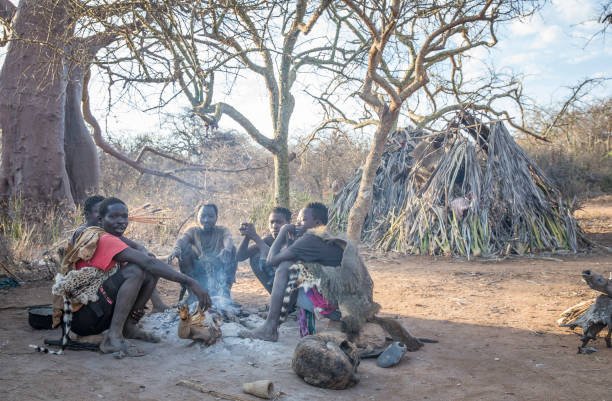
Hadzabe Chaba Lifestyle And His Wife From Arusha 2027-2028
Discover the authentic Hadzabe Chaba lifestyle and the role of their wives, with insights from Top Guide Adventures. Understand their unique hunter-gatherer culture, traditions, and daily...
View package detailsHadzabe Tribe Day Trip Cost From Moshi/Zanzibar 2026-2027
Hadzabe tribe Day trip cost from Moshi/Zanzibar is explained with current 2026-2027 planning, price, itinerary and booking information.
View package detailsHadzabe Tribe Day Trip Cost: 1 Day Tour Price 2026-2027
Planning a day trip to experience the authentic culture of the Hadzabe tribe? This guide breaks down the expected costs for 2026-2027, detailing what influences the price and what you can...
View package detailsNo related package matches those filters. Clear one or more filters to see the other topic-matched options.
Plan your Tanzania Coffee Tour Guide with Top Guide Adventures
Tell us your travel dates, group size, comfort level, and dream experience. We will help you shape a clear, realistic, and memorable Tanzania itinerary.



