
Updated planning guide for 2026-2027
Tanzania As A Gateway To Africa: Complete Guide 2026-2027
Explore Tanzania's role as Africa's premier gateway. This guide covers everything you need for an unforgettable adventure in 2026-2027, from iconic wildlife parks and Kilimanjaro treks to tropical Zanzibar beaches.
WhatsApp +255616946642 | topguideadventures@gmail.com | info@topguideadventures.com
Tanzania as a Gateway to Africa: Your Complete 2026-2027 Planning Guide
When considering a journey to the African continent, many travelers find themselves drawn to the unparalleled experiences offered by Tanzania. It’s more than just a destination; Tanzania serves as a pivotal gateway to Africa, providing accessible and profound introductions to diverse landscapes, incredible wildlife, vibrant cultures, and adventurous pursuits. For those planning a trip in 2026 or 2027, understanding why Tanzania holds this special position is key to crafting a truly memorable expedition.
This comprehensive guide is designed to help you navigate the possibilities, from the vast plains of the Serengeti and the majestic peak of Kilimanjaro to the spice-scented shores of Zanzibar. We will cover essential planning aspects, what to expect on the ground, and how to make the most of your Tanzanian adventure, positioning it as your ideal starting point for exploring the wonders of East Africa and beyond.
Quick Overview: Why Tanzania?
| Aspect | Details |
|---|---|
| Primary Appeal | World-class safaris, Kilimanjaro trekking, Zanzibar beaches, rich cultural experiences. |
| Geographic Position | Strategically located in East Africa, with major international airports. |
| Accessibility | Well-developed tourism infrastructure, making it easy to navigate for first-time African travelers. |
| Diversity | Offers a wide spectrum of experiences: wildlife, adventure, relaxation, culture. |
| Gateway Potential | Excellent base for onward travel to neighboring countries like Kenya, Rwanda, Uganda, or even further afield. |
Table of Contents
- Why Tanzania is a Gateway to Africa
- Key Tanzanian Experiences for 2026-2027 Travelers
- Planning Your Tanzania Trip: A Step-by-Step Approach
- Best Time to Visit Tanzania
- Sample Itineraries & Routes
- What to Expect on the Ground
- Packing and Preparation Essentials
- Common Mistakes to Avoid
- Who is Tanzania Best For?
- Alternatives to Tanzania (If You’re Considering Other African Destinations)
- 2026-2027 Planning Considerations
- Booking Your Tanzanian Adventure
- Frequently Asked Questions (FAQs)
Why Tanzania Stands Out as a Gateway to Africa
Tanzania’s reputation as a premier African destination is well-earned, and its role as a gateway is multifaceted. It offers a relatively smooth entry point for travelers who might be new to the continent, providing a rich yet manageable introduction to African travel.
Infrastructure and Accessibility
Compared to many other African nations, Tanzania boasts a more established tourism infrastructure. Major international airports in Kilimanjaro (JRO) and Zanzibar (ZNZ), along with Dar es Salaam (DAR), connect it to global hubs. Within the country, a network of airstrips allows for efficient travel between key parks and islands, minimizing long overland journeys and maximizing your time experiencing the destination.
Diversity of Experiences
Tanzania offers an incredible spectrum of natural and cultural attractions that represent the best of what Africa has to offer. This concentration of diverse experiences means travelers can get a comprehensive taste of the continent without needing to undertake multiple complex trips. You can witness the Great Migration, stand on the roof of Africa, relax on pristine beaches, and engage with ancient cultures – all within one country.
Safety and Stability
Tanzania is generally considered one of the safer and more politically stable countries in East Africa. This stability provides peace of mind for travelers, especially those venturing to Africa for the first time. While standard travel precautions are always advised, the country’s welcoming atmosphere and well-managed tourism sector contribute to a secure environment.
Introduction to Wildlife Encounters
The Serengeti, Ngorongoro Crater, Tarangire, and Lake Manyara are iconic safari destinations. They offer some of the highest densities of wildlife on Earth and are renowned for excellent game viewing. For many, a Tanzanian safari is their first immersive wildlife experience, setting a high bar for future adventures and providing a deep appreciation for conservation efforts.
Cultural Richness
Beyond the wildlife, Tanzania is home to diverse ethnic groups, including the Maasai, Hadzabe, and Datoga. Opportunities to visit villages, learn about traditional ways of life, and understand local customs offer a profound cultural dimension that enriches the travel experience and provides a glimpse into the human side of Africa.
Key Tanzanian Experiences for 2026-2027 Travelers
When you choose Tanzania as your African gateway, you are choosing a country that excels in delivering iconic experiences. These are the cornerstones of a Tanzanian adventure and are highly recommended for travelers in 2026 and 2027.
The Northern Circuit Safari
This is the classic Tanzanian safari route and arguably the most famous in Africa. It includes:
- Serengeti National Park: Famous for the Great Migration, vast plains, and abundant predators. It’s an essential stop for witnessing large-scale wildlife movements.
- Ngorongoro Conservation Area: Home to the Ngorongoro Crater, a UNESCO World Heritage Site. This caldera offers an incredible concentration of wildlife, including the Big Five, in a unique, contained ecosystem.
- Tarangire National Park: Known for its large elephant herds and baobab trees, especially stunning during the dry season.
- Lake Manyara National Park: Famous for its tree-climbing lions, diverse birdlife, and scenic lake setting.
Mount Kilimanjaro Trekking
For the adventurous, Kilimanjaro, Africa’s highest peak, is a bucket-list challenge. Several routes cater to different fitness levels and time constraints, offering a rewarding mountaineering experience. Popular routes include Marangu, Machame, Lemosho, and Shira. Trekking Kilimanjaro is a significant achievement and a profound way to connect with the African landscape.
Zanzibar Archipelago Holidays
A stark contrast to the safari plains, Zanzibar offers a tropical paradise. Its main island, Unguja, is known for:
- Stone Town: A UNESCO World Heritage Site, brimming with history, narrow alleyways, vibrant markets, and unique architecture reflecting Arab, Persian, Indian, and European influences.
- Spice Tours: Discover the island’s history as a spice trading hub, with tours showcasing cinnamon, cloves, nutmeg, vanilla, and more.
- Pristine Beaches: From Nungwi and Kendwa in the north to Paje and Jambiani in the southeast, white-sand beaches and turquoise waters offer relaxation, snorkeling, diving, and watersports.
- Prison Island: Famous for its giant tortoises and snorkeling opportunities.
Cultural Immersion
Tanzania’s cultural diversity is a significant draw. Engaging with local communities provides a deeper understanding of the country:
- Maasai Village Visits: Learn about the traditional nomadic lifestyle, customs, and social structures of the iconic Maasai people.
- Hadzabe Bushmen: Experience the ancient hunting and gathering traditions of one of Africa’s last hunter-gatherer tribes.
- Local Markets: Explore bustling markets in Arusha, Moshi, or Stone Town to witness daily life and find local crafts.
Planning Your Tanzania Trip: A Step-by-Step Approach
Successful travel planning is crucial for a smooth and enjoyable experience. Here’s a practical approach to organizing your Tanzanian adventure for 2026-2027.
Your Tanzania Planning Checklist
- Define Your Interests: Safari, Kilimanjaro, Zanzibar, culture, or a combination?
- Set Your Budget: Tanzania can cater to various budgets, but safaris and Kilimanjaro treks are significant investments.
- Choose Your Travel Dates: Consider seasonality for wildlife viewing and weather.
- Determine Trip Duration: A minimum of 7-10 days for a focused trip, 2-3 weeks for a comprehensive experience.
- Select Key Destinations: Northern Circuit, Southern Circuit, Zanzibar, Kilimanjaro.
- Research Tour Operators: Look for reputable companies with good reviews and local knowledge.
- Book Flights: International flights to JRO, DAR, or ZNZ.
- Arrange Visas: Check requirements for your nationality.
- Health Precautions: Consult your doctor about vaccinations and malaria prophylaxis.
- Travel Insurance: Essential for medical emergencies, trip cancellations, and lost luggage.
- Pack Appropriately: Layers, neutral colors for safari, sturdy boots for Kilimanjaro.
- Currency: Tanzanian Shilling (TZS) for local purchases, USD often accepted for tours and park fees.
- Communication: Consider a local SIM card or international roaming.
Step 1: Define Your Travel Style and Interests
Are you a wildlife enthusiast eager to witness the Great Migration? A seasoned trekker aiming for the summit of Kilimanjaro? A beach lover seeking relaxation on Zanzibar’s shores? Or perhaps a cultural explorer wanting to connect with local communities? Your primary interests will shape your itinerary, the destinations you visit, and the activities you prioritize. For 2026-2027 trips, early decisions on these core interests are vital.
Step 2: Determine Your Budget
Tanzania offers a range of experiences, from budget-friendly camping safaris to luxurious lodge stays. However, popular activities like safaris and Kilimanjaro treks involve significant costs due to park fees, guiding, transport, and accommodation. Be realistic about your budget. A mid-range safari for 7-10 days can range from $3,000 to $6,000+ per person, excluding international flights. Kilimanjaro climbs add another $2,000-$4,000+ depending on the route and operator. Zanzibar can be more flexible, with options from budget guesthouses to high-end resorts.
Step 3: Choose Your Travel Dates and Duration
The best time to visit Tanzania depends on what you want to see and do. For safaris, the dry season (June to October) is ideal for wildlife viewing, especially the migration. The green season (November to May) offers lush landscapes, fewer crowds, and lower prices, though some roads can be challenging. For Kilimanjaro, the dry months of January-March and June-October are best. Zanzibar enjoys warm weather year-round, but April and May are the wettest months.
For a comprehensive experience, plan for at least 10-14 days. A typical safari might take 5-7 days, a Kilimanjaro trek 5-9 days, and a Zanzibar stay 3-5 days. Combining these requires more time.
Step 4: Select Your Destinations and Itinerary
Based on your interests and duration, select your key destinations. The Northern Circuit is the most popular for first-time visitors. If time is limited, focus on Serengeti and Ngorongoro. For a longer trip, consider adding Tarangire or Lake Manyara, or exploring the less-visited Southern Circuit (Selous/Nyerere National Park, Ruaha). Combining safari with Kilimanjaro or Zanzibar is common.
Step 5: Research and Choose a Reputable Tour Operator
This is a critical step. A good local tour operator will handle logistics, permits, guides, and accommodation, ensuring a smooth and authentic experience. Look for operators with:
- Excellent online reviews and testimonials.
- Clear communication and responsiveness.
- Experienced, certified guides.
- A commitment to responsible tourism and community engagement.
- Local knowledge and expertise (like us at Best Tanzania Tour Operator!).
Contacting several operators, asking detailed questions, and comparing proposals will help you find the best fit for your needs and budget for your 2026-2027 trip.
Step 6: Book Flights and Accommodation
Once your itinerary is set, book international flights. Kilimanjaro International Airport (JRO) is the primary gateway for the Northern Circuit and Kilimanjaro. Zanzibar Airport (ZNZ) serves the islands. Internal flights or overland transport will be arranged by your tour operator.
Step 7: Handle Visas and Health Requirements
Check visa requirements for your nationality well in advance. Many nationalities can obtain a visa on arrival or apply online. Consult your doctor or a travel clinic 4-6 weeks before your departure regarding necessary vaccinations (e.g., Yellow Fever if arriving from an endemic country) and malaria prevention.
Step 8: Arrange Travel Insurance
Comprehensive travel insurance is non-negotiable. Ensure it covers medical emergencies, evacuation (especially important for Kilimanjaro treks), trip cancellation, and lost baggage.
Best Time to Visit Tanzania
Tanzania’s climate varies across its diverse regions, but generally, the country experiences two main seasons: the dry season and the rainy season. The best time to visit depends heavily on your priorities.
| Period | Weather | Wildlife Viewing | Activities | Crowds & Prices |
|---|---|---|---|---|
| June – October (Dry Season) | Cooler temperatures, low humidity, sunny days. Ideal for game drives and trekking. | Excellent. Animals congregate around water sources. Best for witnessing the Great Migration in the Serengeti. | Safari, Kilimanjaro trekking (clear skies). | Peak season. Higher prices, more crowds. |
| November – May (Rainy Season) | Hot and humid, with short rains (Nov-Dec) and long rains (Mar-May). Green landscapes. | Good, especially in the early part. Newborn animals appear. Birdwatching is excellent. Some parks may be less accessible. | Safari (cheaper, fewer crowds), Zanzibar (can be humid, occasional downpours). | Low season. Lower prices, fewer tourists. |
| Short Rains (Nov – Dec) | Warm, with afternoon showers. | Good, especially in the south and west. Migration moves south. | Safari. | Shoulder season, moderate prices. |
| Long Rains (Mar – May) | Heavy rainfall, can be overcast. Roads can become impassable. | Challenging, especially in certain areas. Many lodges close. | Not ideal for safari or trekking. Zanzibar can be very humid and rainy. | Low season, lowest prices. |
Specifics for 2026-2027 Travel
When planning for 2026-2027, keep these timings in mind:
- Great Migration Viewing: For the bulk of the year, the migration is in specific areas. January-March is calving season in the southern Serengeti. May-July sees the herds moving north and crossing rivers. August-October is prime time for river crossings in the northern Serengeti.
- Kilimanjaro: January-March and June-October offer the clearest weather for summit attempts.
- Zanzibar: The driest and least humid months are generally June to October and January to February.
Sample Itineraries & Routes
These sample itineraries are designed to showcase how Tanzania can serve as your gateway, offering a taste of its diverse offerings. They can be customized to fit your interests, budget, and timeframe for 2026-2027.
Sample Itinerary 1: Classic Northern Circuit Safari (7 Days)
This is a perfect introduction for first-time visitors and highlights the best of the Northern Circuit.
Day 1: Arrival in Arusha
Arrive at Kilimanjaro International Airport (JRO), transfer to your lodge in Arusha. Briefing with your guide.
Day 2: Arusha to Tarangire National Park
Morning drive to Tarangire, known for its large elephant herds and baobab trees. Game drive.
Day 3: Tarangire to Serengeti National Park
Continue to the vast Serengeti plains. Afternoon game drive. Option for a hot air balloon safari at sunrise.
Day 4: Serengeti National Park
Full day exploring Serengeti, searching for predators and diverse wildlife. Focus on areas where the migration might be.
Day 5: Serengeti to Ngorongoro Conservation Area
Morning game drive in Serengeti, then drive to the Ngorongoro Crater rim. Overnight lodge with crater views.
Day 6: Ngorongoro Crater Tour & Drive to Lake Manyara
Descend into the Ngorongoro Crater for a game drive. In the afternoon, drive to Lake Manyara National Park for a brief game drive.
Day 7: Lake Manyara to Arusha & Departure
Morning activity (e.g., cultural visit or short game drive) before driving back to Arusha for your onward flight or transfer.
Sample Itinerary 2: Kilimanjaro Climb (Machame Route – 7 Days)
A popular and scenic route for reaching Uhuru Peak.
Day 1: Machame Gate to Machame Camp
Drive to Machame Gate, begin trek through rainforest to Machame Camp.
Day 2: Machame Camp to Shira Camp
Trek across moorland to Shira Plateau. Camp at Shira Camp.
Day 3: Shira Camp to Barranco Camp
Ascend to Lava Tower, then descend to Barranco Camp. Acclimatization day.
Day 4: Barranco Camp to Karanga Camp
Climb the Barranco Wall, then trek to Karanga Camp.
Day 5: Karanga Camp to Barafu Camp
Trek through alpine desert to Barafu Camp, the base for the summit push.
Day 6: Summit Day – Barafu Camp to Uhuru Peak and Descent to Mweka Camp
Early morning summit attempt to Uhuru Peak. Descend past Barafu Camp to Mweka Camp.
Day 7: Mweka Camp to Machame Gate & Departure
Trek down through the forest to Machame Gate. Transfer to Arusha.
Sample Itinerary 3: Zanzibar Relaxation & Culture (5 Days)
A blend of history, culture, and beach bliss.
Day 1: Arrival in Stone Town
Arrive at Zanzibar Airport (ZNZ), transfer to your hotel in Stone Town. Explore the historic alleys.
Day 2: Stone Town Exploration & Spice Tour
Morning guided tour of Stone Town. Afternoon spice tour to learn about local plantations.
Day 3: Stone Town to Northern Beaches (Nungwi/Kendwa)
Transfer to the northern coast for white-sand beaches, swimming, and snorkeling.
Day 4: Beach Relaxation & Watersports
Enjoy the beaches, optional activities like diving, dhow cruises, or visiting Mnemba Atoll.
Day 5: Departure
Morning at leisure before transfer to Zanzibar Airport (ZNZ) for your departure.
Sample Itinerary 4: Tanzania Gateway Combo (14 Days)
A comprehensive introduction combining safari, Kilimanjaro, and Zanzibar.
Days 1-2: Arrival & Arusha
Arrive JRO, transfer to Arusha. Prepare for Kilimanjaro. Rest and briefing.
Days 3-9: Kilimanjaro Trek (e.g., Machame Route – 7 Days)
Complete your Kilimanjaro climb and descend. Transfer back to Arusha for rest.
Days 10-12: Northern Circuit Safari (e.g., Serengeti & Ngorongoro – 3 Days)
Fly or drive to Serengeti for safari, then Ngorongoro Crater. Stay in lodges/camps.
Days 13-14: Zanzibar & Departure
Fly from Arusha/JRO to Zanzibar. Enjoy a day in Stone Town or relax on the beach. Depart from ZNZ.
What to Expect on the Ground
Understanding the realities of travel in Tanzania will help set your expectations for 2026-2027.
Safari Experiences
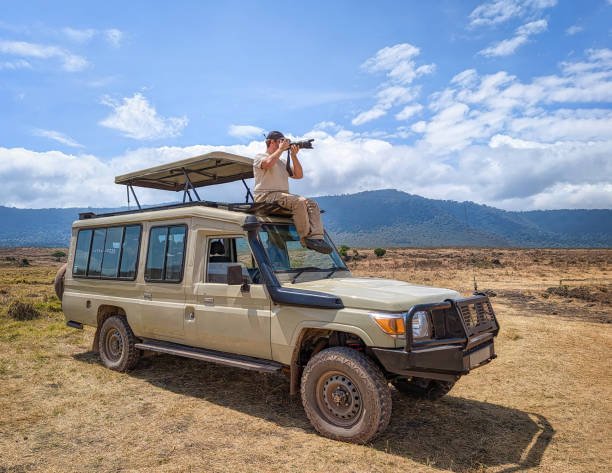
Game Drives: Expect early morning and late afternoon drives for the best wildlife activity. Your safari vehicle will typically be a 4×4 Land Cruiser with a pop-up roof for excellent viewing. Guides are trained to spot animals and understand their behavior. Patience is key; wildlife sightings are not guaranteed.
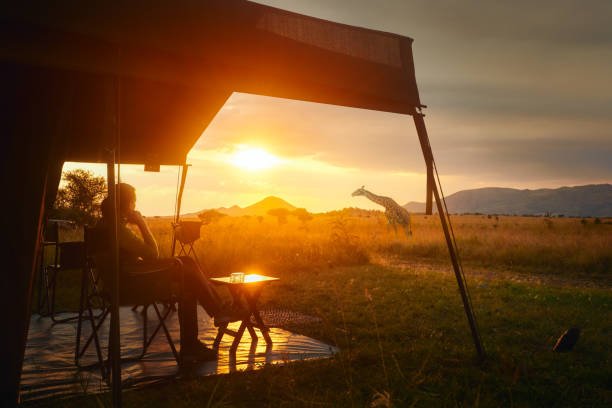
Accommodation: Options range from basic tented camps to luxurious lodges. Tented camps can be permanent structures with en-suite bathrooms or more basic fly camps. Lodges offer hotel-style amenities.
Park Fees: These are significant and contribute to conservation. They are usually included in tour operator packages.
Kilimanjaro Treks
The Climb: It’s a challenging physical and mental undertaking. Altitude sickness is a real risk. Acclimatization is critical. You’ll be accompanied by a team of guides, cooks, and porters.
Camping: Most routes involve camping at designated sites. Tents, sleeping bags, and mats are usually provided or can be rented. Meals are prepared by your crew.
Weather: Conditions change rapidly with altitude, from tropical rainforest at the base to arctic conditions at the summit. Be prepared for all extremes.
Zanzibar Holidays
Stone Town: Expect a bustling, historic town with narrow, winding streets. It’s a UNESCO site, so exploration is rewarding. Be mindful of local customs, especially regarding dress code.
Beaches: The beaches are stunning, with white sand and clear turquoise waters. Tides can be significant, especially on the east coast, affecting swimming opportunities.
Culture: Zanzibar has a strong Muslim culture. Dress modestly when visiting towns or villages. Alcohol is available in tourist hotels and resorts but should be consumed discreetly elsewhere.
General Considerations
Pace: Tanzania travel can involve long drives. Internal flights between locations are a great way to save time and enjoy scenic aerial views.
Connectivity: Wi-Fi is available in most lodges and hotels, but can be slow or unreliable, especially in remote areas. Consider a local SIM card for better data access.
Power: Power outages can occur. It’s wise to bring a portable power bank.
Packing and Preparation Essentials
Proper packing is essential for comfort and safety, especially when traveling between diverse environments like safari, mountains, and beaches. Here’s a guide for your 2026-2027 trip.
Safari Packing List
- Clothing: Lightweight, neutral-colored clothing (khaki, beige, green, brown) to blend in. Avoid bright colors and dark blue/black which can attract insects. Include long-sleeved shirts and trousers for sun and insect protection. A fleece or warm jacket for cool mornings/evenings.
- Footwear: Comfortable walking shoes or hiking boots. Sandals or flip-flops for relaxing.
- Sun Protection: Wide-brimmed hat, sunglasses, high SPF sunscreen.
- Insect Repellent: With DEET.
- Camera & Binoculars: Essential for wildlife viewing. Extra batteries and memory cards.
- Adapter: For charging electronics (Type G, UK style, is common).
- Personal Items: Small backpack for day trips, reusable water bottle, personal toiletries, basic first-aid kit.
Kilimanjaro Packing List
- Layered Clothing: Crucial for temperature changes. Base layers (thermals), mid-layers (fleece), outer layer (waterproof and windproof jacket and trousers).
- Footwear: Broken-in hiking boots, comfortable socks (wool or synthetic), camp shoes/sandals.
- Headwear: Warm hat, sun hat, balaclava or buff for summit night.
- Gloves: Waterproof outer gloves and warm liner gloves.
- Sleeping Bag: Rated for sub-zero temperatures.
- Trekking Poles: Highly recommended for stability and reducing knee strain.
- Headlamp: With extra batteries for summit night and camp.
- Water Bottles/Hydration System: Insulated to prevent freezing.
- Sun Protection: High SPF sunscreen, lip balm, sunglasses.
Zanzibar Packing List
- Lightweight Clothing: Cotton or linen clothing, t-shirts, shorts, skirts, sundresses.
- Swimwear: Essential for beach and pool time.
- Modest Attire: For visiting Stone Town or local villages (cover shoulders and knees). A sarong is useful.
- Footwear: Sandals, flip-flops, comfortable walking shoes for Stone Town.
- Sun Protection: Hat, sunglasses, high SPF sunscreen.
- Insect Repellent: Especially for evenings.
- Snorkel Gear: If you prefer your own.
Common Mistakes to Avoid
To ensure your Tanzanian adventure in 2026-2027 is as smooth as possible, be aware of these common pitfalls:
- Underestimating Travel Times: Tanzania is large, and distances between parks can be significant. Overland travel can take many hours. Factor this into your itinerary or opt for internal flights.
- Ignoring Altitude Sickness: On Kilimanjaro, rushing the ascent is dangerous. Listen to your guides, ascend slowly, and stay hydrated.
- Packing Inappropriately: Bringing the wrong clothing can make your trip uncomfortable. Stick to neutral colors for safari, layers for Kilimanjaro, and respectful attire for Zanzibar.
- Not Booking in Advance: Especially for peak season travel (June-October) or popular Kilimanjaro climbs, booking well in advance (6-12 months) is crucial for 2026-2027.
- Over-scheduling: Trying to cram too much into a short period leads to exhaustion and a rushed experience. Allow for downtime and spontaneous moments.
- Not Budgeting for Extras: Park fees, tips, drinks, souvenirs, and optional activities add up. Factor these into your overall budget.
- Ignoring Health Advice: Not consulting a doctor about vaccinations or malaria prevention can lead to serious health issues.
- Being Inflexible: Wildlife sightings are unpredictable. Embrace the journey and be open to what the day brings.
- Not Using a Reputable Tour Operator: While DIY travel is possible, for a first-time gateway experience, a reliable operator is invaluable for logistics, safety, and authenticity.
Who is Tanzania Best For?
Tanzania’s diverse offerings make it suitable for a wide range of travelers:
- First-time African Travelers: Its well-developed infrastructure, safety, and iconic experiences make it an excellent introduction to the continent.
- Wildlife Enthusiasts: The sheer abundance and variety of animals in its national parks are unparalleled.
- Adventure Seekers: Kilimanjaro trekking, whitewater rafting on the Rufiji River, and diving in Zanzibar offer adrenaline rushes.
- Nature Lovers: From the plains and mountains to the coast, Tanzania’s natural beauty is breathtaking.
- Culture Buffs: Engaging with the Maasai, Hadzabe, and exploring Stone Town’s history offers rich cultural insights.
- Honeymooners: Combining safari with a luxurious Zanzibar escape is a classic romantic getaway.
- Families: Safaris can be tailored for families, offering educational and exciting experiences for all ages.
Alternatives to Tanzania (If You’re Considering Other African Destinations)
While Tanzania is an exceptional gateway, other East and Southern African countries offer unique experiences. If you’re comparing options for your 2026-2027 travel plans, consider:
- Kenya: Offers similar safari experiences, particularly the Masai Mara’s wildebeest migration. Known for its diverse landscapes and rich Maasai culture. Often paired with Tanzania.
- Uganda/Rwanda: Primarily known for gorilla trekking in Bwindi Impenetrable National Park (Uganda) and Volcanoes National Park (Rwanda). Also offers chimpanzee tracking and savanna safaris.
- Botswana: Offers a more exclusive, high-end safari experience, particularly in the Okavango Delta and Chobe National Park. Known for its pristine wilderness and low-impact tourism model.
- South Africa: Offers a wide range of experiences, including world-class safaris (Kruger National Park), vibrant cities, wine regions, and stunning coastlines. More developed infrastructure and easier self-drive options.
- Namibia: Famous for its dramatic desert landscapes (Sossusvlei), unique wildlife in Etosha National Park, and stunning coastal scenery.
Tanzania’s strength as a gateway lies in its combination of iconic wildlife, accessible adventure, and cultural depth, often more concentrated than in some other countries, making it ideal for a first-time African journey.
2026-2027 Planning Considerations
Planning ahead is more important than ever for 2026-2027 travel. Here are specific points to consider:
- Book Early for Peak Seasons: Popular lodges, safari vehicles, and Kilimanjaro permits for 2026-2027 will be in high demand for the June-October period. Aim to book 9-12 months in advance.
- Flexibility with Dates: If your dates are flexible, you might find better availability and potentially lower prices during shoulder seasons (e.g., November, March-April).
- Visa Applications: Check the latest visa requirements for Tanzania. Online applications are becoming more common and can save time.
- Health Protocols: Stay updated on any health advisories or vaccination recommendations from official sources closer to your travel dates.
- Sustainable Tourism: Consider operators committed to eco-friendly practices and community support. This is a growing trend for 2026-2027 travelers.
- Currency Exchange Rates: Monitor exchange rates for the Tanzanian Shilling (TZS) and the US Dollar (USD), which is widely used for tourist services.
- Connectivity and Digital Nomadism: If you plan to work remotely, research areas with reliable internet. While possible, it requires careful planning.
Booking Your Tanzanian Adventure
Choosing the right operator is key to a successful trip. We specialize in crafting bespoke Tanzanian experiences, ensuring you get the most out of your journey as a gateway to Africa.
Why Book with Us?
- Local Expertise: We are based in Tanzania, giving us unparalleled insight into the best parks, lodges, guides, and cultural experiences.
- Customization: We tailor every itinerary to your specific interests, budget, and travel style, whether it’s a family safari, a challenging Kilimanjaro ascent, or a relaxing Zanzibar holiday.
- Quality & Value: We partner with reputable lodges and camps and use well-maintained safari vehicles to ensure comfort and safety without compromising on the authentic experience.
- Responsible Tourism: We are committed to sustainable practices that benefit local communities and wildlife conservation.
- 24/7 Support: Our team is available to assist you before, during, and after your trip.
How to Book
Getting started is simple:
- Contact Us: Reach out via WhatsApp, email, or our website to discuss your dream trip.
- Consultation: We’ll have a detailed discussion about your interests, budget, and desired dates for 2026-2027.
- Itinerary Proposal: We will create a personalized itinerary for your review.
- Refinement: We’ll make any necessary adjustments to the itinerary until it’s perfect for you.
- Confirmation & Deposit: Once you approve, we’ll require a deposit to secure your bookings.
- Final Payment & Pre-departure Information: We’ll provide all necessary details and finalize payment closer to your travel date.
Let us help you make Tanzania as a Gateway to Africa a reality. Contact us today to start planning your unforgettable adventure!
WhatsApp: +255616946642
Email: topguideadventures@gmail.com
Backup Email: info@topguideadventures.com
Frequently Asked Questions (FAQs)
What is the best way to experience Tanzania as a gateway to Africa for the first time?
For first-time visitors, combining a classic Northern Circuit safari (Serengeti, Ngorongoro) with a few days on Zanzibar offers a diverse and iconic introduction to Tanzania and Africa. This combination provides world-class wildlife viewing and tropical relaxation, showcasing the country’s appeal.
Is Tanzania safe for solo female travelers in 2026-2027?
Tanzania is generally safe for solo female travelers, especially when traveling with reputable tour operators and staying in tourist-designated areas. It’s advisable to dress modestly, be aware of your surroundings, and avoid walking alone at night in unfamiliar areas. Most tourists have very positive and safe experiences.
How much should I budget for a 10-day safari in Tanzania in 2027?
A 10-day mid-range safari in Tanzania typically costs between $4,000 and $7,000 per person, excluding international flights. This includes park fees, accommodation, meals, and a safari vehicle/guide. Luxury options will be higher, and budget camping safaris will be lower.
Do I need a visa to enter Tanzania?
Most foreign nationals require a visa for Tanzania. This can often be obtained upon arrival at the airport, through an e-visa application online before your trip, or at a Tanzanian embassy. It’s best to check the latest requirements for your specific nationality well in advance of your 2026-2027 travel dates.
What vaccinations are recommended for Tanzania?
Consult your doctor or a travel clinic 4-6 weeks before departure. Common recommendations include Hepatitis A, Typhoid, and potentially Yellow Fever (especially if arriving from a country where it is endemic). Malaria prophylaxis is usually recommended for most areas.
Can I combine Tanzania with other African countries on my trip?
Yes, Tanzania is an excellent gateway for onward travel. Many travelers combine it with safaris in Kenya, or gorilla trekking in Uganda or Rwanda. Flights are available from Kilimanjaro or Dar es Salaam to regional hubs.
What is the best way to book a Kilimanjaro climb?
It is highly recommended to book a Kilimanjaro climb with a reputable and experienced tour operator. They will arrange permits, guides, porters, food, and camping equipment, and ensure your safety and success. Booking with a local, established company is often best for value and support.
What currency is used in Tanzania?
The official currency is the Tanzanian Shilling (TZS). However, US Dollars are widely accepted for tourist services, park fees, and often in hotels and lodges. It’s useful to have some Shillings for smaller purchases in local markets or smaller towns.
How important are tips for guides and staff in Tanzania?
Tipping is customary and greatly appreciated for safari guides, drivers, and Kilimanjaro crew members. Tour operators usually provide guidelines on recommended tipping amounts, which are typically factored into the overall trip budget.
What are the main differences between the Northern and Southern Circuit safaris?
The Northern Circuit (Serengeti, Ngorongoro, etc.) is more popular, accessible, and offers the Great Migration. The Southern Circuit (Nyerere/Selous, Ruaha) is less crowded, more wild, and offers different landscapes and experiences, often boat safaris and walking safaris.
Ready to explore Tanzania as a gateway to Africa? Let us help you craft the perfect itinerary for your 2026-2027 adventure. Contact our expert team today!
WhatsApp: +255616946642
Email: topguideadventures@gmail.com
Backup Email: info@topguideadventures.com
Plan your Tanzania as a Gateway to Africa with Top Guide Adventures
Tell us your travel dates, group size, comfort level, and dream experience. We will help you shape a clear, realistic, and memorable Tanzania itinerary.



