
Updated planning guide for 2026-2027
South Sudan & Complete Guide 2026-2027
Planning a trip to South Sudan and Sudan presents a unique opportunity to explore regions rich in history, culture, and challenging landscapes. This comprehensive guide provides essential information for travelers considering these destinations in 2026-2027.
WhatsApp +255616946642 | topguideadventures@gmail.com | info@topguideadventures.com
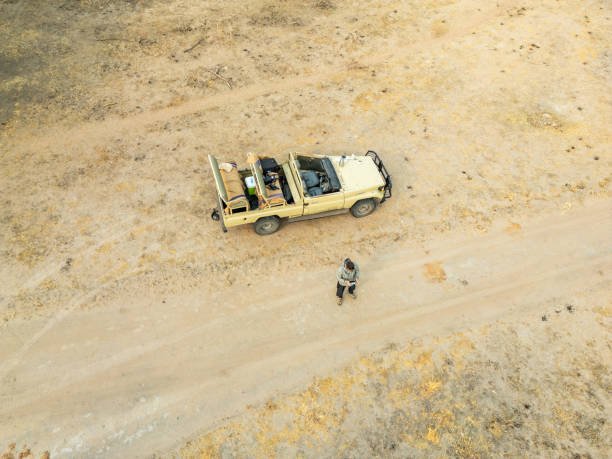
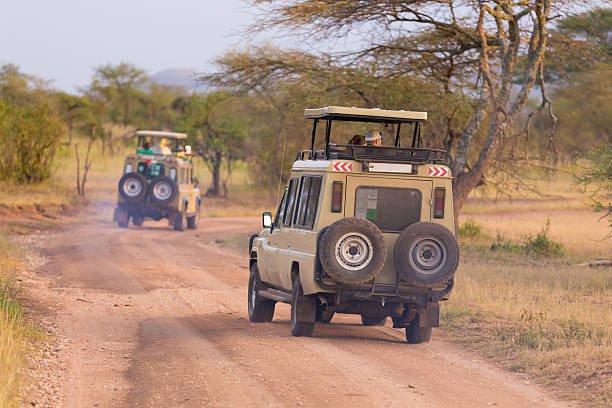
South Sudan & Sudan: Essential Travel Guide
For the truly intrepid traveler, the prospect of visiting South Sudan and Sudan offers an unparalleled opportunity to witness regions undergoing significant historical transitions and to engage with ancient cultures. These nations, though often overlooked and presenting considerable challenges, hold immense appeal for those seeking experiences far from the typical tourist trail. This guide aims to provide a thorough overview for anyone contemplating a journey to South Sudan and Sudan, with practical considerations for planning your trip, particularly looking towards 2026-2027.
Quick Answer: Is South Sudan & Sudan for You?
South Sudan and Sudan are destinations for experienced, resilient travelers focused on cultural immersion, historical exploration, and humanitarian interest. They are not suitable for casual tourists seeking conventional comforts or easy access. Significant planning, flexibility, and a high tolerance for logistical hurdles are essential. For those who fit this profile, the rewards can be profound.
Table of Contents
- Quick Facts: South Sudan & Sudan
- Understanding South Sudan & Sudan
- Why Consider South Sudan & Sudan?
- Best Time to Visit South Sudan & Sudan
- Key Regions & Travel Flow
- Sample Itinerary Logic
- What to Expect on the Ground
- Preparation & Packing Essentials
- Common Mistakes to Avoid
- Who is South Sudan & Sudan Best For?
- Alternative Destinations
- Planning Your Trip for 2026-2027
- Booking Your South Sudan & Sudan Adventure
- Frequently Asked Questions
Quick Facts: South Sudan & Sudan
| Feature | South Sudan | Sudan |
|---|---|---|
| Capital | Juba | Khartoum |
| Language | English, Arabic (official); many local languages | Arabic, English (widely spoken) |
| Currency | South Sudanese Pound (SSP) | Sudanese Pound (SDG) |
| Visa Requirements | Required for most nationalities; complex process | Required for most nationalities; complex process |
| Infrastructure | Very basic, roads often impassable | Developing, some paved roads, but variable |
| Safety Considerations | High; consult government advisories. Political instability, crime. | High; consult government advisories. Political instability, crime, ongoing conflict in certain regions. |
| Primary Attractions | Nuer and Dinka tribal cultures, wildlife (limited), White Nile River | Ancient Nubian pyramids, Red Sea coast, Khartoum cultural sites, remote tribes (e.g., Mursi in border regions, though access is difficult) |
Understanding South Sudan & Sudan
South Sudan, the world’s youngest nation, gained independence in 2011 but has since faced significant internal conflict and humanitarian crises. Its vast, often underdeveloped landscape is home to diverse ethnic groups, each with unique traditions and ways of life. Travel here is largely confined to the capital, Juba, and requires extensive logistical planning, often involving local fixers and a high degree of flexibility. The focus for visitors is typically on understanding the social fabric and the resilience of its people.
Sudan, a nation with a history stretching back millennia, boasts an incredible wealth of ancient archaeological sites, including the famous Nubian pyramids of Meroë. It has also experienced periods of political upheaval and conflict, particularly in regions like Darfur. Khartoum, the capital, serves as a cultural and administrative hub, offering insights into Sudanese life. The country’s geography ranges from desert to fertile river valleys and a coastline on the Red Sea. While certain areas are off-limits or dangerous, other parts of Sudan can be explored with careful preparation and an understanding of the current security situation.
Why Consider South Sudan & Sudan?
The primary draw for visiting South Sudan and Sudan is not conventional tourism. Instead, it appeals to a specific type of traveler:
- Deep Cultural Immersion: Witnessing the daily lives and traditions of communities that have remained largely untouched by mass tourism. This includes understanding the intricate social structures, traditional ceremonies, and nomadic lifestyles.
- Historical Significance: Sudan, in particular, is a treasure trove of ancient history, with sites rivaling those in Egypt. The pyramids of Meroë, the temples of Naqa and Musawarat es-Sufra, offer a glimpse into the powerful Kushite kingdom.
- Humanitarian Interest: For those with a background or interest in development, anthropology, or humanitarian work, these countries offer a raw, unfiltered view of contemporary challenges and human resilience.
- Off-the-Beaten-Path Adventure: For travelers who have explored most other continents and are seeking genuinely new and challenging experiences. The logistical complexities themselves can be part of the adventure.
- Unique Photography Opportunities: Capturing portraits of vibrant tribal people, dramatic desert landscapes, and ancient ruins offers unparalleled photographic potential.
Best Time to Visit South Sudan & Sudan
The climate in both South Sudan and Sudan is characterized by extreme heat, particularly during the summer months. The best time to travel generally aligns with the cooler, drier seasons.
| Period | South Sudan | Sudan | Notes |
|---|---|---|---|
| November to February | Cooler, dry season. Most comfortable for travel. Roads are generally in better condition. | Coolest and driest months. Ideal for exploring historical sites and Khartoum. Red Sea coast is pleasant. | Peak season for limited tourism. Best weather conditions. |
| March to May | Hot and dry. Temperatures begin to rise significantly. | Very hot and dry. Temperatures can be extreme, especially inland. | Travel is possible but can be uncomfortable due to heat. |
| June to October | Rainy season. Roads can become impassable, especially outside Juba. High humidity. | Rainy season, particularly in the south. North remains largely dry but can be very hot. Flooding can occur. | Logistical challenges increase significantly during this period. Travel may be restricted to main routes. |
For planning your trip in 2026-2027, the period from November to February is highly recommended for the most comfortable travel experience in both countries.
Key Regions & Travel Flow
Due to the challenging conditions, travel is often structured around specific, accessible areas. A typical journey might focus on one country or, for the most experienced, attempt a combination, though this is exceptionally complex.
Illustrative Travel Flow (Conceptual)
- Entry Point: Juba (South Sudan) or Khartoum (Sudan). These are the primary international airports.
- South Sudan Focus: Primarily Juba and surrounding areas. Limited excursions to specific tribal regions, which require significant pre-arrangement and security escorts. Travel outside Juba is highly restricted and dependent on road conditions and local stability. The White Nile is a potential artery for very basic boat travel.
- Sudan Focus:
- Khartoum: Capital city exploration, museums, markets.
- Meroë: Ancient Nubian pyramids. Accessible via road from Khartoum.
- Naqa & Musawarat es-Sufra: Further ancient sites, often visited as day trips or part of a longer desert circuit from Meroë.
- Port Sudan & Red Sea Coast: For diving and coastal exploration (check current safety advisories).
- Remote Tribes: Extremely difficult to access and requires specialized permits and guides. Often involves overland travel through challenging terrain.
- Inter-Country Travel: Crossing between South Sudan and Sudan overland is generally not feasible or advisable for tourists due to border complexities, security, and infrastructure. Flights between Juba and Khartoum are rare and unreliable.
Note: This is a conceptual flow. Actual travel is dictated by safety, permits, and logistical feasibility.
Sample Itinerary Logic (Focusing on Sudan for illustration)
Given the complexity, a single, fixed itinerary is difficult. However, a logical structure for a trip focusing on Sudan might look like this:
Sample Sudan Cultural & Historical Tour (10-14 Days)
- Day 1-3: Khartoum Arrival & Exploration
- Arrive at Khartoum International Airport (KRT).
- Secure initial permits and meet local guides.
- Visit the National Museum, Ethnographic Museum, and Omdurman’s souk.
- Explore the confluence of the Blue and White Nile.
- Day 4-6: Journey to Meroë & Pyramids
- Overland journey towards the ancient city of Meroë.
- Explore the vast necropolis of pyramids, temples, and palaces.
- Camp or stay in basic local accommodation near the site.
- Day 7-8: Naqa & Musawarat es-Sufra
- Day trip or overnight excursion to these significant archaeological sites, showcasing Kushite architecture.
- Experience the desert landscape.
- Day 9-11: Red Sea Coast (Optional, Check Advisories)
- Travel towards Port Sudan.
- Explore coastal towns and potentially the Red Sea for diving/snorkeling if conditions and safety permit.
- This adds significant travel time and logistical complexity.
- Day 12-14: Return to Khartoum & Departure
- Overland return to Khartoum.
- Final permit arrangements and departure.
Note: This is a high-level outline. Each day requires meticulous planning, including transport, accommodation, food, and security. For South Sudan, a trip would likely be Juba-centric with very specific, pre-arranged tribal visits if possible, requiring extensive local support.
What to Expect on the Ground
Travel in South Sudan and Sudan is vastly different from typical tourist destinations. Be prepared for:
- Basic Infrastructure: Roads can be in very poor condition, often unpaved and impassable during the rainy season. Power outages are common. Internet access is unreliable and slow.
- Logistical Challenges: Permitting is complex and can be time-consuming. Transportation is often a major hurdle, requiring sturdy vehicles and experienced drivers. Internal flights are scarce and often unreliable.
- Security Concerns: Travelers must stay informed about the current security situation, which can change rapidly. Government advisories should be followed closely. Travel to certain regions may be restricted or require official escorts.
- Cultural Sensitivity: Dress modestly, especially outside major cities and when visiting religious sites. Respect local customs and traditions. Photography of people often requires explicit permission.
- Limited Tourist Facilities: Accommodation options are basic, especially outside capitals. Restaurants are few, and food options can be repetitive.
- Language Barriers: While English is spoken in official circles and by some in tourist sectors, local languages dominate. Learning a few basic Arabic phrases can be very helpful in Sudan.
- Bureaucracy: Expect significant interaction with government officials for permits and checks. Patience and a good local facilitator are invaluable.
Preparation & Packing Essentials
Thorough preparation is key to a successful trip. Here’s what you need to consider:
Pre-Trip Checklist
- Visas: Start the visa application process well in advance. Requirements can be stringent and vary by nationality.
- Permits: Specific travel permits are often required for movement outside major cities, especially for photography or visiting certain regions. These must be arranged in advance, usually through a local contact or tour operator.
- Vaccinations & Health: Consult a travel doctor six to eight weeks before departure. Yellow Fever vaccination is mandatory. Malaria prophylaxis, typhoid, hepatitis A, and Tetanus shots are highly recommended. Carry a comprehensive first-aid kit.
- Travel Insurance: Ensure your policy covers medical evacuation, emergency medical expenses, and political evacuation. Many standard policies exclude these regions.
- Local Contact/Fixer: Essential for navigating bureaucracy, logistics, and safety. A reputable local tour operator is highly recommended.
- Currency: Carry sufficient USD in cash, in good condition (new bills, no tears or marks). ATMs are unreliable, and credit cards are rarely accepted. Exchange money at official bureaus.
- Communication: Consider purchasing local SIM cards for basic communication, but expect limited coverage. Satellite phones may be necessary for remote areas.
Packing Essentials
- Clothing: Lightweight, breathable fabrics. Long sleeves and trousers are essential for sun protection and cultural modesty. Neutral colors are best for wildlife viewing (though wildlife is limited). A light to medium-weight jacket for cooler evenings. Modest attire for women (long skirts/dresses, headscarves).
- Footwear: Comfortable, sturdy walking shoes or hiking boots. Sandals for relaxing.
- Sun Protection: Wide-brimmed hat, sunglasses, high SPF sunscreen.
- Health & Hygiene: Hand sanitizer, wet wipes, personal medications, insect repellent (with DEET), basic first-aid kit.
- Gear: Headlamp or flashlight with spare batteries, power bank, universal travel adapter, camera with extra memory cards and batteries, binoculars (optional).
- Documents: Passport copies (digital and physical), visa documents, insurance details, emergency contact list.
- Comfort Items: Earplugs, eye mask, a good book, any personal comfort items for long journeys.
Common Mistakes to Avoid
Many travelers make errors that can lead to significant difficulties. Here are common pitfalls:
- Underestimating Logistics: Assuming travel will be straightforward. Everything takes longer and requires more planning than expected.
- Ignoring Safety Advisories: Failing to check and heed government travel warnings. The security situation can change without notice.
- Not Securing Proper Permits: Attempting to travel without necessary permits can lead to detention, fines, or deportation.
- Relying on Credit Cards/ATMs: Cash is king. Ensure you have enough USD in pristine condition for the entire trip.
- Lack of Flexibility: Itineraries must be adaptable. Road closures, permit delays, or security issues can force last-minute changes.
- Cultural Insensitivity: Disregarding local customs regarding dress, photography, and social interactions can cause offense and create problems.
- Insufficient Health Preparations: Neglecting vaccinations or carrying an inadequate medical kit can have serious consequences.
- Not Using a Local Fixer/Operator: Trying to navigate these countries independently is extremely challenging and potentially dangerous. A trusted local partner is invaluable.
Who is South Sudan & Sudan Best For?
These destinations are not for everyone. They are best suited for:
- Experienced Travelers: Those who have traveled extensively in challenging destinations before and understand how to manage risks and adapt to difficult conditions.
- Anthropologists & Cultural Enthusiasts: Individuals with a deep academic or personal interest in tribal cultures, ethnography, and societal structures.
- History Buffs: Those fascinated by ancient civilizations, particularly the Kushite Kingdom in Sudan.
- Photographers: Artists seeking unique, raw, and authentic subjects, understanding the need for sensitivity and permission.
- Humanitarian Workers & Students: People with a professional or academic interest in development, conflict resolution, or post-conflict societies.
- Adventurers Seeking True Isolation: Travelers who desire experiences far removed from mass tourism and are comfortable with basic amenities and unpredictability.
Not Recommended For: First-time travelers to Africa, those seeking luxury or comfort, individuals who are easily frustrated by bureaucracy or delays, or those with significant health concerns that cannot be managed with robust medical support.
Alternative Destinations
If the extreme challenges of South Sudan and Sudan seem daunting, but you still seek unique African experiences, consider these alternatives:
- Ethiopia: Rich history, diverse tribal cultures (Omo Valley), ancient rock-hewn churches, stunning landscapes. More developed tourist infrastructure than South Sudan/Sudan.
- Chad: Offers incredible desert landscapes (Ennedi Plateau), unique rock formations, and nomadic cultures. Still challenging but generally more accessible than South Sudan.
- Eritrea: Unique colonial architecture in Asmara, Red Sea coast, ancient sites. Requires specific visa arrangements and can be bureaucratic.
- Djibouti: Unique landscapes like Lake Assal and Lake Abbe, diving opportunities, and a crossroads of cultures.
- Northern Sudan (if southern Sudan is unstable): Focus on Meroë and the Red Sea coast if access to Khartoum and other areas is problematic.
Planning Your Trip for 2026-2027
Planning a trip to South Sudan and Sudan requires significant lead time, especially for 2026-2027. Here’s a timeline and key considerations:
2026-2027 Planning Timeline
| Timeframe | Actions |
|---|---|
| 12-18 Months Prior | Initial research. Understand the risks and requirements. Identify potential local operators. Consult travel advisories. Start thinking about your specific interests (culture, history, etc.). |
| 9-12 Months Prior | Contact potential tour operators. Discuss your interests and potential dates. Get preliminary quotes and understand their capabilities. Begin preliminary visa research. |
| 6-9 Months Prior | Confirm your operator and itinerary outline. Begin visa applications. Schedule appointments with a travel doctor for vaccinations and health advice. Book international flights (flexible dates if possible). |
| 3-6 Months Prior | Finalize itinerary details and booking. Obtain necessary permits (this can take time). Purchase travel insurance. Arrange any necessary cash for the trip. |
| 1-3 Months Prior | Receive visa approvals. Confirm all local arrangements. Pack and prepare gear. Review safety protocols and emergency procedures. |
| 0-1 Month Prior | Final checks on flights and accommodations. Inform banks of your travel plans. Ensure all documents are in order. |
Key Considerations for 2026-2027:
- Political Stability: Continuously monitor the political climate in both countries. Any shifts can impact travel feasibility and safety.
- Visa Policies: Visa regulations can change. Stay updated through official embassy websites or your tour operator.
- Security Situation: This is paramount. Regions that are safe one month might be unstable the next. Be prepared for itinerary changes based on security assessments.
- Exchange Rates: While exact prices are not fixed, be aware that currency fluctuations can affect the overall cost of your trip.
Booking Your South Sudan & Sudan Adventure
Given the specialized nature and inherent risks, booking through a reputable tour operator is not just recommended; it’s essential. Attempting to arrange this trip independently is fraught with difficulties and potential dangers.
What to Look For in an Operator:
- Experience: Proven track record of operating tours in South Sudan and Sudan. Ask for references from past clients.
- Local Partnerships: Strong relationships with local contacts, fixers, and authorities are crucial for permits, security, and smooth operations.
- Safety Protocols: A clear understanding of risk assessment, emergency procedures, and communication plans.
- Transparency: Clear communication about what is included, what is not, and potential challenges.
- Flexibility: Ability to adapt itineraries based on on-the-ground realities.
Our Role as Tanzania Tour Operators:
While our primary expertise lies in Tanzania, we understand the complexities of African travel. For specialized destinations like South Sudan & Sudan, we partner with highly vetted local operators who have on-the-ground expertise. We can facilitate the initial contact and ensure that the logistical and safety aspects are handled by those best equipped to manage them. If you are considering South Sudan & Sudan for 2026 or 2027, reach out to us, and we can guide you through the process of connecting with the right local support.
Contact Us for Specialized Travel Advice
For expert guidance on planning your unique adventure to South Sudan & Sudan, or to discuss how we can connect you with trusted local partners, please get in touch:
- WhatsApp: +255616946642
- Email: topguideadventures@gmail.com
- Backup Email: info@topguideadventures.com
Let us help you navigate the planning for your 2026-2027 journey.
Frequently Asked Questions
South Sudan & Sudan Travel FAQs
Is it safe to travel to South Sudan and Sudan?
Safety is a major concern. Both countries have experienced political instability and conflict. It is crucial to consult current government travel advisories (e.g., from your home country’s foreign office), stay informed about the local security situation, and travel with experienced local guides or operators who understand the risks. Travel to specific regions may be inadvisable or impossible.
What are the visa requirements for South Sudan and Sudan?
Visa requirements are complex and vary by nationality. Applications typically need to be made well in advance through embassies or consulates. You will likely need a letter of invitation from a registered local company or organization. It is essential to start this process many months before your intended travel dates for 2026-2027.
Can I travel independently in South Sudan and Sudan?
Independent travel is extremely difficult and not recommended for most tourists. You will likely encounter significant bureaucratic hurdles, logistical challenges, and safety risks. Hiring a local guide or tour operator is essential for navigating permits, transport, and security.
What is the best way to get around?
Transportation is a major challenge. In cities, 4×4 vehicles are common. Outside cities, roads can be very poor, making travel slow and arduous, especially during the rainy season. Internal flights are infrequent and unreliable. Overland travel requires robust vehicles and experienced drivers.
What kind of accommodation can I expect?
Accommodation is generally basic, especially outside the capital cities. Expect guesthouses or simple hotels with limited amenities. Camping may be an option in some remote areas, often arranged by tour operators.
What currency should I use, and how do I get it?
The local currencies are the South Sudanese Pound (SSP) and the Sudanese Pound (SDG). USD cash is widely preferred for exchange and sometimes for direct payment of services, especially by tour operators. Ensure you have plenty of USD in new, crisp bills. ATMs are scarce and unreliable, and credit cards are rarely accepted.
What vaccinations are needed for South Sudan & Sudan?
Yellow Fever vaccination is mandatory and proof is required for entry. Other recommended vaccinations include Hepatitis A, Typhoid, Tetanus, and Polio. Malaria prophylaxis is strongly advised. Consult a travel doctor at least 6-8 weeks before your trip.
Is it possible to visit tribal areas in South Sudan?
Visiting tribal areas in South Sudan is exceptionally challenging due to infrastructure, security, and logistical complexities. It requires extensive pre-arrangement with specialized operators who can secure permits and provide security escorts. Access is not guaranteed and can be restricted at short notice.
What are the main historical sites in Sudan?
Sudan is rich in ancient history, most famously the Nubian pyramids at Meroë. Other significant sites include the temples of Naqa and Musawarat es-Sufra. Khartoum also has important museums detailing Sudan’s long history.
What should I pack for a trip to South Sudan & Sudan?
Pack light, breathable clothing that covers your arms and legs for sun protection and cultural modesty. Include sturdy walking shoes, a wide-brimmed hat, sunglasses, sunscreen, insect repellent, a comprehensive first-aid kit, hand sanitizer, and a power bank. For women, modest clothing and a headscarf are advisable.
When is the best time to plan my 2026-2027 trip?
The best time to visit is during the cooler, dry season, typically from November to February. This period offers the most comfortable weather for travel and better road conditions. Avoid the peak heat of March-May and the challenging rainy season from June to October.
Ready to Plan Your South Sudan & Sudan Journey?
Exploring South Sudan and Sudan offers a rare glimpse into ancient cultures and regions undergoing profound change. It is a journey for the discerning, well-prepared traveler seeking authentic and challenging experiences. Given the complexities involved, partnering with experienced professionals is paramount for safety and a successful trip.
While our core focus is Tanzania, we understand the intricacies of African travel and can guide you in connecting with the specialized operators who can expertly handle your South Sudan & Sudan adventure for 2026-2027. Let us help you navigate the initial steps towards this extraordinary expedition.
Get Expert Travel Advice Today
Contact us to discuss your interest in South Sudan & Sudan or any other African travel plans. We are here to help you plan an unforgettable experience.
- WhatsApp: +255616946642
- Email: topguideadventures@gmail.com
- Backup Email: info@topguideadventures.com
Plan your South Sudan & Sudan with Top Guide Adventures
Tell us your travel dates, group size, comfort level, and dream experience. We will help you shape a clear, realistic, and memorable Tanzania itinerary.



