
Updated planning guide for 2026, 2027
Serengeti National Park Safari Guide: Expert Tips
Planning a safari in Serengeti National Park? This in-depth guide covers everything you need to know, from choosing the best time to visit and understanding migration patterns to packing essentials and booking with a trusted operator. Make your 2026-2027 adventure unforgettable.
WhatsApp +255616946642 | topguideadventures@gmail.com | info@topguideadventures.com


Serengeti National Park Safari Guide: Your Ultimate Planning Resource
The Serengeti National Park, a UNESCO World Heritage Site, is arguably the most famous wildlife sanctuary on Earth. Its name, derived from the Maasai word ‘Siringet,’ meaning ‘endless plains,’ perfectly captures the vast, sweeping landscapes that stretch as far as the eye can see. For many, a Serengeti National Park safari is the ultimate dream, a chance to witness nature at its most raw and spectacular. This guide aims to provide you with all the essential information to plan an unforgettable safari experience in 2026 or 2027.
Quick Answer
Planning a Serengeti National Park safari involves understanding the best time to visit (driven by the Great Migration and wildlife viewing), choosing an itinerary that suits your interests, budgeting appropriately, and selecting a reputable tour operator. The park offers incredible wildlife viewing year-round, but timing is key for specific experiences like the migration river crossings.
Table of Contents
- Serengeti Quick Facts
- Serengeti National Park Overview
- Why Choose a Serengeti Safari?
- Best Time to Visit Serengeti National Park
- Understanding Serengeti’s Regions
- Serengeti Safari Route Illustration
- Sample Serengeti Safari Itinerary (5 Days)
- What to Expect on Your Serengeti Safari
- Packing and Preparation Essentials
- Common Mistakes to Avoid
- Who is a Serengeti Safari Best For?
- Alternatives to Serengeti
- Planning Your 2026-2027 Serengeti Safari
- Booking Your Serengeti Safari: Expert Advice
- Frequently Asked Questions
Serengeti Quick Facts
| Feature | Details |
|---|---|
| Location | North-central Tanzania |
| Area | Approximately 14,750 sq km (5,700 sq miles) |
| Key Wildlife | The Big Five (Lion, Leopard, Elephant, Rhino, Buffalo), Wildebeest, Zebra, Cheetah, Giraffe, Hyena, and over 500 bird species. |
| Main Attraction | The Great Migration (wildebeest and zebra) |
| Nearest Major Airport | Kilimanjaro International Airport (JRO), followed by a flight to a Serengeti airstrip (e.g., Seronera, Kogatende, Ndutu). |
| Park Entrance Fee (Subject to change) | Currently $70.80 per person per 24 hours (for international visitors). |
| Accommodation Types | Luxury lodges, tented camps (permanent and mobile), budget camps. |
Serengeti National Park Overview
The Serengeti is an immense ecosystem, forming the southern part of the larger Serengeti-Mara ecosystem, which also includes Kenya’s Maasai Mara National Reserve. It’s characterized by vast grasslands, acacia woodlands, riverine forests, and kopjes (rocky outcrops). This diverse landscape supports an astonishing density and diversity of wildlife, making it a prime destination for safari enthusiasts worldwide. The park is divided into several distinct regions, each offering unique experiences and wildlife viewing opportunities throughout the year.
Why Choose a Serengeti Safari?
A Serengeti National Park safari is more than just a holiday; it’s an immersion into one of the planet’s most significant natural spectacles. Here’s why it stands out:
- The Great Migration: Witnessing the annual movement of over 1.5 million wildebeest and zebras is an unparalleled wildlife event. This constant search for fresh grazing and water is a dramatic display of nature’s power and survival instincts.
- Abundant Big Cats: The Serengeti boasts one of the highest concentrations of big cats in Africa, particularly lions, leopards, and cheetahs. The open plains and acacia trees provide excellent hunting grounds and viewing opportunities.
- The Big Five: While not guaranteed on every trip, the Serengeti is home to all of Africa’s Big Five – lion, leopard, elephant, rhino, and buffalo.
- Diverse Landscapes: From the endless central plains to the acacia-dotted savannas of the west and the rocky hills of the north, the scenery is as varied as the wildlife.
- Year-Round Wildlife: Even outside of migration season, the resident wildlife populations are dense, ensuring exciting game drives any time of year.
- Authentic Safari Experience: The sheer scale and wildness of the Serengeti provide a truly immersive and authentic safari experience.
Best Time to Visit Serengeti National Park
The ‘best time’ to visit the Serengeti depends entirely on what you wish to see. The park’s wildlife, especially the Great Migration, is in constant motion. Here’s a breakdown by season:
| Period | Location Focus | Wildlife Highlights | Weather |
|---|---|---|---|
| December – March | Southern Plains (Ndutu Area) | Calving season for wildebeest and zebras. Predators are abundant as they follow the herds. Excellent for general game viewing. | Short rains early Dec, then dry and hot. Green landscapes. |
| April – May | Central & Western Corridor | Wildebeest begin their migration northwards. Herds gather and start moving. | Long Rains. Heavy downpours, muddy roads, fewer tourists, lush scenery. |
| June – July | Western Corridor & Northern Serengeti | Herds reach the Grumeti River (Western Corridor) and then move towards the Mara River (Northern Serengeti). Potential for river crossings. | Dry season begins. Cooler, drier weather. Peak season for river crossings. |
| August – October | Northern Serengeti | Peak of the Great Migration in the north. Intense Mara River crossings are common. Excellent predator action. | Dry season. Cooler, sunny days, colder nights. Peak tourist season. |
| November | Northern to Eastern/Central Serengeti | Migration begins its southward return. Herds move through the eastern woodlands and back towards the central plains. | Short Rains. Brief showers, warmer temperatures. |
For travelers planning for 2026 or 2027, consider these points:
- River Crossings: If witnessing the dramatic Mara River crossings is your priority, aim for July to October, with August and September often being prime months. Book well in advance, as this is peak season.
- Calving Season: For photographers and those interested in predator-wildlife interactions, the southern plains from December to March offer incredible opportunities.
- Fewer Crowds & Greener Scenery: The ‘green season’ (November to May, excluding peak Christmas/New Year) offers lush landscapes, fewer tourists, and often lower prices, though some roads can be challenging.
Understanding Serengeti’s Regions
The Serengeti is vast, and understanding its different areas helps in planning an itinerary that maximizes your chances of seeing specific wildlife or events. Most safaris focus on 2-3 regions within a single trip.
- Central Serengeti (Seronera Valley): This is the most popular and accessible region, with high resident wildlife populations year-round, including abundant big cats. It’s a great starting point and offers excellent game viewing regardless of the migration’s location. The Seronera River provides a permanent water source, attracting animals.
- Northern Serengeti (Kogatende/Lamai): Famous for the Mara River and the dramatic wildebeest and zebra crossings during the migration’s northern passage (roughly July to October). This area is remote and offers spectacular scenery and opportunities to see the migration up close.
- Southern Serengeti (Ndutu Area): Part of the Ngorongoro Conservation Area but considered Serengeti territory for safari purposes. This is where the vast majority of wildebeest and zebra give birth between December and March. The plains are teeming with newborns, attracting numerous predators.
- Western Corridor (Grumeti River): Known for the Grumeti River, which hosts large crocodiles and significant wildebeest crossings during the migration’s westward movement (roughly May to July). The landscape here is more wooded, with riverine forests.
- Eastern Serengeti (Lobo Area): Less visited than the central and northern areas, the east offers rolling hills and kopjes, often with good resident game. It’s a good option for those seeking a more secluded experience.
Serengeti Safari Route Illustration
While a true map requires graphics, this text-based illustration shows the general flow of the Great Migration and how regions connect. Imagine a large circle or oval representing the Serengeti ecosystem.
Starting Point (South): Ndutu Area (Calving Season: Dec-Mar)
Movement West/Northwest: Central Serengeti (Seronera) -> Western Corridor (Grumeti River) (Migration: Apr-Jul)
Peak North: Northern Serengeti (Mara River) (River Crossings: Jul-Oct)
Movement South: Northern/Eastern Serengeti -> Central Serengeti -> Southern Plains (Migration: Nov-Dec)
Key Regions & Their Primary Safari Months:
- Ndutu (South): December – March (Calving, Predators)
- Central (Seronera): Year-round (Resident Game, Big Cats)
- West (Grumeti): May – July (Migration, River Crossings)
- North (Mara): July – October (River Crossings, Migration Peaks)
Note: This is a generalization. The exact timing can vary slightly each year based on rainfall patterns.
Sample Serengeti Safari Itinerary (5 Days)
This sample itinerary focuses on maximizing wildlife viewing and includes a mix of regions for a comprehensive experience. It assumes arrival via a Serengeti airstrip.
5-Day Serengeti Explorer Safari
Best for: First-time visitors wanting a good overview of Serengeti wildlife.
| Day | Region | Activities | Accommodation Type Suggestion |
|---|---|---|---|
| Day 1: Arrival & Central Serengeti | Central Serengeti (Seronera) | Arrive at Seronera Airstrip (SEU). Meet your guide, transfer to camp/lodge. Afternoon game drive in the Seronera Valley, known for its high predator density. | Tented Camp or Lodge |
| Day 2: Central Serengeti Exploration | Central Serengeti (Seronera) | Full day of game drives exploring the vast plains and kopjes of central Serengeti. Focus on lions, leopards, cheetahs, and elephants. Option for a sunrise hot air balloon safari (additional cost). | Tented Camp or Lodge |
| Day 3: Journey North | Central to Northern Serengeti | Morning game drive as you depart central Serengeti. Drive north towards the Kogatende or Lamai area, enjoying scenic views and potential sightings en route. Settle into your northern camp. | Tented Camp (near Mara River) |
| Day 4: Northern Serengeti – Migration Focus | Northern Serengeti (Kogatende/Lamai) | Full day dedicated to tracking the Great Migration, focusing on the Mara River area. Search for wildebeest and zebra attempting to cross the river, with crocodiles and predators in attendance. High chances of dramatic sightings. | Tented Camp (near Mara River) |
| Day 5: Departure | Northern Serengeti | Early morning game drive in the Northern Serengeti. Transfer to Kogatende Airstrip (KGT) or similar for your onward flight. | N/A |
Note: This itinerary can be customized based on the time of year and your specific interests. For example, a trip during the calving season would focus on the Southern Plains (Ndutu).
What to Expect on Your Serengeti Safari
A Serengeti safari is an adventure that engages all your senses. Here’s a realistic look at what you can anticipate:
- Early Mornings: Safaris typically start at dawn, the best time to see predators when they are most active. Expect to be up before sunrise.
- Game Drive Vehicles: You’ll likely be in a custom-built 4×4 safari vehicle (usually a Land Cruiser or Land Rover) with a pop-up roof for optimal viewing and photography. Most operators provide a private vehicle and guide for your group.
- Your Guide: A knowledgeable local guide is crucial. They are experts at spotting wildlife, understanding animal behavior, and navigating the park. They will share insights into the ecosystem and local culture.
- Wildlife Encounters: Be prepared for incredible sightings, but also understand that wildlife is wild. There are no guarantees, but the Serengeti offers some of the highest probabilities for seeing iconic animals. Patience is key.
- The Great Migration: If timed correctly, witnessing the sheer scale of the migration is overwhelming. The dust, the noise, the tension – it’s a primal experience.
- Predator Action: Lions are common, often seen resting or hunting. Leopards are more elusive but can be spotted in trees or rocky outcrops. Cheetahs are often seen on the open plains.
- Accommodation: Options range from luxurious lodges with swimming pools and fine dining to comfortable permanent tented camps that offer a closer-to-nature feel, and even mobile camps that move with the migration.
- The Pace: Safaris can be long days in the vehicle, often 6-8 hours with breaks for meals and rest. The landscape is vast, and distances can be significant.
- Sounds and Smells: The calls of birds, the roar of a lion at night, the smell of acacia flowers after rain – these sensory details contribute to the immersive experience.
Packing and Preparation Essentials
Proper packing ensures comfort and readiness for your Serengeti adventure. Focus on practicality and blending in.
Packing Checklist
- Clothing: Lightweight, neutral-colored clothing (khaki, beige, olive green). Avoid bright colors and black/dark blue (can attract tsetse flies).
- Layers: Include a warm fleece or jacket for cool mornings and evenings, especially during the dry season.
- Trousers: Comfortable, breathable trousers (2-3 pairs). Convertible pants are useful.
- Shirts: Long-sleeved shirts for sun protection and insect deterrence (2-3). T-shirts for warmer parts of the day.
- Footwear: Comfortable walking shoes or hiking boots (if you plan any walking safaris, though most safaris are vehicle-based). Sandals or trainers for camp.
- Headwear: Wide-brimmed hat for sun protection.
- Sunglasses: Essential for eye comfort.
- Sunscreen: High SPF, broad-spectrum.
- Insect Repellent: Containing DEET or Picaridin.
- Camera Gear: Camera, extra batteries, memory cards, zoom lens. Binoculars are highly recommended.
- Adapter: Universal travel adapter for charging electronics.
- Medications: Personal prescriptions, basic first-aid kit (band-aids, antiseptic wipes, pain relievers, motion sickness medication if needed). Consult your doctor about malaria prophylaxis.
- Personal Items: Toiletries, hand sanitizer, wet wipes.
- Documents: Passport, visa (if required), flight details, insurance information, vaccination certificates. Keep copies separate.
- Backpack: Small daypack for water, snacks, camera, and essentials during game drives.
- Water Bottle: Reusable water bottle. Many lodges and camps provide filtered water.
Preparation Tips:
- Consult Your Doctor: Discuss necessary vaccinations and malaria precautions well in advance of your trip.
- Travel Insurance: Ensure you have comprehensive travel insurance that covers medical emergencies, evacuation, and trip cancellation.
- Physical Fitness: While not strenuous, you should be able to get in and out of safari vehicles and walk short distances.
- Photography: If photography is a priority, research lens options (e.g., 70-300mm or 100-400mm) and practice using your equipment.
- Learn Basic Swahili Phrases: A few words like ‘Jambo’ (Hello) and ‘Asante’ (Thank you) are appreciated.
Common Mistakes to Avoid
To ensure your Serengeti safari is as smooth and enjoyable as possible, be aware of these common pitfalls:
- Not Booking in Advance: Especially for peak seasons (July-October) and popular lodges/camps, booking 6-12 months ahead is crucial for 2026 and 2027 trips.
- Underestimating Travel Times: The Serengeti is vast. Distances between regions can be long, and game drives take time. Don’t try to cram too much into short trips.
- Ignoring the Best Time to Visit: Visiting during the wrong season for your primary interest (e.g., migration river crossings) can lead to disappointment.
- Choosing the Wrong Operator: A bad operator can ruin your experience. Research thoroughly, read reviews, and ensure they are reputable and experienced.
- Overpacking: Luggage restrictions on small bush planes can be strict (usually 15-20kg, soft bags only). Pack light and practically.
- Bright Clothing: Wearing bright colors can make animals skittish and attract tsetse flies. Stick to neutral, earthy tones.
- Not Bringing Binoculars: Essential for spotting distant wildlife and enjoying detailed views.
- Expecting Guarantees: Wildlife sightings are not guaranteed. Be patient and enjoy the entire safari experience, not just ticking off animals.
- Disregarding Park Rules: Stay in your vehicle unless at designated picnic spots, do not feed animals, and maintain a respectful distance.
- Not Budgeting for Extras: Factor in tips, drinks, laundry, park fees, and optional activities like hot air balloon safaris.
Who is a Serengeti Safari Best For?
A Serengeti National Park safari is a quintessential African safari experience suited for a wide range of travelers:
- Wildlife Enthusiasts: Anyone with a passion for animals and nature will be in paradise.
- Photographers: The incredible wildlife and dramatic landscapes offer endless photographic opportunities.
- Nature Lovers: Those who appreciate vast, wild spaces and the raw beauty of the natural world.
- Adventure Seekers: The thrill of spotting predators, witnessing the migration, and experiencing remote wilderness appeals to adventurers.
- Honeymooners & Couples: Romantic lodges and the unique shared experience create unforgettable memories.
- Families: Older children (typically 8+) can benefit immensely from the educational and awe-inspiring experience. Ensure your chosen operator and accommodation are family-friendly.
- Solo Travelers: Safaris are a great way to meet like-minded people, and reputable operators ensure safety and companionship.
- Luxury Travelers: Serengeti offers some of the most exclusive and luxurious lodges and tented camps in Africa.
- Budget Travelers: While not the cheapest destination, it’s possible to experience Serengeti on a more moderate budget by choosing mid-range camps and potentially shorter stays or off-peak seasons.
Alternatives to Serengeti
While the Serengeti is unparalleled, other incredible safari destinations in Tanzania and beyond offer unique experiences:
| Destination | Key Highlights | Best For | Comparison to Serengeti |
|---|---|---|---|
| Ngorongoro Conservation Area (Tanzania) | The ‘Eighth Wonder of the World’ – a massive volcanic caldera with high densities of wildlife, including the rare black rhino. | Seeing the Big Five in a single day, dramatic landscapes, unique crater ecosystem. | More compact, easier to see Big Five quickly, but less about vast plains and migration drama. |
| Tarangire National Park (Tanzania) | Famous for its large elephant herds, baobab trees, and diverse birdlife. | Elephant sightings, bird watching, scenic baobab landscapes. | Smaller than Serengeti, excellent for elephants, especially in dry season. Less focus on migration. |
| Maasai Mara National Reserve (Kenya) | Part of the same ecosystem as Serengeti. Famous for the Great Migration (July-October) and high predator numbers. | Great Migration river crossings, Big Cats, Maasai culture. | Very similar to Northern Serengeti. Often combined with Serengeti for a cross-border experience. Mara can be more crowded during migration peak. |
| South Luangwa National Park (Zambia) | Considered one of the best walking safari destinations in Africa. Excellent leopard sightings. | Walking safaris, leopard sightings, pristine wilderness. | More intimate, ground-level experience. Less about vast herds, more about tracking and diverse wildlife. |
| Chobe National Park (Botswana) | Known for its massive elephant herds, diverse birdlife, and Chobe River boat safaris. | Elephant herds, river safaris, diverse wildlife. | Focus on elephants and water-based activities. Different landscape and safari style than Serengeti. |
Planning Your 2026-2027 Serengeti Safari
Planning a trip to Serengeti National Park for 2026 or 2027 requires careful consideration. Here’s a structured approach:
- Define Your Priorities: What do you most want to see or experience? The Great Migration? Big Cats? Birdlife? A specific region? This will guide your timing and itinerary.
- Choose Your Travel Dates: Based on your priorities and the best time to visit (see section above), select your preferred travel window. Remember to book accommodation and flights early for peak seasons.
- Determine Your Budget: Serengeti safaris can range from moderately expensive to very high-end. Factor in park fees, accommodation, guiding, transport, meals, and flights. A rough idea of your budget will help narrow down operator and accommodation choices.
- Select Your Safari Style: Do you prefer a luxury lodge, an authentic tented camp, or a more rustic experience? Consider if you want a private vehicle and guide or to join a small group.
- Research Tour Operators: This is a critical step. Look for operators with excellent reviews, local knowledge, and a strong commitment to responsible tourism. Check their experience in Serengeti specifically.
- Draft an Itinerary: Work with your chosen operator to create a day-by-day plan. Consider how many days you need to experience the park adequately (minimum 3-4 days, ideally 5-7 days for a more in-depth exploration).
- Book Flights: Book international flights to Kilimanjaro International Airport (JRO) or potentially Nairobi (NBO) with a connecting flight to Tanzania. Internal flights to Serengeti airstrips are usually arranged by your tour operator.
- Prepare for Travel: Once booked, focus on packing, vaccinations, and any visa requirements.
Planning Timeline Suggestion for 2026/2027:
- 12-18 Months Out: Research destinations, operators, and preferred travel dates. Book peak season trips.
- 9-12 Months Out: Finalize your itinerary with your operator. Book internal flights.
- 6-9 Months Out: Confirm all bookings. Arrange necessary visas and start thinking about vaccinations.
- 3-6 Months Out: Purchase travel insurance. Buy essential gear (camera, binoculars, clothing).
- 1-3 Months Out: Get necessary vaccinations. Pack your bags. Confirm all travel details.
- 1-2 Weeks Out: Exchange currency if needed. Finalize packing.
Booking Your Serengeti Safari: Expert Advice
Choosing the right tour operator is paramount to a successful Serengeti National Park safari. Here’s how to approach booking:
- Local vs. International Operators: While international operators can be good, local Tanzanian companies often have deeper knowledge, better ground contacts, and can offer more competitive pricing. They are usually more flexible and responsive.
- Reputation and Reviews: Look for operators with consistently positive reviews on platforms like TripAdvisor, Google, and specialist safari forums. Pay attention to comments about guides, vehicles, and customer service.
- Customization: A good operator will offer a fully customizable itinerary. They should listen to your interests and budget to design a trip that’s perfect for you, rather than pushing a standard package.
- Transparency: Ensure the operator is upfront about what is included and excluded in their pricing. Ask for a detailed itinerary and a breakdown of costs.
- Communication: The ease and quality of communication are key indicators. A responsive operator who answers your questions thoroughly and promptly is a good sign.
- Responsible Tourism: Inquire about their commitment to conservation, supporting local communities, and ethical wildlife viewing practices.
- Safety Standards: Ensure they use well-maintained vehicles, experienced guides, and have emergency protocols in place.
When you’re ready to plan your dream Serengeti safari for 2026 or 2027, get in touch with our experienced team. We specialize in creating personalized Tanzanian safari experiences.
Contact us:
- WhatsApp: +255616946642
- Email: topguideadventures@gmail.com
- Backup Email: info@topguideadventures.com
We can help you craft the perfect Serengeti National Park safari guide tailored to your interests and budget.
Frequently Asked Questions
General Serengeti Safari Questions
Q1: How much does a Serengeti safari cost in 2026/2027?
A: Safari costs vary significantly based on accommodation level (budget, mid-range, luxury), duration, time of year, and whether you opt for a private or group tour. Generally, expect prices to range from $250-$1000+ per person per day, excluding international flights. For 2026 and 2027, booking early can help secure better rates, especially for peak seasons.
Q2: Is Serengeti safe for tourists?
A: Yes, Serengeti National Park is considered very safe for tourists. Reputable tour operators prioritize guest safety, and guides are highly trained. The main risks are related to wildlife encounters (always follow guide instructions) and general travel precautions (like securing valuables). Malaria is present, so consult your doctor about prophylaxis.
Q3: What is the best way to get to Serengeti National Park?
A: Most international travelers fly into Kilimanjaro International Airport (JRO). From JRO, you’ll typically take a small bush plane flight directly to one of Serengeti’s internal airstrips (e.g., Seronera, Kogatende). Ground transfers from Arusha are possible but very long and time-consuming.
Q4: Can I visit Serengeti on a budget?
A: While Serengeti is a premium destination, budget-friendly options exist. These typically involve staying in public campsites or budget tented camps, traveling in a group to share costs, and visiting during the green season (off-peak). Your choice of operator also plays a big role.
Q5: What’s the difference between Serengeti and Maasai Mara?
A: Serengeti and Maasai Mara are part of the same vast ecosystem. The Serengeti is larger and offers more diverse landscapes and resident wildlife year-round. The Mara is renowned for its dense predator population and dramatic river crossings during the migration’s peak. Many visitors combine both for a comprehensive experience.
Q6: Do I need a visa for Tanzania?
A: Most nationalities require a visa to enter Tanzania. This can often be obtained online in advance (e-visa) or upon arrival at JRO. Check the latest requirements for your specific nationality well before your trip.
Q7: What kind of accommodation is available in Serengeti?
A: Accommodation ranges from basic public campsites and mid-range tented camps to luxurious lodges and exclusive tented suites. Tented camps offer a more immersive experience, while lodges provide more permanent comforts.
Q8: Can I do a self-drive safari in Serengeti?
A: Self-driving is generally not recommended for most tourists in Serengeti. Roads can be challenging, and navigating without local expertise can be difficult. It’s best to hire a professional guide and vehicle for safety, efficiency, and a richer experience.
Q9: What are the park fees for Serengeti National Park?
A: Park entry fees are set by the Tanzanian government and are subject to change. Currently, they are around $70.80 USD per person per 24-hour period for international visitors. These fees are typically included in your tour package price.
Q10: What is the best time for wildebeest river crossings in 2026?
A: The most dramatic wildebeest river crossings of the Mara River typically occur between July and October. August and September often see the highest density of crossings. However, the exact timing can vary annually based on rainfall and migration patterns.
Ready for Your Serengeti Adventure?
Planning a Serengeti National Park safari is an exciting process. Let our experts at Top Guide Adventures help you create the journey of a lifetime. We offer tailor-made safari packages, Kilimanjaro treks, and Zanzibar holidays. Contact us today to start planning your unforgettable 2026 or 2027 Tanzanian adventure!
Get in touch:
- WhatsApp: +255616946642
- Email: topguideadventures@gmail.com
- Backup Email: info@topguideadventures.com
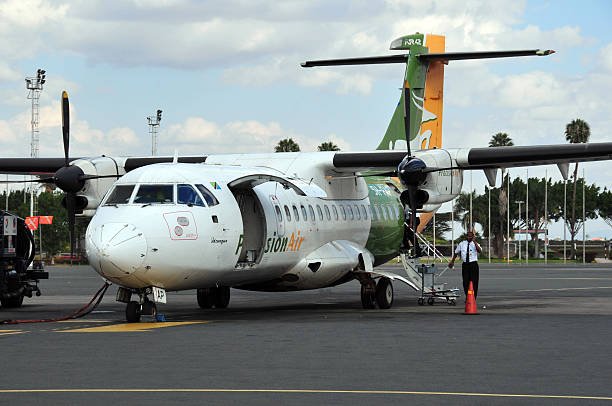
Serengeti And Ngorongoro Safari Without Luxury: Your Options For 2026-2027
Discover how to experience the wonders of the Serengeti and Ngorongoro Crater on a safari that prioritizes incredible wildlife viewing and authentic experiences over luxury accommodations...
View package details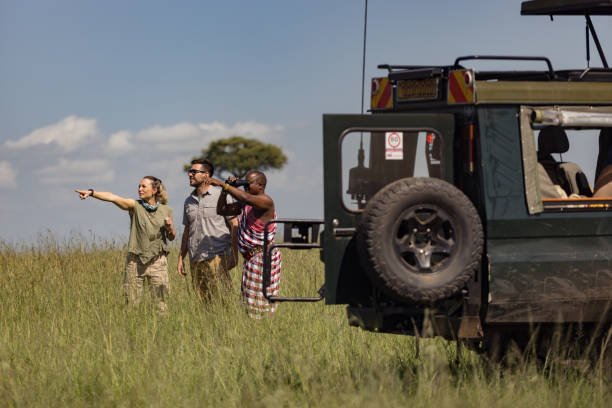
Which Local Tanzania Safari Companies Are Trustworthy In ? 2026-2027
Choosing a trustworthy local Tanzania safari company is crucial for a memorable and safe adventure. This guide helps you identify reliable operators for your 2026-2027 trip, covering...
View package details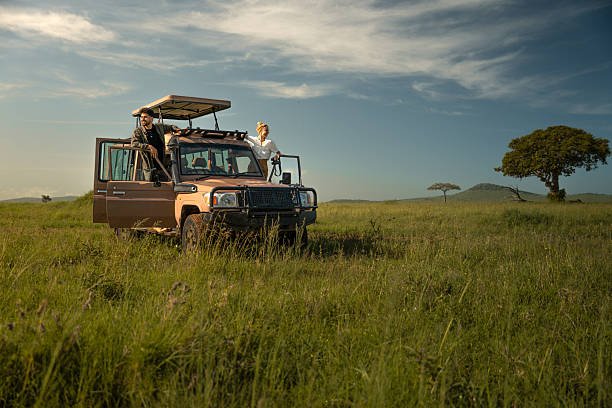
Three Days For Safari In Tanzania: Where To Go An Unforgettable Experience
If you have just three days for a safari in Tanzania, the most recommended destinations for a concentrated and rewarding wildlife experience are the Ngorongoro Conservation Area and...
View package detailsWe Are Arriving At Kilimanjaro Airport, What Safari Itinerary Should We Do?
Planning your safari upon arrival at Kilimanjaro Airport (JRO)? This guide provides tailored safari itineraries for 2026-2027, focusing on Northern Tanzania's iconic parks like the...
View package details
7 Days In Tanzania: Your Expertly Planned Safari Itinerary For 2026-2027
Discover a perfectly crafted 7-day Tanzania safari itinerary for 2026-2027, designed to maximize wildlife viewing and cultural experiences in the Serengeti and Ngorongoro Crater.
View package details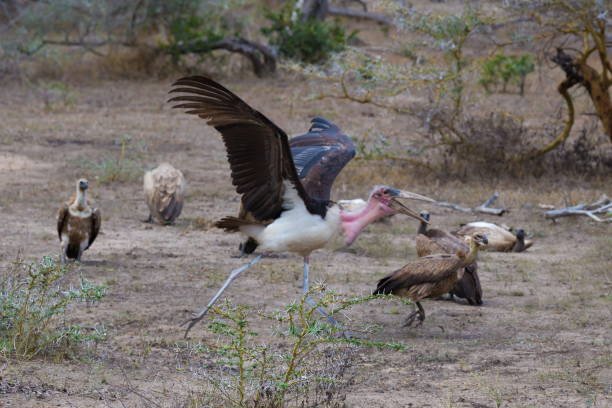
4-Day Nyerere National Park Safari From Zanzibar: Your Ultimate Wildlife
start an unforgettable 4-day safari adventure from Zanzibar to Nyerere National Park, Tanzania's largest game reserve. This itinerary offers a unique blend of classic game drives and...
View package details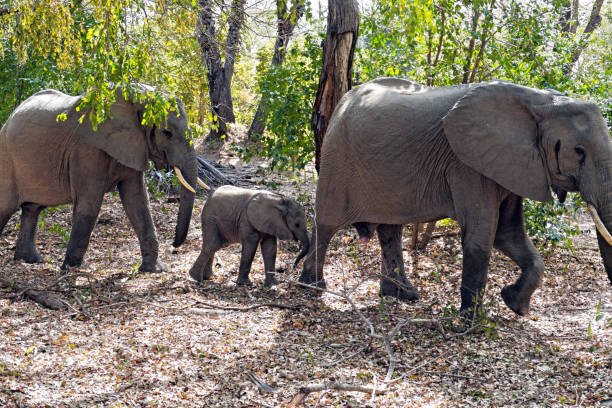
3-Day Nyerere National Park Safari From Zanzibar: Budget Price 2026-2027
A 3-day safari from Zanzibar to Nyerere National Park offers a compact yet incredibly rewarding wildlife experience, focusing on boat safaris along the Rufiji River and game drives in a...
View package details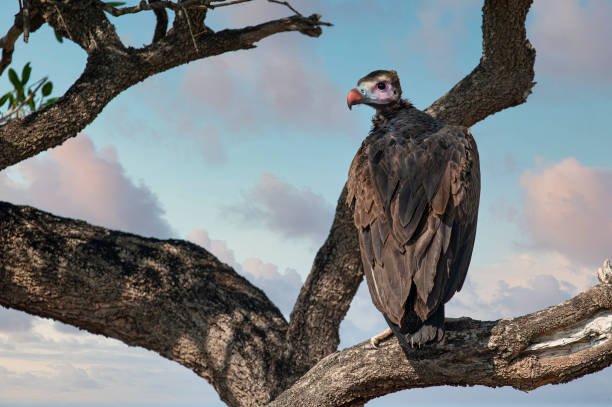
1-Day Nyerere National Park Fly-In Safari From Zanzibar: Your Ultimate Guide
Discover the thrill of a 1-day Nyerere National Park fly-in safari from Zanzibar. This comprehensive guide covers everything from flight details and wildlife expectations to itinerary...
View package details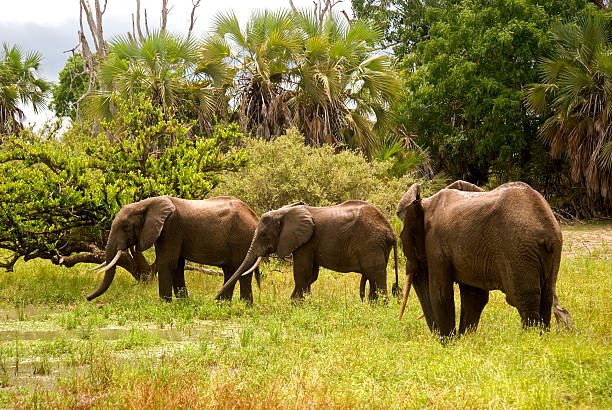
1-Day Mikumi National Park Fly-In Safari From Zanzibar 2026-2027
Discover the thrill of a 1-day Mikumi National Park fly-in safari from Zanzibar. This comprehensive guide details how to experience Tanzania's diverse wildlife in a single, action-packed...
View package details
2-Day Mikumi National Park Safari From Zanzibar: Your Essential Guide
Discover the thrill of a 2-day Mikumi National Park safari departing from Zanzibar. This guide covers essential details for planning your short but impactful wildlife adventure, including...
View package details
2-Day Nyerere National Park Safari From Zanzibar: Best Itinerary 2026-2027
A 2-day safari to Nyerere National Park (formerly Selous Game Reserve) from Zanzibar offers a condensed yet impactful wildlife adventure, perfect for those with limited time. This quick...
View package details
3-Day Nyerere Safari With Accommodation Inside The Park 2026-2027
3-Day Nyerere Safari with Accommodation Inside the Park is explained with current 2026-2027 planning, price, itinerary and booking information.
View package detailsNo related package matches those filters. Clear one or more filters to see the other topic-matched options.
Plan your Serengeti National Park Safari Guide with Top Guide Adventures
Tell us your travel dates, group size, comfort level, and dream experience. We will help you shape a clear, realistic, and memorable Tanzania itinerary.



