
Updated planning guide for 2026-2027
Road Trips Starting In Tanzania: Complete Guide 2026-2027
Discover the best road trips beginning in Tanzania. This detailed guide covers everything from popular routes and essential planning to what to expect on your Tanzanian adventure.
WhatsApp +255616946642 | topguideadventures@gmail.com | info@topguideadventures.com
Road Trips Starting in Tanzania: Your Complete Planning Guide
Tanzania, a land of breathtaking landscapes and abundant wildlife, offers an unparalleled starting point for incredible road trips. Whether you dream of vast savannahs, the roof of Africa, or spice-scented islands, planning a road trip that begins here sets the stage for an unforgettable journey. This guide provides everything you need to know for planning road trips starting in Tanzania, from understanding the logistics to crafting the perfect itinerary for 2026-2027.
Quick Facts: Road Trips from Tanzania
| Aspect | Details |
|---|---|
| Primary Starting Points | Arusha, Dar es Salaam, Zanzibar |
| Popular Destinations (Internal) | Serengeti, Ngorongoro, Tarangire, Lake Manyara, Mount Kilimanjaro, Zanzibar, Mafia Island, Selous Game Reserve (Nyerere National Park) |
| Popular Neighboring Countries (External) | Kenya, Uganda, Rwanda, Malawi, Zambia |
| Best Time for Road Trips | June to October (dry season), January to February (short rains, good for calving season) |
| Typical Duration | 3 days to 3 weeks or more |
| Vehicle Options | 4×4 Safari Vehicles, Minivans, Private Cars |
Understanding the Appeal of Tanzanian Road Trips
Tanzania is more than just a safari destination; it’s a gateway to diverse African experiences. Starting a road trip here allows you to immerse yourself in the heart of East Africa, with options to explore its own wonders or venture into neighboring countries. The sheer variety of landscapes, from the iconic Serengeti plains to the lush slopes of Kilimanjaro and the tropical beaches of Zanzibar, makes it an ideal hub for exploration.
For many travelers, Tanzania represents the quintessential African adventure. The opportunity to witness the Great Migration, stand at the base of Africa’s highest peak, or relax on pristine islands is a powerful draw. A road trip starting in Tanzania allows you to string these experiences together, creating a personalized itinerary that matches your interests and pace.
Table of Contents
- Understanding the Appeal of Tanzanian Road Trips
- Key Starting Locations for Your Road Trip
- Popular Internal Road Trip Routes within Tanzania
- Venturing Beyond: Road Trips to Neighboring Countries
- Best Time to Plan Your Road Trip (2026-2027)
- Choosing Your Vehicle: 4x4s, Minivans, and More
- Accommodation Styles on the Road
- What to Expect on Tanzanian Roads
- Essential Packing List for a Tanzanian Road Trip
- Road Trip Planning Checklist
- Common Mistakes to Avoid
- Who are Tanzanian Road Trips Best For?
- Alternatives to a Full Road Trip
- Planning for 2026-2027: What’s New?
- Booking Your Tanzanian Road Trip
- Frequently Asked Questions
Key Starting Locations for Your Road Trip
Your road trip journey will likely begin in one of Tanzania’s main hubs, each offering unique advantages:
Arusha: The Safari Gateway
Located in the northern circuit, Arusha is the primary starting point for most safaris and Kilimanjaro treks. It’s well-connected by air (Kilimanjaro International Airport – JRO) and serves as the gateway to the Serengeti, Ngorongoro Crater, Lake Manyara, and Tarangire National Park. If your primary interest is wildlife and mountains, Arusha is your logical base.
Dar es Salaam: The Coastal Hub
As Tanzania’s largest city and main port, Dar es Salaam (DAR) is a bustling metropolis. It’s the starting point for trips heading south to Selous Game Reserve (Nyerere National Park) and Mafia Island, or for those looking to explore the southern coastline. It’s also a major international arrival point.
Zanzibar: The Spice Island Start
For those who prefer to begin with island life before venturing onto the mainland, Zanzibar offers a relaxed start. Flights connect it to the mainland and internationally. From Zanzibar, you can easily arrange transfers to the mainland for safaris or explore the island’s own unique attractions, including Jozani Forest and the historic Stone Town.
Popular Internal Road Trip Routes within Tanzania
Tanzania’s vastness means road trips can be tailored to specific interests. Here are some popular itineraries:
The Northern Circuit Classic (7-10 Days)
This is the quintessential Tanzanian safari experience, perfect for first-time visitors. It typically starts and ends in Arusha.
Route Overview:
| Day 1-2: Arusha & Tarangire National Park | Arrive in Arusha, prepare for your safari. Drive to Tarangire, known for its large elephant herds and baobab trees. |
| Day 3: Lake Manyara National Park | Explore Lake Manyara, famous for its tree-climbing lions and diverse birdlife. Continue towards the Ngorongoro Conservation Area. |
| Day 4-5: Ngorongoro Crater | Descend into the Ngorongoro Crater, a UNESCO World Heritage site, for a full day of game viewing in a unique ecosystem. Stay on the crater rim or nearby. |
| Day 6-8: Serengeti National Park | Drive into the vast Serengeti plains. Depending on the time of year, focus on areas famous for the Great Migration. Spend 2-3 days exploring different regions like Central Serengeti (Seronera), Western Corridor, or Northern Serengeti. |
| Day 9: Return to Arusha | Morning game drive in Serengeti, then drive back to Arusha, stopping at a Maasai village or craft market if time permits. |
| Day 10: Departure or Extension | Depart from JRO or extend your trip to Kilimanjaro or Zanzibar. |
Southern Circuit Explorer (5-8 Days)
Focusing on the less crowded southern parks, this route is ideal for those seeking a more secluded wildlife experience. It often starts from Dar es Salaam.
Route Overview:
| Day 1: Arrival in Dar es Salaam | Arrive, overnight in Dar. |
| Day 2-4: Nyerere National Park (formerly Selous) | Drive or take a short flight to Nyerere, Tanzania’s largest game reserve. Activities include game drives, boat safaris on the Rufiji River, and walking safaris. |
| Day 5-6: Ruaha National Park | Travel to Ruaha, known for its dramatic landscapes, large elephant and buffalo herds, and high predator density. Offers a wilder experience than the north. |
| Day 7: Return to Dar es Salaam | Morning game drive, then travel back to Dar es Salaam for departure or onward travel. |
| Day 8: Optional Mafia Island | Extend to Mafia Island for snorkeling, diving, and relaxation. |
Kilimanjaro Climb & Safari Combo (10-14 Days)
This popular combination starts with a trek up Mount Kilimanjaro, followed by a safari in the northern circuit.
Route Overview:
| Day 1-2: Arusha | Arrival, briefing, preparation for the climb. |
| Day 3-8/9: Kilimanjaro Trek | Ascend Mount Kilimanjaro via a chosen route (e.g., Machame, Lemosho). Typically 6-8 days. |
| Day 9/10: Rest & Recovery in Arusha | Relax after the climb. |
| Day 10/11-13: Northern Circuit Safari | Safari to Tarangire, Lake Manyara, Ngorongoro, and Serengeti (as per the Northern Circuit Classic itinerary). |
| Day 14: Departure | Depart from Arusha/JRO. |
Zanzibar & Mainland Safari (7-12 Days)
Combine the exotic allure of Zanzibar with a taste of the mainland safari.
Route Overview:
| Day 1-4: Zanzibar | Arrive in Zanzibar. Explore Stone Town, spice tours, visit Jozani Forest, relax on the beaches of Nungwi or Paje. |
| Day 5: Transfer to Mainland & Safari Start | Fly from Zanzibar to Arusha or Kilimanjaro. Begin a short northern circuit safari (e.g., Tarangire & Ngorongoro, 3 days/2 nights). |
| Day 8: Return to Arusha/JRO | Complete safari, return to Arusha. |
| Day 9: Optional Extension or Departure | Depart from JRO or extend to Kilimanjaro or another mainland destination. |
Venturing Beyond: Road Trips to Neighboring Countries
Tanzania’s strategic location makes it an excellent starting point for cross-border adventures:
Tanzania to Kenya (10-14 Days)
A popular route for those wanting to experience both countries’ iconic wildlife destinations.
Route Suggestion: Arusha -> Lake Natron -> Maasai Mara (Kenya) -> Lake Victoria region -> Serengeti (Tanzania) -> Arusha.
Considerations: Border crossing logistics, vehicle insurance, different park fees and regulations.
Tanzania to Uganda/Rwanda (14-21 Days)
For gorilla trekking enthusiasts.
Route Suggestion: Arusha -> Western Tanzania (e.g., Mahale or Katavi, if time/logistics permit, though often flown) -> cross border to Uganda (Bwindi Impenetrable National Park for gorillas) -> possibly Rwanda (Volcanoes National Park for gorillas and Golden Monkeys) -> return to Tanzania or depart from Entebbe (Uganda).
Considerations: This is a long and complex route requiring significant planning. Gorilla permits must be booked far in advance. Road conditions can be challenging.
Tanzania to Malawi or Zambia (3-4 Weeks)
For the truly adventurous seeking less-visited parks and unique landscapes.
Route Suggestion: Southern Tanzania (Nyerere/Ruaha) -> Lake Tanganyika -> cross border into Zambia (South Luangwa National Park) or Malawi (Lake Malawi National Park).
Considerations: This is a substantial overland journey. Requires a robust vehicle and experienced driver. Border crossings can be time-consuming.
Best Time to Plan Your Road Trip (2026-2027)
The ideal time for road trips starting in Tanzania depends heavily on your priorities:
- June to October: This is the dry season and peak safari season. Skies are clear, temperatures are moderate, and wildlife congregates around water sources, making game viewing excellent. The Great Migration is typically in the Western Corridor or heading north in the Serengeti during these months. This is also a prime time for Kilimanjaro trekking. Expect higher prices and more crowds.
- November to May: This period includes the short rains (Vuli) in November/December and the long rains (Masika) from March to May. While game viewing can be more challenging due to dispersed wildlife and muddy tracks, the landscapes are lush and green, birdlife is abundant, and prices are generally lower. January and February are excellent for the calving season of the wildebeest in the southern Serengeti. Kilimanjaro can be climbed year-round, but the rainy months can bring fog and make conditions tougher.
For 2026-2027: Plan bookings for the peak dry season (June-October 2026/2027) well in advance, especially for popular parks and accommodations. The shoulder months (May, November, December) can offer a good balance of weather and fewer crowds.
Choosing Your Vehicle: 4x4s, Minivans, and More
The vehicle you choose is crucial for comfort and accessibility:
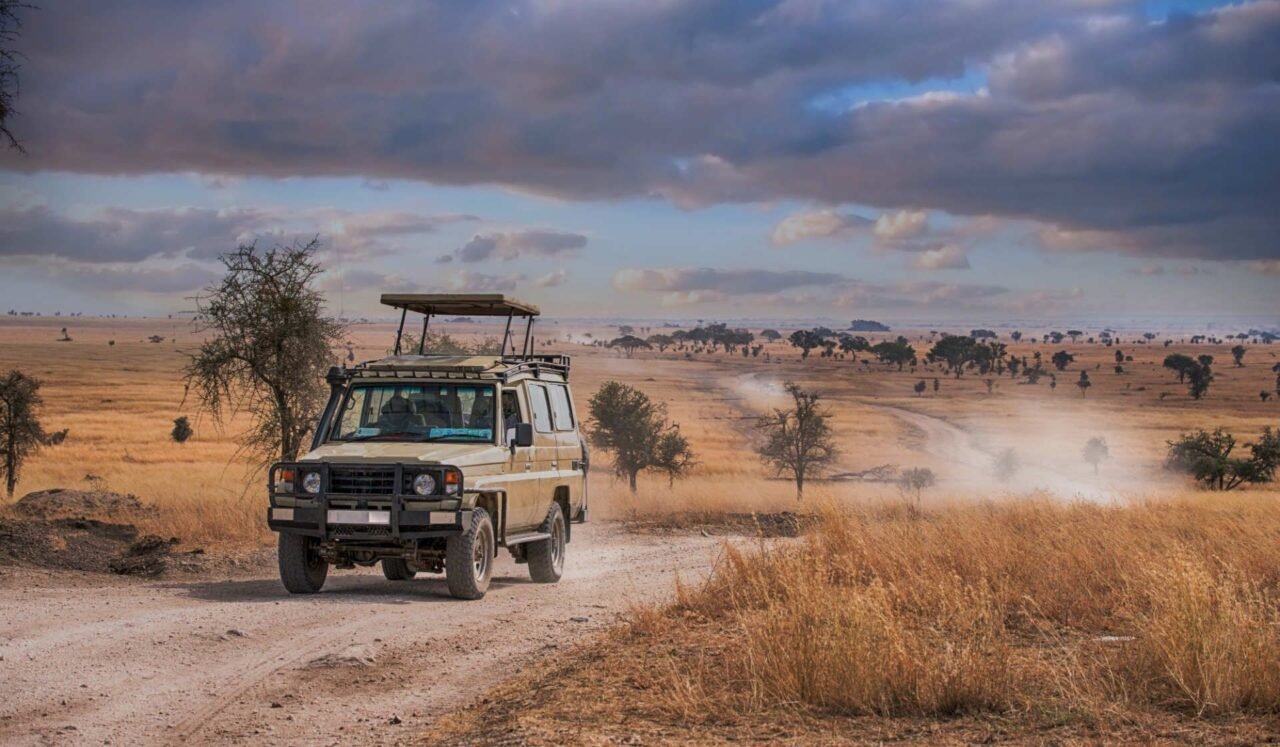
- 4×4 Safari Land Cruiser/Jeep: The most popular choice for safaris. These vehicles are designed for rough terrain, offer pop-up roofs for optimal game viewing and photography, and are generally more comfortable for long drives on park tracks. They are essential for certain routes and park conditions.
- 4×4 Safari Minivan: A more budget-friendly option, often used for group tours. They have pop-up roofs but may be less comfortable and agile on very rough roads compared to a 4×4 Land Cruiser.
- Private Car/Saloon Car: Suitable for travel between towns or on paved roads, but not recommended for national parks or off-road excursions.
- Self-Drive: While possible, self-driving in Tanzania is generally not recommended for tourists due to challenging road conditions, navigation difficulties, and the need for specific park permits and knowledge. Most travelers opt for a vehicle with a driver/guide.
Recommendation: For most road trips starting in Tanzania, especially those involving national parks, a 4×4 vehicle with a knowledgeable driver-guide is the best investment for safety, comfort, and an enhanced experience.
Accommodation Styles on the Road
Your road trip can be as luxurious or as rustic as you wish:
- Luxury Lodges & Camps: High-end properties offering exceptional service, gourmet dining, and prime locations within or near national parks.
- Mid-Range Hotels & Tented Camps: Comfortable options providing good amenities and service, often located strategically for access to attractions. Tented camps offer a closer-to-nature experience without sacrificing comfort.
- Budget Campsites & Guesthouses: Basic but clean accommodations, ideal for travelers on a tighter budget. Many campsites are located within or near national parks, offering a more adventurous feel.
- Mobile Camping: For a truly wild experience, some operators offer fully equipped mobile camping safaris where tents are set up in designated campsites, often in more remote areas.
The type of accommodation chosen will significantly impact the overall cost of your road trip.
What to Expect on Tanzanian Roads
Road conditions in Tanzania can vary dramatically:
- Paved Roads: Major routes between cities like Arusha, Moshi, and Dar es Salaam are generally paved and in reasonable condition, though potholes can appear.
- Gravel & Dirt Tracks: Within national parks and conservation areas, roads are typically unpaved, consisting of gravel, sand, and dirt. These can become very dusty in the dry season and muddy and challenging to navigate during the rains.
- Speed: Expect slow travel times, especially within parks. Game drives often involve slow-paced cruising to spot wildlife, and rough tracks limit speed. Travel between destinations can also be lengthy due to road conditions and the need to stop for wildlife sightings.
- Driver-Guides: Most tourists travel with a driver-guide who is essential for navigating, spotting wildlife, understanding the local environment, and ensuring safety.
- Breaks: Factor in regular stops for fuel, snacks, and stretching, especially on longer driving days.
Essential Packing List for a Tanzanian Road Trip
Packing smart is key to a comfortable journey:
| Category | Items |
|---|---|
| Clothing | Lightweight, neutral-colored long-sleeved shirts and trousers (for sun and insect protection), t-shirts, shorts, fleece or warm jacket (for cool evenings/mornings at altitude), swimwear, comfortable walking shoes, sandals/flip-flops. Avoid bright colors. |
| Headwear & Eyewear | Wide-brimmed hat or cap, sunglasses. |
| Health & Hygiene | Insect repellent (with DEET), sunscreen, personal first-aid kit, any personal medications, hand sanitizer, wet wipes. |
| Gear | Binoculars (essential for wildlife viewing), camera with extra batteries and memory cards, power bank/adapter, headlamp or flashlight, reusable water bottle. |
| Documents & Money | Passport, visa (if required), yellow fever certificate (if applicable), driving license (if self-driving, though not recommended), travel insurance details, credit/debit cards, USD cash for tips and small purchases. |
| Miscellaneous | Small backpack for day trips, travel towel, journal. |
Road Trip Planning Checklist
Use this checklist to ensure you don’t miss any crucial steps when planning road trips starting in Tanzania:
- Define Your Interests: Safari, culture, trekking, beach relaxation?
- Choose Your Route & Duration: Based on interests and available time.
- Select Travel Dates: Consider seasonality and your preferences.
- Determine Budget: Factor in flights, accommodation, park fees, vehicle, guide, food, and personal expenses.
- Book International Flights: To Kilimanjaro (JRO) or Dar es Salaam (DAR).
- Research & Book Tour Operator: Essential for logistics, guides, and vehicle. Get quotes and compare.
- Secure Visas & Vaccinations: Check requirements for Tanzania and any neighboring countries. Consult your doctor about malaria precautions and other vaccinations.
- Arrange Travel Insurance: Comprehensive coverage is vital.
- Book Internal Flights (if needed): For example, between Zanzibar and the mainland.
- Confirm Vehicle & Guide: Ensure it’s suitable for your planned route.
- Pre-book Accommodation (if not included): Especially during peak season.
- Pack Appropriately: Follow a detailed packing list.
- Inform Bank of Travel Plans: To avoid card issues.
- Learn Basic Swahili Phrases: A few words go a long way.
Common Mistakes to Avoid
Learn from others’ experiences to ensure a smooth trip:
- Underestimating Travel Times: Distances may look short on a map, but road conditions mean travel takes much longer than expected.
- Not Booking in Advance: Especially for peak season (June-October) and popular accommodations or Kilimanjaro climbs.
- Ignoring Seasonality: Traveling during the long rains (March-May) can present challenges with road access and game viewing.
- Trying to See Too Much: Rushing through too many parks or destinations in a short time leads to a superficial experience. Focus on quality over quantity.
- Not Budgeting for Park Fees: These are significant and often paid daily per person and per vehicle.
- Choosing the Wrong Vehicle: A standard car is unsuitable for most Tanzanian national parks.
- Not Using a Reputable Tour Operator: Especially for complex routes or self-drive is not recommended. A good operator handles permits, logistics, and provides experienced guides.
- Packing Inappropriately: Bright colors can deter wildlife, and lack of layers can make mornings/evenings uncomfortable.
Who are Tanzanian Road Trips Best For?
Road trips starting in Tanzania cater to a wide range of travelers:
- Wildlife Enthusiasts: The Serengeti, Ngorongoro, Tarangire, and Nyerere offer unparalleled opportunities to see diverse fauna.
- Adventure Seekers: Kilimanjaro treks, overland journeys to neighboring countries, and exploring remote areas appeal to those looking for a challenge.
- Nature Lovers: From the vast plains to the lush forests and tropical coastlines, Tanzania’s natural beauty is immense.
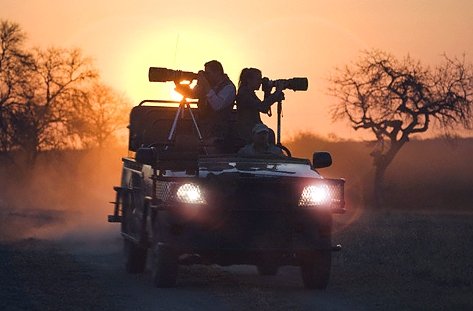
- Photographers: The dramatic landscapes and abundant wildlife provide endless photographic opportunities.
- Cultural Explorers: Interactions with local communities, like the Maasai, offer insights into traditional ways of life.
- Honeymooners & Couples: Romantic lodges, stunning sunsets, and private experiences create memorable getaways.
- Families: With careful planning, safaris can be adapted for children, offering educational and exciting experiences.
Alternatives to a Full Road Trip
If a full road trip isn’t feasible, consider these options:
- Fly-in Safaris: For limited time or to access remote areas quickly, flying between parks (e.g., from Arusha or Dar es Salaam to Serengeti airstrips) is a premium alternative.
- Package Tours: Many operators offer fixed itineraries that combine key highlights, often with some road travel and internal flights.
- Focus on One Region: Spend your entire trip exploring the Northern Circuit, or concentrate on the southern parks, or enjoy Zanzibar and a short mainland safari. This reduces travel time and allows for deeper exploration.
- Day Trips: From hubs like Arusha or Zanzibar, day trips can offer a taste of nearby attractions without the commitment of a long road journey.
Planning for 2026-2027: What’s New?
As you plan your road trip for 2026-2027, consider these points:
- Increased Focus on Sustainable Tourism: Many operators and parks are enhancing eco-friendly practices. Look for certified eco-lodges and operators committed to conservation.
- Digital Nomad Opportunities: While not a traditional road trip, longer stays in places like Arusha or Zanzibar might be possible with improved internet connectivity in some areas.
- New Flight Routes: Keep an eye on new flight routes into Kilimanjaro International Airport (JRO) or Julius Nyerere International Airport (DAR), which can affect accessibility and pricing.
- Booking Trends: Demand for safaris and Kilimanjaro treks remains high. Booking 12-18 months in advance is advisable for peak seasons in 2026 and 2027, especially for specific lodges or Kilimanjaro routes.
- Technology Integration: Expect more use of booking apps, digital park permits, and potentially enhanced communication tools with guides.
Booking Your Tanzanian Road Trip
Securing the right arrangements is vital for a successful road trip starting in Tanzania.
Working with a Local Tour Operator
For the most authentic and hassle-free experience, partnering with a reputable local tour operator is highly recommended. They possess invaluable on-the-ground knowledge, can tailor itineraries precisely to your needs, and handle all the complex logistics. Look for operators with:
- Excellent reviews and testimonials.
- Experienced and certified guides.
- Well-maintained, appropriate vehicles.
- Clear communication and responsiveness.
- A commitment to responsible tourism.
When to Book for 2026-2027
For peak season (June-October 2026/2027): Aim to book at least 12-18 months in advance. This is crucial for securing preferred accommodations, specific Kilimanjaro routes, and reliable vehicles/guides.
For shoulder season (May, November, December 2026/2027): Booking 8-12 months in advance is generally sufficient, but earlier is always better for more choices.
For low season (January-April 2026/2027, excluding Jan/Feb calving season): 6-9 months in advance might be adequate, but popular lodges can still fill up.
What to Discuss with Your Operator
- Your specific interests (wildlife, culture, adventure).
- Your budget range.
- Desired level of comfort and accommodation style.
- Pace of travel (how many hours driving per day, how many days per park).
- Vehicle type and inclusions (fuel, driver’s expenses).
- Park fees (clarify what’s included).
- Meals and drinks.
- Guide qualifications and experience.
- Cancellation and refund policies.
Get in touch with us to start planning your custom road trip!
WhatsApp: +255616946642
Email: topguideadventures@gmail.com
Backup Email: info@topguideadventures.com
Frequently Asked Questions
Q1: Can I drive myself on a road trip starting in Tanzania?
A1: While technically possible for experienced overland travelers with the right vehicle and permits, self-driving is generally not recommended for tourists in Tanzania. Road conditions can be challenging, navigation is difficult, and you’ll miss out on the invaluable insights and safety provided by a local driver-guide. Most organized road trips include a driver.
Q2: What are the typical costs involved in a Tanzanian road trip?
A2: Costs vary greatly depending on accommodation style, duration, parks visited, and vehicle choice. Key expenses include international flights, visa fees, park entrance fees (which are substantial), vehicle hire with driver, guide fees, accommodation, meals, and personal expenses (tips, souvenirs). A mid-range 7-day safari in the Northern Circuit might range from $2,000 to $4,000+ per person, excluding international flights.
Q3: Is it safe to travel by road in Tanzania?
A3: Tanzania is generally a safe country for tourists. Traveling with a reputable tour operator and an experienced driver-guide significantly enhances safety. They are knowledgeable about local conditions, road safety, and wildlife behavior. It’s advisable to avoid driving at night outside major towns and to be aware of your surroundings, especially in busy markets.
Q4: What is the best way to see the Great Migration on a road trip?
A4: The Great Migration is a year-round phenomenon, but its location shifts. For 2026-2027, consult with your tour operator for the most current predictions. Generally, December-March sees the wildebeest and their young in the southern Serengeti (Ndutu area), April-May is the ‘long rains’ and herds move north, June-July often finds them in the Western Corridor (Grumeti River), and July-October is typically in the Northern Serengeti, preparing to cross the Mara River.
Q5: Can I combine a road trip with Kilimanjaro trekking or Zanzibar?
A5: Absolutely! This is a very popular combination. You can start with a Kilimanjaro trek, then embark on a safari, or fly to Zanzibar for relaxation afterward. Conversely, you could start with Zanzibar, then fly to the mainland for a safari and/or trek. These combinations are standard offerings from many tour operators.
Q6: What are the visa and vaccination requirements for Tanzania?
A6: Most nationalities require a visa for Tanzania, which can often be obtained online (e-visa) or upon arrival at major entry points. Yellow Fever vaccination is mandatory if arriving from or transiting through a country with a risk of Yellow Fever. Malaria prophylaxis is recommended for most visitors. Consult your doctor or a travel clinic well in advance of your trip for personalized advice.
Q7: How much should I tip my driver-guide?
A7: Tipping is customary and appreciated. A general guideline for a safari driver-guide is around $20-$30 USD per day per group. For Kilimanjaro treks, tips are distributed among the entire crew (guide, assistant guides, cook, porters), with specific guidelines usually provided by your tour operator. It’s best to tip at the end of the safari or trek.
Q8: What currency should I use?
A8: The official currency is the Tanzanian Shilling (TZS). However, US Dollars are widely accepted for park fees, safari packages, and in tourist-oriented businesses. It’s advisable to carry a mix: USD in smaller denominations for tips and initial expenses, and TZS for local markets and smaller purchases. Ensure USD bills are newer series (2009 onwards) and in good condition.
Q9: What are the mobile phone and internet capabilities like?
A9: In major towns and cities, mobile phone coverage and Wi-Fi are generally available. However, within national parks and remote areas, connectivity is often limited or non-existent. Lodges may offer Wi-Fi, but it can be slow or expensive. Consider purchasing a local SIM card upon arrival for better rates if you need to stay connected, but be prepared to disconnect during your safari.
Q10: What if I need to make changes to my itinerary mid-trip?
A10: Flexibility can be important. If you are on a privately arranged road trip, discuss potential itinerary adjustments with your driver-guide and tour operator. Be aware that changes might incur additional costs, especially if they involve different park fees, accommodations, or extended vehicle hire.
Ready to Plan Your Tanzanian Road Trip?
Embarking on a road trip starting in Tanzania promises an adventure filled with incredible wildlife, stunning landscapes, and rich cultural encounters. Whether you’re drawn to the iconic plains of the Serengeti, the majestic peak of Kilimanjaro, or the vibrant shores of Zanzibar, careful planning ensures a memorable experience.
Let us help you craft the perfect itinerary for your 2026-2027 adventure. Our expert team specializes in creating customized road trips that match your interests, budget, and travel style. We handle all the details, from vehicle selection and experienced guides to accommodation and park logistics, so you can focus on enjoying the journey.
Contact us today to start planning your dream road trip starting in Tanzania!
WhatsApp: +255616946642
Email: topguideadventures@gmail.com
Backup Email: info@topguideadventures.com
Plan your Road Trips Starting in Tanzania with Top Guide Adventures
Tell us your travel dates, group size, comfort level, and dream experience. We will help you shape a clear, realistic, and memorable Tanzania itinerary.



