
Updated planning guide for 2026-2027
Okavango Delta Exploration Safaris: Complete Guide 2026-2027
Discover the magic of the Okavango Delta with our comprehensive exploration safaris guide. Plan your unforgettable adventure for 2026-2027, covering everything from wildlife viewing to accommodation and logistics.
WhatsApp +255616946642 | topguideadventures@gmail.com | info@topguideadventures.com
Okavango Delta Exploration Safaris: The Ultimate Guide
The Okavango Delta is a jewel of Botswana, a vast inland waterway that transforms the arid Kalahari Desert into a lush, vibrant ecosystem teeming with wildlife. Planning Okavango Delta exploration safaris requires understanding its unique dynamics, from seasonal flooding to the diverse range of activities available. This guide provides everything you need to know to plan your unforgettable journey for 2026-2027, whether you’re seeking thrilling game drives, serene mokoro excursions, or luxurious bush retreats.
As a leading Tanzania tour operator, we understand the intricacies of African travel. While our expertise lies in Tanzania, we recognize the allure of other iconic destinations like the Okavango Delta. This guide is crafted to offer practical advice and detailed insights, drawing on extensive travel knowledge to help you create the perfect Okavango Delta adventure.
Quick Facts: Okavango Delta Exploration
| Location | Northern Botswana |
|---|---|
| Primary River | Okavango River |
| Key Feature | Inland river delta, seasonal flooding |
| Main Activities | Mokoro trips, game drives, walking safaris, birdwatching, fishing |
| Wildlife Highlights | Big Five (lion, leopard, elephant, rhino, buffalo), wild dogs, hippos, crocodiles, diverse birdlife |
| Best Time to Visit | June to October (peak flood season) |
| Travel Style | Luxury lodges, tented camps, mobile safaris |
| Getting There | Flights to Maun (MUB) or Kasane (BBK), then light aircraft transfers |
Table of Contents
- Okavango Delta: A Natural Wonder
- Why Choose Okavango Delta Exploration Safaris?
- Best Time for Okavango Delta Exploration Safaris (2026-2027)
- Understanding the Okavango Delta’s Regions
- Key Activities for Your Okavango Delta Exploration
- Sample Okavango Delta Exploration Safari Itinerary
- Accommodation Options in the Delta
- What to Expect on Your Delta Safari
- Packing and Preparation for the Delta
- Common Mistakes to Avoid
- Who is Okavango Delta Exploration Best Suited For?
- Alternatives to Okavango Delta Safaris
- Planning Your 2026-2027 Okavango Delta Trip
- Booking Your Okavango Delta Exploration Safari
- Frequently Asked Questions (FAQs)
Okavango Delta: A Natural Wonder
The Okavango Delta is unlike any other wildlife destination on Earth. It’s a vast inland river system that flows from the Angolan highlands, disappearing into the sands of the Kalahari Desert in Botswana. This unique phenomenon creates a sprawling wetland, a lifeline for an astonishing array of wildlife. The Delta is not static; its water levels fluctuate dramatically with the seasons, influencing wildlife movements and the types of safari experiences available. During the dry season (roughly June to October), the receding waters concentrate animals around the remaining channels and lagoons, making for exceptional game viewing. During the wet season (December to March), the Delta expands, creating a labyrinth of waterways perfect for mokoro excursions.
The Delta is a UNESCO World Heritage Site, recognized for its exceptional natural beauty and biodiversity. It’s a sanctuary for endangered species, including African wild dogs and cheetahs, and is home to large populations of elephants, hippos, crocodiles, lions, leopards, and a dazzling variety of birdlife. The sheer scale and pristine nature of the Okavango Delta offer a truly immersive wilderness experience.
Why Choose Okavango Delta Exploration Safaris?
Okavango Delta exploration safaris offer a unique blend of adventure, luxury, and unparalleled wildlife encounters. Here’s why it stands out:
- Unique Ecosystem: The inland delta is a rare and fascinating environment. Witnessing the annual floodwaters transform the landscape is a privilege.
- Abundant Wildlife: The Delta supports one of the highest concentrations of wildlife in Africa, with excellent chances of seeing predators and a wide range of plains game. The presence of water year-round in certain areas ensures wildlife is always present.
- Diverse Activities: Beyond traditional game drives, the Delta is renowned for its mokoro (traditional dugout canoe) safaris, offering a silent, intimate perspective on the waterways and wildlife. Walking safaris provide a chance to connect with the bush on foot, guided by expert rangers.
- Low-Impact Tourism: The Delta is managed with a focus on exclusivity and conservation. Many camps operate on a low-volume, high-cost model, ensuring minimal environmental impact and a more private experience for visitors.
- Stunning Scenery: The contrast between the lush green waterways and the surrounding desert landscape is visually spectacular. Sunsets over the Delta are legendary.
Best Time for Okavango Delta Exploration Safaris (2026-2027)
The Okavango Delta’s appeal changes with the seasons, and understanding this is key to planning your safari. The floodwaters arrive from Angola months after the rainy season, typically peaking between June and October. This period is considered the prime time for Okavango Delta exploration safaris.
Okavango Delta Seasonality Guide
| Period | Water Levels | Wildlife Viewing | Activities | Weather | Notes |
|---|---|---|---|---|---|
| June – October (Dry Season / Peak Flood) | High, expanding waterways | Excellent; animals congregate around water sources | Mokoro, boat cruises, game drives, walking safaris | Cool mornings/evenings, warm/hot days, very dry | Most popular time; book well in advance for 2026-2027. Higher prices. |
| November – March (Wet Season / Low Flood) | Low, receding water; rains arrive | Good; dispersed wildlife, excellent for birding (breeding season) | Game drives, walking safaris; mokoro may be limited | Hot and humid, afternoon thunderstorms | Lush green landscape, fewer tourists, lower prices. Roads can be challenging. |
| April – May (Shoulder Season) | Rising floodwaters | Good and improving | Mokoro, boat cruises, game drives, walking safaris | Warm days, cooler nights, less humidity | Pleasant weather, good game viewing, fewer crowds than peak season. |
For 2026-2027, the peak season from June to October will likely see high demand. If you prefer fewer crowds and potentially better value, consider the shoulder months of April, May, or November.
Understanding the Okavango Delta’s Regions
The Okavango Delta is vast, and different areas offer distinct experiences. Lodges and camps are often located in specific concessions, each with its own character and wildlife viewing opportunities. Understanding these regions helps in choosing the right safari for your interests.
- Mokoro Channels and Lagoons (Water-Based Areas): These are the heart of the Delta, accessible primarily by mokoro and boat. Areas like Chief’s Island (Botswana’s first game reserve, now part of the concession system), Moremi Game Reserve’s waterways, and private concessions along the main channels are ideal for water activities and seeing hippos, crocodiles, elephants, and abundant birdlife. These areas are at their best when the floodwaters are high.
- Dryer Woodlands and Plains: Surrounding the permanent waterways are areas of acacia woodland, Mopane forest, and open plains. These are excellent for traditional game drives and walking safaris, offering opportunities to see lions, leopards, cheetahs, wild dogs, and herds of antelope. Areas like the Moremi Game Reserve’s land-based sections and private concessions on the Delta’s periphery are good for this.
- The Panhandle: This is the narrow strip where the Okavango River enters the Delta. It’s a region of permanent water, excellent for fishing and birdwatching, with unique landscapes.
Many camps are situated in private concessions bordering Moremi Game Reserve, offering exclusive-use areas for game drives and walking safaris, often allowing off-road driving and night drives, which are restricted in national parks.
Moremi Game Reserve vs. Private Concessions
- Moremi Game Reserve: A public park, it offers incredible wildlife viewing and is accessible by self-drive or lodge transfers. However, it can be busier, and rules are stricter (no off-road driving, no night drives).
- Private Concessions: These are leased areas surrounding or within the Delta. They offer a more exclusive experience with fewer vehicles, off-road driving privileges, night drives, and walking safaris, often leading to more intimate wildlife encounters. This is where many high-end Okavango Delta exploration safaris take place.
Key Activities for Your Okavango Delta Exploration
Your Okavango Delta exploration safari can be a rich mix of experiences, each offering a different way to connect with this extraordinary environment.
- Mokoro Excursions: This is the quintessential Okavango Delta activity. Gliding silently through the shallow waterways in a traditional dugout canoe, propelled by a skilled poler, offers incredible opportunities for birdwatching and observing smaller details of the ecosystem. You’ll get close to hippos (from a safe distance), antelopes drinking at the water’s edge, and a myriad of bird species.
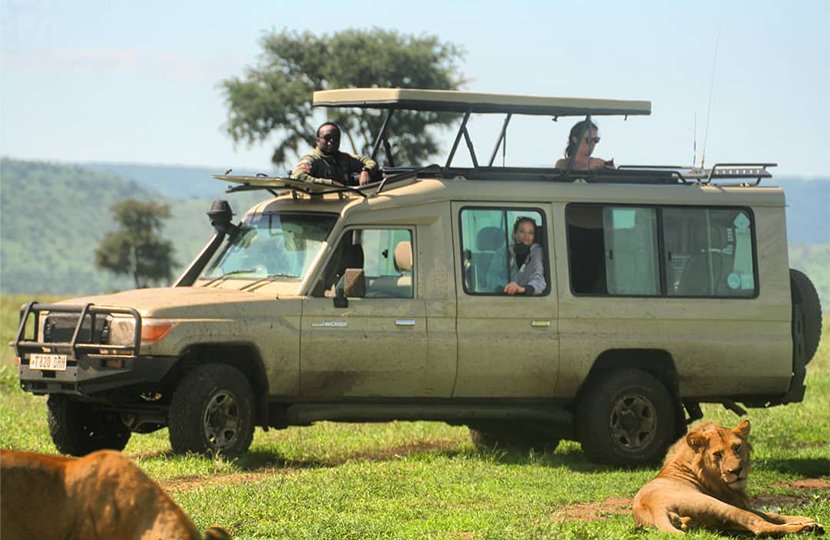
- Game Drives: Conducted in open 4×4 safari vehicles, these are essential for covering larger areas and tracking predators. In private concessions, guides can often drive off-road to follow animals and may conduct night drives with spotlights to find nocturnal species like leopards, genets, and civets.
- Walking Safaris: Led by armed and experienced guides, walking safaris allow you to experience the Delta’s smaller wonders – the insects, plants, tracks, and signs of wildlife. It’s an incredibly immersive and often exhilarating way to appreciate the bush. These are typically offered in concession areas.
- Boat Cruises: On larger lagoons and channels, motorboats offer a comfortable way to explore, often allowing for excellent hippo and crocodile viewing, as well as birdwatching. These are more common in areas with permanent water.
- Birdwatching: The Okavango Delta is a birder’s paradise, with over 400 species recorded. The mix of wetland, woodland, and savanna habitats attracts everything from Pel’s fishing owl and wattled cranes to malachite kingfishers and various raptors.
- Fishing: In certain areas and seasons (often outside the peak flood when water levels are lower), sport fishing for species like tigerfish and bream can be arranged.
Sample Okavango Delta Exploration Safari Itinerary
This is a sample 7-day itinerary, which can be customized. It focuses on a blend of water and land-based activities, typical of many Okavango Delta exploration safaris, often involving light aircraft transfers between camps.
7-Day Okavango Delta Exploration Safari
-
Day 1: Arrival in Maun & Transfer to Delta Camp
Arrive at Maun Airport (MUB). You’ll be met and transferred to the light aircraft for your scenic flight into the Okavango Delta. Land at a bush airstrip and be met by your guide from your chosen camp. Enjoy a short game drive en route to the lodge. Settle in, have lunch, and embark on your first afternoon/evening game drive or mokoro excursion. -
Day 2-3: Water-Based Activities & Game Drives
Spend your days exploring the Delta’s channels and lagoons. Enjoy mokoro trips and boat cruises, observing hippos, crocodiles, elephants, and abundant birdlife. In the afternoons, head out on game drives into the surrounding wilderness, searching for lions, leopards, wild dogs, and other plains game. Guided walks might also be available. -
Day 4: Transfer to a Different Delta Region/Camp
After a final morning activity and breakfast, take a scenic light aircraft flight to a different camp, perhaps one situated in a more land-based area or with a different ecological focus. This allows you to experience the diversity of the Delta. Settle into your new camp and enjoy an afternoon activity. -
Day 5-6: Land-Based Safaris & Diverse Wildlife
Focus on game drives and walking safaris in this new region. Explore woodlands and plains, seeking out predators like lions, cheetahs, and the elusive leopard. Night drives can be particularly rewarding here. Continue enjoying the unique Delta environment and its incredible wildlife. -
Day 7: Departure
Enjoy a final early morning activity and breakfast. Transfer back to the bush airstrip for your light aircraft flight to Maun Airport (MUB) for your onward journey.
Note: This itinerary assumes travel between camps via light aircraft, which is common for Okavango Delta exploration safaris to maximize time and experience different regions. It can be adjusted for longer or shorter durations and different travel styles.
Accommodation Options in the Delta
The Okavango Delta is renowned for its high-quality safari camps and lodges, catering to various preferences and budgets, though it is generally considered a premium safari destination. Most accommodation is found in private concessions, offering exclusivity.
- Luxury Lodges: These offer the highest level of comfort and service, with spacious rooms, private plunge pools, fine dining, and exceptional guiding. They are perfect for honeymoons or special occasions.
- Tented Camps: These range from rustic luxury canvas tents to more opulent suites. They offer an authentic bush experience while still providing comfort and excellent amenities. Many are eco-friendly and blend into the natural surroundings.
- Mobile Safaris: For a more adventurous and flexible experience, mobile safaris move camp locations seasonally or based on wildlife movements. This allows exploration of different areas and can be a more intimate way to experience the Delta, often with a focus on walking safaris.
- Fly-in Camps: The vast majority of Okavango Delta camps are fly-in, meaning you reach them via light aircraft from Maun or Kasane. This is essential due to the Delta’s remoteness and waterlogged terrain.
When planning for 2026-2027, consider that popular camps get booked up to a year or more in advance, especially during peak season.
What to Expect on Your Delta Safari
Okavango Delta exploration safaris offer a unique and often profound connection with nature. Here’s a breakdown of what you can anticipate:
- Intimate Wildlife Encounters: Due to the low-density tourism model, you’ll often have game drives and mokoro excursions to yourselves or with only a few other guests. This allows for unhurried viewing and a more personal connection with the wildlife.
- Exceptional Guiding: Camps employ highly trained and experienced guides who are passionate about the Delta’s flora and fauna. Their knowledge enhances every sighting and provides deep insights into the ecosystem.
- Remote Wilderness: The Delta is truly wild. Expect to be far from civilization, with only the sounds of nature around you. Power is often generated by generators that run for limited hours, and Wi-Fi can be slow or unavailable, encouraging a digital detox.
- Seasonal Variations: As discussed, the Delta’s character changes dramatically throughout the year. Be prepared for heat and humidity during the wet season or cooler mornings and evenings during the dry season.
- Logistical Planning: Reaching the Delta requires flights. Your safari operator will typically arrange these internal flights, and luggage allowances are strict on light aircraft (usually 20kg in a soft duffel bag).
- Comfort and Luxury: Despite the remote wilderness setting, most camps offer excellent comfort, delicious food, and attentive service. Expect beautifully appointed rooms, comfortable common areas, and often stunning views.
Packing and Preparation for the Delta
Proper packing is crucial for a comfortable and enjoyable Okavango Delta exploration safari. The emphasis is on lightweight, neutral-colored clothing suitable for warm to hot weather, with layers for cooler mornings and evenings.
Okavango Delta Packing List Essentials
- Clothing:
- Lightweight, breathable long-sleeved shirts (neutral colors like khaki, beige, olive green) – for sun protection and insects.
- Lightweight, breathable long trousers (neutral colors).
- T-shirts and tank tops (neutral colors).
- Shorts or skirts (for warmer afternoons).
- A warm fleece or jacket for cool mornings/evenings.
- A light waterproof or windproof jacket (especially for shoulder seasons).
- Swimsuit (many camps have pools).
- Comfortable walking shoes or hiking boots (broken in).
- Sandals or flip-flops for around camp.
- Socks (including moisture-wicking ones).
- A wide-brimmed hat for sun protection.
- Bandana or scarf (optional, for dust/sun).
- Toiletries:
- Sunscreen (high SPF).
- Insect repellent (with DEET or Picaridin).
- Personal medications.
- Basic first-aid kit.
- Hand sanitizer.
- Biodegradable toiletries (if possible).
- Gear:
- Binoculars (essential for wildlife viewing).
- Camera and extra batteries/memory cards.
- Power bank or adapter (check camp’s power availability).
- Headlamp or small flashlight (for navigating camp at night).
- Reusable water bottle.
- Small backpack or daypack.
- Sunglasses.
- Documents:
- Passport and visas.
- Flight confirmations.
- Travel insurance details.
- Vaccination certificates (if required).
- Cash (for tips, small purchases).
Important Notes:
- Luggage: Strictly adhere to soft-sided duffel bag weight limits (usually 20kg) for light aircraft transfers. Hard suitcases are generally not permitted.
- Colors: Avoid bright colors and dark colors (like black or navy) as they can attract insects or be too hot. Stick to earthy, neutral tones.
- Footwear: Comfortable walking shoes are essential. If you plan on extensive walking safaris, bring appropriate footwear.
Common Mistakes to Avoid
To ensure your Okavango Delta exploration safaris are as smooth and rewarding as possible, be aware of these common pitfalls:
- Not booking in advance: Especially for 2026-2027, popular camps and lodges in the Okavango Delta fill up months, sometimes over a year, in advance. Last-minute bookings can lead to limited choices or higher prices.
- Ignoring seasonality: Visiting during the wrong season for your preferred activities can lead to disappointment. For example, expecting extensive mokoro trips during the dry season when water levels are low might not be feasible.
- Overpacking: Light aircraft luggage restrictions are strict. Overpacking means you might have to leave items behind.
- Choosing the wrong region: The Delta has diverse areas. If you primarily want to see land-based predators, ensure your chosen camp is in an area that supports this, not solely focused on water activities.
- Underestimating travel times: Getting to and from the Delta involves multiple flights and transfers. Factor in sufficient time for these journeys.
- Not budgeting for extras: While safaris are often all-inclusive of meals and activities, remember to budget for tips, park fees (if applicable, though often included in lodge rates), drinks, and souvenirs.
- Expectations of constant Big Five sightings: While the Delta is rich in wildlife, seeing all the Big Five on every trip is not guaranteed. Focus on the overall experience and the incredible diversity of life.
Who is Okavango Delta Exploration Best Suited For?
Okavango Delta exploration safaris are ideal for travelers who:
- Seek a unique wilderness experience: The Delta’s inland water system is globally unique.
- Appreciate exclusive and high-quality safaris: The Delta offers some of Africa’s most luxurious and intimate safari experiences.
- Are interested in diverse wildlife viewing: From large mammals to abundant birdlife, the Delta has it all.
- Enjoy a variety of safari activities: Mokoro, walking, boating, and game drives offer different perspectives.
- Value conservation and low-impact tourism: The Delta is managed with these principles in mind.
- Have a moderate to high budget: Due to the logistics and exclusivity, Okavango Delta safaris are generally more expensive than safaris in some other African destinations.
It is well-suited for couples, families with older children (check age restrictions with camps), and keen photographers or wildlife enthusiasts.
Alternatives to Okavango Delta Safaris
While the Okavango Delta is exceptional, other incredible safari destinations in Southern and East Africa offer different, yet equally rewarding, experiences. If the Delta doesn’t quite fit your plans for 2026-2027, consider these:
- Chobe National Park (Botswana): Famous for its massive elephant herds, especially along the Chobe Riverfront. Offers excellent boat safaris and game drives. Often combined with Okavango Delta trips.
- Moremi Game Reserve (Botswana): While part of the Delta ecosystem, Moremi offers more accessible game drives and is a fantastic destination on its own, especially for those on a slightly more restricted budget or preferring a public park experience.
- Hwange National Park (Zimbabwe): Known for its large elephant populations and diverse predators. Offers a classic safari experience with excellent guiding.
- Kruger National Park (South Africa): A vast and well-developed park offering a wide range of accommodation and excellent chances of seeing the Big Five. Accessible and diverse.
- Serengeti National Park & Maasai Mara (Tanzania/Kenya): World-renowned for the Great Migration. Offers vast plains, incredible predator sightings, and iconic African landscapes. This is our specialty at Best Tanzania tour operator!
- South Luangwa National Park (Zambia): Considered the birthplace of the walking safari. Offers incredible wildlife viewing, particularly for leopards, and a pristine wilderness feel.
Planning Your 2026-2027 Okavango Delta Trip
Planning ahead is key for a successful Okavango Delta exploration safari, especially for trips in 2026-2027. Here are some planning considerations:
- Define your priorities: Are you focused on specific wildlife, photographic opportunities, relaxation, or a mix of activities? This will influence your choice of camp and region.
- Set a budget: Okavango Delta safaris are generally high-end. Understand that costs include flights, accommodation, meals, drinks, and activities. Be realistic about what you can afford.
- Choose your travel style: Do you prefer a luxurious lodge, an intimate tented camp, or a more rustic, adventurous mobile safari?
- Consider the timing: Match your travel dates with the best season for your desired activities and wildlife viewing. For 2026-2027, popular periods will book quickly.
- Factor in internal flights: These are essential and add to the cost and complexity of planning. Your tour operator will handle this.
- Book early: For 2026-2027, start researching and booking at least 9-12 months in advance, especially for peak season.
- Travel Insurance: Ensure you have comprehensive travel insurance that covers medical emergencies and trip cancellations.
Booking Your Okavango Delta Exploration Safari
Securing your Okavango Delta exploration safari for 2026-2027 requires careful consideration of your tour operator. While we are a Tanzania-based company, we can guide you on what to look for when booking a Botswana safari.
- Choose a reputable operator: Look for companies with extensive experience in Botswana, good reviews, and a clear understanding of the Okavango Delta’s logistics and offerings.
- Discuss your interests: A good operator will ask detailed questions about your preferences (wildlife, activities, pace, budget) to tailor an itinerary.
- Understand inclusions and exclusions: Clarify what is covered in your safari package. Typically, this includes accommodation, meals, local drinks, scheduled safari activities, park fees, and internal flights. Exclusions often include international flights, premium drinks, tips, visas, and personal expenses.
- Ask about cancellation policies: Understand the terms and conditions regarding cancellations and changes, especially important given the booking lead times.
- Payment schedules: Most operators require a deposit upon booking and the balance payment several months before departure.
For personalized assistance with planning your dream safari, even if it’s outside of Tanzania, we recommend contacting experienced Botswana specialists. However, if you are considering combining Botswana with Tanzania or are interested in our core offerings, please reach out.
Get in Touch for Safari Advice
While we specialize in Tanzania, we can offer guidance or connect you with trusted partners for Okavango Delta exploration safaris. If you’re dreaming of an African adventure, let’s discuss your options!
WhatsApp: +255616946642
Email: topguideadventures@gmail.com
Backup Email: info@topguideadventures.com
Frequently Asked Questions (FAQs)
What is the best time for Okavango Delta exploration safaris in 2026-2027?
The peak season for Okavango Delta exploration safaris is generally from June to October, when the floodwaters are high, and wildlife congregates around water sources. However, the shoulder seasons (April-May and November) offer pleasant weather, fewer crowds, and good wildlife viewing at potentially lower prices.
Is the Okavango Delta safe for tourists?
Yes, the Okavango Delta is considered very safe for tourists. The safari camps and lodges adhere to strict safety protocols. Guides are highly trained and experienced. The primary risks are related to wildlife, but you are always accompanied by professionals during activities. It’s important to follow their instructions at all times.
What is a mokoro, and why is it used in the Delta?
A mokoro is a traditional dugout canoe, typically made from a fallen tree. It’s used in the Okavango Delta because the shallow waterways are perfect for gliding silently through the water. This allows for intimate wildlife viewing, especially of birds and smaller creatures, without disturbing them, offering a unique perspective on the Delta’s ecosystem.
What is the cost of an Okavango Delta safari?
Okavango Delta exploration safaris are among the most expensive safari destinations in Africa due to the high operational costs, remoteness, and exclusive nature of the camps. Prices can range significantly, but expect to pay from $500 to over $1500+ per person per night, often including accommodation, meals, drinks, activities, and internal flights. Prices for 2026-2027 will likely reflect current market rates.
Do I need vaccinations for Botswana?
It’s recommended to consult your doctor or a travel clinic at least 4-6 weeks before your trip. Malaria precautions are usually advised for the Okavango Delta, especially during the warmer, wetter months. Other recommended vaccinations might include Hepatitis A, Typhoid, and Tetanus.
What kind of wildlife can I expect to see?
The Okavango Delta is home to a vast array of wildlife, including all of the Big Five (lion, leopard, elephant, rhino, buffalo), though rhinos are rare. You’ll also see large populations of hippos, crocodiles, cheetahs, wild dogs, hyenas, giraffes, zebras, wildebeest, various antelope species, and over 400 species of birds. The aquatic life is also a major draw.
What are the luggage restrictions for flights into the Delta?
Light aircraft transfers to Delta camps have strict luggage limits, typically 20 kg (44 lbs) per person, packed in soft-sided duffel bags. Hard suitcases are usually not permitted. It’s crucial to pack light and adhere to these restrictions.
Can I do walking safaris in the Okavango Delta?
Yes, walking safaris are a popular activity in many Okavango Delta camps, particularly those located in private concessions. Led by experienced and armed guides, they offer an intimate way to experience the bush and learn about tracking and smaller details of the environment.
How long should I spend in the Okavango Delta?
A minimum of 3-4 nights is recommended to get a good feel for the Okavango Delta and enjoy a variety of activities. For a more in-depth experience, especially if combining different regions or camps, 5-7 nights would be ideal. Many travelers extend their stay to include other Botswana highlights like Chobe.
Can I combine an Okavango Delta safari with other destinations?
Absolutely. It’s common to combine the Okavango Delta with other parts of Botswana, such as Chobe National Park or the Linyanti region. Many international travelers also combine Botswana with Victoria Falls (Zimbabwe/Zambia) or even extend to South Africa or Namibia. While our primary focus is Tanzania, we understand these combinations and can offer advice.
What should I do about malaria precautions for my 2026-2027 trip?
Malaria is present in the Okavango Delta, particularly during the warmer, wetter months (November to March). Consult your doctor or a travel clinic well in advance of your 2026-2027 trip for personalized advice on malaria prophylaxis and other necessary vaccinations. Using insect repellent and wearing long sleeves/trousers at dawn and dusk also helps prevent bites.
Plan Your Okavango Delta Exploration Safaris
The Okavango Delta offers a safari experience unlike any other, a testament to nature’s wonder and resilience. From the thrill of spotting a leopard to the serene glide of a mokoro, every moment is an opportunity for discovery. Planning your Okavango Delta exploration safaris for 2026-2027 requires attention to detail, but the reward is an unforgettable journey into one of Africa’s most pristine and captivating wildernesses.
While our expertise lies in crafting exceptional safaris in Tanzania, we are passionate about African travel and can provide guidance or connect you with trusted partners who specialize in Botswana. If you’re considering a safari adventure that combines the best of Africa, or if you have questions about planning your trip, please get in touch.
Start Planning Your African Adventure
Let us help you create an unforgettable safari experience. Whether it’s the plains of the Serengeti or the waterways of the Okavango Delta, we can guide you.
Contact us today:
WhatsApp: +255616946642
Email: topguideadventures@gmail.com
Backup Email: info@topguideadventures.com
We look forward to helping you plan your dream Okavango Delta exploration safaris.
Plan your Okavango Delta Exploration Safaris with Top Guide Adventures
Tell us your travel dates, group size, comfort level, and dream experience. We will help you shape a clear, realistic, and memorable Tanzania itinerary.



