
Updated planning guide for 2026-2027
North Africa Travel Trends: Complete Guide 2026-2027
Explore the evolving landscape of North African travel for 2026-2027. This comprehensive guide covers emerging trends, popular destinations, and essential planning tips for an unforgettable adventure.
WhatsApp +255616946642 | topguideadventures@gmail.com | info@topguideadventures.com
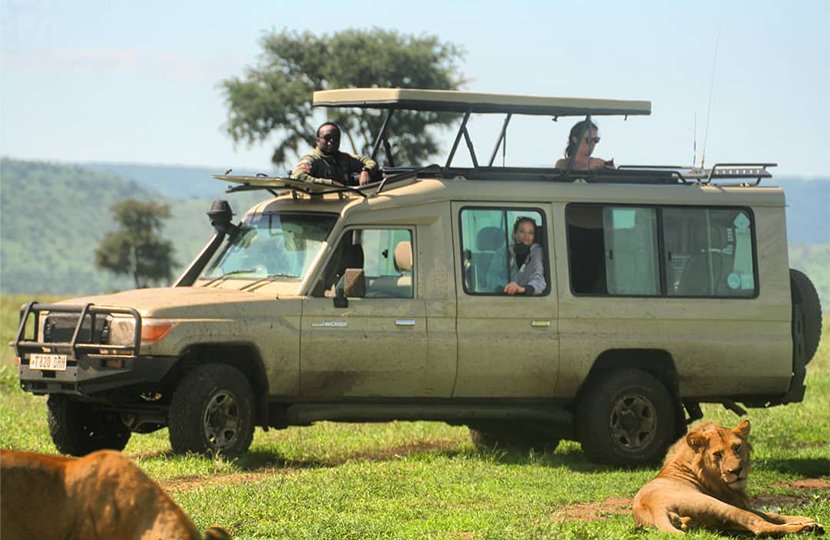
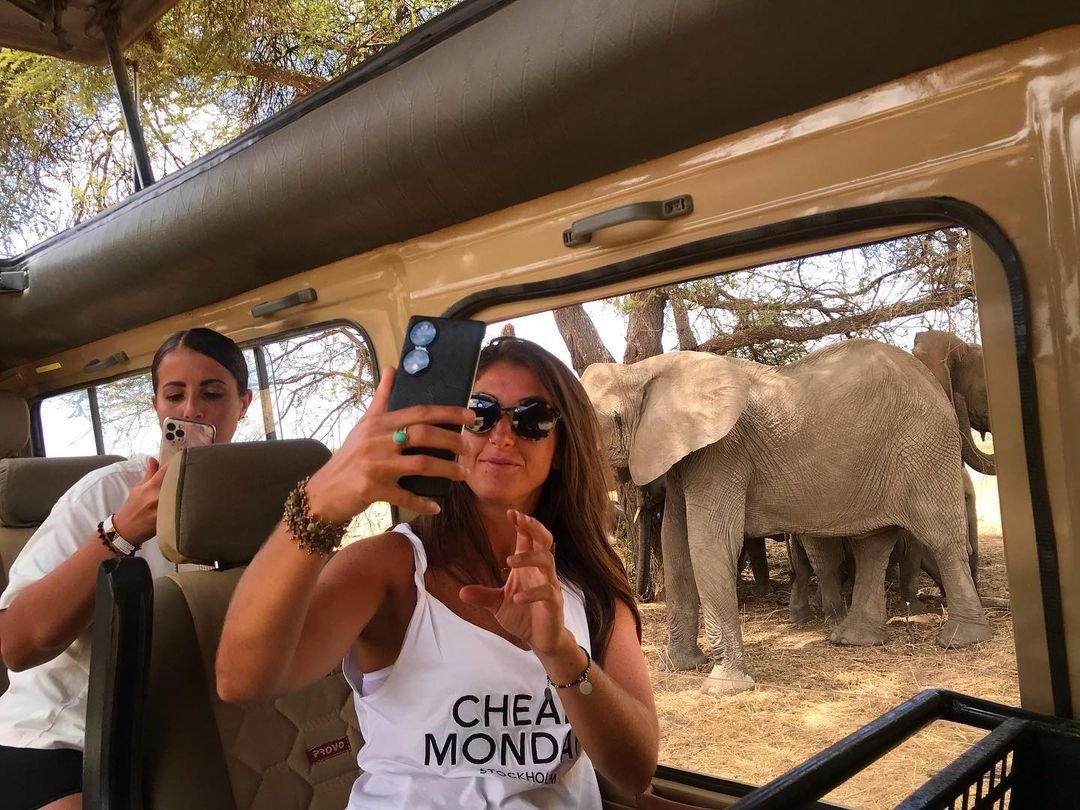
The allure of North Africa, with its ancient history, vibrant cultures, and diverse landscapes, continues to draw travelers seeking unique experiences. As we look towards 2026 and 2027, understanding the current North Africa travel trends is crucial for crafting an itinerary that is both authentic and aligned with modern traveler preferences. This region, encompassing countries like Morocco, Egypt, Tunisia, Algeria, and Libya, offers a rich tapestry of experiences, from the bustling souks of Marrakech to the timeless pyramids of Giza and the serene beaches of the Mediterranean coast.
Best Tanzania tour operator is your gateway to African adventures, and while our primary focus is East Africa, we recognize the interconnectedness of travel and the growing interest in exploring the broader continent. This guide will help you navigate the exciting North Africa travel trends, providing practical advice for planning your journey in 2026-2027.
Table of Contents
- Quick Facts on North Africa Travel
- North Africa Travel Trends: An Overview
- Why Understanding Trends Matters for Your Trip
- Key Destinations and Emerging Hotspots
- Shifting Traveler Preferences
- Popular Activities and Experiences
- Sustainability and Responsible Travel
- Safety and Practical Considerations
- Best Time to Visit North Africa
- Sample Itinerary: A Taste of Morocco (10 Days)
- North Africa Trip Planning Checklist
- Planning for 2026-2027: What to Expect
- Booking Your North Africa Adventure
- Frequently Asked Questions (FAQs)
North Africa Travel Trends: Quick Facts
| Aspect | Details |
|---|---|
| Primary Focus Countries | Morocco, Egypt, Tunisia, Algeria, Libya (with varying accessibility) |
| Dominant Travel Styles | Cultural Immersion, Historical Exploration, Adventure, Relaxation |
| Emerging Trends (2026-2027) | Eco-tourism, Digital Nomadism, Off-the-Beaten-Path Exploration, Wellness Retreats |
| Peak Seasons | Spring (March-May) and Autumn (September-November) for most regions. Winter for desert experiences. Summer can be very hot. |
| Common Entry Points | Casablanca (Morocco), Cairo (Egypt), Tunis (Tunisia) |
| Language | Arabic (various dialects), French, Berber languages. English is spoken in tourist areas. |
| Currency | Moroccan Dirham (MAD), Egyptian Pound (EGP), Tunisian Dinar (TND), Algerian Dinar (DZD) |
North Africa Travel Trends: An Overview
North Africa is a region of profound contrasts, where ancient traditions meet modern aspirations. The travel landscape here is dynamic, shaped by evolving global travel habits, increased accessibility, and a growing appreciation for authentic cultural encounters. For 2026-2027, several key North Africa travel trends are emerging, signaling a shift towards more meaningful and immersive journeys.
Travelers are increasingly looking beyond the most famous landmarks to connect with local communities, understand diverse ways of life, and engage with the region’s rich history in a deeper manner. This means a greater interest in homestays, local artisan workshops, cooking classes, and guided tours that prioritize cultural exchange over superficial sightseeing. The digital nomad trend is also finding traction, with longer stays becoming more common in cities offering good infrastructure and a vibrant atmosphere.
Adventure tourism continues to be a strong draw, with activities like trekking in the Atlas Mountains, exploring the Sahara Desert on camel or 4×4, and diving in the Red Sea remaining popular. However, there’s a growing emphasis on responsible adventure, ensuring that these experiences benefit local communities and minimize environmental impact. Wellness tourism is also on the rise, with travelers seeking retreats that combine cultural exploration with relaxation, yoga, and healthy cuisine.
Why Understanding Trends Matters for Your Trip
Knowing the current North Africa travel trends is not just about staying current; it’s about optimizing your travel experience. By understanding what travelers are looking for and what destinations and activities are gaining popularity, you can:
- Discover Hidden Gems: Trends often highlight lesser-known areas or unique experiences that might be overlooked in traditional guidebooks.
- Plan for Authenticity: Current trends favor genuine interactions and cultural immersion, helping you avoid overly touristy traps and find more meaningful encounters.
- Book Smarter: Understanding demand helps you book accommodations, tours, and transportation in advance, especially for popular emerging destinations or experiences in 2026-2027.
- Travel Responsibly: Awareness of sustainability trends encourages you to make choices that support local economies and protect the environment.
- Tailor Your Itinerary: You can align your trip with your personal interests, whether it’s adventure, history, food, or relaxation, by focusing on trends that resonate with you.
Key Destinations and Emerging Hotspots
While established destinations continue to attract visitors, several North African locales are gaining prominence based on current travel trends.
Morocco: The Enduring Favorite
Morocco remains at the forefront of North African tourism, consistently drawing travelers with its vibrant culture, stunning architecture, and diverse landscapes. Its popularity is driven by a combination of factors:
- Imperial Cities: Marrakech, Fes, Meknes, and Rabat offer a deep dive into Moroccan history and architecture, with bustling medinas, intricate palaces, and vibrant souks.
- Sahara Desert: Excursions to the Sahara, often involving camel treks and overnight stays in desert camps, are a quintessential Moroccan experience. Erg Chebbi and Erg Chigaga are prime locations.
- Atlas Mountains: Trekking opportunities in the High Atlas Mountains, including the Toubkal National Park, appeal to adventure seekers.
- Coastal Towns: Essaouira, with its relaxed atmosphere and artistic vibe, and Chefchaouen, the famous ‘Blue City’, offer unique coastal escapes.
Trend Focus: Experiential tourism in Morocco is booming. Travelers are seeking authentic cooking classes, artisan workshops (leather, pottery, weaving), and guided medina tours that go beyond the surface.
Egypt: Ancient Wonders and Modern Adventures
Egypt’s timeless appeal lies in its unparalleled ancient history. However, for 2026-2027, travelers are looking to experience Egypt in more comprehensive ways.
- Nile Cruises: The classic way to see Luxor, Aswan, and the temples along the Nile. Luxury and more intimate dahabiya cruises are gaining traction.
- Cairo: Home to the Giza Pyramids, Sphinx, and the Egyptian Museum (and the new Grand Egyptian Museum). Exploring the Khan el-Khalili bazaar is a must.
- Red Sea Resorts: Sharm El Sheikh and Hurghada are popular for diving, snorkeling, and beach holidays.
- Beyond the Classics: Interest is growing in visiting less-explored sites like the temples of Abydos and Dendera, or exploring the White Desert.
Trend Focus: Egypt is seeing a rise in ‘slow travel’ along the Nile, with longer cruises and more time spent at historical sites. Wellness retreats are also appearing, leveraging the serene desert landscapes.
Tunisia: Mediterranean Charm and Roman Heritage
Tunisia offers a blend of beautiful Mediterranean coastline, rich Roman history, and vibrant souks.
- Tunis and Carthage: Exploring the capital city and the ancient ruins of Carthage.
- Sidi Bou Said: A picturesque village with blue and white architecture overlooking the Mediterranean.
- Roman Amphitheaters: El Jem’s amphitheater is one of the best-preserved in the world.
- Sahara Excursions: Southern Tunisia offers desert landscapes and oasis towns like Douz.
Trend Focus: Tunisia is attracting travelers interested in its Roman heritage and unique desert experiences. Its affordability compared to some neighbors also makes it appealing.
Algeria: Untamed Beauty and Rich History
Algeria, the largest country in Africa, remains relatively underexplored by mass tourism, making it an attractive destination for adventurous travelers seeking authenticity.
- Roman Ruins: Timgad and Djemila are UNESCO World Heritage sites offering spectacular Roman cityscapes.
- Sahara Desert: The Hoggar Mountains and Tassili n’Ajjer National Park offer stunning desert scenery and ancient rock art.
- Casbah of Algiers: A UNESCO World Heritage site showcasing Ottoman architecture and history.
Trend Focus: Algeria is gaining traction among seasoned travelers looking for off-the-beaten-path adventures and deep historical exploration. Access and planning can be more complex, requiring specialized tours.
Shifting Traveler Preferences
The way people travel is evolving, and North Africa is adapting to these changes.
Authenticity and Cultural Immersion
Gone are the days when simply ticking off major sights was enough. Today’s travelers, especially those planning for 2026-2027, seek genuine connections. This translates to:
- Homestays and Local Guesthouses: Staying with local families or in small, locally-owned riads and dar hotels provides intimate cultural insights.
- Hands-on Activities: Cooking classes, pottery workshops, weaving demonstrations, and learning basic Arabic or Berber phrases are highly valued.
- Community-Based Tourism: Tours that directly benefit local communities, such as visiting Berber villages in the Atlas Mountains or engaging with nomadic communities in the desert, are increasingly sought after.
Adventure and Off-the-Beaten-Path Exploration
While iconic sites remain popular, there’s a growing desire to explore less-visited corners of the region.
- Desert Expeditions: Beyond standard camel treks, travelers are opting for multi-day 4×4 expeditions through remote desert landscapes.
- Trekking and Hiking: The Atlas Mountains in Morocco, the Aurès Mountains in Algeria, and even lesser-known ranges are attracting hikers.
- Coastal Exploration: Discovering quieter coastal towns and less-developed beaches.
Wellness and Slow Travel
The pursuit of well-being is influencing travel choices.
- Yoga and Meditation Retreats: Often set against scenic backdrops like the desert or mountains, these retreats offer a chance to disconnect and recharge.
- Healthy Cuisine: A growing interest in traditional North African food that emphasizes fresh, local ingredients.
- Digital Nomadism: Longer stays in cities like Marrakech, Fes, or Tunis are becoming more common for those working remotely, seeking good infrastructure and a stimulating environment.
Popular Activities and Experiences
Based on current North Africa travel trends, certain activities stand out for 2026-2027:
Cultural Deep Dives
- Medina Exploration: Guided tours focusing on specific crafts, history, or local life within the ancient walled cities.
- Culinary Tours: From street food adventures in Marrakech to fine dining experiences in Cairo, food is a major draw. Learning to prepare tagines or couscous is a highlight.
- Visiting Historical Sites: Beyond the main attractions, exploring lesser-known Roman ruins, ancient kasbahs, and historical mosques.
Adventure Pursuits
- Sahara Desert Safaris: Camel treks, 4×4 excursions, stargazing, and overnight camping in traditional Bedouin-style camps.
- Mountain Trekking: Guided hikes in Morocco’s High Atlas Mountains, including ascents of Mount Toubkal.
- Diving and Snorkeling: Particularly in Egypt’s Red Sea, known for its vibrant coral reefs and marine life.
Relaxation and Unique Stays
- Riad Stays: Experiencing traditional Moroccan guesthouses with interior courtyards, offering tranquility within bustling cities.
- Desert Glamping: Luxury tented camps in the Sahara offer comfort and unique desert views.
- Coastal Escapes: Relaxing in charming towns like Essaouira or the blue-and-white village of Sidi Bou Said.
Sustainability and Responsible Travel
Responsible travel is no longer a niche interest; it’s a core consideration for many travelers planning trips in 2026-2027. North Africa offers opportunities to travel sustainably:
- Supporting Local Economies: Choosing locally-owned accommodations, eating at local restaurants, and buying handicrafts directly from artisans.
- Respecting Culture: Dressing modestly when visiting religious sites or rural areas, learning a few basic phrases, and being mindful of local customs and traditions.
- Minimizing Environmental Impact: Reducing plastic waste, conserving water, and choosing eco-friendly tour operators.
- Community-Based Tourism Projects: Engaging with initiatives that directly benefit local communities and preserve cultural heritage.
For instance, many tours in Morocco now incorporate visits to women’s cooperatives producing argan oil or Berber communities offering authentic cultural exchanges. In Egypt, opting for smaller dahabiya Nile cruises over larger, more resource-intensive vessels is a more sustainable choice.
Safety and Practical Considerations
Safety is paramount for any trip. While North Africa is generally safe for tourists, it’s wise to be informed.
General Safety
- Petty Theft: As in any tourist destination, be aware of your surroundings, especially in crowded markets and tourist areas. Keep valuables secure.
- Scams: Be cautious of overly friendly strangers offering unsolicited help or tours, particularly in major tourist hubs. Stick to reputable guides and tour operators.
- Transportation: Use official taxis or ride-sharing apps. For longer distances, reputable bus companies or private transfers are recommended.
- Health: Consult your doctor about recommended vaccinations and necessary precautions. Drink bottled water and be cautious with street food.
Cultural Sensitivity
North African countries are predominantly Muslim, and while generally tolerant of tourists, modest dress is appreciated, especially when visiting religious sites or rural areas. This includes covering shoulders and knees. During Ramadan, be mindful of fasting hours and avoid eating or drinking publicly during the day.
Political Stability
While most tourist areas are stable, it’s always advisable to check the latest travel advisories from your country’s foreign office before booking and traveling. Political situations can change, and staying informed is key.
Best Time to Visit North Africa
The ideal time to visit North Africa largely depends on the specific country and region you plan to explore, but general trends apply.
| Season | Months | Pros | Cons | Best For |
|---|---|---|---|---|
| Spring | March – May | Pleasant temperatures, blooming landscapes (especially Morocco), fewer crowds than peak summer. | Can still be cool in desert at night, potential for occasional rain. | City exploration, trekking, desert tours. |
| Summer | June – August | Warmest temperatures, ideal for beach holidays. | Very hot inland and in the desert, can be uncomfortable for sightseeing. High tourist season in coastal resorts. | Coastal resorts, Red Sea diving. |
| Autumn | September – November | Ideal temperatures, harvest season, beautiful light for photography, comfortable for all activities. | Can be busy during school holidays, prices may increase. | All activities, cultural immersion, desert tours. |
| Winter | December – February | Mild temperatures in coastal areas, cooler in mountains (snow possible), fewer crowds. Excellent for desert star gazing. | Cold nights in the desert and mountains, some attractions may have reduced hours. | Desert experiences, city breaks, enjoying milder coastal weather. |
For 2026-2027, consider booking popular shoulder season dates (spring and autumn) well in advance, as these periods are highly sought after for their ideal weather conditions.
Sample Itinerary: A Taste of Morocco (10 Days)
This sample itinerary focuses on popular North Africa travel trends, blending cultural immersion, historical sites, and a touch of adventure.
Day 1-3: Marrakech – The Red City
- Arrive in Marrakech, transfer to your riad in the medina.
- Explore Jemaa el-Fna square, Koutoubia Mosque, Bahia Palace, and the Saadian Tombs.
- Wander through the souks, perhaps taking a guided tour focusing on artisan crafts.
- Participate in a Moroccan cooking class.
- Visit the Majorelle Garden and the Yves Saint Laurent Museum.
Day 4: Atlas Mountains Day Trip
- Scenic drive into the High Atlas Mountains.
- Visit Berber villages, enjoy a short hike with panoramic views.
- Lunch at a local restaurant with mountain vistas.
Day 5-6: Fes – The Spiritual Capital
- Travel to Fes (train or private transfer).
- Check into your riad in the Fes el-Bali medina.
- Explore the UNESCO-listed medina, including the tanneries, Al-Attarine Madrasa, and Kairaouine Mosque (exterior).
- Visit the Royal Palace and the Mellah (Jewish Quarter).
- Consider a workshop on traditional Fes crafts like zellij tilework.
Day 7: Chefchaouen – The Blue Pearl
- Day trip or overnight stay in the picturesque blue city of Chefchaouen.
- Wander through its charming blue-washed streets, enjoy the relaxed atmosphere.
Day 8-9: Sahara Desert Experience (Erg Chebbi)
- Longer travel day to Merzouga, gateway to Erg Chebbi dunes.
- Camel trek into the dunes to reach your desert camp.
- Enjoy sunset over the dunes, traditional Berber dinner, and stargazing.
- Optional: 4×4 tour of the desert landscape, visit nomadic families.
Day 10: Departure
- Return journey towards Marrakech or Fes for your departure flight. (This may require an early start or an overnight stop en route depending on flight times).
This itinerary can be customized. For 2026-2027, consider extending stays in areas of particular interest or incorporating more off-the-beaten-path destinations.
North Africa Trip Planning Checklist
Pre-Trip (6-12 Months Out)
- Research destinations and North Africa travel trends for 2026-2027.
- Determine your budget.
- Choose your travel dates, considering seasonality.
- Book international flights.
- Decide on your travel style (independent, guided tour, private driver).
Mid-Trip Planning (3-6 Months Out)
- Book key accommodations (especially unique stays like riads or desert camps).
- Arrange internal transportation (trains, flights, private transfers).
- Book popular tours or activities.
- Check visa requirements for your nationality.
- Purchase travel insurance.
Closer to Departure (1-3 Months Out)
- Consult your doctor for vaccinations and health advice.
- Obtain necessary currency or plan for ATM usage.
- Learn basic phrases in Arabic or French.
- Start packing.
- Confirm all bookings and print/save important documents.
Final Preparations (1-2 Weeks Out)
- Inform your bank of your travel dates.
- Pack essentials: medications, adapter, comfortable shoes, modest clothing.
- Download offline maps and translation apps.
- Share your itinerary with a trusted contact.
Planning for 2026-2027: What to Expect
As you plan your North Africa adventure for 2026-2027, keep these forward-looking tips in mind:
- Book Early for Unique Experiences: Popular eco-lodges, wellness retreats, and small-group cultural tours are likely to book up quickly. Aim to secure your spots 6-9 months in advance.
- Embrace Flexibility: While planning is essential, allow for spontaneity. Some of the best travel moments happen unexpectedly.
- Consider Off-Season Travel: Traveling just outside the peak spring and autumn seasons (e.g., late February or early December) can offer fewer crowds and potentially better value, while still enjoying good weather in many areas.
- Digital Nomad Infrastructure: If you plan to work remotely, research cities known for good Wi-Fi and co-working spaces. Morocco (Marrakech, Fes) and Tunisia are developing this infrastructure.
- Focus on Sustainable Operators: Actively seek out tour operators who demonstrate a commitment to responsible tourism practices. Look for certifications or clear policies on community engagement and environmental protection.
- Stay Informed on Regional Developments: Keep an eye on news and travel advisories specific to the countries you intend to visit.
Booking Your North Africa Adventure
Choosing the right way to book your trip can significantly impact your experience. Here’s some advice for 2026-2027 travel:
Working with Tour Operators
For a comprehensive and stress-free experience, especially in regions like Algeria or for complex itineraries, working with a specialized tour operator is often recommended. They can handle logistics, provide expert local knowledge, and ensure your trip aligns with current North Africa travel trends.
- Look for Specialization: Choose operators with a strong focus on North Africa or specific countries within the region.
- Read Reviews: Seek out independent reviews and testimonials.
- Inquire About Inclusions: Understand exactly what is covered in your tour package.
- Ask About Sustainability Practices: A good operator will be transparent about their commitment to responsible tourism.
Independent Travel
If you prefer more freedom, independent travel is certainly possible, particularly in Morocco and Tunisia. This often involves:
- Booking Flights and Accommodations Separately: Use reputable booking sites.
- Arranging Local Transport: Utilize trains, buses, and reputable taxi services.
- Hiring Local Guides: For specific sites or cultural experiences, hiring licensed local guides can greatly enhance your understanding.
Key Considerations for Booking
- Deposit and Payment: Understand the payment schedule and cancellation policies.
- Travel Insurance: Absolutely essential. Ensure it covers medical emergencies, trip cancellations, and lost belongings.
- Customization: Many operators offer custom itineraries. If you have specific interests related to North Africa travel trends (e.g., photography, culinary focus, specific historical periods), communicate them.
Ready to Plan Your Adventure?
While we specialize in Tanzania, we understand the broader appeal of Africa. If you’re planning a trip to North Africa and are looking for guidance, or if you’re considering combining it with an East African adventure, our team can offer insights or connect you with trusted partners.
For inquiries about planning your next African journey, including potential extensions or multi-country trips, please reach out:
WhatsApp: +255616946642
Email: topguideadventures@gmail.com
Backup Email: info@topguideadventures.com
Frequently Asked Questions (FAQs)
Q1: What are the most significant North Africa travel trends for 2026-2027?
A1: Key North Africa travel trends for 2026-2027 include a strong focus on authentic cultural immersion, a rise in sustainable and responsible tourism, increased interest in off-the-beaten-path destinations, and a growing demand for wellness and slow travel experiences. Travelers are seeking deeper connections with local communities and a more meaningful engagement with the region’s history and landscapes.
Q2: Is North Africa safe for solo female travelers?
A2: Many solo female travelers visit North Africa without incident. Morocco and Tunisia are generally considered safer and more accustomed to solo visitors. It’s advisable to dress modestly, be aware of your surroundings, avoid walking alone late at night in unfamiliar areas, and use reputable transportation. Researching specific destinations and staying informed about local customs is recommended.
Q3: What is the best way to experience the Sahara Desert?
A3: The most popular ways to experience the Sahara are through camel treks or 4×4 excursions leading to desert camps. For 2026-2027, travelers are increasingly opting for overnight stays in comfortable or luxury desert camps, offering traditional meals, music, and incredible stargazing opportunities. Erg Chebbi and Erg Chigaga in Morocco are prime locations.
Q4: Do I need a visa for North Africa?
A4: Visa requirements vary significantly by nationality and the specific country you plan to visit. Many nationalities can enter Morocco, Tunisia, and Egypt visa-free for short stays. Algeria often requires a visa obtained in advance. It is crucial to check the latest visa regulations for your passport with the relevant embassy or consulate well before your travel dates for 2026-2027.
Q5: How can I travel more sustainably in North Africa?
A5: To travel more sustainably, prioritize locally-owned accommodations and businesses, reduce your plastic consumption by using a reusable water bottle, be mindful of water and energy usage, respect local customs and traditions, and choose tour operators committed to responsible tourism practices. Supporting community-based tourism projects is also a great way to contribute positively.
Q6: What are the essential items to pack for a trip to North Africa?
A6: Essentials include comfortable walking shoes, light and breathable clothing (layers are key), modest attire for visiting religious sites or rural areas, a sun hat, sunglasses, high SPF sunscreen, a reusable water bottle, a travel adapter, any personal medications, and a basic first-aid kit. A scarf can be useful for women for modesty or sun protection.
Q7: What is the currency in Morocco, Egypt, and Tunisia?
A7: Morocco uses the Moroccan Dirham (MAD), Egypt uses the Egyptian Pound (EGP), and Tunisia uses the Tunisian Dinar (TND). While credit cards are accepted in larger hotels and shops in major cities, it’s advisable to carry cash for smaller purchases, markets, and in more remote areas. ATMs are widely available in cities.
Q8: How important is learning basic Arabic or French?
A8: While English is spoken in tourist areas, learning a few basic phrases in Arabic (or French, which is widely understood) is highly appreciated and can significantly enhance your interactions with locals. Phrases for greetings, thank you, and please can go a long way in fostering positive connections.
Q9: Are there good opportunities for adventure travel in North Africa beyond safaris?
A9: Absolutely. North Africa offers excellent adventure opportunities. This includes trekking in Morocco’s Atlas Mountains (including Mount Toubkal), exploring Algeria’s Sahara via 4×4, diving and snorkeling in Egypt’s Red Sea, and hiking in various desert mountain ranges. These activities align with the growing trend for active exploration.
Q10: How far in advance should I book my trip for 2026-2027?
A10: For popular North Africa travel trends and destinations, especially during peak seasons (spring and autumn), it’s recommended to book your international flights and key accommodations 6-9 months in advance for 2026-2027. For specialized tours, unique stays, or travel during holidays, booking 9-12 months ahead is advisable.
Plan Your Unforgettable North Africa Adventure
Understanding the evolving North Africa travel trends for 2026-2027 empowers you to plan a trip that is rich, authentic, and perfectly suited to your interests. Whether you dream of exploring ancient ruins, trekking through dramatic landscapes, or immersing yourself in vibrant cultures, this region offers endless possibilities.
If you’re seeking expert advice for planning your North African journey, or if you’re considering combining it with an unforgettable safari in Tanzania or a climb up Kilimanjaro, our team is here to help. We can provide guidance and connect you with trusted partners for your North Africa travel needs.
Contact us today to start planning your adventure:
WhatsApp: +255616946642
Email: topguideadventures@gmail.com
Backup Email: info@topguideadventures.com
Plan your North Africa Travel Trends with Top Guide Adventures
Tell us your travel dates, group size, comfort level, and dream experience. We will help you shape a clear, realistic, and memorable Tanzania itinerary.



