
Updated planning guide for 2026-2027
North Africa Photography Journeys: Complete Guide 2026-2027
Discover the vibrant cultures and breathtaking landscapes of North Africa through the lens. This comprehensive guide offers expert advice for planning your photography adventure, from choosing destinations to packing the right gear, ensuring you capture unforgettable moments.
WhatsApp +255616946642 | topguideadventures@gmail.com | info@topguideadventures.com
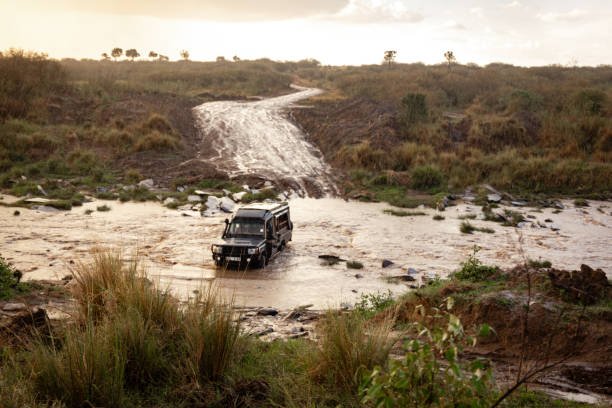
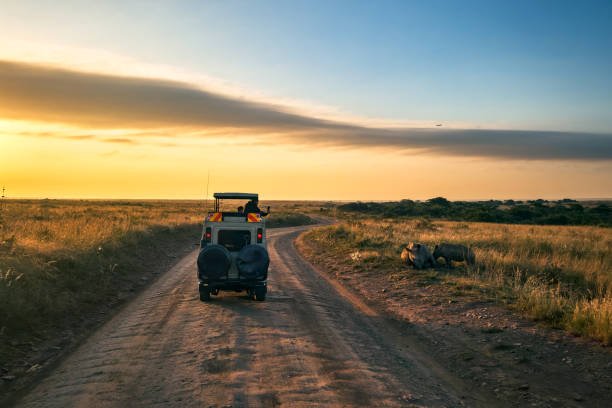
North Africa Photography Journeys: An Essential Travel Guide
North Africa presents a compelling canvas for photographers, offering a rich blend of ancient history, vibrant cultures, dramatic desert landscapes, and bustling medinas. From the iconic blue city of Chefchaouen to the vast Sahara Desert and the historical echoes of Roman ruins, this region provides endless opportunities to capture unique and powerful imagery. Planning a North Africa photography journey requires attention to detail, understanding local customs, and preparing for diverse environments. This guide will equip you with the knowledge to create an exceptional photographic expedition.
Quick Facts: North Africa Photography Journeys
| Region | North Africa (Morocco, Egypt, Tunisia, Algeria, Libya – focus on accessible destinations) |
|---|---|
| Primary Draw for Photographers | Cultural immersion, desert landscapes, historical sites, unique architecture, vibrant street life |
| Best Time to Visit | Spring (March-May) and Autumn (September-November) for pleasant weather and light. Avoid peak summer heat. |
| Key Photography Subjects | Medinas, souks, desert dunes, ancient ruins, Berber villages, coastal towns, traditional crafts, local people (with respect) |
| Travel Style Suitability | Independent travel, guided tours, specialized photography workshops |
| Language | Arabic (various dialects), Berber languages, French, English (in tourist areas) |
| Currency | Moroccan Dirham (MAD), Egyptian Pound (EGP), Tunisian Dinar (TND), Algerian Dinar (DZD) |
Why Choose North Africa for Your Photography Expedition?
North Africa is a treasure trove for photographers seeking subjects that tell stories. The region’s allure lies in its contrasts: the stark beauty of the Sahara juxtaposed with the intricate details of Moorish architecture; the quiet reverence of ancient temples against the lively energy of a Moroccan souk. It’s a place where light plays dramatically across sand dunes and casts long shadows through narrow alleyways.
For photographers, this translates into:
- Rich Visual Narratives: Capture the daily lives of artisans, the expressions of market vendors, and the serene moments of desert life.
- Architectural Wonders: From Roman amphitheaters in Tunisia to Ottoman-era mosques and the distinct Riads of Morocco, the architectural diversity is immense.
- Dramatic Landscapes: The Sahara Desert offers unparalleled opportunities for landscape photography, especially during the golden hours. Coastal areas and mountain ranges also provide stunning backdrops.
- Cultural Depth: The people, their traditions, clothing, and festivals offer profound subjects for portraiture and cultural documentation.
Understanding the Best Time for North Africa Photography Journeys
The timing of your North Africa photography journey significantly impacts your comfort, the light quality, and the subjects you can photograph. Generally, the shoulder seasons offer the best conditions.
Optimal Photography Seasons
| Season | Months | Photography Advantages | Considerations |
|---|---|---|---|
| Spring | March – May | Pleasant temperatures, blooming flora in some areas, soft light, good for landscapes and city exploration. Longer daylight hours. | Can be windy in desert regions. Popular tourist season. |
| Summer | June – August | Harsh midday light can create strong contrasts (good for some styles). Fewer crowds in some areas. | Extremely hot, especially inland and in the desert. Difficult for extended outdoor shoots. Limited wildlife activity during the day. |
| Autumn | September – November | Mild temperatures, beautiful golden light, clear skies, harvest festivals in some agricultural areas. Ideal for desert and city shoots. | Days get shorter. Can still be warm in early autumn. |
| Winter | December – February | Clear, crisp light, fewer tourists, dramatic skies. Snow possible in mountainous regions (Atlas Mountains). | Cold, especially at night and in higher altitudes. Shorter daylight hours. Some desert areas can be very cold at night. |
Key Destinations for North Africa Photography Journeys
While North Africa is vast, certain areas stand out for their photographic potential. Focusing on Morocco, Egypt, and Tunisia offers a diverse range of subjects and manageable logistics for most travelers.
Morocco: A Photographer’s Dream
Morocco is arguably the most accessible and visually diverse country in North Africa for photographers.
- Marrakech: The Jemaa el-Fna square at dusk, the bustling souks, the intricate tilework of palaces like Bahia Palace, and the vibrant colors of the dye pits are essential.
- Fes: Explore the labyrinthine Fes el-Bali medina, the world’s largest car-free urban area. Focus on the tanneries (especially Chouara), artisan workshops, and the ancient Qaraouiyyin University.
- Chefchaouen: Famous for its striking blue-washed buildings, this Rif Mountain town offers endless picturesque alleyways and charming street scenes.
- Sahara Desert (Merzouga/Erg Chebbi): Camel treks, vast sand dunes, Berber camps, and the ethereal light of sunrise and sunset create iconic desert imagery. Stargazing here is also phenomenal.
- Atlas Mountains: Capture traditional Berber villages clinging to hillsides, terraced fields, and dramatic mountain passes.
- Coastal Cities (Essaouira): Capture the blue fishing boats, seagulls, windswept ramparts, and vibrant markets.
Egypt: Ancient Wonders and Nile Life
Egypt offers a unique blend of ancient history and vibrant modern life along the Nile.
- Giza Pyramids and Sphinx: Iconic structures that demand to be photographed, especially at sunrise or sunset, or from panoramic viewpoints.
- Luxor: The Valley of the Kings, Karnak Temple, Luxor Temple, and the Mortuary Temple of Hatshepsut are vast archaeological sites offering incredible photographic opportunities.
- Aswan: Philae Temple, Abu Simbel (often visited as a day trip), felucca boats sailing on the Nile, and Nubian villages provide a different perspective.
- Cairo: The Khan el-Khalili bazaar, Islamic Cairo’s mosques and minarets, and the sheer scale of the city offer urban photography subjects.
Tunisia: Roman Ruins and Mediterranean Charm
Tunisia combines Roman history with beautiful Mediterranean coastlines and unique desert landscapes.
- Carthage: Explore the remnants of this ancient Phoenician city, including the Antonine Baths and Punic harbors.
- El Jem Amphitheatre: One of the best-preserved Roman amphitheatres in the world, offering dramatic architectural shots.
- Sidi Bou Said: A picturesque village with white-washed buildings and blue doors overlooking the Mediterranean, similar in appeal to Chefchaouen.
- Djerba: Known for its unique Berber architecture, traditional souks, and coastal beauty.
- Sahara Desert (Tozeur/Douz): Access to desert landscapes, oasis towns, and unique rock formations.
Sample Itinerary Logic for a North Africa Photography Journey (Morocco Focus)
A well-structured itinerary is key to maximizing photographic opportunities and minimizing travel fatigue. This sample focuses on Morocco, a popular choice for its diversity.
14-Day Morocco Photography Expedition
- Day 1-3: Marrakech Immersion
- Focus: Jemaa el-Fna square (day & night), souks, Bahia Palace, Koutoubia Mosque exterior, local life.
- Tips: Arrive early for markets, shoot Jemaa el-Fna as dusk falls and the food stalls light up. Seek permission for portraits.
- Day 4: High Atlas Mountains Crossing
- Focus: Scenic drives, Berber villages, mountain landscapes.
- Tips: Stop at viewpoints, photograph traditional architecture.
- Day 5-6: Ait Benhaddou & Ouarzazate
- Focus: Kasbah Ait Benhaddou (UNESCO site), Atlas film studios (optional).
- Tips: Shoot Ait Benhaddou at sunrise or sunset for dramatic light and fewer crowds. Explore the textures of the mud-brick architecture.
- Day 7-9: Sahara Desert Adventure (Erg Chebbi)
- Focus: Sunrise/sunset over dunes, camel treks, Berber camp life, starry skies.
- Tips: Use a tripod for low light. Experiment with long exposures for stars. Capture the scale of the dunes.
- Day 10: Todra Gorge & Dades Valley
- Focus: Dramatic canyon walls, unique rock formations (Monkey Fingers), rural landscapes.
- Tips: Photograph the scale of the gorge, the winding roads, and local life in the valleys.
- Day 11-12: Fes Medina Exploration
- Focus: Tanneries (Chouara), souks, artisan workshops, ancient architecture, Qaraouiyyin University.
- Tips: Get a local guide to navigate the medina. Shoot the tanneries from the designated viewing platforms (mint offered). Focus on details and textures.
- Day 13: Chefchaouen’s Blue Hues
- Focus: Blue streets, doors, alleyways, local life in the Rif Mountains.
- Tips: Wander aimlessly and let the colors guide you. Look for interesting compositions in the narrow lanes.
- Day 14: Departure from Tangier or Fes
- Focus: Final moments, travel to airport.
What to Expect: Practicalities for Photographers
A North Africa photography journey is rewarding but requires preparation for specific conditions.
- Light: The North African sun can be intense. Early mornings and late afternoons offer the most flattering light for landscapes and portraits. Midday sun is harsh and can blow out details.
- Heat: Summers can be extremely hot, especially in the desert and inland cities. Plan shooting schedules around the coolest parts of the day.
- Crowds: Popular sites can get crowded. Visiting at opening or closing times, or during shoulder seasons, can help.
- Culture and Respect: Always ask permission before photographing people, especially women. Be mindful of local customs regarding photography in religious sites or sensitive areas. Dress modestly.
- Navigation: Medinas can be disorienting. Hiring local guides can be invaluable for finding the best spots and navigating safely.
- Power and Connectivity: Electricity is generally reliable in cities, but power outages can occur. Bring power banks for remote areas. Wi-Fi is common in hotels and cafes, but can be slow.
Essential Gear for Your Photography Kit
Choosing the right gear balances capability with portability. For North Africa, versatility is key.
Photography Gear Checklist
- Camera Body: A DSLR or mirrorless camera offering good low-light performance and interchangeable lenses.
- Lenses:
- Wide-angle (e.g., 16-35mm equivalent): For landscapes, architecture, and expansive medina scenes.
- Standard Zoom (e.g., 24-70mm equivalent): A versatile workhorse for general shooting, street photography, and portraits.
- Telephoto Zoom (e.g., 70-200mm equivalent): Useful for wildlife (if applicable), isolating details, and discreet street photography.
- Prime Lens (e.g., 35mm or 50mm f/1.8): Excellent for low light, portraits, and creating a shallow depth of field.
- Tripod: Essential for low-light shooting (dusk, dawn, night sky), long exposures, and sharp landscape shots. A sturdy but lightweight travel tripod is recommended.
- Extra Batteries and Memory Cards: You’ll be shooting a lot, and power sources may be limited in remote areas.
- Cleaning Kit: Lens cloths, blower, and sensor cleaning tools are vital, especially in dusty desert environments.
- Camera Bag: A comfortable and secure bag that protects your gear. Consider a backpack for hikes and a smaller shoulder bag for city exploration.
- Laptop/Tablet & External Hard Drive: For backing up your photos daily.
- Power Bank: To keep your devices charged on the go.
- Filters:
- Polarizing Filter: Reduces glare, enhances sky colors, and improves saturation.
- Neutral Density (ND) Filters: For long exposures during the day (e.g., smoothing water).
- Lens Hoods: To prevent lens flare and protect your front element.
Preparation and Packing for Your Trip
Beyond photography gear, practical packing is crucial for comfort and safety.
Personal Packing Checklist
- Clothing: Lightweight, breathable fabrics. Layers are essential. Long sleeves and trousers offer sun protection and cultural respect. Neutral colors are often best for blending in and avoiding unwanted attention.
- Footwear: Comfortable walking shoes or hiking boots, sandals for relaxing.
- Sun Protection: Wide-brimmed hat, sunglasses, high SPF sunscreen.
- Scarf/Shemagh: Useful for sun protection, dust protection (especially in the desert), and as a modest accessory.
- Adapter and Power Converter: For your electronics.
- First-Aid Kit: Basic supplies for cuts, blisters, stomach issues, and any personal medications.
- Reusable Water Bottle: Stay hydrated and reduce plastic waste.
- Small Backpack: For day trips and carrying essentials.
- Hand Sanitizer and Wet Wipes: Always useful.
Common Mistakes to Avoid on North Africa Photography Journeys
Learning from others’ experiences can prevent common pitfalls.
- Overpacking Gear: Carrying too much equipment can be exhausting, especially in hot climates or when navigating crowded spaces. Prioritize versatility.
- Ignoring Local Customs: Photographing people without permission or disrespecting religious sites can lead to negative interactions and missed opportunities. Always be sensitive.
- Shooting Only in Harsh Midday Light: This results in flat, contrasty images. Plan your days around the golden hours.
- Not Backing Up Photos Daily: Losing your images due to a camera malfunction or theft is devastating. Implement a rigorous backup routine.
- Underestimating Travel Times: Distances can be deceptive, and road conditions can vary. Build buffer time into your itinerary.
- Not Hiring Local Guides: Guides can offer access to unique perspectives, cultural insights, and photographic spots you wouldn’t find on your own.
- Focusing Solely on the Obvious: Look for the details – textures, patterns, expressions, everyday moments – not just the iconic landmarks.
Who is a North Africa Photography Journey Best For?
This type of trip appeals to a specific kind of traveler:
- Passionate Photographers: Those who view travel as an opportunity to capture compelling images and tell visual stories.
- Culture Enthusiasts: Individuals eager to immerse themselves in diverse traditions, history, and daily life.
- Adventure Seekers: Those comfortable with exploring new environments, including desert treks and navigating bustling cities.
- History Buffs: Anyone fascinated by ancient civilizations, Roman ruins, and historical architecture.
- Independent Travelers: Those who enjoy planning their own routes and experiences, though guided options are also excellent.
It might be less suitable for travelers seeking a purely relaxing beach holiday or those who are uncomfortable with basic travel challenges like navigating unfamiliar markets or dealing with heat.
Alternatives to a Pure Photography Journey
If a dedicated photography journey feels too intense or specialized, consider these approaches:
- Cultural Immersion Tours: Focus on experiencing the culture with photography as a secondary activity.
- General Adventure Tours: Include photography opportunities as part of a broader adventure experience, such as safaris or trekking.
- Short Photography Workshops: Focus on a specific skill or location for a shorter duration.
- Combining with Other Regions: Integrate a North African photography segment into a larger trip, perhaps combining it with Southern Europe or Sub-Saharan Africa.
Planning Your North Africa Photography Journey for 2026-2027
Planning ahead is crucial, especially for a specialized trip like a North Africa photography journey. Booking popular tours or workshops for 2026 and 2027 should begin well in advance.
2026-2027 Planning Considerations
- Research Destinations: Decide which countries and specific locations best align with your photographic interests.
- Choose Your Travel Style: Will you join a specialized photography tour, hire a local guide, or travel independently? For photography, guided tours or local guides can offer unique access and insights.
- Book Flights and Accommodation: Secure international flights and key accommodations in popular cities early, especially for peak seasons in 2026 and 2027.
- Secure Photography Tours/Workshops: If opting for a guided photography tour, these often fill up months in advance. Look for operators with strong reviews and local expertise.
- Visa Requirements: Check visa regulations for your nationality for each country you plan to visit.
- Health and Vaccinations: Consult your doctor about recommended vaccinations and health precautions for the region.
- Travel Insurance: Ensure comprehensive travel insurance that covers medical emergencies, trip cancellations, and importantly, your photography equipment.
- Budgeting: Factor in costs for flights, accommodation, internal transport, food, entrance fees, guides, and potential workshop fees.
Booking Advice for North Africa Photography Journeys
Selecting the right tour operator or guide service is paramount for a successful photography trip. Look for:
- Specialized Photography Focus: Operators who understand the needs of photographers, such as timing shoots for optimal light, arranging unique access, and having knowledgeable guides.
- Local Expertise: Companies with deep roots and extensive experience in North Africa can provide authenticity and handle logistics smoothly.
- Reputation and Reviews: Seek out testimonials and reviews from previous clients, especially photographers.
- Itinerary Flexibility: While a structured itinerary is good, some flexibility allows for spontaneous photographic opportunities.
- Clear Inclusions/Exclusions: Understand exactly what is covered in the tour price.
When considering your options for 2026 or 2027, reach out to operators early to discuss your specific photographic interests and requirements. For bespoke experiences or expert guidance on North African photography, consider contacting experienced local operators.
Contact Us for Your Custom North Africa Photography Journey
Are you dreaming of capturing the soul of North Africa through your lens? Whether you envision the vastness of the Sahara, the intricate details of ancient cities, or the vibrant life of bustling souks, we can help craft your perfect photography expedition. Our team specializes in creating tailored travel experiences that cater to the unique needs of photographers.
Let us help you plan an unforgettable North Africa photography journey for 2026 or 2027. We offer expert advice, local insights, and custom itineraries designed to maximize your photographic opportunities.
Get in touch today:
- WhatsApp: +255616946642
- Email: topguideadventures@gmail.com
- Backup Email: info@topguideadventures.com
Frequently Asked Questions (FAQs)
- What is the best time of year for North Africa photography journeys in 2026?
- The best times for photography journeys in North Africa are typically Spring (March-May) and Autumn (September-November). These periods offer pleasant weather, softer light, and fewer crowds than peak summer, making it ideal for capturing landscapes and street scenes.
- Is it safe to travel to North Africa for photography?
- Generally, yes. Popular tourist destinations in Morocco, Egypt, and Tunisia are considered safe for travelers, including photographers. However, it’s always wise to stay informed about current local conditions, respect cultural norms, and take standard travel precautions. Hiring local guides can enhance safety and provide valuable insights.
- Do I need a special permit to photograph people in North Africa?
- While formal permits are rarely required for general street photography, it is crucial and respectful to ask for permission before taking close-up portraits of individuals, especially in rural areas or of women. A polite gesture and a smile often go a long way.
- What kind of camera gear is essential for a North Africa photography trip?
- A versatile setup is best. Consider a DSLR or mirrorless camera with a good standard zoom lens (e.g., 24-70mm), a wide-angle lens for landscapes and architecture, and potentially a telephoto for details or wildlife. A sturdy tripod is essential for low light and desert shots. Extra batteries and memory cards are a must.
- Are there specific photography tours available for North Africa in 2027?
- Yes, numerous tour operators offer specialized photography tours to North Africa, particularly Morocco and Egypt. These tours are often led by experienced photographers and are designed to maximize photographic opportunities, focusing on optimal light and access to unique locations.
- What should I wear for photography in North Africa?
- Lightweight, breathable clothing is recommended. Long sleeves and trousers are practical for sun protection and cultural modesty. Neutral colors can help you blend in. Comfortable walking shoes are essential. A scarf or shemagh is useful for sun and dust protection.
- How do I handle dust and sand affecting my camera gear?
- In desert environments, protect your gear by keeping it in a sealed bag when not in use. Use a blower to remove loose dust before wiping. Avoid changing lenses in dusty conditions. A good quality camera bag and lens hoods are also protective.
- Can I travel independently or should I book a guided tour for North Africa photography journeys?
- Both are possible. Independent travel offers flexibility, but guided tours or hiring local photography guides can provide access to exclusive locations, expert advice, and a deeper understanding of the culture, often leading to better photographic results.
- What are the main photographic attractions in North Africa?
- Key attractions include the bustling medinas and souks of Marrakech and Fes, the vast Sahara Desert dunes, ancient Roman ruins in Tunisia and Egypt, the Nile River and its temples in Egypt, and the unique blue-washed streets of Chefchaouen, Morocco.
- What are the considerations for photography in the Sahara Desert?
- The Sahara offers incredible light for sunrise and sunset. You’ll need a tripod for low light, protection for your gear from sand, and warm clothing for cold desert nights. Long exposures for star photography are spectacular due to minimal light pollution.
Plan Your Unforgettable North Africa Photography Journey
North Africa is a destination that rewards photographers with its depth, color, and stories. By planning carefully, respecting local cultures, and bringing the right gear, you can create a portfolio of images that truly capture the spirit of this captivating region. Whether you are planning for 2026 or 2027, now is the time to start envisioning your adventure.
Let us help you design the ultimate North Africa photography journey. Our expertise ensures your trip is not only visually spectacular but also culturally enriching and logistically sound. We are passionate about helping travelers capture the essence of destinations like Morocco, Egypt, and Tunisia.
Contact us to start planning your dream North Africa photography journey:
- WhatsApp: +255616946642
- Email: topguideadventures@gmail.com
- Backup Email: info@topguideadventures.com
Plan your North Africa Photography Journeys with Top Guide Adventures
Tell us your travel dates, group size, comfort level, and dream experience. We will help you shape a clear, realistic, and memorable Tanzania itinerary.



