
Updated planning guide for 2026-2027
North Africa Photography Expeditions: Complete Guide 2026-2027
A comprehensive guide to planning and executing exceptional photography expeditions across North Africa. Learn about iconic landscapes, cultural encounters, and practical tips for photographers.
WhatsApp +255616946642 | topguideadventures@gmail.com | info@topguideadventures.com
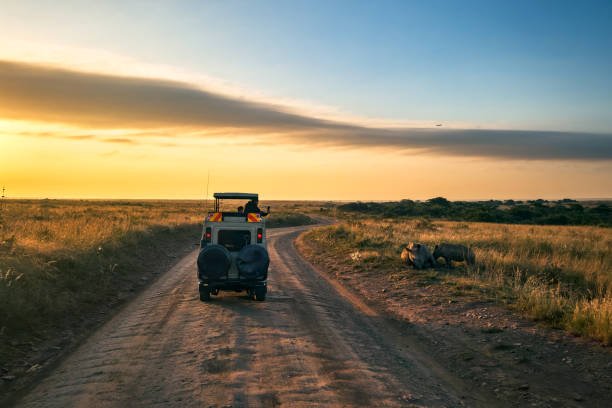
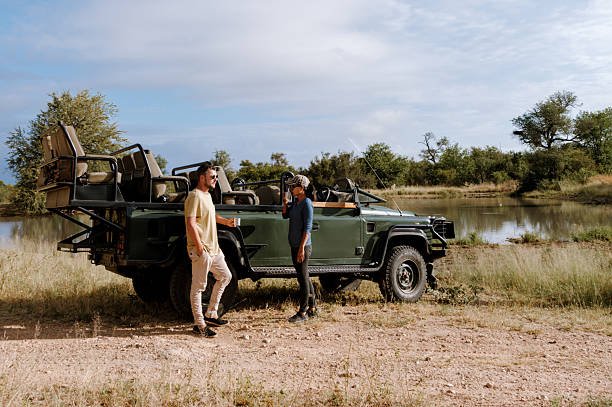
North Africa Photography Expeditions: Your Ultimate Planning Guide
North Africa presents a compelling canvas for photographers seeking dramatic landscapes, vibrant cultures, and unique historical narratives. From the endless Sahara sands to the ancient medinas and rugged coastlines, this region offers a wealth of visual storytelling opportunities. Planning a successful photography expedition here requires more than just a good camera; it demands careful consideration of destinations, timing, logistics, and cultural etiquette. This guide provides an in-depth look at what makes North Africa a prime location for photographic adventures and how to best prepare for your journey in 2026 and 2027.
Table of Contents
- Quick Facts for North Africa Photography Expeditions
- North Africa: A Photographer’s Dream
- Why Choose North Africa for Your Next Expedition?
- Best Time for North Africa Photography Expeditions
- Key Destinations for Your Itinerary
- Sample North Africa Photography Expedition Itinerary
- What to Expect on Your Expedition
- Essential Packing and Preparation
- Common Mistakes to Avoid
- Who Are North Africa Photography Expeditions Best For?
- Alternatives to Consider
- Planning Your 2026-2027 Expedition
- Booking Your North Africa Photography Expedition
- Frequently Asked Questions
Quick Facts for North Africa Photography Expeditions
A snapshot of what to know before you go.
| Aspect | Details |
|---|---|
| Primary Focus | Landscape, cultural, architectural, portrait photography |
| Key Countries | Morocco, Egypt, Tunisia, Algeria, Libya (with travel advisories) |
| Best Seasons | Spring (March-May), Autumn (September-November) for milder weather and light. Winter for desert clarity. |
| Photography Challenges | Harsh desert light, dust, cultural sensitivities, language barriers, security considerations in some areas. |
| Visa Requirements | Varies by nationality and country. Research well in advance. |
| Currency | Moroccan Dirham (MAD), Egyptian Pound (EGP), Tunisian Dinar (TND), Algerian Dinar (DZD). |
North Africa: A Photographer’s Dream
North Africa is a region where history, geography, and culture converge to create a visual feast. The diverse terrain ranges from the vast, undulating dunes of the Sahara Desert to the azure waters of the Mediterranean coast, the snow-capped Atlas Mountains, and the bustling, ancient cities filled with intricate architecture and lively souks. For photographers, this translates into an unparalleled variety of subjects and scenes.
Imagine capturing the golden hour light illuminating ancient Roman ruins in Tunisia, the intricate tilework of a Moroccan riad, the timeless rituals of desert nomads, or the vibrant chaos of a Cairo market. Each country offers its own distinct palette and narrative. The quality of light, particularly during sunrise and sunset, can be spectacular, casting long shadows and warm hues that bring landscapes and architecture to life. The people, with their rich traditions and diverse ethnic backgrounds, provide opportunities for powerful portraiture and documentary photography, provided it’s approached with respect and sensitivity.
Why Choose North Africa for Your Next Expedition?
Several factors make North Africa a compelling choice for photographers looking for something beyond the typical safari or European city break. Its unique blend of influences – Berber, Arab, African, and European – has shaped a rich cultural heritage that is visually captivating.
- Dramatic Landscapes: From the iconic Sahara Desert with its ever-shifting dunes and star-filled night skies to the dramatic gorges of Morocco and the coastal beauty of Tunisia, the natural scenery is breathtaking.
- Rich Cultural Heritage: Ancient cities like Marrakech, Fes, Cairo, and Tunis offer a glimpse into centuries of history, with stunning mosques, medinas, and archaeological sites. The daily life in these cities is a constant source of photographic interest.
- Architectural Marvels: The region boasts a stunning array of architecture, from pre-historic rock art to Roman amphitheatres, Islamic art and design (mosques, madrasas, palaces), and colonial-era buildings.
- Unique Light Conditions: The desert environment, in particular, offers some of the most beautiful and challenging light for photography, especially during the golden hours. The clarity of the air in desert regions can also lead to stunning astrophotography opportunities.
- Authentic Encounters: With careful planning and respectful engagement, photographers can capture genuine moments of daily life, traditions, and human connection.
- Relatively Accessible: While some areas require more logistical planning, major hubs are accessible via international flights, and internal travel networks are often well-established, particularly in Morocco and Egypt.
Best Time for North Africa Photography Expeditions
The ideal timing for your North Africa photography expedition depends heavily on the specific countries and regions you plan to visit, as well as your photographic interests. However, generally, the shoulder seasons offer the most favorable conditions for both photography and comfort.
Best Time to Visit by Season and Region
| Season | Months | North Africa Regions | Photography Notes |
|---|---|---|---|
| Spring | March – May | All regions, especially Morocco (Atlas Mountains, coast), Egypt (Nile Valley), Tunisia. | Pleasant temperatures, blooming landscapes (especially in mountain/coastal areas), good light. Desert temperatures are manageable. Avoid Easter holidays for fewer crowds. |
| Summer | June – August | Coastal areas (Morocco, Tunisia), some parts of Egypt. | Extremely hot inland and in the Sahara. Best for coastal photography if you can tolerate heat. Early mornings and late evenings are key. Many locals migrate to cooler areas. |
| Autumn | September – November | All regions, especially Morocco (Atlas Mountains, Sahara), Egypt, Tunisia. | Temperatures cool down, making exploration comfortable. Light is often soft and beautiful. Harvest seasons in some agricultural areas. Excellent for desert photography as days become shorter and nights cooler. |
| Winter | December – February | Southern Morocco, Egypt (Nile Valley), parts of Tunisia. | Mild in the south and coastal areas, cold in the Atlas Mountains (potential for snow). Excellent clarity in the desert for landscapes and astrophotography. Fewer tourists. Days are shorter. |
For 2026-2027 planning: Consider booking flights and accommodation for spring or autumn 2026 or 2027 well in advance, as these periods are popular. Winter can offer unique photographic opportunities in the desert with fewer crowds, but requires preparation for colder nights.
Key Destinations for Your Itinerary
North Africa offers a diverse range of photographic subjects. Here are some of the most rewarding destinations:
Morocco
Morocco is arguably the most accessible and diverse country in North Africa for photographers. Its attractions include:
- Marrakech: The bustling Djemaa el-Fna square, vibrant souks, intricate architecture of palaces and riads, and the Koutoubia Mosque. Capture the energy of daily life, artisan crafts, and street scenes.
- Fes: The labyrinthine medina of Fes el-Bali, tanneries, historic madrasas, and traditional workshops. This city offers a deep dive into traditional Moroccan life and stunning architectural details.
- Sahara Desert (Merzouga/Erg Chebbi, Erg Chigaga): Iconic sand dunes, camel treks, Bedouin camps, and incredible starry night skies. The light here at sunrise and sunset is legendary.
- Atlas Mountains: Dramatic mountain landscapes, Berber villages, kasbahs (like Aït Benhaddou), and winding mountain roads. Offers opportunities for landscape and cultural photography.
- Chefchaouen: The famous ‘Blue City’ offers endless photographic opportunities with its blue-washed walls and charming alleyways.
- Coastal Cities (Essaouira, Casablanca): Essaouira’s charming medina, fishing port, and ramparts; Casablanca’s grand Hassan II Mosque.
Egypt
Egypt is a treasure trove for history, archaeology, and ancient civilization photography.
- Cairo: The Pyramids of Giza and the Sphinx, the Egyptian Museum, Khan el-Khalili bazaar, Islamic Cairo’s mosques and architecture.
- Luxor: The Valley of the Kings, Karnak Temple Complex, Luxor Temple, Hatshepsut’s Temple. These sites offer monumental architecture and a sense of ancient grandeur.
- Aswan: Philae Temple, Abu Simbel, Nubian villages, felucca sailing on the Nile. The Nile itself provides a constant backdrop for serene and vibrant scenes.
- Red Sea Coast (Sharm El Sheikh, Hurghada): While more resort-focused, offers opportunities for underwater photography and coastal landscapes.
Tunisia
Tunisia offers a blend of Roman history, Islamic architecture, and Mediterranean charm.
- Carthage & El Jem: Explore well-preserved Roman ruins, including amphitheatres and mosaics.
- Sidi Bou Said: A picturesque village with blue and white architecture overlooking the Mediterranean.
- Tunis: The medina, Zitouna Mosque, and Bardo Museum (famous for its Roman mosaics).
- Sahara Desert (Douz): Access to desert landscapes and Berber culture.
Algeria & Libya
These countries offer incredible, less-visited photographic potential, particularly for ancient Roman sites (Timgad, Djemila in Algeria; Leptis Magna in Libya) and vast desert landscapes. However, travel advisories and security concerns often make them challenging to visit for independent travelers or photography expeditions. It is crucial to consult current government travel advice and engage reputable local guides or tour operators experienced in these specific regions.
North Africa Photography Expedition Route Overview
A simplified visual representation of common expedition routes.
Morocco Focus:
Casablanca/Marrakech (Arrival) -> Atlas Mountains -> Sahara Desert (Merzouga/Erg Chebbi) -> Fes -> Chefchaouen -> Essaouira (Coastal) -> Marrakech (Departure)
Egypt Focus:
Cairo (Arrival) -> Luxor (Nile Cruise) -> Aswan -> Abu Simbel -> Cairo (Departure)
Combined (Ambitious):
Requires careful planning, flights between countries.
Morocco -> (Flight) -> Egypt
Sample North Africa Photography Expedition Itinerary
This sample itinerary focuses on Morocco, a popular and diverse choice for photography. This can be adapted for 2026 or 2027 travel.
12-Day Morocco Photography Expedition
| Day | Location | Morning Activities | Afternoon Activities | Evening Activities | Photography Focus |
|---|---|---|---|---|---|
| 1 | Marrakech | Arrival, check-in, brief orientation walk. | Explore Jemaa el-Fna square, capture street life. | Dinner, first impressions of the medina. | Street photography, architecture, people. |
| 2 | Marrakech | Visit Bahia Palace, Saadian Tombs, explore souks. | Photography workshop on market scenes, architectural details. | Sunset views from a rooftop terrace. | Details, patterns, colors, crafts, architecture. |
| 3 | Atlas Mountains (Ouirgane Valley) | Drive towards the High Atlas, stopping for scenic views. | Explore Berber villages, capture mountain landscapes. | Overnight in a mountain guesthouse. | Landscapes, village life, traditional architecture. |
| 4 | Aït Benhaddou & Ouarzazate | Continue over the Tizi n’Tichka pass, visit Kasbah Taourirt. | Photograph the iconic Kasbah of Aït Benhaddou. | Overnight near Ouarzazate. | Kasbahs, desert fortifications, HDR landscapes. |
| 5 | Sahara Desert (Merzouga) | Drive through the Draa Valley, stop at scenic points. | Arrive in Merzouga, prepare for camel trek. | Camel trek into Erg Chebbi dunes for sunset. Overnight in a desert camp. | Desert landscapes, dunes, sunset, camel trains. |
| 6 | Sahara Desert | Sunrise photography over the dunes. | Explore desert life, visit nomadic families (if arranged), learn about desert photography techniques. | Astrophotography session (weather permitting). | Sunrise, desert textures, stars, night sky. |
| 7 | Midelt | Depart desert, drive north through Ziz Valley. | Stop in Erfoud and Rissani. Arrive in Midelt. | Overnight in Midelt. | Valleys, oasis scenes, transition landscapes. |
| 8 | Fes | Drive to Fes, check into riad. | Initial exploration of Fes medina, capture atmosphere. | Dinner in the medina. | Medina life, narrow alleys, doorways, atmosphere. |
| 9 | Fes | Visit the tanneries, Bou Inania Madrasa, Al-Attarine Madrasa. | Photography workshop focusing on intricate details, patterns, and light in the medina. | Explore the Mellah (Jewish Quarter). | Tilework, carvings, tanneries, cultural details. |
| 10 | Chefchaouen | Scenic drive to Chefchaouen, the Blue City. | Explore the blue-washed streets and alleys, capture unique perspectives. | Overnight in Chefchaouen. | Abstracts, color studies, urban landscapes, daily life. |
| 11 | Essaouira | Long drive to the coastal city of Essaouira. | Explore the fishing port, ramparts, and medina. | Sunset over the Atlantic. | Coastal scenes, fishing boats, seagulls, ocean light. |
| 12 | Marrakech/Departure | Morning exploration of Essaouira. | Transfer back to Marrakech for departure or onward travel. | — | Final coastal shots, travel memories. |
What to Expect on Your Expedition
North Africa photography expeditions offer a unique blend of adventure and cultural immersion. Be prepared for:
- Varying Light Conditions: The intense sun, especially in desert areas, can be challenging. Early mornings and late afternoons (golden hours) offer the most flattering light for landscapes and architecture. Midday sun can be harsh, creating strong contrasts and deep shadows, which can be used creatively but requires careful handling.
- Cultural Sensitivities: When photographing people, always ask for permission first. A smile and a gesture can go a long way. Be mindful of local customs, especially regarding women and religious sites. Dress modestly, particularly when visiting villages or religious areas.
- Logistical Challenges: While major tourist routes are well-trodden, remote areas might involve rough roads, basic facilities, and potential delays. Flexibility is key.
- Dust and Heat: Desert environments mean dust, which can affect camera gear. Heat can be intense, requiring hydration and protection for both yourself and your equipment.
- Authentic Encounters: Beyond iconic sights, expect opportunities to interact with local communities, artisans, and guides. These interactions often lead to the most memorable photographs and experiences.
- Diverse Landscapes: You will transition from bustling cities to arid deserts, mountainous terrains, and coastal regions, each offering distinct photographic challenges and rewards.
Essential Packing and Preparation
For a successful North Africa photography expedition, thorough preparation is vital. This includes both gear and personal items.
Photography Gear Checklist
- Camera Bodies: At least two bodies are recommended for redundancy.
- Lenses: A versatile range is best. Consider a wide-angle (e.g., 16-35mm) for landscapes and architecture, a mid-range zoom (e.g., 24-70mm) for general use and portraits, and a telephoto zoom (e.g., 70-200mm) for wildlife or distant details. A prime lens (e.g., 50mm f/1.8) can be great for low light and portraits.
- Tripod: Essential for low light, night photography, and sharp landscape shots. A sturdy but lightweight travel tripod is ideal.
- Filters: Polarizing filters (CPL) to cut glare and enhance colors, Neutral Density (ND) filters for long exposures (e.g., smoothing water).
- Batteries: Carry plenty of spares, as cold and heavy use drain them faster.
- Memory Cards: High-capacity, fast cards. Bring more than you think you’ll need.
- Cleaning Kit: Lens cloths, blower, brush, and cleaning solution for dust and sand. A sealed bag or case for lenses when changing them in dusty environments.
- Camera Bag: A comfortable, durable bag that offers protection and easy access. Consider a backpack for hiking.
- Power Bank: For charging smaller devices on the go.
- Laptop/Tablet & External Hard Drive: For backing up your images daily.
- Adapter: For charging batteries and devices.
Personal Items Checklist
- Clothing: Lightweight, breathable fabrics. Layers are essential. Long sleeves and trousers for sun protection and cultural modesty. A warm jacket for desert nights or mountain altitudes.
- Footwear: Comfortable walking shoes or hiking boots. Sandals for relaxed moments.
- Sun Protection: Wide-brimmed hat, sunglasses, high SPF sunscreen.
- Insect Repellent: Especially for evenings near water or in certain seasons.
- First-Aid Kit: Basic supplies, personal medications.
- Water Bottle: Reusable to stay hydrated and reduce plastic waste. Consider a water filter or purification tablets.
- Scarf/Shemagh: Useful for sun protection, dust protection, and as a fashion accessory.
- Small Backpack: For day trips, carrying water, snacks, and camera essentials.
- Power Adapter & Converter: Check voltage and plug types for each country.
- Copies of Documents: Passport, visas, insurance. Store digitally and physically.
Common Mistakes to Avoid
To ensure your North Africa photography expedition is as smooth and rewarding as possible, be aware of these common pitfalls:
- Ignoring Local Customs: Failing to ask permission before photographing people is a major faux pas and can lead to uncomfortable situations. Be respectful of dress codes, especially around religious sites.
- Overpacking Gear: While it’s tempting to bring every lens, a lighter kit is often more practical for travel, especially in remote areas or when trekking. Focus on versatile lenses.
- Not Backing Up Photos Daily: Losing your memory card or having a device fail can be devastating. Implement a strict daily backup routine.
- Underestimating the Light: Relying solely on midday sun will result in harsh, flat images. Plan shoots around the golden hours for dramatic effects.
- Not Researching Visa Requirements: Visas can take time to obtain. Start the process well in advance of your travel dates for 2026 or 2027.
- Ignoring Security Advisories: While North Africa is generally safe for tourists in popular areas, always stay informed about current travel advisories for specific regions and exercise caution.
- Not Staying Hydrated: The heat, especially in desert regions, can be dehydrating. Carry water and drink frequently.
- Expecting Western Infrastructure Everywhere: Be prepared for varying levels of comfort and connectivity, especially in rural or remote locations.
- Not Learning Basic Phrases: While English is spoken in tourist areas, knowing a few basic Arabic or French phrases can greatly enhance interactions with locals.
Who Are North Africa Photography Expeditions Best For?
These expeditions are ideal for:
- Passionate Photographers: Individuals who want to push their creative boundaries and capture unique, compelling imagery.
- Cultural Enthusiasts: Those interested in history, ancient civilizations, and experiencing diverse ways of life.
- Adventure Seekers: Travelers who enjoy exploring varied landscapes, from deserts to mountains, and are comfortable with a degree of unpredictability.
- Solo Travelers & Small Groups: The region is well-suited for independent exploration or organized small-group tours that offer specialized photographic guidance.
- Anyone Seeking Unique Visual Stories: If you’re looking to document a region rich in contrasts, traditions, and striking natural beauty, North Africa is an excellent choice.
They might be less suitable for those seeking purely relaxing beach holidays or those who are uncomfortable with cultural differences or basic travel conditions.
Alternatives to Consider
If North Africa doesn’t align with your specific interests or travel comfort levels, consider these alternatives:
- East Africa (Tanzania, Kenya): For unparalleled wildlife photography, iconic landscapes like the Serengeti and Mount Kilimanjaro, and Maasai culture. Best suited for wildlife photographers.
- Southern Africa (Namibia, Botswana, South Africa): Namibia offers dramatic desert landscapes (Sossusvlei), while Botswana excels in wildlife photography (Okavango Delta). South Africa provides diverse options from wildlife to cityscapes and wine regions.
- Middle East (Jordan, Oman): Jordan offers Petra, Wadi Rum desert, and Dead Sea photography. Oman boasts stunning coastlines, mountains, and traditional culture. These offer similar cultural and landscape depth with different historical contexts.
- India: A vast country with incredible diversity for photographers, from the Himalayas to Rajasthan’s deserts, vibrant cities, and rich cultural festivals.
While these destinations offer their own unique photographic opportunities, they differ in cultural flavor, landscape types, and specific photographic subjects compared to North Africa.
Planning Your 2026-2027 Expedition
Planning ahead is crucial for a successful North Africa photography expedition, especially for travel in 2026 and 2027. Early booking allows for better choices and potentially better prices.
- Define Your Focus: Are you primarily interested in desert landscapes, ancient ruins, bustling medinas, or a combination? This will shape your itinerary.
- Choose Your Countries: Morocco and Egypt are popular and well-established for tourism. Algeria and Libya are more challenging.
- Select Your Season: Spring and Autumn are generally ideal. Consider winter for clearer desert skies and fewer crowds.
- Book Key Elements Early: International flights, popular accommodations (especially riads in Marrakech or unique desert camps), and specialized photography tours should be booked 6-12 months in advance for 2026-2027.
- Research Visa Requirements: Check the specific requirements for your nationality for each country you plan to visit.
- Consider a Specialized Tour Operator: For photography expeditions, a tour operator experienced in the region can handle complex logistics, arrange permits, and provide expert photographic guidance. Look for operators who focus on small groups and responsible tourism.
- Get Travel Insurance: Ensure your policy covers photography gear and potential medical emergencies.
- Learn Basic Phrases: A few words in Arabic or French can go a long way.
- Stay Informed: Keep up-to-date with any travel advisories or local news relevant to your destinations.
Booking Your North Africa Photography Expedition
When booking your North Africa photography expedition, consider the following advice to ensure a reliable and rewarding experience:
- Choose a Reputable Operator: Look for companies with a proven track record in North Africa, particularly those offering photography-focused tours. Check reviews and testimonials. For personalized experiences and expert guidance, consider contacting specialists.
- Understand Inclusions and Exclusions: Clarify what is covered in your tour package. This typically includes accommodation, transport, some meals, and guided tours. Photography-specific workshops or private guiding might be extra.
- Small Group Size: For photography, smaller groups (e.g., 6-10 people) are generally better. They allow for more flexibility, less competition for shots, and more personalized attention from guides.
- Experienced Guides: Ensure your guides have local knowledge and ideally some understanding of photography needs, such as knowing the best times for light at specific locations.
- Customization Options: If you have specific photographic goals, inquire about customizing itineraries. A good operator will work with you to tailor the trip.
- Payment Terms: Understand the deposit requirements, payment schedule, and cancellation policy.
For a personalized approach to planning your North Africa photography expedition, especially for 2026-2027, we recommend reaching out to experienced local tour operators who can craft bespoke itineraries. You can connect with specialists via:
WhatsApp: +255616946642
Email: topguideadventures@gmail.com
Backup Email: info@topguideadventures.com
Discuss your photographic interests, desired destinations, and travel dates to create an unforgettable North Africa photography expedition.
Frequently Asked Questions
FAQs for North Africa Photography Expeditions
Q1: What is the best country in North Africa for a first-time photography expedition?
A1: Morocco is often recommended for first-time visitors due to its accessibility, diverse landscapes (deserts, mountains, coast, cities), well-established tourist infrastructure, and rich cultural offerings. Egypt is also a strong contender, particularly for those interested in ancient history and monumental architecture.
Q2: Is it safe to travel to North Africa for photography?
A2: For the most part, popular tourist areas in Morocco, Egypt, and Tunisia are safe for travelers. However, it’s crucial to stay informed about current travel advisories from your government. Avoid non-essential travel to certain border regions or politically sensitive areas. Always exercise common sense, be aware of your surroundings, and use reputable local guides.
Q3: What kind of photography is North Africa best suited for?
A3: North Africa excels in landscape photography (deserts, mountains, coastlines), architectural photography (ancient ruins, mosques, medinas), cultural photography (street life, markets, traditional crafts), and portraiture (with respect and permission). Astrophotography in the Sahara is also a significant draw.
Q4: Do I need special permits to photograph certain sites in North Africa?
A4: For most public areas and general photography, no special permits are required. However, for professional shoots or when photographing inside certain private institutions or sensitive historical sites, permits might be necessary. Your tour operator can advise on this.
Q5: How should I protect my camera gear from dust and heat in the desert?
A5: Use a good camera bag and consider using large zip-lock bags to protect your gear when not in use. A blower brush is essential for cleaning. Avoid changing lenses in dusty conditions. Keep your gear out of direct sunlight when possible, and use a lens hood. Ensure batteries are kept at a moderate temperature.
Q6: Can I bring a drone for aerial photography?
A6: Drone regulations vary significantly by country and can be complex. In Morocco, for example, drones are generally not permitted for tourists without special authorization, which is difficult to obtain. It is best to check the latest regulations for each country before your trip in 2026 or 2027. Relying on ground-level photography is usually more practical.
Q7: What are the costs associated with a North Africa photography expedition?
A7: Costs vary widely based on the country, duration, accommodation style, and whether you opt for a private or group tour. Generally, Morocco and Egypt can be more budget-friendly than Western Europe. Expect to budget for flights, accommodation, local transport, food, entrance fees, and potentially a photography tour guide. Planning for 2026-2027 means looking at current travel costs and anticipating potential increases.
Q8: Is it okay to photograph people in markets or villages?
A8: Yes, but always with respect. It’s best practice to ask permission first. A smile and a gesture towards your camera, followed by a nod, is often understood. Offering a small tip or a print of the photo later can be appreciated, but direct payment is not always expected. Be sensitive to cultural norms, especially regarding women and children.
Q9: What kind of photography tours are available?
A9: Tours range from general sightseeing with photographic opportunities to highly specialized photography workshops led by professional photographers. These workshops often include dedicated shooting time, portfolio reviews, and technical guidance. Bespoke tours can be arranged for specific interests.
Q10: How do I prepare for the food and water safety?
A10: Stick to bottled water and avoid ice in drinks unless you are certain it’s made from purified water. Eat at reputable restaurants and busy stalls where food is cooked fresh. Many travelers find local cuisine delicious and safe when taking these precautions. Your tour operator can provide specific recommendations.
Plan Your Unforgettable North Africa Photography Expedition
A North Africa photography expedition offers a chance to capture the soul of a region steeped in history, culture, and dramatic natural beauty. From the vastness of the Sahara to the intricate details of ancient cities, the photographic potential is immense. Careful planning, respectful engagement, and the right gear will ensure you return with a portfolio that tells a compelling visual story.
Whether you are drawn to the vibrant chaos of Marrakech, the timeless grandeur of Egypt’s temples, or the serene beauty of desert landscapes, North Africa promises an enriching and visually rewarding journey. For those looking to plan their ultimate North Africa photography expeditions in 2026 or 2027, working with experienced local guides and operators can significantly enhance your experience and photographic output.
Let us help you craft your perfect photographic adventure. Reach out to our specialists to discuss your dream North Africa photography expedition:
WhatsApp: +255616946642
Email: topguideadventures@gmail.com
Backup Email: info@topguideadventures.com
We are ready to help you plan an extraordinary journey tailored to your photographic interests.
Plan your North Africa Photography Expeditions with Top Guide Adventures
Tell us your travel dates, group size, comfort level, and dream experience. We will help you shape a clear, realistic, and memorable Tanzania itinerary.



