
Updated planning guide for 2026, 2027-2028
Ngorongoro Cultural Safari From Moshi: Best Guide 2026-2027-2028
Your ultimate guide to experiencing a Ngorongoro Cultural Safari starting from Moshi. This detailed itinerary covers everything you need to know for an unforgettable adventure in 2026-2027.
WhatsApp +255616946642 | topguideadventures@gmail.com | info@topguideadventures.com
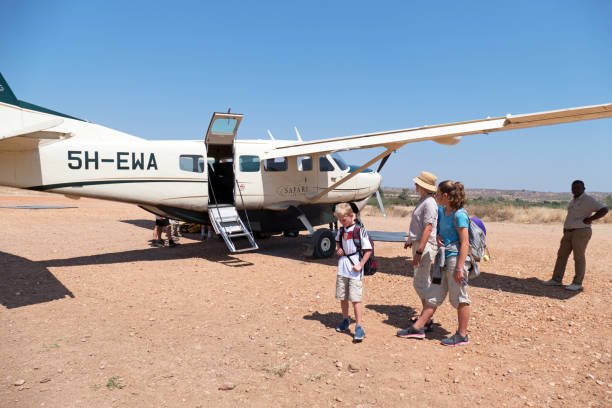
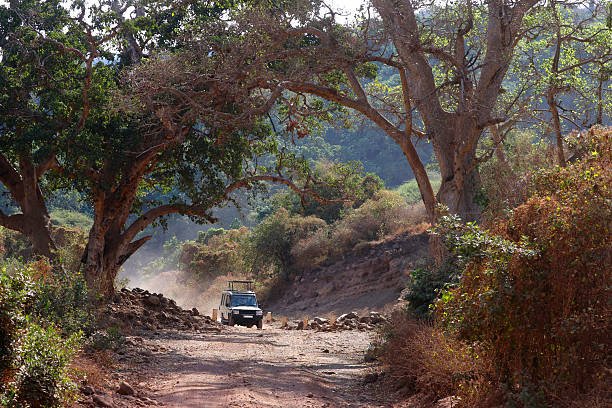
Ngorongoro Cultural Safari From Moshi: The Complete Planning Guide
A Ngorongoro Cultural Safari from Moshi offers a unique blend of Tanzania’s spectacular wildlife and rich indigenous heritage. This journey takes you from the bustling town at the foot of Mount Kilimanjaro to the awe-inspiring Ngorongoro Conservation Area, a UNESCO World Heritage Site teeming with animals and home to the Maasai people. This guide provides an in-depth look at planning your Ngorongoro Cultural Safari from Moshi, ensuring you make the most of this extraordinary experience in 2026 and 2027.
Many travelers choose Moshi as their starting point for safaris due to its proximity to Kilimanjaro International Airport (JRO) and its role as a hub for adventure activities. Combining a visit to the Ngorongoro Crater with cultural interactions offers a deeper understanding of the region beyond just game drives. This guide covers everything from itinerary planning and what to expect to practical advice for booking your trip.
Quick Overview: Ngorongoro Cultural Safari From Moshi
| Aspect | Details |
|---|---|
| Primary Destination | Ngorongoro Conservation Area, Tanzania |
| Starting Point | Moshi, Tanzania |
| Key Activities | Wildlife viewing in Ngorongoro Crater, Maasai village visits, cultural interactions, optional Olduvai Gorge visit. |
| Typical Duration | 2 to 4 days (from Moshi) |
| Best Time to Visit | June to October (dry season) and December to March (short rains). |
| Accommodation | Lodges, tented camps, budget guesthouses (ranging from basic to luxury). |
| Travel Style | Can be adapted for budget, mid-range, and luxury travelers. |
| Focus | Wildlife, Culture, Landscape |
Why Choose a Ngorongoro Cultural Safari From Moshi?
Moshi serves as a convenient and vibrant gateway to northern Tanzania’s iconic safari destinations. Choosing it as your base for a Ngorongoro Cultural Safari offers several advantages:
- Accessibility: Moshi is easily reachable via Kilimanjaro International Airport (JRO), making transfers straightforward.
- Logistical Hub: It’s a well-established center for tour operators, offering a wide range of services and competitive pricing for safari packages.
- Pre/Post-Trek Base: For those climbing Kilimanjaro, Moshi is the natural starting and ending point. A Ngorongoro safari can be perfectly integrated before or after a climb.
- Cultural Immersion: Beyond the Maasai communities near Ngorongoro, Moshi itself offers opportunities to engage with local Chagga culture.
- Gateway to Northern Circuit: Moshi is strategically positioned for accessing the northern safari circuit, which includes Tarangire, Lake Manyara, Serengeti, and Ngorongoro.
A cultural safari specifically highlights the human element of Tanzania. It’s not just about spotting the Big Five; it’s about understanding the people who share this land with the wildlife. Interacting with the Maasai, learning about their traditions, and seeing how they coexist with the natural environment adds a profound dimension to any safari. This approach moves beyond a typical tourist experience to one of genuine connection and learning.
Understanding the Ngorongoro Conservation Area
The Ngorongoro Conservation Area (NCA) is unique in its management. Unlike national parks, it allows human habitation, primarily by the Maasai people. This co-existence is a key aspect of its cultural significance. The area encompasses:
- The Ngorongoro Crater: A vast, intact volcanic caldera, home to an exceptionally high density of wildlife, including the endangered black rhino. It’s often called the ‘eighth wonder of the world’.
- Maasai Bomas: Traditional Maasai villages where visitors can learn about daily life, customs, and social structures.
- Olduvai Gorge: An archaeological site of global importance, often referred to as the ‘Cradle of Mankind’, where significant hominin fossils have been discovered.
- Other Landscapes: The NCA also includes the Ngorongoro Highlands, Lake Ndutu (seasonal), and vast grasslands.
The crater floor is a self-contained ecosystem, meaning wildlife generally doesn’t migrate out, providing reliable sightings year-round. However, the cultural aspect is found more in the surrounding highlands and the designated community interaction points.
Best Time for Your Ngorongoro Cultural Safari From Moshi (2026-2027)
The timing of your safari can significantly impact your experience. Tanzania has distinct wet and dry seasons, each offering different advantages.
| Season | Months | Pros | Cons |
|---|---|---|---|
| Dry Season | June – October | Clear skies, excellent game viewing as animals congregate around water sources, easier road conditions. Ideal for cultural visits due to less rain. | Peak tourist season, higher prices, can be crowded. Cooler temperatures, especially in the mornings and evenings. |
| Short Rains | November – December | Lush green landscapes, fewer tourists, lower prices. Good birdwatching. | Intermittent showers can affect road conditions and game viewing visibility. |
| Long Rains | March – May | Very lush scenery, dramatic skies, very few tourists, lowest prices. Excellent for photography. | Heavy rains can make roads impassable, some lodges may close, game viewing can be challenging as animals disperse. Cultural visits might be affected by weather. |
| Hot/Dry Season | January – February | Warm, sunny days. Good game viewing, especially if combined with the Serengeti’s calving season (for those extending their trip). | Can be very hot. Some areas may experience short dry spells. |
For a Ngorongoro Cultural Safari from Moshi, the dry season (June-October) is generally recommended for optimal wildlife viewing and comfortable travel. However, shoulder months like September-October and December-February can offer a good balance of decent weather, fewer crowds, and potentially better value. Planning for 2026 or 2027, consider these periods for the best overall experience.
Sample Itinerary: 3-Day Ngorongoro Cultural Safari From Moshi
This is a sample itinerary designed to maximize your experience of both wildlife and culture. It can be customized based on your interests and available time.
Day 1: Moshi to Ngorongoro Highlands & Maasai Village Visit
- Morning (approx. 8:00 AM): Your safari guide will pick you up from your hotel in Moshi. After a briefing, you’ll begin the scenic drive towards the Ngorongoro Conservation Area. The journey takes approximately 4-5 hours, passing through Arusha and the Great Rift Valley.
- Lunch: Stop for lunch at a local restaurant en route or upon arrival in the Karatu area, which serves as a gateway to Ngorongoro.
- Afternoon: Visit a traditional Maasai village. This is a guided cultural experience where you’ll learn about Maasai traditions, daily life, social structures, and their relationship with the environment. You’ll have the opportunity to interact with villagers, witness traditional dances, and perhaps purchase authentic handicrafts. This visit is arranged through community-based tourism initiatives.
- Late Afternoon: Drive to your accommodation in the Karatu area or on the crater rim. Check in and relax.
- Evening: Dinner at your lodge or camp. Enjoy the sounds of the African bush.
Accommodation: Mid-range lodge/tented camp in Karatu or budget guesthouse.
Day 2: Ngorongoro Crater Game Drive & Optional Olduvai Gorge
- Early Morning: After breakfast, descend into the Ngorongoro Crater for an unforgettable game drive. The crater floor is a wildlife haven, boasting one of the highest densities of predators in Africa, including lions, leopards, cheetahs, and hyenas. You’ll also see large herds of wildebeest, zebras, buffalo, and elephants. The black rhino is a highlight here.
- Morning Game Drive: Spend several hours exploring the crater floor, with opportunities for birdwatching and photographing the diverse fauna. Your guide will help you spot animals and explain their behavior.
- Lunch: Enjoy a picnic lunch at a designated spot within the crater, often near a hippo pool, offering stunning views.
- Afternoon (Optional): If time and interest permit, you can visit Olduvai Gorge, a significant paleoanthropological site, on your way out of the crater or towards your next destination. Learn about early human evolution.
- Late Afternoon: Ascend from the crater and drive to your accommodation.
- Evening: Dinner and overnight stay.
Accommodation: Same as Day 1, or a different lodge/camp depending on your itinerary.
Day 3: Departure to Moshi or Next Destination
- Morning: Enjoy a leisurely breakfast at your lodge. Depending on your schedule, you might have time for a short activity like a coffee plantation tour in Karatu or simply relax.
- Late Morning: Begin the drive back to Moshi. The journey takes around 4-5 hours.
- Lunch: Stop for lunch en route.
- Afternoon: Arrive back in Moshi, where your safari concludes. Your tour operator can arrange transfers to your hotel, the airport, or your next adventure.
Extending Your Safari
This 3-day itinerary can be easily extended. Consider adding:
- Lake Manyara National Park: Famous for its tree-climbing lions and large elephant herds.
- Tarangire National Park: Known for its massive baobab trees and large elephant populations, especially during the dry season.
- Serengeti National Park: The ultimate safari destination, offering vast plains and the Great Migration (seasonal). A trip to Serengeti typically requires at least 2-3 extra days.
Combining Ngorongoro with these parks creates a classic Northern Circuit safari experience.
What to Expect on Your Ngorongoro Cultural Safari
A Ngorongoro Cultural Safari from Moshi is designed to be an immersive experience. Here’s a breakdown of what you can anticipate:
Wildlife Encounters
The Ngorongoro Crater is renowned for its incredible wildlife density. Expect to see:
- The Big Five: Lion, Leopard, Elephant, Buffalo, and the critically endangered Black Rhino.
- Abundant Herbivores: Wildebeest, zebras, gazelles, impalas, warthogs, hippos.
- Predators: Cheetahs, hyenas, jackals.
- Birdlife: Over 400 species, including flamingos, ostriches, secretary birds, and various raptors.
Game drives are conducted in custom-built 4×4 safari vehicles with pop-up roofs for optimal viewing and photography. Your experienced guide will navigate the terrain and share insights into animal behavior and the ecosystem.
Cultural Interactions
The cultural aspect is crucial. When visiting a Maasai village:
- Welcome Ceremony: You’ll likely be welcomed with traditional songs and dances.
- Village Tour: Learn about their homes (manyattas), social structure, and daily routines.
- Demonstrations: Witness traditional fire-making, beadwork, or milking.
- Storytelling: Hear about their beliefs, history, and relationship with the land and wildlife.
- Shopping: Opportunities to buy authentic Maasai crafts like beadwork, carvings, and textiles. It’s customary to purchase something if you can.
It’s important to approach these visits with respect and an open mind. Your tour operator should work with genuine community projects that benefit the local people directly.
Scenery and Landscape
The Ngorongoro Conservation Area offers breathtaking scenery:
- Crater Views: The sheer scale and beauty of the caldera are stunning, especially from the rim viewpoints.
- Highlands: Rolling hills, acacia woodlands, and grasslands characterize the highlands.
- Volcanic Features: The crater itself is a dramatic geological formation.
Logistics and Travel
From Moshi, the journey involves driving on varied road conditions. Most roads within the crater are dirt tracks. Safari vehicles are designed for this terrain. Expect long days, especially on game drive days, but with comfortable breaks. Your tour operator handles all park fees, vehicle arrangements, and guide services.
What to Pack for Your Ngorongoro Cultural Safari
Packing smart is essential for comfort and practicality. Layering is key, as temperatures can vary significantly between day and night, and at different altitudes.
Clothing
- Lightweight, neutral-colored clothing: Khaki, beige, olive green are ideal (avoid bright colors that can startle animals).
- Long-sleeved shirts and trousers: For sun protection and to ward off insects in the evenings.
- Fleece jacket or warm sweater: For cool mornings and evenings, especially at higher altitudes.
- Waterproof/windproof jacket: For unexpected rain showers or windy conditions.
- Comfortable walking shoes/hiking boots: If you plan any light walking or for general comfort.
- Sandals or flip-flops: For relaxing at the lodge.
- Hat: Wide-brimmed for sun protection.
- Scarf or bandana: Useful for dust protection.
Gear & Accessories
- Binoculars: Essential for spotting distant wildlife.
- Camera and extra batteries/memory cards: You’ll take a lot of photos!
- Sunscreen (high SPF): The equatorial sun is strong.
- Insect repellent: Especially for evenings.
- Sunglasses: For eye protection.
- Personal toiletries: Including any necessary medications.
- Small backpack or daypack: For carrying water, snacks, camera, etc.
- Reusable water bottle: Stay hydrated and reduce plastic waste.
- Power bank or universal adapter: For charging electronics.
- Basic first-aid kit: With personal medications.
- Hand sanitizer: For hygiene on the go.
- Headlamp or small flashlight: Useful at lodges/camps.
Documents & Money
- Passport and Visa: Ensure they are valid.
- Yellow Fever Certificate: May be required for entry.
- Travel insurance details: Highly recommended.
- Copies of important documents: Stored separately.
- Cash (USD/TZS): For tips, souvenirs, and small purchases.
Common Mistakes to Avoid
To ensure a smooth and enjoyable Ngorongoro Cultural Safari from Moshi, be aware of these common pitfalls:
- Underestimating Travel Times: Roads can be rough, and distances, while appearing short on a map, can take hours to cover. Factor in ample travel time.
- Not Booking in Advance: Especially during peak seasons (2026-2027), accommodations and reliable guides can book up quickly.
- Choosing the Cheapest Option: While budget is important, extremely low prices might indicate compromises on vehicle quality, guide experience, safety standards, or ethical community engagement.
- Ignoring Cultural Etiquette: Be respectful during Maasai village visits. Ask permission before taking photos of people, dress modestly, and engage with genuine curiosity.
- Overpacking: You’ll likely travel with your tour operator’s vehicle, so luggage space can be limited. Stick to essentials.
- Not Packing Layers: Temperatures can change rapidly, especially on the crater rim and during early mornings/evenings.
- Expecting Luxury Everywhere: While luxury options exist, budget and mid-range accommodations are often more rustic and basic. Manage expectations.
- Not Informing Your Operator of Dietary Needs: If you have allergies or specific dietary requirements, communicate them well in advance.
- Focusing Only on Wildlife: Don’t miss the cultural aspect; it adds immense value to the Ngorongoro experience.
Who is a Ngorongoro Cultural Safari From Moshi Best For?
This type of safari appeals to a broad range of travelers:
- First-time Safari Goers: The Ngorongoro Crater offers incredible wildlife density, making it a fantastic introduction to African safaris.
- Nature Enthusiasts: Those fascinated by diverse ecosystems and the chance to see rare species like the black rhino.
- Culture Enthusiasts: Travelers eager to learn about indigenous communities, traditions, and ways of life.
- Photographers: The dramatic landscapes and abundant wildlife provide endless photographic opportunities.
- Families: The contained environment of the crater and the educational cultural visits make it suitable for families with older children.
- Adventure Seekers: Those looking for a well-rounded African experience beyond just game drives.
- Kilimanjaro Climbers: It’s a perfect add-on before or after a trek, offering a different kind of Tanzanian adventure.
It is generally less suitable for travelers seeking extreme adventure sports or those with very young children who might find long game drives challenging. However, with careful planning, it can be adapted.
Alternatives to a Ngorongoro Cultural Safari From Moshi
While Ngorongoro is exceptional, other options offer different but equally rewarding safari experiences:
| Alternative | Key Features | Pros | Cons |
|---|---|---|---|
| Serengeti National Park Only | Vast plains, the Great Migration (seasonal), diverse predators, vast landscapes. | Iconic safari destination, incredible wildlife density, potential to witness the Great Migration. | Can be more expensive, requires longer duration, less focus on cultural interaction unless specifically arranged. |
| Tarangire & Lake Manyara Combo | Tarangire: large elephant herds, baobab trees. Lake Manyara: tree-climbing lions, birdlife, Rift Valley escarpment. | Offers diverse ecosystems in a shorter time, often more affordable than Serengeti. | Less iconic than Ngorongoro or Serengeti for some, cultural interaction might be limited. |
| Selous Game Reserve (Southern Tanzania) | Vast, less crowded, boat safaris on the Rufiji River, walking safaris. | More remote feel, unique activities like boat and walking safaris, fewer tourists. | Further from Moshi (requires flight or long drive), different wildlife concentrations, less focus on Maasai culture. |
| Ruaha National Park (Southern Tanzania) | Tanzania’s largest park, wild and remote, large predator populations. | For experienced safari-goers seeking wild, untamed Africa, excellent for lions and wild dogs. | Requires flights from Moshi/Dar, very remote, high cost, minimal cultural interaction. |
| Day Trip to Arusha National Park | Close to Moshi, Mount Meru, Momella Lakes, Ngurdoto Crater. | Convenient day trip from Moshi, offers walking safaris and canoeing, good for birdwatching. | Limited wildlife compared to Ngorongoro, no cultural component, not a crater experience. |
Planning Your 2026-2027 Ngorongoro Cultural Safari
Planning ahead is key to a successful trip. Here’s a guide to help you prepare for your Ngorongoro Cultural Safari from Moshi in 2026 or 2027.
Choosing a Tour Operator
Selecting the right tour operator is paramount. Look for:
- Local Expertise: Operators based in Tanzania often have better local knowledge and can offer competitive pricing.
- Reputation: Check reviews on platforms like TripAdvisor, but also look for direct testimonials.
- Customization: Can they tailor the itinerary to your interests and budget?
- Ethical Practices: Do they support local communities and conservation efforts? How are their Maasai village visits structured?
- Communication: Are they responsive and clear in their communication?
Best Tanzania Tour Operator is a local company with extensive experience in crafting personalized safari experiences. They can assist with all aspects of your trip.
Budget Considerations
Safari costs can vary widely. Factors include:
- Accommodation Type: Budget guesthouses, mid-range lodges/camps, or luxury lodges.
- Safari Duration: Longer trips naturally cost more.
- Vehicle Type: While most use 4x4s, some higher-end operators might use specialized vehicles.
- Group Size: Private safaris are more expensive than joining a small group.
- Park Fees: These are fixed per person per day and are a significant part of the cost.
- Cultural Visit Fees: Some community visits have entrance fees.
While exact prices fluctuate, expect a 3-day Ngorongoro Cultural Safari from Moshi to range significantly. A budget option might cover basic accommodation and transport, while a mid-range or luxury option will include higher-quality lodges and potentially more personalized services.
Visa and Health Requirements
- Visa: Most nationalities require a visa for Tanzania. This can often be obtained online in advance or upon arrival at the airport. Check the latest requirements for your nationality.
- Vaccinations: Consult your doctor or a travel clinic about recommended vaccinations, such as Yellow Fever (required for re-entry into some countries), Hepatitis A, Typhoid, and Tetanus. Malaria prophylaxis is also often recommended.
- Travel Insurance: Comprehensive travel insurance covering medical emergencies, trip cancellation, and lost luggage is highly advised.
Booking Timeline for 2026-2027
- 12+ Months Ahead: If planning for peak season (June-October) or specific lodges, start researching and contacting operators. This is especially true if you have specific dates or are part of a larger group.
- 6-9 Months Ahead: Finalize your itinerary and tour operator. Secure your booking with a deposit. This helps lock in prices and availability.
- 3-6 Months Ahead: Apply for your visa if required. Book international flights. Purchase travel insurance.
- 1-2 Months Ahead: Confirm all details with your tour operator. Start purchasing necessary gear (binoculars, camera, clothing).
- 1-2 Weeks Ahead: Get any final vaccinations. Exchange some currency. Pack your bags.
Booking early for 2026-2027 ensures better availability and potentially better rates, especially for popular accommodation choices.
Frequently Asked Questions (FAQs)
What is the difference between Ngorongoro Crater and Ngorongoro Conservation Area?
The Ngorongoro Conservation Area (NCA) is a vast protected region that includes the Ngorongoro Crater, highlands, and other landscapes. The Ngorongoro Crater is a specific geological feature within the NCA, a caldera renowned for its dense wildlife population. The NCA also allows human habitation, primarily by the Maasai, which is a key cultural aspect.
Is a Ngorongoro Cultural Safari suitable for solo travelers?
Yes, absolutely. Many solo travelers join small group tours, which are a great way to meet like-minded people and share costs. Alternatively, private safaris can be arranged for a more personalized experience.
Can I combine a Ngorongoro Cultural Safari with climbing Mount Kilimanjaro?
Yes, this is a very popular combination. Moshi is the base for Kilimanjaro climbs, and many tour operators offer packages that include both a trek and a safari. A typical safari would follow your climb.
What is the typical cost of a Ngorongoro Cultural Safari from Moshi?
Costs vary significantly based on accommodation standard, duration, and group size. A 3-day Ngorongoro Cultural Safari from Moshi can range from approximately $500-$700 USD per person for budget options up to $1500+ USD per person for mid-range to luxury experiences. These are estimates and exclude international flights and tips.
How much should I tip my safari guide and driver?
Tipping is customary and appreciated. A general guideline is $20-$30 USD per day for the guide/driver, per group. Your tour operator can provide specific recommendations based on the service quality.
What currency should I use in Tanzania?
The Tanzanian Shilling (TZS) is the local currency. However, US Dollars are widely accepted for park fees, tours, and at many lodges and tourist establishments. It’s advisable to carry a mix of USD (newer bills, post-2009) and some local currency for smaller purchases and tips.
Is it safe to visit a Maasai village?
Yes, visiting a Maasai village arranged through a reputable tour operator is safe. These visits are structured to be respectful and educational. Guides ensure proper interaction and understanding between visitors and the community.
What are the chances of seeing the Big Five in Ngorongoro Crater?
The chances of seeing the Big Five (Lion, Leopard, Elephant, Buffalo, Rhino) in the Ngorongoro Crater are very high. The crater is known for its dense wildlife population, making it one of the best places in Africa for Big Five sightings, especially the black rhino.
Can I arrange a custom Ngorongoro Cultural Safari for 2026-2027?
Absolutely. Most reputable tour operators, including Best Tanzania Tour Operator, specialize in creating custom itineraries. You can tailor the duration, accommodation, activities, and pace to your specific preferences.
What should I wear during Maasai village visits?
It’s best to dress modestly and respectfully. Avoid overly revealing clothing. Long trousers or skirts and shirts covering your shoulders are appropriate. Comfortable walking shoes are recommended.
Book Your Unforgettable Ngorongoro Cultural Safari From Moshi
A Ngorongoro Cultural Safari from Moshi is more than just a trip; it’s an opportunity to connect with nature and humanity in one of Africa’s most spectacular settings. From the dramatic wildlife encounters in the Ngorongoro Crater to the authentic cultural exchanges with the Maasai people, this journey promises lasting memories.
Planning your safari for 2026 or 2027 requires careful consideration of your interests, budget, and the best time to travel. Working with an experienced and reputable tour operator is key to ensuring a smooth, safe, and enriching experience. They handle the logistics, allowing you to focus on the adventure.
Ready to plan your dream Ngorongoro Cultural Safari from Moshi? Contact us today to discuss your custom itinerary. Our team is dedicated to creating personalized Tanzanian adventures that exceed expectations.
Get in touch:
- WhatsApp: +255616946642
- Email: topguideadventures@gmail.com
- Backup Email: info@topguideadventures.com
Let us help you craft an exceptional Ngorongoro Cultural Safari from Moshi for 2026-2027.

7 Days In Tanzania: Your Expertly Planned Safari Itinerary For 2026-2027
Discover a perfectly crafted 7-day Tanzania safari itinerary for 2026-2027, designed to maximize wildlife viewing and cultural experiences in the Serengeti and Ngorongoro Crater.
View package details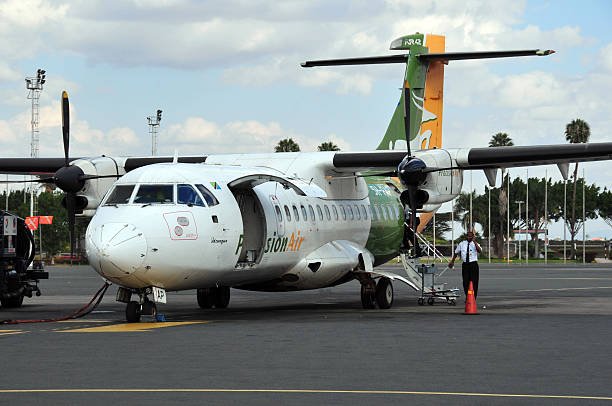
Serengeti And Ngorongoro Safari Without Luxury: Your Options For 2026-2027
Discover how to experience the wonders of the Serengeti and Ngorongoro Crater on a safari that prioritizes incredible wildlife viewing and authentic experiences over luxury accommodations...
View package details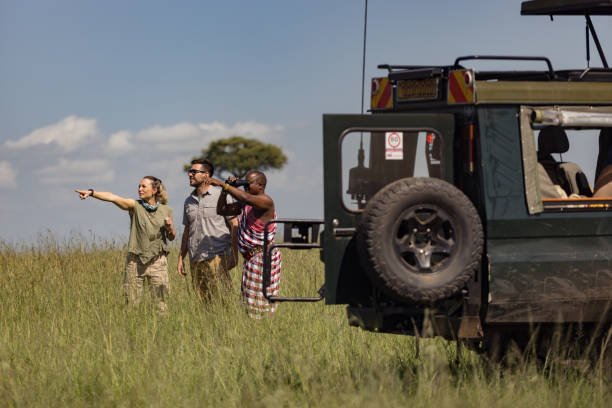
Which Local Tanzania Safari Companies Are Trustworthy In ? 2026-2027
Choosing a trustworthy local Tanzania safari company is crucial for a memorable and safe adventure. This guide helps you identify reliable operators for your 2026-2027 trip, covering...
View package details
How Much Should I Tip My Safari Guide In Tanzania? Your 2026-2027
Understand the tipping culture for safari guides and staff in Tanzania. This guide provides clear, actionable recommendations for tipping your safari crew in 2026-2027, covering guides...
View package details
Three Days For Safari In Tanzania: Where To Go An Unforgettable Experience
If you have just three days for a safari in Tanzania, the most recommended destinations for a concentrated and rewarding wildlife experience are the Ngorongoro Conservation Area and...
View package detailsWe Are Arriving At Kilimanjaro Airport, What Safari Itinerary Should We Do?
Planning your safari upon arrival at Kilimanjaro Airport (JRO)? This guide provides tailored safari itineraries for 2026-2027, focusing on Northern Tanzania's iconic parks like the...
View package details
10-Day Southern Tanzania Safari And Zanzibar Package 2026-2027
Discover the ultimate 10-day Southern Tanzania safari and Zanzibar package, combining the wild heart of Africa with the tropical allure of the Spice Island. This itinerary offers an...
View package details
Hadzabe Tribe Day Trip Cost From Moshi/Zanzibar 2026-2027
Hadzabe tribe Day trip cost from Moshi/Zanzibar is explained with current 2026-2027 planning, price, itinerary and booking information.
View package detailsWhich Tanzania Safari Gives The Best Value For Money? 2026-2027
Which Tanzania safari gives the best value for money? is explained with current 2026-2027 planning, price, itinerary and booking information.
View package details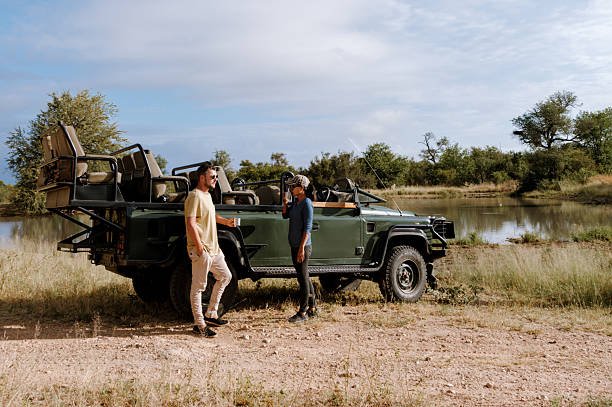
How To Avoid Safari Scams In Tanzania: A Top Guide Adventures Expert 2026-2027
Navigating a safari in Tanzania is a dream for many, but a few precautions can ensure your adventure is scam-free. This guide from Top Guide Adventures provides essential advice for...
View package detailsHow Far In Advance Should You Book A Tanzania Safari? Your Planning Guide
Securing your dream Tanzania safari requires strategic planning. This comprehensive guide details the optimal booking timeline for 2026-2027, considering peak seasons, lodge availability...
View package detailsPrivate Safari Vs Group Tanzania — Which Is Better? 2026-2027
Private safari vs group safari Tanzania — which is better? is explained with current 2026-2027 planning, price, itinerary and booking information.
View package detailsNo related package matches those filters. Clear one or more filters to see the other topic-matched options.
Plan your Ngorongoro Cultural Safari From Moshi with Top Guide Adventures
Tell us your travel dates, group size, comfort level, and dream experience. We will help you shape a clear, realistic, and memorable Tanzania itinerary.



