
Updated planning guide for 2026, 2027-2028
Moshi To Tpc Cycling Tour: Complete Guide 2026-2027-2028
Discover the Moshi to TPC cycling tour, a unique adventure through Tanzania's landscapes. This comprehensive guide covers everything from planning and routes to what to pack and when to go for your 2026-2027 trip.
WhatsApp +255616946642 | topguideadventures@gmail.com | info@topguideadventures.com
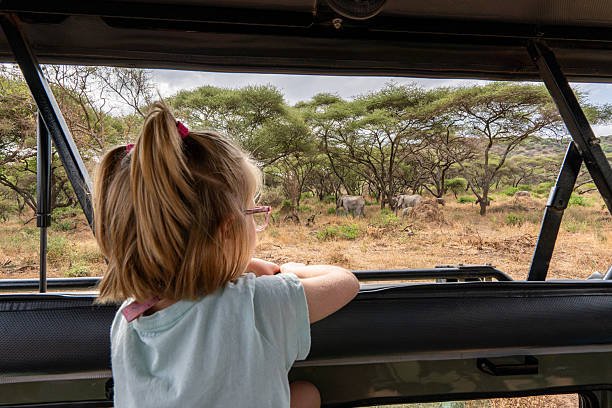
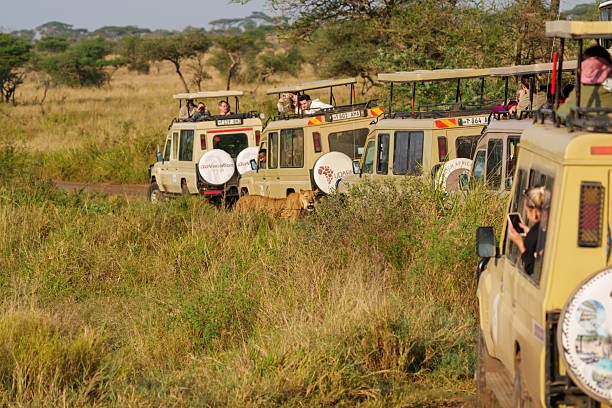
The Moshi to TPC cycling tour offers a distinctive way to experience the diverse beauty and culture of Northern Tanzania. Far from the typical safari or Kilimanjaro climb, this cycling adventure takes you through scenic landscapes, local villages, and agricultural lands, culminating at the foot of Mount Kilimanjaro, often ending at the Marangu Gate (TPC stands for Tanzania Planting Company, a historical landmark in the region, and the route often leads towards areas near Kilimanjaro’s base).
This guide is designed for travelers seeking an in-depth understanding of what the Moshi to TPC cycling tour entails. We cover everything from initial planning for 2026 and 2027 trips, route specifics, what to expect on the journey, essential preparation, and how to make an informed booking decision. Whether you’re a seasoned cyclist or looking for a new type of Tanzanian adventure, this extensive resource will help you prepare.
Table of Contents
- Quick Facts: Moshi to TPC Cycling Tour
- Tour Overview: What is the Moshi to TPC Cycling Tour?
- Why Choose a Cycling Tour in Tanzania?
- Best Time to Cycle the Moshi to TPC Route
- Moshi to TPC Route Area Overview
- Sample Moshi to TPC Cycling Itinerary
- What to Expect During the Tour
- Cycling Conditions and Terrain
- Typical Inclusions and Exclusions
- Packing and Preparation Checklist
- Common Mistakes to Avoid
- Who is the Moshi to TPC Cycling Tour Best For?
- Alternatives to the Moshi to TPC Cycling Tour
- Planning Your 2026-2027 Cycling Adventure
- Booking Your Moshi to TPC Cycling Tour
- Frequently Asked Questions (FAQs)
Quick Facts: Moshi to TPC Cycling Tour
| Aspect | Details |
|---|---|
| Starting Point | Moshi Town |
| Ending Point | Areas near Kilimanjaro (e.g., Marangu Gate, TPC Plantations) |
| Duration | Typically 3-7 days, customizable |
| Difficulty | Moderate (depends on daily mileage and terrain) |
| Terrain | Paved roads, dirt tracks, some hilly sections |
| Best For | Active travelers, cyclists, cultural explorers |
| Key Highlights | Local villages, coffee plantations, Mount Kilimanjaro views, TPC historical sites |
| Vehicle Support | Usually provided for luggage and emergencies |
Tour Overview: What is the Moshi to TPC Cycling Tour?
The Moshi to TPC cycling tour is an immersive journey that moves beyond the conventional tourist paths of Tanzania. It begins in Moshi, a bustling town that serves as the gateway to Mount Kilimanjaro. From there, cyclists pedal through a varied landscape characterized by lush coffee and banana plantations, rural villages, and local communities. The route is designed to offer authentic interactions with Tanzanian life, providing insights into the daily routines, agricultural practices, and cultural nuances of the Chagga people who inhabit this region.
The ‘TPC’ in the tour name refers to the Tanzania Planting Company, a significant agricultural enterprise in the Kilimanjaro region, historically involved in sugar cane and other crops. Cycling towards these areas, or the nearby Marangu Gate, means you are approaching the majestic Mount Kilimanjaro, Africa’s highest peak. The tour is not about summiting Kilimanjaro but rather experiencing its presence and the surrounding environment from a unique vantage point on two wheels. Support vehicles typically accompany the cyclists, carrying gear, water, and providing assistance if needed, ensuring a comfortable and safe experience.
Why Choose a Cycling Tour in Tanzania?
Tanzania is renowned for its wildlife safaris and mountain treks, but its potential for cycling adventures is often overlooked. A cycling tour like the Moshi to TPC route offers several unique advantages:
- Authentic Cultural Immersion: Cycling at a moderate pace allows for spontaneous stops in villages, markets, and roadside stalls. You can interact with local people, observe daily life, and gain a deeper understanding of Tanzanian culture than you might from a vehicle.
- Scenic Diversity: The route showcases a different side of Tanzania, moving from the urban edge of Moshi through verdant agricultural landscapes, often with increasingly dramatic views of Kilimanjaro as you progress.
- Active Exploration: For travelers who prefer an active way to see a destination, cycling provides a rewarding physical challenge while still being accessible to many fitness levels. It’s an excellent way to connect with the environment.
- Reduced Environmental Impact: Compared to motorized transport, cycling has a significantly lower environmental footprint, appealing to eco-conscious travelers.
- Unique Perspective: Experiencing the landscape at the speed of a bicycle allows for a more intimate connection with the surroundings, noticing details and appreciating the scale of the environment.
Best Time to Cycle the Moshi to TPC Route
The climate in the Kilimanjaro region is influenced by its proximity to the equator and the mountain itself. While cycling is possible year-round, certain periods offer more favorable conditions. Understanding the seasons is crucial for planning your 2026 or 2027 trip.
| Period | Weather Conditions | Pros | Cons |
|---|---|---|---|
| June – October (Dry Season) | Cooler temperatures, clear skies, minimal rain. | Ideal cycling weather, excellent visibility of Kilimanjaro, less humidity. | Can be busier with other tourists, nights can be cool. |
| November – March (Short Rains & Hot Season) | Warm to hot temperatures, occasional short, heavy showers, often in the afternoon. | Lush green landscapes, fewer crowds, good for early morning/late afternoon cycling. | Heat can be intense, rain can disrupt rides, Kilimanjaro views might be obscured. |
| April – May (Long Rains) | Heavy rainfall, humid, cooler temperatures due to cloud cover. | Very few tourists, vibrant green scenery. | Muddy tracks, potential for washed-out routes, challenging cycling conditions, visibility issues. |
For the Moshi to TPC cycling tour, the dry season (June to October) is generally the most recommended period. However, the shoulder months, such as late October/early November or late March/early April, can also offer a good balance of decent weather and fewer crowds.
Moshi to TPC Route Area Overview
The Moshi to TPC cycling tour typically follows a route that meanders through the foothills and surrounding plains of Mount Kilimanjaro. While specific routes can vary based on the tour operator and desired experience, they generally encompass the following geographical features and areas:
Starting in Moshi: The tour begins in Moshi town, a vibrant hub at an elevation of around 790 meters (2,600 feet). This is where you’ll meet your guides, get acquainted with your bicycles, and receive a briefing.
Agricultural Lands: The initial part of the ride often takes you through rolling hills covered in coffee and banana plantations. This is the heartland of the Chagga people, known for their elaborate irrigation systems and unique farming methods. You’ll cycle past small villages, local markets, and interact with farmers.
Rural Roads and Tracks: As you move away from Moshi, the terrain transitions to a mix of paved roads, well-maintained dirt tracks, and sometimes more rugged trails. The route is designed to be scenic and culturally engaging, often avoiding main highways.
Approaching Kilimanjaro: The tour gradually leads you closer to the massif of Mount Kilimanjaro. Depending on the specific endpoint, you might be cycling towards areas like Marangu, Kilema, or the vicinity of the TPC plantations. The views of Kibo and Mawenzi peaks become increasingly dominant.
TPC Plantations / Marangu Gate Area: The tour often culminates in areas associated with the Tanzania Planting Company or near the Marangu Gate, one of the primary starting points for Kilimanjaro treks. This provides a natural endpoint, offering a sense of accomplishment and a final, stunning perspective of the mountain.
Illustrative Route Progression (Text-Based Map):
Moshi Town (Start)
  |
  | (Paved Roads, gentle inclines)
  V
Chagga Villages & Coffee Plantations
  |
  | (Dirt tracks, rolling hills)
  V
Rural Hamlets & Farmlands
  |
  | (Mixed terrain, potential for steeper climbs)
  V
Scenic viewpoints of Kilimanjaro
  |
  | (Approaching the mountain's foothills)
  V
TPC Plantation Area / Marangu Gate Vicinity (End)
The total distance can vary, but daily distances are usually manageable, allowing for stops and exploration. The elevation gain is gradual, with some steeper sections closer to the mountain’s base.
Sample Moshi to TPC Cycling Itinerary
This is a sample 5-day itinerary. Tour operators can customize durations, daily mileage, and specific stops based on your preferences and fitness level. This plan is suitable for a 2026 or 2027 adventure.
| Day | Route Segment | Distance (Approx.) | Activities & Highlights |
|---|---|---|---|
| Day 1 | Moshi to Machame Area Villages | 30-40 km | Arrival in Moshi, bike fitting & briefing. Cycle through local villages, coffee farms. Visit a local market. Overnight in a guesthouse/lodge. Views of Kilimanjaro’s western slopes. |
| Day 2 | Machame Area to Marangu Road Villages | 40-50 km | Continue through agricultural landscapes. Explore Chagga culture, perhaps visit a traditional home or a small museum. Cycle towards the eastern side of Kilimanjaro. Focus on local life and farming. |
| Day 3 | Marangu Road to Kilema / TPC Area | 35-45 km | Ride through more diverse scenery, possibly encountering different crop types. Pass through small towns and settlements. Reach the vicinity of the TPC plantations or the base of Marangu route. Increasingly dramatic Kilimanjaro views. |
| Day 4 | Exploration Day / Cultural Visit | 20-30 km (Optional) | A shorter cycling day or a rest day with optional activities like visiting a local school, a waterfall, or enjoying a guided walk. Focus on relaxation and absorbing the environment. Alternatively, a longer loop ride in the area. |
| Day 5 | TPC Area to Moshi / Departure | 20-30 km | A final short cycle, perhaps visiting the TPC historical site if accessible. Return transfer to Moshi for onward travel or departure. |
What to Expect During the Tour
The Moshi to TPC cycling tour is an adventure that blends physical activity with cultural discovery. Here’s a breakdown of what you can anticipate:
- Daily Rides: Expect to cycle for several hours each day. The pace is generally moderate, allowing for stops to take photos, hydrate, and admire the scenery. Daily distances are typically between 30 and 60 kilometers, depending on the chosen itinerary and terrain.
- Terrain Variety: The route will present a mix of surfaces. You’ll encounter paved roads, well-maintained dirt tracks, and potentially some rougher sections. Some areas might involve gentle climbs or descents. The terrain is generally manageable for someone with a reasonable level of fitness.
- Support System: Most reputable tour operators provide a support vehicle. This vehicle carries your luggage, spare parts, water, snacks, and serves as a backup for anyone who needs a break or experiences a mechanical issue. Your guides will be experienced cyclists and knowledgeable about the local area.
- Accommodation: Lodging varies from comfortable guesthouses and lodges in towns and villages to potentially more basic, locally-run accommodations. The focus is on providing a clean and safe place to rest after a day of cycling. Some tours might include camping as an option.
- Meals: You’ll typically be provided with breakfast, lunch, and dinner. Meals often feature local Tanzanian cuisine, including rice, beans, ugali (a maize porridge), fresh vegetables, chicken, and sometimes fish. Opportunities to try local fruits like bananas and mangoes are abundant.
- Cultural Interactions: This tour is designed for engagement. You’ll cycle through villages where children will wave and greet you. Guides often facilitate brief, respectful interactions with local communities, such as visiting a coffee washing station or a traditional Chagga home.
- Views of Kilimanjaro: Mount Kilimanjaro is a constant, majestic presence. On clear days, the views are breathtaking, changing as you move through different landscapes.
- Weather: Expect a range of temperatures. Mornings can be cool, especially in the dry season, while afternoons can become warm or hot. Afternoon showers are possible, particularly during the rainy seasons.
Cycling Conditions and Terrain
The cycling conditions for the Moshi to TPC tour are varied and depend heavily on the specific route chosen by your operator and the time of year. Understanding these conditions is key to preparation.
- Road Surfaces: The tour navigates a mix of surfaces. You will encounter paved roads, particularly on the outskirts of Moshi and connecting larger villages. However, a significant portion of the ride will be on unpaved roads, which can range from smooth, compacted dirt tracks to more challenging, rocky, or sandy paths. Some sections might be rutted or uneven, especially after rain.
- Elevation and Gradient: The tour generally follows the lower slopes and plains around Kilimanjaro. This means there are gradual inclines and descents rather than extremely steep climbs. However, depending on the specific route, you might encounter short, punchy hills that require a bit of effort. The overall elevation gain will be moderate over the course of the tour.
- Traffic: You’ll encounter local traffic, including motorcycles, bicycles, pedestrians, and occasional cars. While not as busy as major highways, it’s important to stay alert and follow your guide’s instructions regarding road positioning and safety.
- Weather Impact: Rain can significantly alter cycling conditions. During the rainy seasons (April-May and November), dirt tracks can become muddy and slippery, making cycling more difficult and potentially slowing progress. Paved roads can also become slick. Conversely, during the dry season, dust can be a factor on unpaved roads.
- Altitude: Moshi is around 790 meters (2,600 feet). As you cycle closer to Kilimanjaro’s base, the elevation might increase slightly, but typically not to altitudes that cause significant acclimatization issues for a cycling tour (unlike trekking). The main impact of altitude will be on the visual grandeur of the mountain.
Your tour operator will provide well-maintained bicycles suitable for the terrain, often mountain bikes or sturdy hybrid bikes. It’s advisable to have basic cycling fitness and experience riding on varied surfaces.
Typical Inclusions and Exclusions
When booking a Moshi to TPC cycling tour for 2026 or 2027, understanding what is included in the price is essential for budgeting and expectations. While packages vary, here’s a general guide:
| Included Items | Typically Excluded |
|---|---|
| Bicycle Rental: Quality mountain or hybrid bike suitable for the terrain. | International Flights: Flights to and from Tanzania. |
| Support Vehicle: For luggage transport and emergency assistance. | Visa Fees: Tanzania visa costs. |
| English-Speaking Guide(s): Local guides knowledgeable about the route and culture. | Travel Insurance: Comprehensive travel and medical insurance is mandatory. |
| Accommodation: As per itinerary (guesthouses, lodges). | Personal Expenses: Souvenirs, laundry, alcoholic beverages, extra snacks. |
| Meals: Most meals as specified in the itinerary (e.g., breakfasts, lunches, dinners). | Tips: For guides, drivers, and support crew. (Often a guideline is provided). |
| Water: Provided during cycling days. | Optional Activities: Entrance fees for specific sites not part of the core tour. |
| Park Fees (if applicable): Depending on specific route access. | Vaccinations and Medications: Costs associated with health preparations. |
| First-aid kit: Carried by the guide. | Airport Transfers (sometimes): May be an additional cost depending on the package. |
Packing and Preparation Checklist
Proper preparation is key to enjoying your Moshi to TPC cycling tour. Here’s a comprehensive checklist for your 2026-2027 adventure:
Cycling Gear:
- Cycling Shorts/Bibs: 2-3 pairs for comfort.
- Cycling Jerseys: 3-4 moisture-wicking tops.
- Padded Gloves: Essential for grip and comfort.
- Helmet: Always wear one; most operators provide one, but bringing your own ensures a good fit.
- Cycling Shoes: If you use specific cycling shoes, bring them. Otherwise, comfortable athletic shoes are fine.
- Sunglasses: Protect your eyes from sun, dust, and glare.
- Water Bottles/Hydration Pack: To carry sufficient water.
- Small Cycling Backpack or Saddle Bag: For essentials like sunscreen, camera, snacks.
- Basic Repair Kit (Optional): If you’re comfortable with minor fixes (spare tube, tire levers, pump), though support vehicles carry spares.
Clothing:
- Lightweight Cycling Jacket/Windbreaker: For wind and light rain protection.
- Long-Sleeved Shirts: For sun protection and cooler evenings.
- T-shirts: Casual wear.
- Comfortable Trousers/Jeans: For evenings.
- Shorts: For non-cycling wear.
- Underwear: Moisture-wicking is best.
- Socks: Cycling-specific and casual socks.
- Light Fleece or Sweater: For cooler mornings/evenings.
- Sleepwear.
Footwear:
- Cycling Shoes or Athletic Shoes: Comfortable for pedaling.
- Sandals or Flip-flops: For relaxing at the lodge/guesthouse.
- Walking Shoes: For any optional village walks or exploration.
Health & Hygiene:
- Sunscreen: High SPF.
- Insect Repellent: Especially for evenings.
- Hand Sanitizer.
- Personal First-Aid Kit: With any personal medications, pain relievers, blister treatment, antiseptic wipes.
- Toiletries: Biodegradable if possible.
- Motion Sickness Medication (if needed).
- Prescription Medications: With a copy of your prescription.
Documents & Money:
- Passport: With at least 6 months validity.
- Visa: Obtain in advance or on arrival if required.
- Flight Itinerary.
- Travel Insurance Details.
- Copies of Important Documents: Stored separately.
- US Dollars: For visa, tips, personal expenses (smaller denominations are useful).
- Credit/Debit Card: For emergencies.
Electronics & Miscellaneous:
- Camera and Extra Batteries/Memory Cards.
- Power Bank: For charging devices on the go.
- Universal Travel Adapter: Tanzania uses Type D sockets.
- Headlamp or Small Flashlight: Useful for evenings.
- Reusable Water Bottle: To minimize plastic waste.
- Small Towel: Quick-dry.
- Zip-top Bags: For protecting electronics and organizing.
Physical Preparation:
- Cycling Fitness: Engage in regular cycling in the months leading up to your trip. Include rides with hills if possible.
- Endurance: Build stamina for consecutive days of activity.
- Core Strength: Good core strength improves cycling posture and comfort.
Common Mistakes to Avoid
To ensure a smooth and enjoyable Moshi to TPC cycling tour, be aware of these common pitfalls:
- Underestimating the Terrain/Fitness Requirements: While not Kilimanjaro, this is an active tour. Not having adequate cycling fitness can lead to exhaustion and reduced enjoyment. Ensure you can comfortably cycle for 4-6 hours on varied terrain.
- Inadequate Sun Protection: The equatorial sun is intense. Not using sufficient sunscreen, wearing appropriate clothing (long sleeves, hat), and staying hydrated can lead to sunburn and heatstroke.
- Poor Hydration Strategy: Dehydration can set in quickly. Not drinking enough water, especially on hot days or during climbs, is a common mistake. Rely on your support vehicle for refills.
- Not Packing Appropriate Clothing: Packing only for hot weather is a mistake. Mornings can be cool, and evenings chilly. A lightweight jacket and layers are essential.
- Ignoring Local Customs: Tanzania is a culturally rich country. Failing to show respect for local traditions, dress modestly when visiting villages, and asking permission before taking photos can lead to misunderstandings.
- Overpacking: While it’s good to be prepared, the support vehicle has limited space. Pack essentials and avoid bringing too many non-essential items.
- Not Budgeting for Extras: Many tours exclude tips, personal expenses, and optional drinks. Ensure you have enough cash (USD is widely accepted for these) for these items.
- Choosing the Wrong Tour Operator: Opting for the cheapest option without researching the operator’s reputation, safety record, and quality of equipment can lead to a disappointing or even unsafe experience.
- Not Informing Operator of Dietary Needs/Medical Conditions: Failing to communicate allergies, dietary restrictions, or any medical conditions beforehand can result in issues during the tour.
- Lack of Flexibility: While itineraries are planned, unexpected issues like weather or mechanical problems can arise. Being adaptable and understanding is key to a positive experience.
Who is the Moshi to TPC Cycling Tour Best For?
The Moshi to TPC cycling tour is a fantastic option for a specific type of traveler. It caters well to those who:
- Are Active and Enjoy Cycling: This is the primary requirement. The tour is designed for individuals or groups who enjoy cycling as a means of exploration and are comfortable with moderate daily distances and varied terrain.
- Seek Cultural Immersion: If you want to go beyond typical tourist sites and engage with local communities, understand rural life, and see how people live in the Kilimanjaro region, this tour is ideal.
- Appreciate Scenic Landscapes: The route offers stunning views of Mount Kilimanjaro, lush agricultural lands, and rural Tanzanian vistas that are often missed by those on safari or climbing the mountain.
- Are Looking for an Alternative Adventure: For travelers who have already experienced safaris or Kilimanjaro treks, or who prefer a less conventional adventure, cycling offers a fresh perspective on Tanzania.
- Have Moderate Fitness Levels: The tour is generally accessible to people with a reasonable level of fitness. You don’t need to be a professional cyclist, but being able to ride for several hours a day with some inclines is important.
- Are Interested in Agriculture and Local Livelihoods: The route passes through coffee and banana plantations, offering insights into the agricultural economy of the region and the lives of farmers.
- Travelers Planning for 2026 or 2027: Early planners who want to experience Tanzania in a unique, active way can find this tour offers a rewarding experience.
It’s less suitable for travelers who are looking for a purely relaxed holiday, are not comfortable with cycling, or have very limited mobility. It’s also important to note that this is not a high-altitude trek; it’s about experiencing the lower slopes and surrounding areas.
Alternatives to the Moshi to TPC Cycling Tour
While the Moshi to TPC cycling tour offers a unique experience, Tanzania has many other adventure and cultural travel options. If this specific tour doesn’t quite fit your interests, consider these alternatives:
- Kilimanjaro Trekking: The most famous alternative. Various routes like Marangu, Machame, Lemosho, etc., allow you to climb to the summit of Kilimanjaro. This is a much more physically demanding undertaking focused on high-altitude mountaineering.
- Mount Meru Trekking: A less crowded but challenging trek, Mount Meru is often used as acclimatization for Kilimanjaro. It offers excellent wildlife viewing on its lower slopes.
- Northern Circuit Safari: Explore iconic national parks like Serengeti, Ngorongoro Crater, Tarangire, and Lake Manyara, focusing on wildlife viewing from safari vehicles. This is a classic Tanzanian experience.
- Southern Tanzania Safaris: For a more remote and less crowded safari experience, consider parks like Ruaha or Selous Game Reserve, known for their vast wilderness and large predator populations.
- Zanzibar Beach Holiday: If you prefer relaxation and coastal beauty, a trip to Zanzibar offers stunning beaches, rich history (Stone Town), and water activities like snorkeling and diving.
- Cultural Tours (Walking/Village Stays): Many operators offer walking tours in regions like Arusha, Moshi, or around Lake Victoria, focusing on in-depth cultural exchange and village life without the cycling component.
- Day Trips from Moshi/Arusha: For those with limited time, day trips can include visits to waterfalls, local markets, coffee plantations with guided walks, or short excursions to nearby national parks.
- Biking Tours in Other Regions: While less common, cycling tours can sometimes be arranged in other parts of Tanzania, perhaps in areas around Lake Victoria or in more remote southern regions, though they might require more specialized planning.
The choice depends on your primary interests: high-altitude challenge, wildlife encounters, cultural depth, relaxation, or a combination thereof.
Planning Your 2026-2027 Cycling Adventure
Planning ahead is crucial for a successful and memorable Moshi to TPC cycling tour, especially if you’re looking at dates in 2026 or 2027. Here’s a guide to help you:
1. Determine Your Travel Dates:
Consider the best time to visit (June-October for dry weather) and your personal schedule. If you aim for 2026, start researching now. For 2027, you have more time but booking popular dates early is still advisable.
2. Choose Your Tour Operator:
Research reputable tour operators specializing in active travel in Tanzania. Look for:
- Experience with cycling tours.
- Positive reviews and testimonials.
- Clear itineraries and inclusions/exclusions.
- Safety protocols and guide qualifications.
- Flexibility for customization.
Contact multiple operators to compare offerings and get quotes.
3. Select Your Itinerary:
Discuss with your chosen operator the ideal duration and daily mileage for your fitness level and interests. Do you want more cultural stops, more challenging cycling, or more time enjoying the views?
4. Book Your Flights:
Once your tour dates are confirmed, book your international flights to Kilimanjaro International Airport (JRO). Consider booking flights well in advance, especially for peak seasons in 2026 and 2027, to secure better prices.
5. Obtain Necessary Documents:
- Passport: Ensure it’s valid for at least six months beyond your travel date.
- Visa: Check Tanzania’s visa requirements for your nationality. You can often apply online or obtain it upon arrival.
- Yellow Fever Certificate: May be required depending on your entry point and travel history.
6. Health Preparations:
Consult your doctor or a travel clinic 4-6 weeks before your trip regarding recommended vaccinations (e.g., Hepatitis A, Typhoid) and malaria prophylaxis. Discuss any pre-existing medical conditions.
7. Purchase Travel Insurance:
Comprehensive travel insurance covering medical emergencies, evacuation, trip cancellation, and lost baggage is essential and usually mandatory for tour operators.
8. Fitness Training:
Begin a cycling fitness program at least 2-3 months prior to your trip. Focus on building endurance and strength, including hill training if possible.
9. Currency and Spending Money:
Plan for tips, souvenirs, personal expenses, and any meals/drinks not included. US Dollars are widely accepted for these purposes. Carry a mix of larger bills and smaller denominations.
10. Final Preparations:
As your departure date nears, finalize your packing, confirm all bookings, and inform your bank of your travel dates to avoid issues with your cards.
Booking Your Moshi to TPC Cycling Tour
Securing your Moshi to TPC cycling tour for 2026 or 2027 requires careful consideration. Here’s advice to help you make the right choice:
- Research Operators Thoroughly: Don’t just pick the first one you find. Look for companies with a strong local presence and a proven track record in organizing cycling tours. Websites like TripAdvisor, travel forums, and even direct inquiries can help gauge reputation.
- Request Detailed Itineraries: Ensure the proposed itinerary matches your expectations regarding distance, terrain, cultural experiences, and accommodation style. Ask for specifics about daily routes and potential challenges.
- Understand Inclusions and Exclusions: A clear breakdown of what’s covered in the price is vital for budgeting. Pay close attention to what’s *not* included, such as tips, personal expenses, and specific meals.
- Ask About the Support System: Inquire about the number of guides, the type of support vehicle, and what emergency provisions are in place. This is crucial for safety.
- Clarify Bike Quality: Ask about the type and condition of the bicycles provided. If you have specific needs or preferences, discuss them early. Some operators might allow you to use your own bike or rent a higher-spec model for an additional fee.
- Discuss Accommodation Options: Understand the standard of accommodation. If you have specific preferences (e.g., private bathrooms, specific hotel chains), communicate them.
- Payment Terms: Be clear on deposit requirements, payment schedules, and cancellation policies. Reputable operators will have clear terms and conditions.
- Travel Insurance Requirements: Most operators will mandate comprehensive travel insurance. Ensure yours covers adventure activities like cycling and includes emergency medical evacuation.
- Customization: If the standard itinerary isn’t perfect, ask if the tour can be customized. Many operators are flexible, especially for private groups.
- Communicate Clearly: Be open about your fitness level, any dietary restrictions, allergies, or medical conditions. The more information you provide upfront, the better the operator can cater to your needs.
For a reliable and well-organized Moshi to TPC cycling tour, consider reaching out to experienced local operators. You can connect with us via WhatsApp at +255616946642 or email us at topguideadventures@gmail.com or info@topguideadventures.com. We specialize in creating memorable Tanzanian adventures tailored to your interests.
Frequently Asked Questions (FAQs)
Q1: What is the Moshi to TPC Cycling Tour?
A: The Moshi to TPC cycling tour is an active adventure that takes you by bicycle from Moshi town through the agricultural landscapes and villages around Mount Kilimanjaro, often concluding in areas near the Tanzania Planting Company (TPC) plantations or the Marangu Gate. It offers cultural immersion and scenic views without climbing the mountain.
Q2: What is the best time of year for this tour in 2026-2027?
A: The dry season, from June to October, is generally the best time due to cooler temperatures and clear skies. However, the shoulder months (late March to May, or October to November) can also be good, offering fewer crowds but with a higher chance of rain.
Q3: What is the typical daily cycling distance and difficulty?
A: Daily distances usually range from 30-60 km. The difficulty is considered moderate, with varied terrain including paved roads, dirt tracks, and some gentle to moderate inclines. A reasonable level of cycling fitness is recommended.
Q4: Do I need to bring my own bicycle?
A: No, most tour operators include a quality bicycle rental as part of the package. It’s advisable to confirm this when booking and discuss any specific requirements you might have for the bike.
Q5: What kind of support is provided during the tour?
A: Typically, a support vehicle accompanies the group. It carries luggage, water, snacks, spare parts, and can provide rides for cyclists who need a break or experience mechanical issues.
Q6: What should I pack for the Moshi to TPC cycling tour?
A: Pack cycling gear (shorts, jerseys, gloves, helmet), comfortable clothing for evenings, sun protection (sunscreen, hat, sunglasses), insect repellent, a basic first-aid kit, and necessary documents. A detailed packing list is usually provided by the tour operator.
Q7: Is it safe to cycle in Tanzania?
A: Cycling tours in Tanzania are generally safe when organized by reputable operators. Guides are experienced, support vehicles are present, and routes are chosen for their suitability. It’s important to follow guide instructions and stay alert to local traffic.
Q8: What is the accommodation like?
A: Accommodation varies, typically including comfortable guesthouses and lodges in towns and villages. Some tours might offer camping. The focus is on providing clean, safe, and comfortable places to rest.
Q9: Can I customize the itinerary?
A: Yes, many tour operators, especially local ones, offer customization options. You can discuss extending or shortening the tour, adjusting daily distances, or adding specific cultural visits.
Q10: What currency should I use for tips and personal expenses?
A: US Dollars are widely accepted for tips and personal expenses. It’s advisable to carry a mix of smaller denominations for tips and larger bills for other purchases. Local currency (Tanzanian Shilling) is useful for local markets.
Ready for Your Moshi to TPC Cycling Tour?
Experience the beauty and culture of Tanzania from a unique perspective on a Moshi to TPC cycling tour. Whether you are planning for 2026, 2027, or beyond, this adventure promises lasting memories. Contact us to help you craft your perfect itinerary.
WhatsApp: +255616946642
Email: topguideadventures@gmail.com
Backup Email: info@topguideadventures.com
Let us guide you on an unforgettable cycling journey through Tanzania!
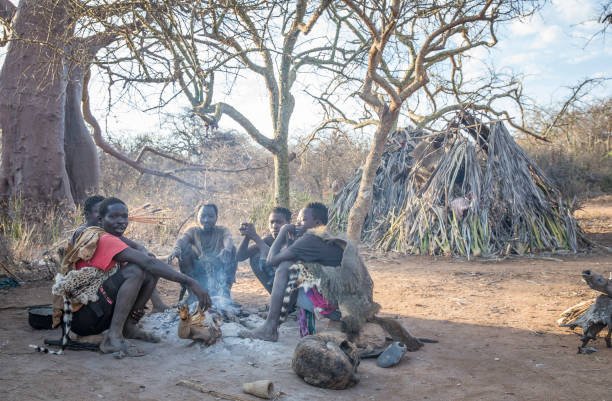
Hadzabe Tribe Day Trip Cost From Moshi/Zanzibar 2026-2027
Hadzabe tribe Day trip cost from Moshi/Zanzibar is explained with current 2026-2027 planning, price, itinerary and booking information.
View package detailsNo related package matches those filters. Clear one or more filters to see the other topic-matched options.
Plan your Moshi to TPC Cycling Tour with Top Guide Adventures
Tell us your travel dates, group size, comfort level, and dream experience. We will help you shape a clear, realistic, and memorable Tanzania itinerary.



