
Updated planning guide for 2026, 2027-2028
Moshi Railway Station History Tour: Complete Guide 2026-2027-2028
Discover the rich past and vibrant present of Moshi through its historic railway station. This comprehensive guide provides everything you need to plan your Moshi Railway Station History Tour, from logistics to cultural insights, ensuring a memorable 2026-2027 adventure.
WhatsApp +255616946642 | topguideadventures@gmail.com | info@topguideadventures.com

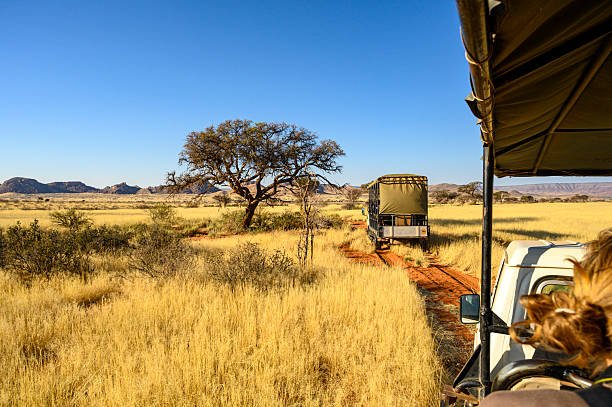
The Moshi Railway Station is more than just a transit point; it’s a living monument to Tanzania’s colonial past and a vibrant hub of local life. For travelers interested in understanding the historical currents that shaped Northern Tanzania, a dedicated Moshi Railway Station History Tour offers a unique perspective. This guide provides an in-depth look at what to expect, how to plan your visit, and why this often-overlooked attraction deserves a place on your Tanzania itinerary for 2026 and 2027.
Table of Contents
- Quick Facts: Moshi Railway Station
- Moshi Railway Station: A Historical Overview
- Why Take a Moshi Railway Station History Tour?
- Best Time to Visit Moshi Railway Station
- Moshi Railway Station Area Map & Surroundings
- Sample Moshi Railway Station History Tour Itinerary
- What to Expect During the Tour
- Tour Inclusions, Packing, and Preparation
- Common Mistakes to Avoid
- Who is the Moshi Railway Station History Tour Best For?
- Alternatives to a Dedicated History Tour
- Planning Your 2026-2027 Visit
- Booking Your Moshi Railway Station History Tour
- Frequently Asked Questions
Quick Facts: Moshi Railway Station
| Aspect | Details |
|---|---|
| Location | Moshi Town, Kilimanjaro Region, Tanzania |
| Primary Function | Passenger and freight railway hub |
| Historical Significance | Colonial-era infrastructure, vital for trade and transport |
| Architectural Style | Colonial, with later modifications |
| Current Status | Active station, though operations may vary |
| Tour Focus | History, local culture, architecture, daily life |
| Nearby Attractions | Moshi town center, local markets, Kilimanjaro views |
Moshi Railway Station: A Historical Overview
The story of Moshi Railway Station is intrinsically linked to the development of Tanzania, then Tanganyika, during the German colonial era and its subsequent British administration. Construction of the railway line, often referred to as the ‘Usambara Railway’ or its extensions, was a monumental undertaking aimed at connecting the interior to the coast, facilitating the export of raw materials like coffee, sisal, and cotton, and the import of goods. Moshi, strategically located near Mount Kilimanjaro and a significant agricultural producer, became a crucial stop on this network.
Built in the early 20th century, the station’s architecture reflects the utilitarian yet distinctive style of colonial-era public buildings. Its platforms once buzzed with activity, serving as the primary gateway for goods and people. The railway played a pivotal role in the region’s economy, influencing settlement patterns and trade routes. After Tanzania’s independence in the 1960s, the railway system continued to be vital, though modernization and infrastructure challenges have influenced its operational capacity over the decades.
Today, while the landscape of transportation has evolved with improved road networks and air travel, Moshi Railway Station remains a functional part of the Tanzanian railway system. It serves local communities, handles some freight, and occasionally sees passenger trains. More importantly, it stands as a tangible link to the past, a place where the echoes of history are palpable amidst the daily rhythms of local life. A history tour here is an opportunity to step back in time and appreciate the foundational infrastructure that helped build modern Tanzania.
Why Take a Moshi Railway Station History Tour?
Many visitors to Moshi focus on climbing Mount Kilimanjaro or embarking on safaris. However, a Moshi Railway Station History Tour offers a different, yet equally enriching, dimension to your Tanzanian experience. Here’s why it’s a worthwhile addition:
- Historical Context: Gain a deeper understanding of Tanzania’s colonial past and its impact on infrastructure development. The station is a physical testament to these historical forces.
- Cultural Immersion: The station is a bustling local hub. Observing daily life, the interactions of vendors, travelers, and railway workers provides authentic cultural insights that are hard to find elsewhere.
- Architectural Appreciation: The station building itself, with its colonial-era design, offers a glimpse into architectural styles of the past, standing in contrast to more modern structures.
- Local Economy Insights: Understand the historical and current role of the railway in the local and national economy, from the export of agricultural produce to passenger transport.
- Off-the-Beaten-Path Experience: While safaris and Kilimanjaro are world-famous, a tour of the railway station offers a more intimate, ground-level perspective on Tanzanian life and history, appealing to travelers seeking unique experiences.
- Photography Opportunities: The station provides unique visual narratives, capturing the blend of old and new, the textures of the architecture, and the vibrant local activity.
Best Time to Visit Moshi Railway Station
The best time to visit Moshi Railway Station for a history tour is generally dictated by the weather in the Kilimanjaro Region and the operational schedule of the station itself. However, for the most comfortable and visually appealing experience, consider the following:
- Dry Seasons: The periods from June to October and January to February are the driest. This means less chance of rain interrupting your tour and clearer skies, which can be beneficial for photography and exploring the surrounding area. The temperatures are also pleasant during these months.
- Shoulder Seasons: The shorter rains in November and the longer rains from March to May can make the station grounds muddier and potentially disrupt outdoor exploration. However, these periods might offer fewer crowds and a more local feel as tourist numbers decrease.
- Time of Day: Early morning or late afternoon are often the most dynamic times at the station. Mornings see people starting their day and goods being moved, while evenings can be lively with travelers preparing for journeys or locals winding down. Midday can be very hot and less active.
For planning your 2026 or 2027 trip, aim for the dry seasons to maximize your comfort and the clarity of your historical observations. Always check with your tour operator for any specific timings related to train schedules or local events that might enhance your visit.
Moshi Railway Station Area Map & Surroundings
While a detailed interactive map isn’t possible in this format, here’s a conceptual layout of the Moshi Railway Station area and its context within Moshi town:
| Area/Point of Interest | Description & Relation to Station |
|---|---|
| Moshi Railway Station Building | The central historical structure. Contains ticketing, waiting areas, and administrative offices. This is the core of the history tour. |
| Platforms | Adjacent to the station building. Where trains arrive and depart. Important for understanding the scale of operations and historical passenger/freight movement. |
| Railway Tracks | Extending from the station, connecting Moshi to other parts of Tanzania. Historically vital for trade routes. |
| Goods Sheds/Warehouses | Often located near the main building. These historical structures highlight the station’s role in commerce and the transport of agricultural produce. |
| Adjacent Local Markets | Typically spring up around transport hubs. Expect small stalls selling food, drinks, and local crafts. Provides a vibrant, modern contrast to the historical station. |
| Main Road Access | The station is usually accessible via main roads within Moshi town, facilitating easy transport to and from hotels. |
| Moshi Town Center | A short distance away. Includes the main bus stand, local administrative offices, shops, and restaurants. The station is a key node within the town’s infrastructure. |
| Kilimanjaro Views | On clear days, Mount Kilimanjaro can be visible from elevated points near the station or from the surrounding town, offering a majestic backdrop. |
A typical Moshi Railway Station History Tour would involve exploring the station building, understanding the platform layout, visiting any visible historical freight areas, and then observing the surrounding activity to grasp its current role in the community. The tour often extends slightly into the immediate vicinity to capture the station’s integration with local life.
Sample Moshi Railway Station History Tour Itinerary
This is a sample itinerary for a half-day tour. Timings can be adjusted based on your overall schedule and interests. This is designed to be a standalone cultural experience or an add-on to a safari or Kilimanjaro preparation day.
| Time | Activity | Focus |
|---|---|---|
| 9:00 AM | Hotel Pickup & Transfer | Travel from your Moshi accommodation to the railway station. Brief introduction to Moshi town’s layout. |
| 9:30 AM | Arrival & Station Exterior Exploration | Initial view of the station’s architecture. Discuss its construction era and colonial context. Observe the surroundings and any local activity. |
| 10:00 AM | Station Interior & Platform Visit | Explore the main hall, ticketing area (if accessible and safe), and waiting areas. Walk along the platforms, imagining past arrivals and departures. Discuss the railway’s passenger history. |
| 10:45 AM | Freight & Goods Areas | Visit any accessible historical goods sheds or areas where cargo was handled. Learn about the types of goods transported (coffee, sisal, etc.) and their economic importance. |
| 11:15 AM | Local Life & Current Operations | Observe current station activities: passengers, vendors, maintenance. Discuss the station’s present-day role and challenges. Engage respectfully with locals if opportunities arise (with guide’s assistance). |
| 11:45 AM | Historical Context & Significance Discussion | Sit at a nearby vantage point or in a shaded area to consolidate learning. Discuss the railway’s role in shaping Moshi and Tanzania, its connection to the colonial era, and its post-independence evolution. |
| 12:15 PM | Return Transfer | Transfer back to your hotel or next destination in Moshi. |
What to Expect During the Tour
A Moshi Railway Station History Tour is an immersive experience that blends historical learning with direct observation of local life. Here’s a breakdown of what you can anticipate:
- Guided Exploration: You will be accompanied by a knowledgeable local guide who can interpret the historical context, explain the architecture, and provide insights into the station’s significance. They will also facilitate respectful interactions with the local environment.
- Architectural Details: Expect to examine the station building’s design, noting elements typical of colonial-era construction. Your guide will point out features that speak to its age and original purpose.
- Platform Experience: Walking the platforms, you’ll get a sense of the scale of past operations. The guide might share anecdotes about famous journeys or the types of people who once passed through.
- Vibrant Atmosphere: The station is not a sterile museum. It’s a living, breathing place. You’ll encounter local vendors selling snacks and drinks, porters assisting travelers, and residents going about their daily routines. This dynamic environment is part of the tour’s appeal.
- Sensory Engagement: Be prepared for the sounds of announcements (if any), the chatter of people, the occasional rumble of a train, and the smells of local food being prepared nearby.
- Historical Narratives: The tour is rich in storytelling. Your guide will connect the physical structures to broader historical events, economic shifts, and social changes in Tanzania.
- Practicalities: The station might not have modern amenities like pristine restrooms or air-conditioned waiting rooms. Embrace the authenticity. The tour involves walking, so comfortable footwear is essential.
- Photography: The station offers excellent opportunities for candid photography, capturing the interplay of history, architecture, and daily life. Always be mindful and respectful when photographing people.
Tour Inclusions, Packing, and Preparation
Understanding what’s included in your tour package and how to prepare is key to a smooth experience.
Typical Tour Inclusions:
While specific packages vary, a well-organized Moshi Railway Station History Tour usually includes:
- Professional, licensed local guide knowledgeable in history and culture.
- Private or shared transportation to and from your Moshi accommodation.
- Entrance fees (if any specific areas require them, though often the station is accessible).
- Water during the tour.
- Assistance with respectful interaction and photography.
What to Pack:
- Comfortable Walking Shoes: Essential for navigating platforms and surrounding areas.
- Lightweight, Breathable Clothing: Moshi can be warm, especially during the day. Layers are advisable.
- Sun Protection: A hat, sunglasses, and high-SPF sunscreen are crucial.
- Insect Repellent: While not a malaria-risk area like some coastal regions, it’s always good practice, especially if lingering into the evening.
- Camera: To capture the unique sights. Ensure batteries are charged.
- Small Backpack: To carry essentials like water, sunscreen, and your camera.
- Cash (Tanzanian Shillings): For purchasing local snacks, drinks, or small souvenirs from vendors at the station.
- Hand Sanitizer: For hygiene, especially before eating or drinking.
Preparation:
- Learn Basic Swahili Phrases: A few greetings like ‘Jambo’ (Hello) and ‘Asante’ (Thank you) are appreciated.
- Understand Local Customs: Dress modestly, especially when interacting closely with locals. Ask permission before taking close-up photos of individuals.
- Stay Hydrated: Drink plenty of water before, during, and after the tour.
- Be Open-Minded: Embrace the authenticity of the experience. It might not be as polished as a museum, but its value lies in its real-world context.
- Confirm Timings: Double-check the start time and duration with your tour operator.
Common Mistakes to Avoid
To ensure you get the most out of your Moshi Railway Station History Tour and avoid potential pitfalls, be aware of these common mistakes:
- Treating it like a Museum: The station is an active place. Expect noise, crowds, and a less-than-pristine environment. Its value is in its living history, not its preservation as a static exhibit.
- Ignoring Local Etiquette: Photographing people without asking permission can be considered disrespectful. Always seek consent, especially for close-up shots. Dress modestly.
- Underestimating the Heat: Moshi can get very hot. Failing to bring adequate sun protection and water can lead to discomfort and heatstroke.
- Not Hiring a Local Guide: While you can visit the station independently, a good local guide is invaluable for understanding the historical context, interpreting the architecture, and navigating the social dynamics respectfully.
- Expecting a Modern Facility: The station’s infrastructure reflects its age and the realities of operating in a developing nation. Don’t expect modern amenities like high-speed Wi-Fi or spotless restrooms.
- Focusing Only on the Building: The tour’s richness comes from observing the station’s integration with the community. Pay attention to the people, the vendors, and the surrounding activity.
- Being Unprepared for the Environment: The area around the tracks might be dusty or uneven. Wear appropriate footwear.
- Not Budgeting for Small Purchases: If you wish to buy water, snacks, or a small item from a vendor, have some local currency handy.
Who is the Moshi Railway Station History Tour Best For?
This tour is ideal for a specific type of traveler who appreciates depth and context beyond the typical tourist attractions.
- History Enthusiasts: Anyone fascinated by colonial history, the development of infrastructure in Africa, and the impact of railways on societies.
- Cultural Explorers: Travelers who want to experience authentic local life and understand how historical sites function within contemporary communities.
- Slow Travelers: Those who prefer to engage deeply with a place, rather than rushing through multiple sights.
- Photographers: Individuals looking for unique visual narratives that combine historical architecture with vibrant human activity.
- Budget-Conscious Travelers: While not always the cheapest option, a history tour of the station can be more affordable than multi-day safaris or expensive trekking permits, offering significant cultural value for the cost.
- Travelers Seeking Unique Experiences: Those who want to discover the less-publicized facets of a destination and gain a rounded understanding of Tanzania.
- Pre/Post-Kilimanjaro Add-on: It’s a perfect activity for a rest day in Moshi before or after a trek, offering a relaxed yet insightful experience.
It might be less suitable for travelers solely focused on adrenaline-pumping activities or those who prefer highly curated, sanitized tourist experiences. The charm lies in its authenticity and historical resonance.
Alternatives to a Dedicated History Tour
If a dedicated Moshi Railway Station History Tour doesn’t fit your schedule or interests, you can still experience its essence or explore related historical aspects of Moshi through these alternatives:
- Independent Visit: You can visit the station on your own. Wander around the platforms, observe the activity, and take photos. However, you will miss the in-depth historical context and cultural insights that a guide provides. This is best for those on a very tight budget or schedule who just want a quick impression.
- Moshi Town Walking Tour: Many local tour operators offer general walking tours of Moshi town. The railway station is often included as a significant point of interest. This provides a broader overview of the town’s history and current life, with the station being one component.
- Visit Local Markets: The bustling markets in Moshi, such as the main town market, are also historical hubs. They reflect the trade that the railway once facilitated and continue to be central to local commerce. Exploring these offers a different perspective on the town’s economic life.
- Coffee Plantation Tours: Moshi is in a prime coffee-growing region, and the railway was crucial for exporting this produce. A tour of a local coffee plantation can highlight the agricultural history that the station supported.
- Historical Sites in Arusha: If you are based in Arusha, consider exploring its local historical museum or sites that touch upon the region’s colonial past and development, offering a comparative historical perspective.
While these alternatives offer valuable insights, a dedicated Moshi Railway Station History Tour provides the most focused and detailed exploration of this specific historical landmark and its immediate context.
Planning Your 2026-2027 Visit
Planning ahead is crucial for making the most of your Tanzanian adventure in 2026 and 2027. Here’s how to incorporate a Moshi Railway Station History Tour into your plans:
Key Considerations for 2026-2027:
- Best Time for Travel: As mentioned, the dry seasons (June-October and January-February) offer the most pleasant weather for exploring Moshi and its surroundings. Consider these periods for your 2026 or 2027 trip if weather is a priority.
- Integrating with Other Activities: Moshi is a hub for Kilimanjaro treks and northern circuit safaris. Plan the history tour for a day before your trek begins, after your trek concludes, or on a rest day during your safari preparations. It’s an excellent way to fill a day in Moshi.
- Booking in Advance: For popular travel periods in 2026 and 2027, especially during peak safari and trekking seasons, it’s wise to book your tours, including the Moshi Railway Station History Tour, several months in advance to secure preferred dates and guides.
- Choosing a Reputable Operator: Look for tour operators with good reviews and a strong local presence. Best Tanzania Tour operator is well-equipped to arrange this and other cultural experiences.
- Flexibility: While planning is important, maintain some flexibility. Local transport schedules can sometimes be unpredictable, and a good tour operator will manage any necessary adjustments smoothly.
- Visa and Health: Ensure your visa requirements for Tanzania are met well in advance for your 2026-2027 travels. Consult your doctor regarding recommended vaccinations and malaria precautions.
- Accommodation: Book your accommodation in Moshi. Options range from budget guesthouses to comfortable hotels, often serving as bases for pre-climb briefings and rest.
Sample Planning Timeline:
| Timeframe | Action |
|---|---|
| 9-12 Months Before | Research Tanzania tour operators. Inquire about custom itineraries including Moshi Railway Station History Tour. Book international flights. |
| 6-9 Months Before | Finalize your main itinerary (safari, Kilimanjaro). Confirm booking with your chosen operator. Start visa application process if required early. |
| 3-6 Months Before | Book accommodation in Moshi. Purchase necessary gear for Kilimanjaro if trekking. Confirm all tour details, including the history tour. |
| 1-3 Months Before | Attend pre-travel health consultations. Obtain necessary vaccinations. Purchase travel insurance. |
| 2-4 Weeks Before | Pack your bags. Confirm flight and tour details one last time. Inform your bank about your travel dates. |
| During Your Trip | Enjoy the Moshi Railway Station History Tour! Be present, engage, and absorb the experience. |
Booking Your Moshi Railway Station History Tour
Securing a well-organized and insightful Moshi Railway Station History Tour is straightforward when you follow these recommendations.
- Choose a Local, Experienced Operator: Partnering with a reputable Tanzanian tour operator like Best Tanzania Tour operator ensures you have guides who possess deep local knowledge, understand the historical nuances, and can navigate the cultural landscape effectively. They also have established relationships for smooth logistics.
- Inquire About Customization: Most good operators can tailor the tour to your interests. You might want to spend more time focusing on architecture, or perhaps delve deeper into the economic history. Communicate your preferences when booking.
- Ask About Guide Qualifications: Ensure your guide is not just a driver but someone trained in history, culture, and guiding. A good guide enhances the experience exponentially.
- Understand What’s Included: Clarify what your tour package covers. This typically includes the guide and transportation. Confirm if any small entrance fees or refreshments are part of the deal.
- Read Reviews: Look for testimonials or reviews from previous clients who have taken similar cultural tours. This provides real-world feedback on the quality of the experience and the operator’s service.
- Confirm Duration and Logistics: Be clear about the tour’s duration (usually a half-day) and how it fits into your overall schedule. Confirm pickup points and times.
- Book in Advance for 2026-2027 Peak Seasons: If you are traveling during popular periods in 2026 or 2027, booking at least a few months ahead is highly recommended to guarantee availability.
- Contact Information: Reach out directly to potential operators to discuss your needs. For inquiries regarding a Moshi Railway Station History Tour and other Tanzanian adventures, you can contact Best Tanzania Tour operator via:
- WhatsApp: +255616946642
- Email: topguideadventures@gmail.com
- Backup Email: info@topguideadventures.com
By taking these steps, you can book a Moshi Railway Station History Tour that is both informative and enjoyable, contributing significantly to your understanding of Tanzania’s rich heritage.
Frequently Asked Questions
What is the main historical significance of Moshi Railway Station?
The Moshi Railway Station is historically significant as a key piece of colonial-era infrastructure built in the early 20th century. It was vital for transporting agricultural products like coffee and sisal from the fertile Kilimanjaro region to the coast for export, and for bringing imported goods inland, thus playing a crucial role in the economic development of Tanganyika (now Tanzania).
Is the Moshi Railway Station still operational?
Yes, the Moshi Railway Station remains operational, serving both passenger and freight transport, although its capacity and frequency of services may have changed over the years due to modernization and infrastructure developments in transportation.
What kind of architecture can I expect to see?
You can expect to see colonial-era architecture, characterized by functional design and materials typical of the early 20th century. While it may have undergone some modifications over time, the core structure often retains its historical aesthetic, reflecting the style of public buildings from the German and British colonial periods.
Can I take photos at the station?
Yes, photography is generally allowed, and the station offers many interesting subjects. However, it is crucial to be respectful. Always ask for permission before taking close-up photos of individuals, and be mindful of ongoing operations and security if any are present.
What is the best way to get to Moshi Railway Station?
The station is located within Moshi town and is easily accessible by local taxis or by arranging transport through your tour operator. If you are staying in Moshi, it’s often a short drive from most hotels and guesthouses.
How long does a typical Moshi Railway Station History Tour last?
A typical dedicated Moshi Railway Station History Tour usually lasts between 2 to 3 hours, often conducted as a half-day excursion. This allows ample time to explore the station, discuss its history, and observe the surrounding local life.
Are there any facilities like restrooms or cafes at the station?
Facilities can be basic. There might be rudimentary restrooms available, but they may not meet international standards. Small local vendors often sell water, snacks, and soft drinks near the platforms. It’s advisable to use facilities at your hotel before the tour and carry your own water.
What should I wear for the tour?
Lightweight, breathable clothing is recommended due to the warm climate. Comfortable walking shoes are essential as you’ll be on your feet exploring the platforms and station grounds. Sun protection, including a hat, sunglasses, and sunscreen, is also highly advisable.
Can this tour be combined with other activities in Moshi for 2026-2027?
Absolutely. The Moshi Railway Station History Tour is an excellent addition to a pre- or post-Kilimanjaro trek itinerary, or as a cultural excursion during preparation days for a safari. It fits well into a day of exploring Moshi town.
What are the costs associated with visiting the station?
If visiting independently, there are usually no entrance fees for the main station area. However, costs will arise if you hire a guide, arrange transportation, or purchase items from local vendors. Pack some Tanzanian Shillings for small purchases.
Ready to Explore Moshi’s History?
The Moshi Railway Station History Tour offers a unique window into Tanzania’s past and present. It’s an experience that connects you with the country’s development in a tangible way. Whether you’re a history buff, a culture enthusiast, or simply seeking a deeper understanding of your travel destination, this tour provides invaluable insights.
Planning your 2026 or 2027 Tanzanian adventure? Let Best Tanzania Tour operator help you craft the perfect itinerary that includes this fascinating historical exploration. We specialize in creating authentic, memorable travel experiences across Tanzania, from Kilimanjaro treks and wildlife safaris to cultural immersions.
Contact us today to book your Moshi Railway Station History Tour and discover the heart of Tanzania:
- WhatsApp: +255616946642
- Email: topguideadventures@gmail.com
- Backup Email: info@topguideadventures.com
Let us guide you through the history and vibrant life of Moshi!
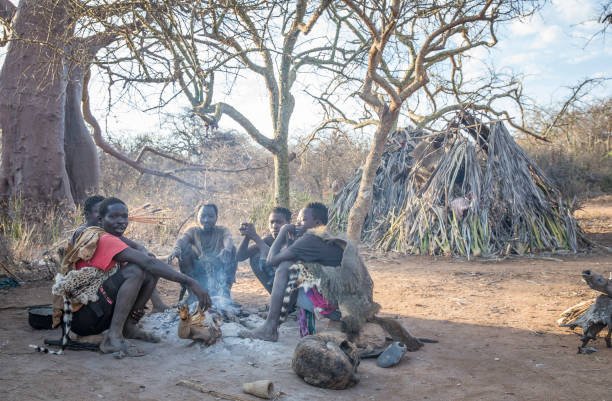
Hadzabe Tribe Day Trip Cost From Moshi/Zanzibar 2026-2027
Hadzabe tribe Day trip cost from Moshi/Zanzibar is explained with current 2026-2027 planning, price, itinerary and booking information.
View package detailsNo related package matches those filters. Clear one or more filters to see the other topic-matched options.
Plan your Moshi Railway Station History Tour with Top Guide Adventures
Tell us your travel dates, group size, comfort level, and dream experience. We will help you shape a clear, realistic, and memorable Tanzania itinerary.



